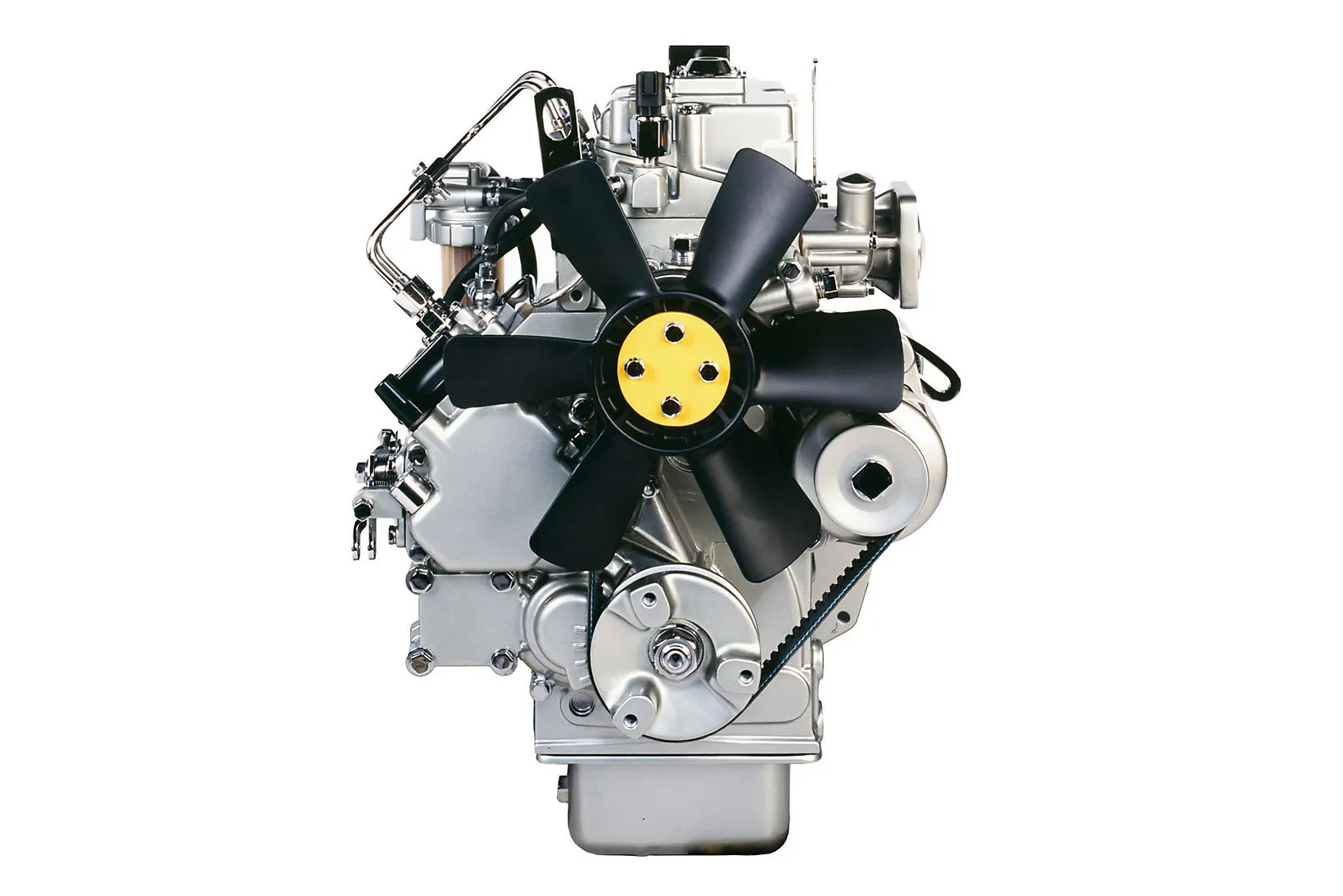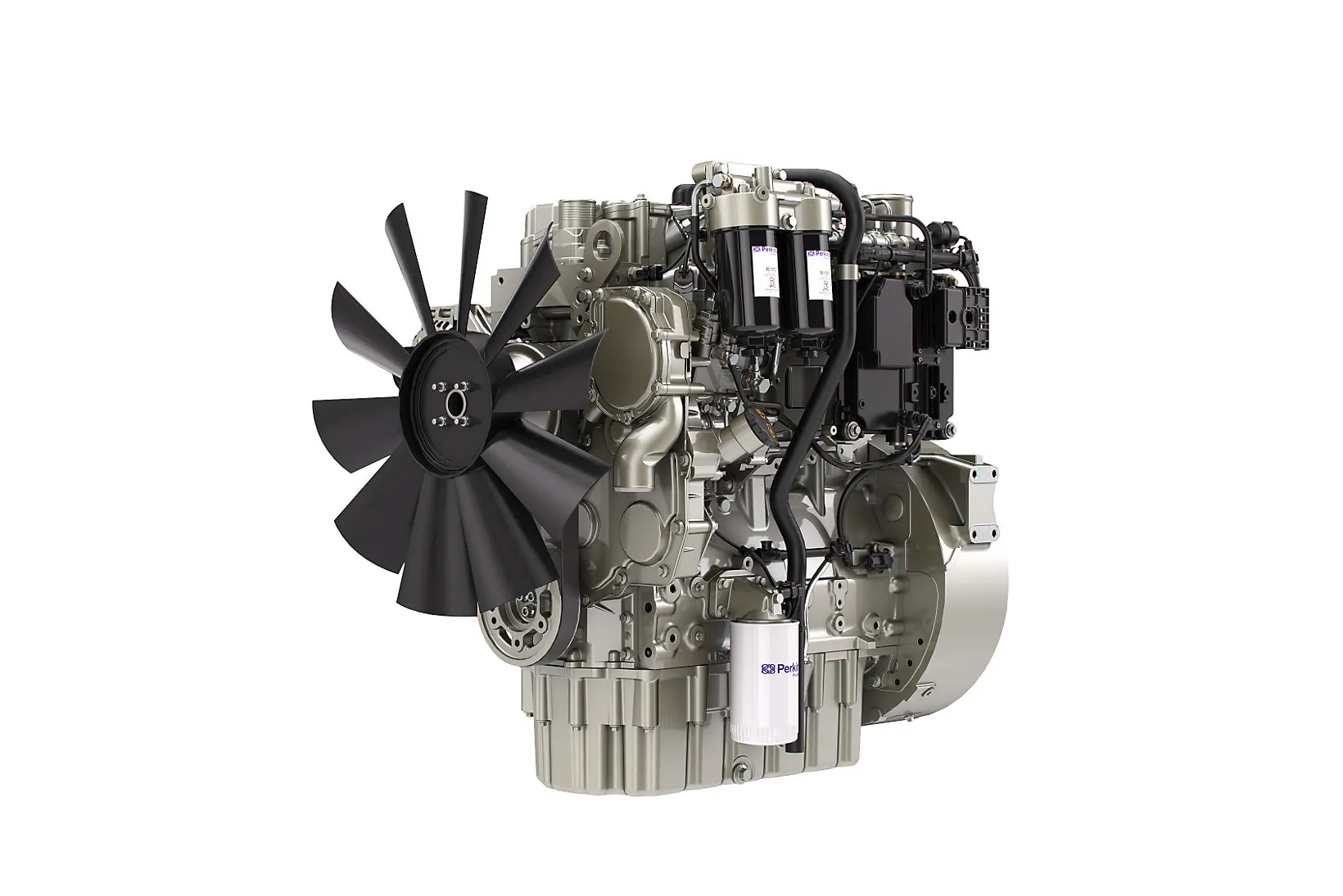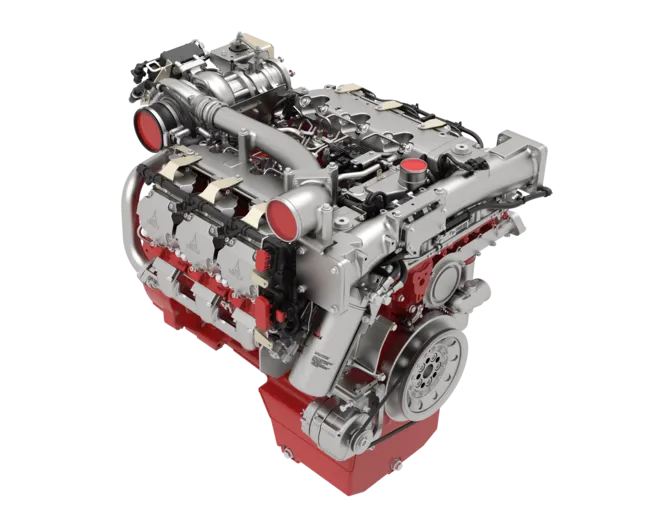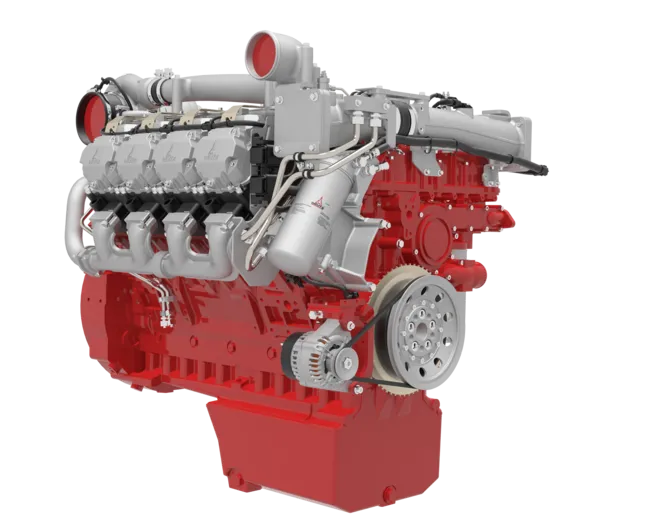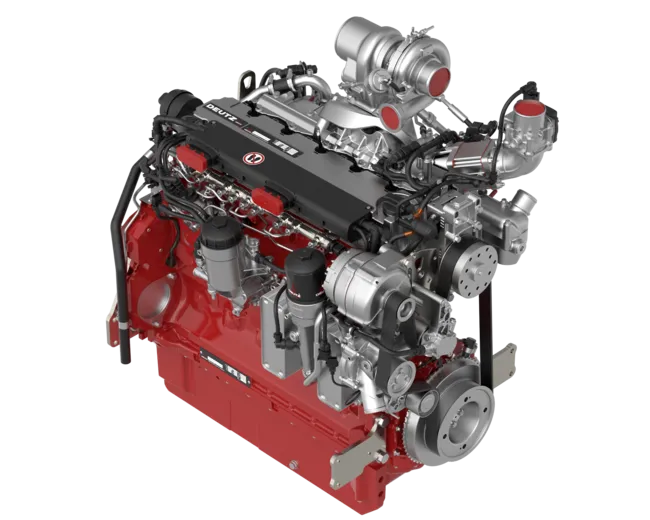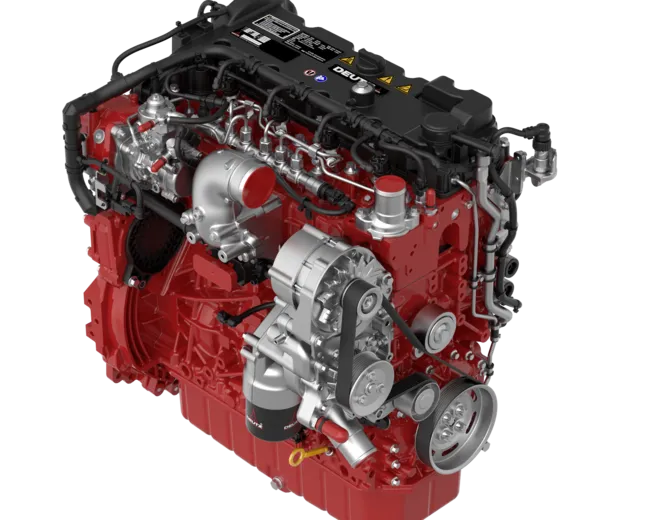

Diesel engines are used in many different fields, including construction machinery, generators, agricultural machinery, industrial equipment, and heavy-duty vehicles. Thanks to their high durability, strong torque output, and long service life, they constitute an essential part of industrial operations. However, proper spare parts selection is just as important as regular maintenance to maintain the performance and operating efficiency of diesel engines.
The quality of the parts used in engine maintenance and repair can affect many factors, from engine performance and fuel consumption to operating costs and service life. Choosing an incorrect part or one that is incompatible with the engine may lead to more serious mechanical failures and unexpected downtime over time.
Why Is Spare Parts Quality Important for Diesel Engines?
Diesel engines consist of numerous mechanical and electronic components operating under high pressure and temperature. The fuel injection system, pistons, cylinder head, crankshaft, turbocharger, lubrication system, and cooling system are among the main components that ensure the engine operates as a whole.
A failure in any of these systems can affect the overall operating condition of the engine. Spare parts used in critical engine components must therefore comply with the required quality standards.
High-quality spare parts compatible with the engine;
- Help maintain engine performance.
- Help reduce the risk of mechanical wear and failures.
- Enable maintenance and repair processes to be carried out more efficiently.
- Contribute to preserving the engine\'s service life.
- Help prevent unexpected operational downtime.
For this reason, when purchasing spare parts, product specifications, manufacturing quality, and compatibility with the engine should be evaluated together rather than considering price alone.
6 Criteria to Consider When Selecting Diesel Engine Spare Parts
Choosing the right spare parts starts with accurately analyzing the engine\'s technical specifications. The following criteria should be evaluated before making a purchase.
- Compatibility with the Engine Brand and Model
The first point to consider when purchasing diesel engine spare parts is whether the part is compatible with the engine in which it will be used.
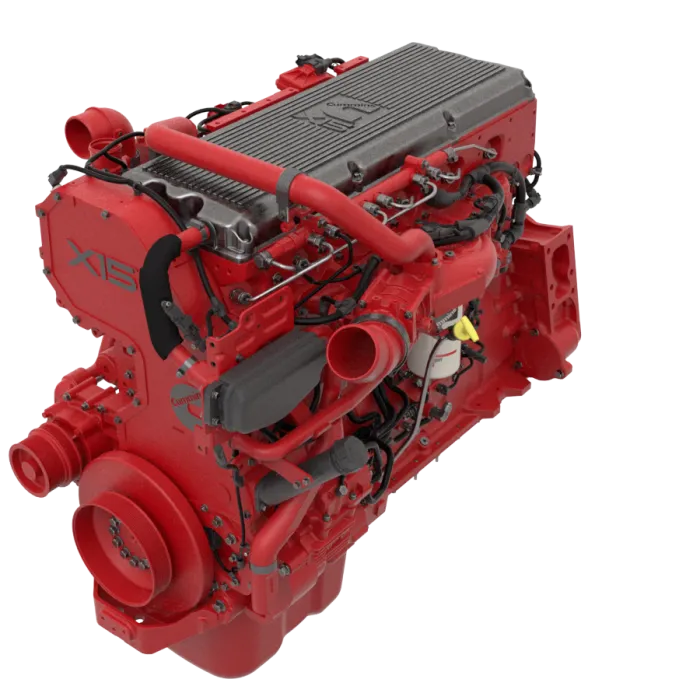
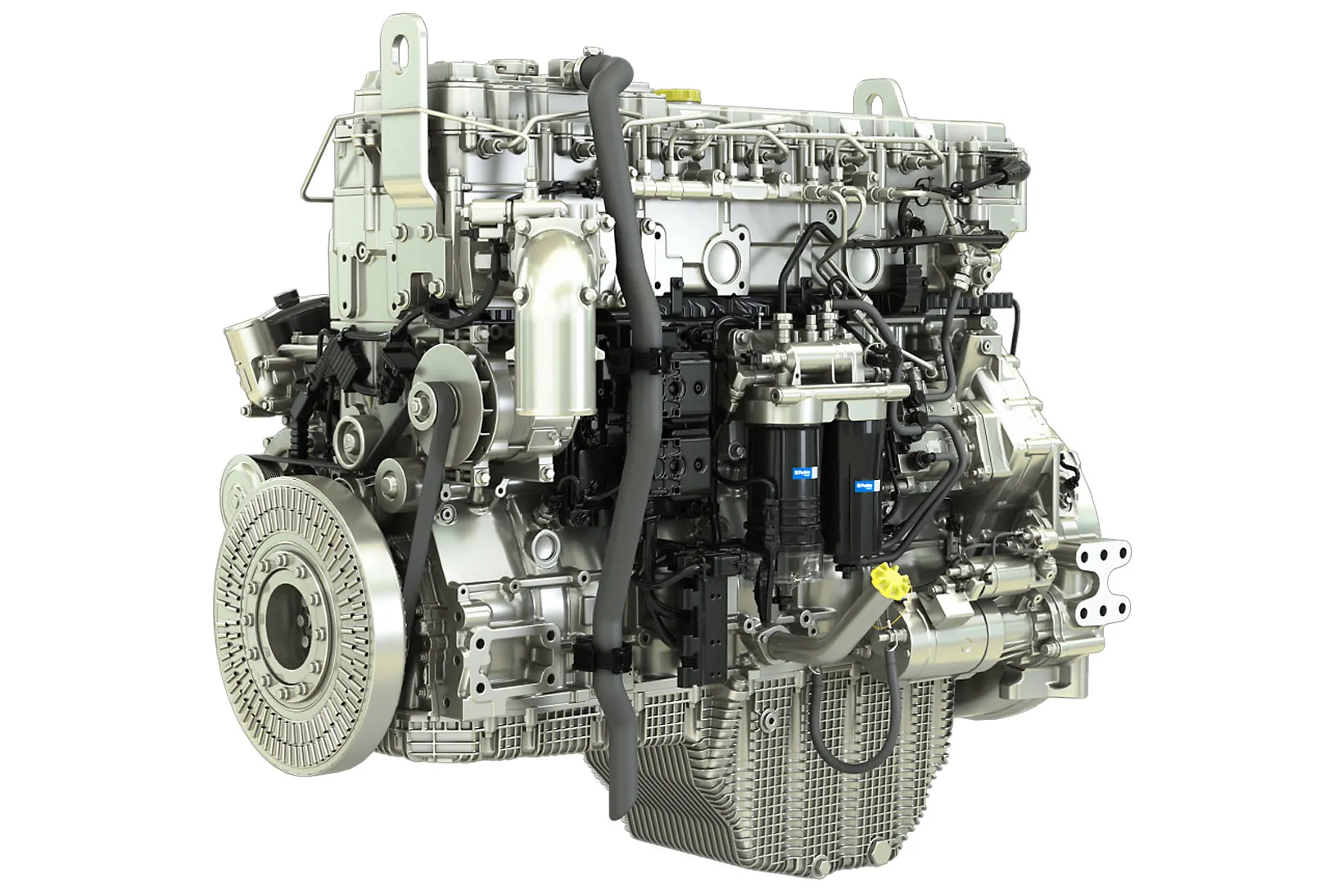
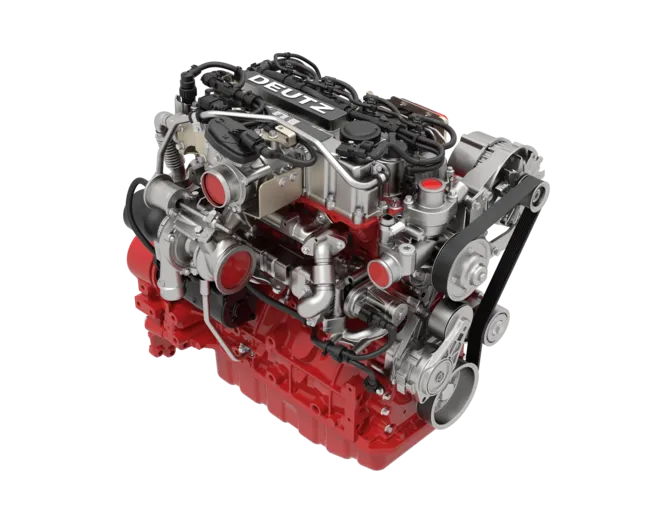
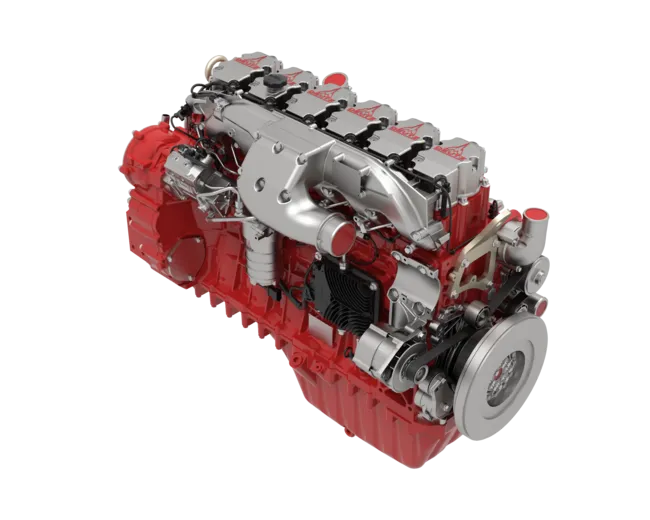
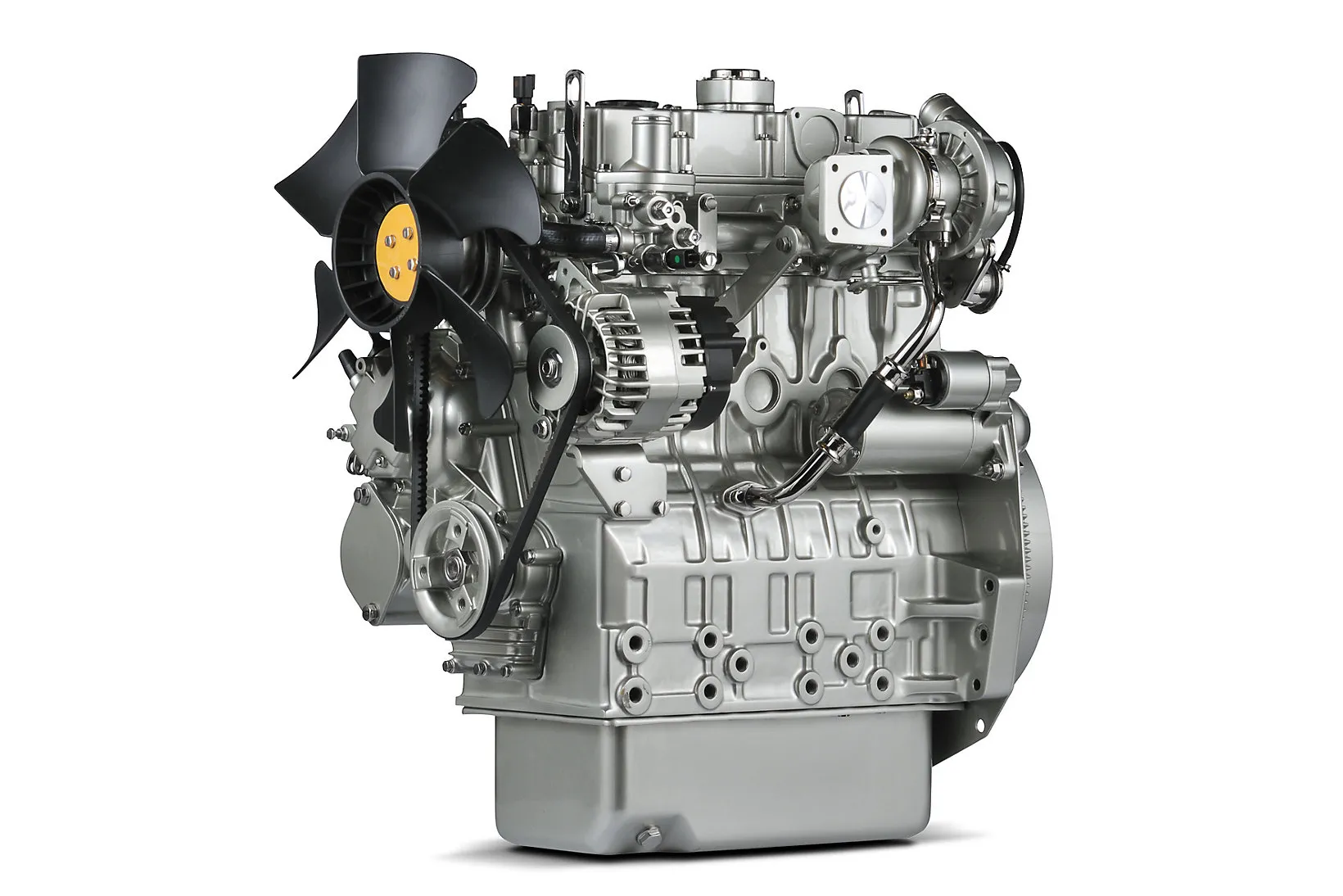
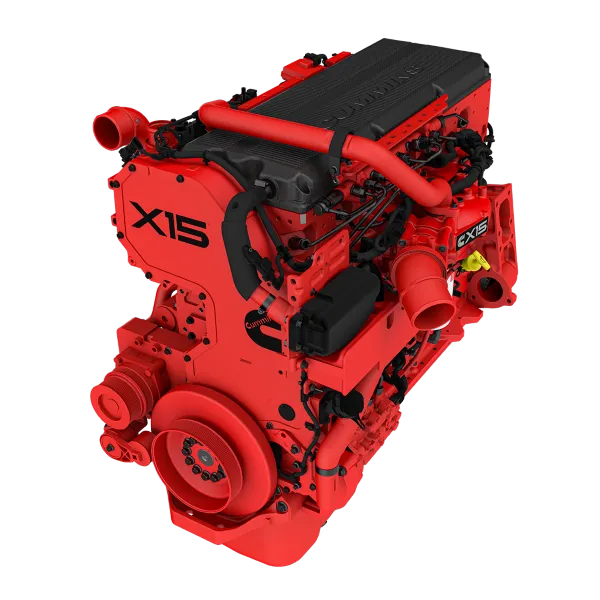
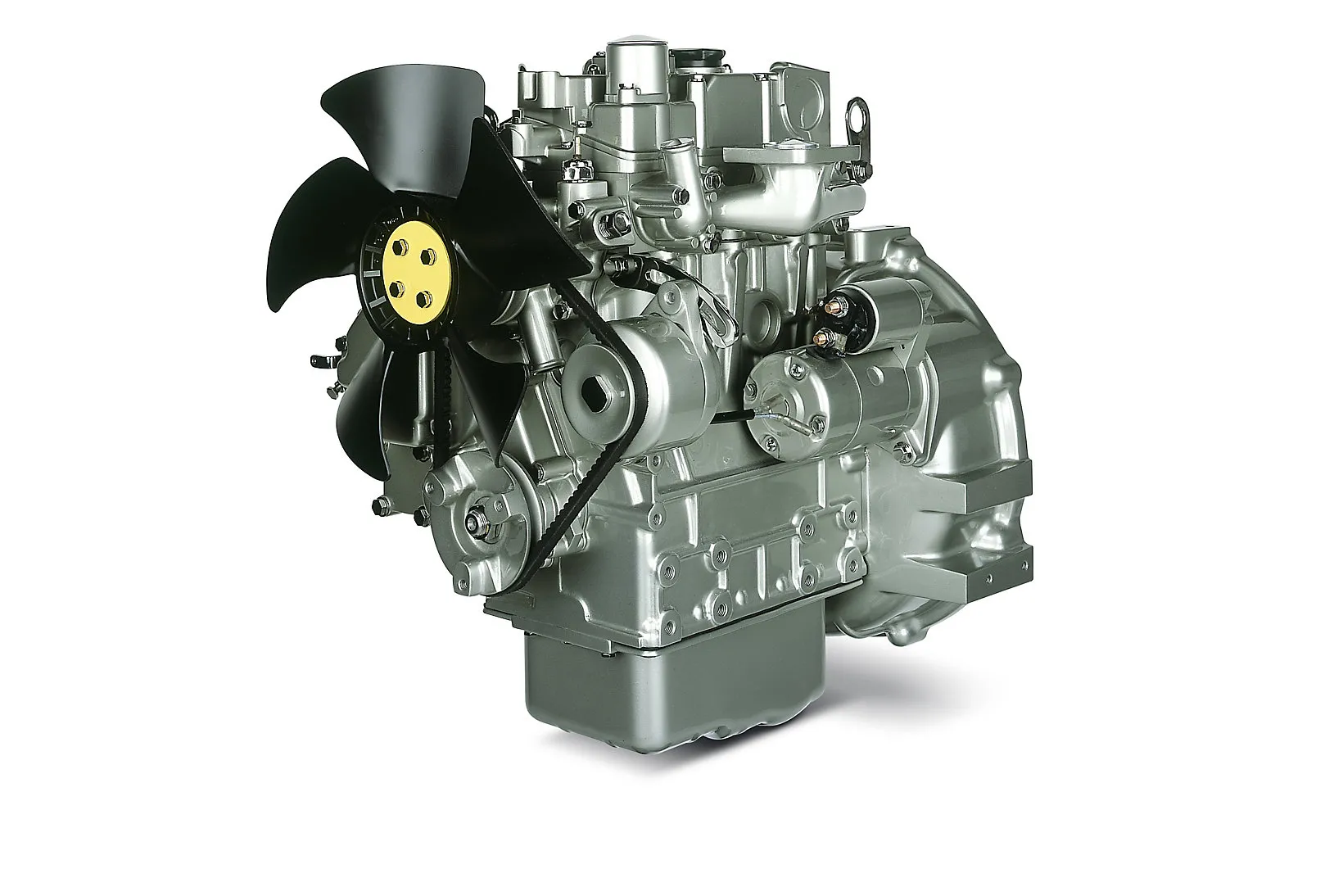
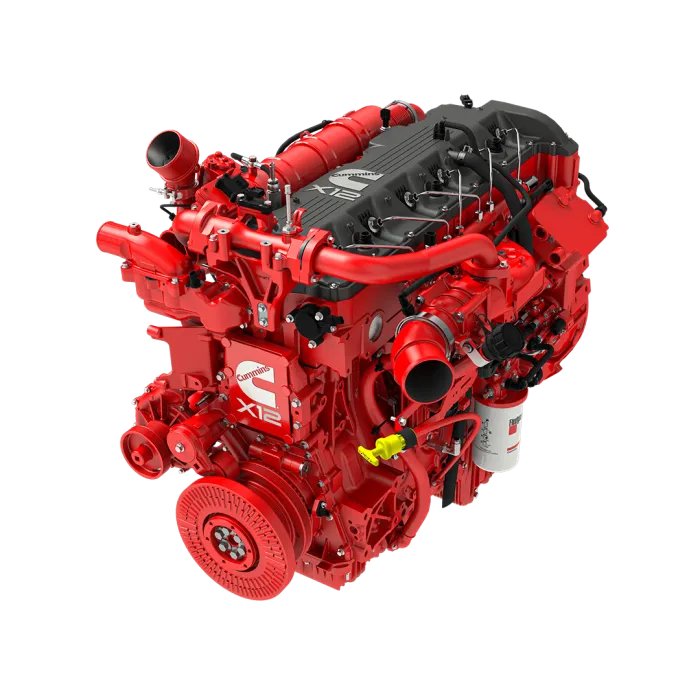
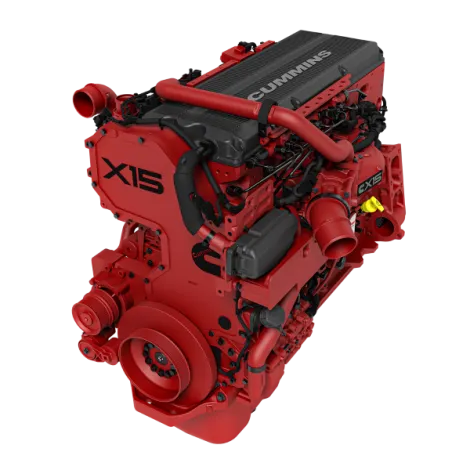
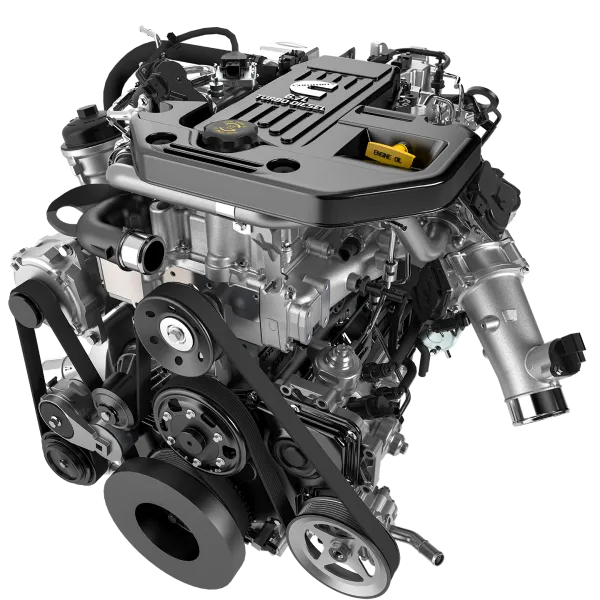
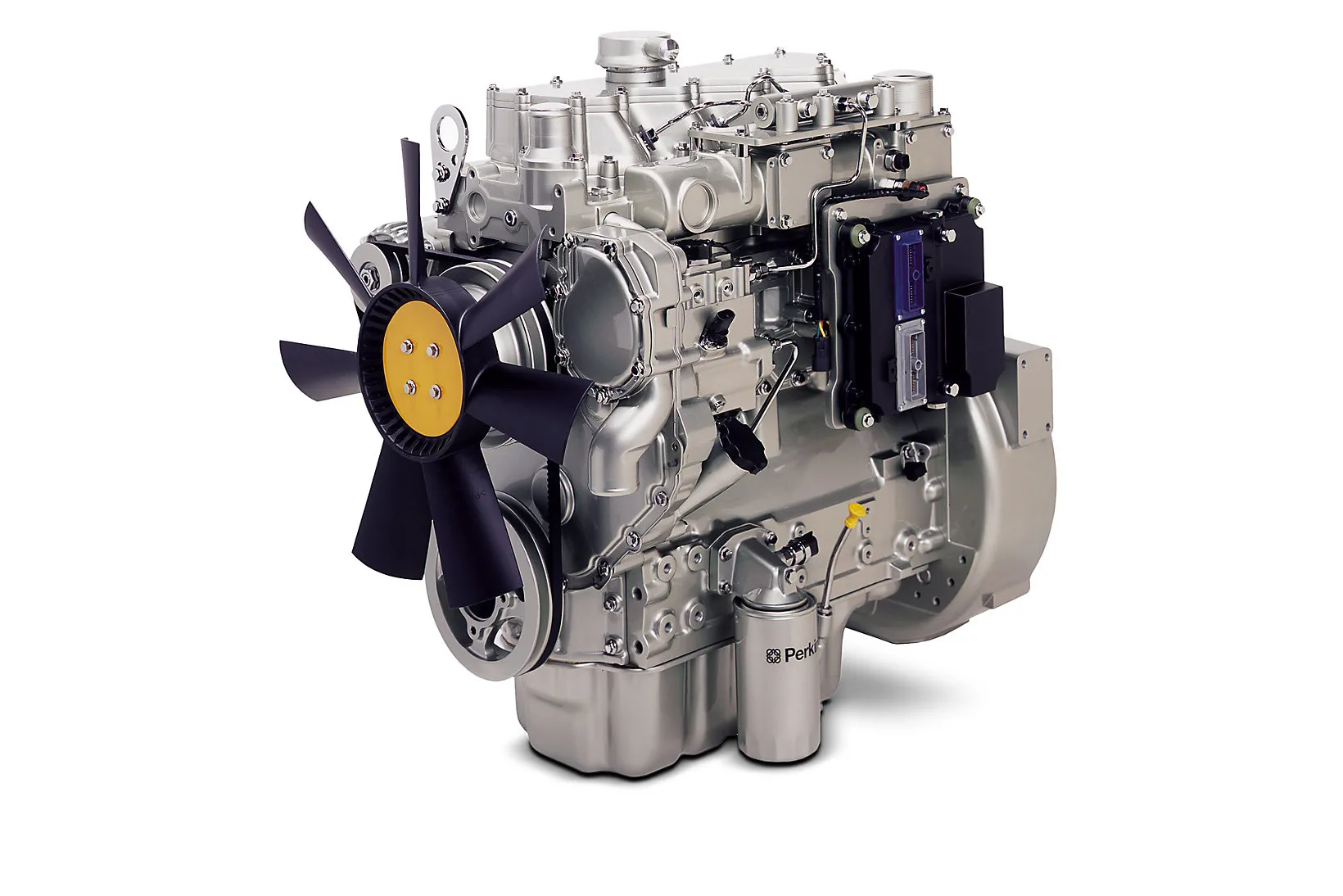
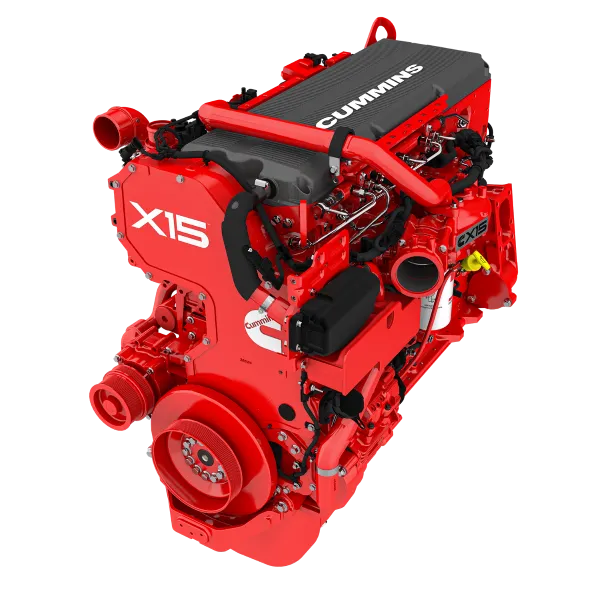
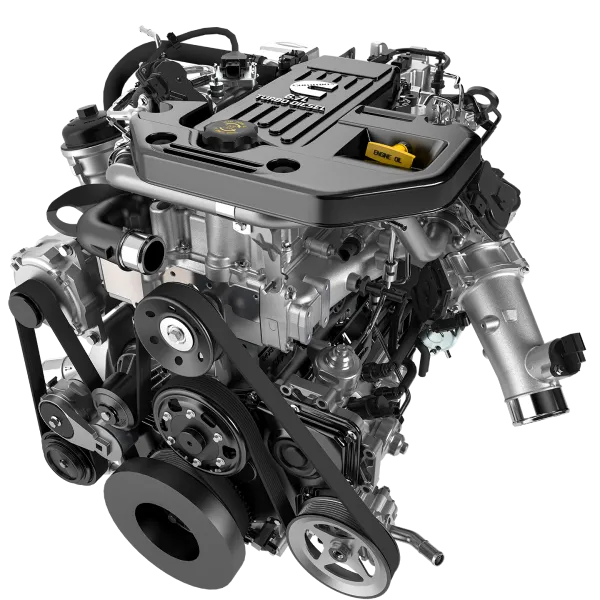
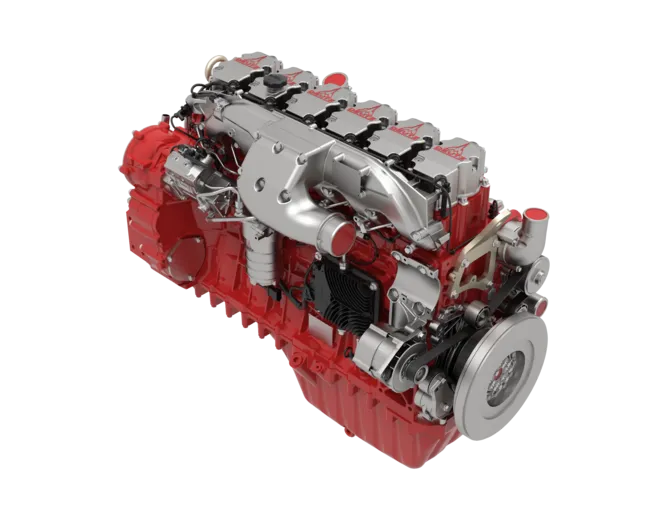
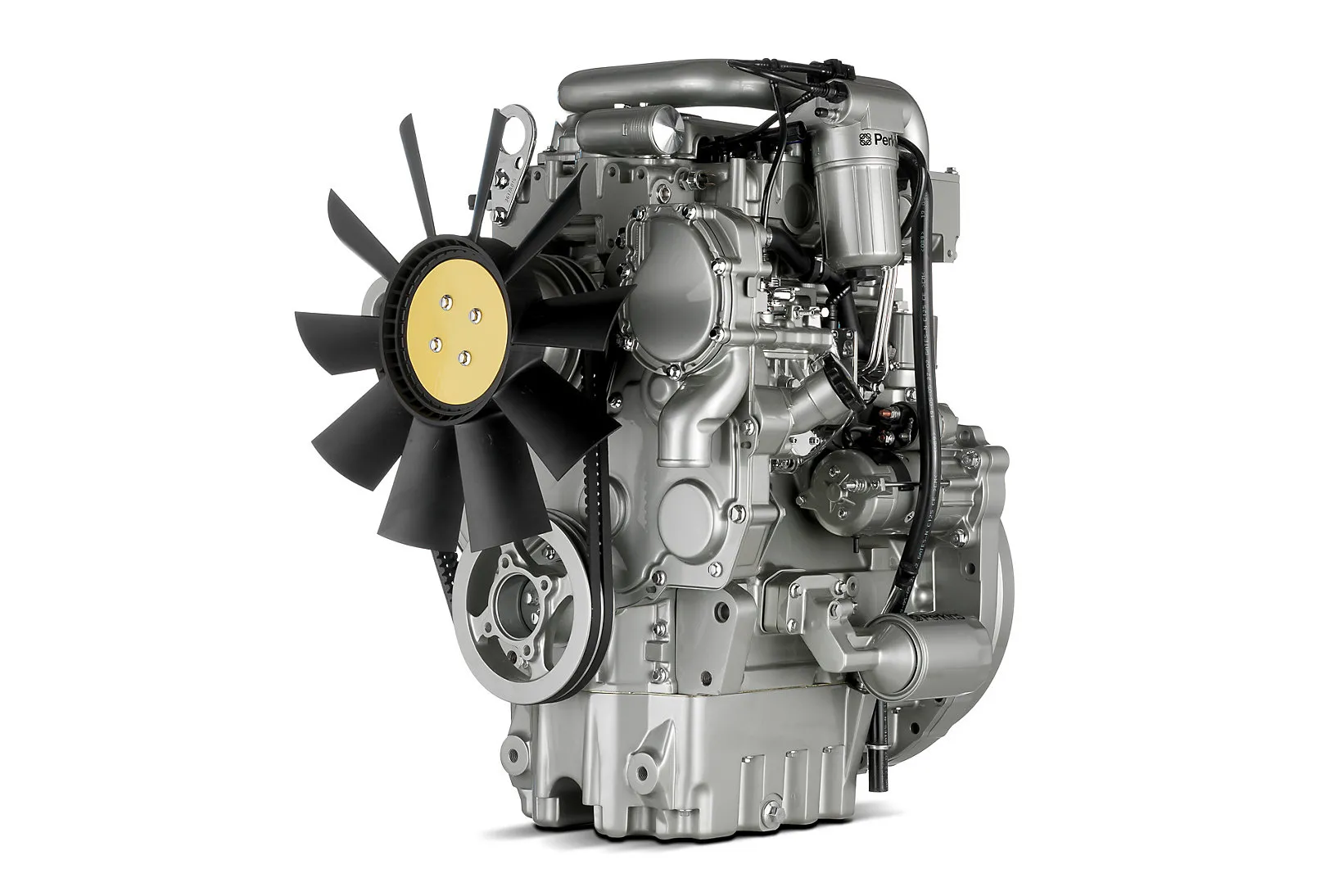
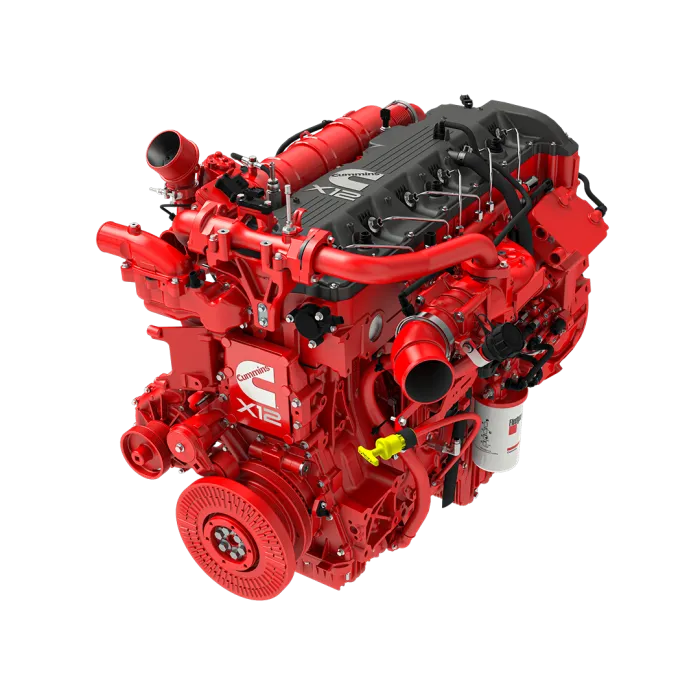
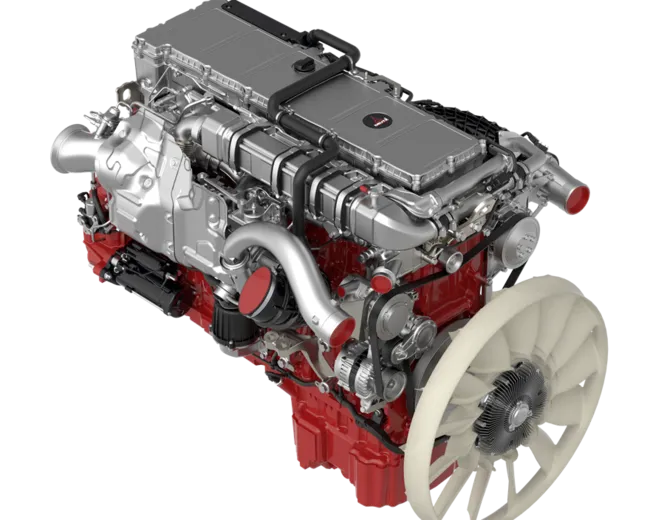
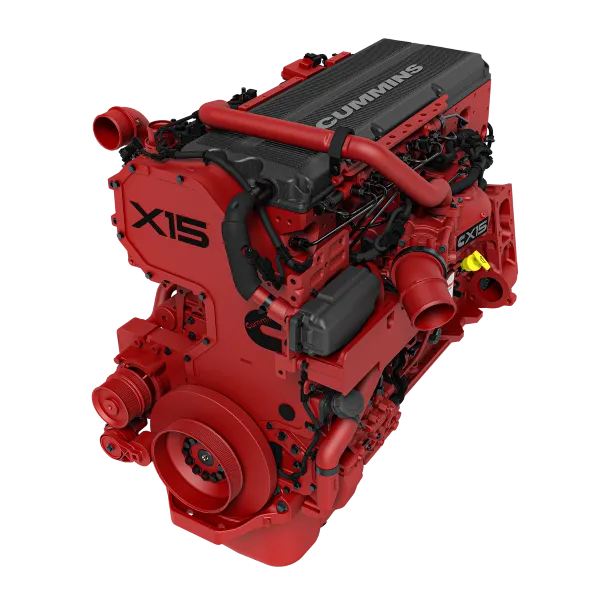
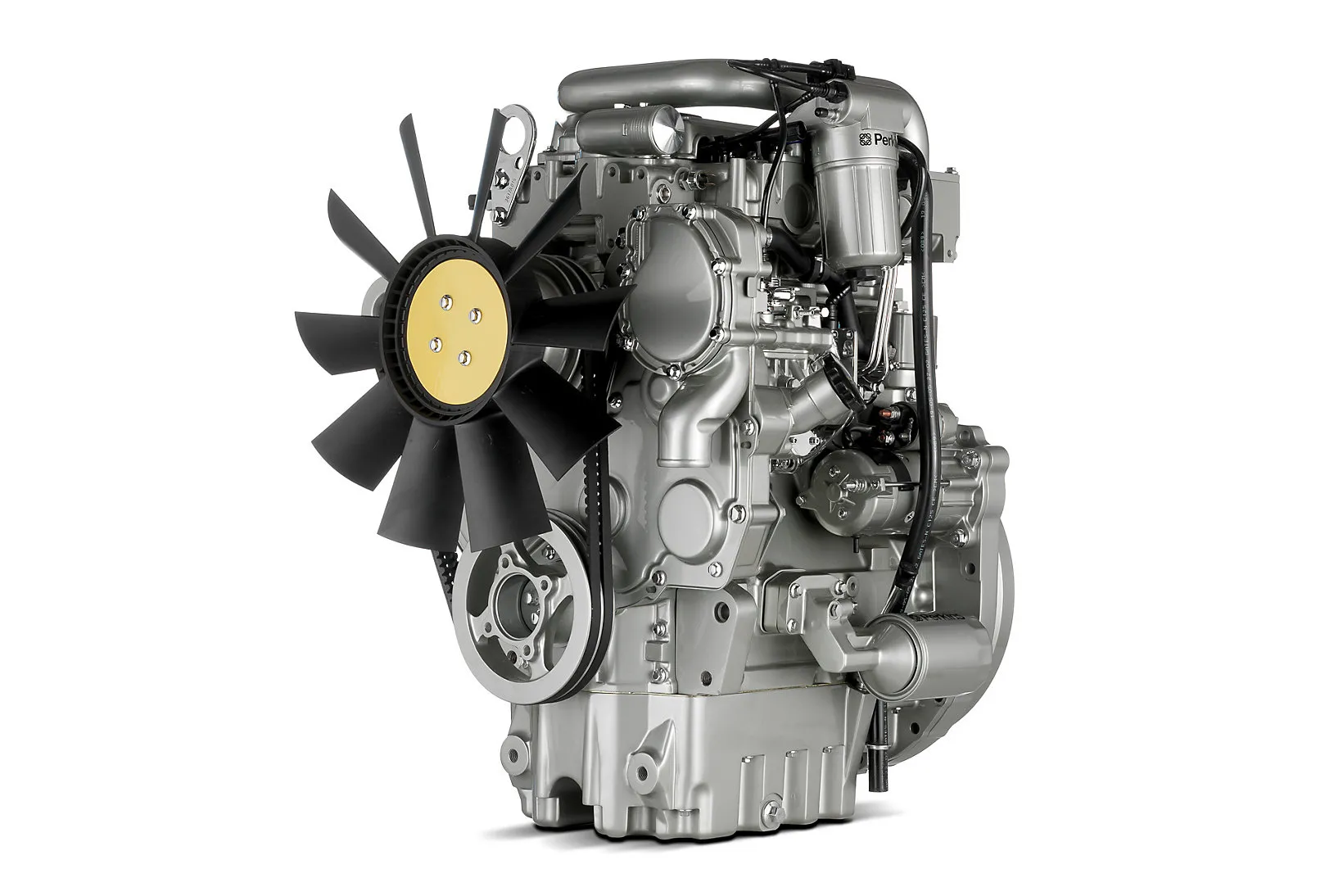
Products from different engine manufacturers, such as Perkins, Deutz, and Cummins, may differ in terms of design, dimensions, connection structures, and technical specifications. Even different models from the same engine brand may use different parts.
Therefore, purchasing a part based solely on the engine brand is not sufficient. The exact engine model, serial number, and, if possible, the part number of the existing component should be checked.
Technical compatibility is particularly important for critical components such as pistons, piston rings, injectors, turbochargers, and cylinder heads.
- Choosing Original and High-Quality Alternative Parts
Diesel engine spare parts are available as original products and alternative parts offered by different manufacturers. In both cases, the technical specifications and quality standards of the product should be evaluated.
Original spare parts are supplied in accordance with the technical requirements established by the relevant engine manufacturer. Alternative parts, on the other hand, may vary in quality depending on the manufacturer and product group.
The important point is that the selected part must be suitable for the engine\'s operating conditions and meet the required technical standards.
Choosing low-quality or incompatible parts, particularly for industrial engines operating under heavy-duty conditions, may result in the need for maintenance and repairs again within a short period.
- Checking Part Numbers and Technical Specifications
One of the common problems encountered when selecting spare parts is confusing components that look similar but have different technical specifications.
For example, two injectors or filters with similar external appearances may differ in terms of pressure values, connection dimensions, or operating characteristics.
For this reason, the product\'s part number must be checked before purchasing. Manufacturer catalogs, engine serial numbers, and technical documents are important resources for identifying the correct part.
Part number changes and updated product references should be taken into account, particularly for older engine models. This helps prevent incorrect orders and installation-related problems.
- Selecting Parts Suitable for Operating Conditions
Not every diesel engine operates under the same conditions. While a generator engine may run at a constant speed for extended periods, a construction machinery engine may be exposed to varying load and speed conditions.
These differences also affect the mechanical and thermal loads to which engine components are exposed. For example, the durability of cooling system components becomes particularly important in engines operating at high temperatures, while air and fuel filters must be selected with suitable specifications in environments with high levels of dust.
Therefore, when selecting spare parts, the engine\'s application, operating hours, load capacity, and environmental conditions should be evaluated together.
- Supplier Reliability and Product Documentation
Choosing a reliable supplier in the diesel engine spare parts industry is just as important as product quality.
Being able to verify that the part to be purchased is the correct product, receiving transparent product information, and having access to technical support after the sale provide significant advantages for businesses.
The following points should be considered when selecting a supplier:
- The product\'s brand and part number information should be clearly specified.
- Information about product quality and technical specifications should be provided.
- Compliance and traceability documents should be supplied when necessary.
- Order and delivery processes should be managed reliably.
- The supplier should have the expertise to answer technical questions.
Establishing long-term business relationships with reliable suppliers can simplify purchasing processes, particularly for businesses with ongoing spare parts requirements.
- Price and Total Operating Costs Should Be Evaluated Together
Choosing the lowest-priced product when purchasing spare parts does not always mean selecting the most economical solution.
A low-quality part may fail within a short period, resulting in the need to purchase another part and increased labor costs. In addition, unplanned engine downtime can cause significant losses in production or operational processes.
For this reason, spare parts selection should take into account not only the purchase price but also the product\'s service life, maintenance requirements, installation costs, and potential failure risks.
A long-term cost approach enables businesses, particularly those that operate industrial engines intensively, to make more informed purchasing decisions.
What Problems Can the Use of Incorrect Spare Parts Cause?
Spare parts that are incompatible with the engine or fail to meet the required quality standards can cause various mechanical problems.
Using an incorrect filter may prevent the engine from being adequately protected and allow contaminants to enter the system. Unsuitable injectors may disrupt the fuel injection process. Low-quality cooling system components may make it difficult to control engine temperature.
Similarly, mechanical parts that do not meet the required dimensional and tolerance specifications may cause wear and operating problems.
These problems may not be limited to replacing the relevant part. Other engine components may also be adversely affected, potentially requiring more extensive repairs. Therefore, spare parts selection should be based on expert evaluation and accurate technical information.
Choosing the Right Spare Parts for Perkins, Deutz, and Cummins Engines
Perkins, Deutz, and Cummins engines, which are widely used in the industrial engine sector, offer extensive product ranges with different applications and technical specifications.
When selecting spare parts for these engines, verifying the model and serial number is particularly important.
In Perkins engines, components such as fuel system parts, filters, piston assemblies, and cooling system components may vary depending on the engine model. For Deutz engines, technical compatibility should be assessed according to the engine series and application. For Cummins engines, the correct product should be identified based on the engine model, serial number, and manufacturer\'s part references.
How Does Choosing the Right Spare Parts Affect Engine Service Life?
The ability of diesel engines to operate efficiently over an extended period depends on regular maintenance and the use of parts with the appropriate specifications.
Using the correct oil and fuel filters during periodic maintenance helps protect the engine\'s essential components. Suitable cooling system parts help keep engine temperature under control. For the engine\'s internal mechanical components, selecting parts that comply with the manufacturer\'s tolerances is important for operational reliability.
Choosing the right parts alone does not guarantee a long engine service life. Regular maintenance, the use of suitable oil and fuel, proper operating conditions, and timely technical inspections are also integral parts of this process.
For Diesel Engines, the Right Spare Parts Are the Foundation of Reliable Performance
Diesel engine spare parts selection is an important process that directly affects engine performance, operational reliability, and operating costs.
Criteria such as compatibility with the engine model, product quality, part number, operating conditions, supplier reliability, and total cost must be evaluated together.
Identifying the correct spare parts is particularly important for industrial engines such as Perkins, Deutz, and Cummins to ensure that maintenance and repair processes are carried out properly.
At Fermot, we understand the importance of spare parts and service solutions that address the technical needs of diesel engines and industrial engine systems. Through accurate product selection, technical compatibility, and a reliable supply approach, we aim to contribute to the efficient and sustainable operation of engines.