How Do Altitude and Elevation Affect Performance in Industrial Diesel Engines?
The performance of industrial diesel engines depends not only on the engine\'s technical specifications and maintenance condition. The elevation at which the engine operates, atmospheric pressure, and air density can also affect its operating conditions.
Environmental conditions must be taken into account, particularly for generators, construction machinery, and other industrial equipment used in high-altitude regions. As altitude increases, atmospheric pressure and air density generally decrease. This can affect the amount of oxygen available to enter the engine\'s cylinders.
Selecting and operating an engine appropriately for altitude conditions is important when assessing whether it can deliver the performance required by a particular application.
What Is Altitude and How Does It Affect an Engine?
Altitude refers to the height of a location above sea level. As elevation increases, atmospheric pressure generally decreases, and under certain conditions, air density also declines.
In diesel engines, the oxygen required for combustion is supplied by the air drawn into the cylinders. A reduction in ambient air density can change the engine\'s operating conditions.
Depending on the engine\'s design and control system, this may affect power output, operating temperatures, or load-carrying capacity.
Why Can Engine Power Change at High Altitudes?
The power output of a diesel engine is related to the amount of air available for the combustion process. At high altitudes, reduced air density can affect the amount of oxygen entering the cylinders.
Depending on the engine\'s design, the control system may limit the fuel quantity to maintain suitable combustion conditions. As a result, the engine\'s available power may differ from its output at sea level.
However, the extent of the power change is not the same for every engine. Whether the engine is naturally aspirated or turbocharged, its control system, ambient temperature, and manufacturer-defined operating limits can all influence the outcome.
How Are Turbocharged Engines Affected at High Altitudes?
In turbocharged engines, the intake air is compressed using energy from the exhaust gases. This system helps deliver more air to the engine\'s cylinders.
A turbocharger can partially compensate for the effects of reduced air density at high altitudes. However, this does not mean that all altitude-related effects are eliminated under every operating condition.
The turbocharger\'s operating limits, the engine control system, and the manufacturer\'s specified technical requirements must be taken into account. Therefore, the suitability of an engine for high-altitude operation should be assessed for each model individually.
How Do Ambient Temperature and Altitude Affect an Engine Together?
Altitude is not the only environmental factor that affects engine operating conditions. Ambient temperature can also influence air density.
When high altitude and high ambient temperatures occur simultaneously, the engine\'s operating capacity, cooling system, and air intake must be evaluated together.
Ambient operating conditions and power ratings specified by the manufacturer are particularly important for industrial engines operating under high loads for extended periods.
The Importance of High Altitude in Generator Applications
Generators operate to meet a specific electrical load. When a generator engine is used at high altitudes, the mechanical power it can deliver may differ from its output under standard reference conditions.
This may require an assessment of the load the generator can support. It should not be assumed that a generator can deliver its rated power under identical conditions at every altitude and temperature.
Technical data provided by the engine and generator manufacturers should be used to determine the appropriate capacity.
What Should Be Considered When Selecting an Engine for High Altitudes?
When selecting an industrial engine for use in a high-altitude region, considering only its nominal power rating may not be sufficient.
The following factors should be taken into account during the assessment:
- The altitude at which the engine will operate,
- Ambient temperature,
- Continuous or intermittent operating requirements,
- Expected load level,
- Turbocharging and control system specifications,
- Operating limits specified by the manufacturer.
This information helps determine more accurately whether the engine is suitable for the intended application.
Technical Inspections for Engines Operating at High Altitudes
Maintenance on engines operating at high altitudes should be performed according to the schedule specified by the manufacturer. Engine operating parameters and load conditions should also be monitored in line with the application\'s requirements.
If the engine cannot deliver the expected power, altitude should not automatically be assumed to be the cause. The engine\'s overall technical condition, control system, and application-specific load conditions should be evaluated together.
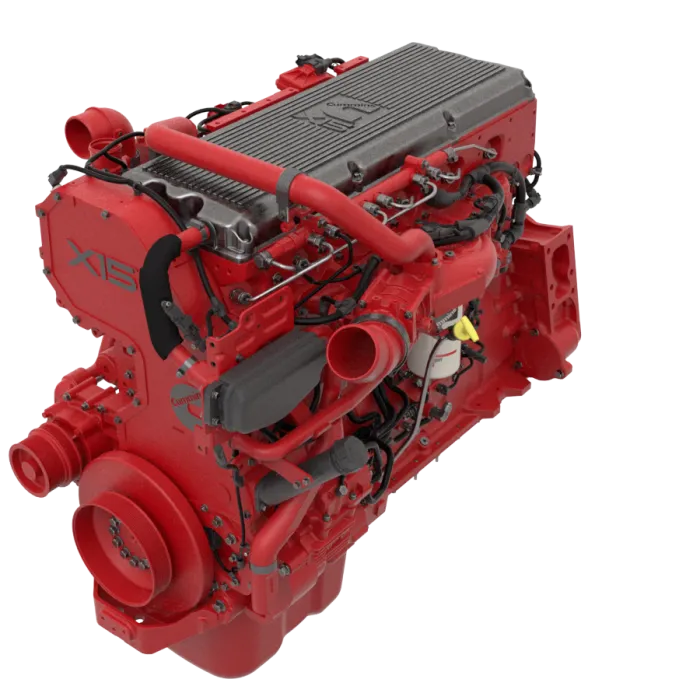
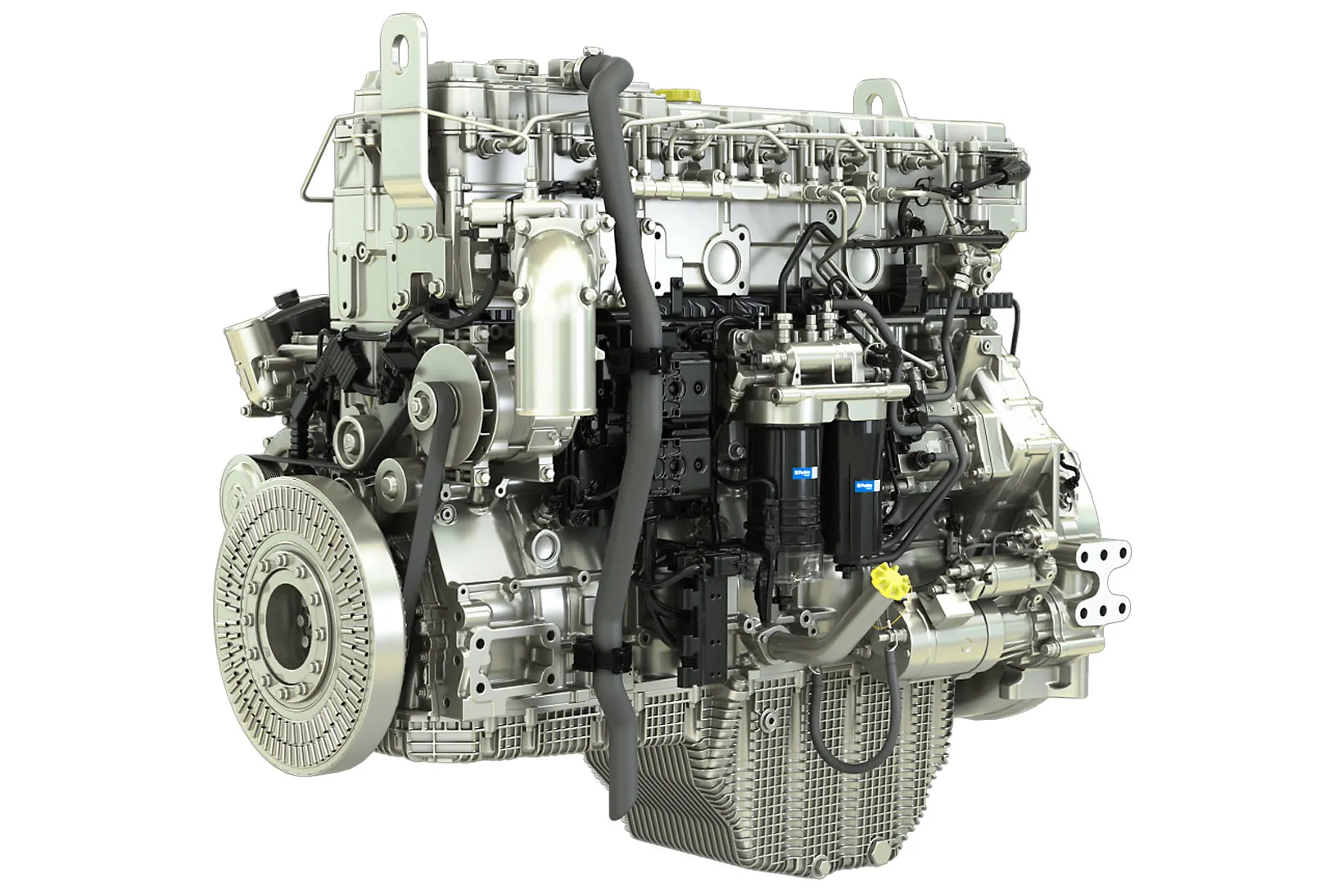
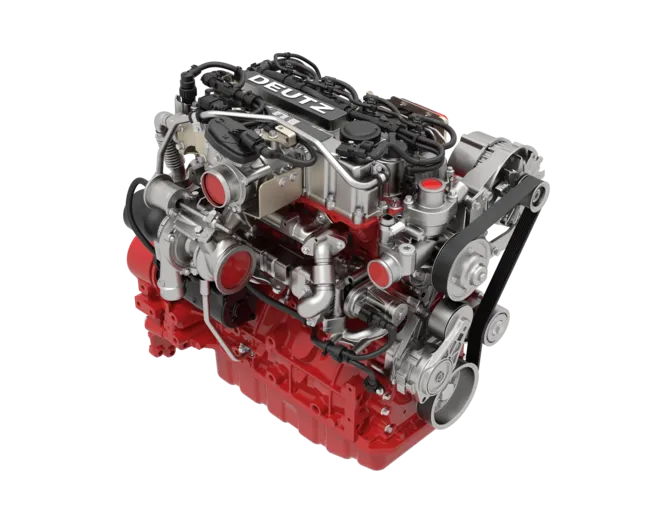
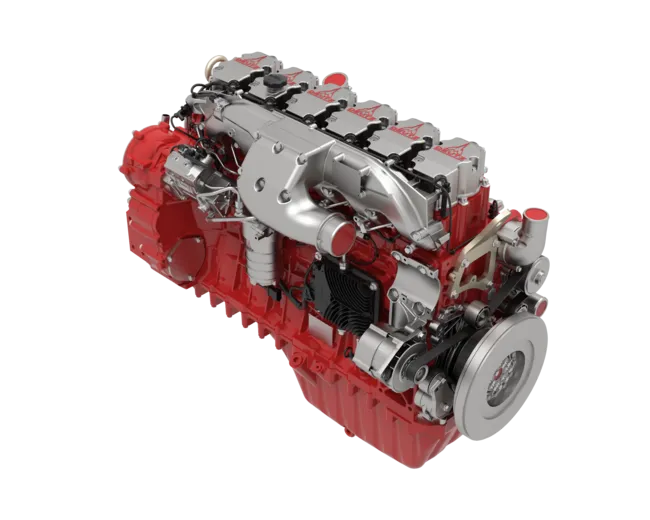
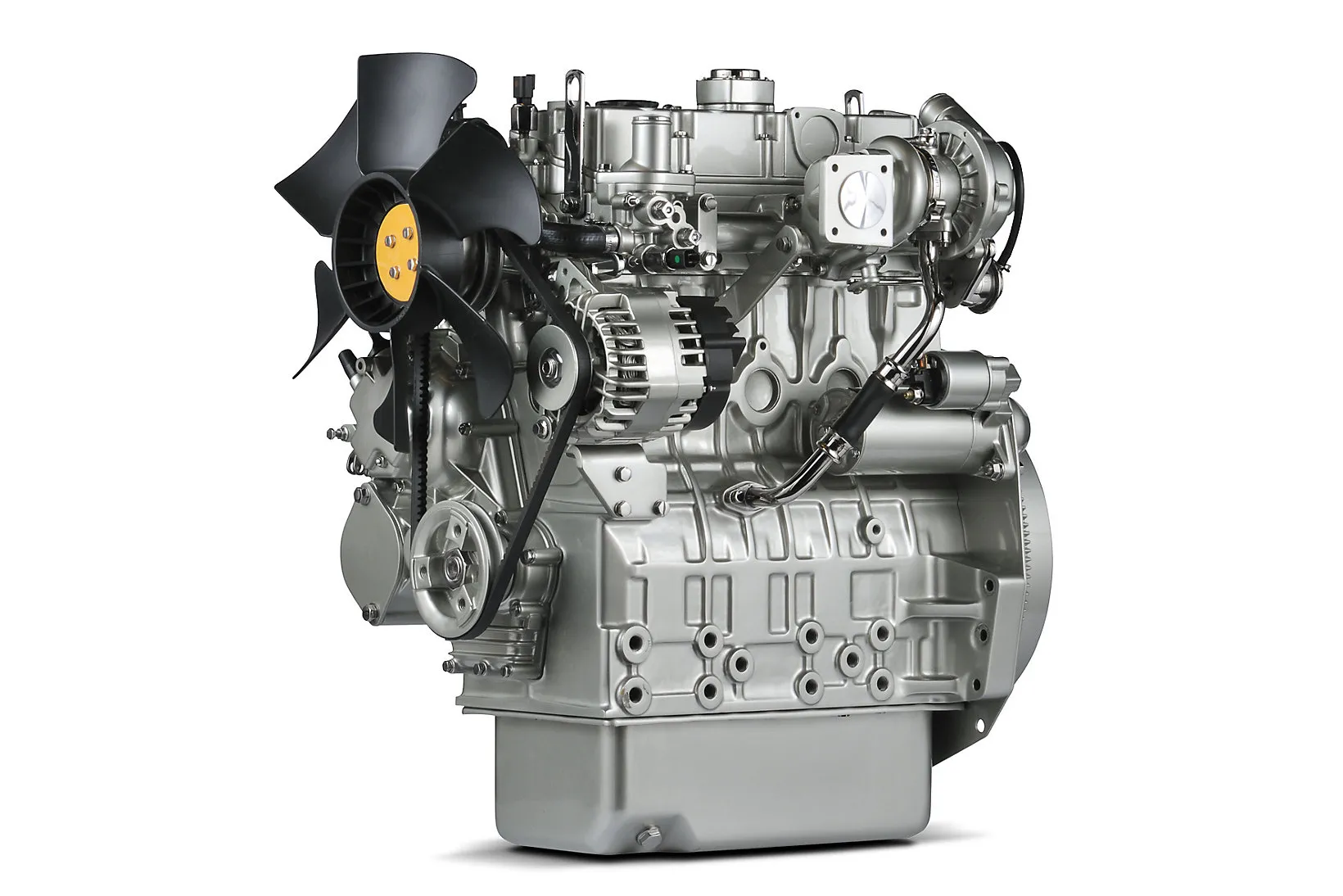
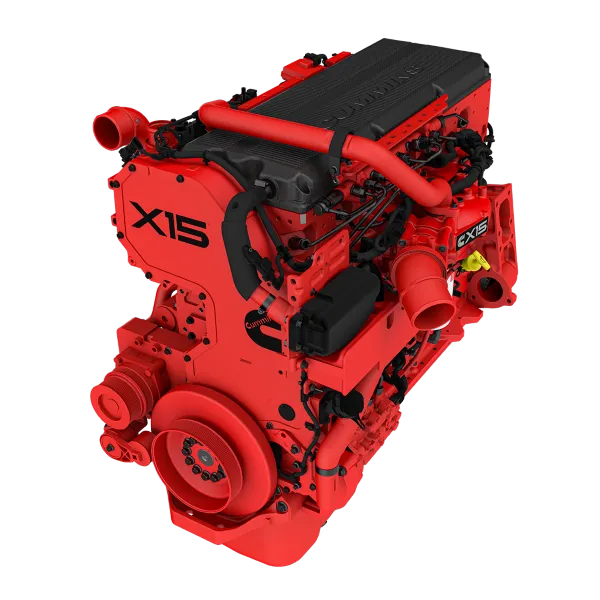
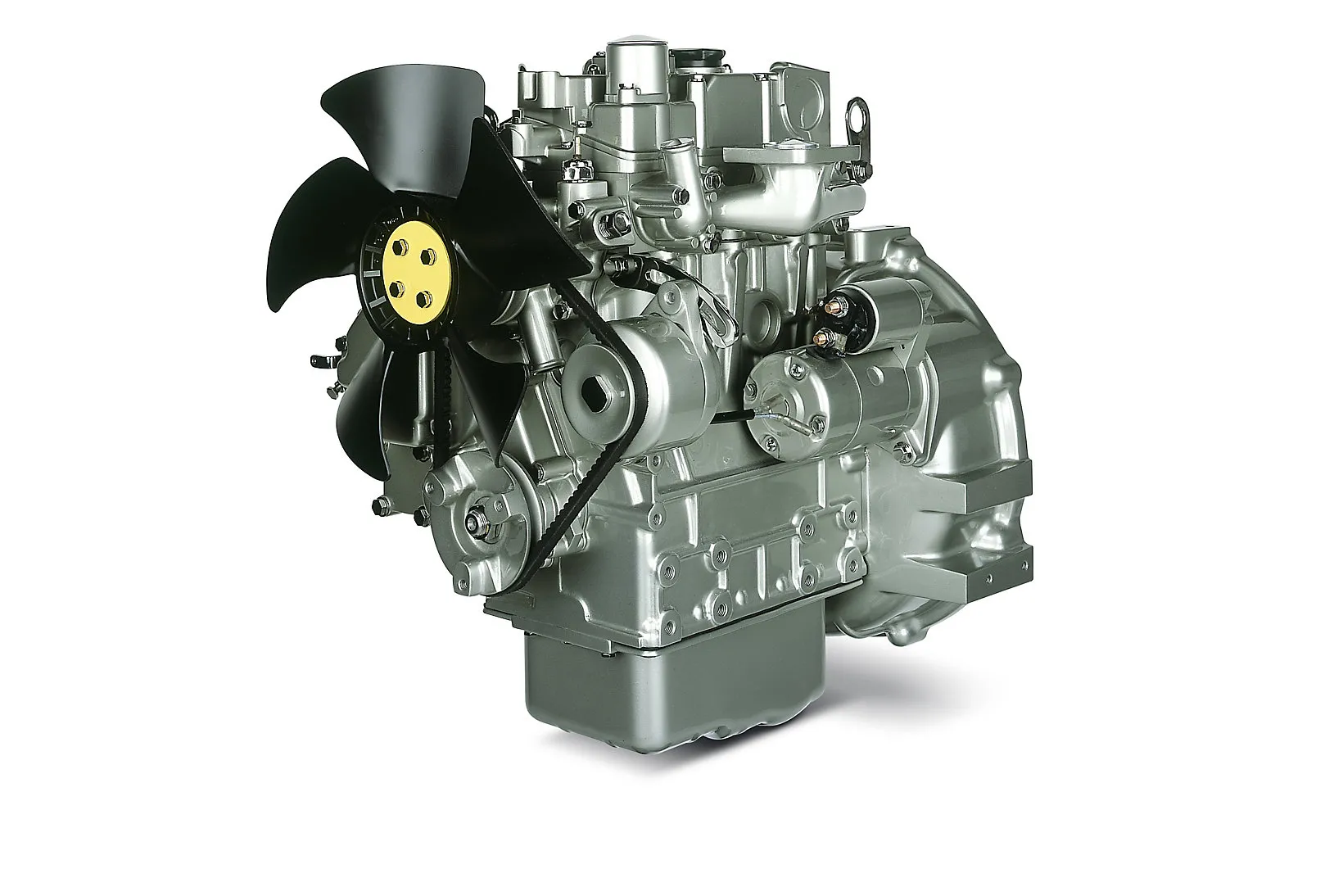
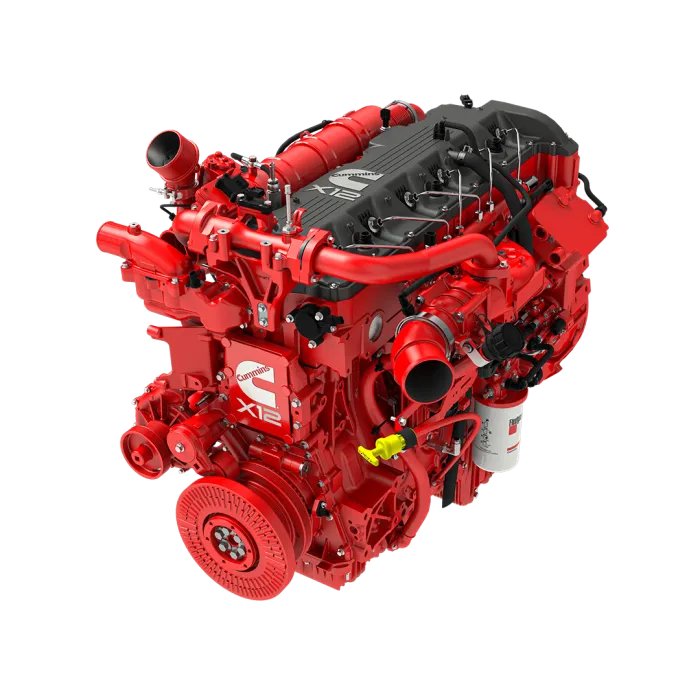
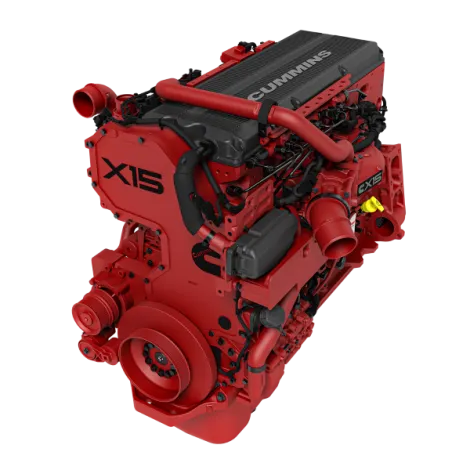
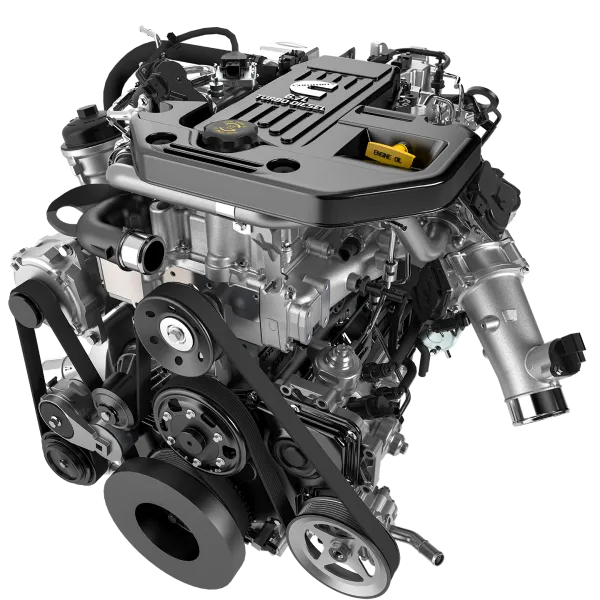
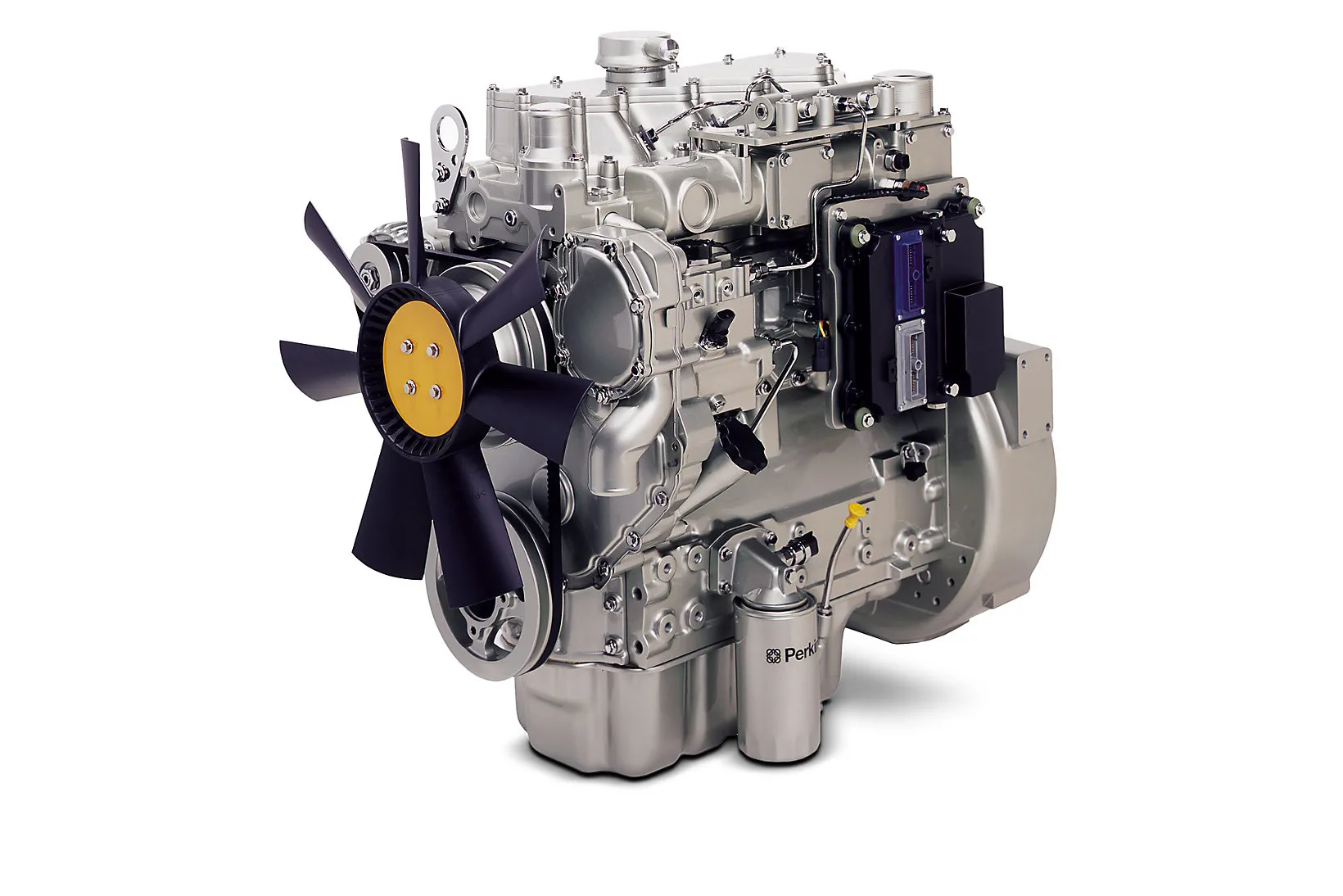
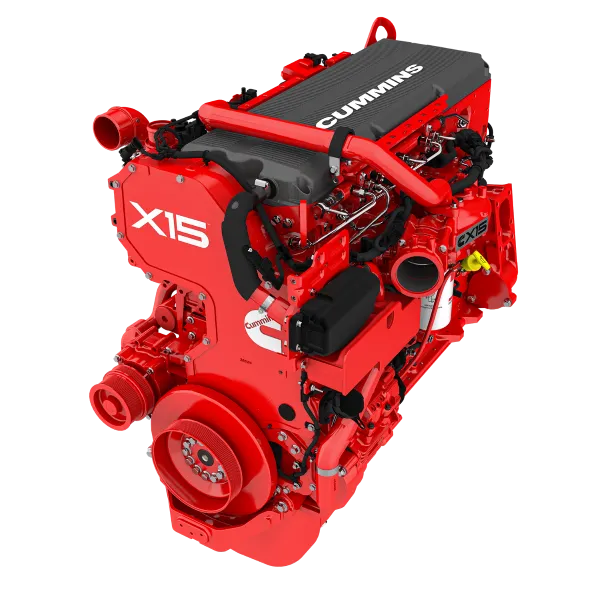
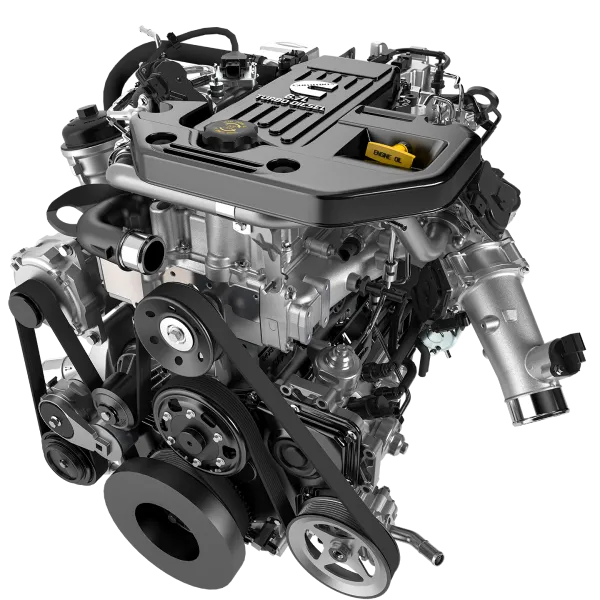
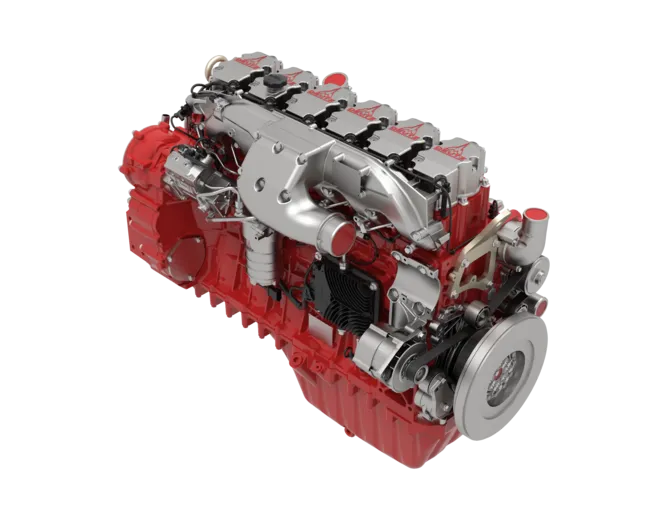
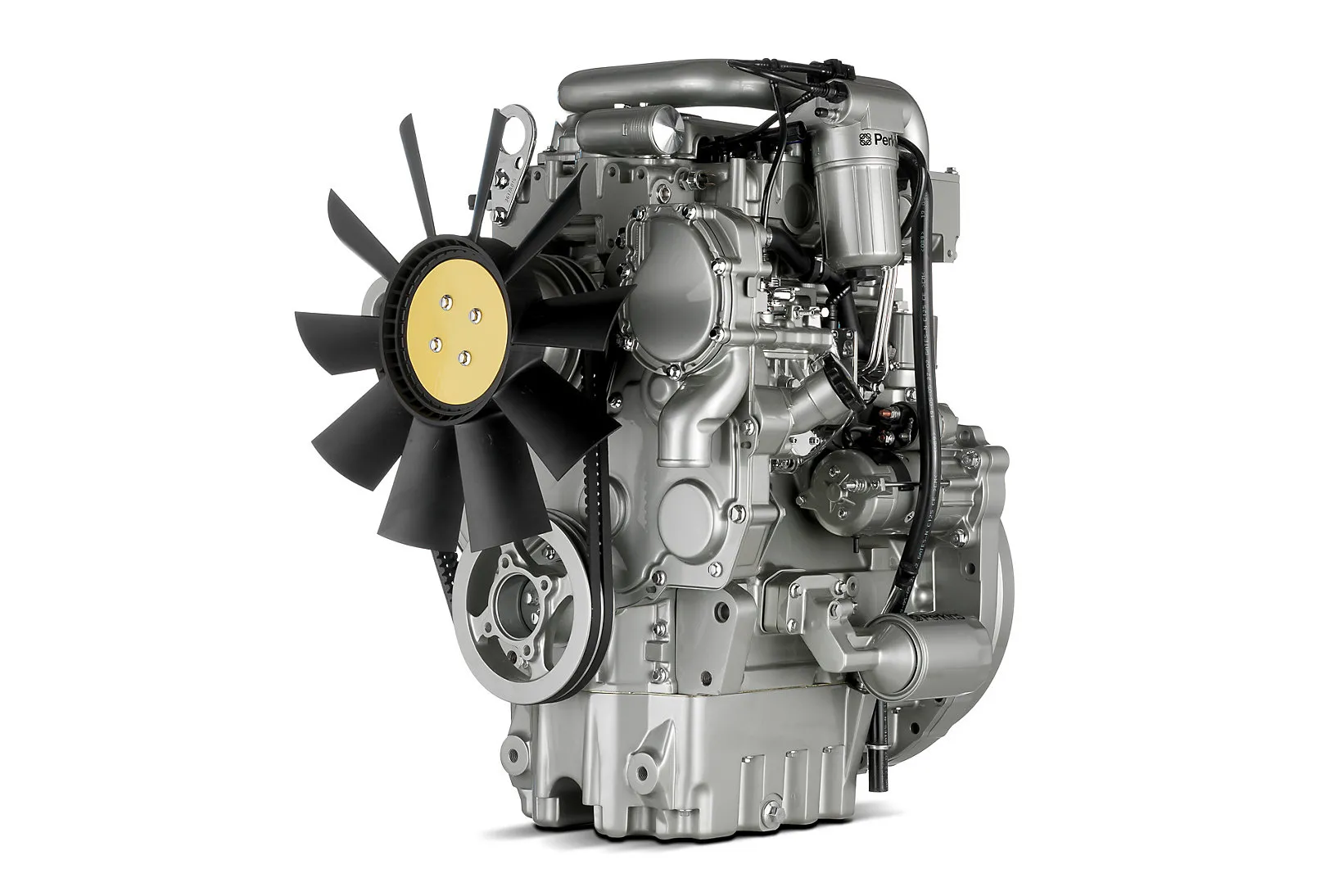
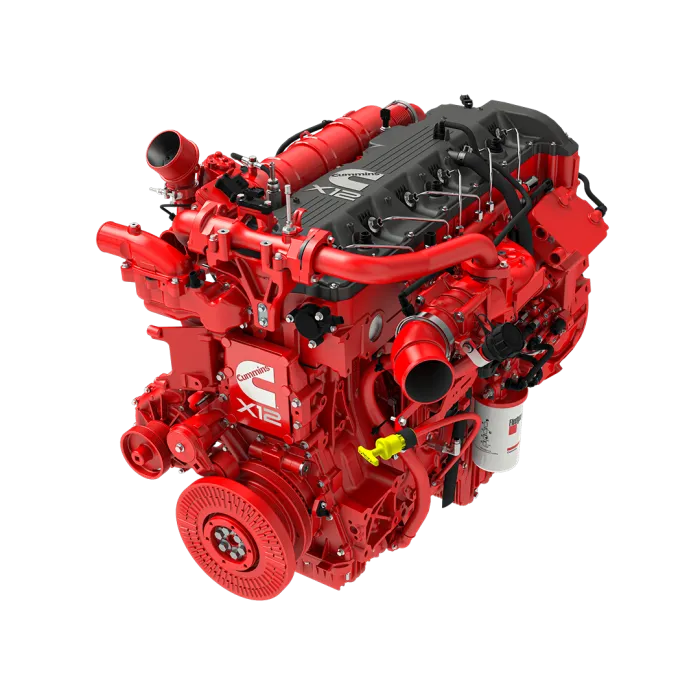
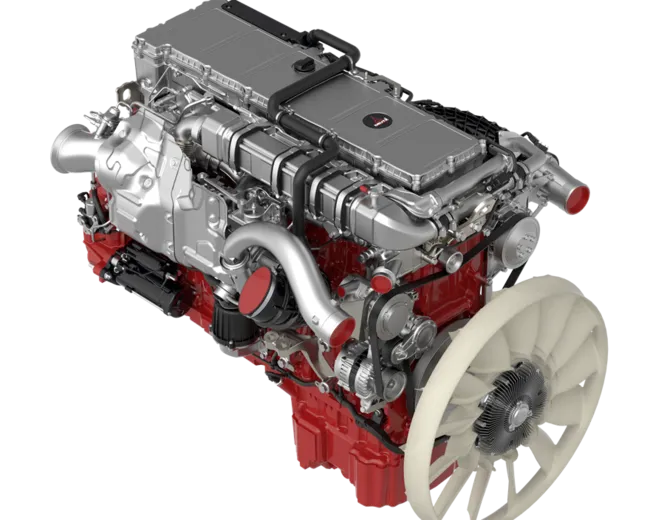
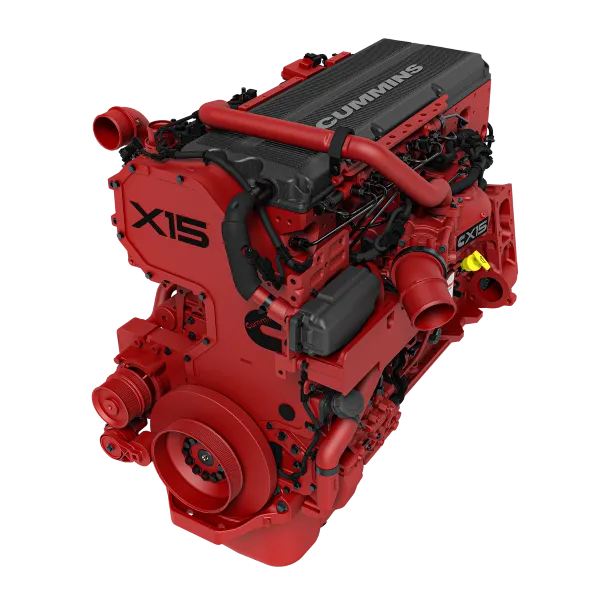
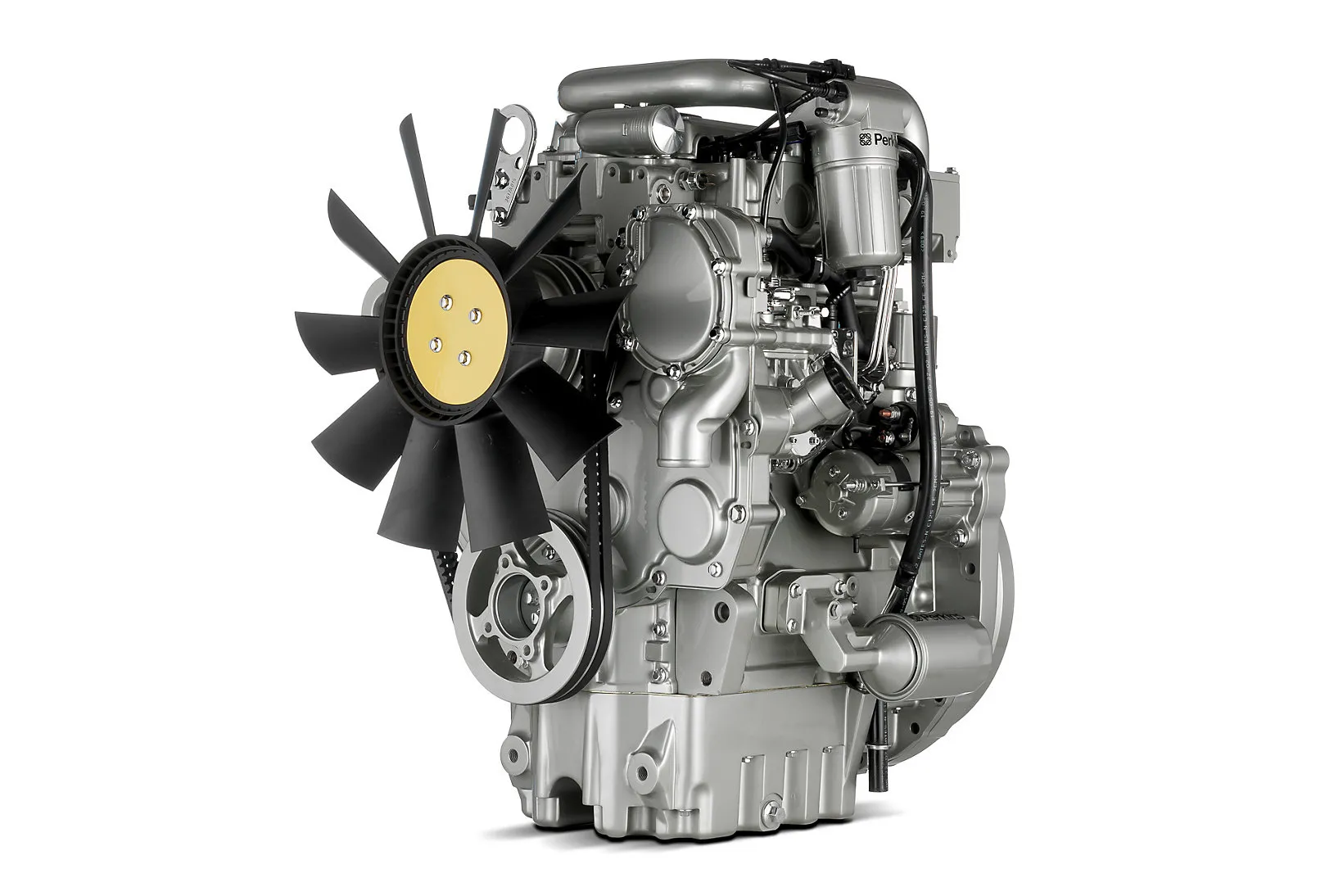
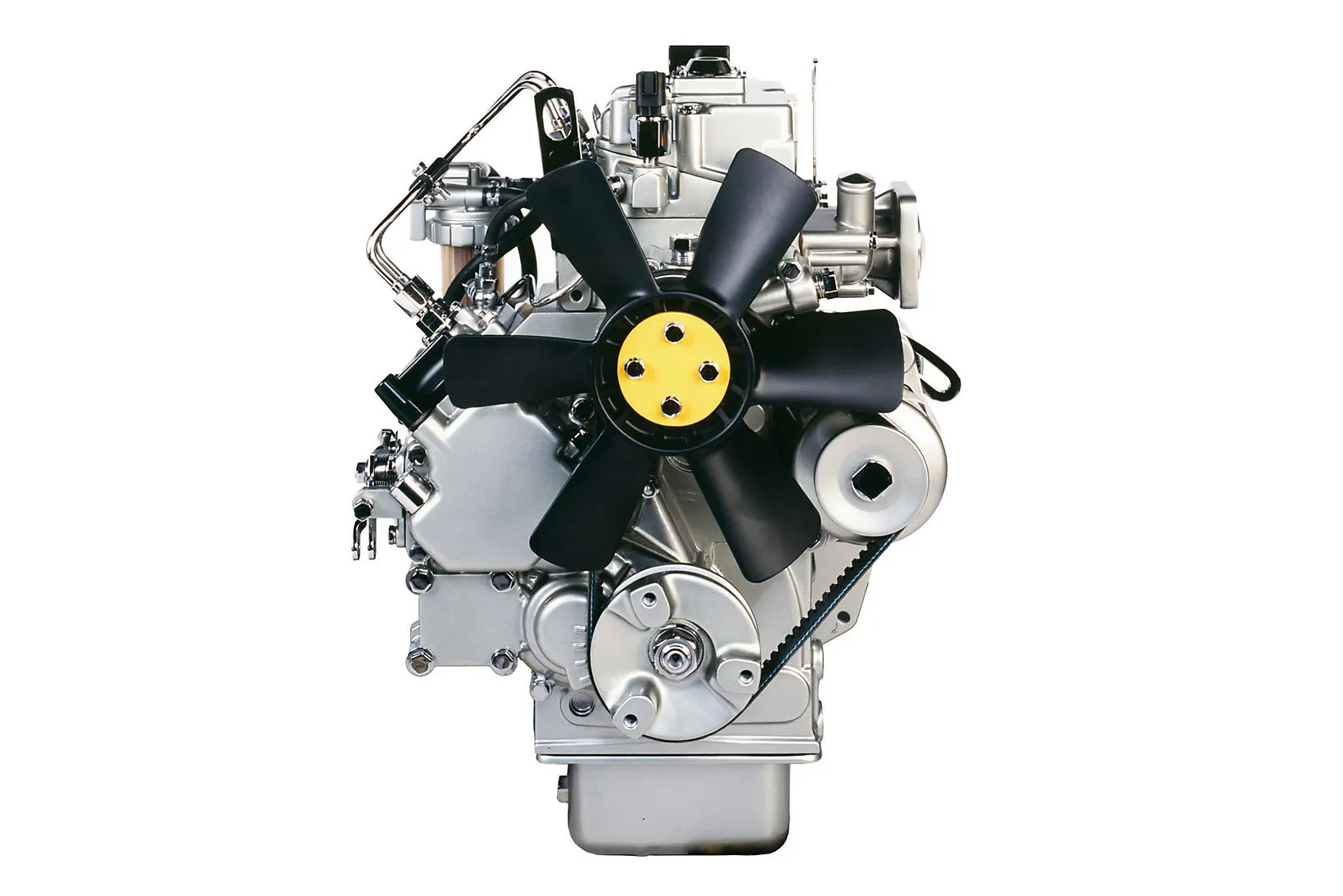
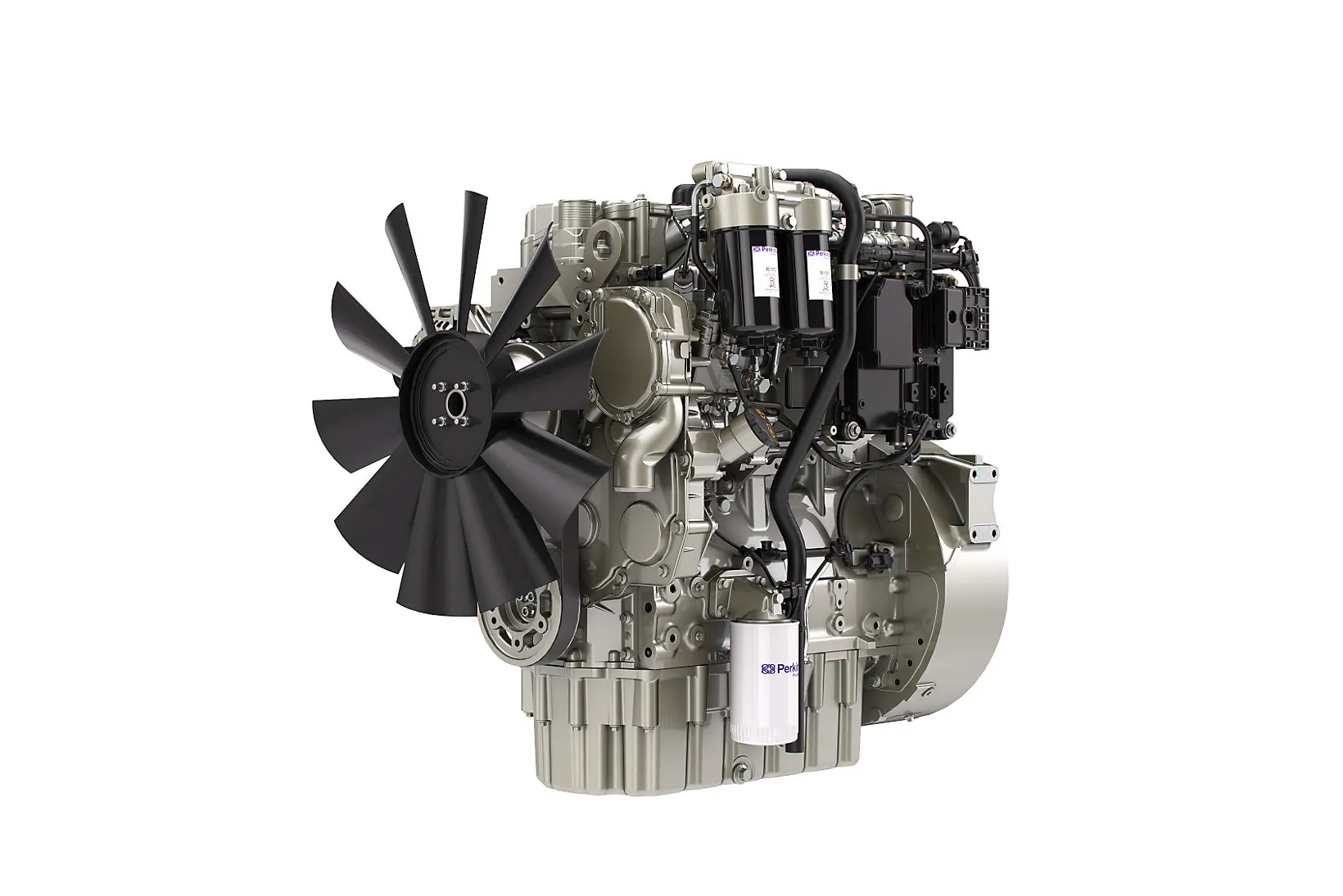
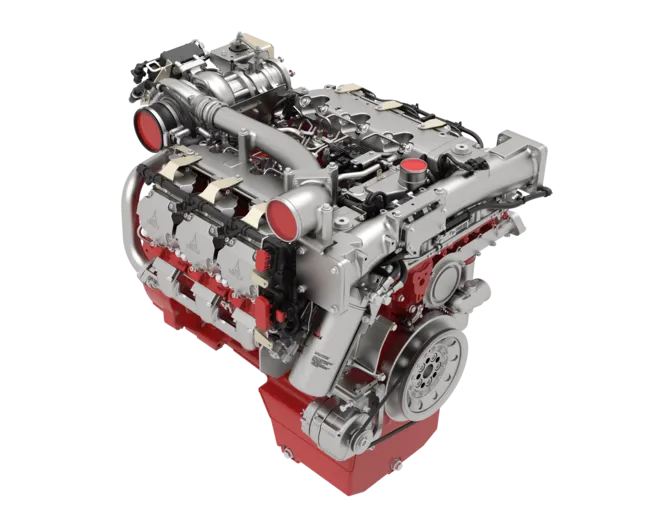
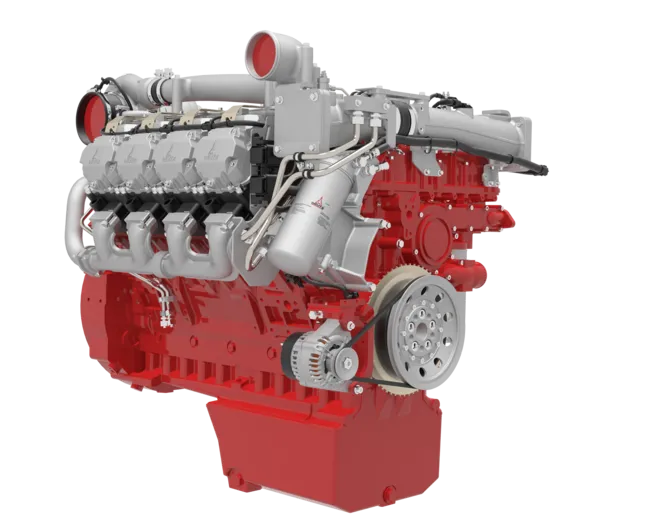
Altitude Conditions in Perkins, Deutz, and Cummins Engines
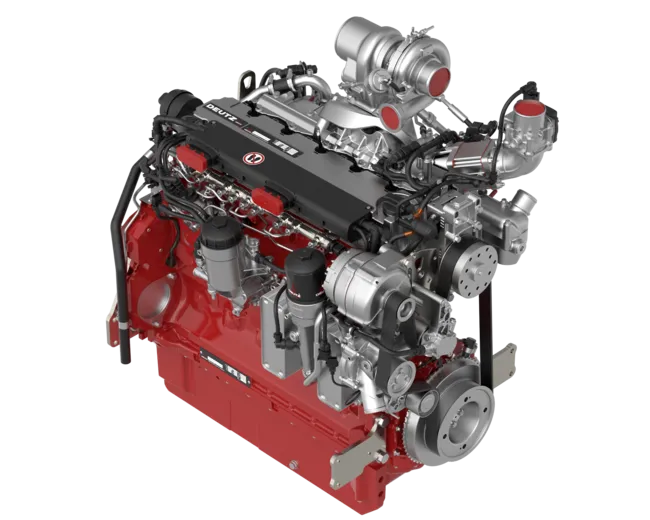
The altitude-related performance characteristics of Perkins, Deutz, and Cummins engines may vary depending on the model and application. Applying the same power derating value to different engines from the same brand is not appropriate.
Therefore, when selecting an engine or planning an application, the altitude and ambient temperature requirements specified in the technical documentation for the relevant model should be reviewed.
Conclusion
High altitude can change the operating conditions of industrial diesel engines due to its effects on atmospheric pressure and air density. Depending on the engine\'s design, available power and load capacity may be affected.
Particularly in generator and heavy-duty applications, the operating altitude, ambient temperature, and expected load should be evaluated together. Proper engine selection and operation in accordance with the manufacturer\'s technical data help ensure that the performance requirements of the application are met.
Frequently Asked Questions
Does high altitude reduce diesel engine power?
It can. Reduced air density may affect the amount of oxygen entering the engine. The extent of the effect depends on the engine model and operating conditions.
Are turbocharged engines affected by high altitude?
Yes, they can be. A turbocharger can partially compensate for the effects of altitude, but the engine\'s design and operating limits still apply.
How should a generator be selected for high-altitude operation?
Operating altitude, ambient temperature, expected electrical load, and the manufacturer\'s power ratings should all be evaluated together.
Is the effect of altitude the same on every diesel engine?
No. The results can vary depending on the engine design, turbocharging system, and control characteristics.
How can an engine\'s suitability for high-altitude operation be determined?
The operating limits and altitude-related performance information in the technical documentation for the specific engine model should be reviewed.