
Why Are Sensors Important in Industrial Diesel Engines?
Modern industrial diesel engines use various sensors to monitor and control the engine\'s operating conditions. These components provide information about the engine\'s temperature, oil pressure, speed, and various operating parameters, helping to monitor the engine\'s operating system.
Regular monitoring of operating conditions is particularly important in diesel engines used in generators, construction machinery, agricultural machinery, and other industrial equipment. Data received from sensors can be used to evaluate the current condition of the engine and identify potential problems.
Therefore, although sensors are small components, they have an important role in the engine\'s control and monitoring system.
What Sensors Are Used in Diesel Engines?
The number and type of sensors used may vary depending on the engine model, engine technology, and application. Different sensor combinations may be found in different engines.
Some of the sensors that may be found in industrial diesel engines include:
- Engine temperature sensor,
- Oil pressure sensor,
- Engine speed sensor,
- Coolant temperature sensor,
- Intake air-related sensors,
- Pressure sensors,
- Fuel system-related sensors
Each sensor helps monitor a different operating parameter. Therefore, a problem with any sensor can affect the accuracy of the data in the engine control system.
What Does an Engine Temperature Sensor Do?
Monitoring engine temperature is important for controlling the operating conditions of a diesel engine. Temperature sensors help monitor temperature information from the relevant part of the engine.
Data received from the sensor can be used by engine control and monitoring systems. A sensor failure or measurement error can prevent temperature information from being monitored accurately.
Therefore, when unusual temperature-related indicators or warnings appear, not only the cooling system but also the relevant sensor and its connections should be evaluated.
Why Is the Oil Pressure Sensor Important?
Information related to oil pressure plays an important role in monitoring the operating condition of the engine lubrication system. The oil pressure sensor helps monitor the oil pressure in the system.
Abnormalities in the data received from the sensor may cause warnings to appear on the instrument panel or in the engine control system.
However, when an oil pressure warning appears, the problem should not be assumed to be directly caused by the sensor. The actual oil pressure and lubrication system must be technically inspected.
How Can a Sensor Failure Be Identified?
Sensor failures can occur in different ways. In some cases, a warning may appear in the engine control system, while in others, unusual changes in measured values may be noticed.
Possible symptoms may include:
- Incorrect or inconsistent values,
- Warnings in the engine control system,
- Abnormal values on the instrument panel,
- Inability to accurately monitor engine operating parameters,
- Fault records being generated
However, these symptoms are not specific to sensor failures alone. A problem with the wiring, connector, connection, or relevant mechanical system can also cause similar symptoms.
Why Should Parts Not Be Replaced Directly in Case of Sensor Failures?
When a warning related to a sensor occurs, directly replacing the sensor may not always be the correct approach. There may be a different problem in the electrical connection leading to the sensor or in the system being measured by the sensor.
For example, a temperature-related warning may not be caused solely by the temperature sensor. The actual engine temperature and the relevant systems should also be checked.
Therefore, during fault diagnosis, the following should be evaluated together:
- Fault codes,
- Sensor connections,
- Cables and connectors,
- Relevant mechanical system,
- Sensor measurement values
Do Sensors Require Maintenance?
Sensors are generally not maintenance parts that are regularly replaced like filters or oil. However, their connections, cables, connectors, and physical condition can be inspected during periodic engine checks.
The condition of electrical connections becomes particularly important in environments involving vibration, high temperatures, moisture, dust, and demanding operating conditions.
When a sensor-related warning or operating problem is detected, the system should be inspected in accordance with the manufacturer\'s technical requirements.
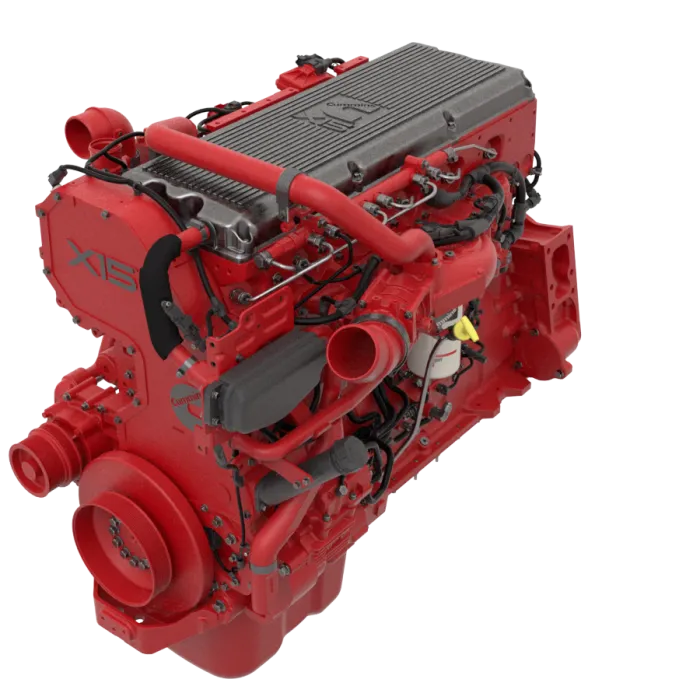
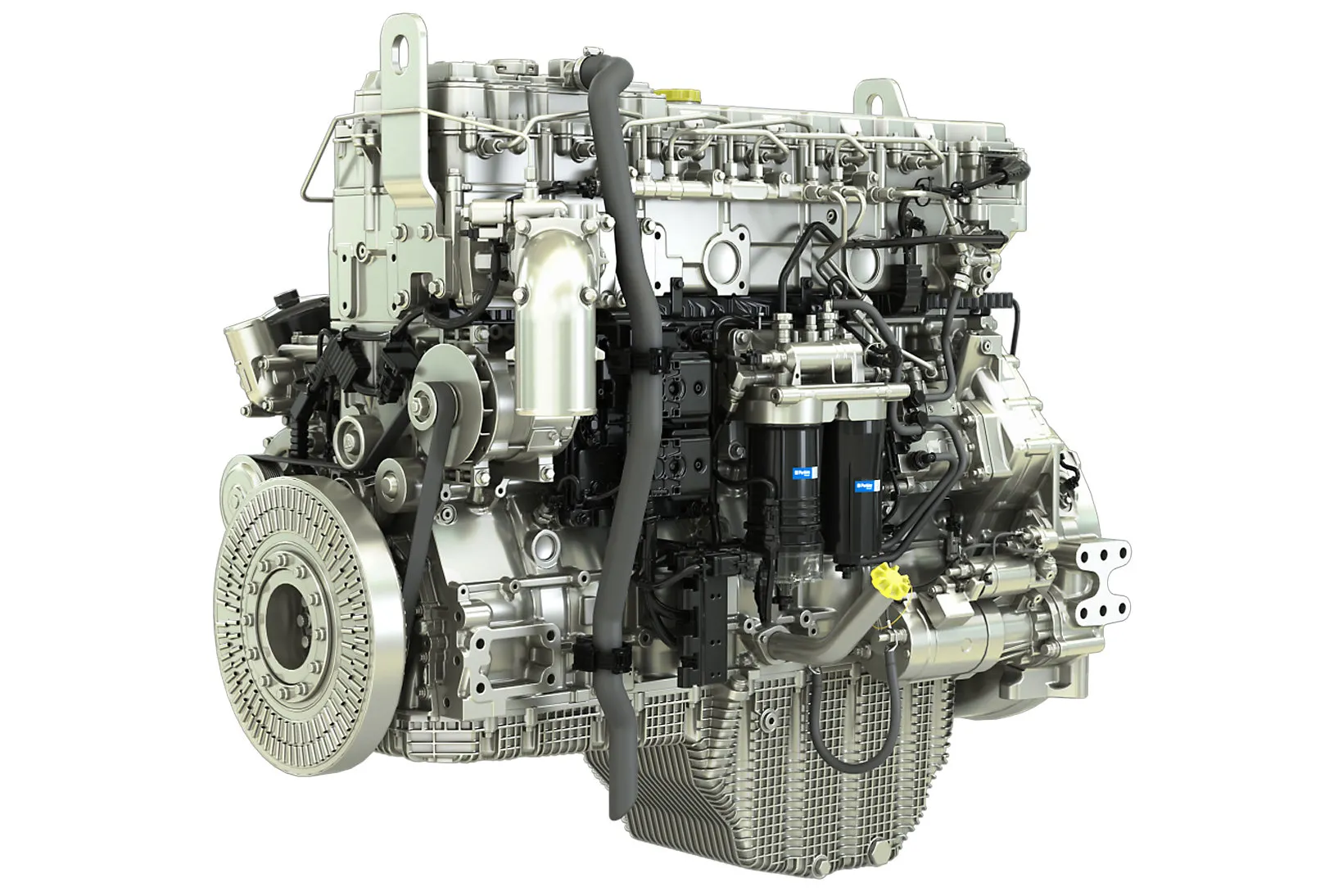
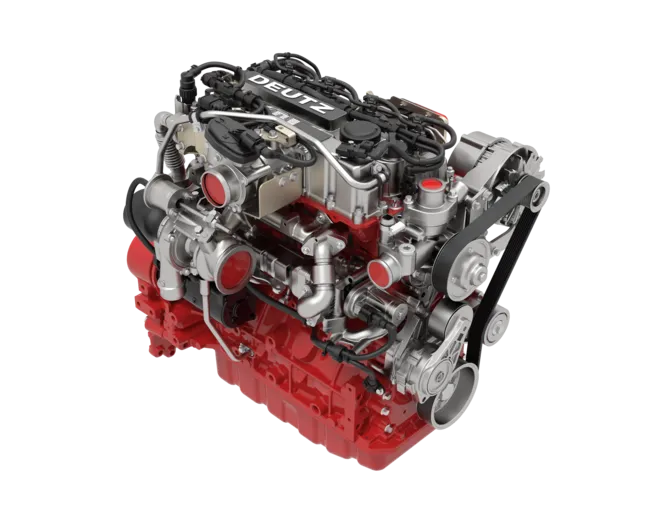
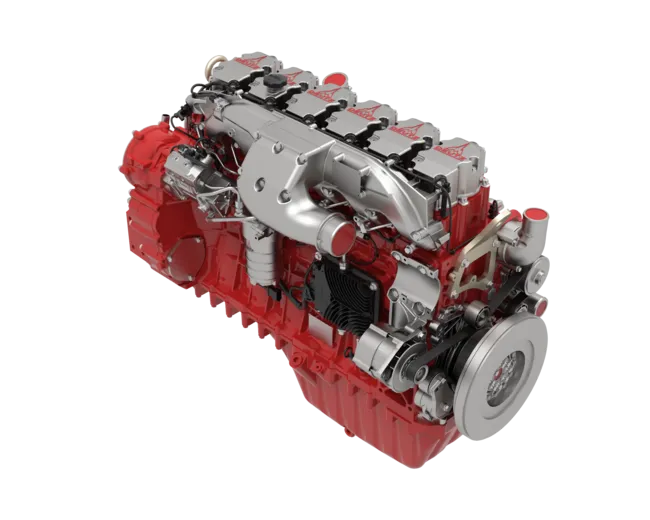
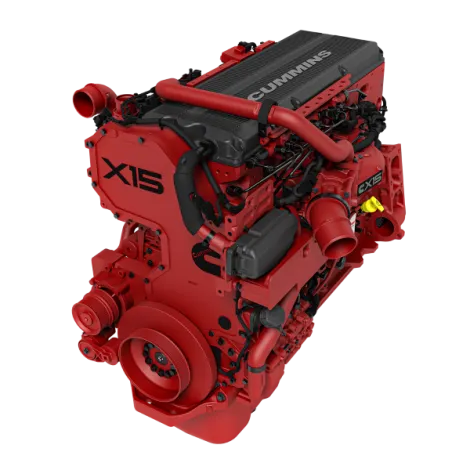
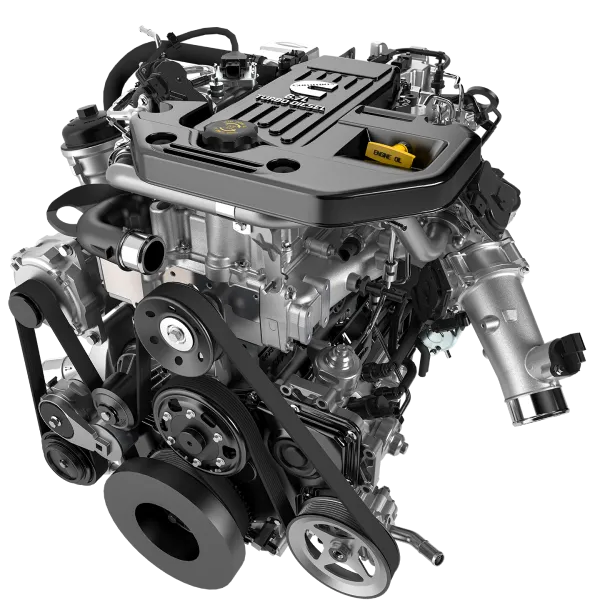
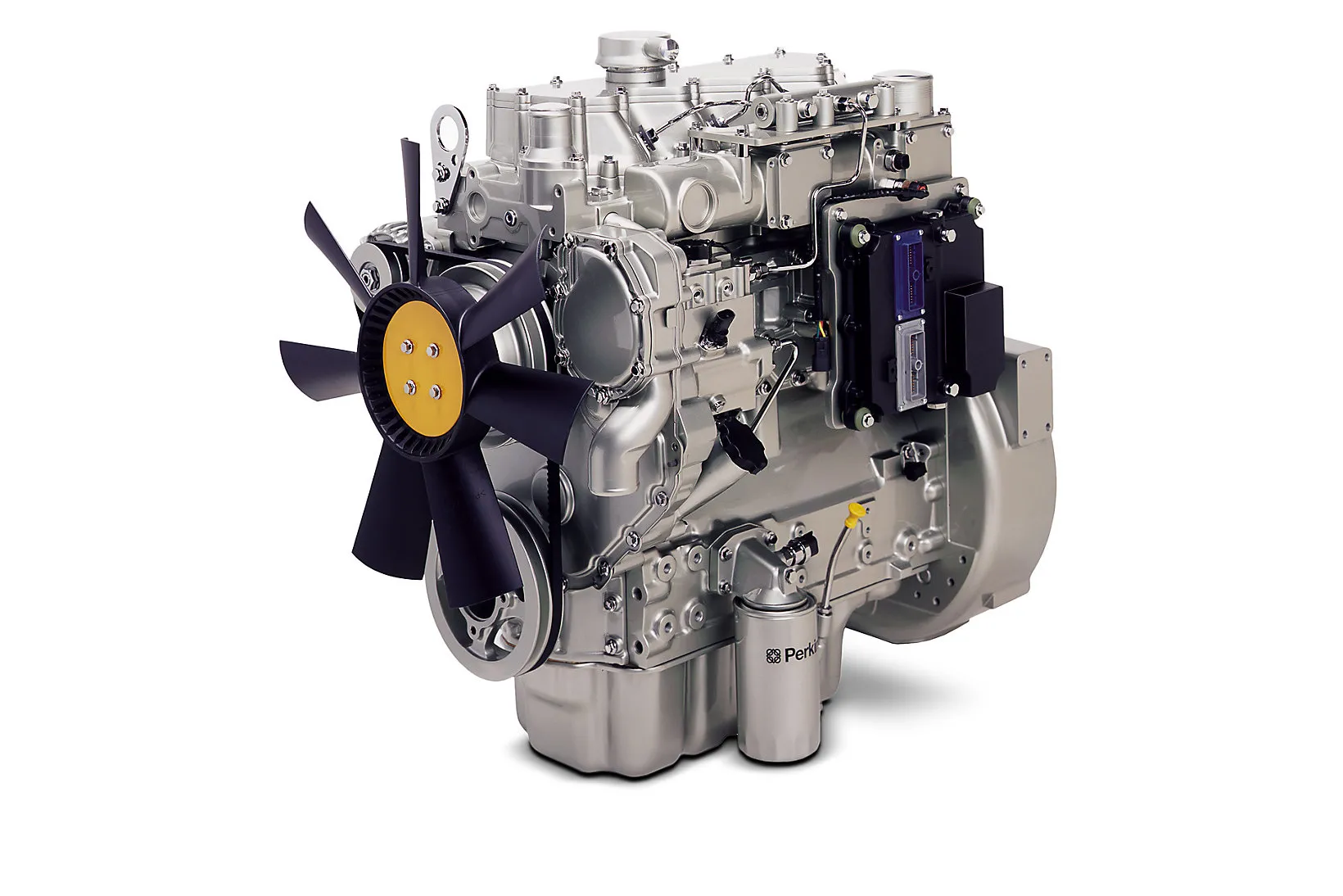
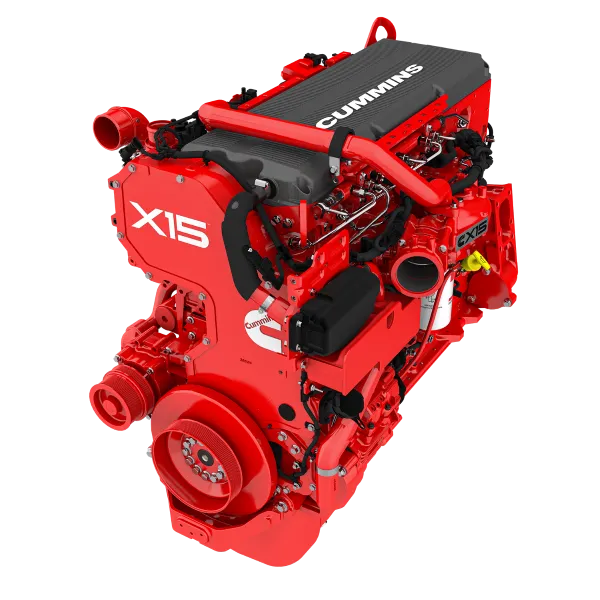
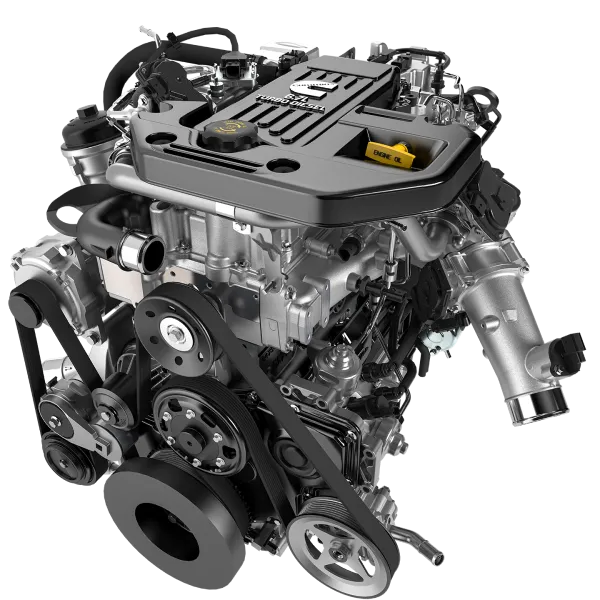
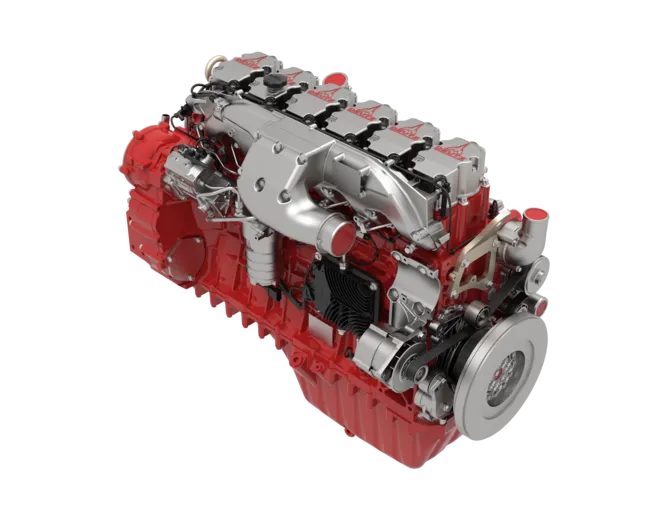
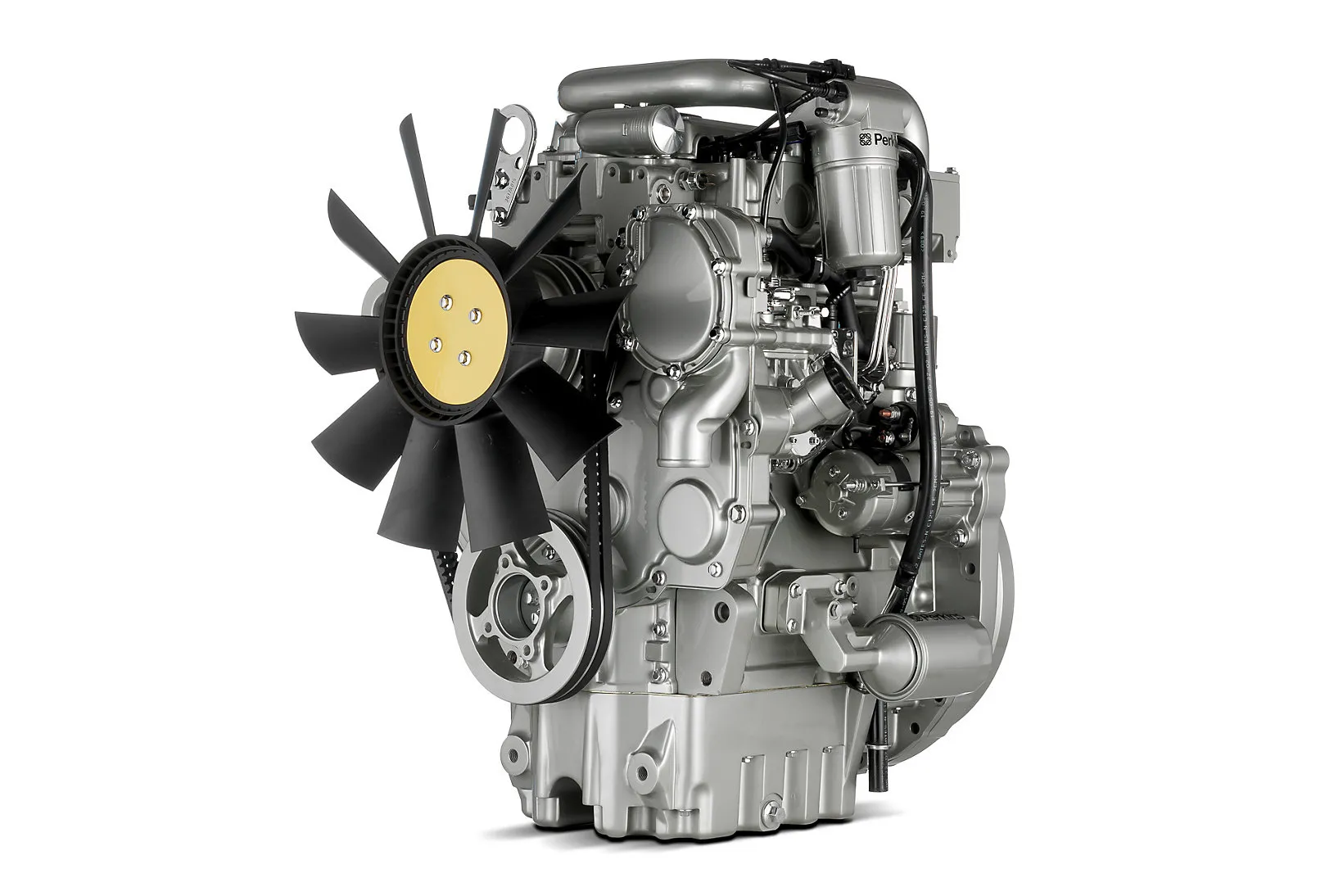
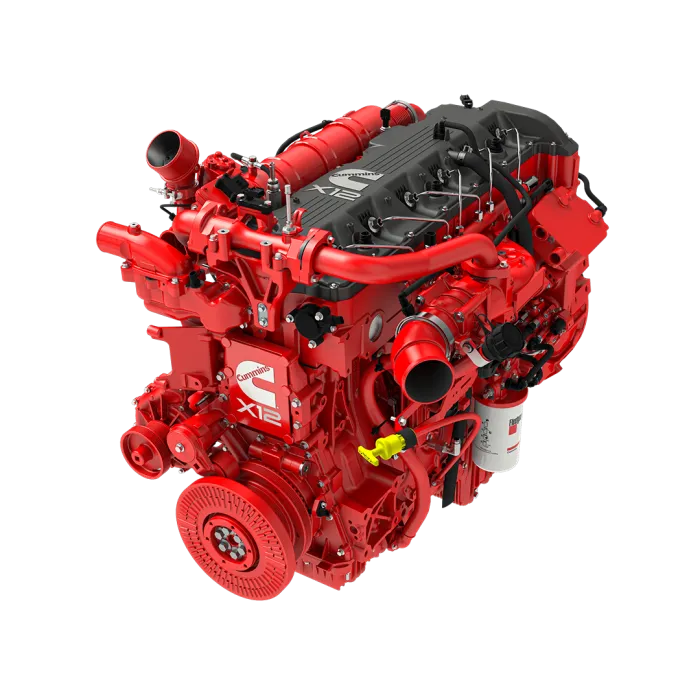
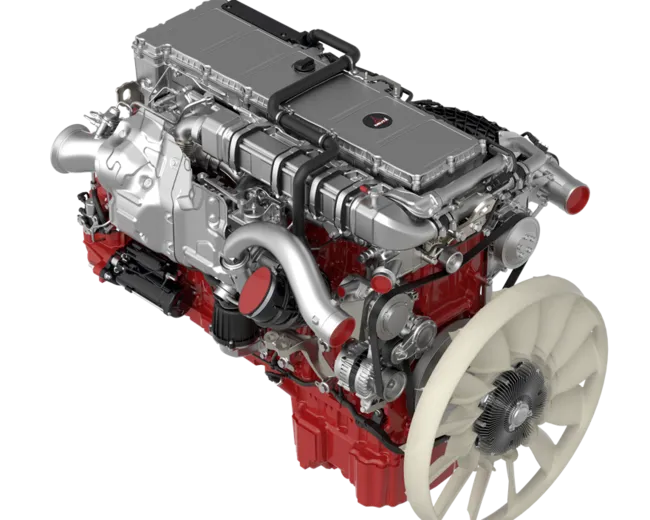
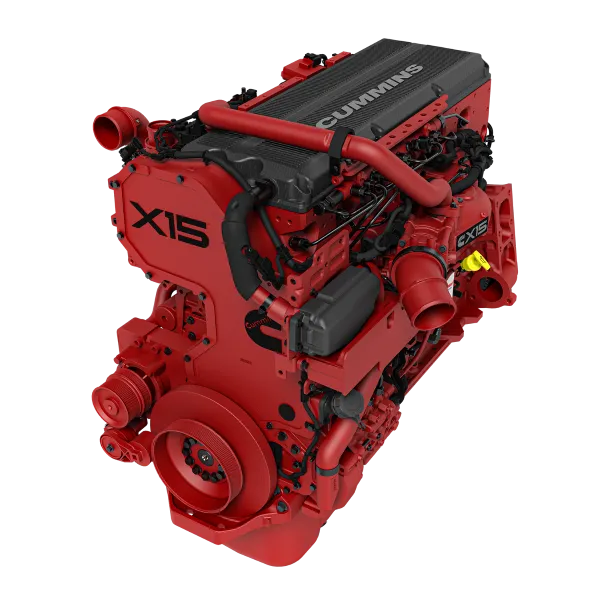
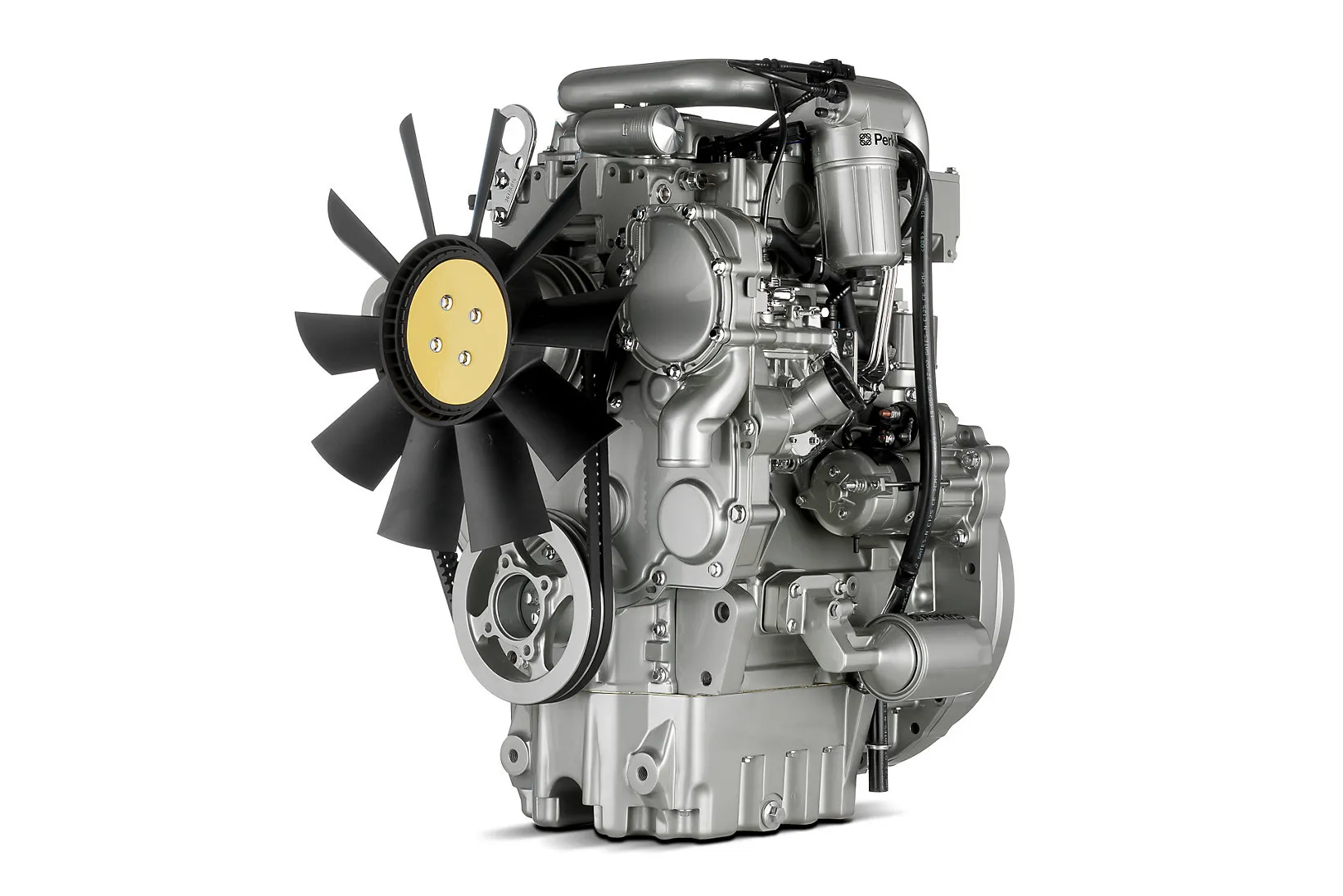
Sensor Inspection in Perkins, Deutz, and Cummins Engines
The types and technical specifications of sensors used in different engine models from manufacturers such as Perkins, Deutz, and Cummins may vary.
Therefore, model-specific technical information should be used during sensor replacement or fault diagnosis. Using the wrong sensor or installing an unsuitable component in the system can affect measurement and engine control processes.
Determining the correct part and ensuring proper installation are important in this regard.
The Importance of Sensor Data in Industrial Engines
Industrial engines are often used for long periods and under specific operating conditions. Monitoring engine operating parameters can help identify changes at an early stage.
Sensors provide information about different engine operating parameters during this monitoring process. This information can support technical teams during maintenance and fault diagnosis processes.
However, rather than evaluating sensor data on its own, examining the overall operating condition of the engine together with the relevant systems provides more reliable results.
Conclusion
Sensors are important components in modern industrial diesel engines that help monitor operating parameters and enable engine control systems to operate with accurate information.
Problems with sensors monitoring temperature, oil pressure, engine speed, and different operating parameters can affect the engine\'s monitoring and control processes.
When sensor warnings occur, instead of directly replacing the component, the sensor itself, its connections, and the relevant mechanical systems should be inspected. Using model-specific technical information and the correct spare parts is also important for reliable maintenance.
Frequently Asked Questions
What do sensors do in diesel engines?
Sensors help monitor the engine\'s temperature, pressure, speed, and various operating parameters.
Can a sensor failure cause performance problems in an engine?
Depending on the function of the sensor and how it is used in the engine control system, the operating behavior may be affected. However, not every sensor failure can be said to directly cause a loss of performance.
How can an oil pressure sensor failure be identified?
Incorrect oil pressure warnings or inconsistent measurements may occur. However, the actual oil pressure and sensor connections must be checked for a definitive diagnosis.
What happens if the engine temperature sensor fails?
Accurate monitoring of engine temperature data may be affected, and incorrect values or warnings may appear in the system.
What should be considered when replacing a sensor?
A sensor suitable for the engine model should be used, and electrical connections and installation should be carried out in accordance with the manufacturer\'s technical requirements.