
Daily Operator Checklist for Industrial Engines: 8 Simple Steps to Prevent Failures
A significant portion of major failures in industrial engines actually begins with small warning signs that can be detected in advance. Developing a daily inspection routine that takes only a few minutes helps prevent unexpected downtime while significantly reducing maintenance costs.
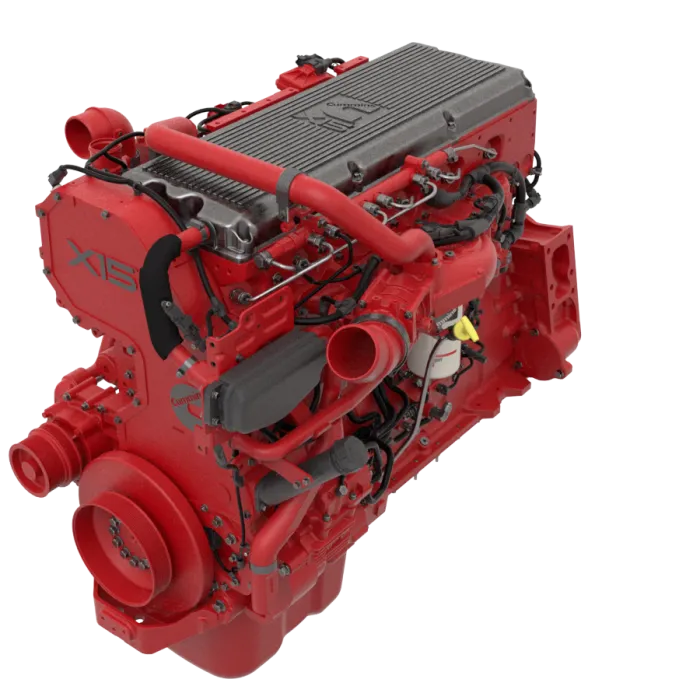
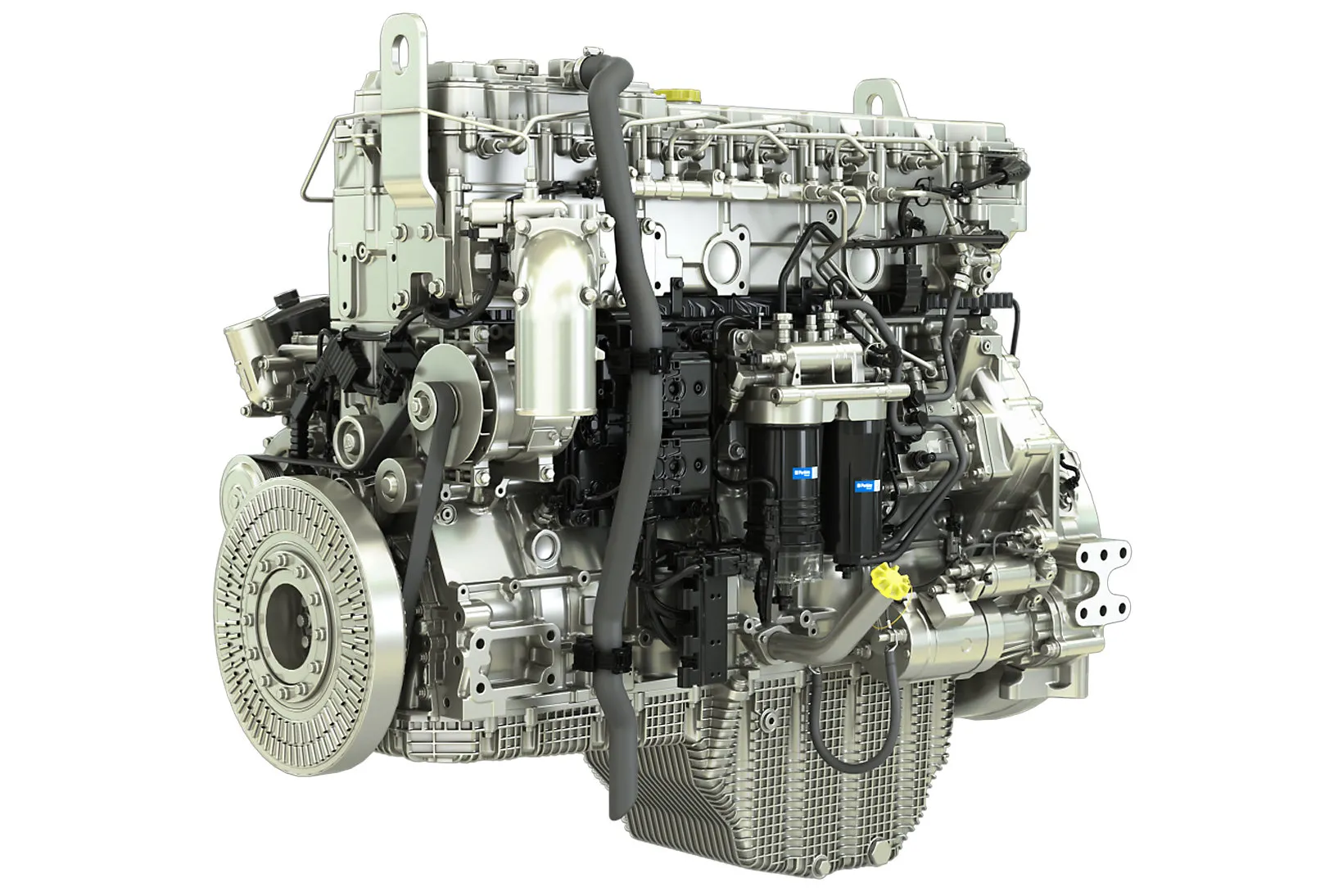
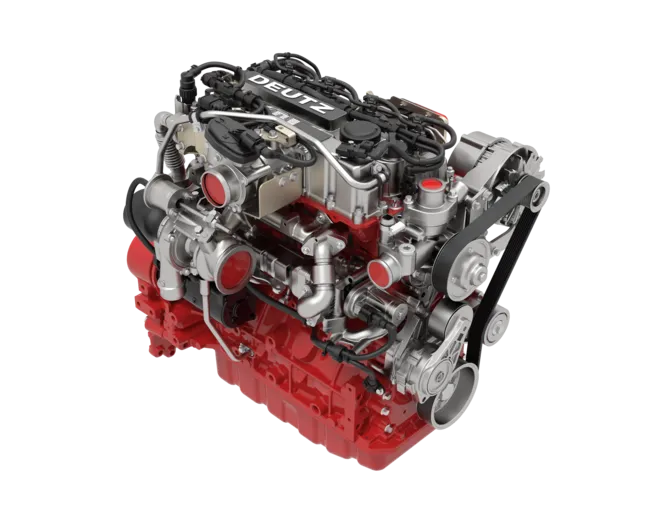
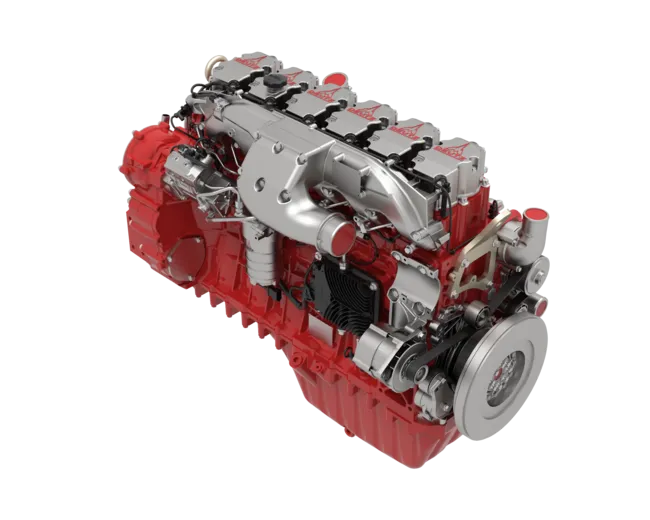
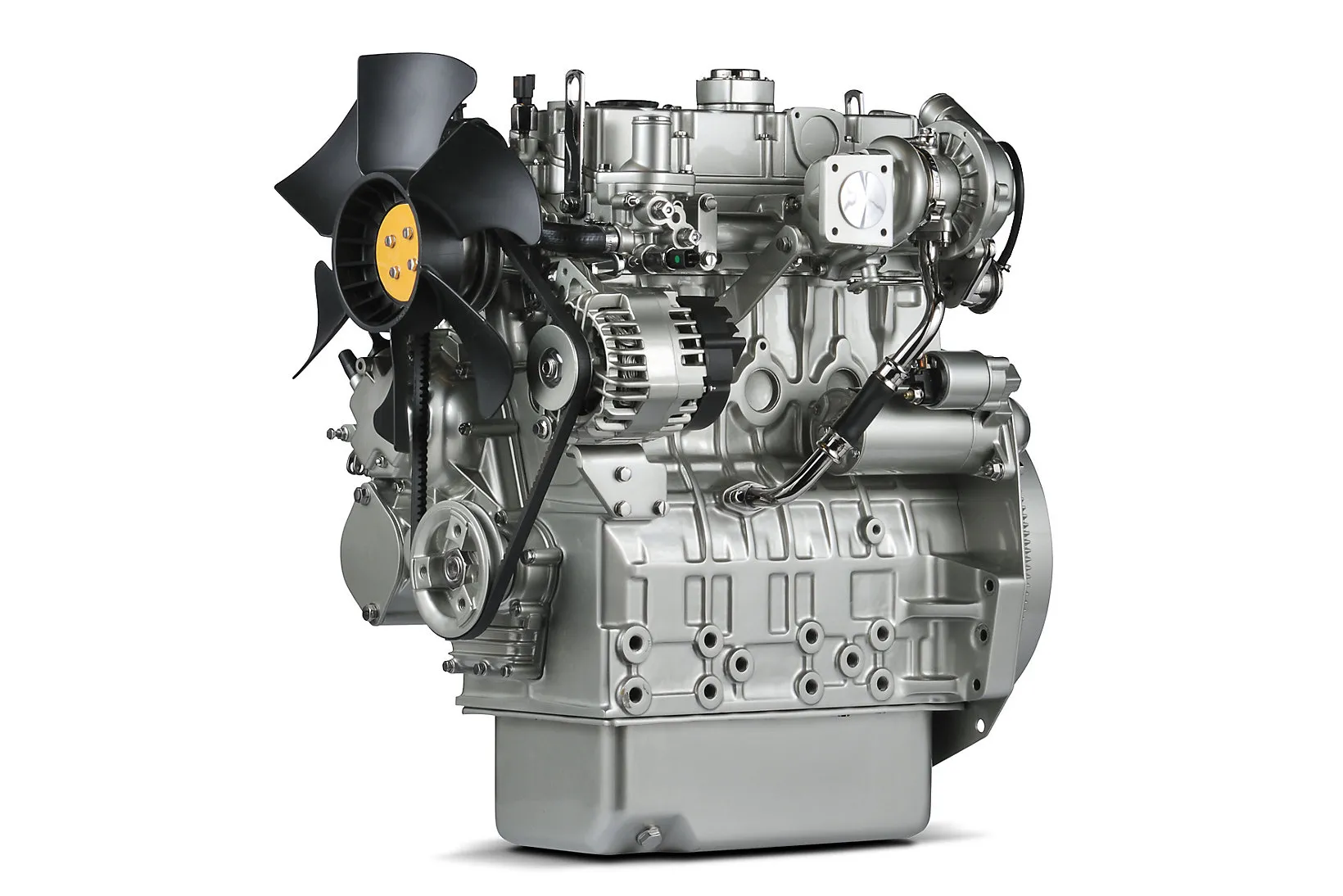
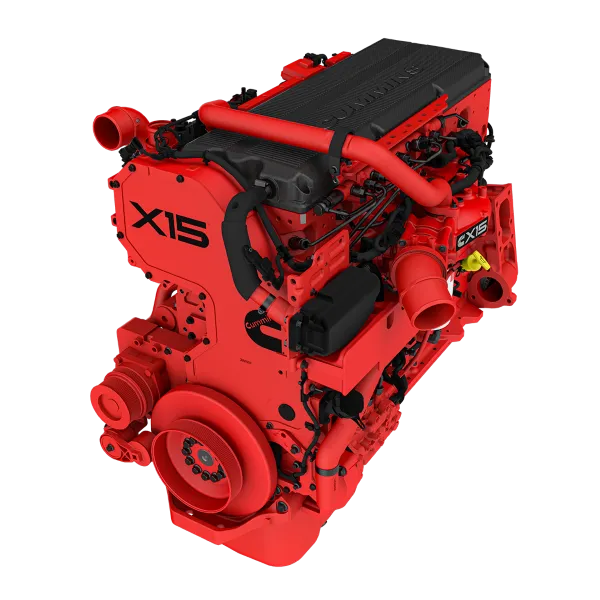
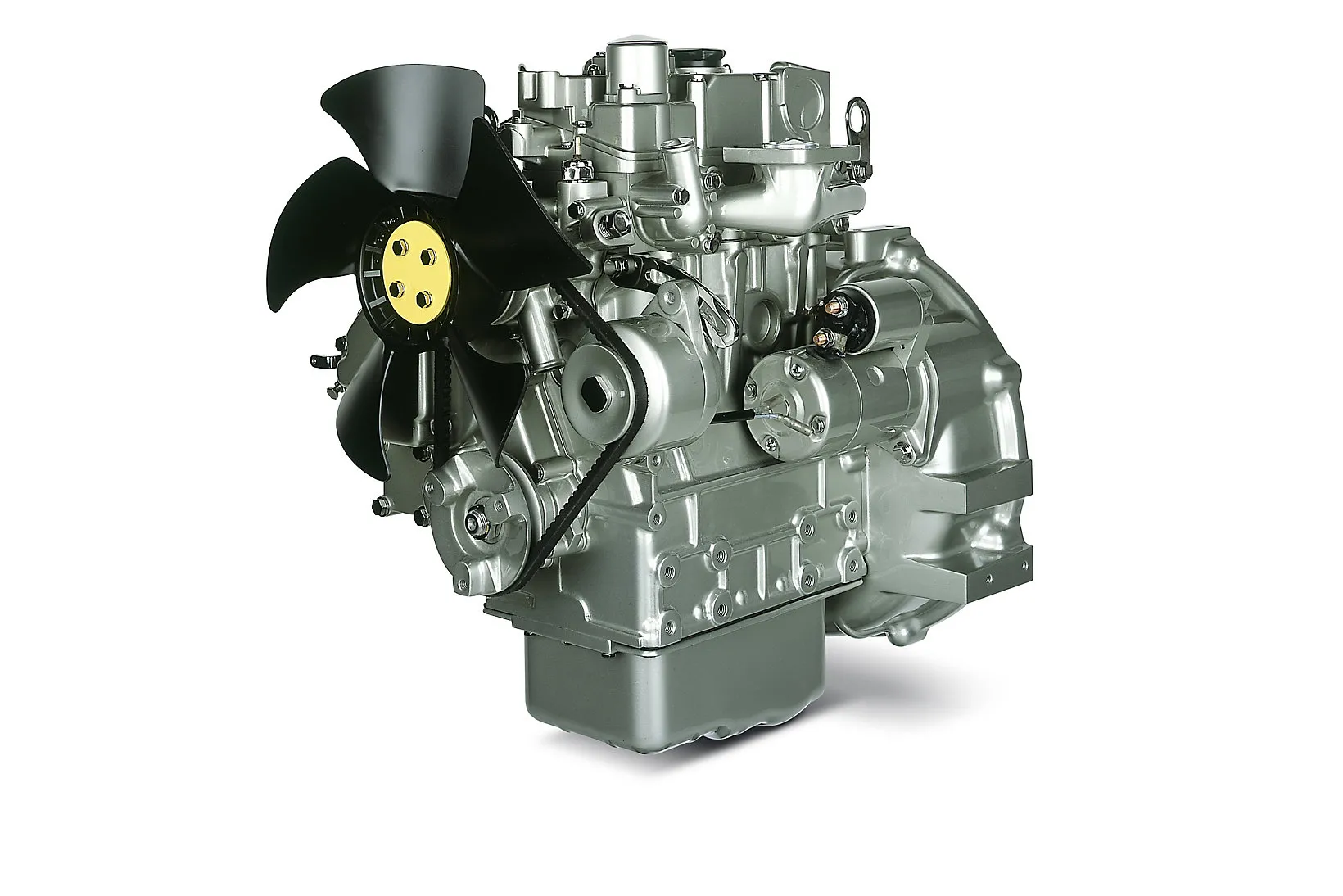
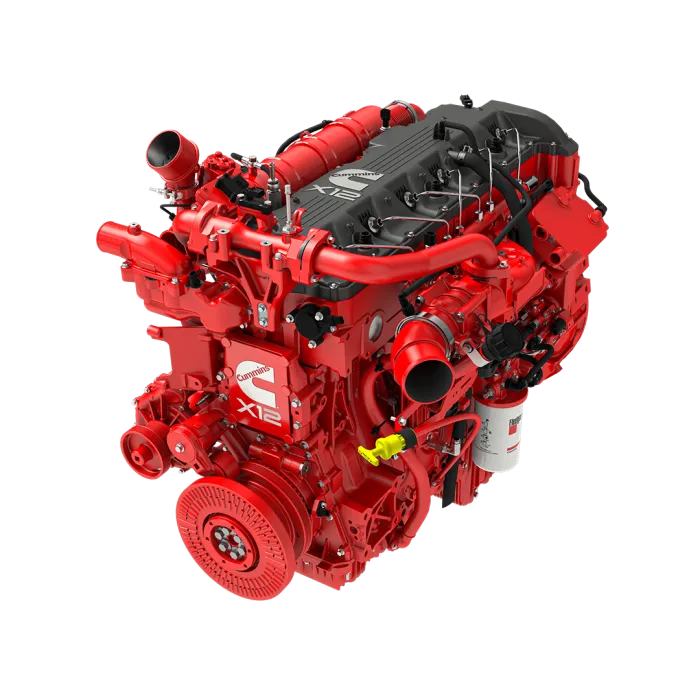
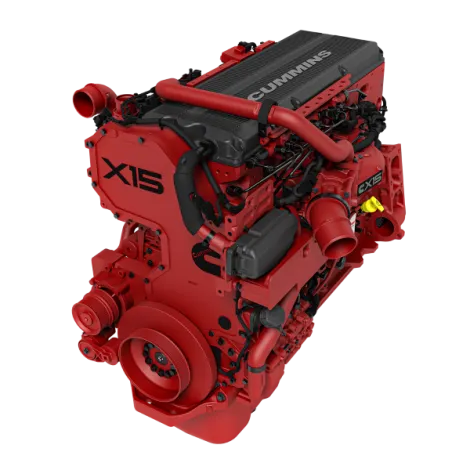
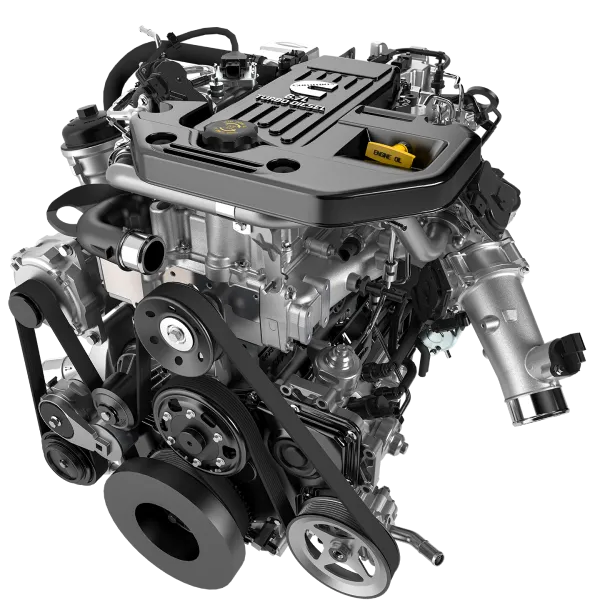
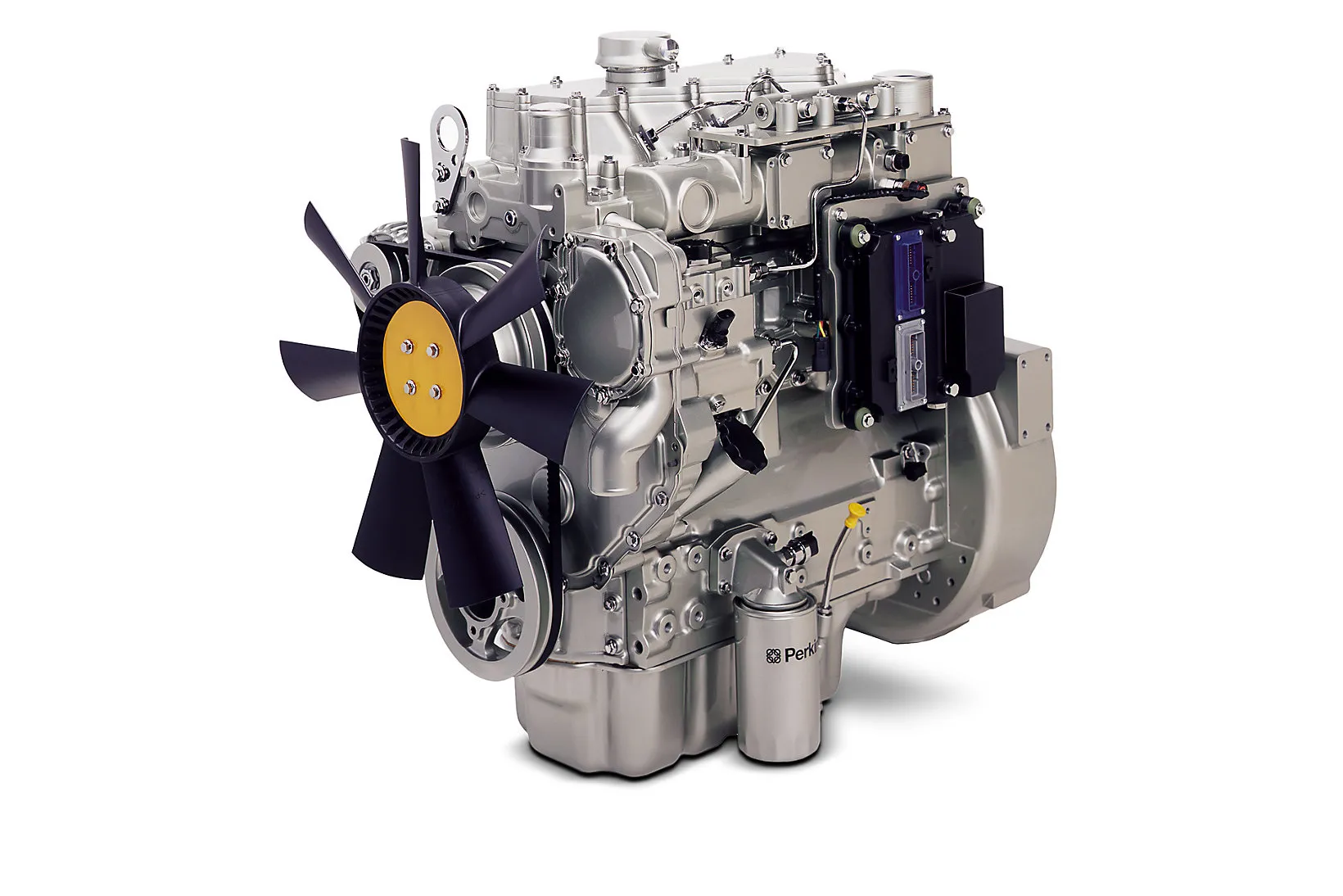
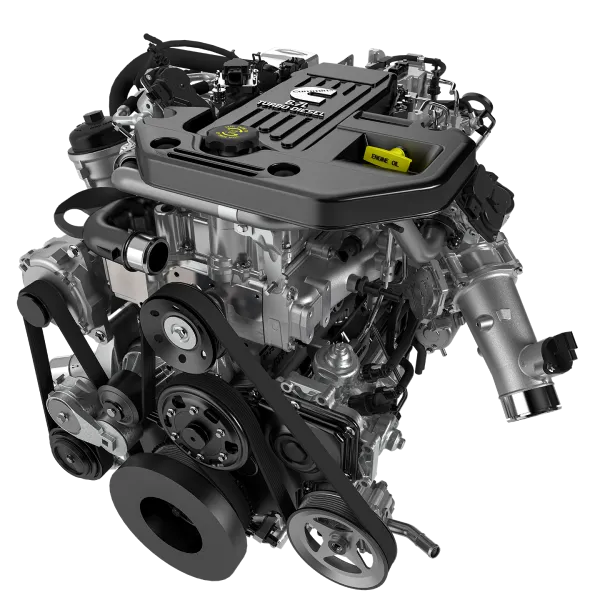
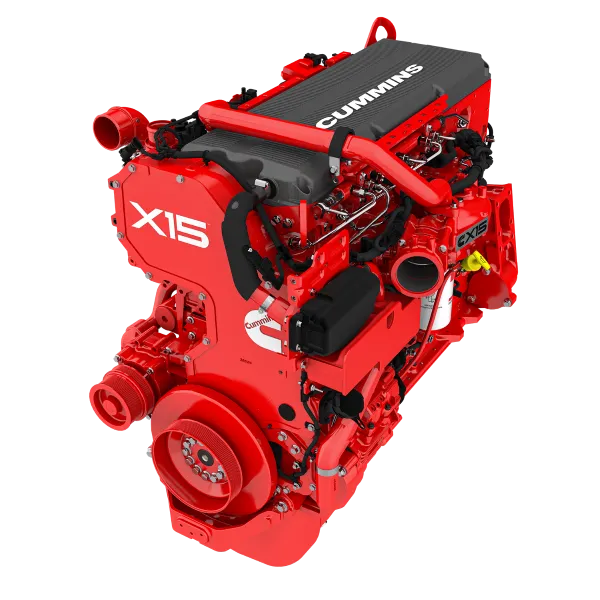
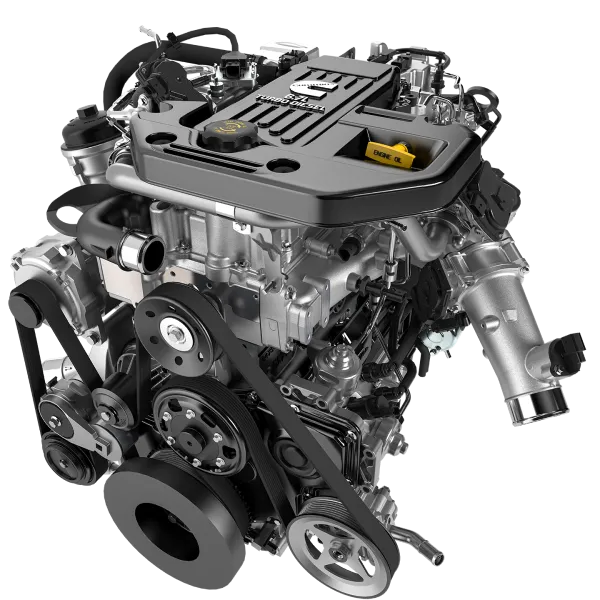
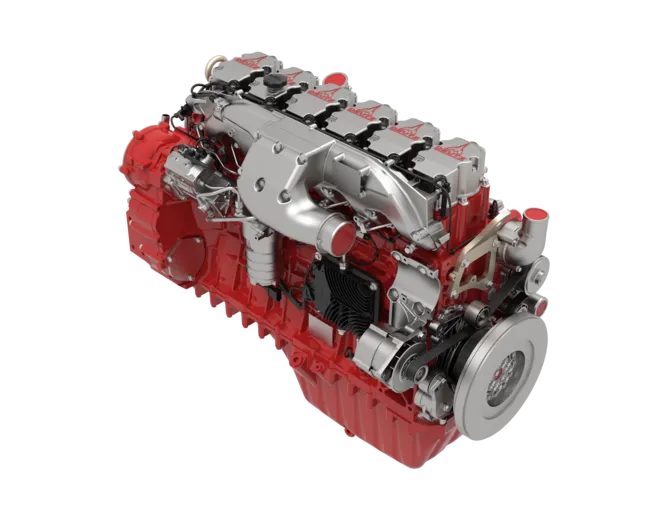
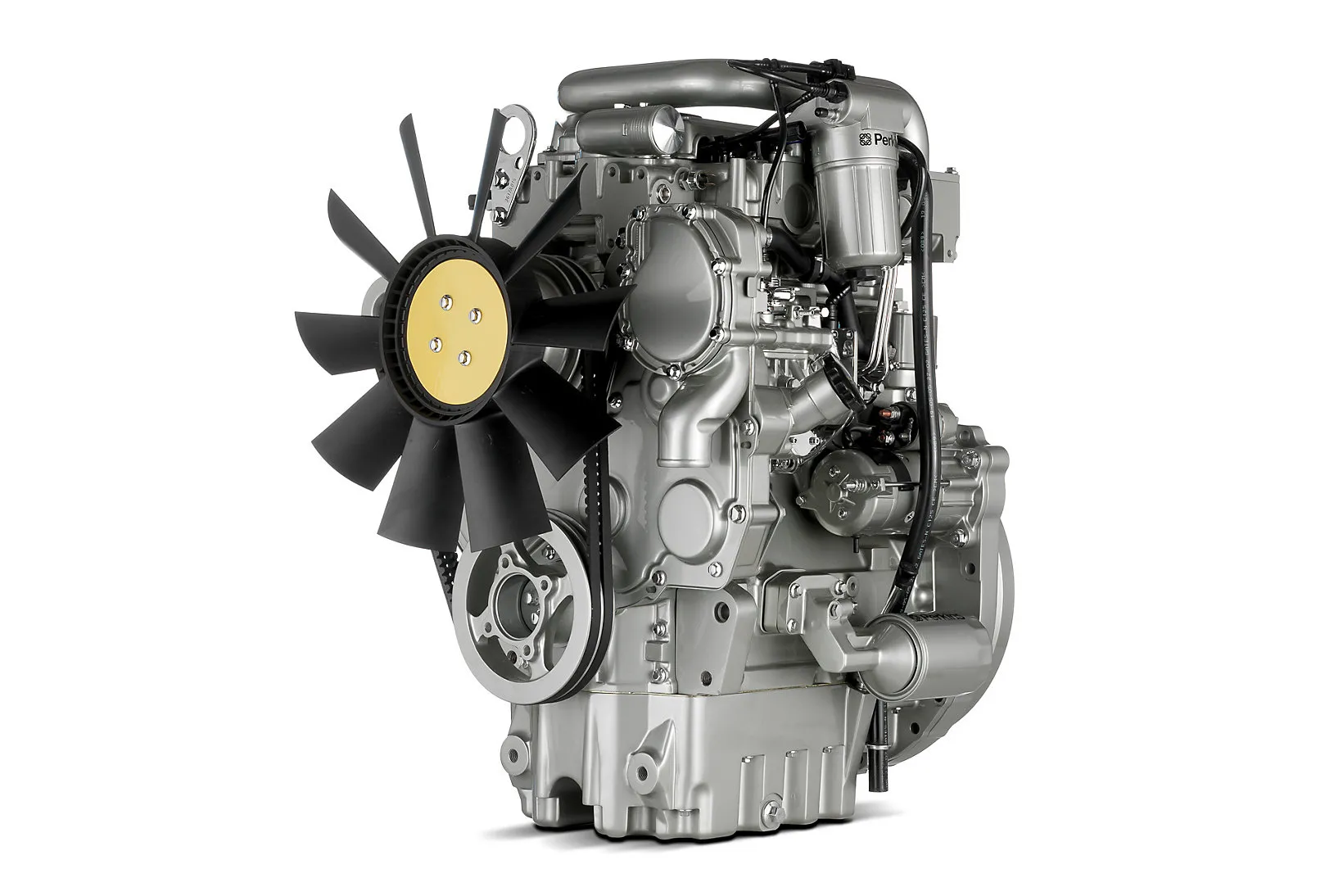
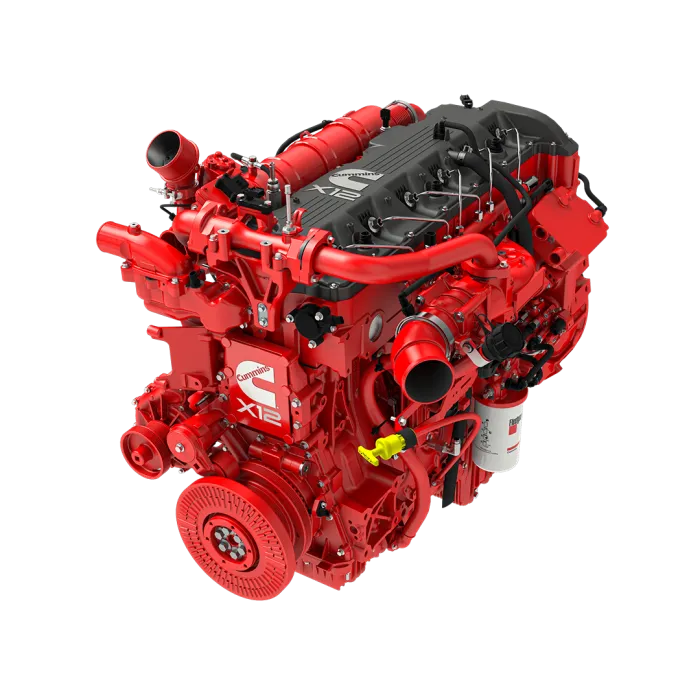
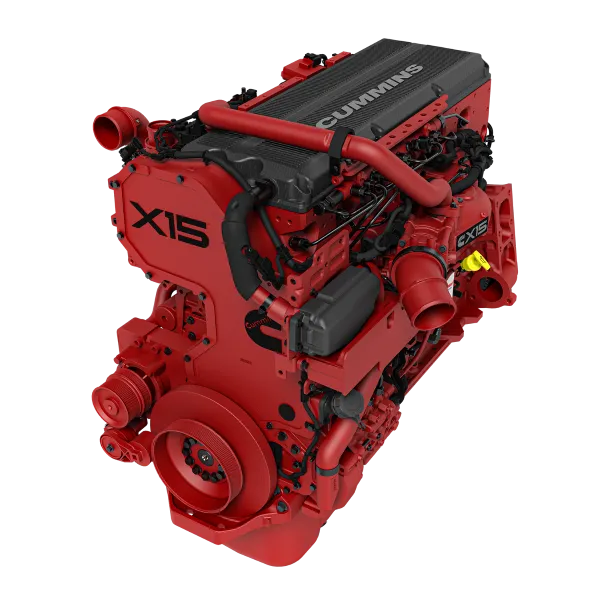
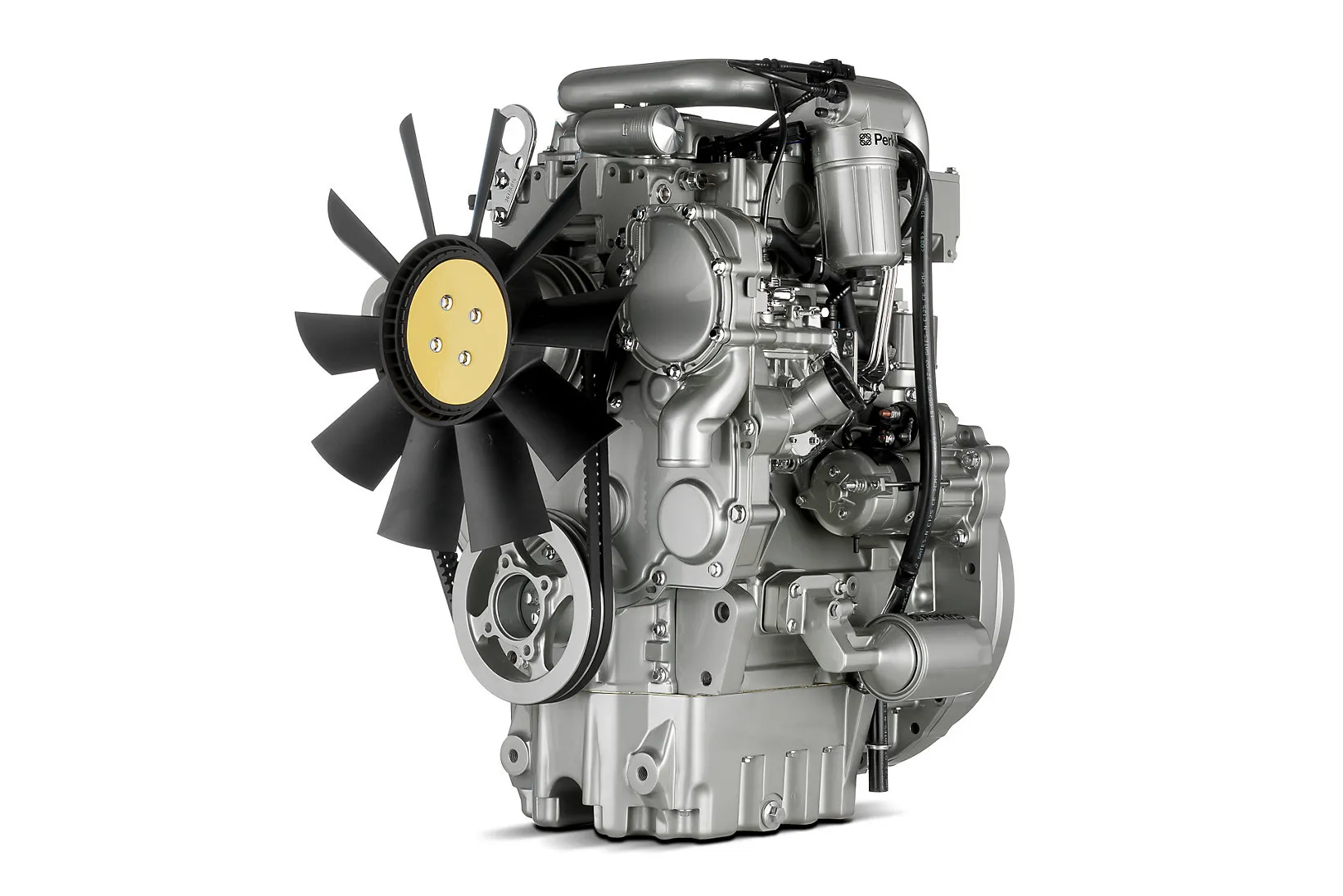
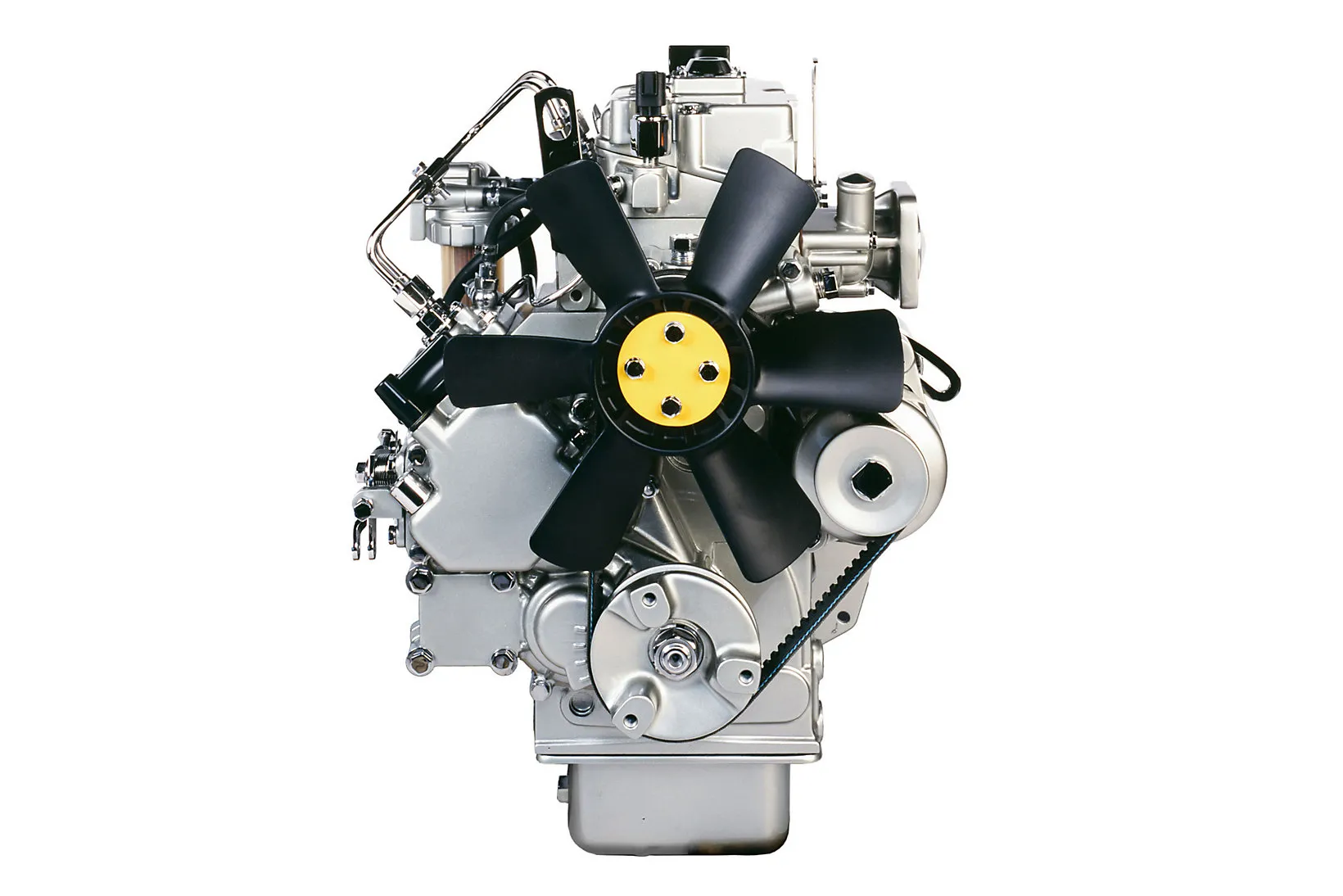
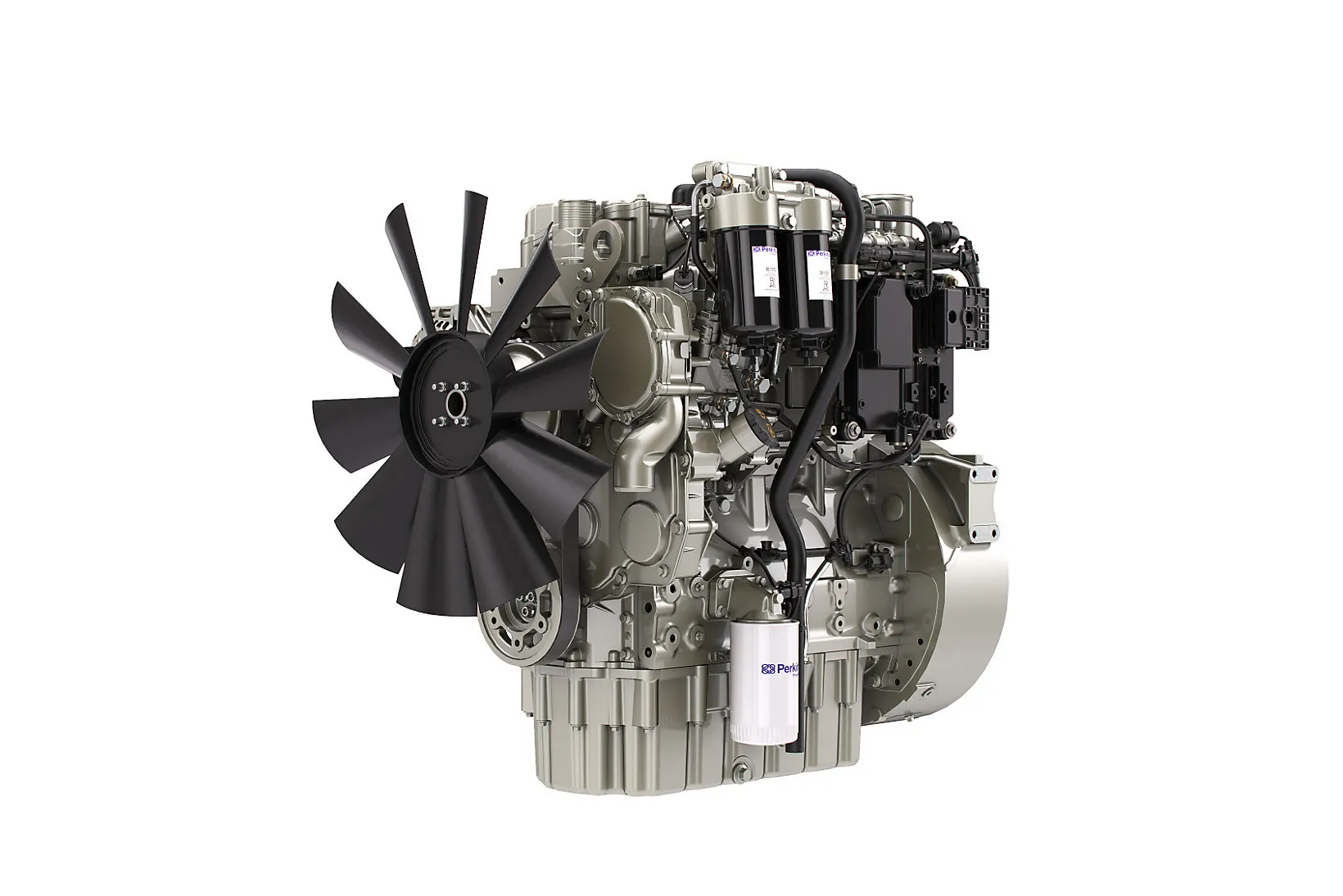
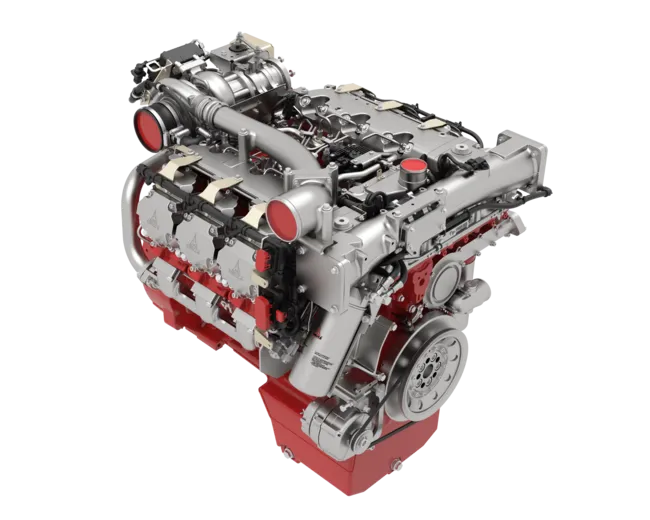
Deutz, Perkins and Cummins high-performance engines benefit greatly from regular operator inspections, which are one of the cornerstones of long-lasting and efficient operation. Manufacturer maintenance manuals also recommend daily visual inspections and fluid level checks as the first step of routine maintenance.
1. Check the Engine Oil Level
Before starting the engine, always check the engine oil level. Low oil levels can lead to excessive friction, reduced performance, and eventually severe engine damage. A simple inspection that takes only a few seconds can help prevent all of these risks.
2. Inspect the Fuel and Coolant Levels
In addition to checking the fuel level, inspecting the coolant is an essential part of the daily routine. Insufficient coolant can cause the engine to overheat, while contaminated or poor-quality fuel may damage fuel system components. Both should be checked regularly.
3. Check for Oil, Fuel, and Coolant Leaks
Small leaks around the engine often develop quietly and gradually turn into major failures. Visually inspecting for oil leaks, fuel leaks, and coolant traces every day allows potential problems to be identified before they become serious.
4. Inspect Belts and Hoses
Cracked, loose, or worn belts can cause unexpected breakdowns at any time. Deformations in hoses should also not be overlooked; even minor swelling or hardening can eventually result in leaks or hose failure.
5. Listen to the Engine
The sound of the engine often provides warnings before the instrument panel does. If you hear knocking, rubbing, whistling, or metallic noises that are not part of normal operation, stop the engine without overloading it and have it inspected by a qualified technician.
6. Observe Vibration and Exhaust Smoke
Excessive vibration during operation or changes in exhaust smoke color are often early indicators of engine problems. If black, white, or blue smoke appears together with a noticeable loss of performance, schedule a service inspection without delay.
7. Pay Attention to Dashboard Warning Indicators
Ignoring warning lights and continuing operation is a common mistake. However, warnings related to oil pressure, coolant temperature, or the charging system may be the first signs of a much more serious failure. Monitoring the instrument panel should always be part of the daily inspection routine.
8. Keep Inspection Records
Recording daily inspections provides maintenance teams with a clear history of the engine's condition. Experienced maintenance professionals also recommend completing a short inspection checklist before every shift. This helps ensure that minor issues are reported before they develop into major failures and minimizes unexpected downtime.
Protect Your Engines with Fermot
Fermot provides maintenance, technical service, engine overhaul, and genuine spare parts for Deutz, Perkins and Cummins engines.
Daily operator inspections are not a substitute for scheduled maintenance, but they play a critical role in detecting potential problems at an early stage. When combined with professional service support, they help extend engine life, maintain performance, and significantly reduce unexpected downtime.
If you want your engine to operate reliably for many years, the best approach is to combine daily inspections with regular maintenance and professional technical service.