What Is an Exhaust Manifold?
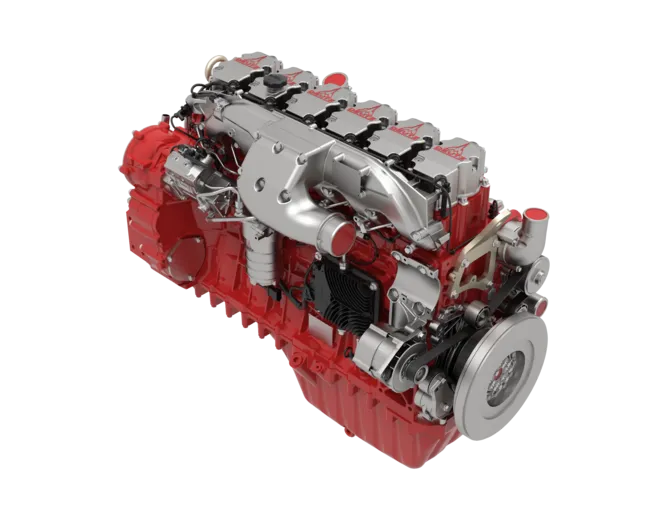
The exhaust manifold is an important engine component that collects exhaust gases produced during combustion in the engine cylinders and directs them into the exhaust system. Connected to the cylinder head, this component ensures that gases generated after combustion are discharged in a controlled manner.
In industrial diesel engines, the exhaust manifold is important not only for gas evacuation but also for engine operating efficiency and the functioning of the exhaust system. Since engines used in construction machinery, generators, and various industrial applications may operate under high loads for extended periods, the heat and pressure to which the exhaust manifold is exposed can reach significant levels.
What Does an Exhaust Manifold Do?
The primary function of the exhaust manifold is to collect gases discharged from the cylinders and direct them into the exhaust line. Properly directing these gases helps the engine maintain its designed operating conditions.
The main functions of an exhaust manifold are as follows:
- Collecting exhaust gases: Directs combustion gases from each cylinder into a common exhaust line.
- Regulating gas flow: Ensures that exhaust gases move through the system along the designed flow path.
- Supplying the turbocharger system: In turbocharged engines, the energy of the exhaust gases is used to drive the turbine.
- Withstanding heat and pressure: Helps direct high-temperature gases without damaging other engine components.
The manifold design may vary depending on the engine\'s cylinder configuration, power output, and intended application. Therefore, manifolds designed for different engine models cannot be used interchangeably without verification.
Why Do Exhaust Manifold Failures Occur?
The exhaust manifold is continuously exposed to high temperatures while the engine is running. Temperature changes that occur as the engine starts and stops can create stress within the material over time. This may lead to cracks or connection problems, particularly under heavy-duty operating conditions.
Thermal stress and cracks: Continuous heating and cooling cause the manifold to expand and contract. Repeated temperature changes can place stress on the material and challenge its durability.
Connection and gasket problems: Loose connections, deformation, or gasket damage around the manifold can cause exhaust gases to leak.
Corrosion: Moisture, environmental conditions, and the effects of exhaust gases may cause surface corrosion, depending on the material used.
Installation errors: Improper tightening procedures, incorrect gasket selection, or improperly seated surfaces can lead to sealing problems.
Excessive thermal load: Operating the engine under high loads for extended periods, exceeding design limits, or other faults affecting exhaust flow can increase the temperatures to which the manifold is exposed.
To determine the actual cause of a failure, it is necessary to evaluate not only the manifold itself but also the connected exhaust system and the engine\'s operating conditions.
How Can You Identify an Exhaust Manifold Failure?
Problems with the exhaust manifold may manifest through various symptoms. However, these symptoms alone are not sufficient to establish a definitive diagnosis.
- Changes in exhaust noise: Leaks around the manifold may cause unusual hissing or blowing sounds.
- Exhaust gas odor: An unusual exhaust smell may be noticeable around the engine. Exposure to exhaust gases in enclosed spaces poses a serious health risk.
- Soot marks: Black soot deposits near manifold connections may indicate a possible gas leak.
- Performance changes: Exhaust gas leaks can reduce the energy reaching the turbine, particularly in turbocharged engines, and affect engine performance.
- Visible cracks: Cracks or deformation on the manifold surface require a detailed inspection.
If any of these symptoms are noticed, the engine\'s operating conditions should be evaluated. If exhaust gases may be leaking into the engine compartment or work area, the engine should be shut down safely and the necessary inspections carried out.
How Is Exhaust Manifold Maintenance Performed?
The purpose of exhaust manifold maintenance is to identify gas leaks early, maintain the integrity of connections, and detect heat-related damage before it becomes more severe.
The following points can be inspected during maintenance:
- Visual inspection: Check the manifold surface for cracks, deformation, corrosion, and soot marks.
- Connection inspection: Inspect bolts, mating surfaces, and gaskets in accordance with the manufacturer\'s instructions.
- Leak inspection: Investigate signs of exhaust gas leakage using appropriate methods.
- Evaluation of connected systems: Check related components, such as the turbocharger and exhaust line, for damage or flow problems.
- Repair decision: Determine the appropriate repair or replacement method based on the condition of the component.
Manifold connections should not be tightened arbitrarily. The torque values and installation sequence specified by the manufacturer must be followed. In addition, inspections on a hot engine increase the risk of burns and other workplace safety hazards. The system should be allowed to cool to a safe temperature before inspection.
The Effects of Exhaust Manifold Failures on Engine Performance
Leaks in the exhaust manifold can affect exhaust flow and engine operating characteristics. In turbocharged engines, a reduction in the exhaust gas energy reaching the turbine may lower turbocharger boost pressure and, consequently, reduce engine performance.
However, the exhaust manifold is not the cause of every loss of power. Problems with the fuel system, air supply, turbocharger, sensors, or other components in the exhaust line can produce similar symptoms. Therefore, systematic fault diagnosis should be performed instead of replacing a component based on a single symptom.
Why Are the Correct Parts and Professional Inspection Important?
The manifold used in industrial engines must be compatible with the engine model and application. Details such as connection dimensions, material properties, gas flow design, and turbocharger connections can affect the selection of the correct part.
Fermot emphasizes the importance of accurate diagnosis and proper application procedures for the maintenance, servicing, and parts requirements of industrial diesel engines. A technical assessment based on the engine\'s make and model helps prevent unnecessary part replacements and supports reliable system operation.
Conclusion
The exhaust manifold is an important component in industrial diesel engines, ensuring that combustion gases are discharged safely and efficiently. Cracks, connection problems, and gas leaks can affect both engine performance and operational safety. Regular inspections, early identification of symptoms, and repairs performed in accordance with the manufacturer\'s instructions help prevent more serious failures.
Frequently Asked Questions
- What does an exhaust manifold do?
It collects exhaust gases produced in the cylinders and directs them into the exhaust system. - How can you identify an exhaust manifold crack?
Abnormal exhaust noise, soot marks around connections, and visibly apparent cracks are possible signs. An inspection is required for a definitive diagnosis. - Can an exhaust manifold failure reduce engine power?
Yes, exhaust gas leaks can negatively affect performance, particularly in turbocharged engines. However, power loss may also have other causes. - Can an exhaust manifold be repaired?
This depends on the location of the crack, the material of the component, and the manufacturer\'s repair instructions. In some cases, replacement may be more appropriate. - When should exhaust manifold maintenance be performed?
Inspection intervals should be determined according to the engine manufacturer\'s maintenance schedule. If signs of leakage or damage appear, the next scheduled maintenance should not be awaited.