
The Harms of Using the Wrong Oil in Industrial Engines
Engine oil is one of the most critical components for the healthy operation of industrial diesel engines. However, using an oil that does not have the correct viscosity or manufacturer approval not only negatively affects engine performance but also paves the way for serious mechanical failures in the long term.
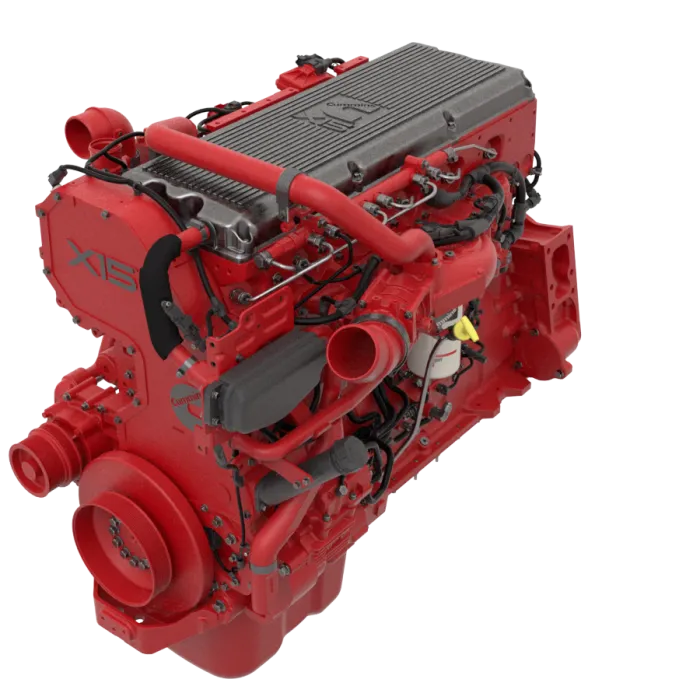
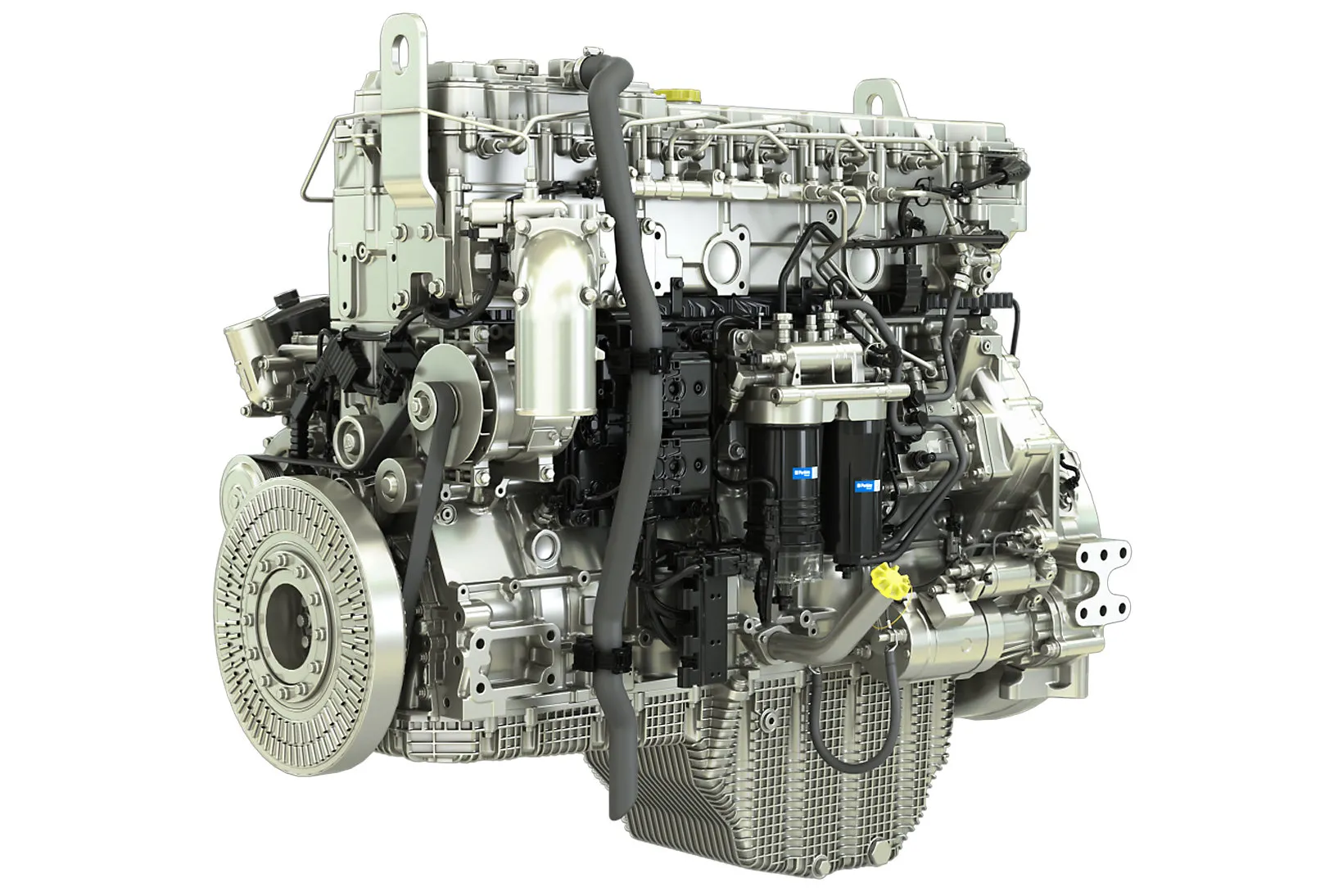
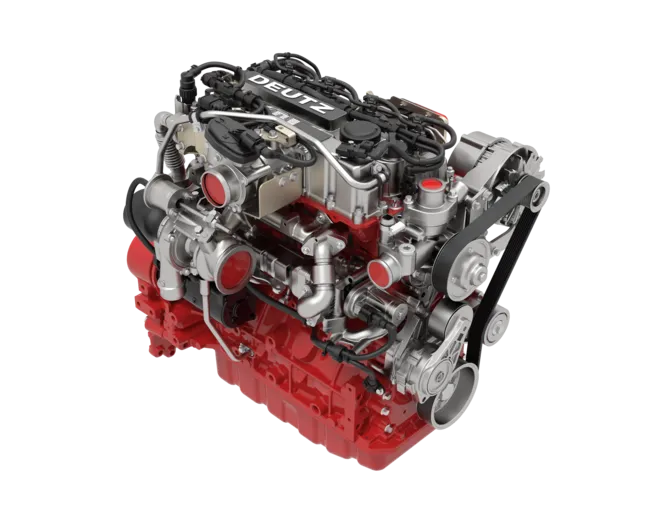
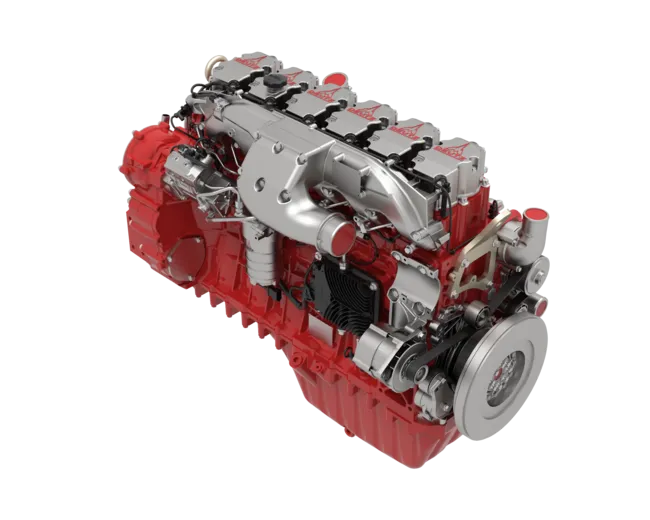
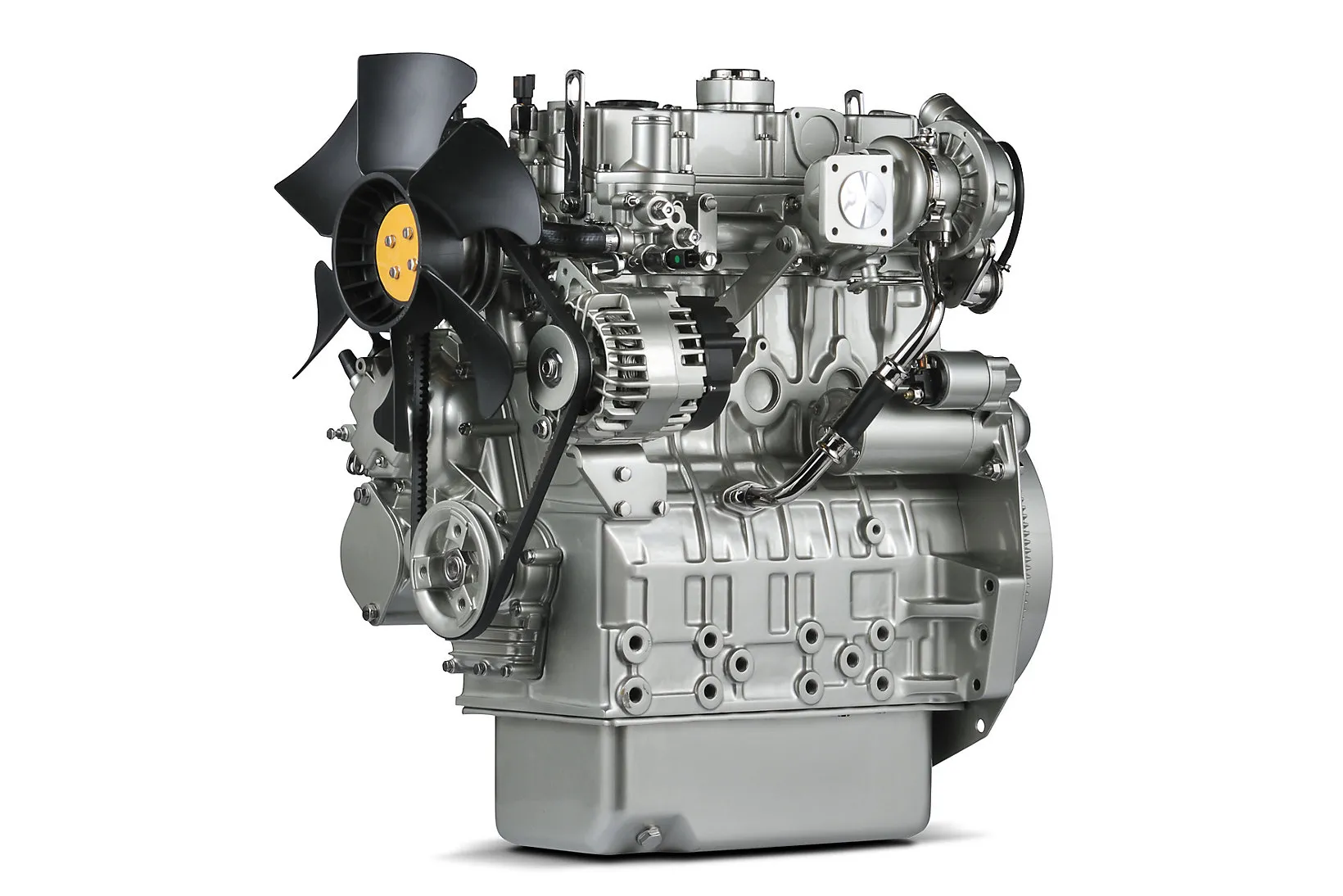
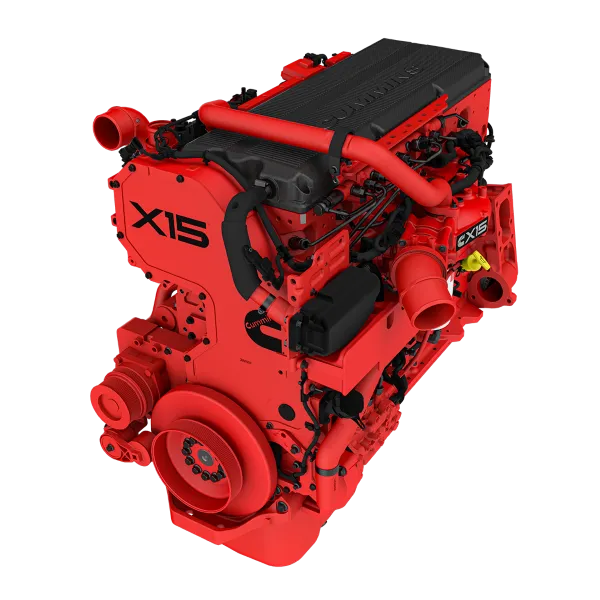
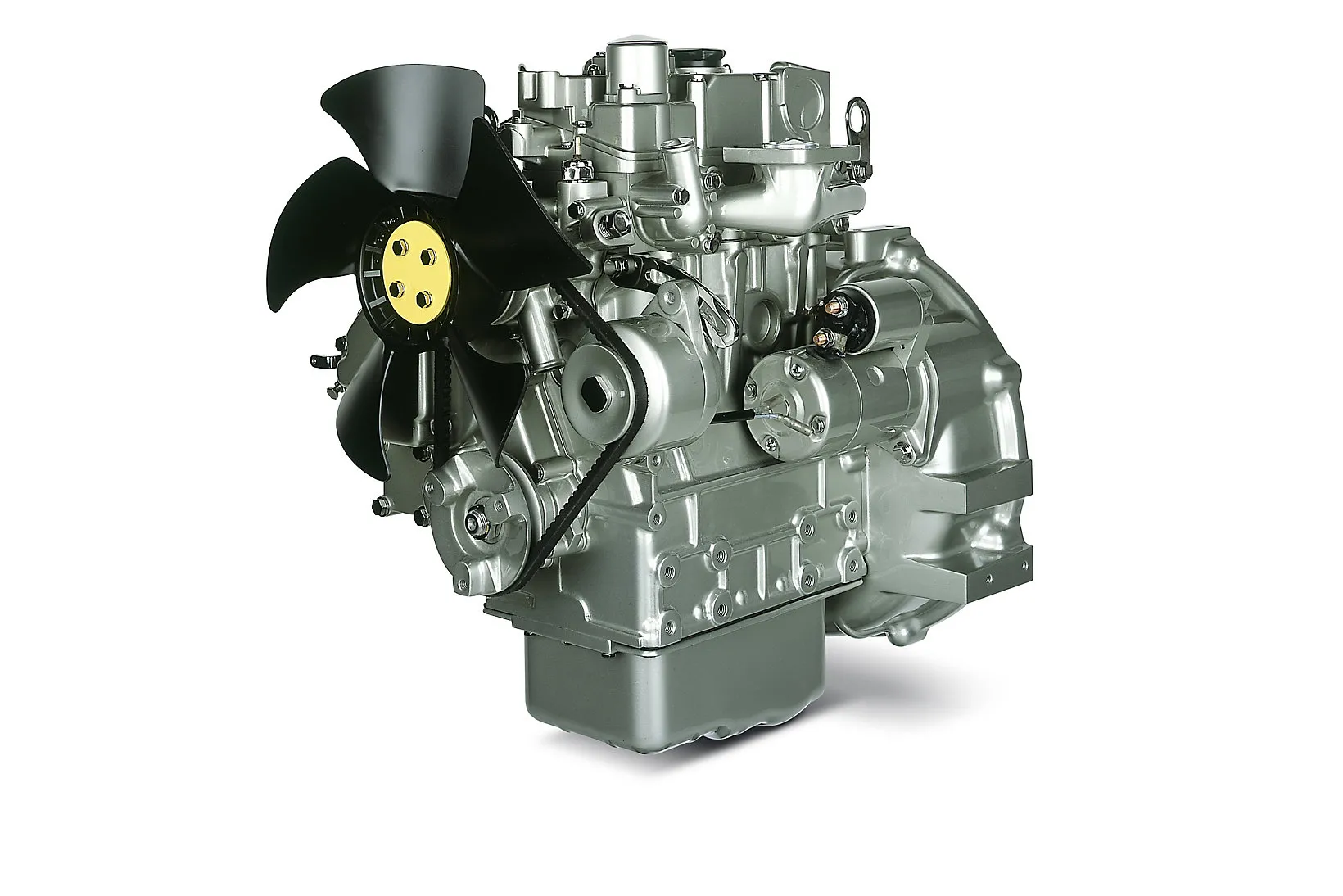
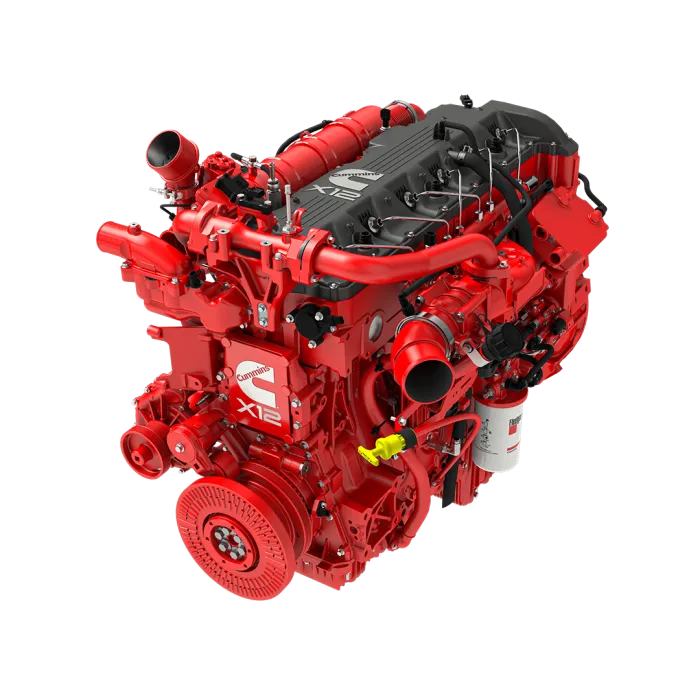
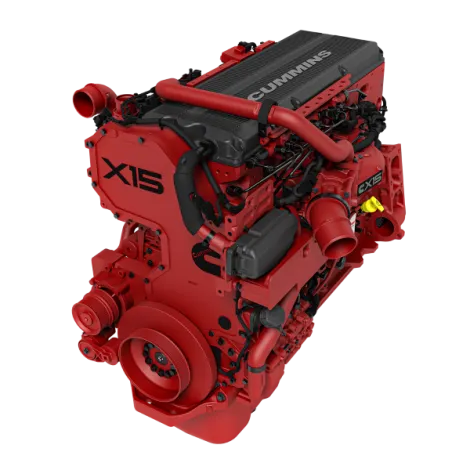
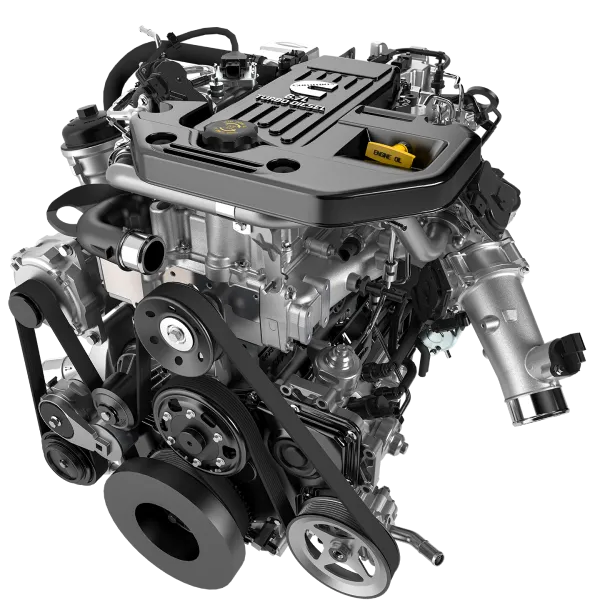
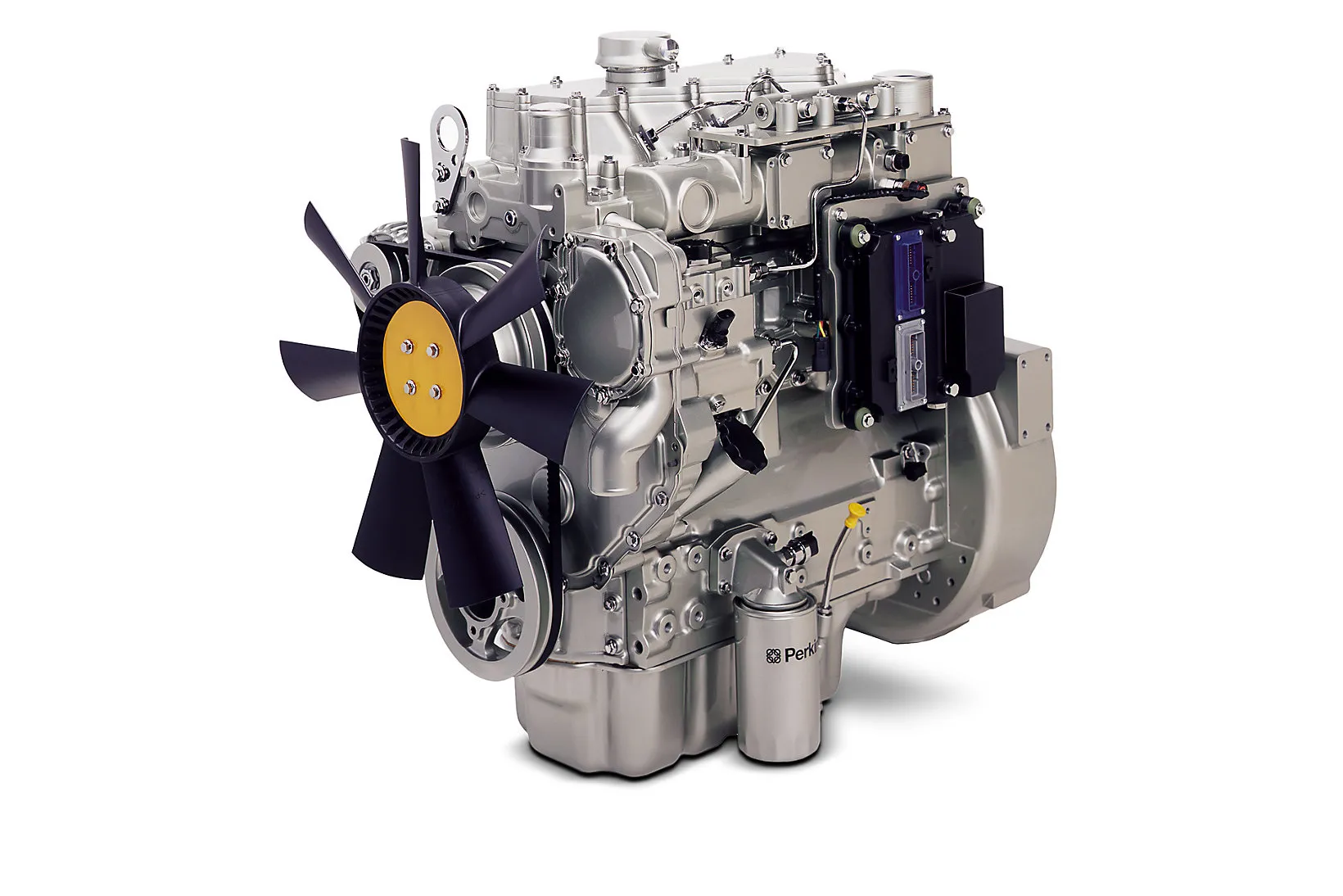
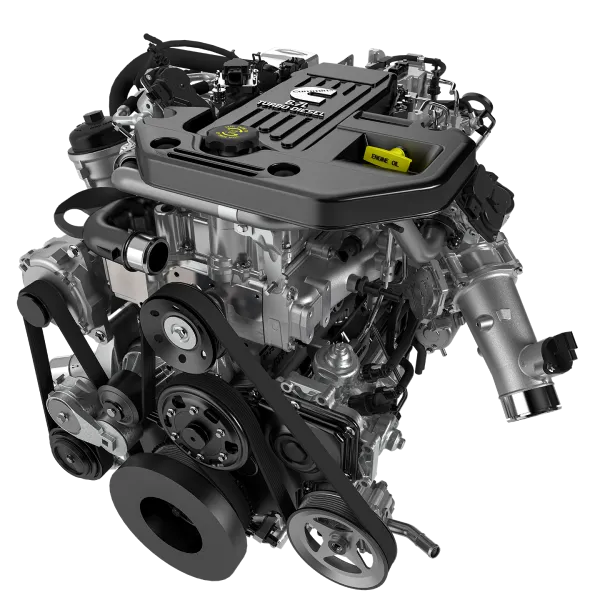
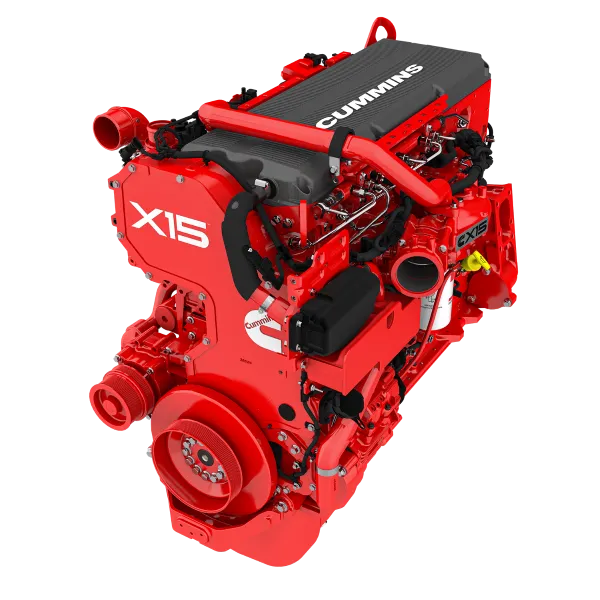
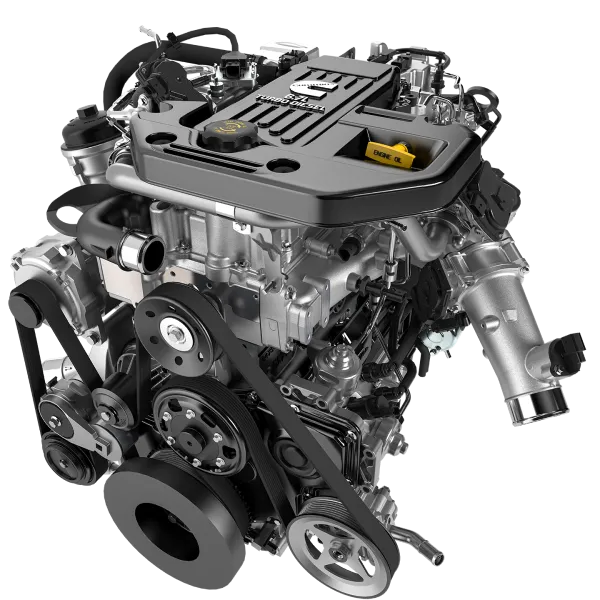
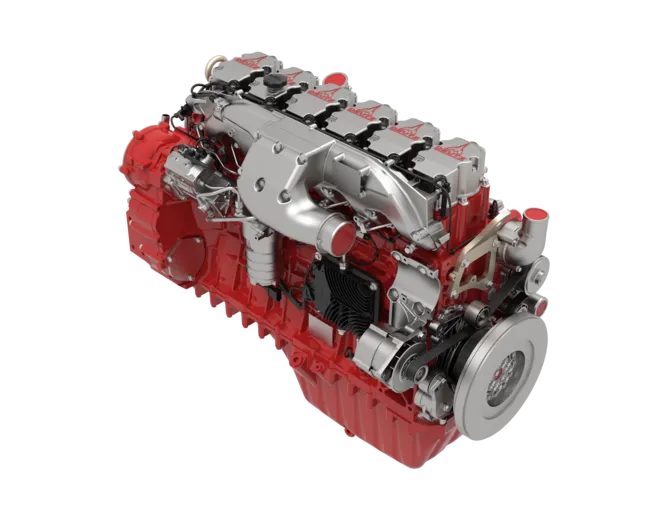
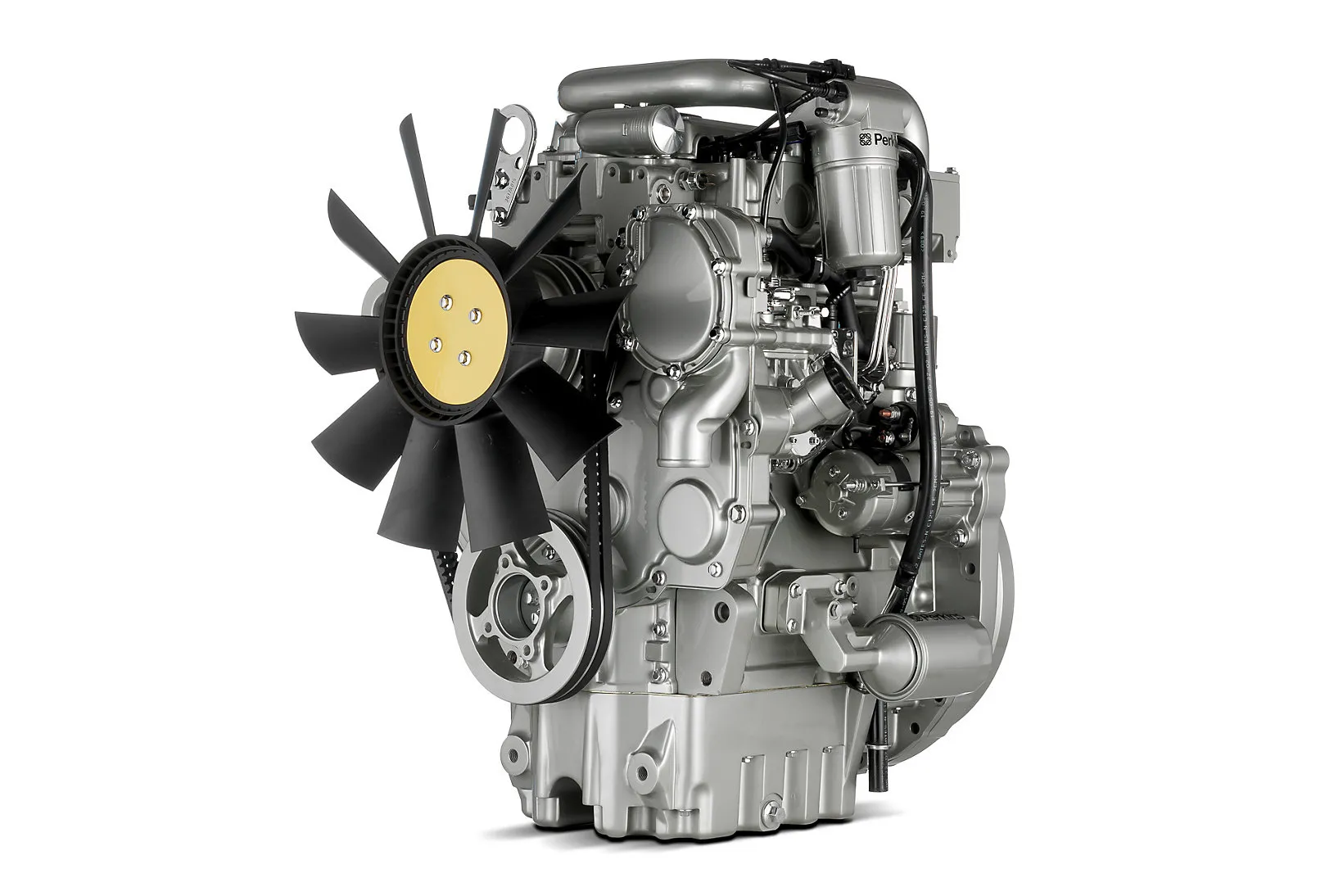
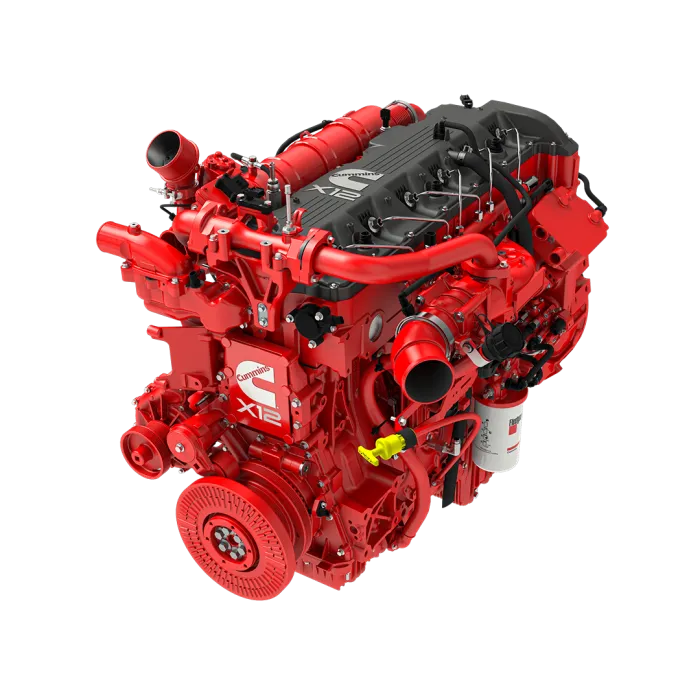
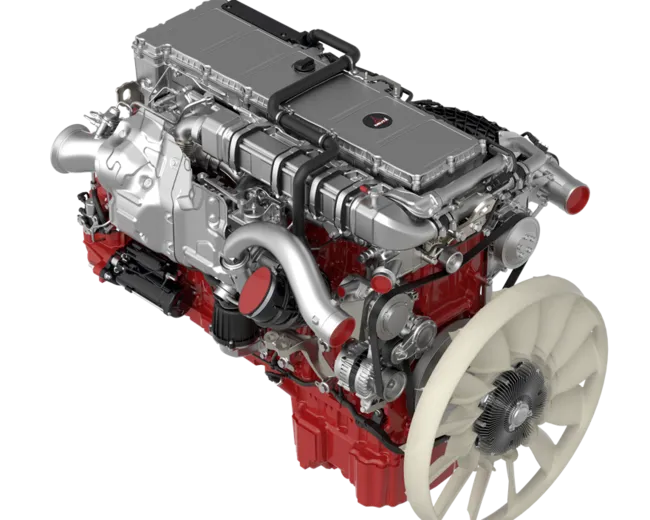
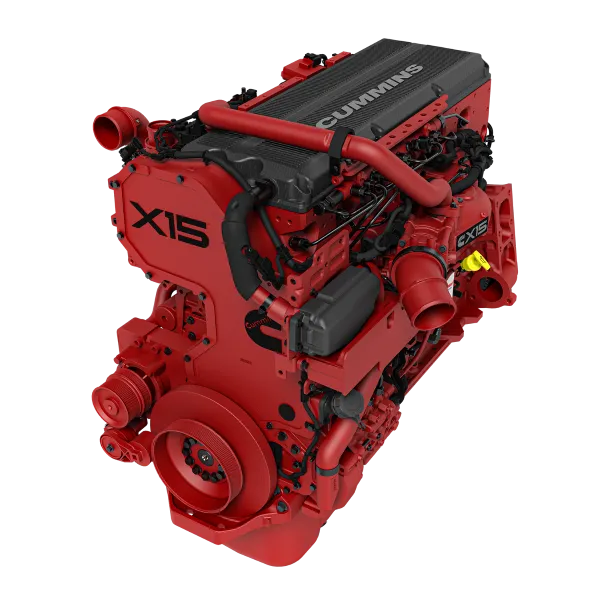
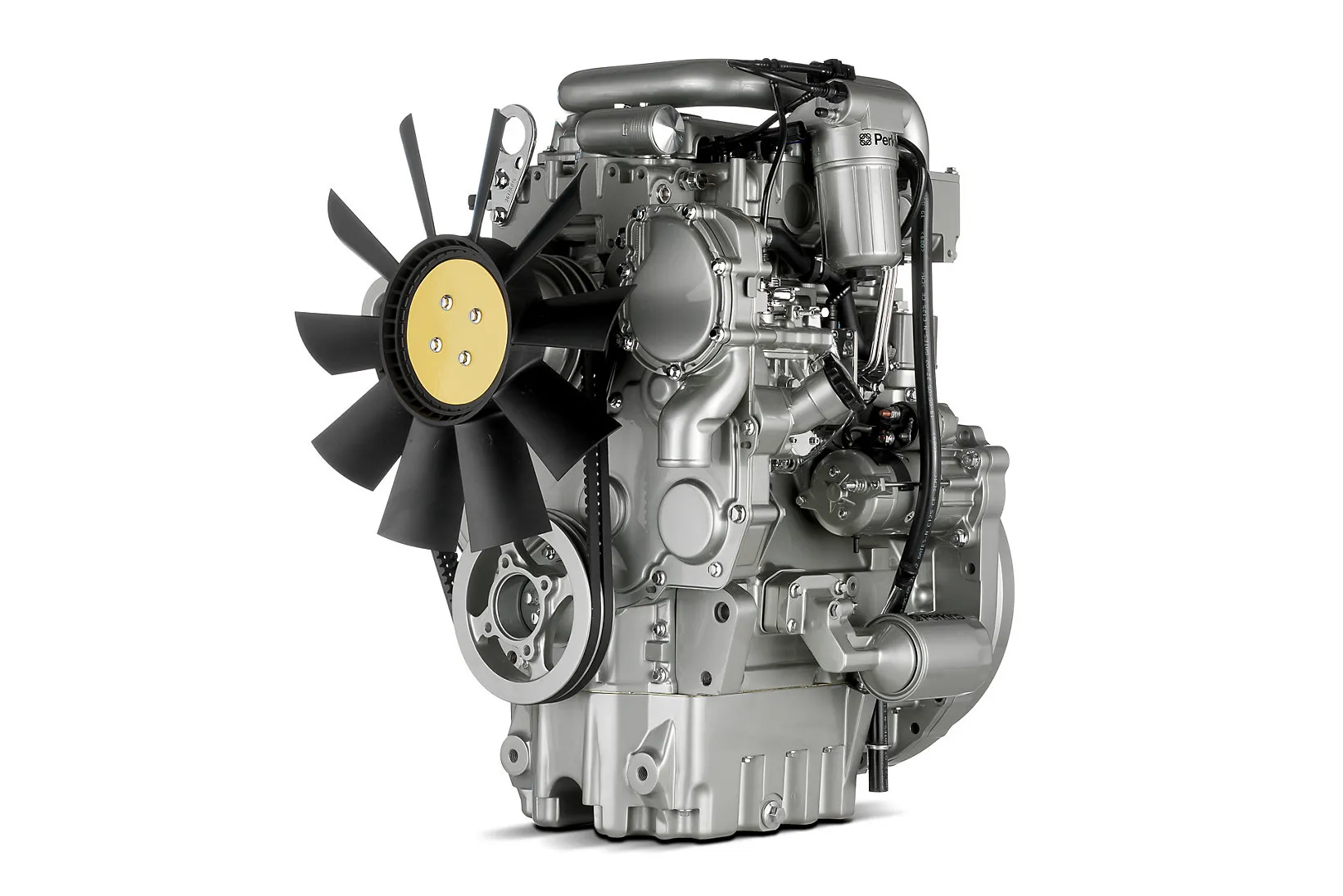
For this reason, complying with the oil specifications recommended by the manufacturer is of great importance in high-performance engines such as Deutz, Perkins, and Cummins. Manufacturers also clearly emphasize that unsuitable oils can increase wear, raise fuel consumption, and shorten engine life.
What Happens If the Wrong Engine Oil Is Used?
Not all engine oils have the same properties. The viscosity value, additive package, and performance class must be suitable for the engine's operating conditions; otherwise, the consequences manifest themselves on several different fronts.
Using the wrong oil accelerates wear on moving parts, reduces lubrication performance, and causes the engine to operate at higher than normal temperatures. As a result, fuel consumption increases, performance begins to decline, and maintenance costs rise. Low-quality or unsuitable oils can also accelerate the formation of deposits and sludge inside the engine, which can lead to clogged oil passages and insufficient oil circulation.
Why Is Viscosity Selection Important?
Correct viscosity is one of the most decisive criteria in oil selection. An oil that is too thin cannot form an adequate oil film and cannot provide protection at high temperatures. An oil that is too thick, on the other hand, circulates slowly during cold starts, increases wear during initial startup, and negatively affects fuel consumption.
Therefore, it is necessary to pay attention not only to the oil brand but also to the viscosity and performance class recommended by the engine manufacturer.
Does Oil Quality Affect Engine Life?
Yes, it has a direct effect. High-quality engine oils reduce friction, keep the engine clean, help prevent corrosion, and maintain their properties for much longer at high temperatures. Perkins' technical publications also state that using low-quality oil can lead to more deposit formation, increased fuel consumption, and shortened engine life.
What Symptoms May Indicate the Use of Wrong Oil?
The use of wrong oil is not always noticeable immediately; symptoms appear gradually and subtly over time. Noisy engine operation, oil pressure warnings, performance loss, increased fuel consumption, blue exhaust smoke, and oil consumption problems are among the leading symptoms. Engine manufacturers also state that improper oil use or delayed oil changes can be directly linked to issues such as blue exhaust smoke, piston and turbo wear.
Correct Oil Selection for Deutz, Perkins, and Cummins Engines
Although Deutz, Perkins, and Cummins engines are known for their durability, using the wrong oil can also cause performance loss in these engines. The oil recommended by the manufacturer should be preferred, taking into account the engine model, emission level, operating temperature, and application area. Using the right oil alone is not enough; changing the oil filter on time and adhering to oil change intervals are equally important for the engine's long-lasting operation.
Proper Maintenance Solutions for Your Engine with Fermot
Fermot provides maintenance, technical service, overhaul, and spare parts services for Deutz, Perkins, and Cummins industrial engines.
By receiving expert support on correct oil selection, planning maintenance intervals, and technical inspections, you can both protect engine performance and keep long-term maintenance costs under control.
Using the right engine oil may seem like a small detail, but it is one of the maintenance steps that directly determines the efficient, safe, and long-lasting operation of the engine.