What Do Exhaust Smoke Colors in Diesel Engines Indicate?
The color of smoke coming from the exhaust in diesel engines can provide important information about the engine\'s operating condition. Under normal operating conditions, exhaust gases are not expected to appear as visible and dense smoke. However, problems in the engine\'s fuel, air, lubrication, or combustion systems can cause the color of the exhaust smoke to change.
Especially in industrial diesel engines, changes in exhaust smoke should not be ignored. The appearance of black, white, or blue smoke may indicate that the engine\'s operating conditions, fuel-air mixture, or certain components inside the engine need to be checked.
Therefore, the color of the exhaust smoke should not be considered a definitive diagnosis of a malfunction on its own and should be examined together with other symptoms.
What Causes Black Exhaust Smoke?
In diesel engines, black smoke can generally occur when the fuel does not meet sufficient air during combustion. A reduction in the amount of air required by the engine or an excessive amount of fuel relative to the operating conditions can affect combustion efficiency.
Possible causes of black smoke include;
- A dirty or clogged air filter,
- Problems with the turbocharger system,
- Issues with the fuel injection system,
- Improper operation of the injectors,
- Operating the engine under excessive load,
- Restrictions in the air intake system
may be among the causes.
If a decrease in engine performance or an increase in fuel consumption is observed along with black smoke, it is important to check the engine\'s air and fuel systems.
What Does White Exhaust Smoke Mean?
White smoke may be visible for a short period, especially when the engine is first started and has not yet reached its operating temperature. However, if heavy white smoke continues after the engine reaches operating temperature, the situation should be examined in greater detail.
The causes of white smoke may vary depending on the engine\'s operating conditions. Incomplete combustion of fuel, low cylinder temperature, or in some cases, coolant entering the combustion chamber may cause this condition.
Therefore, when white smoke becomes continuous;
- Engine operating temperature,
- Fuel injection system,
- Cylinder and combustion system,
- Cooling system
should be checked.
In particular, heavy and continuous white smoke should be evaluated together with other engine operating symptoms.
Why Does Blue Exhaust Smoke Occur?
Blue or bluish exhaust smoke is most commonly associated with engine oil reaching the combustion chamber and being burned. The involvement of engine oil in the combustion process can lead to increased oil consumption and changes in the engine\'s operating characteristics.
Possible causes of blue smoke include;
- Engine oil entering the combustion chamber,
- Worn piston rings,
- Wear in the cylinder or piston group,
- Oil sealing problems in the turbocharger system,
- Improper engine oil level
may be among the causes.
If blue smoke is continuously visible, the engine\'s oil consumption and lubrication system should also be checked.
The Relationship Between Exhaust Smoke and Engine Performance
Changes in exhaust smoke should often not be evaluated on their own. Changes in engine performance can also help with the diagnostic process.
For example, if power loss occurs along with black smoke, the air or fuel system may need to be inspected. If oil consumption increases along with blue smoke, the engine\'s lubrication system and internal mechanical components may need to be checked.
Therefore, the engine\'s;
- Fuel consumption,
- Oil consumption,
- Engine power,
- Operating temperature,
- Idle condition,
- Exhaust smoke
symptoms should be evaluated together.
Why Is Exhaust Smoke Monitoring Important in Industrial Engines?
Industrial diesel engines can operate for long periods and under high loads in generators, construction equipment, agricultural machinery, and various types of equipment. Therefore, it is important to detect changes in engine operating conditions at an early stage.
Changes in the color or density of exhaust smoke may indicate that certain engine systems need to be checked. Early inspections can help identify the source of the problem and plan the necessary maintenance or repair procedures.
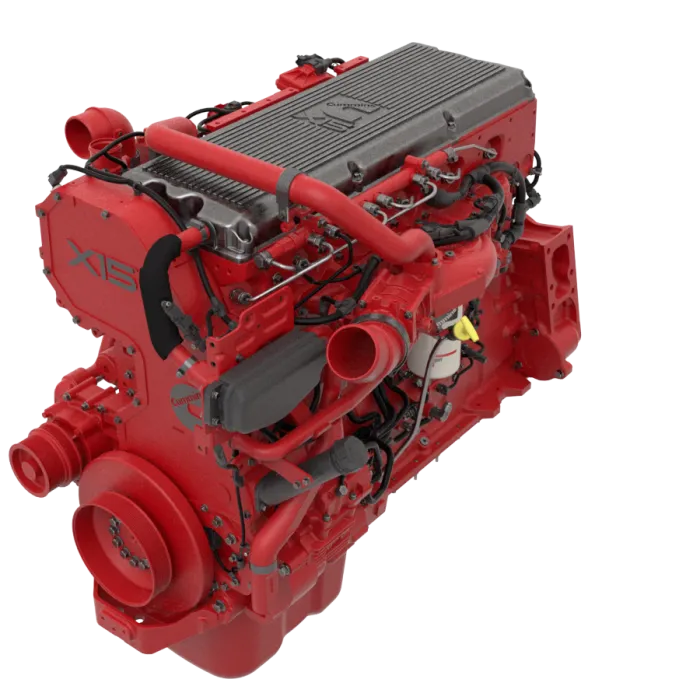
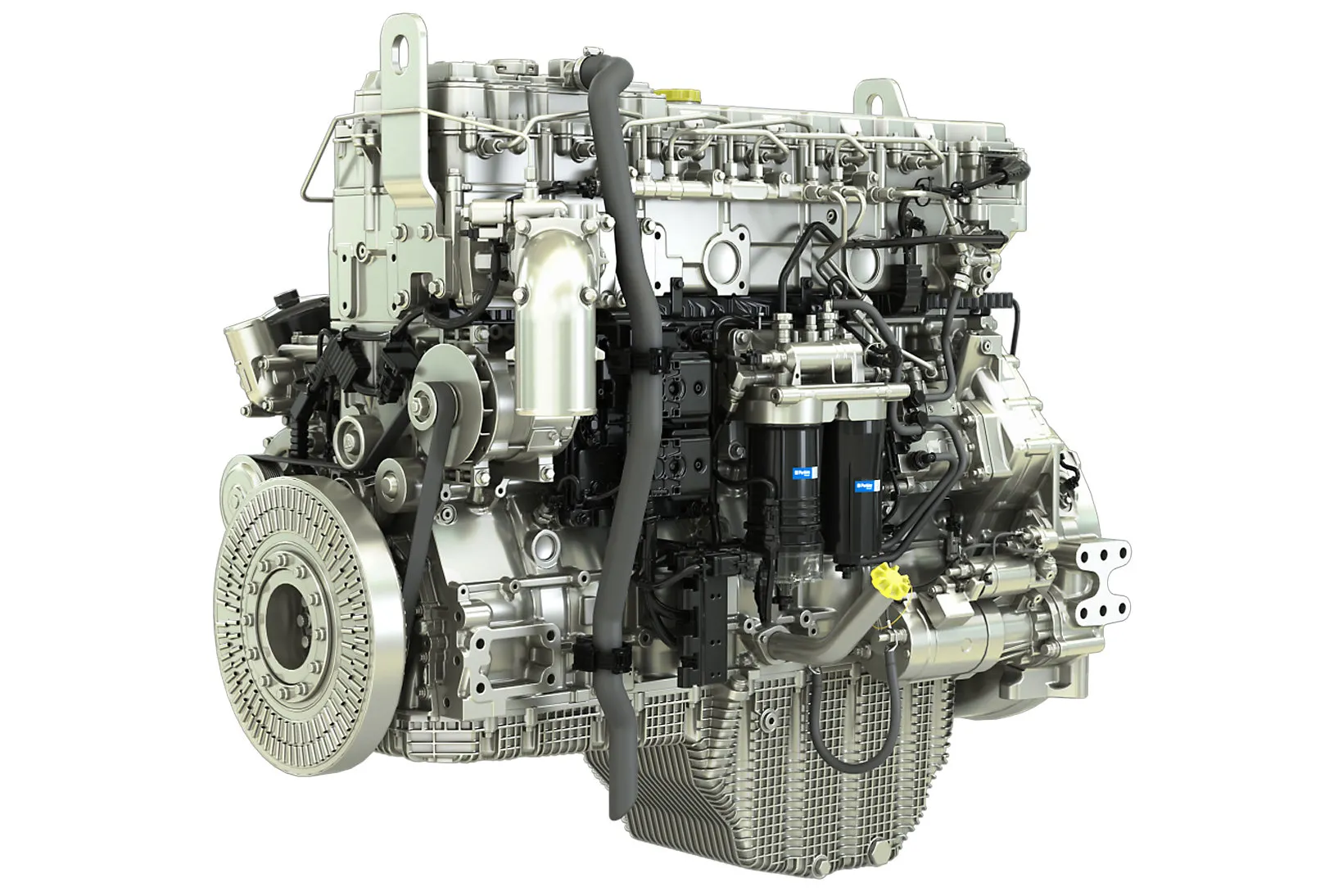
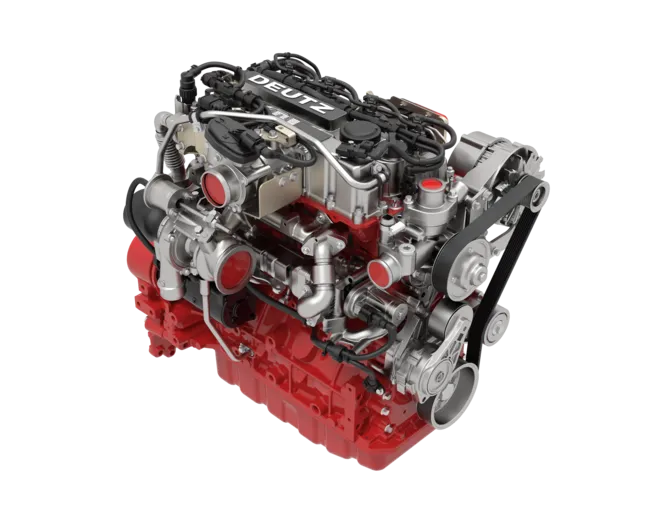
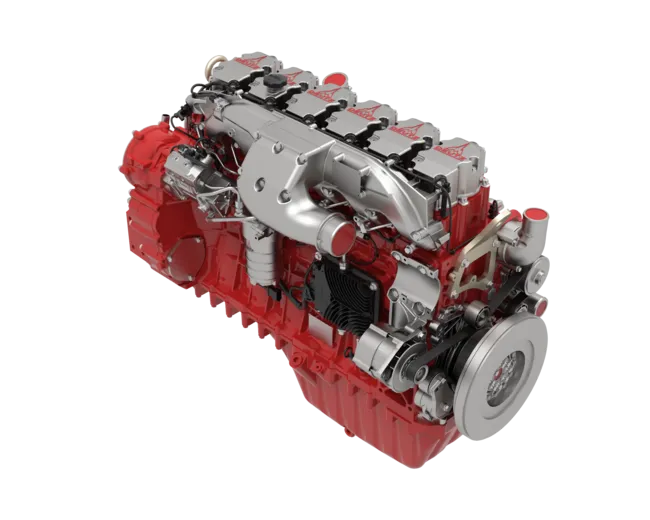
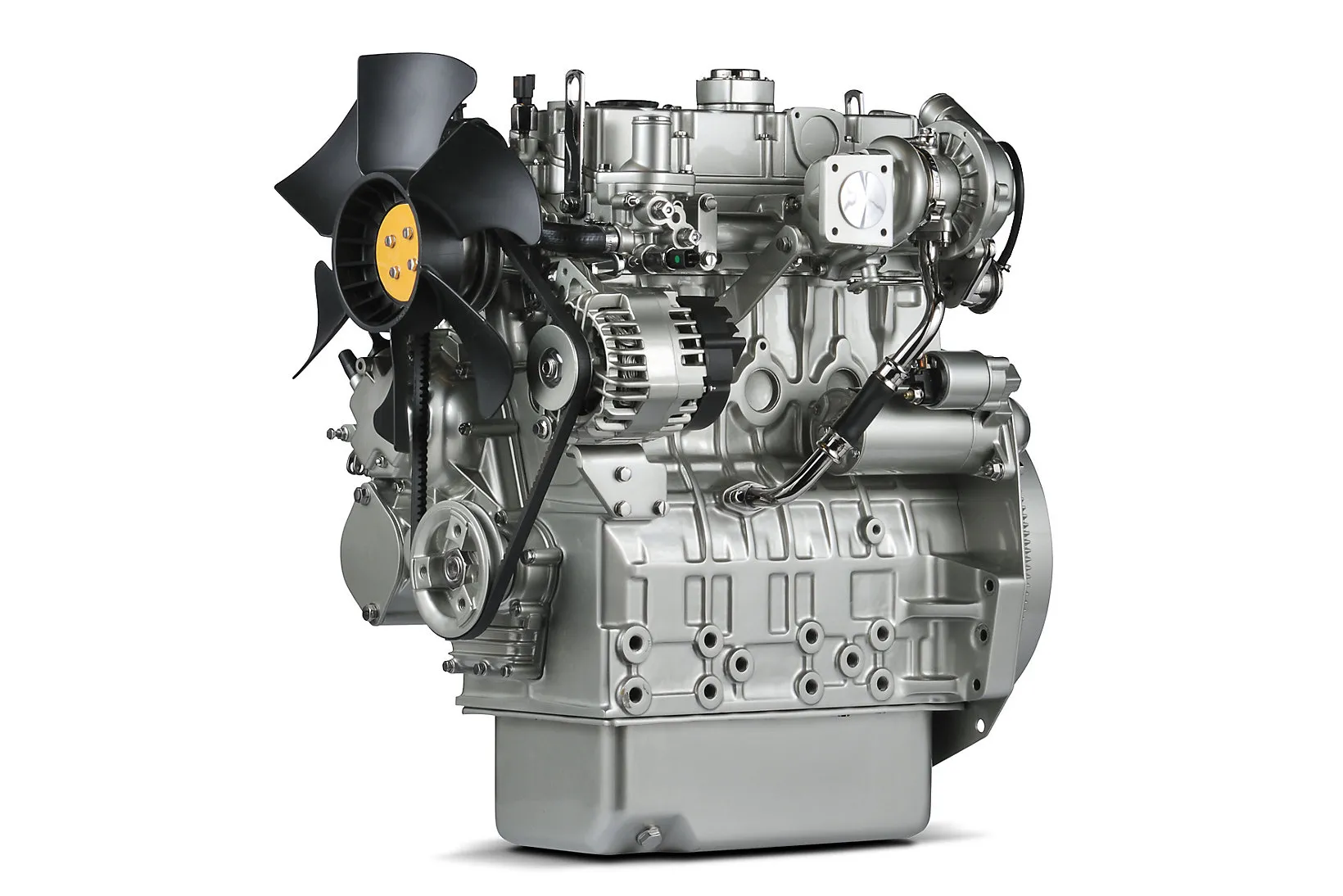
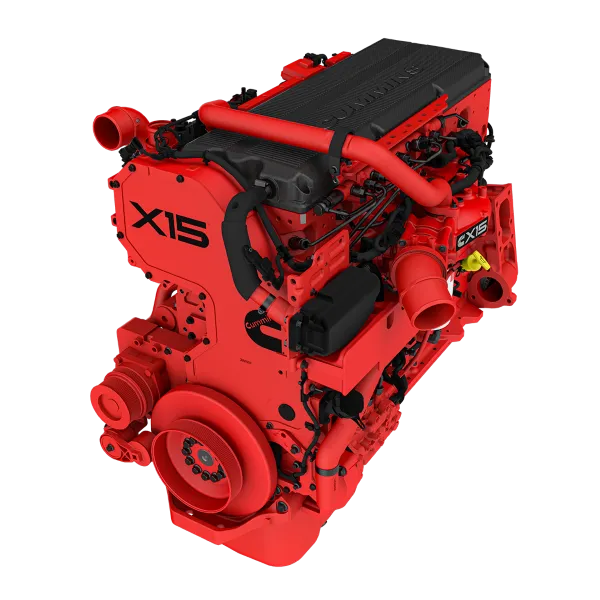
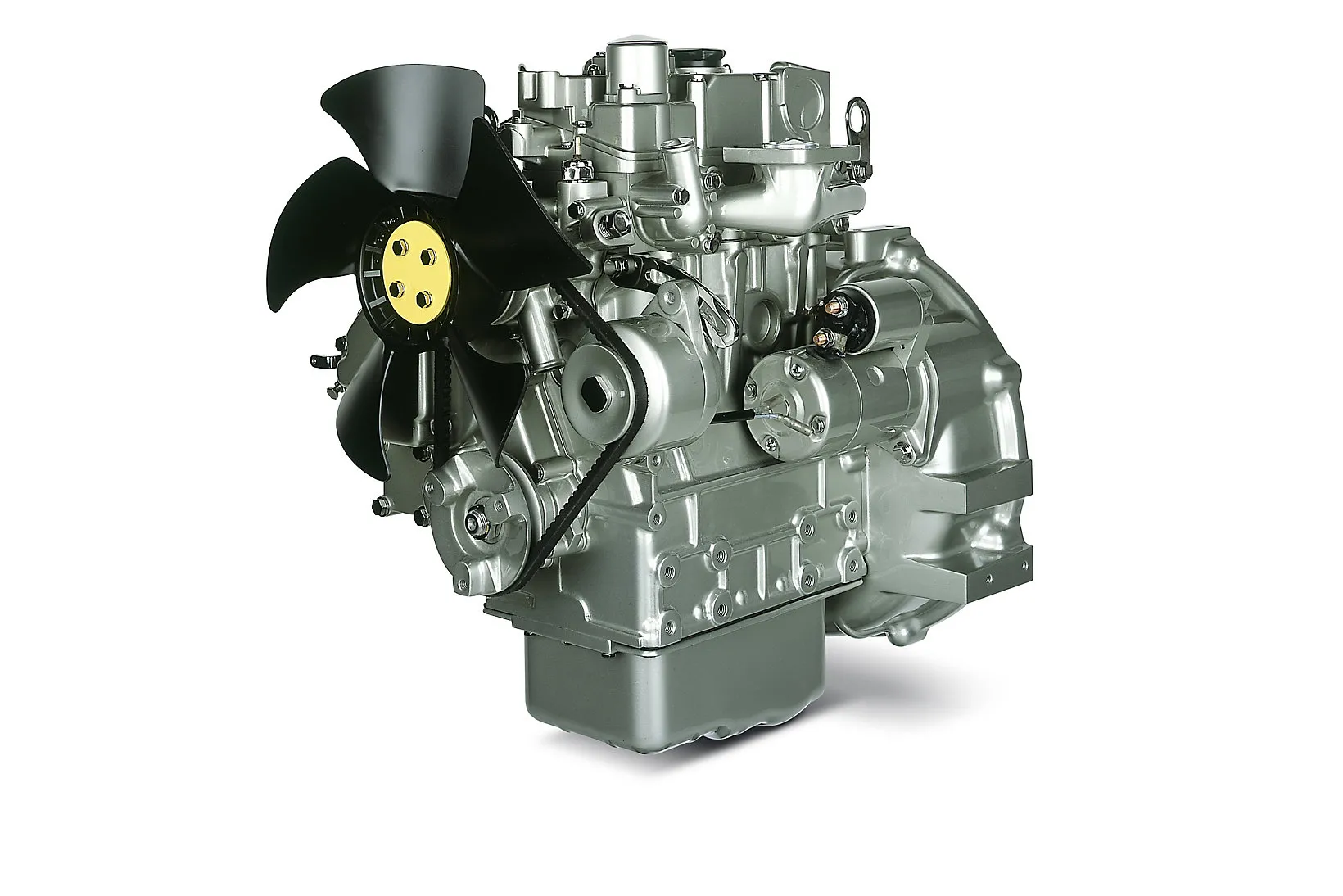
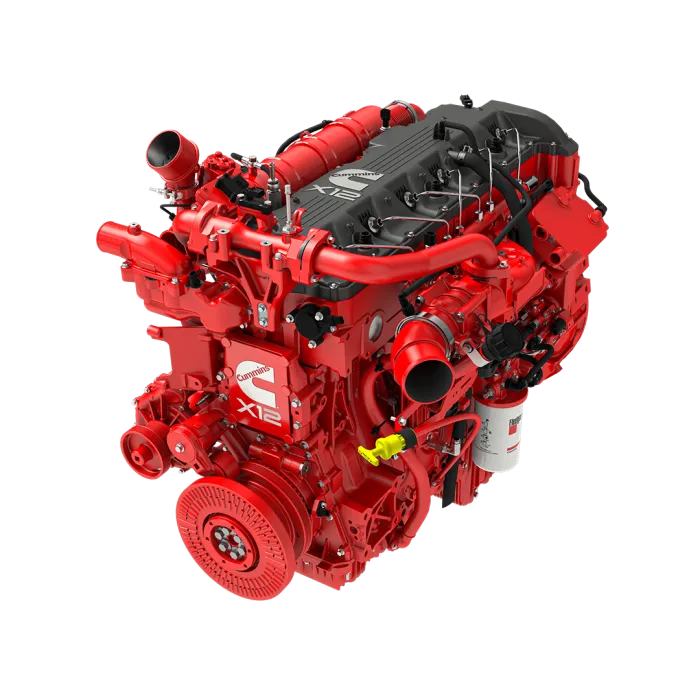
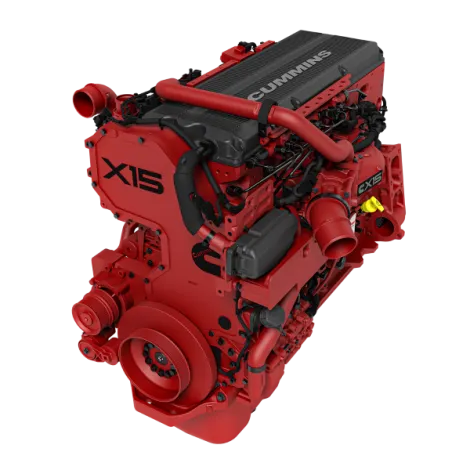
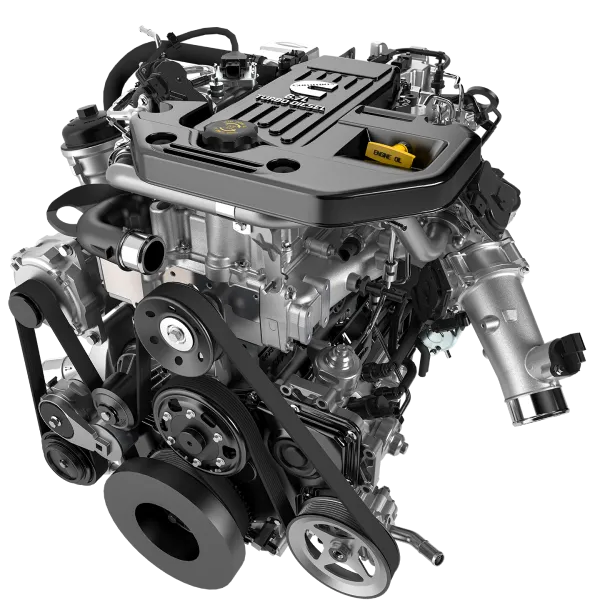
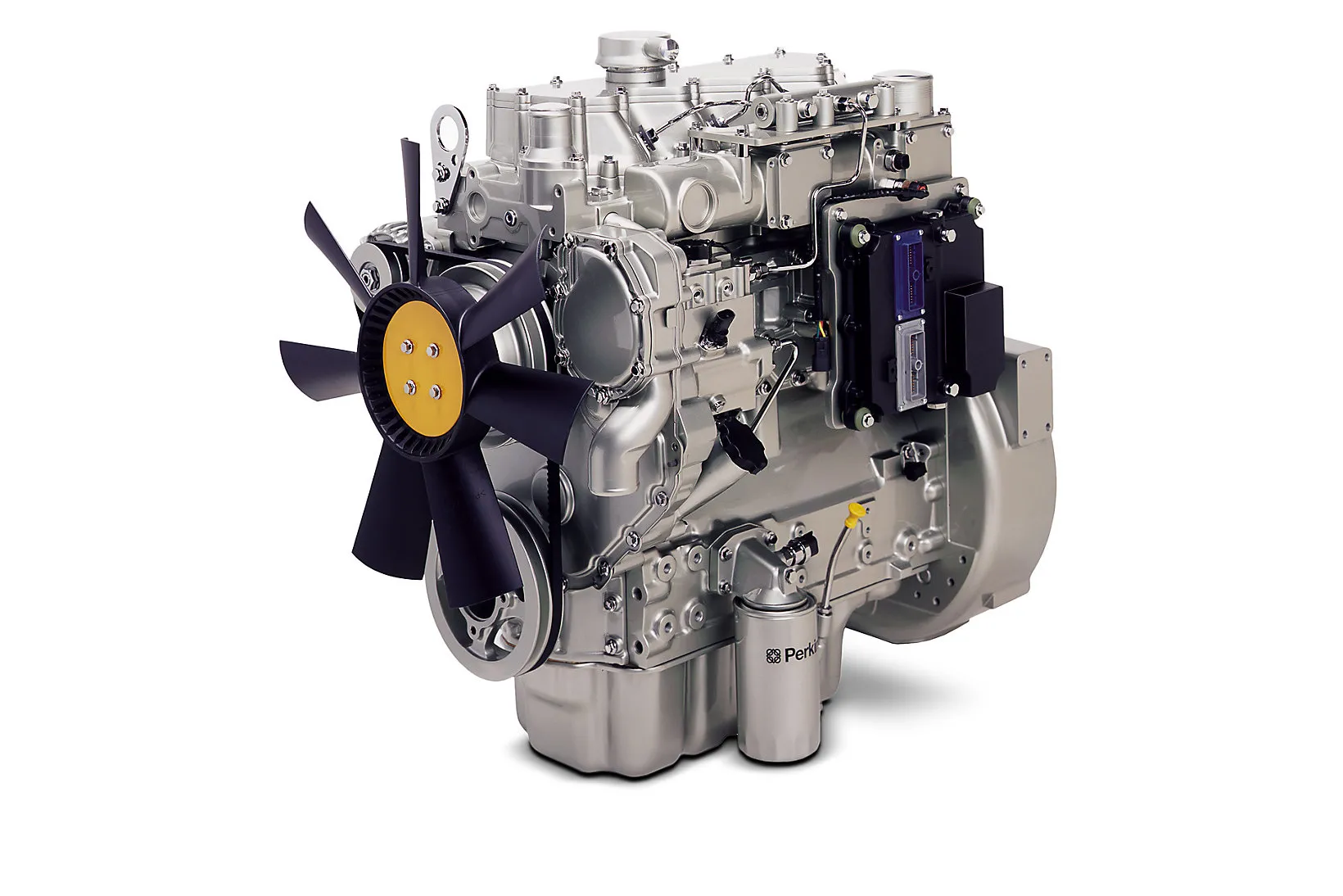
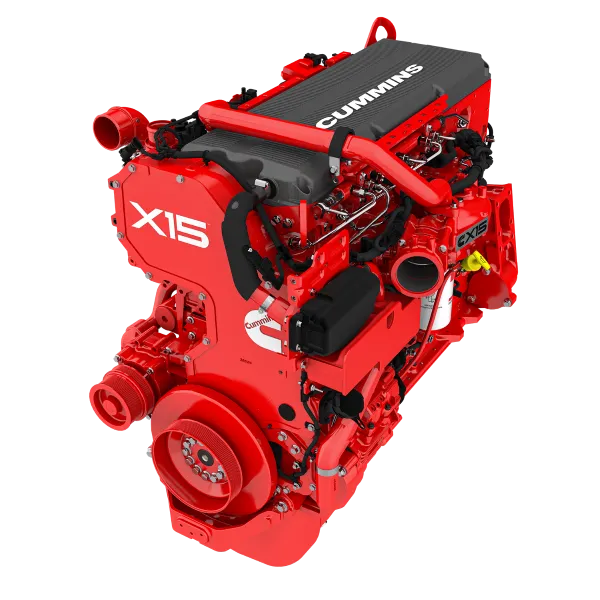
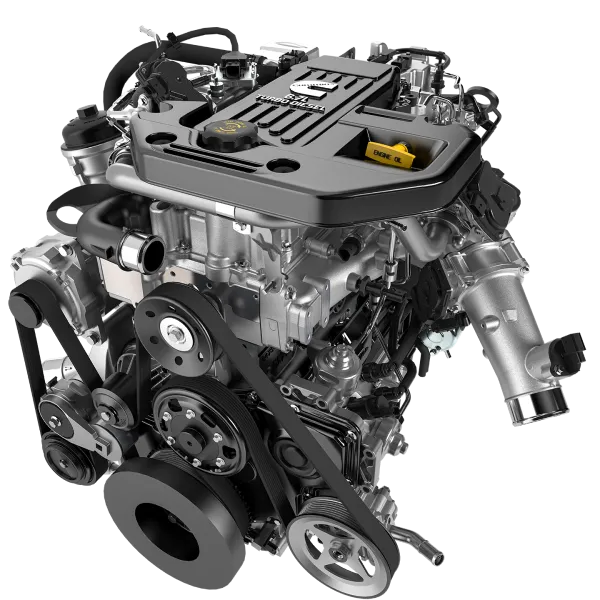
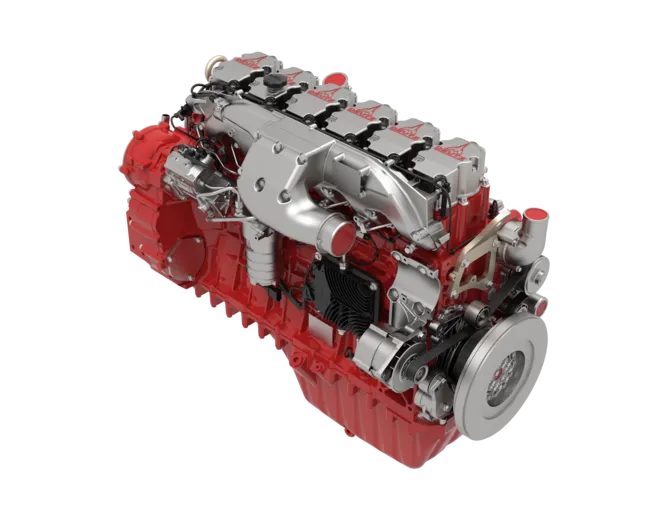
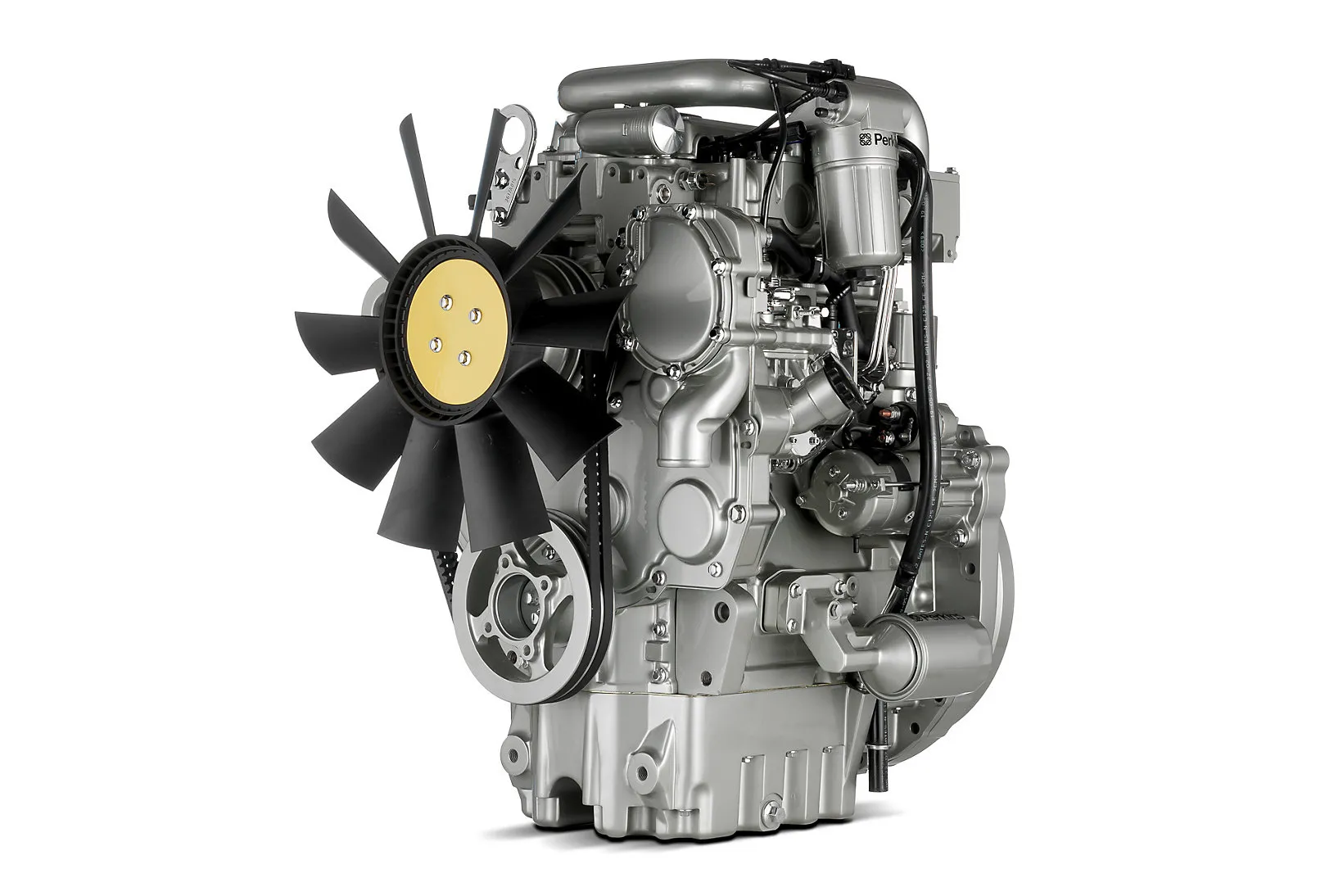
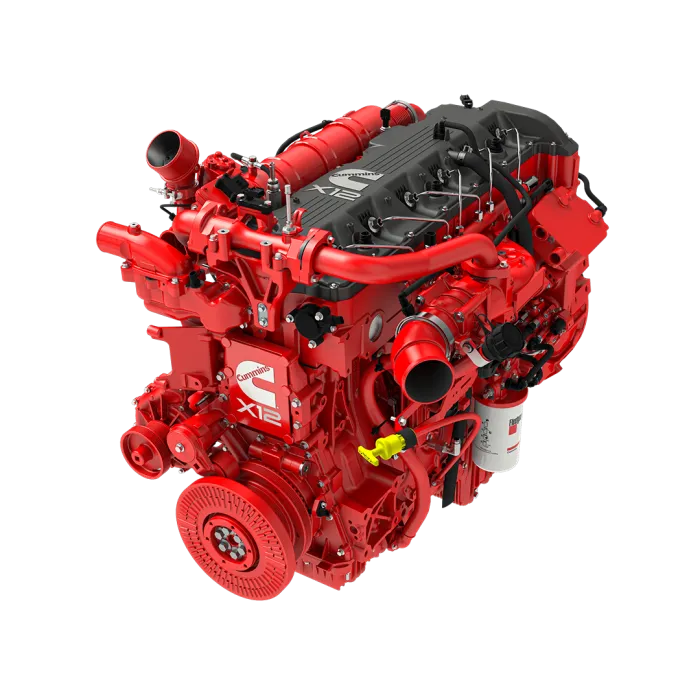
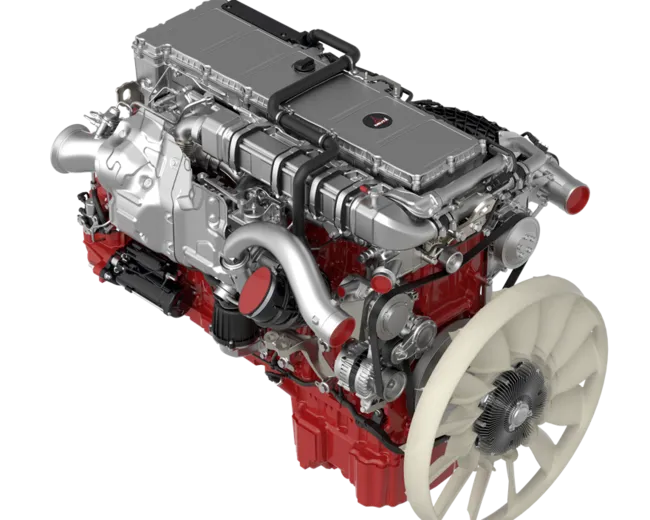
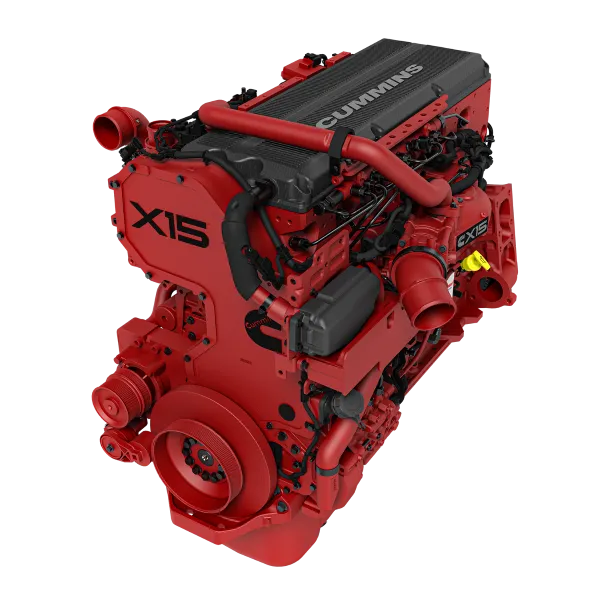
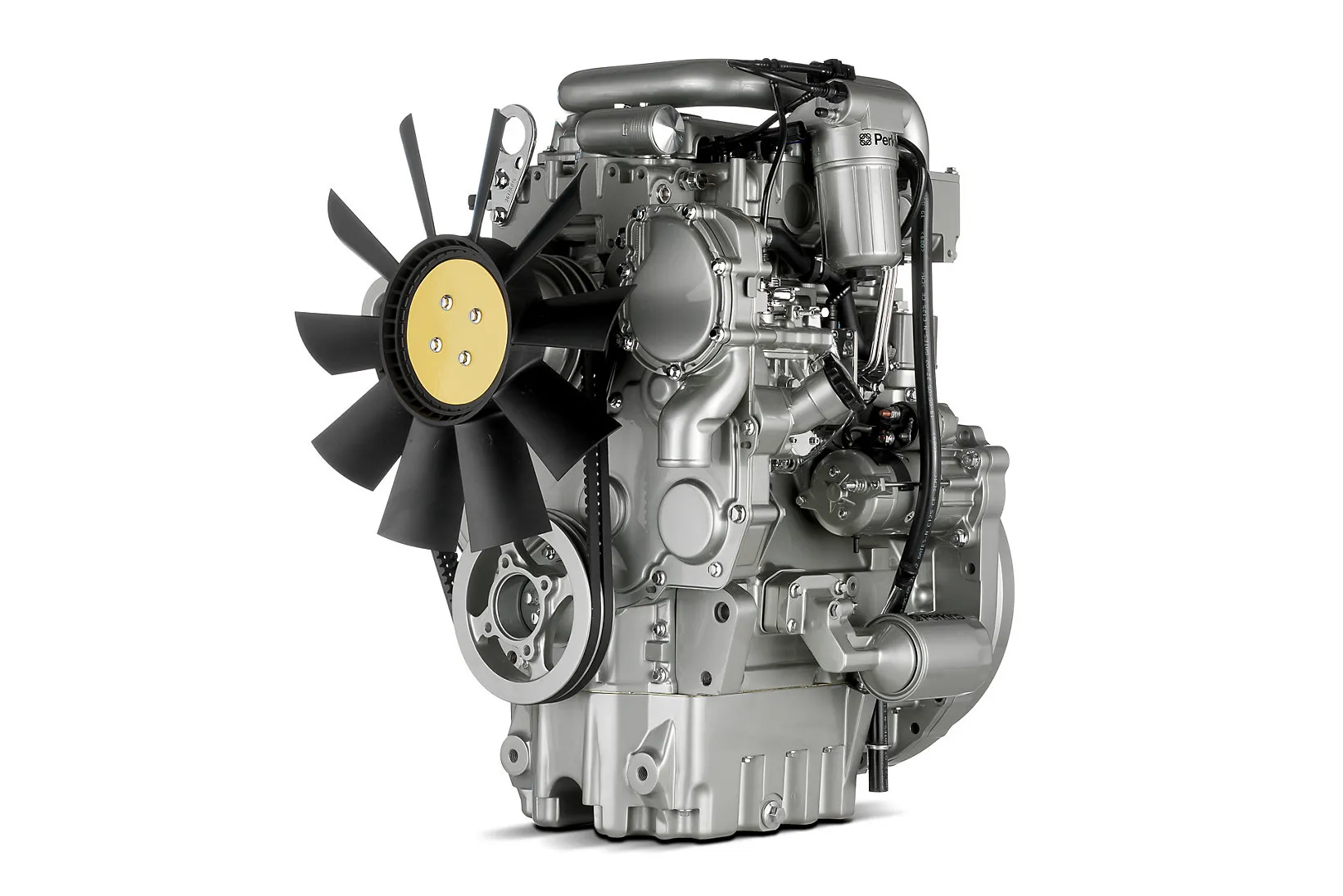
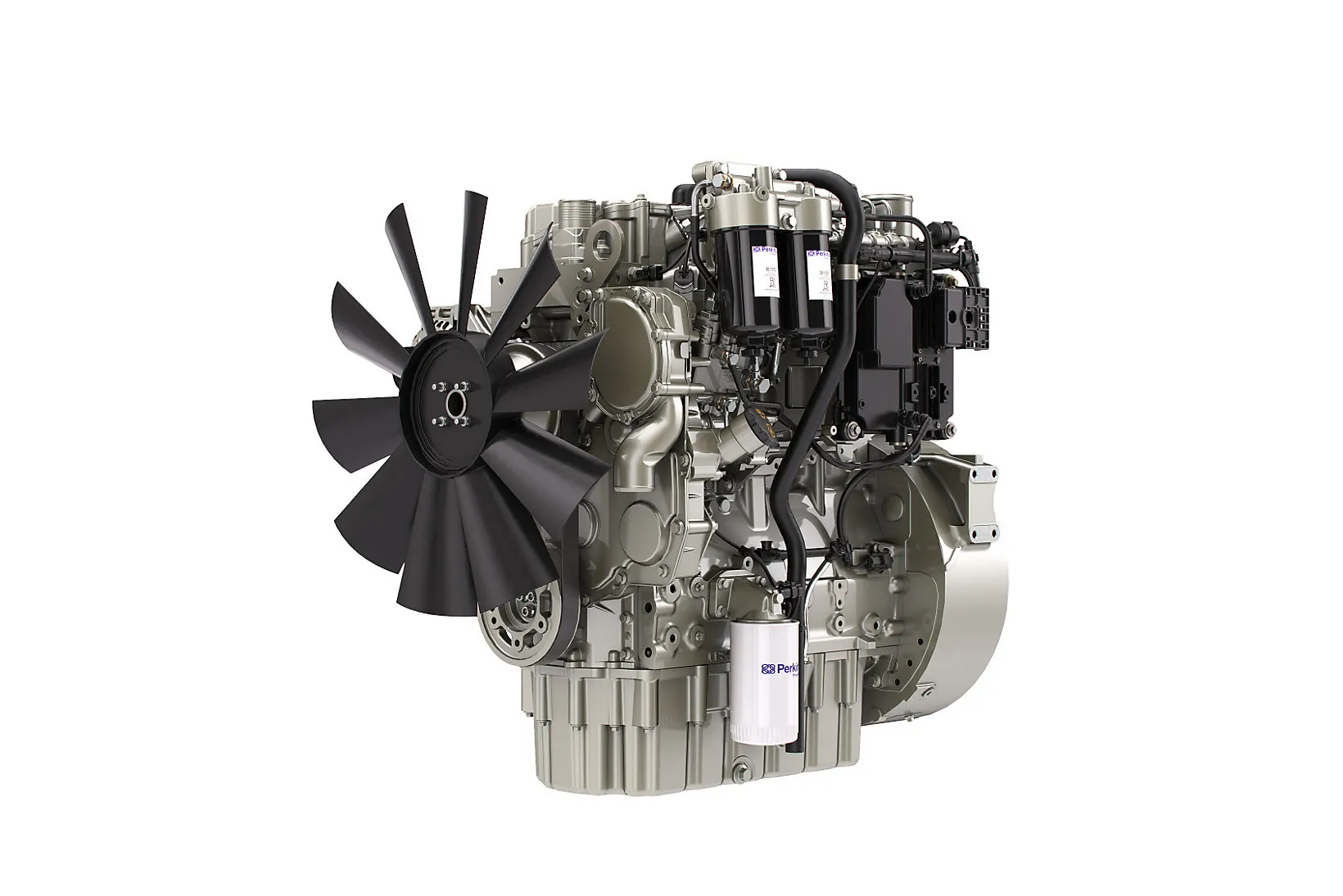
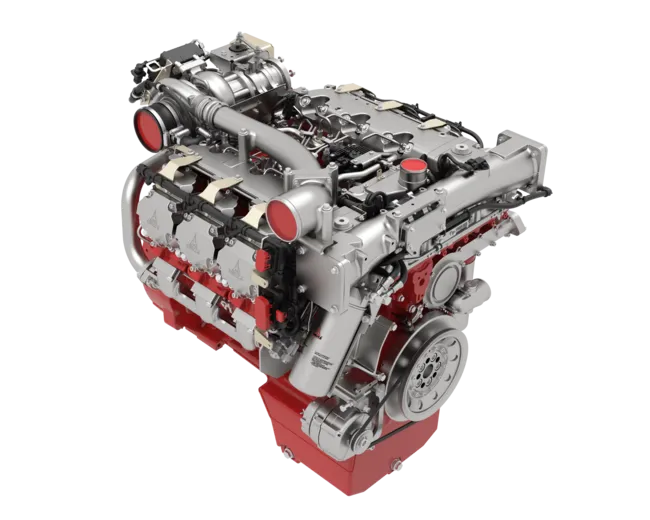
Since system structures and technical specifications may vary between different engines such as Perkins, Deutz, and Cummins, diagnostic and service procedures should be carried out in accordance with the engine model.
What Should Be Done When Exhaust Smoke Is Observed?
When continuous or heavy smoke comes from the exhaust, the engine\'s operating conditions should first be observed. The color of the smoke, when it appears, and what other symptoms the engine is showing should be noted.
If symptoms such as engine strain, power loss, excessive oil consumption, irregular operation, or abnormal noises are also present, a professional technical inspection should be carried out.
Replacing parts based solely on the color of the exhaust smoke is not the correct approach. First, the source of the malfunction should be identified and the necessary checks should be performed.
Conclusion
The color of exhaust smoke in diesel engines can be an important clue about the engine\'s operating condition. Black smoke may be associated with the air-fuel system, white smoke with the combustion or cooling system, and blue smoke with oil becoming involved in the combustion process.
However, since the same symptom can result from different causes, the engine\'s overall operating conditions and relevant systems should be evaluated together for an accurate diagnosis. Regular maintenance and timely technical inspections contribute to the reliable and efficient operation of industrial diesel engines.
Frequently Asked Questions
Why does a diesel engine produce black smoke?
Black smoke can occur due to insufficient air, problems in the fuel system, air filter restrictions, turbocharger issues, or operating the engine under excessive load.
Why does a diesel engine emit white smoke?
Short-term white smoke may be visible during a cold start. Continuous white smoke may be associated with incomplete fuel combustion or certain engine and cooling system problems.
What does blue exhaust smoke mean?
Blue smoke is generally associated with engine oil reaching the combustion chamber and being burned. Oil consumption and the relevant engine components should be checked.
Does the color of exhaust smoke definitively indicate an engine problem?
No. Although smoke color is an important symptom, it is not sufficient on its own to make a definitive diagnosis of a malfunction. It should be evaluated together with the engine\'s other symptoms.