
What Should the Diesel Engine Break-In Process Be Like After an Overhaul?
Restarting a diesel engine after an overhaul involves more than simply completing the assembly process. The engine\'s operating conditions must be checked, the relevant systems verified, and the engine properly commissioned.
Depending on the type of parts replaced during the overhaul, the engine\'s design, and the manufacturer\'s technical instructions, specific inspection and break-in procedures may be required.
This process is important for returning the engine to operating conditions and evaluating its condition after the overhaul.
What Is the Engine Break-In Process?
The engine break-in process refers to evaluating certain engines under controlled operating conditions following an overhaul or the replacement of major components.
During this process, engine operating parameters are monitored, and the proper functioning of the relevant components is checked. The method to be applied varies according to the scope of the overhaul and the manufacturer\'s instructions.
It is not appropriate to apply the same duration, speed, or load procedure to every engine. The details of the break-in process should be determined according to the engine model and the work performed.
What Checks Should Be Performed Before the Initial Start-Up?
Before starting the engine for the first time, the work carried out during the overhaul and the engine\'s relevant systems must be inspected.
Although the scope of the inspection varies by engine, the following points may be evaluated:
- Confirmation that assembly work has been completed,
- Verification that the required fluids are at appropriate levels,
- Inspection of connections and relevant systems,
- Confirmation that electrical and control systems are ready,
- Verification that the engine is ready to be started in accordance with the manufacturer\'s procedures.
The purpose of these checks is to help identify potential problems as early as possible when the engine is started for the first time.
What Should Be Considered During the Initial Start-Up?
The initial start-up is an important stage in evaluating the engine\'s operating condition after an overhaul. During this stage, the engine must be started in accordance with the procedures specified by the manufacturer.
Engine operating parameters, relevant warnings, and unusual signs should be monitored. If abnormal noises, leaks, or unexpected operating conditions are detected, appropriate action should be taken in accordance with established procedures.
Signs that could affect the engine\'s safe operation must not be ignored, and the engine should not be returned to normal operating conditions until the necessary checks have been completed.
Why Is an Engine Operated Under Controlled Load After an Overhaul?
Following certain overhaul procedures, the engine\'s operating conditions may need to be evaluated under controlled conditions. Applying a controlled load can help monitor the engine\'s behavior under different operating conditions.
During this process, the engine\'s operating parameters and the scope of the overhaul must be taken into account. The load level, operating duration, and parameters to be monitored should be determined according to the engine model and the manufacturer\'s procedures.
It should not be assumed that every engine must operate at a constant speed or the same load percentage for a specific period.
Which Parameters Are Monitored After an Overhaul?
The parameters to be monitored depend on the engine\'s design and the work performed during the overhaul.
Where necessary, the following data may be monitored:
- Engine speed,
- Operating temperature,
- Oil pressure,
- Warnings generated during operation,
- Signs of leaks or abnormal noises,
- Operating behavior under the applied load.
These parameters help evaluate the engine\'s operating condition. The measured results should be compared with the engine\'s technical requirements.
Why Is the Initial Inspection Important After an Overhaul?
Inspections performed after the engine\'s initial start-up can help identify issues that were not detected during assembly or commissioning.
Depending on the engine\'s operating conditions, connections, relevant systems, and operating parameters can be reassessed. The scope of the inspection should be determined according to the nature of the overhaul and the manufacturer\'s instructions.
As the same inspection intervals or procedures may not apply to every engine, the technical documentation should be used as the primary reference.
Common Mistakes During the Post-Overhaul Break-In Process
One of the most important considerations during the break-in process is to avoid subjecting the engine to operating conditions beyond those specified by the manufacturer.
Mistakes to avoid include:
- Starting the engine before completing the required checks,
- Applying loads contrary to the manufacturer\'s instructions,
- Ignoring signs of abnormal operation,
- Using procedures that do not comply with the engine\'s technical requirements,
- Failing to record inspection results
The correct process should follow technical procedures appropriate to the engine model and the scope of the overhaul.
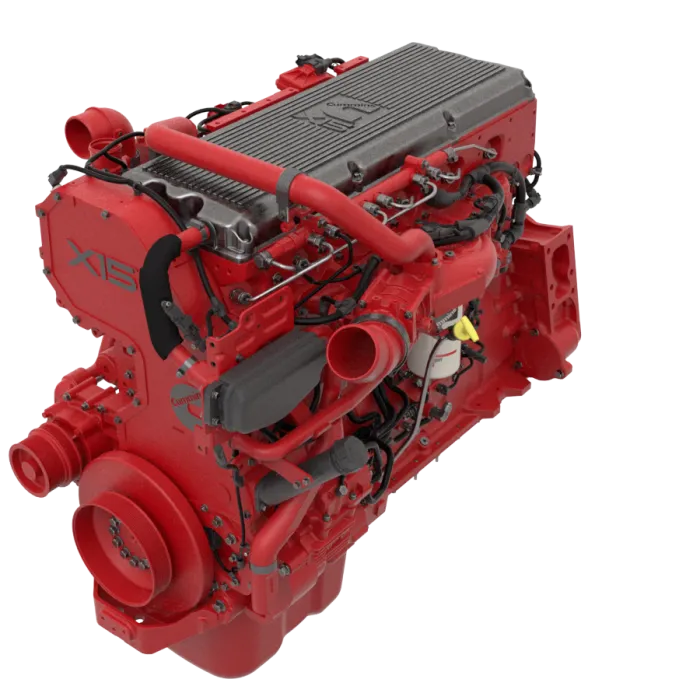
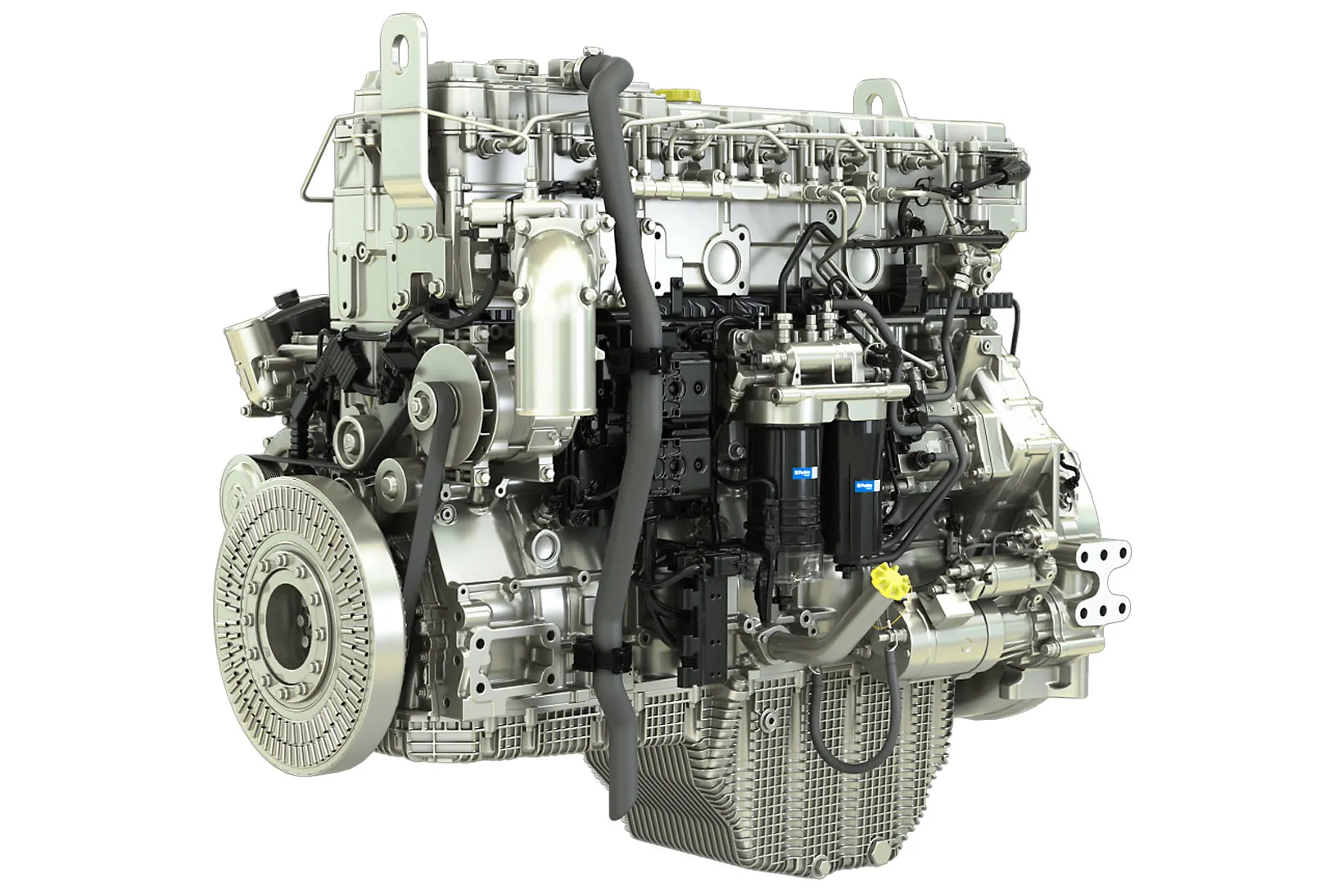
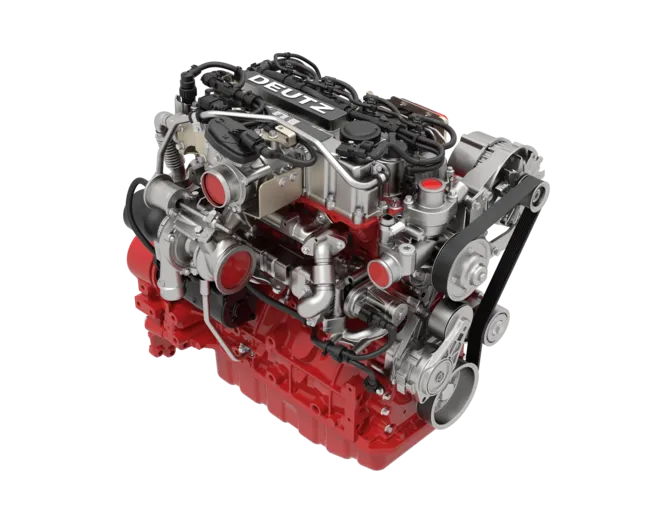
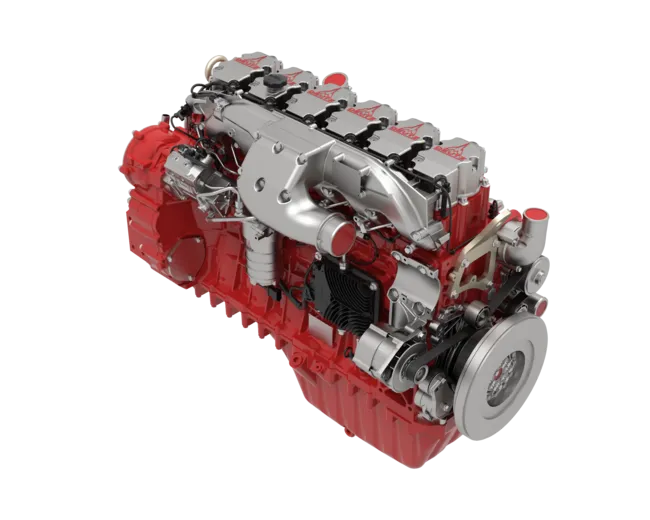
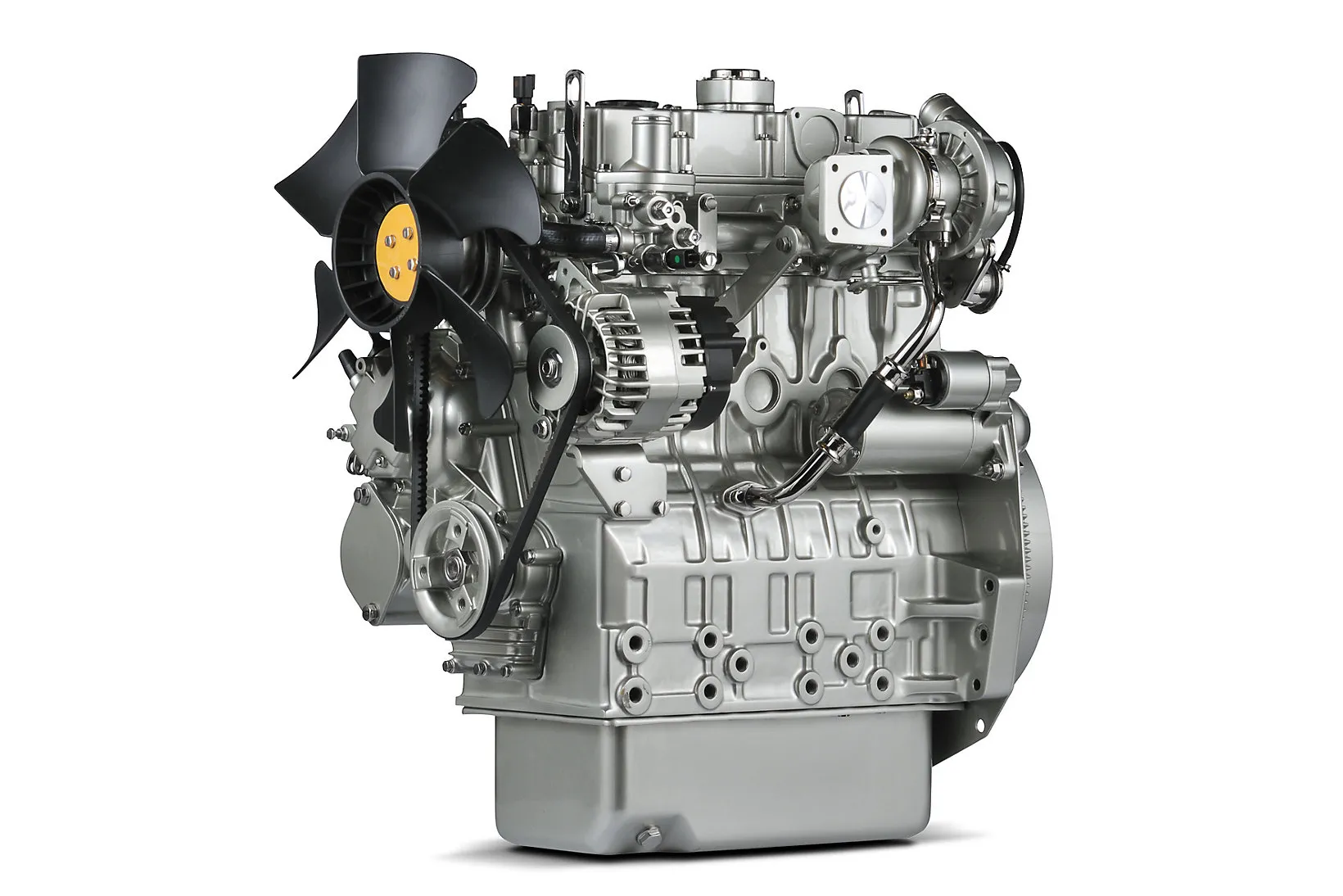
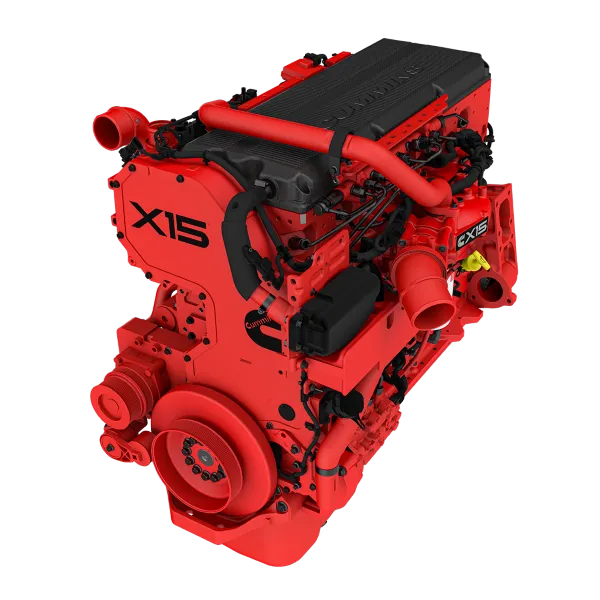
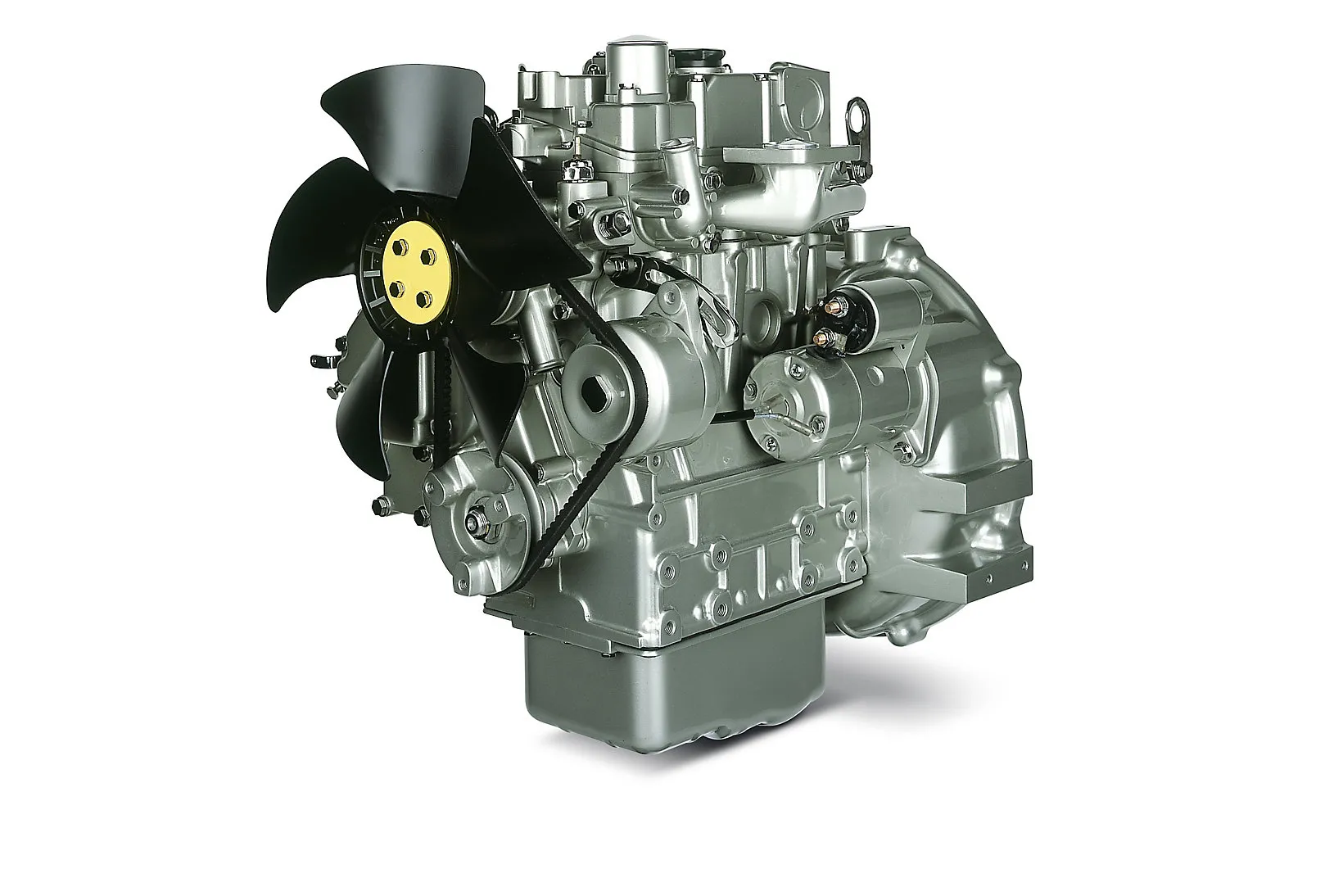
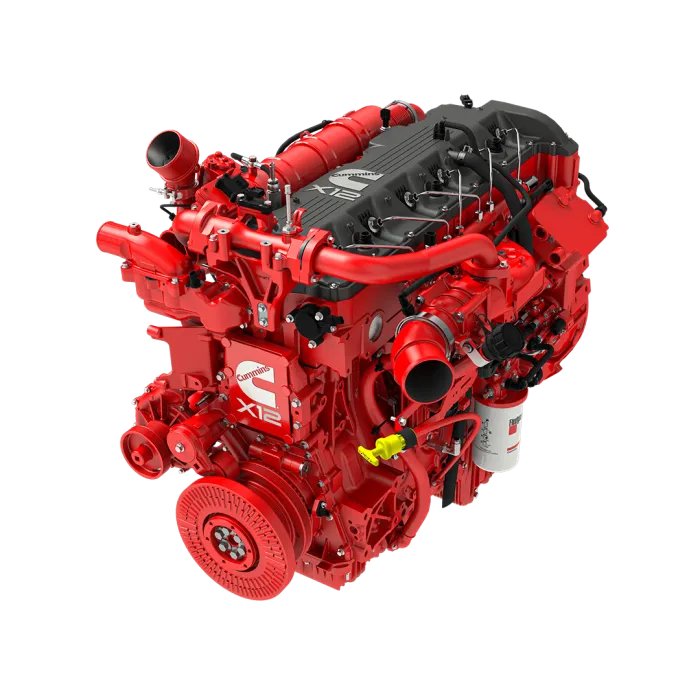
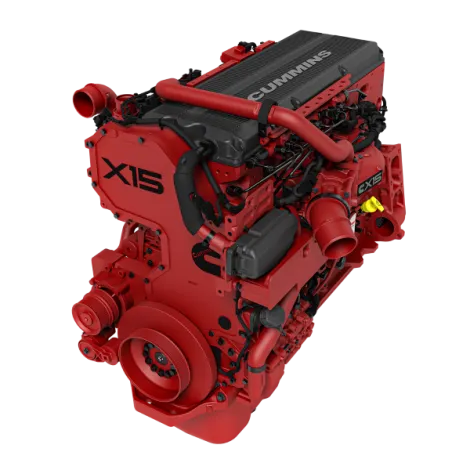
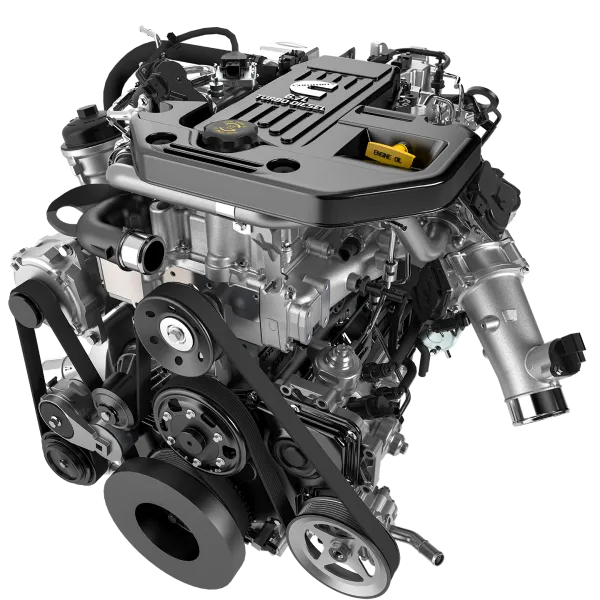
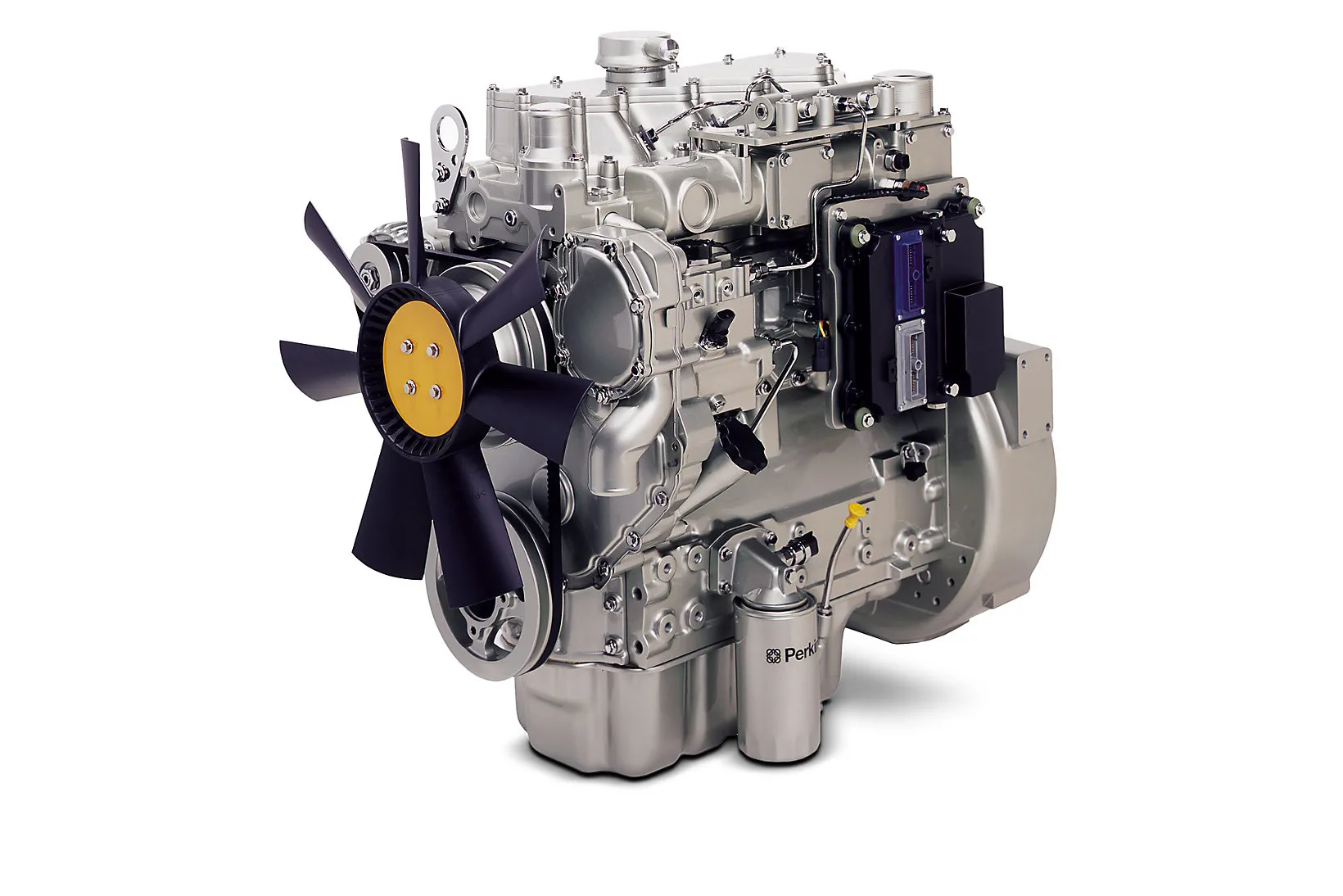
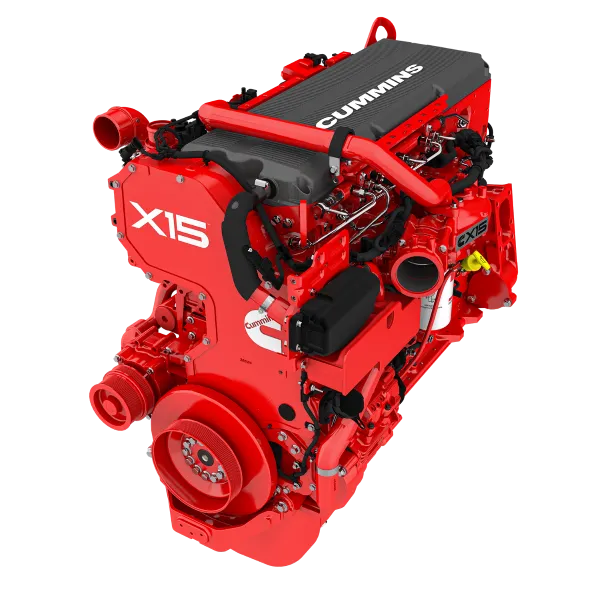
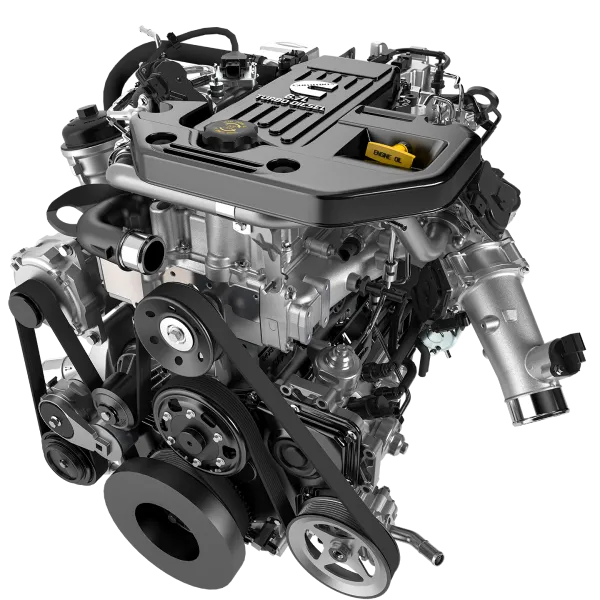
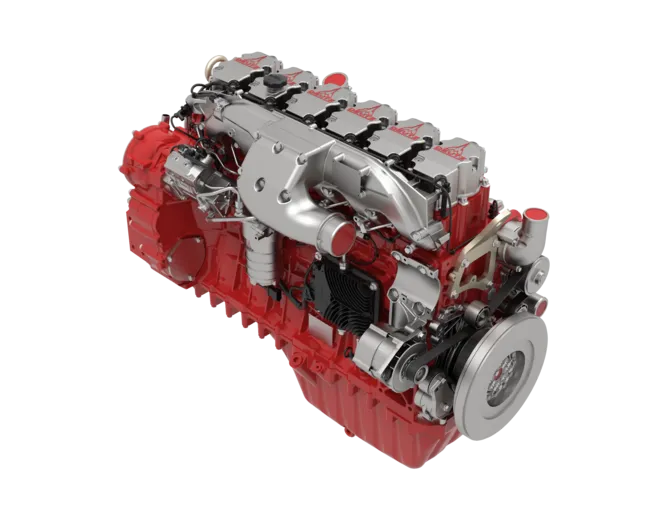
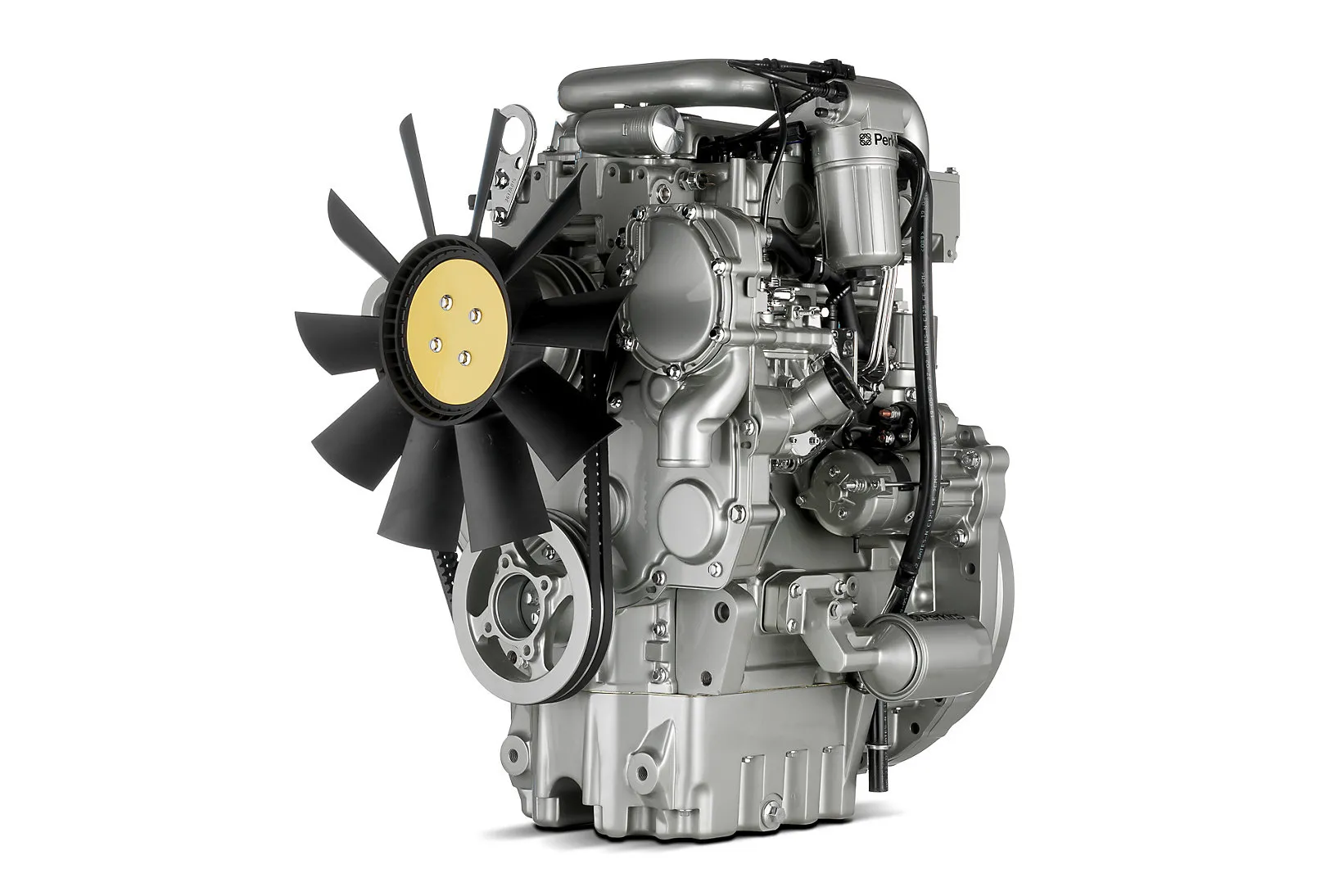
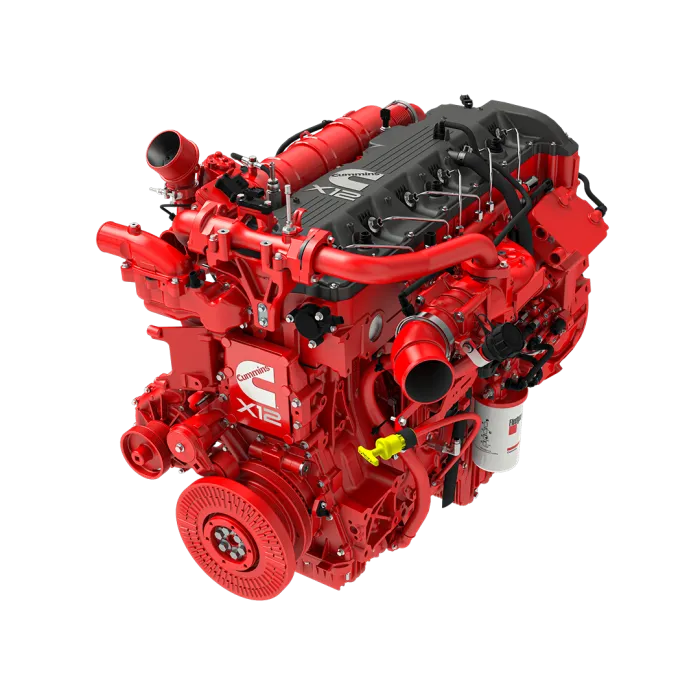
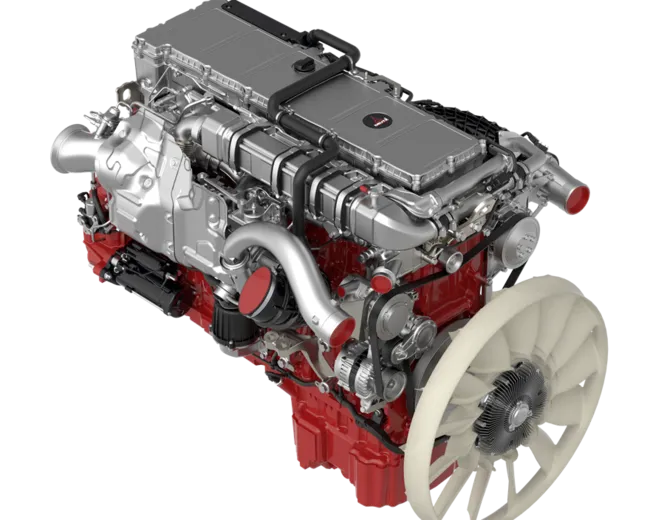
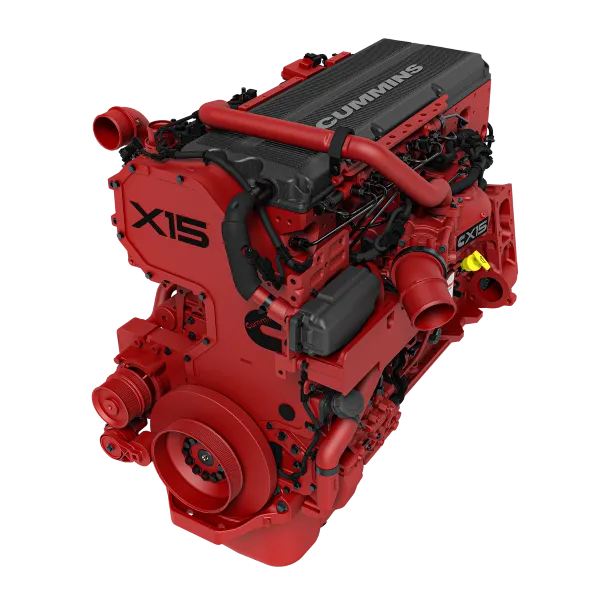
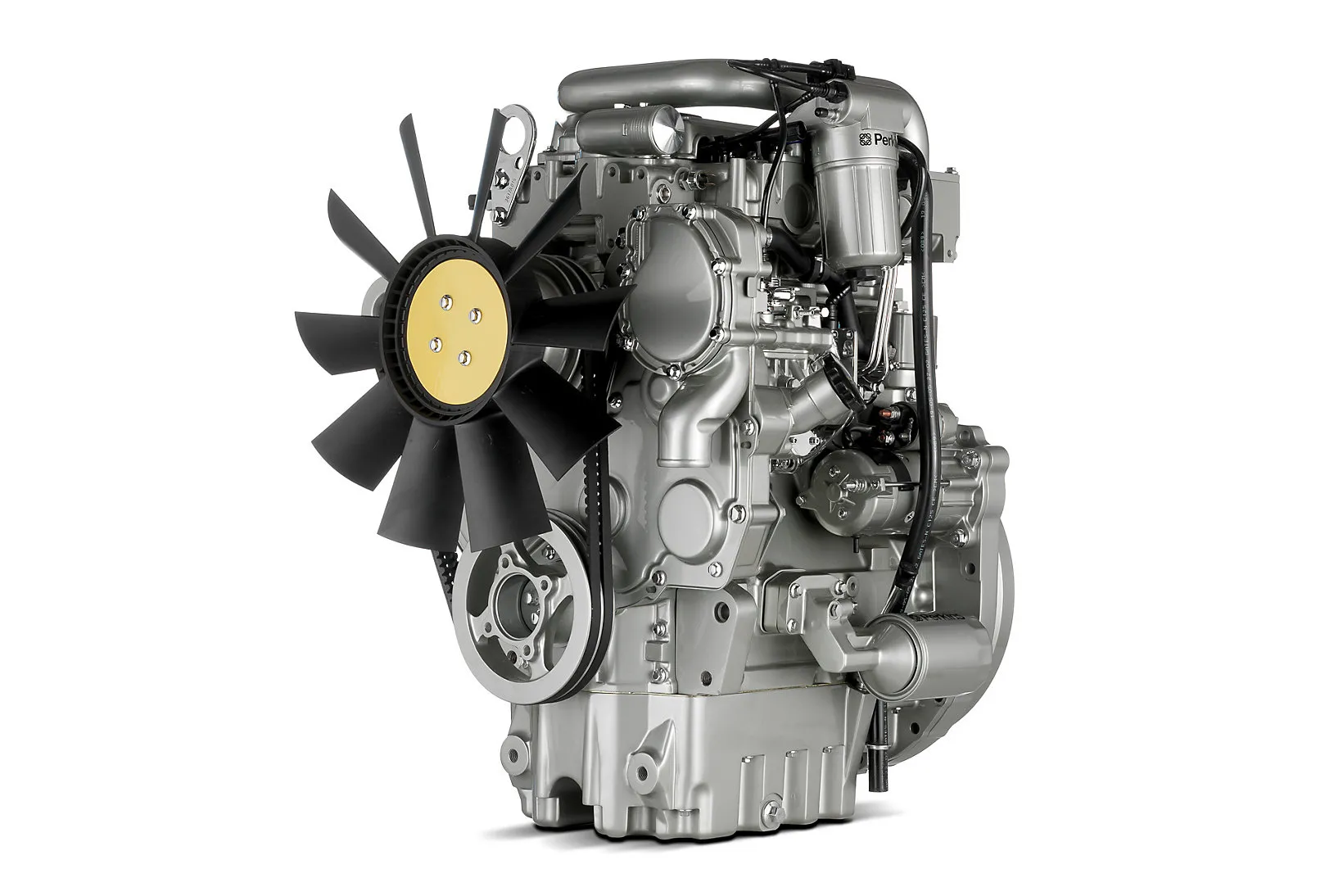
Post-Overhaul Procedures for Perkins, Deutz, and Cummins Engines
The procedures to be followed after an overhaul on Perkins, Deutz, and Cummins engines may vary depending on the engine model and the scope of the repair.
Therefore, the technical documentation for the specific engine should be used as the reference for initial start-up, controlled operation, and monitoring procedures.
Evaluating the scope of the overhaul together with the manufacturer\'s commissioning requirements helps establish an appropriate operating plan.
Conclusion
The post-overhaul break-in and commissioning process is an important stage in returning a diesel engine to operating conditions. Checks must be performed before the initial start-up, relevant parameters monitored during operation, and the procedures specified by the manufacturer followed.
Since the duration and method of the break-in process are not the same for every engine, the engine model and the scope of the overhaul must be taken into account. Controlled operation and proper technical monitoring help evaluate the engine\'s condition after the overhaul.
Frequently Asked Questions
What is the post-overhaul engine break-in process?
It is the process of evaluating the engine under controlled operating conditions after an overhaul and performing the necessary checks.
Can an engine be operated at full load immediately after an overhaul?
This depends on the engine model, the work performed during the overhaul, and the manufacturer\'s instructions. Controlled operating conditions must be determined according to the relevant technical procedures.
What should be checked before the initial start-up?
Assembly work, required fluids, connections, and the readiness of the relevant systems for operation should be verified.
Is the break-in period the same for all engines?
No. The duration and method may vary according to the engine model, the scope of the overhaul, and the manufacturer\'s instructions.
Which parameters should be monitored after an overhaul?
Depending on the engine\'s design, speed, temperature, oil pressure, warnings, and any abnormal signs observed during operation may be monitored.