How Does a Speed Governor Work in Diesel Engines?
Industrial diesel engines may need to maintain a specific operating speed under different load conditions. When the load on the engine changes, its rotational speed may also tend to fluctuate. The speed governor plays an important role in controlling these changes.
A speed governor is a mechanical or electronic control system that helps regulate engine speed according to predefined operating conditions. Depending on the engine\'s design, it may operate by controlling the fuel quantity or by sending commands to the electronic engine management system.
Proper engine speed control is particularly important in generators and industrial equipment that must operate within specific speed ranges.
What Does a Speed Governor Do?
The primary function of a speed governor is to help control engine speed according to operating conditions.
When the load on the engine increases, engine speed may tend to decrease. Depending on the system design, the governor can help the engine return to its target operating speed by adjusting the fuel quantity.
When the load decreases, control measures can be implemented to prevent the engine from accelerating excessively.
The way this control is performed differs between mechanical and electronic systems.
Differences Between Mechanical and Electronic Speed Governors
Mechanical governors can detect changes in engine speed through moving mechanical components and influence the fuel control mechanism.
In electronic systems, information received from sensors is evaluated by an electronic control unit. The control unit sends commands to the relevant systems according to the engine\'s operating conditions, helping regulate its speed.
The purpose of both systems is to help keep engine speed within the appropriate operating range. However, their operating principles, control precision, and maintenance requirements may vary depending on the technology used.
Why Is Engine Speed Important?
Engine speed refers to the number of times the crankshaft rotates within a given period and is generally expressed in revolutions per minute (rpm).
Operating the engine within the appropriate speed range is important for meeting the operating requirements of the equipment to which it is connected.
For example, in generator applications, engine speed is related to the generator\'s electrical output frequency. Therefore, changes in engine speed can affect the system\'s electrical output.
In other industrial applications, proper speed control depends on the equipment\'s function and the operating conditions specified by the manufacturer.
Why Does Engine Speed Fluctuate?
There may be several reasons for fluctuations in engine speed. Although a problem with the speed control system is one possible cause, it is not the only possibility.
Conditions that may cause speed fluctuations include:
- Improper operation of the speed governor,
- Wear or sticking in the control mechanism,
- Problems with the electronic control system,
- Rapid changes in engine load,
- Problems with control connections.
A symptom alone does not indicate that a specific component is faulty. To identify the source of the problem, the engine\'s operating conditions and the relevant control system must be examined together.
What Are the Symptoms of Speed Governor Failure?
When a problem occurs with the speed governor or speed control system, maintaining a stable engine speed may become difficult.
Possible symptoms include:
- Unexpected fluctuations in engine speed,
- Delayed response to load changes,
- Inability to maintain the target speed,
- Warnings related to the speed control system,
- Unusual engine responses to load changes.
These symptoms may also be associated with problems in other engine systems. Therefore, the entire control system, rather than just the governor, must be evaluated during the diagnostic process.
The Importance of Speed Control in Generators
In generator applications, the engine provides the mechanical energy required to generate electricity. Depending on the generator\'s design, the engine speed must be maintained at an appropriate level to produce electricity at a specific frequency.
When the load changes, engine speed may also tend to fluctuate. The speed control system helps maintain the required conditions for electricity generation by regulating the engine\'s operating speed.
For this reason, speed control problems in generators are important not only for engine performance but also for the stability of electrical power generation.
Inspection and Maintenance of the Speed Governor
The maintenance requirements of the speed control system vary depending on the engine\'s design. In mechanical systems, connections and moving components may be inspected. In electronic systems, connections, fault records, and relevant control components may be evaluated.
During inspection, the operating values specified by the engine manufacturer must be taken into account.
In particular, changing speed control settings without proper knowledge may cause the engine to operate at inappropriate speeds. Therefore, adjustment and repair procedures must be carried out in accordance with the relevant technical procedures.
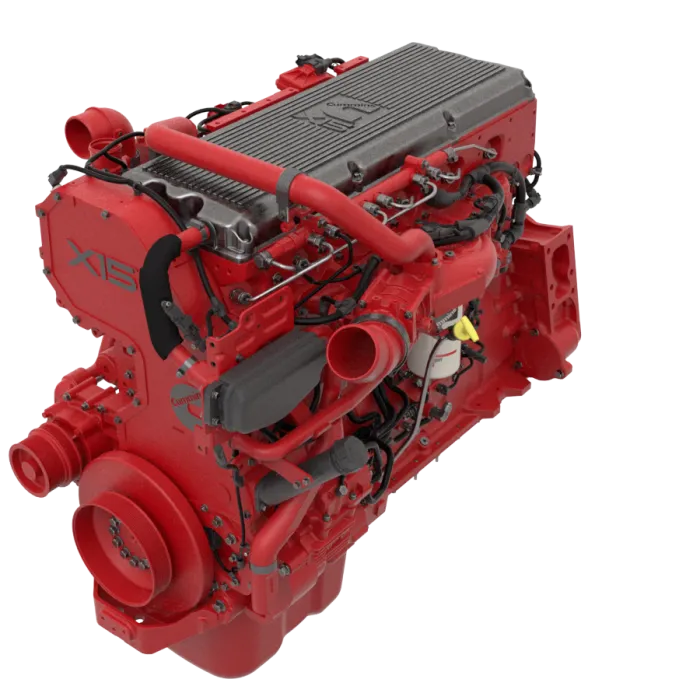
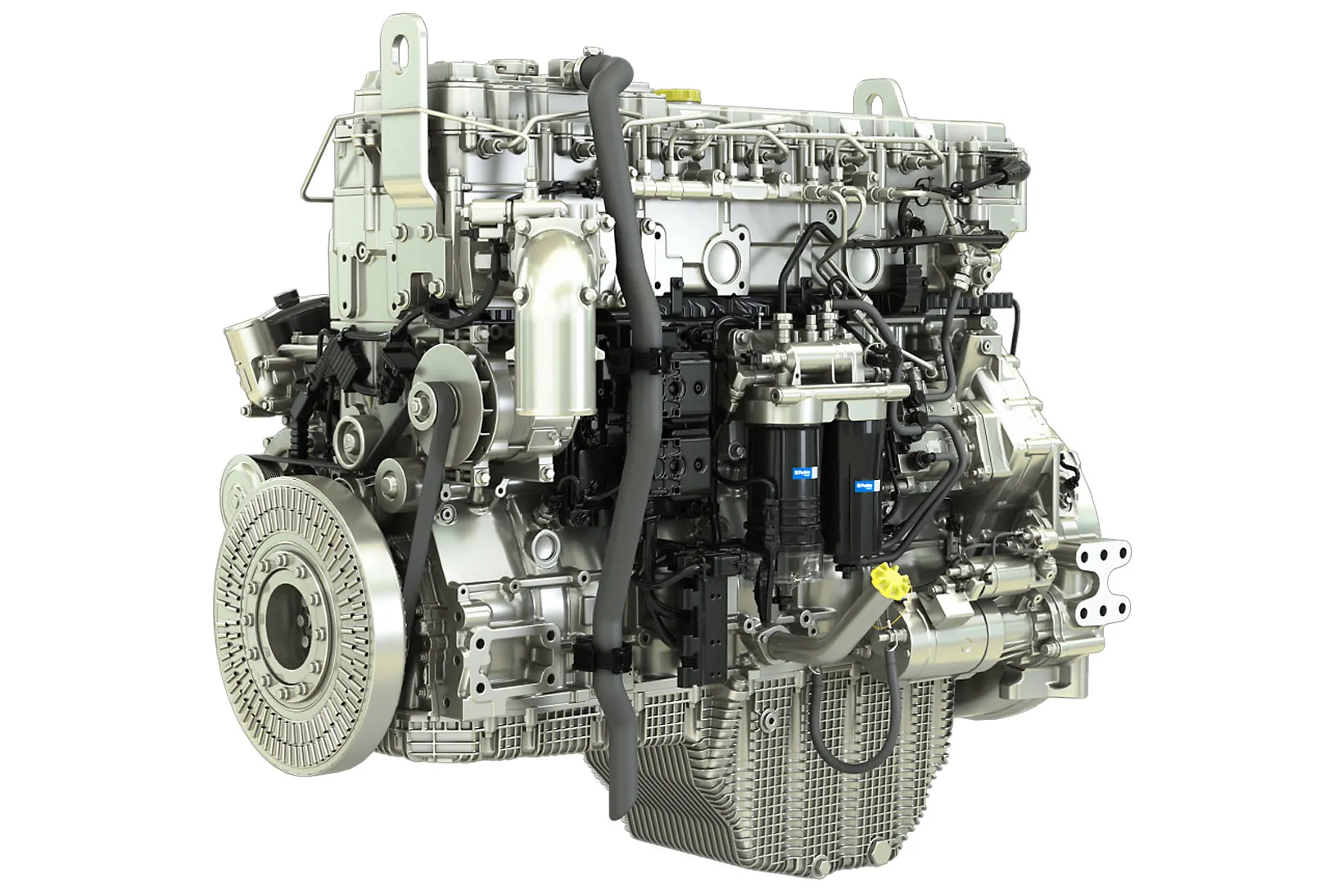
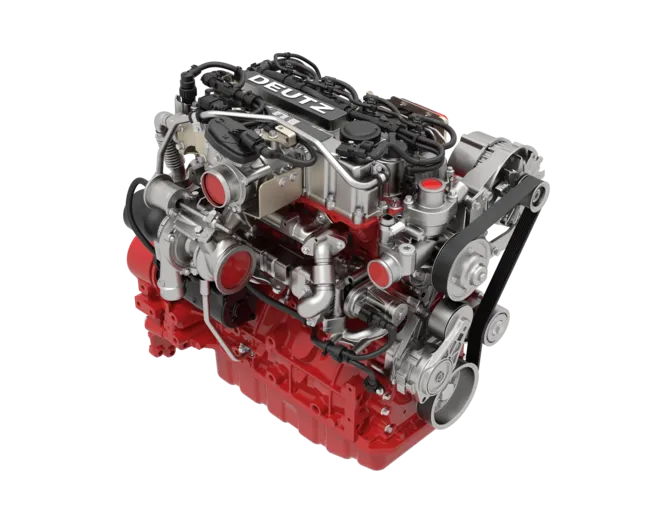
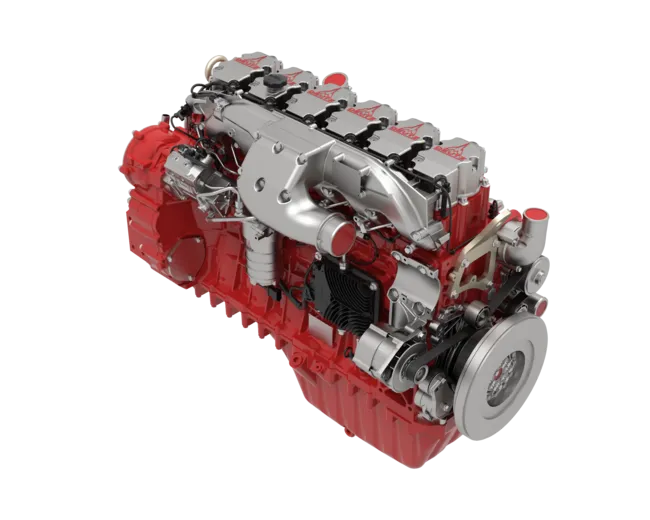
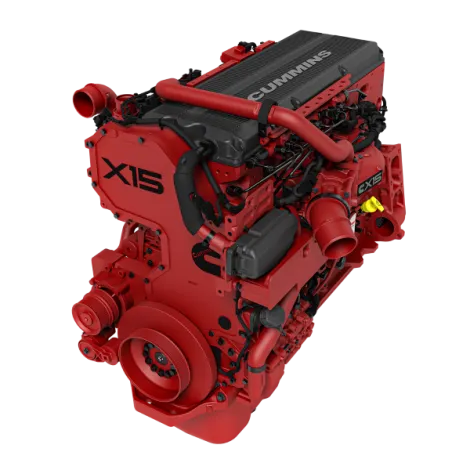
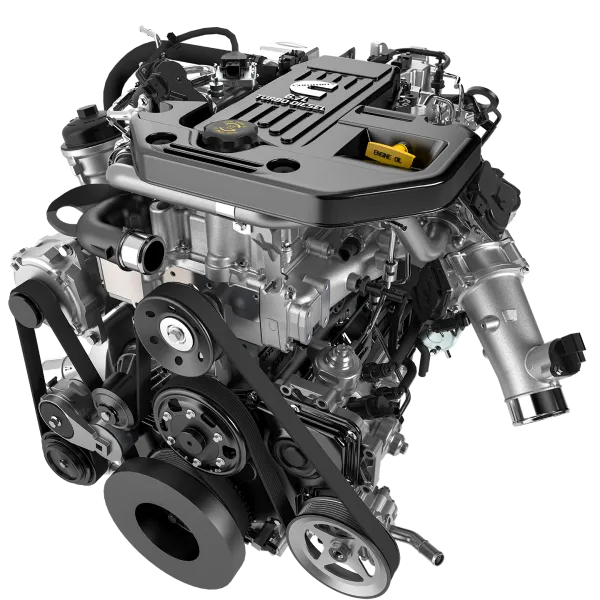
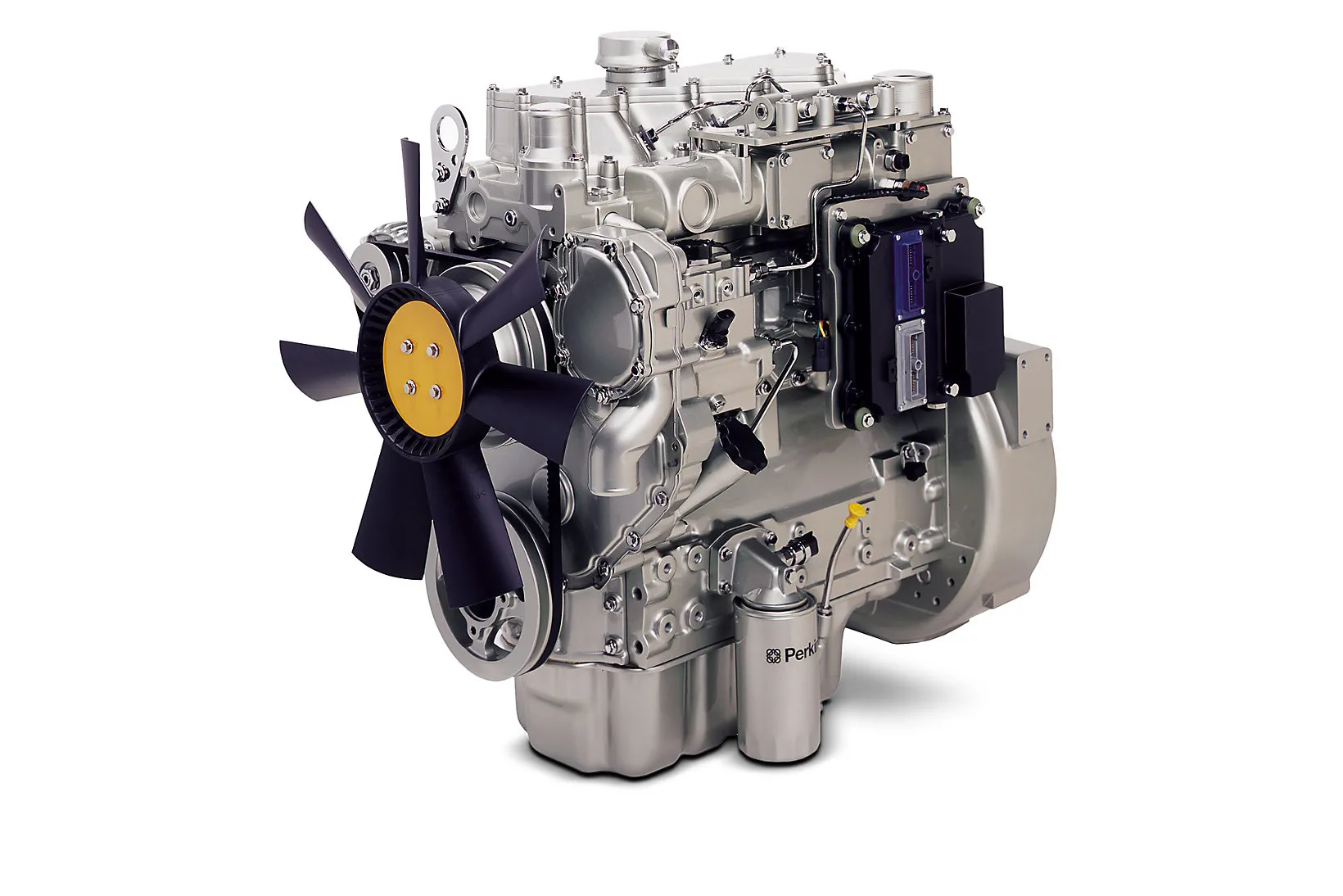
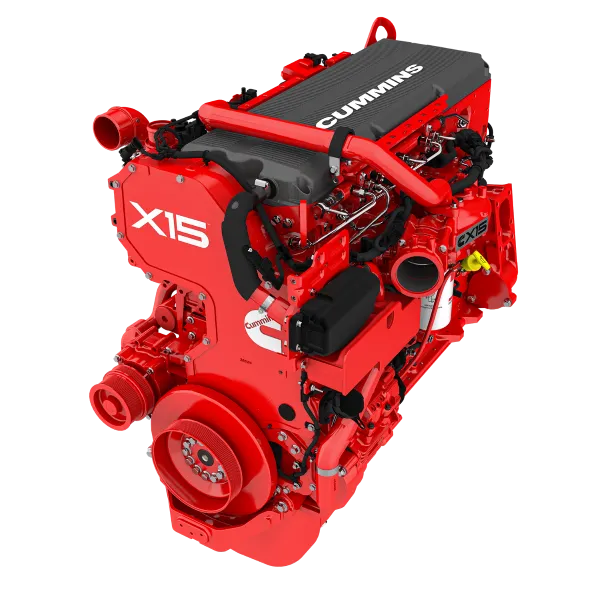
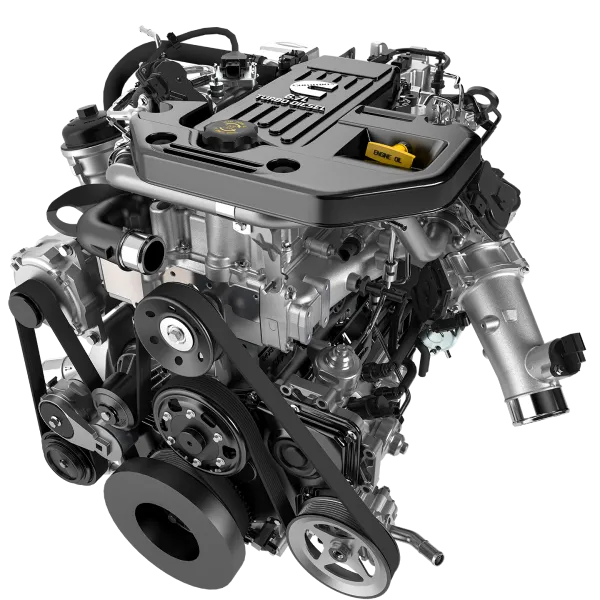
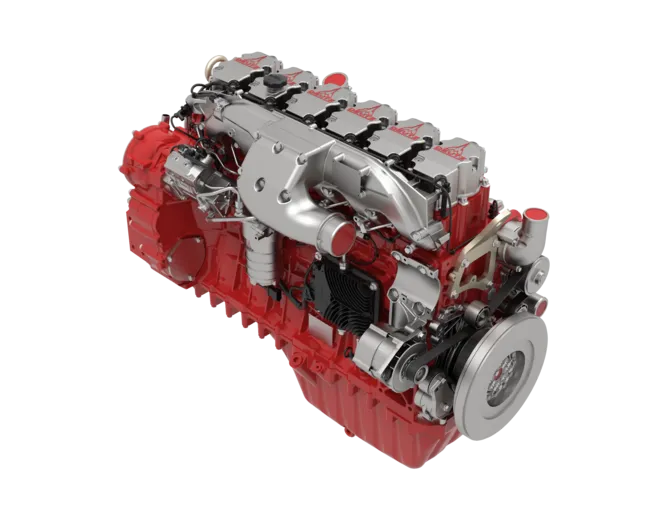
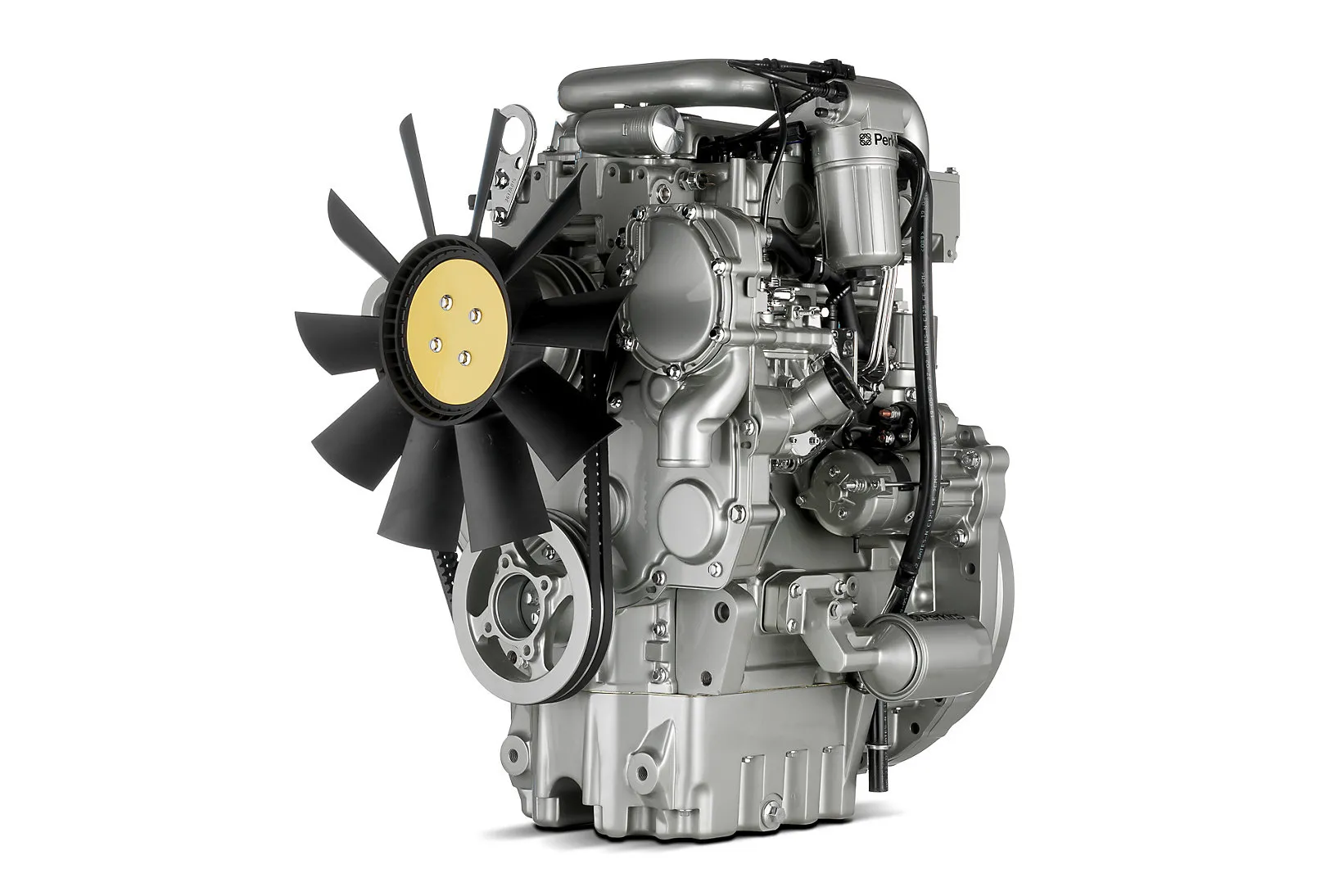
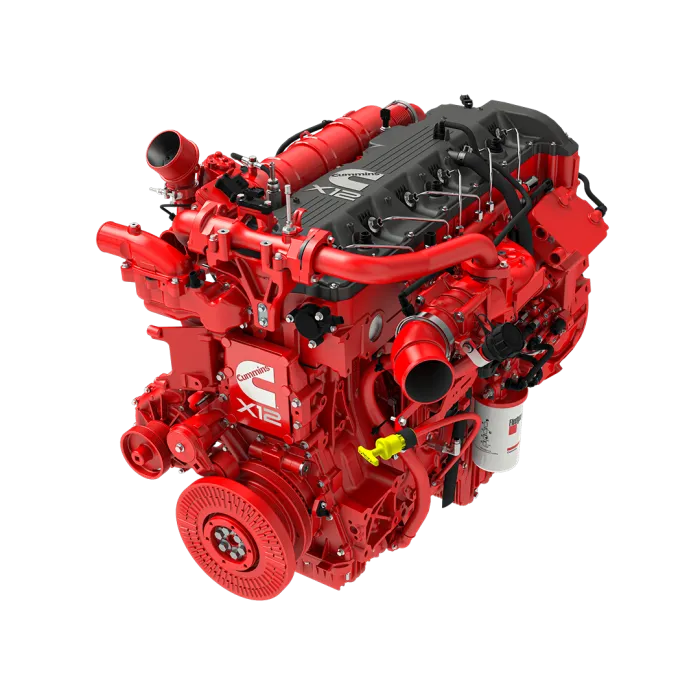
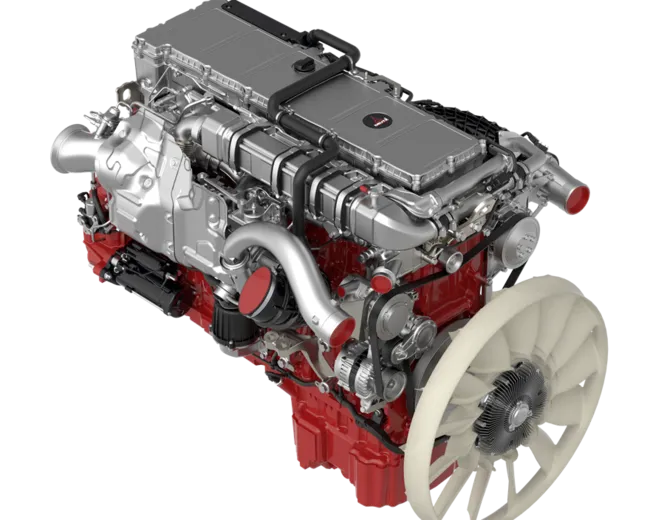
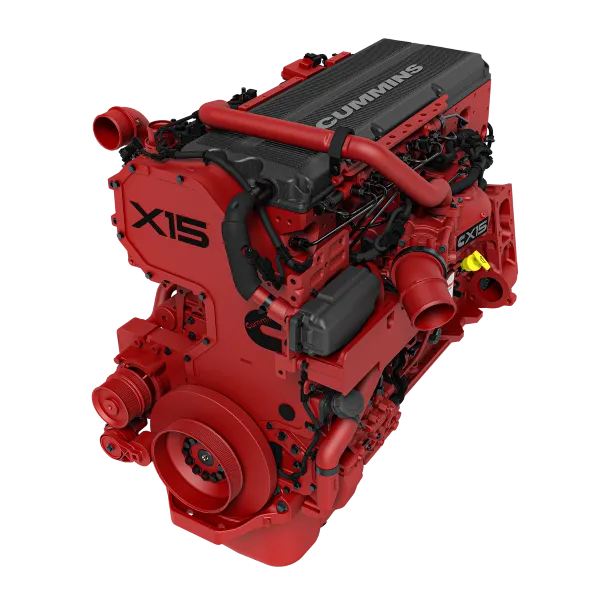
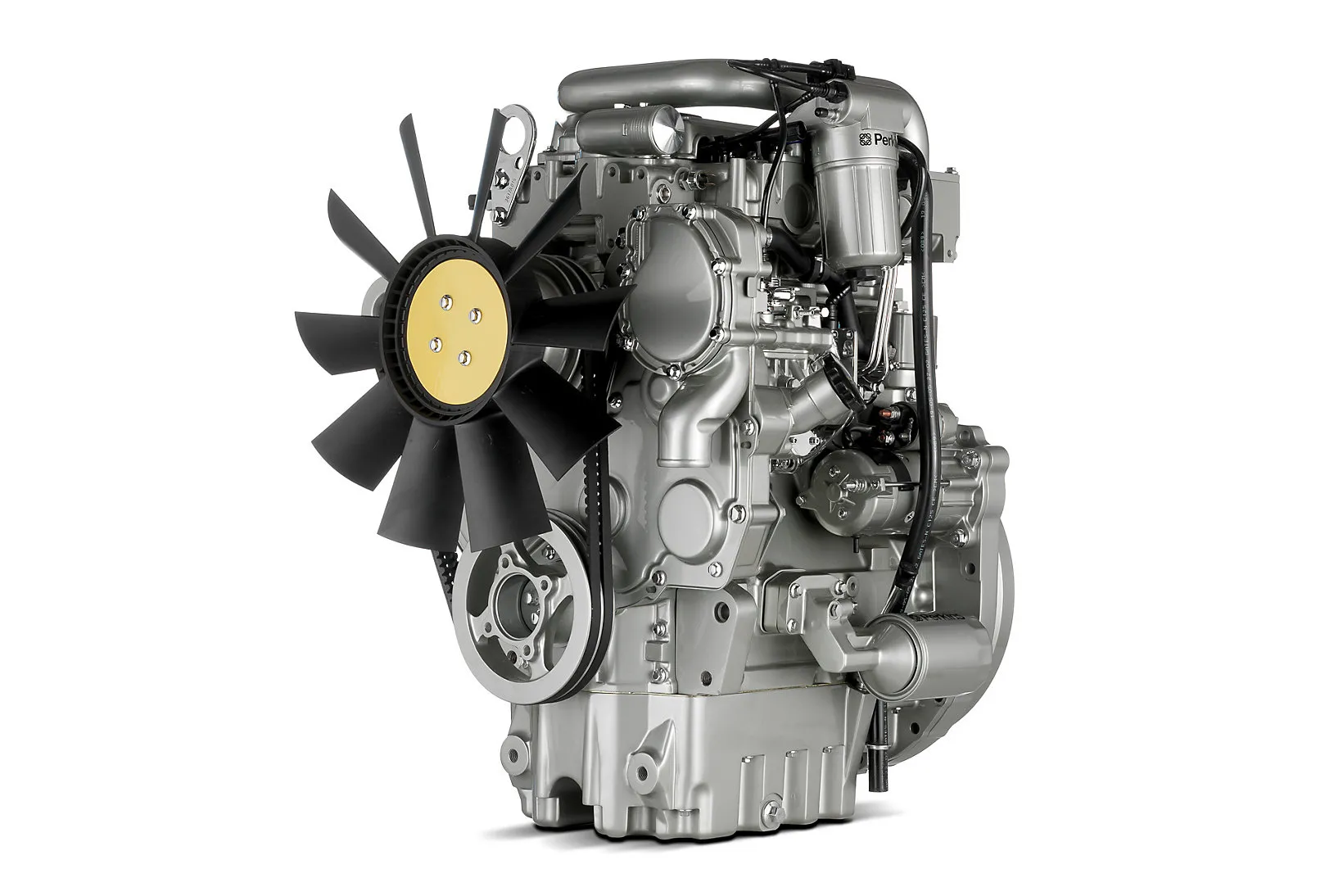
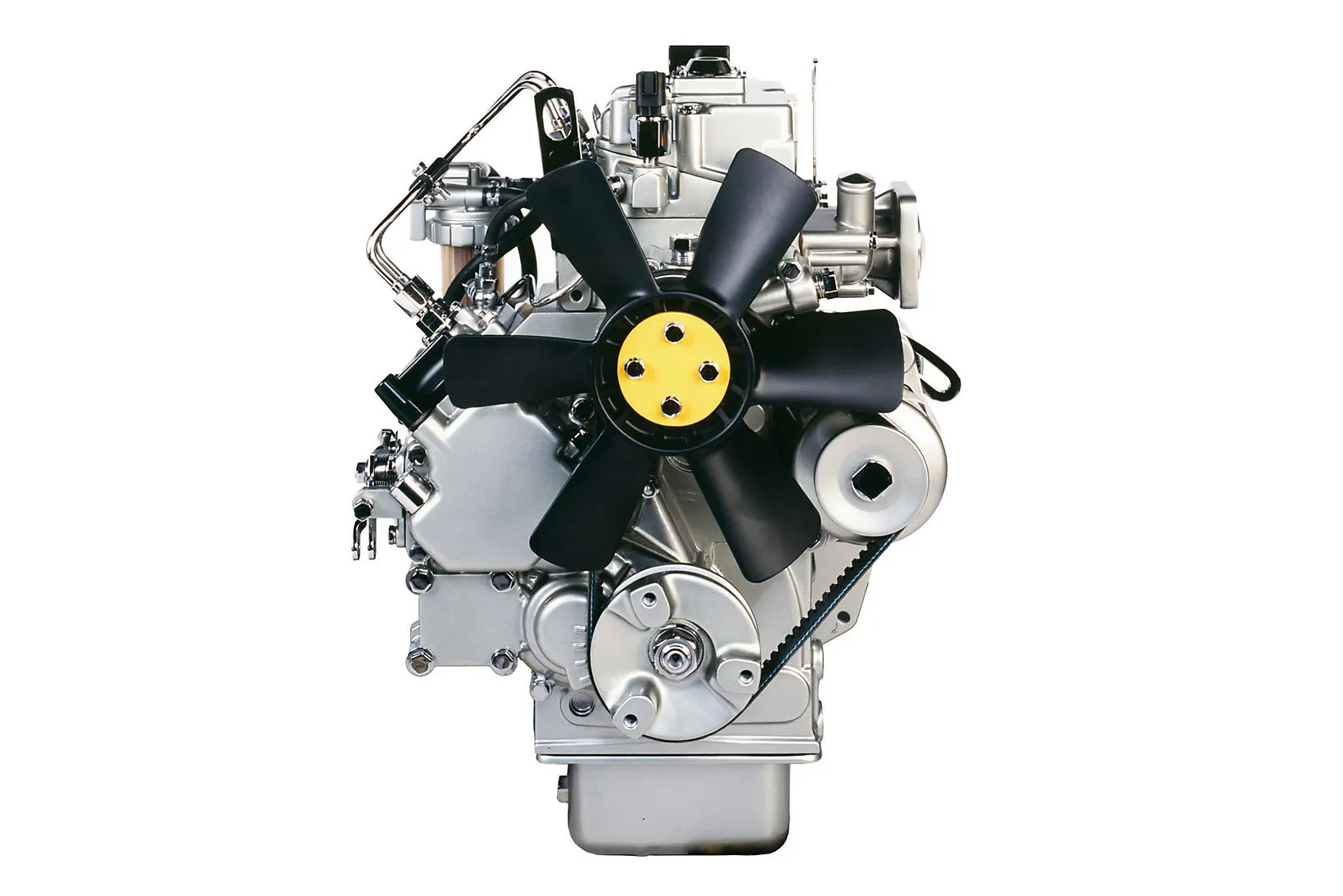
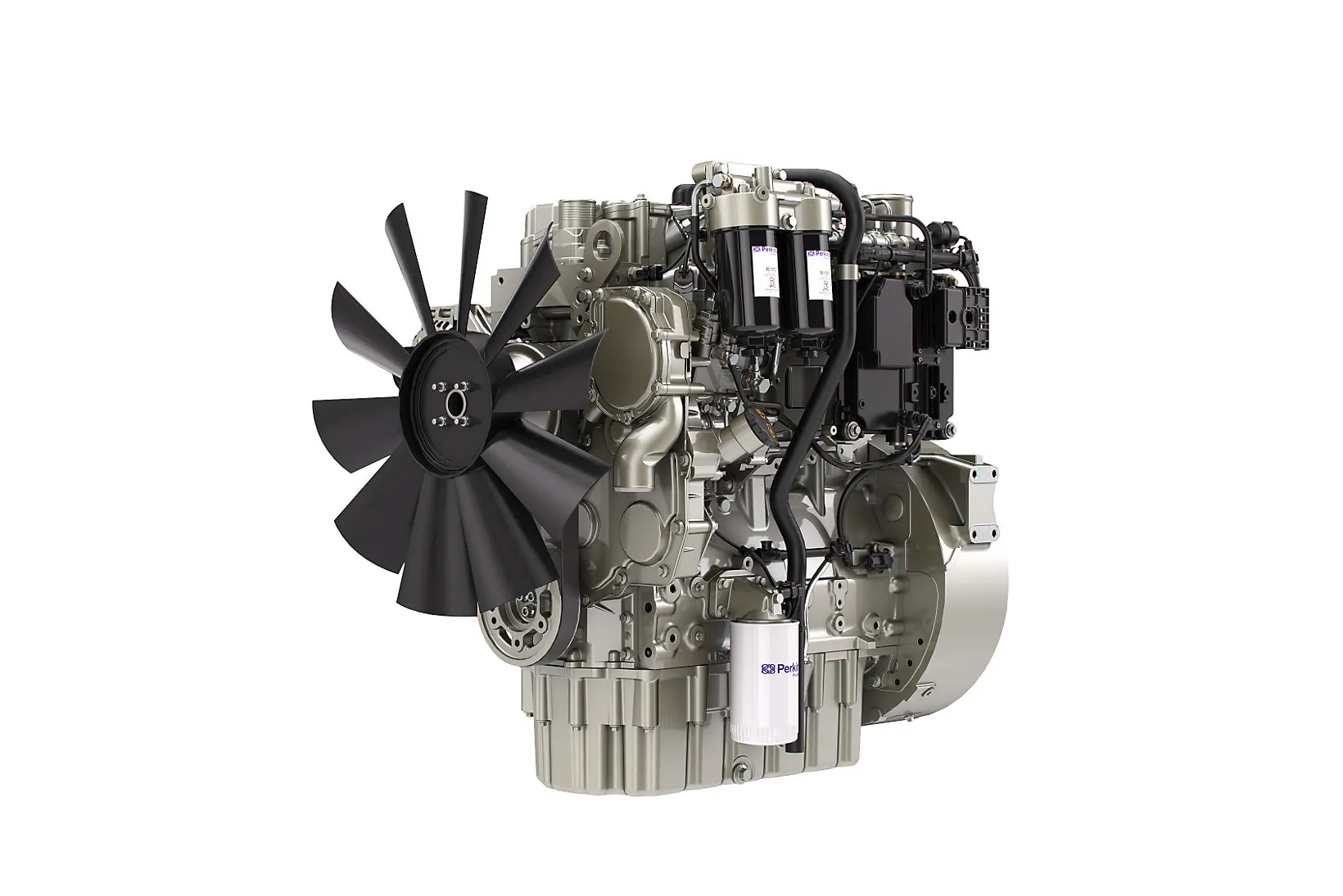
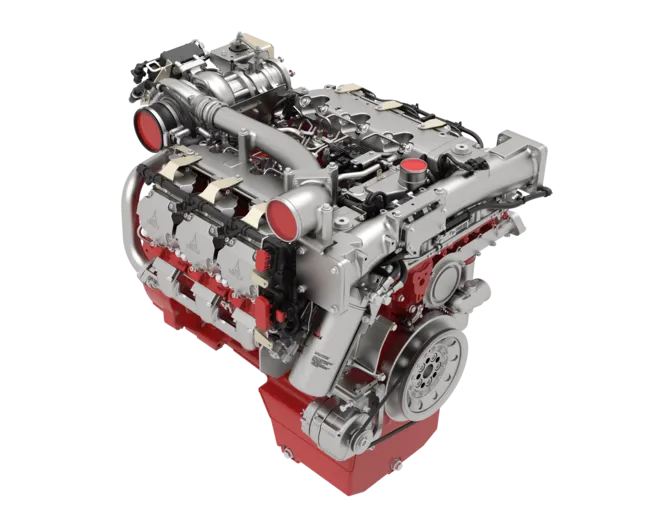
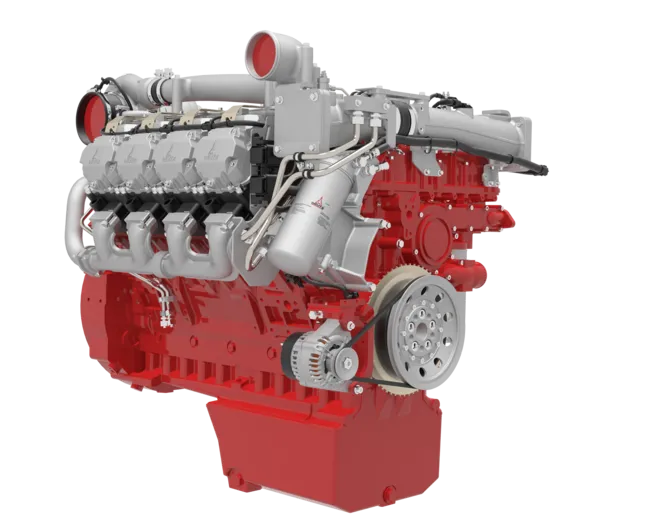
Speed Control in Perkins, Deutz, and Cummins Engines
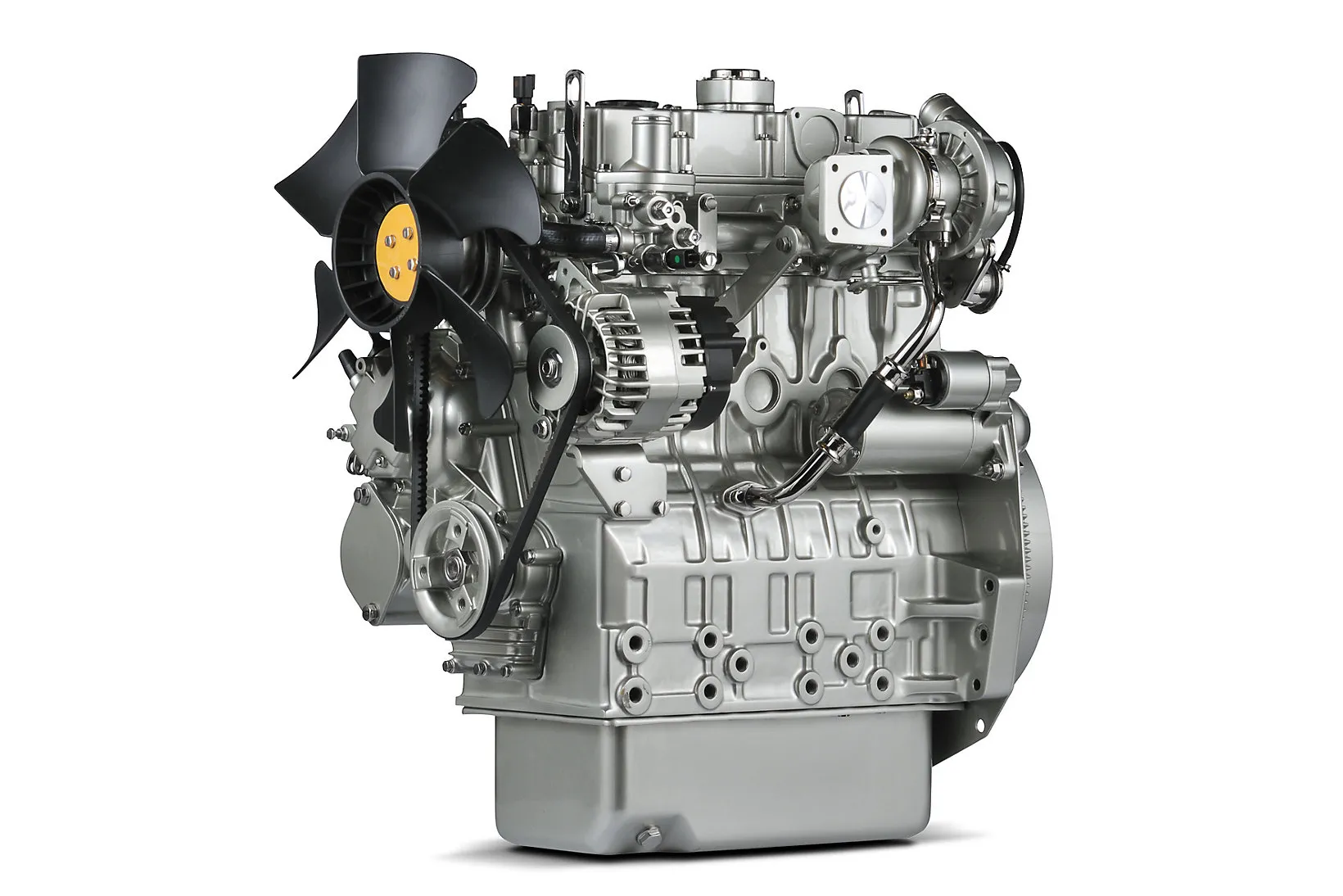
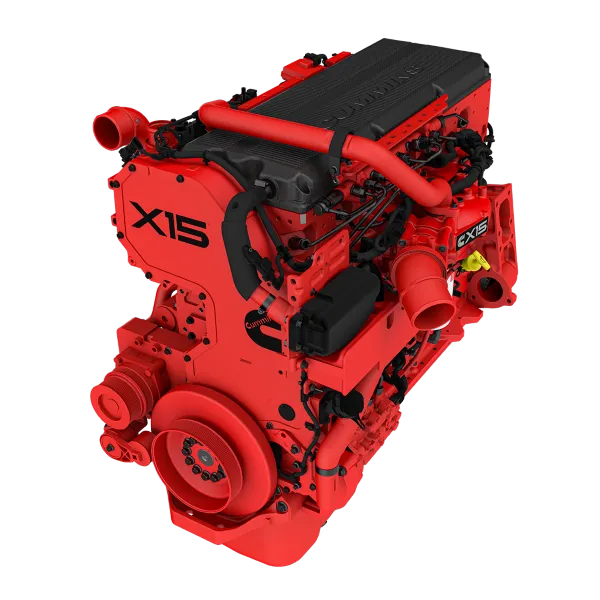
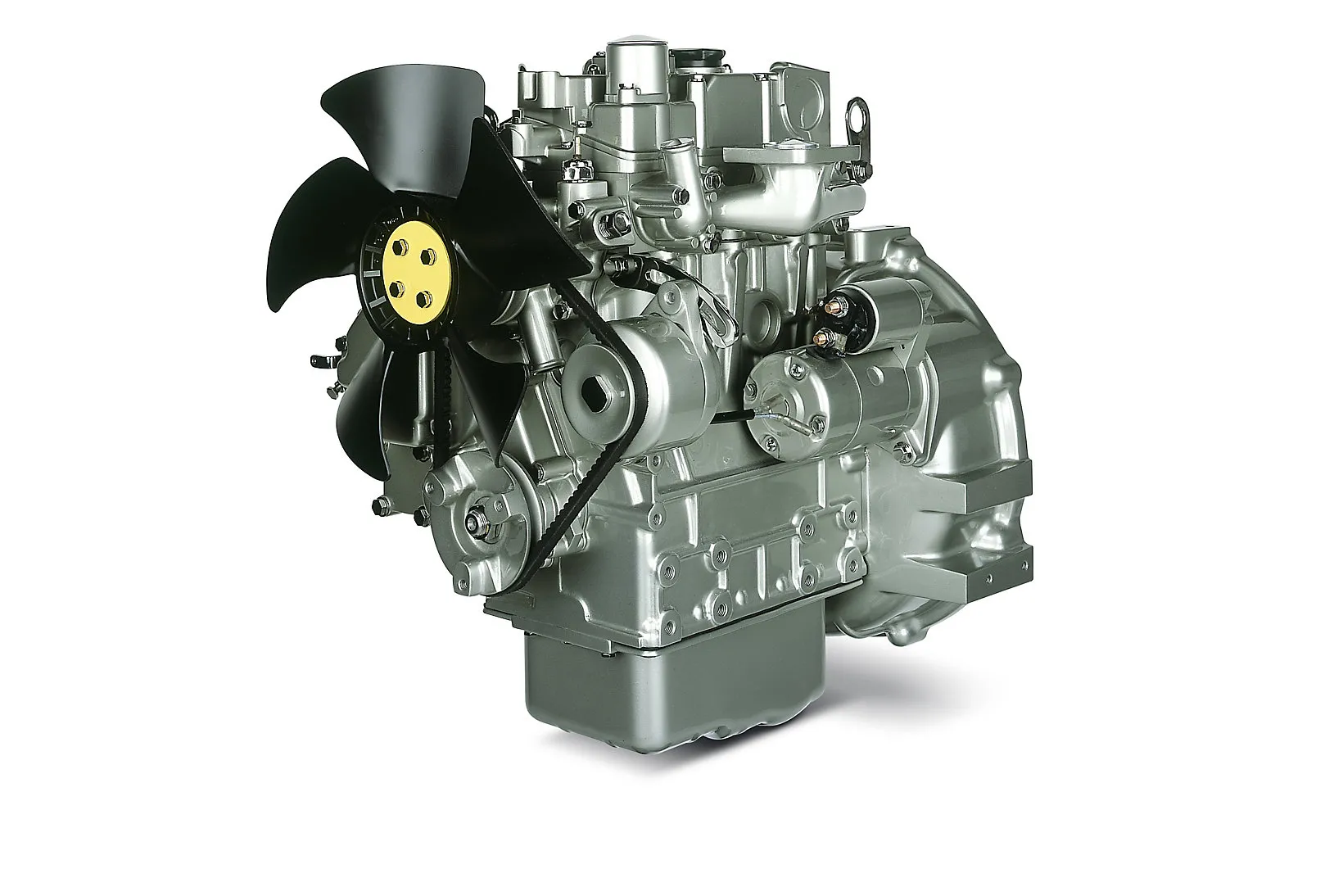
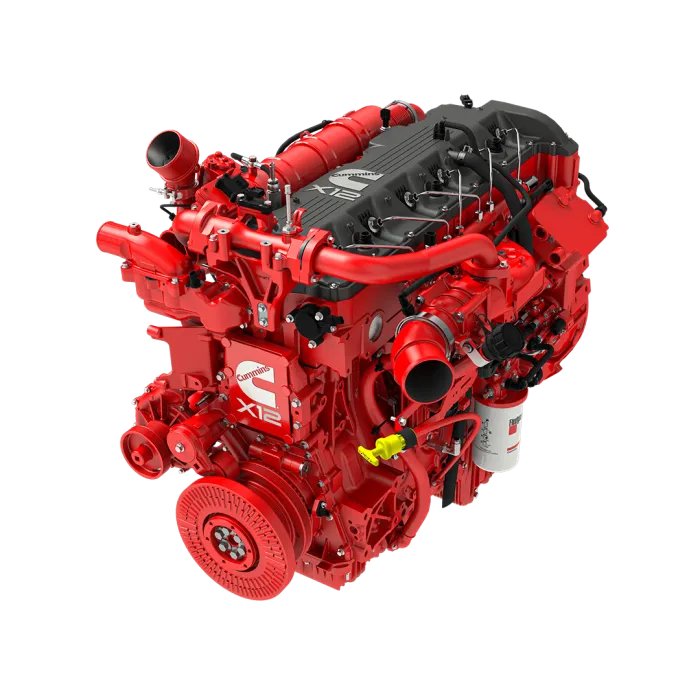
The speed control system used in Perkins, Deutz, and Cummins engines may vary depending on the engine model and the control technology employed.
Therefore, when servicing an engine\'s speed control system, the exact engine model and relevant technical documentation must be taken into account.
Appropriate diagnostic methods and correct settings help ensure that the engine operates under its intended operating conditions.
Conclusion
The speed governor is an important system that helps control the operating speed of a diesel engine. Responding appropriately to changes in engine load and maintaining the target operating speed are particularly important in industrial applications.
When engine speed fluctuations or control problems occur, the governor should not automatically be assumed to be the sole cause. Mechanical connections, electronic control components, and the engine\'s overall operating conditions must be evaluated together.
Frequently Asked Questions
What does a speed governor do?
It helps control engine speed according to operating conditions and maintain the appropriate speed range.
Why does engine speed fluctuate?
Problems with the speed control system, load changes, or issues with control connections may cause engine speed fluctuations.
What is the difference between mechanical and electronic governors?
Mechanical systems can regulate speed through moving mechanical components, while electronic systems can perform speed control using sensors and electronic control units.
Why is speed control important in generators?
Engine speed is related to the generator\'s electrical output frequency. Therefore, proper speed control is important for stable electricity generation.
Can the speed governor settings be changed by the user?
Adjustments must be made in accordance with the engine\'s technical requirements. Uninformed changes may adversely affect engine operating conditions.