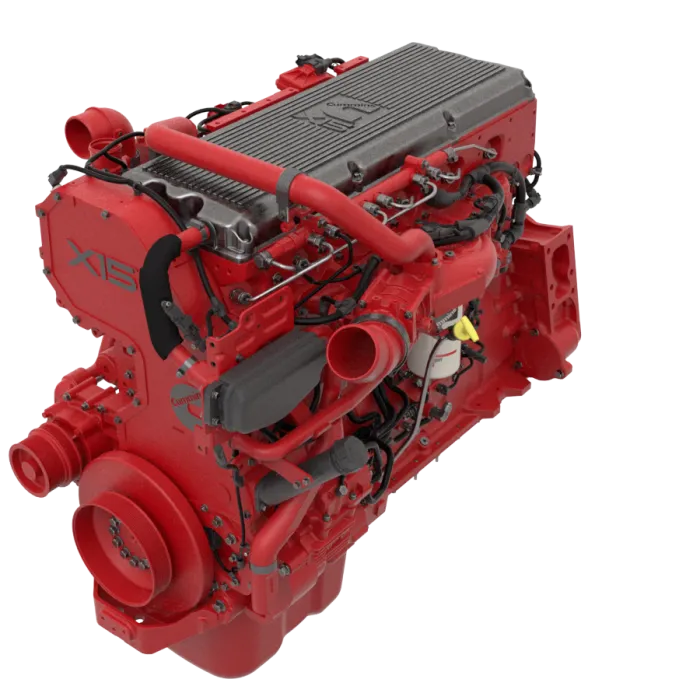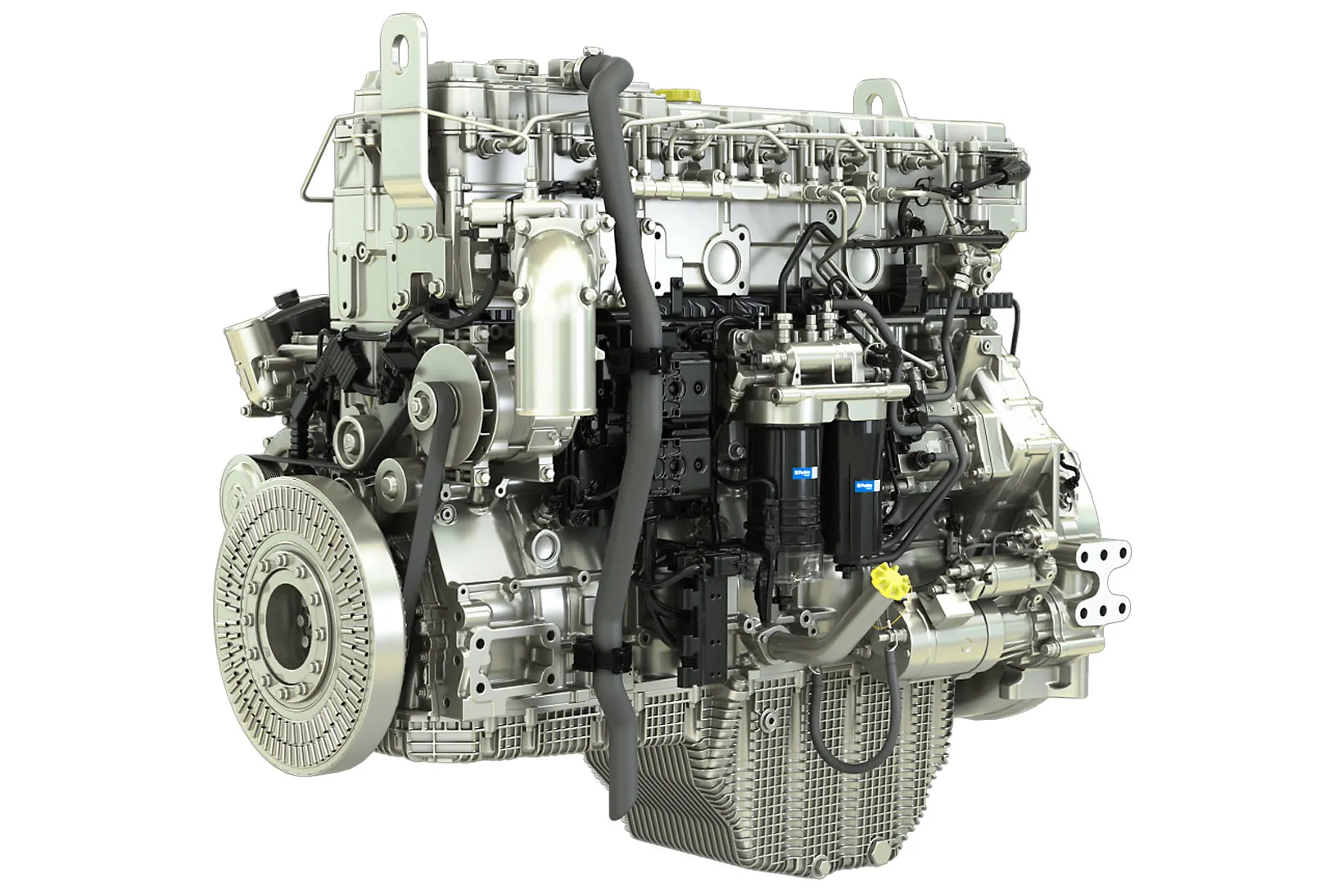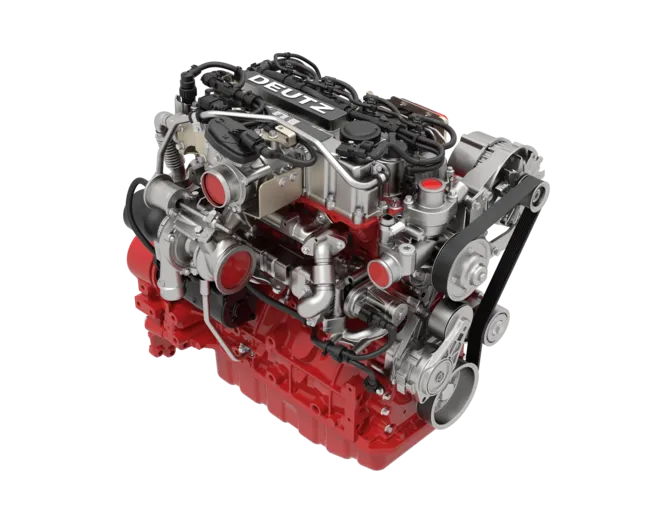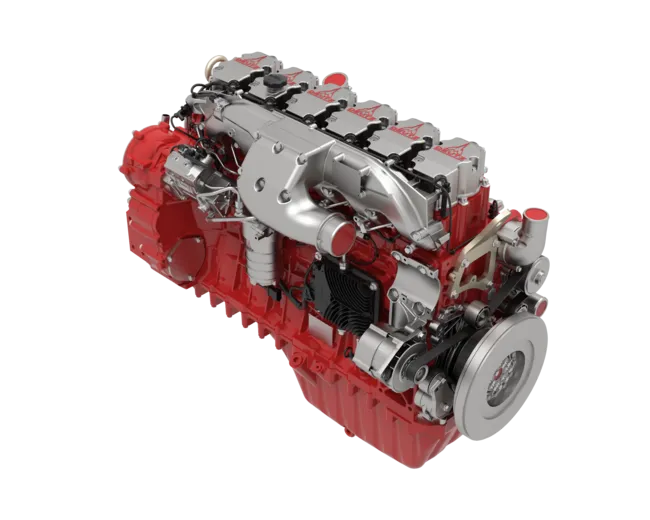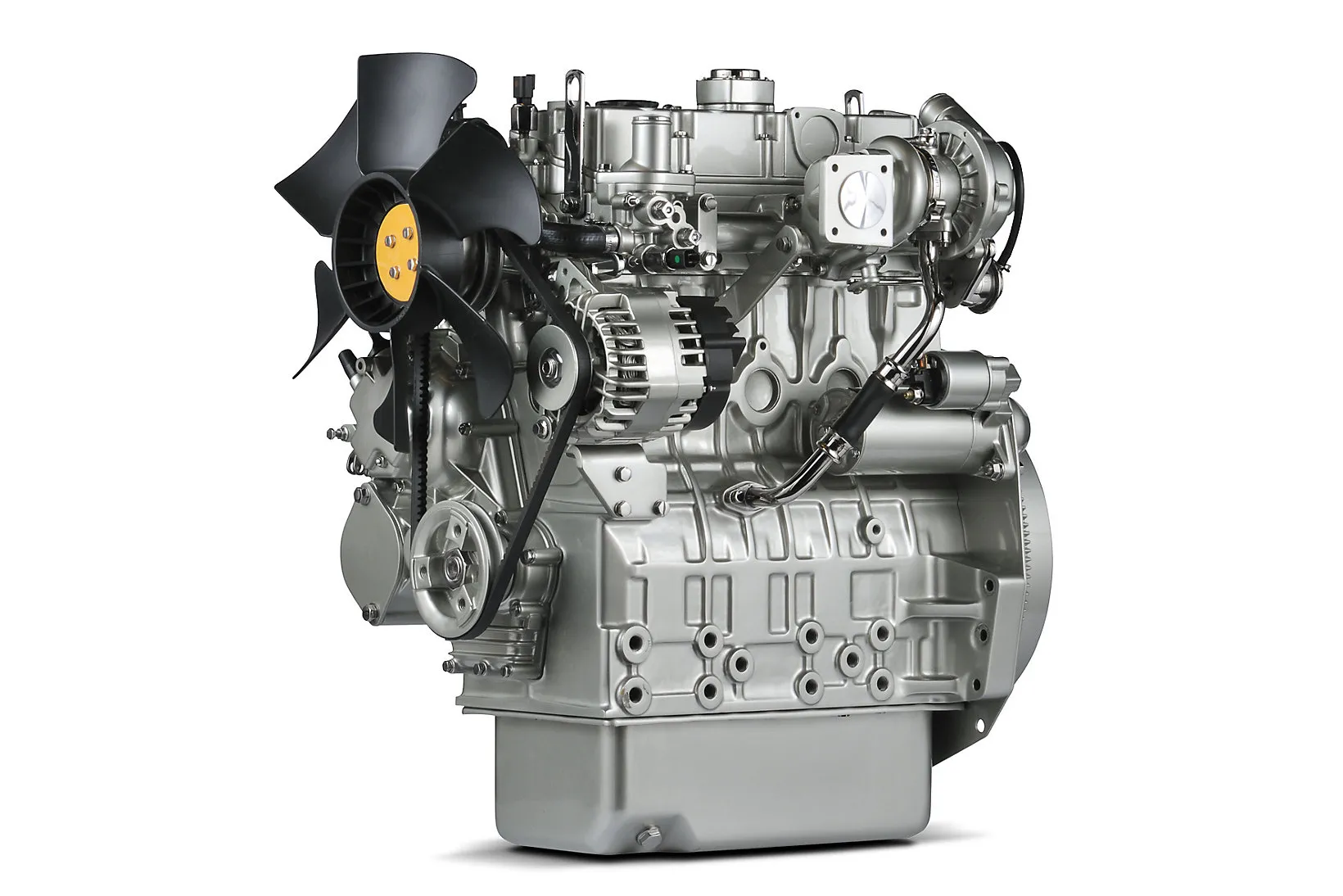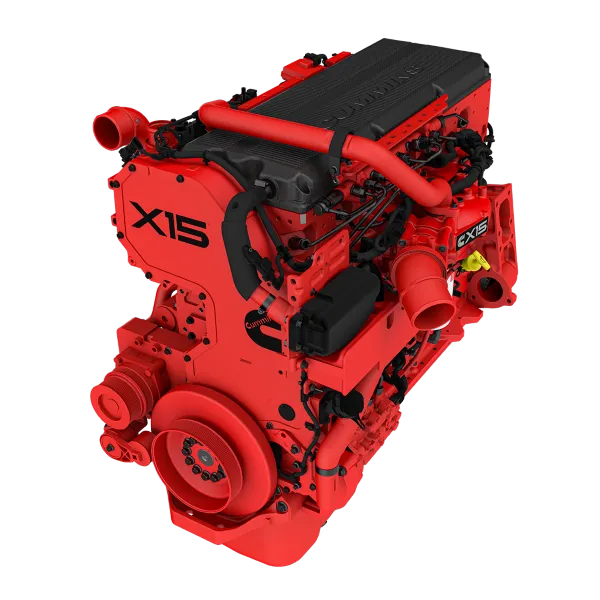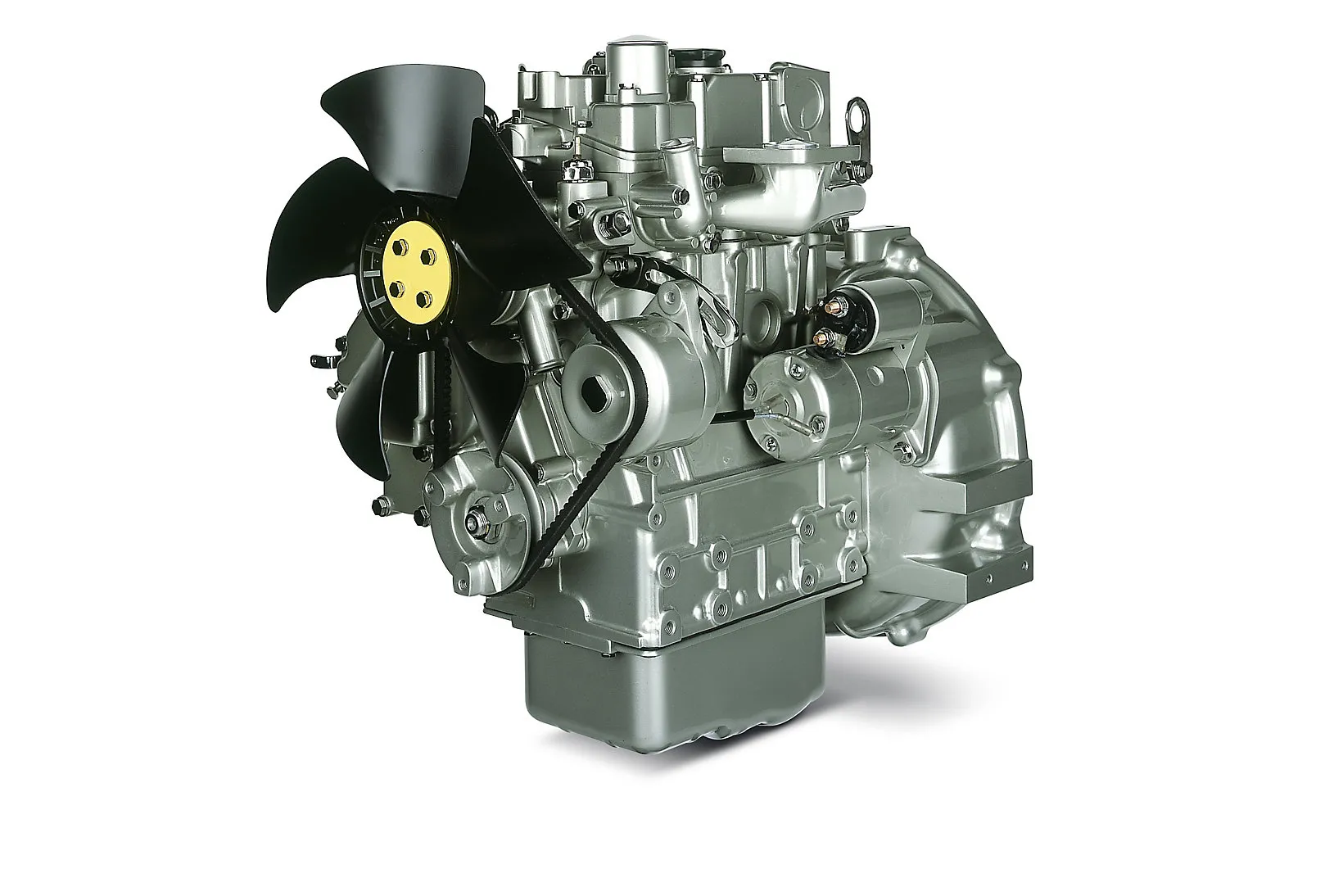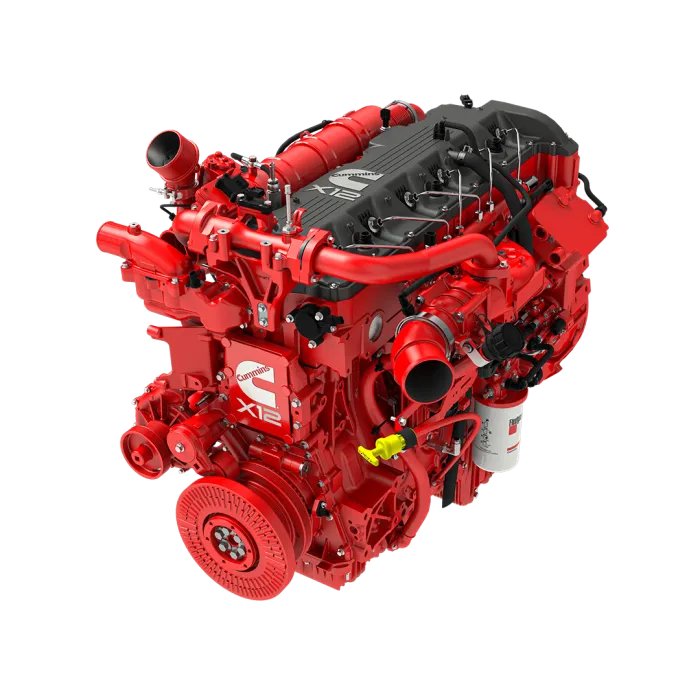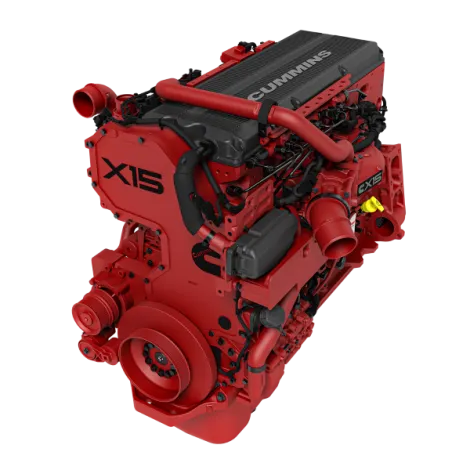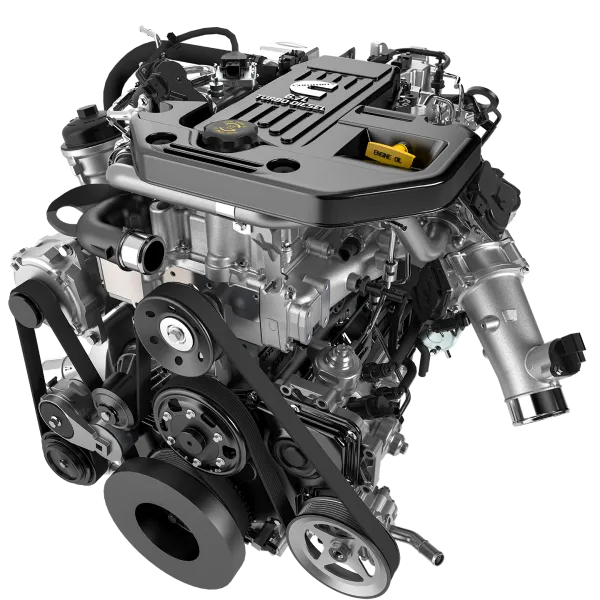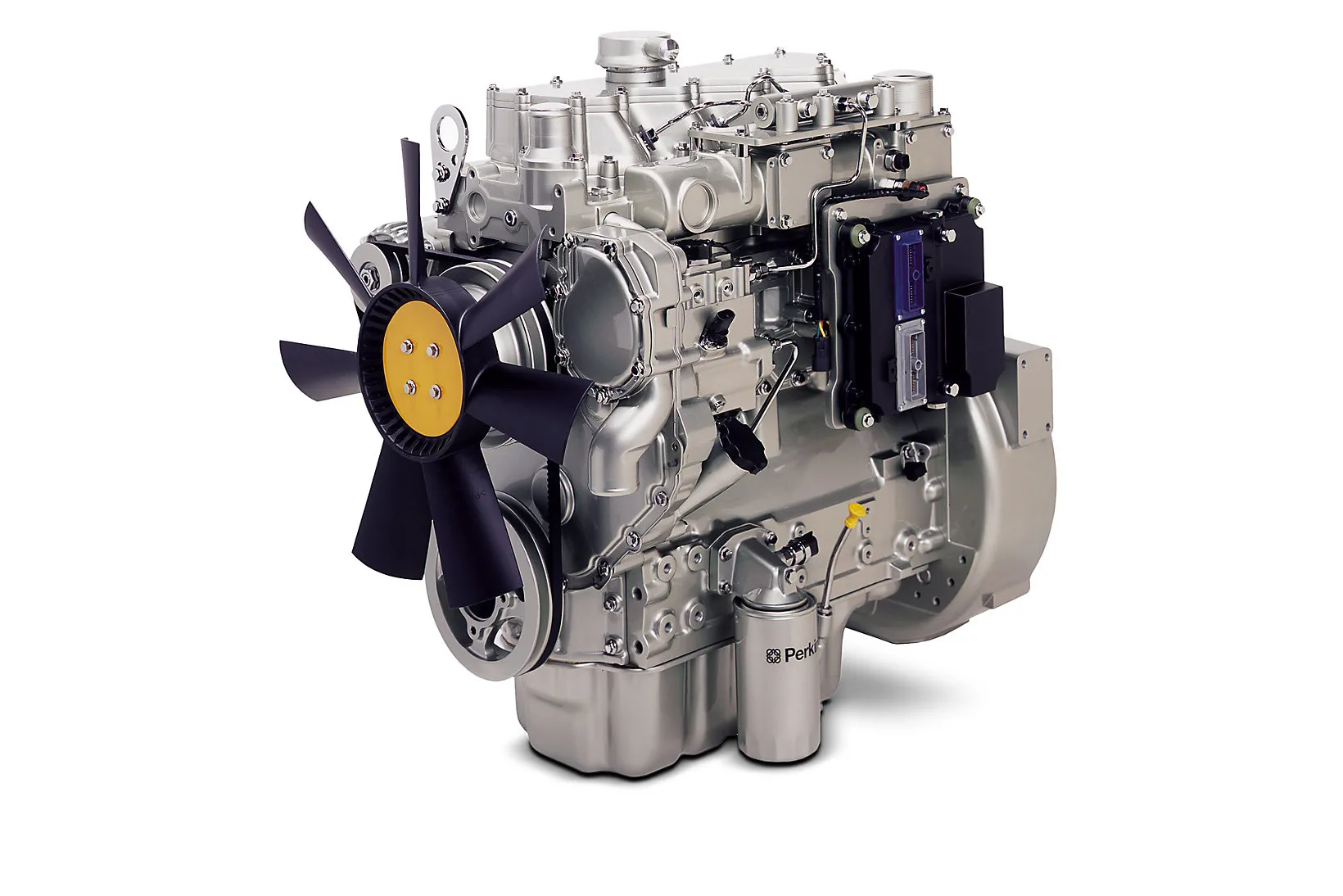
Diesel engines form the foundation of uninterrupted operation in industrial facilities, generator systems, agricultural machinery, construction equipment, and heavy-duty applications. For these engines to operate reliably, electronic control systems must be monitored correctly alongside mechanical components. Fault codes play a particularly important role in identifying problems in electronically controlled diesel engines.
Fault codes in diesel engines provide information about abnormal operating conditions detected by the engine\'s electronic control unit, sensor signals, electrical circuit problems, or deviations in system performance. These codes help identify which system the engine has detected a problem in, allowing the fault diagnosis process to be carried out more systematically.
However, the appearance of a fault code does not always mean that the associated component has failed. For example, a fault code related to a temperature sensor may originate from the sensor itself, electrical connections, wiring, an actual temperature problem in the cooling system, or data reaching the control unit. Therefore, it is important not only to know the code number but also to interpret its meaning correctly.
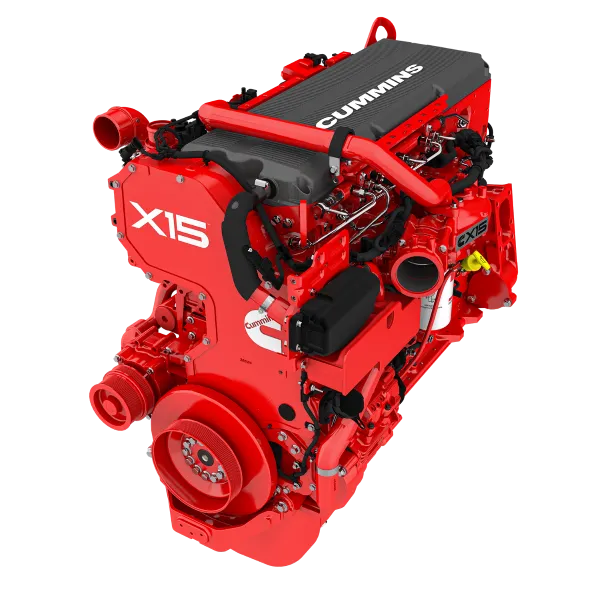
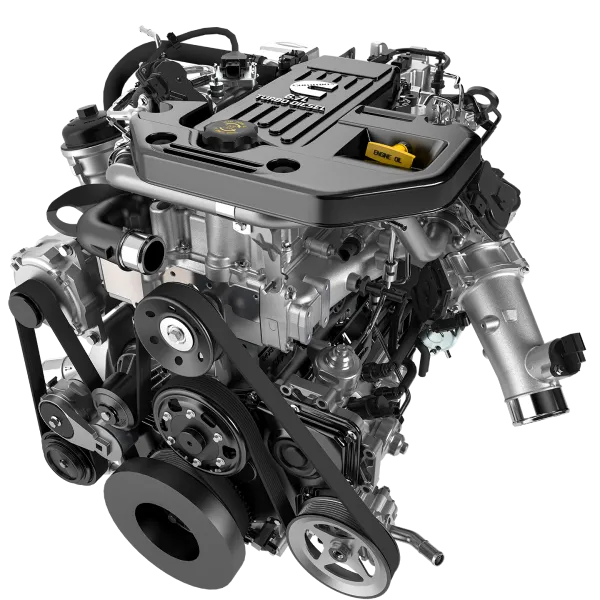
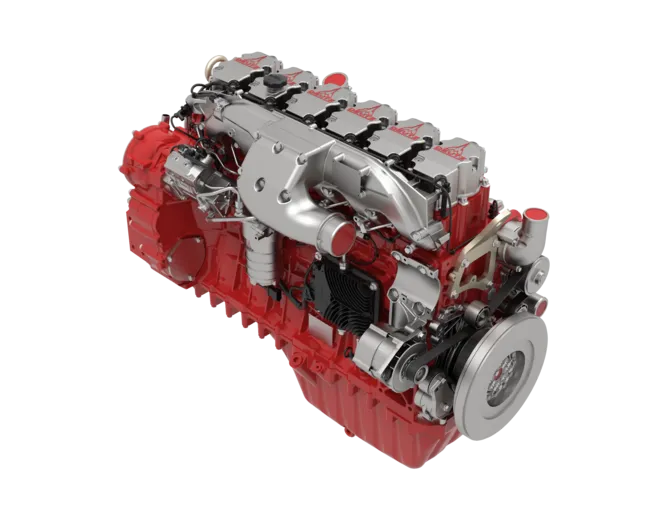
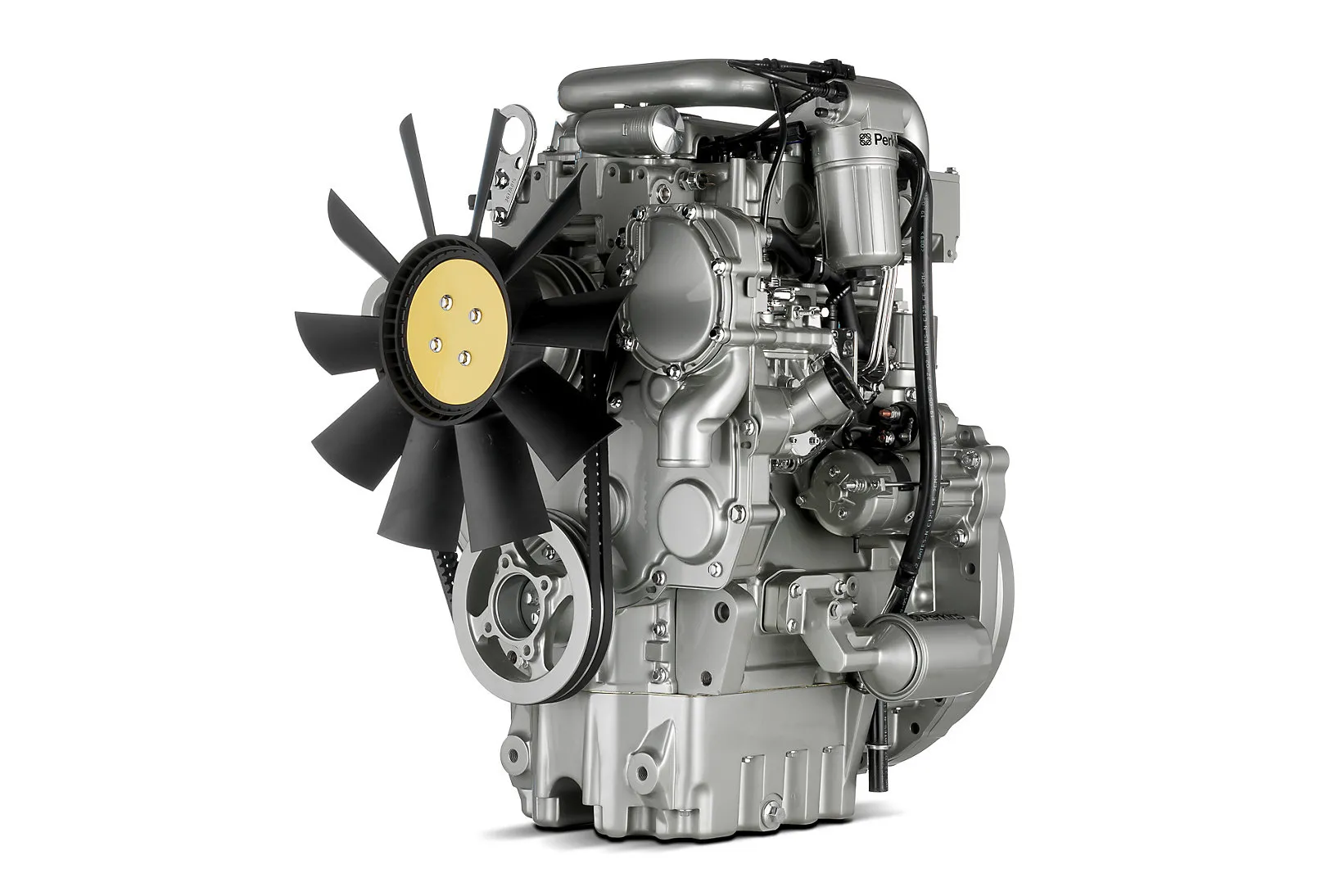
So, how are fault codes read in diesel engines? What do OBD and J1939 systems mean? How are SPN and FMI codes evaluated? What should be considered when diagnosing faults in Deutz, Perkins, and Cummins engines?
What Is a Fault Code in Diesel Engines?
A diesel engine fault code is identification information that the engine\'s electronic control unit or the relevant electronic control module may generate when it detects a specific operating condition outside normal limits. DTC, an abbreviation for Diagnostic Trouble Code, is used to describe these types of diagnostic codes.
In modern diesel engines, various sensors and electronic systems continuously monitor engine operating conditions. Data such as engine speed, coolant temperature, oil pressure, fuel pressure, intake air pressure, and exhaust gas values are evaluated by electronic control systems, depending on the engine design.
The control unit may create a fault record when a monitored value falls outside the specified limits or when an expected electrical signal cannot be received. In some cases, a fault code is recorded when a specific condition persists for a certain period. This approach helps prevent brief and insignificant signal fluctuations from being interpreted as continuous faults.
Fault codes can generally help identify the following problems:
- Sensor readings outside normal ranges.
- Open circuits, short circuits, or connection problems in electrical circuits.
- Abnormalities related to fuel pressure or the air supply system.
- Deviations in engine temperature, oil pressure, or other operating parameters.
- Problems detected in exhaust aftertreatment systems.
- Communication problems between electronic control modules.
- A specific mechanical system not operating as expected.
The primary purpose of a fault code is to guide the diagnostic process. The code indicates which system may be associated with the problem; however, measurements, inspections, and examinations in accordance with manufacturer procedures are required to determine the exact cause of the fault.
Why Are Fault Codes Important in Diesel Engines?
Accurate fault diagnosis in diesel engines is important not only for restoring engine operation but also for controlling operating costs.
Particularly in generators that run for extended periods, industrial engines used in production facilities, and heavy machinery, a minor problem can develop into a more serious failure over time. Fault information recorded by the electronic control unit can help identify and evaluate these problems at an early stage.
The main benefits of correctly interpreting fault codes include:
- It simplifies fault diagnosis.
- It helps reduce unnecessary component replacement.
- It supports safe engine operation.
- It supports maintenance planning.
- It helps reduce operational downtime.
Nevertheless, fault codes alone cannot replace a maintenance plan or professional technical inspection. Codes must be evaluated within the context of the engine model, operating conditions, and limits specified by the manufacturer.
How Are Diesel Engine Fault Codes Read?
Reading diesel engine fault codes requires a suitable diagnostic tool capable of communicating with the engine\'s electronic control system. It is important that the device supports the engine brand, model, control unit, and relevant communication protocol.
Not all diesel engines use the same diagnostic method. While some engines use standardized fault codes and communication protocols, certain manufacturers may define proprietary codes, descriptions, or diagnostic procedures for specific systems.
A general diesel engine fault code reading process consists of the following steps:
- Identify the engine brand and model
First, identify the engine manufacturer, model code, serial number, and, if possible, the electronic control unit information.
This information is important for selecting the correct diagnostic software and matching the fault code with the relevant technical documentation.
The way codes are displayed and the diagnostic procedures used may differ between manufacturers such as Deutz, Perkins, and Cummins. Even two different engine families under the same brand may use different electronic control units.
- Connect a compatible diagnostic tool
The diagnostic tool communicates with the engine control unit through the appropriate connection point and communication protocol.
Being able to read only generic fault codes may not be sufficient. In some cases, it may be necessary to display manufacturer-specific codes, examine live data, read historical faults, or test specific components.
Therefore, the functions supported by the diagnostic tool for the relevant engine should be checked in advance.
- Display active and stored faults
The engine\'s active faults, previously recorded faults, and pending fault records, if supported, are examined through the diagnostic tool.
An active fault refers to a condition that the system currently identifies as a fault. A historical or stored fault may indicate a condition that occurred previously but is not currently active.
In some systems, it may also be possible to view how many times the fault has occurred, when it was first or last detected, and the operating data recorded when the fault occurred.
This information helps determine whether the fault is continuous or intermittent.
- Review the full code description
The fault code number alone is not sufficient. The code description must be evaluated together with the relevant system information and the manufacturer\'s technical documentation.
For example, a code may indicate that the coolant temperature signal is outside the normal range. This does not directly mean that the temperature sensor must be replaced. The actual engine temperature, sensor connection, wiring harness, and cooling system should also be checked.
- Check live data related to the code
If supported by the diagnostic tool, live data can be examined while the engine is running or under test conditions specified by the manufacturer.
Parameters such as coolant temperature, engine speed, fuel pressure, battery voltage, and other operating values can be compared with the relevant technical specifications.
Live data is useful for assessing whether a code may be caused by an actual operating problem or by an electrical or measurement-related issue.
- Verify the cause of the fault
In the final stage, the necessary measurements and physical inspections are performed on the system indicated by the code.
Once the cause of the fault has been identified, the appropriate repair is carried out. The system is then checked again according to the manufacturer\'s procedures to verify whether the fault has been resolved.
These steps demonstrate the difference between simply reading a fault code and performing an actual fault diagnosis.
What Is DTC?
DTC is an abbreviation for Diagnostic Trouble Code. It refers to a diagnostic fault code.
A DTC is a code generated by an electronic control system to identify a specific abnormality. The way the code is displayed may vary depending on the diagnostic standard used and the manufacturer\'s system.
What Is an ECU?
ECU stands for Electronic Control Unit. In engine applications, this unit evaluates information received from sensors, implements control strategies, and, depending on its design, manages fuel injection, engine performance, and other operating functions.
Some engines may have more than one electronic module for engine control. Therefore, it is also important to identify which control unit recorded the fault code.
What Is OBD?
OBD is an abbreviation for On-Board Diagnostics and refers to systems that enable the diagnosis of electronic systems within a vehicle.
OBD-II is a well-known standard, particularly in light-duty vehicles. However, it should not be assumed that all industrial diesel engines use the same OBD-II connection, code structure, or diagnostic tool.
Different communication protocols and manufacturer-specific diagnostic methods may be used in heavy-duty and industrial applications.
What Is J1939?
SAE J1939 is a family of communication standards used particularly in heavy-duty vehicles and many industrial engine applications.
In systems using J1939, fault information is often displayed using SPN and FMI values. These two values identify the parameter associated with the fault and the type of problem detected.
However, not every engine using J1939 presents all fault information in exactly the same way. Differences in engine manufacturers, control units, and applications must be taken into account.
How Are SPN and FMI Codes Interpreted?
In many electronically controlled heavy-duty diesel engines, SPN and FMI codes are fundamental elements of fault diagnosis.
SPN stands for Suspect Parameter Number. It identifies the parameter, component, or system associated with the fault.
FMI stands for Failure Mode Identifier. It describes the type of problem detected in the relevant parameter or system.
In other words, SPN provides information about which parameter needs to be examined, while FMI explains what type of abnormality has been detected in that parameter.
For example, a system may display an SPN related to engine coolant temperature together with an FMI indicating a high signal or a value outside the normal range. In this case, both the accuracy of the temperature reading and the correct operation of the sensor\'s electrical circuit should be examined.
Common FMI Types
The following table provides general explanations of some common FMI definitions used in J1939 systems. The relevant engine manufacturer\'s documentation should be used for an exact interpretation.
|
FMI |
General Meaning |
Points to Consider During Inspection |
|
FMI 0 |
Value is valid but above the normal range, with a high severity level |
Actual operating value, condition of the relevant system, and sensor measurement |
|
FMI 1 |
Value is valid but below the normal range, with a high severity level |
Actual measurement and physical parameters such as pressure or temperature |
|
FMI 2 |
Data is erratic, intermittent, or incorrect |
Connections, signal stability, and operating conditions |
|
FMI 3 |
Voltage is higher than normal or a high signal condition exists in the circuit |
Wiring harness, connections, and sensor circuit |
|
FMI 4 |
Voltage is lower than normal or a low signal condition exists in the circuit |
Possible short circuit, connections, and electrical power supply |
|
FMI 5 |
Current is lower than normal or an open-circuit condition exists |
Broken wiring, connectors, and the relevant circuit |
|
FMI 6 |
Current is higher than normal |
Short circuits and components within the circuit |
|
FMI 7 |
Mechanical system is not responding as expected |
Actuator, mechanical movement, and system operating conditions |
|
FMI 8 |
Frequency, pulse width, or period abnormality |
Signal waveform and operation of the relevant circuit |
|
FMI 9 |
Abnormal data update rate |
Communication line and data transmission between control modules |
|
FMI 10 |
Abnormal rate of change |
How the parameter changes and the system\'s operating conditions |
|
FMI 12 |
Intelligent device or component failure |
Relevant component and manufacturer diagnostic procedure |
|
FMI 13 |
Out-of-calibration condition |
Calibration and adjustment procedures |
|
FMI 19 |
Error in received data |
Communication and data integrity checks |
This table is a general reference and should not be used as a definitive diagnostic chart for all engines and control units.
Another important point is that the same SPN may appear with different FMI values. Two fault records associated with the same parameter may indicate different types of problems. Therefore, component replacement decisions should not be made based solely on the SPN number.
Examples of Fault Codes in Diesel Engines
One of the best ways to understand how diesel engine fault codes are interpreted is to examine different fault scenarios.
The following examples are provided to explain general diagnostic principles. The exact description of a code displayed on a specific Deutz, Perkins, or Cummins engine must be verified against the engine\'s serial number and control unit documentation.
- Fault codes related to engine temperature
When a fault code related to engine coolant temperature appears, the actual engine temperature should be evaluated first.
If the engine is genuinely overheating, the coolant level, radiator condition, cooling circuit, thermostat, fan system, and other relevant components should be checked.
On the other hand, if the engine is operating at a normal temperature but the temperature signal appears abnormal, the sensor, electrical connections, and wiring harness should be inspected.
It is important to distinguish between these two situations because an actual overheating problem and an incorrect temperature signal do not require the same intervention.
- Fault codes related to oil pressure
A fault code related to oil pressure must be carefully evaluated with regard to the engine\'s lubrication system.
Low oil pressure may be associated with the oil level, oil suitability, oil filter, oil pump, lubrication passages, or wear inside the engine. However, problems with the pressure sensor or electrical circuit may also generate an incorrect signal.
The actual oil pressure should be checked using the method and values specified by the manufacturer.
Continuing to run the engine when a low oil pressure warning is present may cause serious mechanical damage. The safe approach is to stop the engine and not restart it until the cause of the problem has been identified.
- Fault codes related to fuel pressure
Fuel system faults may be associated with fuel supply, filters, pressure control components, sensors, or the high-pressure fuel system.
Fuel pressure below or above the expected value may affect engine performance and operating stability.
For these types of codes, actual pressure values, operating conditions, and the manufacturer\'s test procedures should be evaluated together.
Particularly in high-pressure common rail systems, loosening fuel line connections while the engine is running or attempting to release pressure in an uncontrolled manner can cause serious injuries. Inspections must only be performed in accordance with appropriate safety procedures.
- Fault codes related to sensor circuits
Sensor circuit faults are common diagnostic issues in electronically controlled diesel engines.
Associating a fault code with a sensor may indicate that the sensor has failed, that an electrical connection problem exists, or that the signal reaching the control unit is outside the expected limits.
In this case, the sensor supply voltage, ground connection, signal line, and wiring harness should be examined in accordance with the relevant technical documentation.
Replacing a sensor based solely on the code description may allow the fault to persist if the actual problem originates from the wiring or connections.
- Electronic communication faults
Communication-related fault records may appear when problems occur in data transmission between the engine control unit and other electronic modules.
For these types of problems, cable connections, connectors, supply voltage, ground connections, and the relevant communication line can be inspected.
Communication faults may sometimes trigger warnings in multiple systems. Therefore, when numerous codes appear simultaneously, it should not be assumed that every component has failed independently.
The sequence in which the codes occurred, the module in which they were recorded, and whether the faults originate from a common electrical or communication problem should be investigated.
The Difference Between Active and Historical Fault Codes
The current status of a fault code is also important for accurate interpretation.
An active fault code indicates a condition that the control system currently identifies as a fault. Such a record may require evaluation in terms of engine operating safety or performance.
A historical fault code may indicate a condition that occurred previously but is no longer active. For example, a temporary electrical connection problem, a brief voltage drop, or an issue occurring under specific operating conditions may be found in historical records.
A pending fault code, in some diagnostic systems, may indicate that a fault has been detected under certain conditions but that the criteria for a permanent system record have not yet been met. The meaning of this status may vary depending on the control system used.
Historical fault codes should not be considered insignificant. The recurrence of the same code at certain intervals may provide information about an intermittent electrical connection problem or an abnormality that occurs under specific load conditions.
Therefore, during diagnosis, attention should be given not only to active codes but also, whenever possible, to fault history and event records.
Can the Engine Continue Running When a Fault Code Appears?
The answer depends on the type of fault, the engine\'s operating conditions, and the warning levels specified by the manufacturer.
Not every fault code requires the engine to be stopped immediately. Some records may indicate a maintenance requirement or a temporary abnormality. In contrast, certain warnings are associated with critical conditions that may require the engine to be stopped immediately.
Particular care should be taken in the following situations:
- Low engine oil pressure warning.
- Actual overheating or high coolant temperature.
- Abnormal mechanical noise, excessive vibration, or significant performance loss.
- Fuel leakage or a condition that may create a fire risk.
- Uncontrolled engine acceleration or abnormal operation.
- Critical warnings for which the manufacturer specifies that the engine must be stopped.
If these symptoms are present, the engine must be stopped safely and the manufacturer\'s instructions followed. Critical warnings related to oil pressure or temperature should not be treated as problems that can be resolved simply by clearing the code.
Even if the engine continues to run, it is not possible to determine with certainty whether the fault is safe without examining the code description and the relevant technical procedures.
How Are Fault Codes Read in Deutz, Perkins, and Cummins Engines?
When diagnosing faults in Deutz, Perkins, and Cummins engines, the engine family, production period, and electronic control system must be considered alongside the engine brand.
Different engines may use different control units, diagnostic software, and communication protocols. Therefore, it is not correct to assume that there is a single fault code list applicable to all engines.
Deutz Engine Fault Codes
When examining fault codes in Deutz engines, the exact engine model, serial number, and electronic control system used should be identified.
The diagnostic tool must support the relevant engine, and code descriptions must be verified against the appropriate technical documentation.
The parameter indicated by the code should be evaluated alongside measurements performed on the relevant sensor or system. Particularly in industrial applications, the machine connected to the engine and its operating conditions may also help with diagnosis.
Perkins Engine Fault Codes
Fault codes in Perkins engines may be displayed in different ways depending on the engine family and electronic control system used.
For an accurate diagnosis, the engine identification information must be determined, an appropriate diagnostic tool must be used, and the manufacturer\'s relevant code descriptions and test procedures must be followed.
Identifying the system associated with a fault code is the first step. The actual cause of the fault should then be investigated through electrical checks, live data, and the necessary mechanical measurements.
Cummins Engine Fault Codes
In Cummins engines, engine model and electronic control unit information are also important for correctly interpreting fault records.
In some systems, fault codes may be displayed in SPN and FMI format, while other diagnostic screens may use manufacturer-specific fault numbers or different descriptions.
Therefore, matching a displayed code with a description found in general online lists may not be sufficient. The relevant engine\'s technical documentation and appropriate diagnostic software should be used.
The fundamental approach is the same for all three brands: identify the system indicated by the code, understand the type of problem, verify the possible cause through measurements, and carry out repairs in accordance with the manufacturer\'s procedures.
How Are Engine Fault Codes Cleared?
Fault codes can be cleared using a compatible diagnostic tool capable of communicating with the engine\'s electronic control unit. However, this procedure should only be performed when permitted by the procedures of the relevant system and manufacturer.
Before clearing codes, it is recommended that existing fault records, descriptions, and, where possible, relevant operating data be saved. This is because the clearing process may cause some diagnostic information to be lost.
Furthermore, it may not be possible to clear all records in the same way in every system. Some faults will be recorded again as long as they remain active. Other records may remain in the system until certain test conditions have been completed.
The important thing is not to clear the code but to resolve the problem that caused it to appear.
Clearing a code before identifying the cause of the fault, particularly in the case of critical warnings, may create the false impression that the engine is safe. Therefore, clearing a code should not be considered a substitute for repair.
Interpret Fault Codes Correctly for Accurate Diesel Engine Diagnosis
Fault codes in diesel engines provide important information for identifying abnormalities detected by electronic control systems and directing technical inspections appropriately. However, simply reading the code numbers is not enough to benefit fully from this information.
Concepts such as DTC, ECU, OBD, J1939, SPN, and FMI must be understood correctly. Active and historical fault statuses must be examined, and diagnostic tools appropriate for the manufacturer must be used. Live data, physical measurements, and mechanical inspections are also important parts of the diagnostic process.
An accurate diagnostic approach for industrial engines such as Deutz, Perkins, and Cummins helps reduce unnecessary component replacements, identify fault causes more systematically, and support reliable engine operation.
Fermot emphasizes the importance of proper technical evaluation when servicing, maintaining, diagnosing faults in, and sourcing spare parts for industrial engines. If a fault code appears on your engine, verifying its meaning against the relevant engine\'s technical documentation and performing the necessary checks in accordance with appropriate procedures are essential to a more effective repair process.
Do not overlook the importance of professional technical support when evaluating your engine\'s fault symptoms and determining the appropriate service solution.