
The reliable operation of industrial engines depends on more than just regular maintenance. In many cases, potential issues can be detected before the engine shows any signs of failure. One of the most effective methods for achieving this is engine oil analysis.
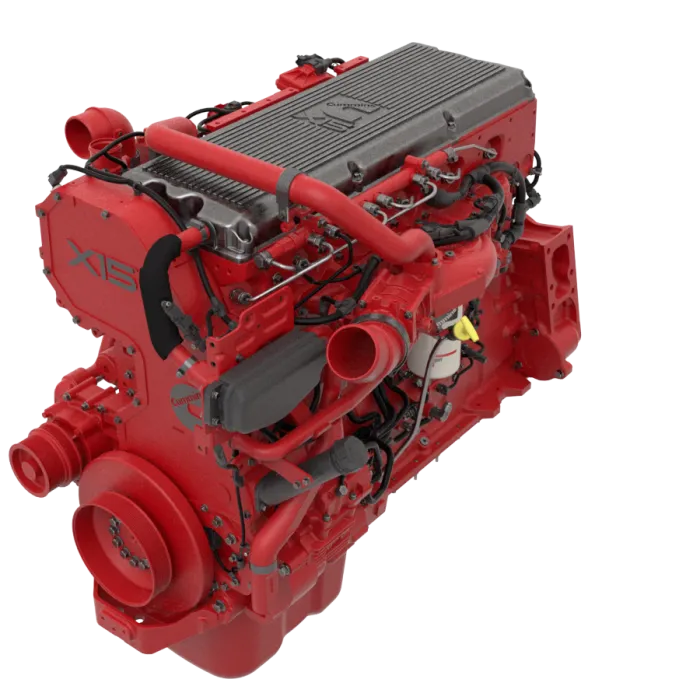
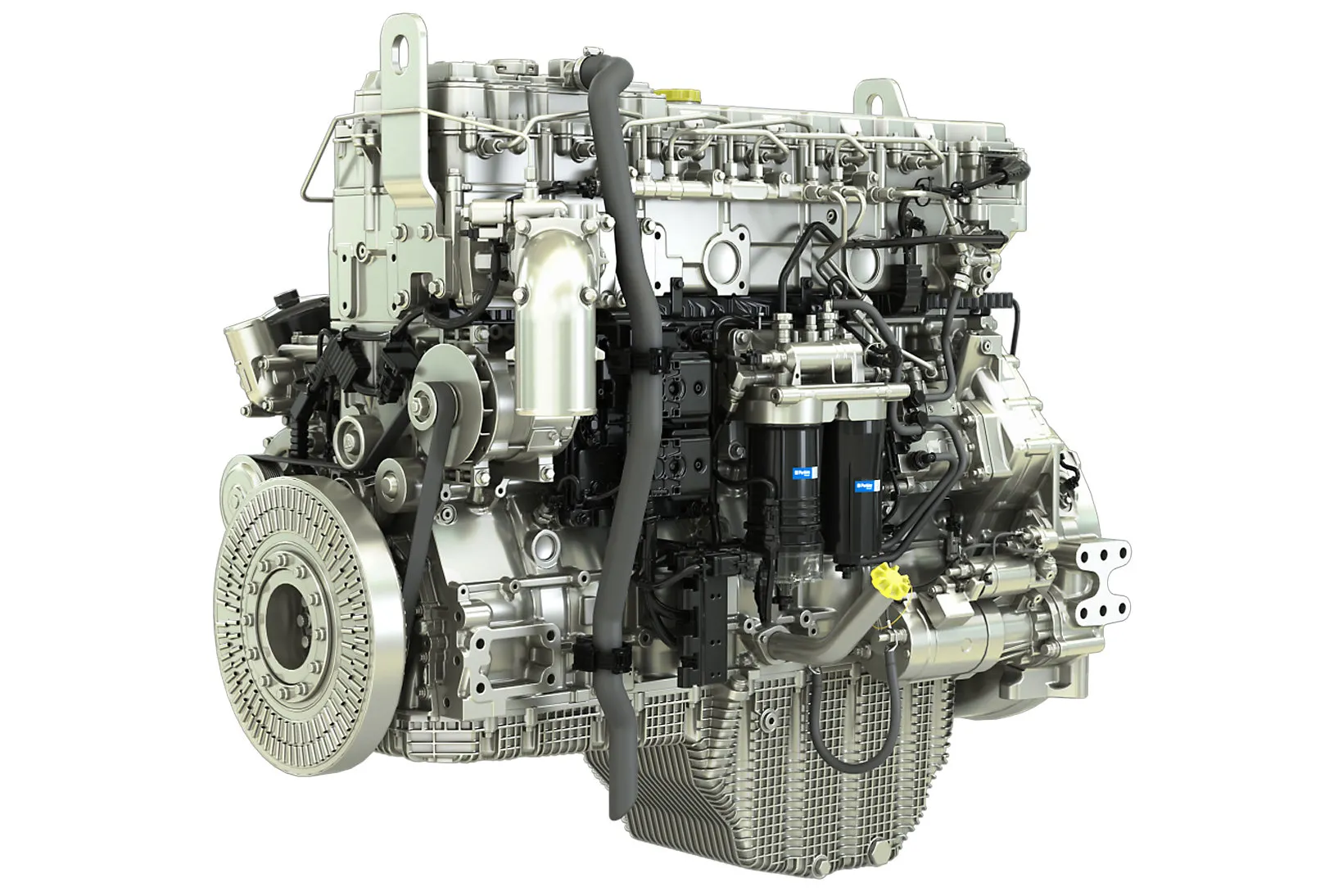
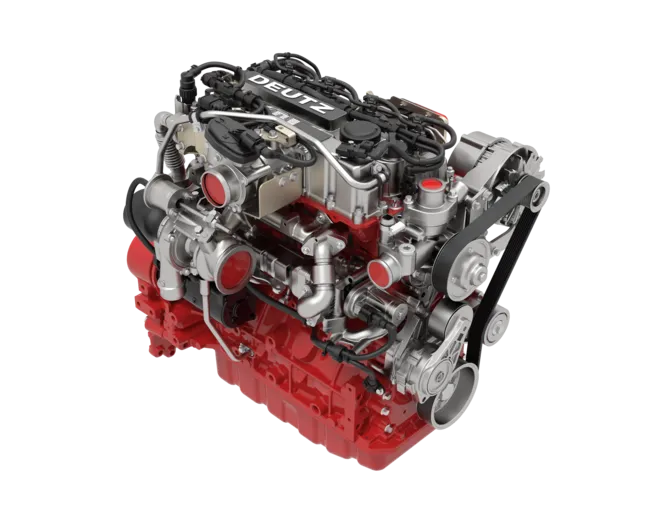
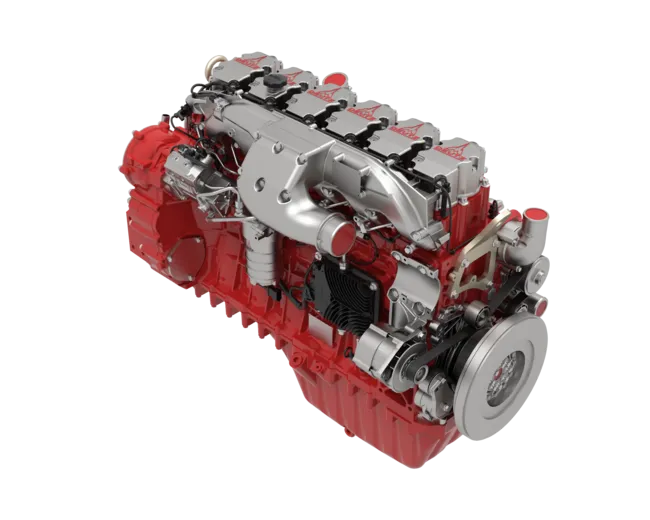
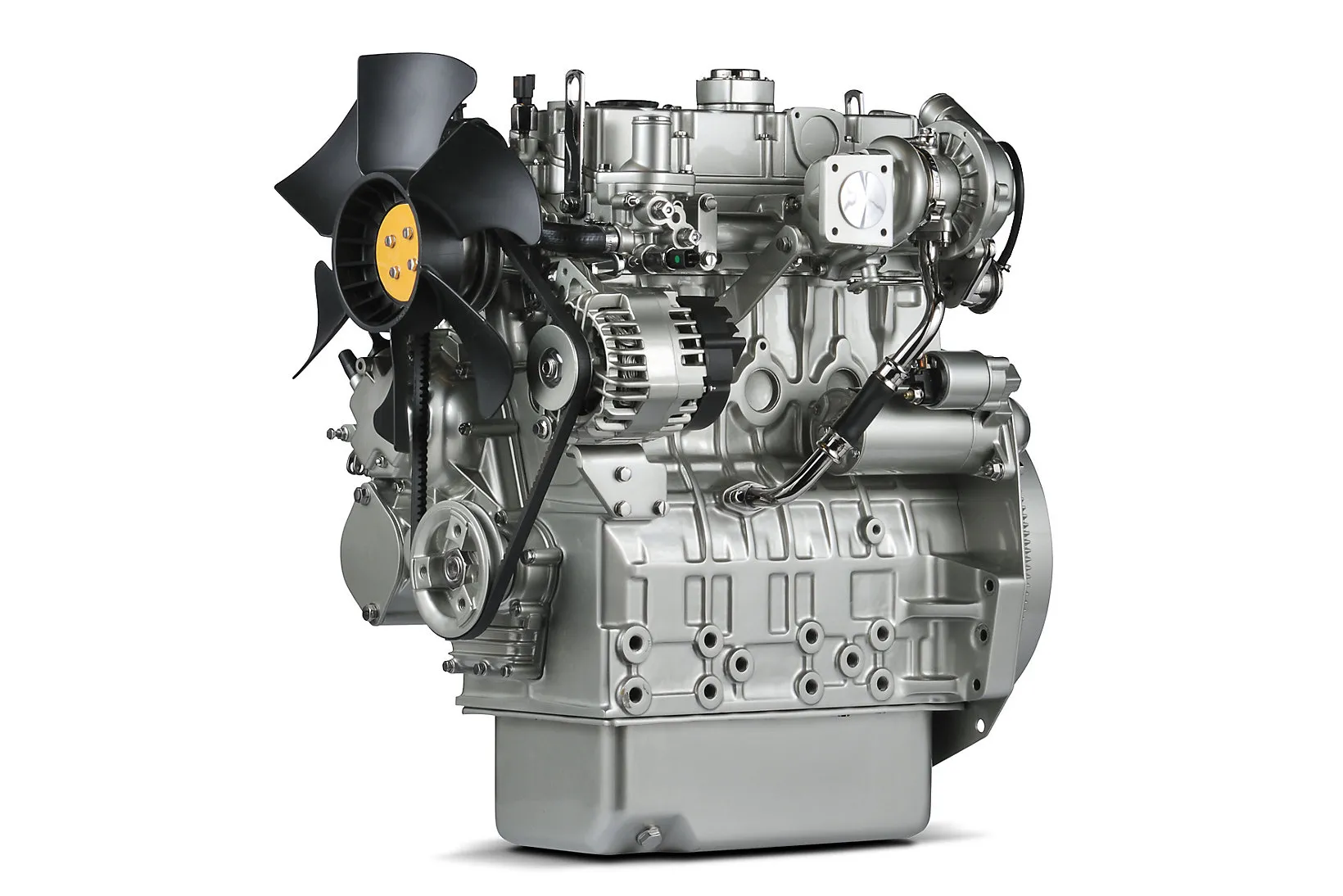
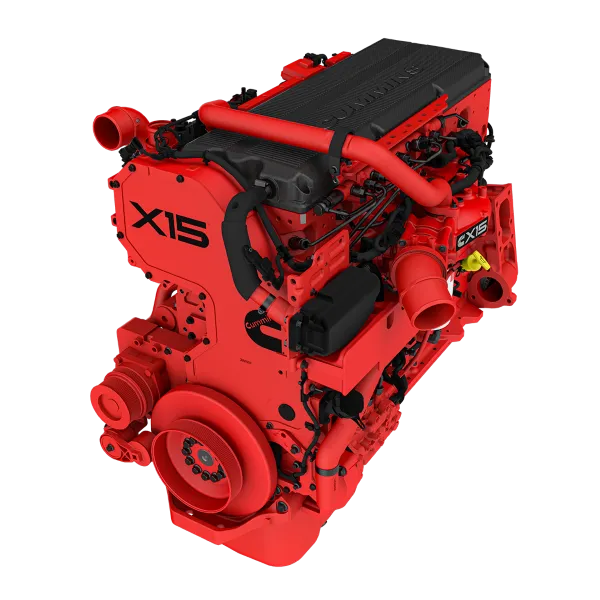
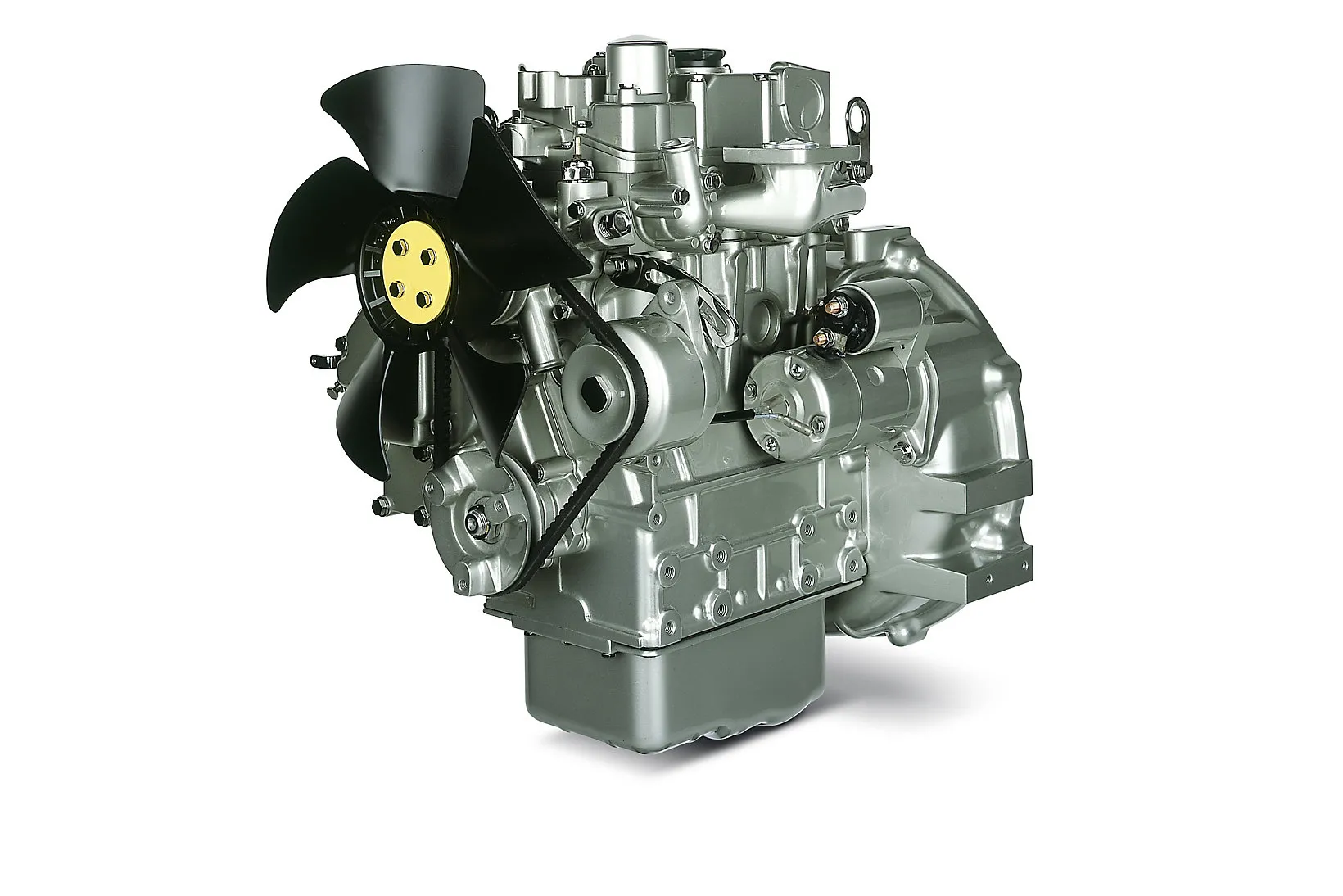
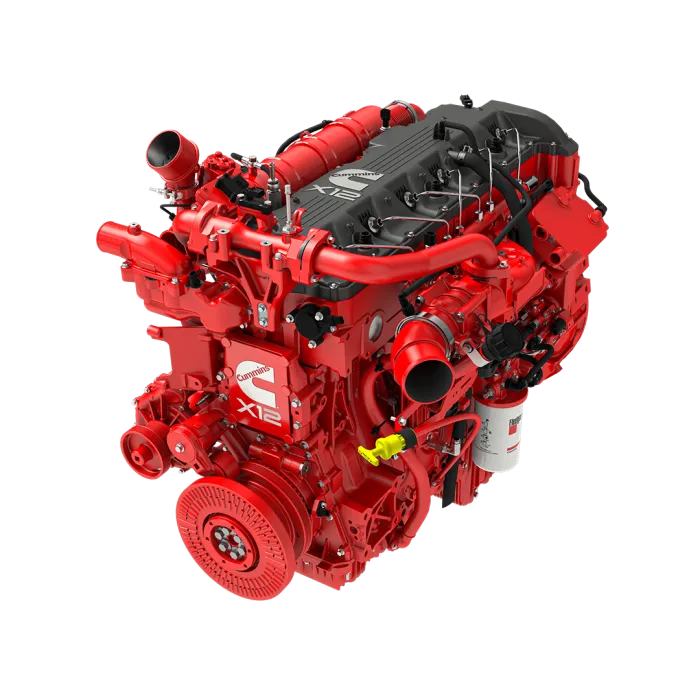
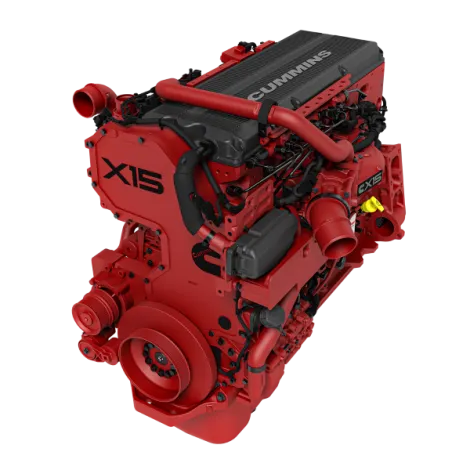
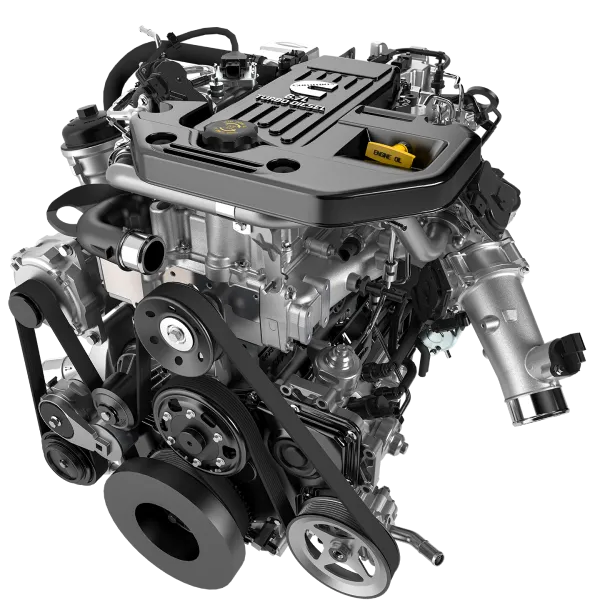
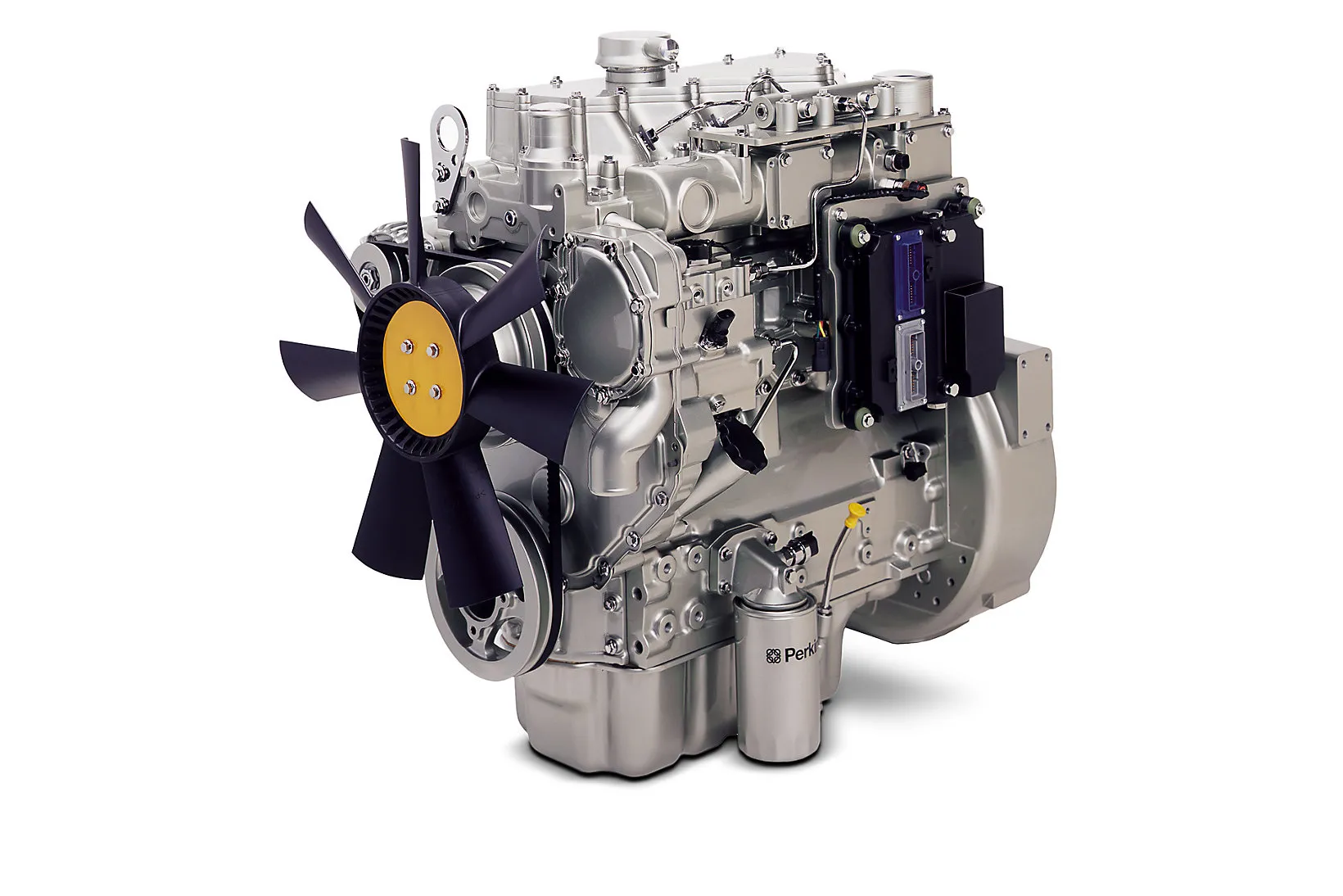
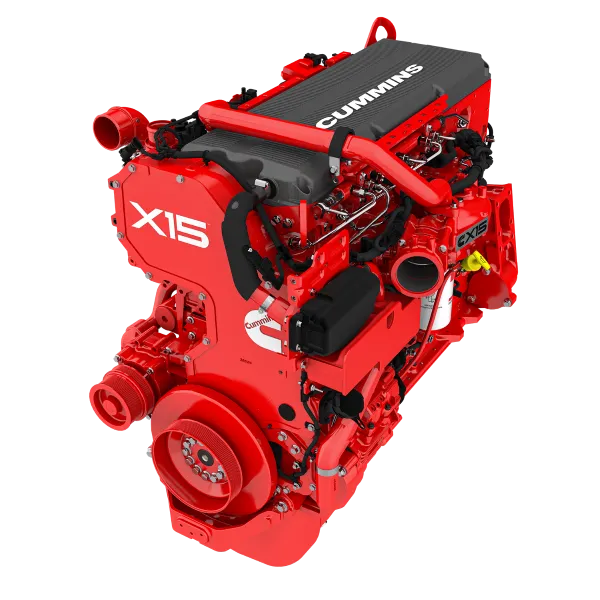
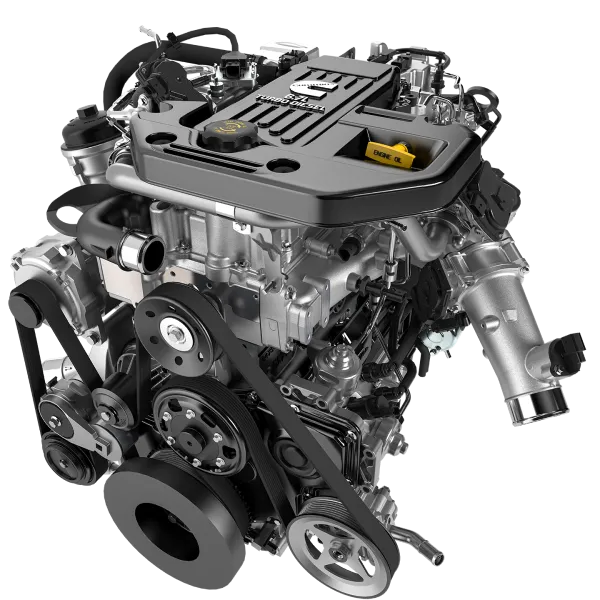
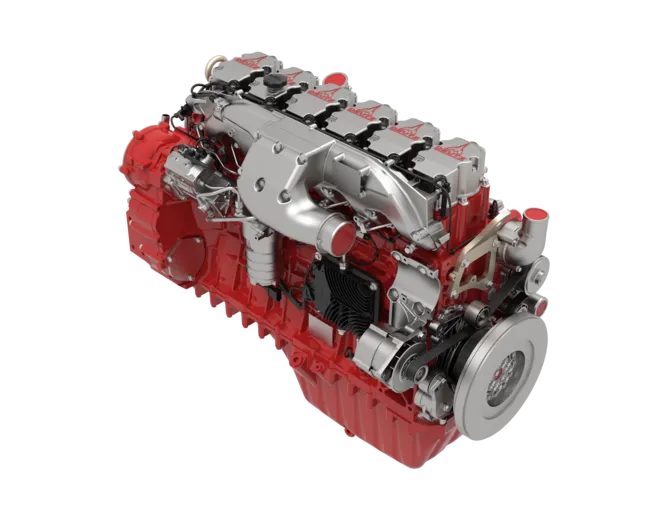
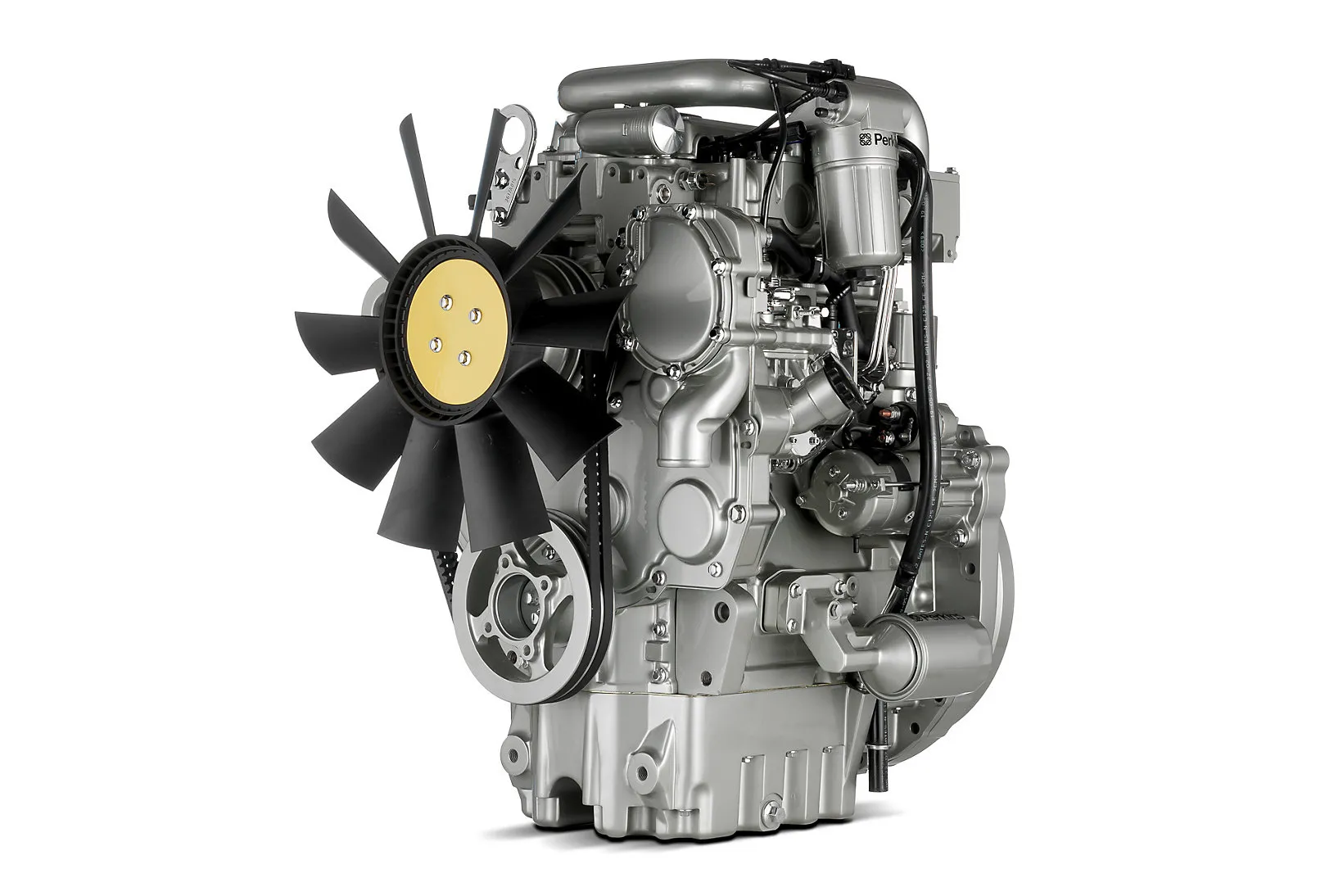
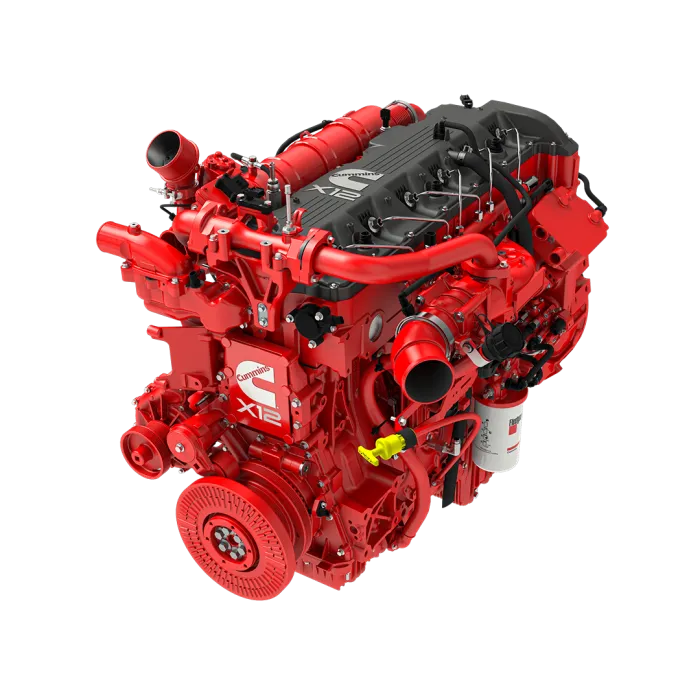
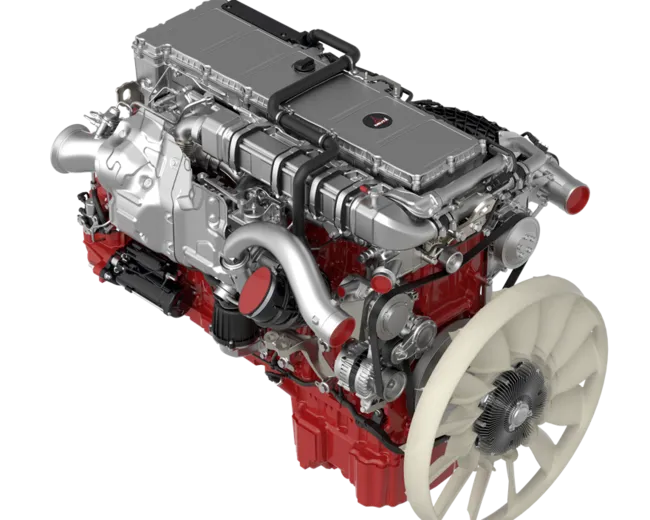
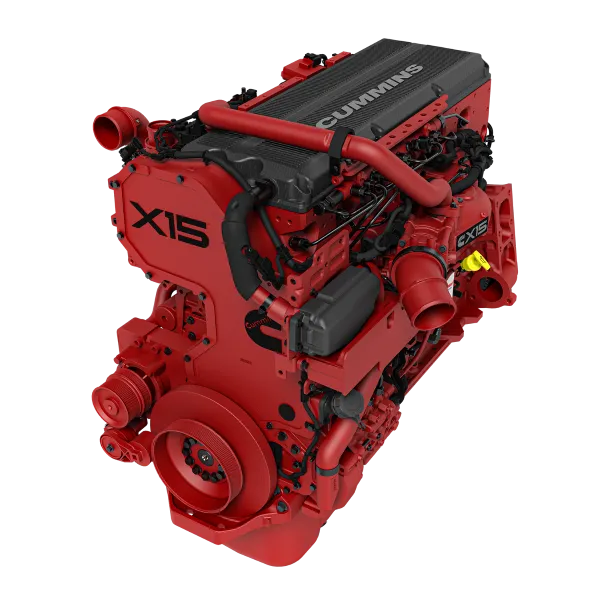
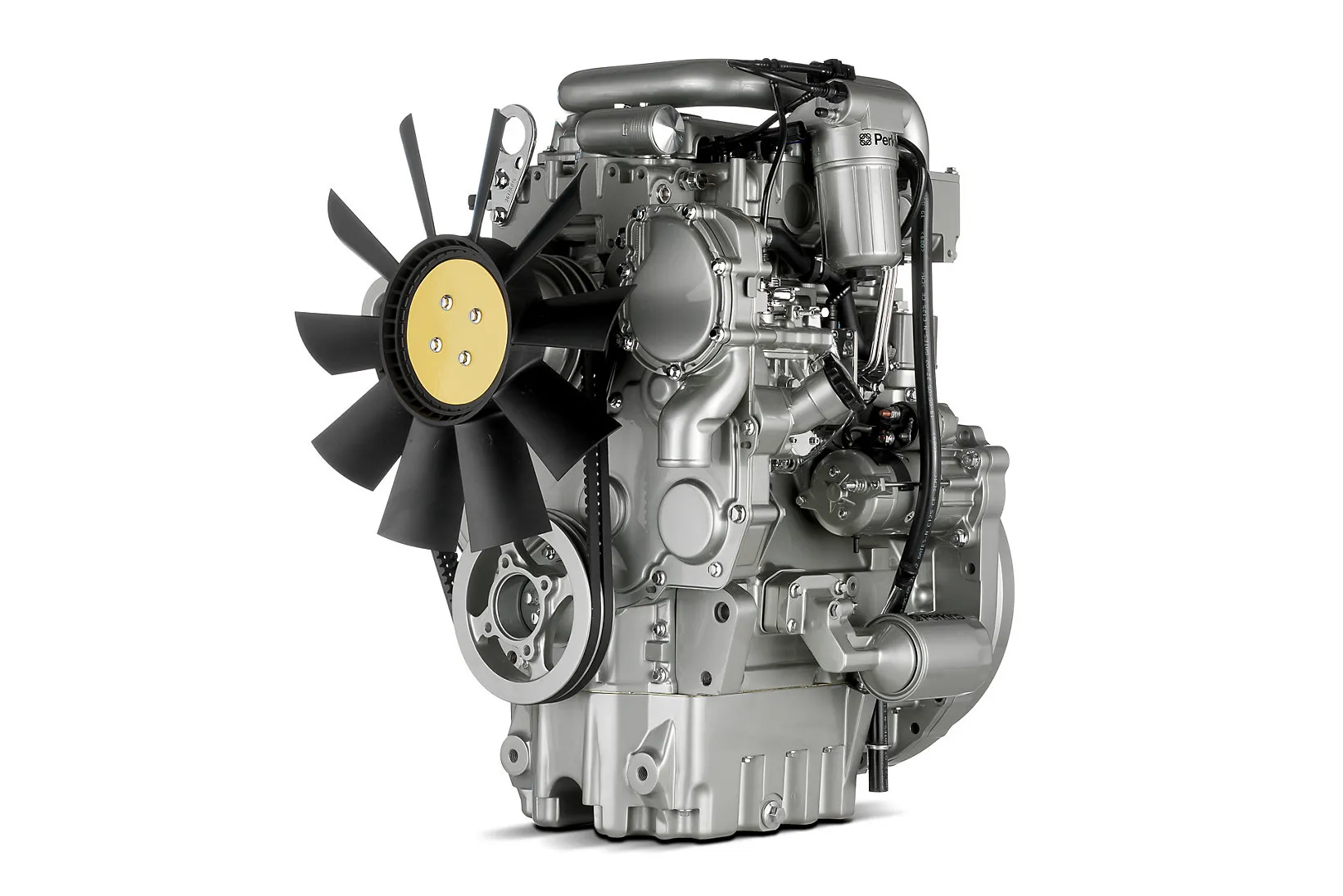
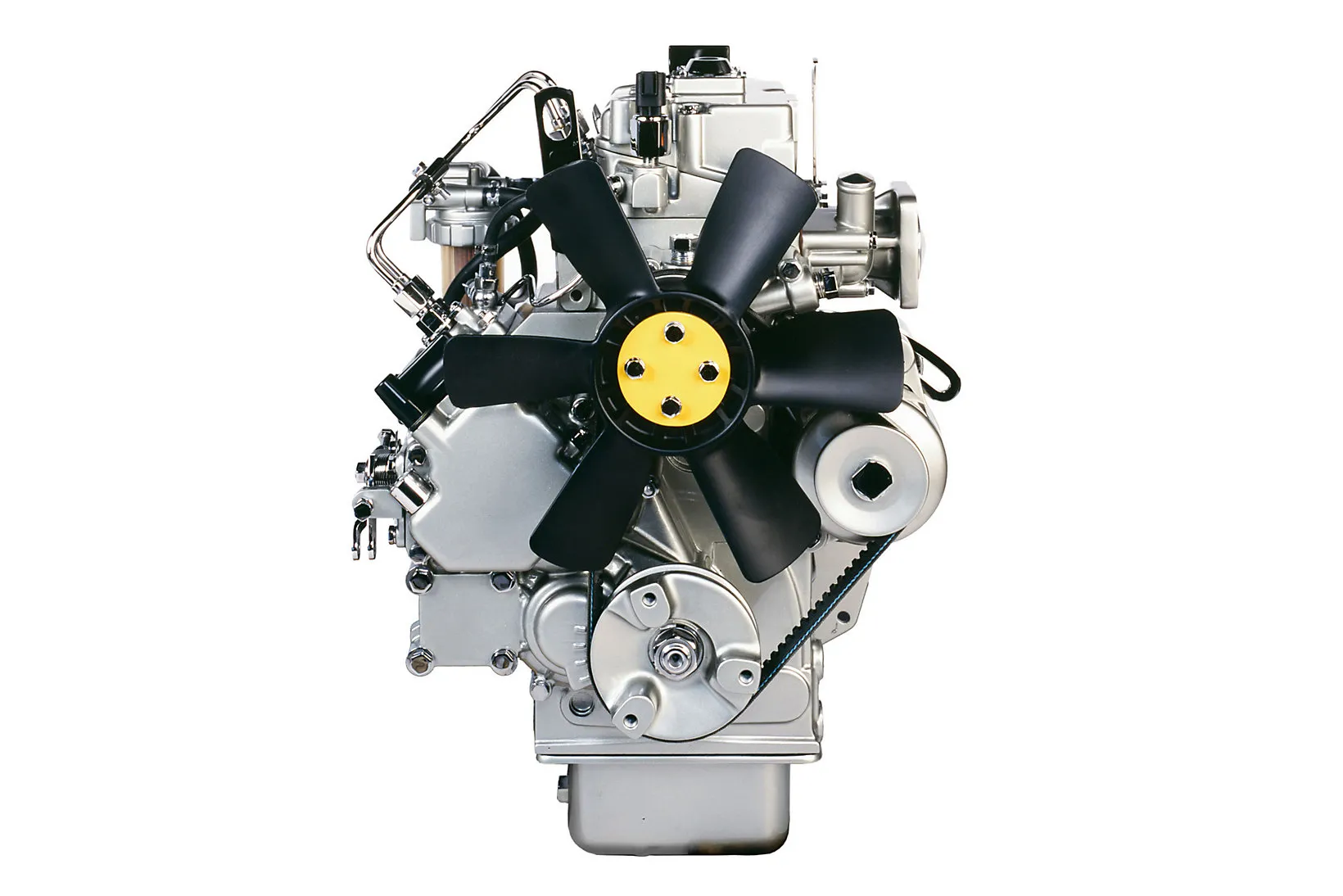
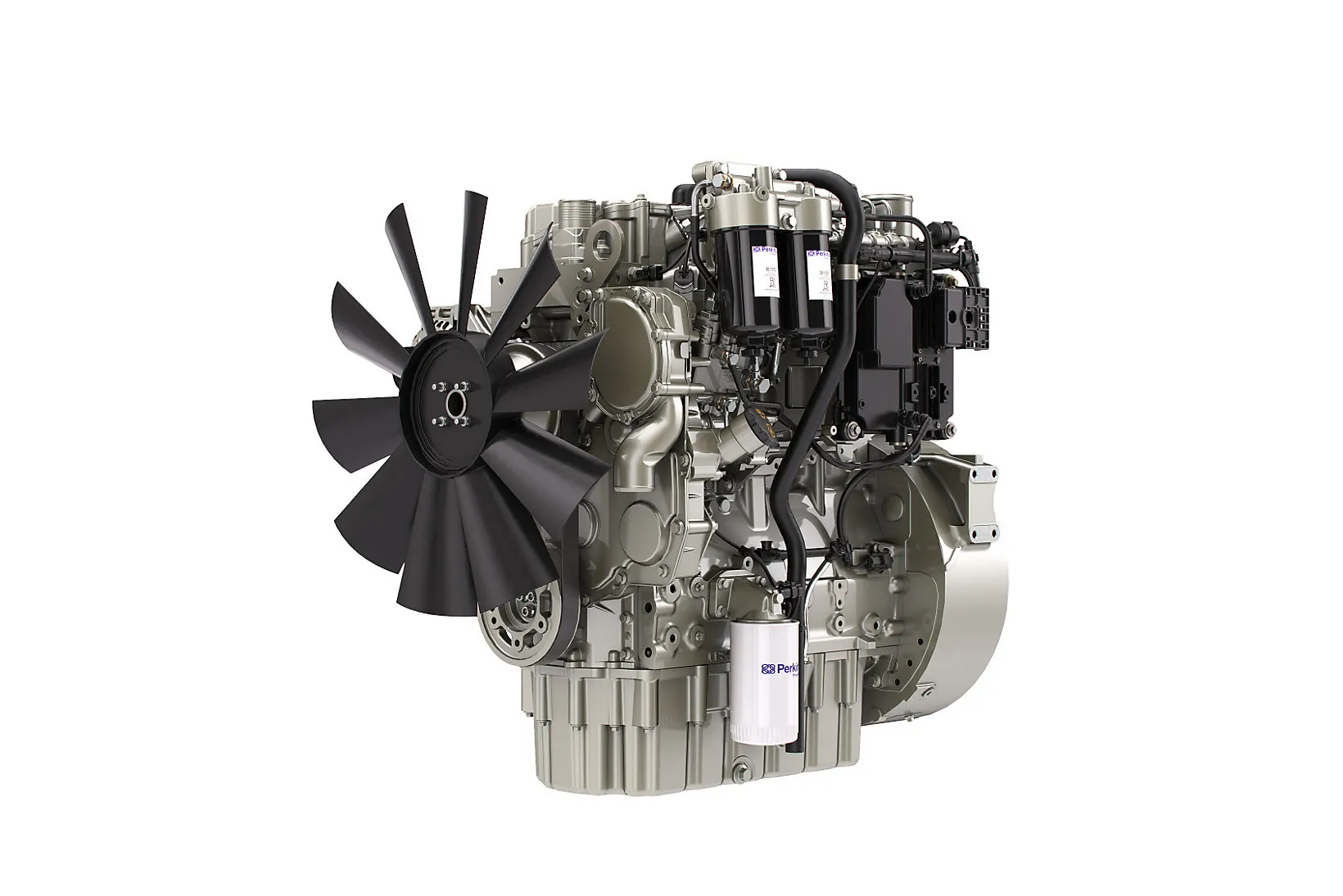
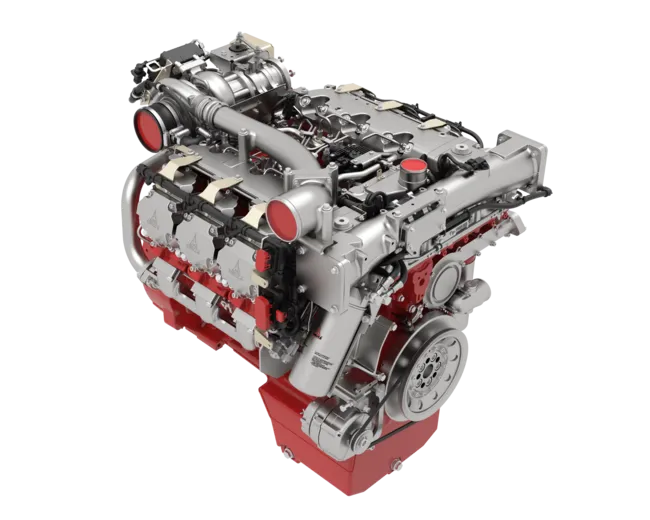
Engine oil does more than provide lubrication; it also offers valuable insight into the engine's internal wear and operating conditions. For this reason, oil analysis has become an essential part of maintenance planning, especially for industrial engines such as Deutz, Perkins, and Cummins that operate under demanding conditions.
What Is Engine Oil Analysis?
Engine oil analysis is a maintenance method in which an oil sample is collected at regular intervals and examined in a laboratory to assess the overall condition of the engine.
This analysis provides valuable information, including:
- metal wear particles,
- oil condition,
- contamination levels,
- water or fuel contamination,
- changes in oil viscosity.
In short, it helps identify what is happening inside the engine without disassembling it.
Why Is Oil Analysis Performed?
Most engine failures do not occur suddenly. Components gradually wear over time, and the earliest signs of this wear are often found in the engine oil.
Regular industrial engine oil analysis makes it possible to:
- detect potential failures at an early stage,
- reduce unplanned downtime,
- control maintenance costs,
- extend engine service life.
Research also shows that early detection of lubrication degradation and oil contaminants plays a significant role in reducing wear and supporting predictive maintenance strategies.
When Should Oil Analysis Be Performed?
Although every operation follows its own maintenance schedule, oil analysis is particularly recommended in the following situations:
- during scheduled maintenance intervals,
- before an engine overhaul,
- after an engine overhaul,
- for engines operating under heavy workloads,
- when fuel consumption increases,
- when a decline in engine performance is observed.
Regular oil analysis, especially for Deutz, Perkins, and Cummins engines, can significantly improve maintenance planning and operational efficiency.
What Problems Can Oil Analysis Detect?
Oil analysis can identify the following issues before they develop into major failures:
- bearing and journal wear,
- piston or cylinder wear,
- oil reaching the end of its service life,
- water contamination caused by cooling system issues,
- fuel leakage into the oil.
This allows maintenance teams to repair only the affected components, helping avoid unnecessary maintenance expenses.
How Does Regular Oil Analysis Improve Engine Performance?
Regular engine oil analysis is not only valuable for detecting faults but also for maintaining optimal engine performance.
With timely oil analysis:
- maintenance intervals can be planned more accurately,
- engine performance can be maintained,
- fuel efficiency can be improved,
- unplanned production downtime can be minimized.
For industrial engines with high operating hours, this process can provide significant long-term cost savings.
Professional Engine Maintenance Solutions with Fermot
Fermot provides maintenance, technical service, engine overhaul, and genuine spare parts solutions for Deutz, Perkins, and Cummins engines.
Accurately analyzing engine operating conditions and planning maintenance activities on time helps extend engine life while reducing operating costs. With professional technical support, potential failures can be identified before they become major problems, ensuring uninterrupted production and reliable engine performance.