Why Does Engine Oil Pressure Drop in Diesel Engines? Symptoms and Causes
For industrial diesel engines to operate with a long service life and efficiently, the proper functioning of the lubrication system within the engine is of great importance. Engine oil reduces friction between moving parts while also helping to control the heat generated during operation and protect engine components.
One of the important indicators of this system is engine oil pressure. A drop in oil pressure may indicate that the lubrication system is not working adequately within the engine, and if not intervened in time, it can lead to serious mechanical problems.
So why does engine oil pressure drop? What are the symptoms of low oil pressure, and what should be considered for the healthy operation of the engine lubrication system?
What Is Engine Oil Pressure?
Engine oil pressure is the pressure level that enables the lubrication system to deliver sufficient oil to the moving parts within the engine.
While the engine is running, the oil circulated by the oil pump reaches many parts such as bearings, crankshaft, camshaft, and other moving components.
The presence of adequate oil pressure is important for these parts to be properly lubricated.
Why Is Engine Oil Pressure Important?
There are many moving parts inside the engine. The continuous operation of these parts in contact with each other causes friction and heat generation.
Engine oil helps reduce friction by forming a protective layer between these parts.
When oil pressure is lower than it should be:
- Lubrication of engine parts may be insufficient.
- Friction and wear may increase.
- Engine operating temperature may be affected.
- The risk of damage to mechanical parts may increase.
- Major engine failures may occur.
Therefore, changes in oil pressure should not be ignored.
What Are the Symptoms of Low Engine Oil Pressure?
A drop in engine oil pressure can manifest itself in different ways. However, since these symptoms may also be related to different engine problems, a technical inspection is required for a definitive diagnosis.
- Oil Pressure Warning
The engine giving a warning related to oil pressure is one of the important signs indicating that the system needs to be checked.
If the warning light comes on or an error related to oil pressure is seen in the engine control system, the engine\'s operating conditions should be evaluated.
- Change in Engine Sound
When adequate lubrication is not provided, friction between moving parts inside the engine may increase.
This can cause metallic or knocking-like sounds different from the normal operating sound.
- Change in Engine Performance
Problems in the lubrication system can also affect the overall operating performance of the engine.
If a noticeable change is observed in the engine\'s normal operating characteristics, both the lubrication system and other engine components should be inspected.
- Engine Overheating
Engine oil not only lubricates parts but also contributes to controlling the heat inside the engine.
Problems occurring in the lubrication system may, in some cases, cause an increase in engine temperature.
Why Does Engine Oil Pressure Drop?
Low oil pressure does not have a single cause. The engine\'s usage conditions, maintenance history, and mechanical condition can lead to different causes.
- Low Engine Oil Level
Insufficient engine oil level can negatively affect the operating conditions of the lubrication system.
Therefore, the engine oil level should be checked at the intervals and using the method recommended by the manufacturer.
- Use of Incorrect Engine Oil
It is not correct to use the same type of engine oil for every engine.
It is necessary to use oil that conforms to the viscosity and technical specifications determined by the engine manufacturer.
Incorrect oil selection can affect the engine\'s operating conditions and the performance of the lubrication system.
- Clogged Oil Filter
The oil filter helps limit the circulation of dirt and particles in the engine oil within the system.
Failure to replace the filter in time or using an unsuitable filter can affect the operating conditions of the lubrication system.
- Oil Pump Problem
The oil pump plays an important role in generating engine oil pressure.
If the pump is worn or not working properly, the circulation and pressure of the oil within the engine can be affected.
- Wear Inside the Engine
As a result of long-term use of the engine, wear may occur on crankshaft bearings, piston systems, or other mechanical components.
Some mechanical wear can cause a drop in oil pressure.
When Should Engine Oil and Oil Filter Be Changed?
The intervals for changing engine oil and oil filter may vary depending on the engine model, operating hours, and usage conditions.
Especially in industrial engines operating under heavy loads or for extended periods, it is important to establish a maintenance program in accordance with the manufacturer\'s recommendations.
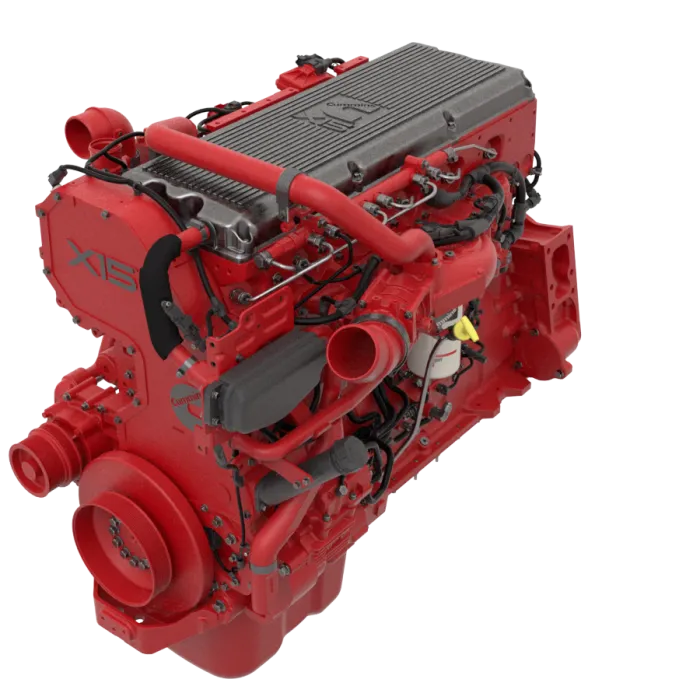
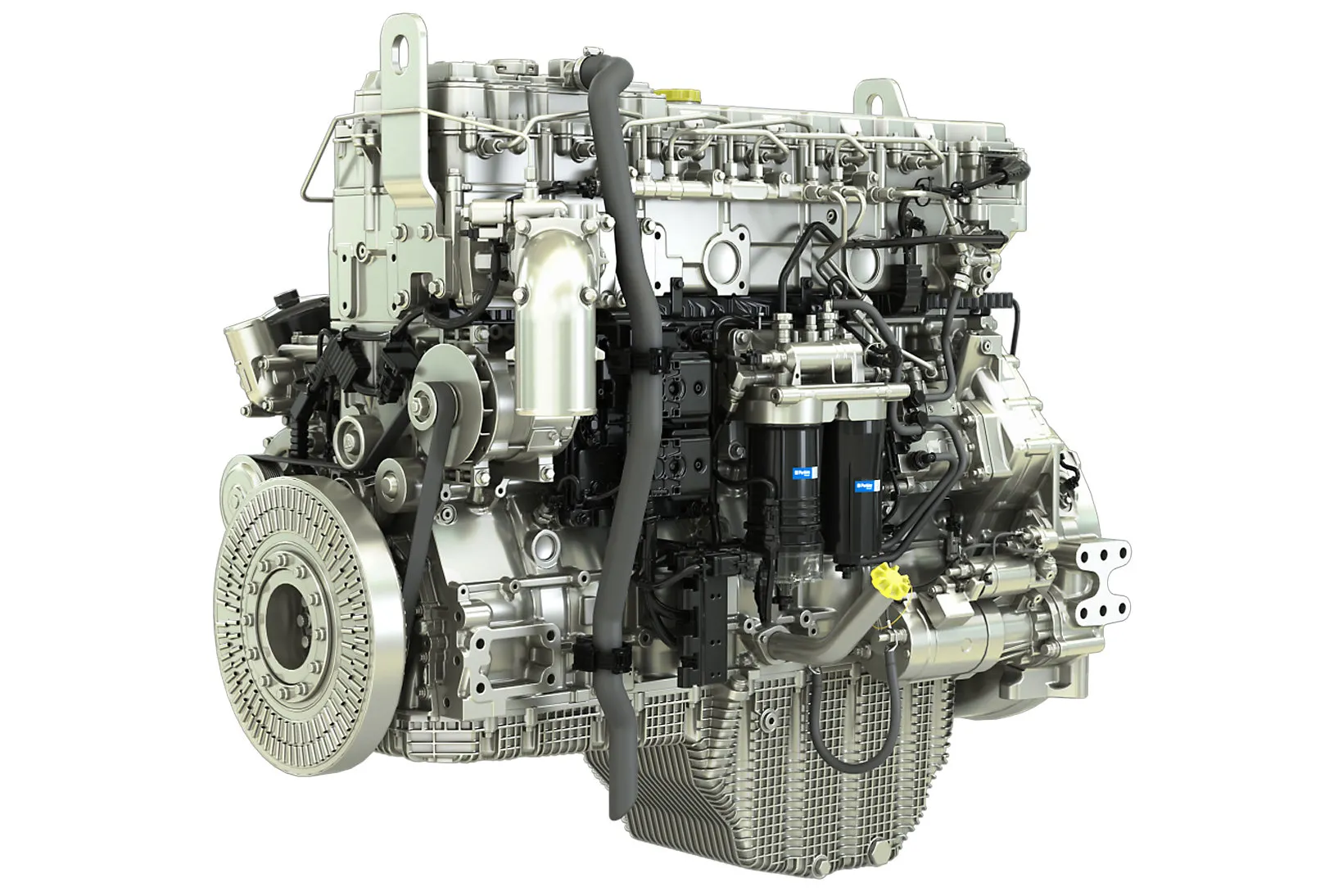
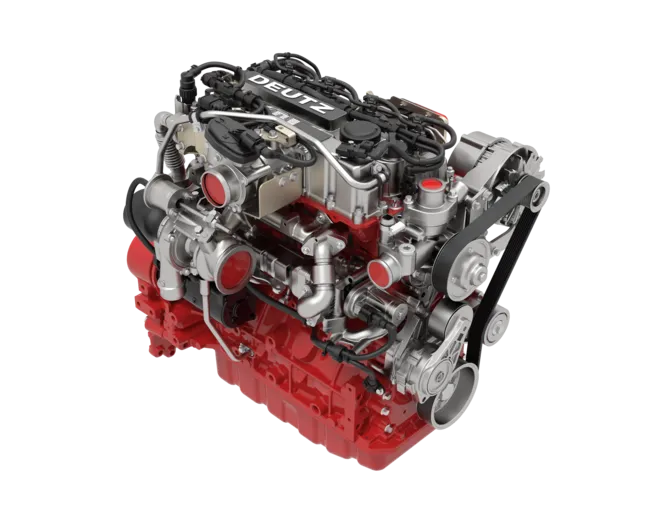
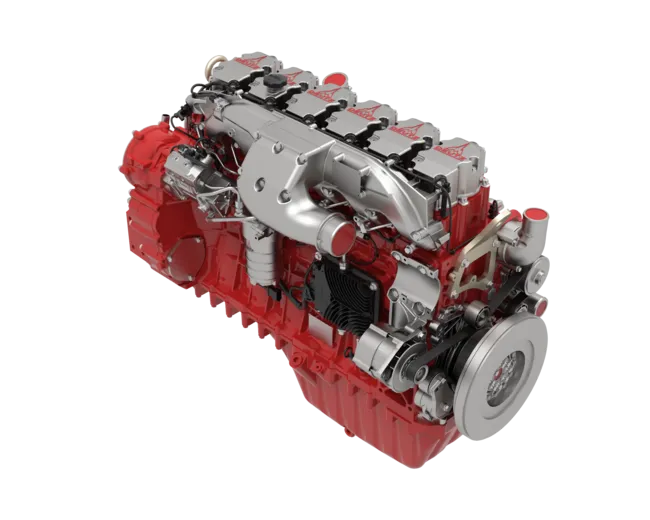
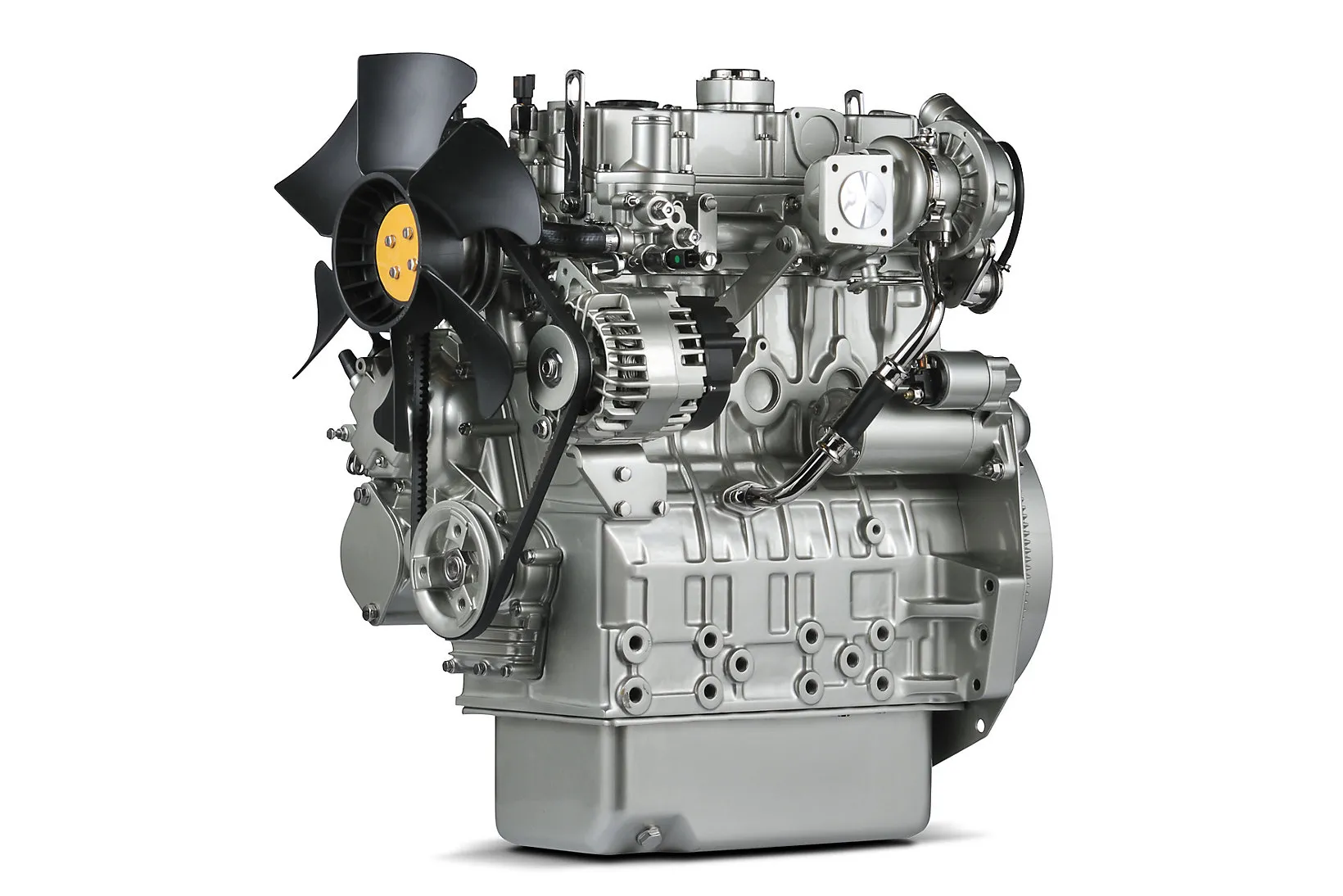
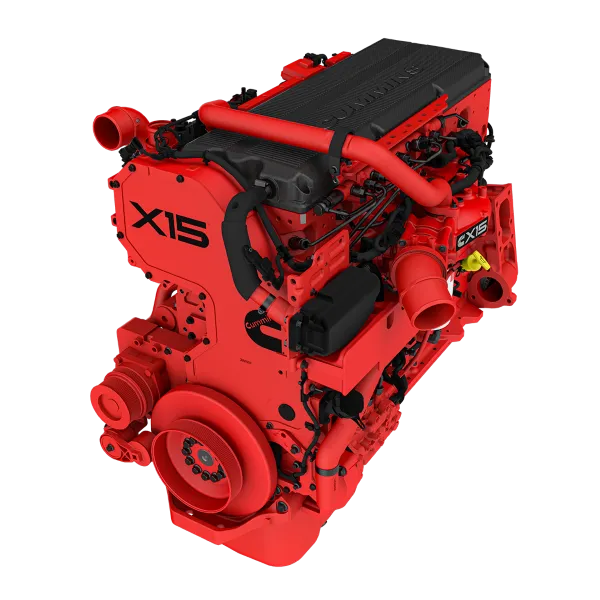
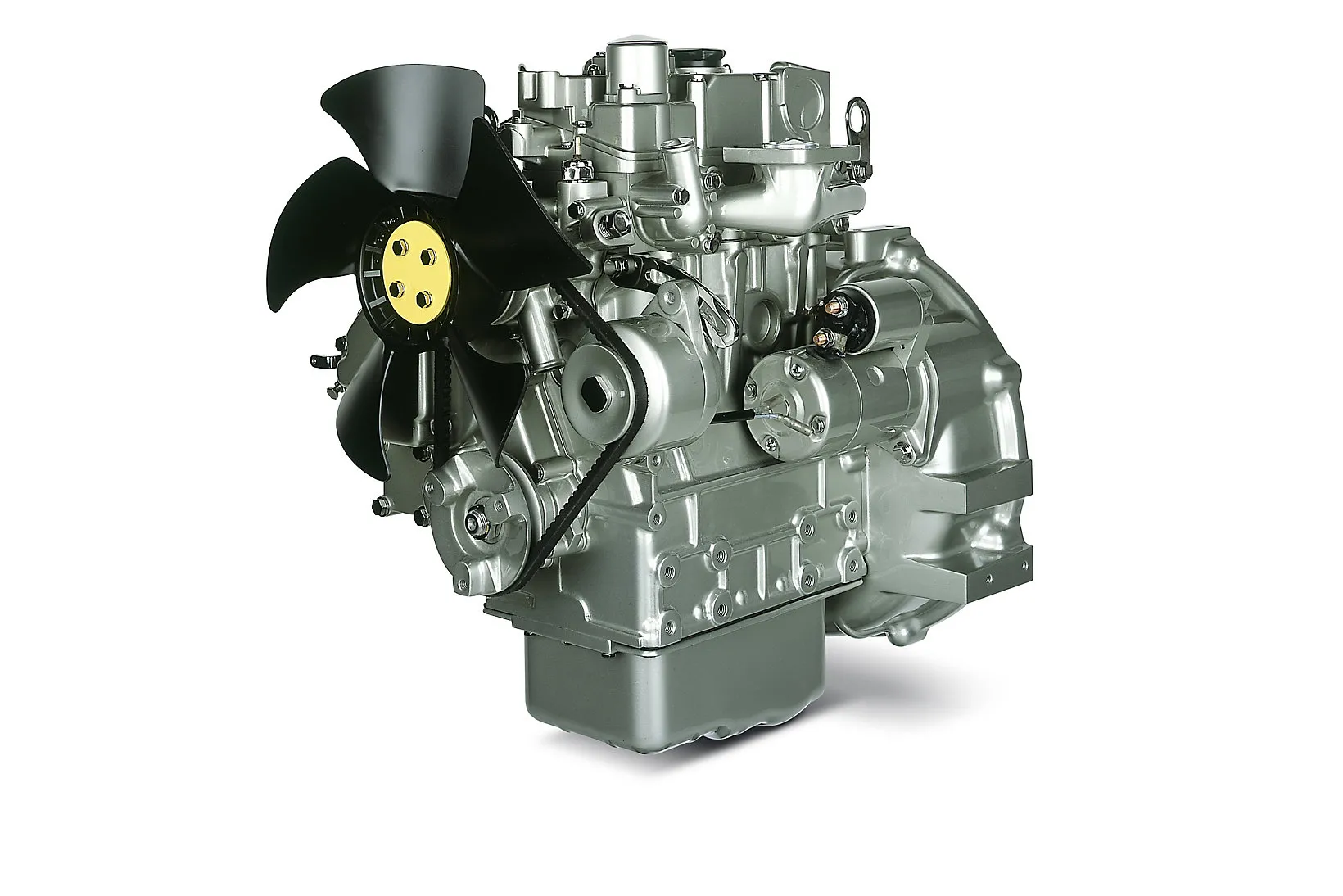
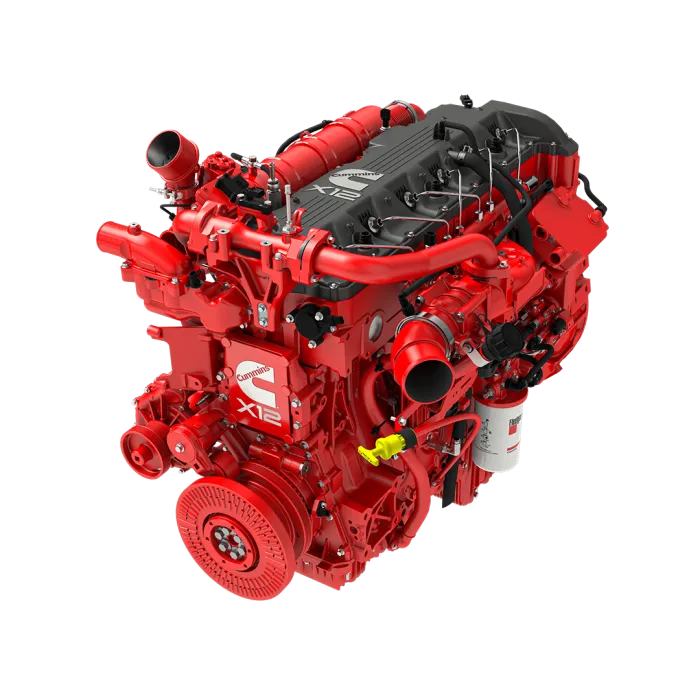
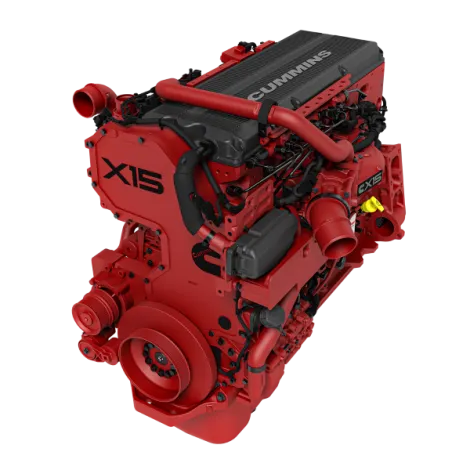
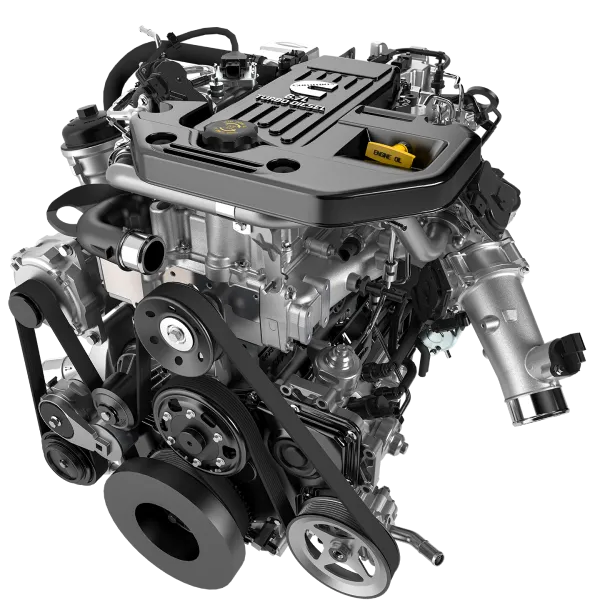
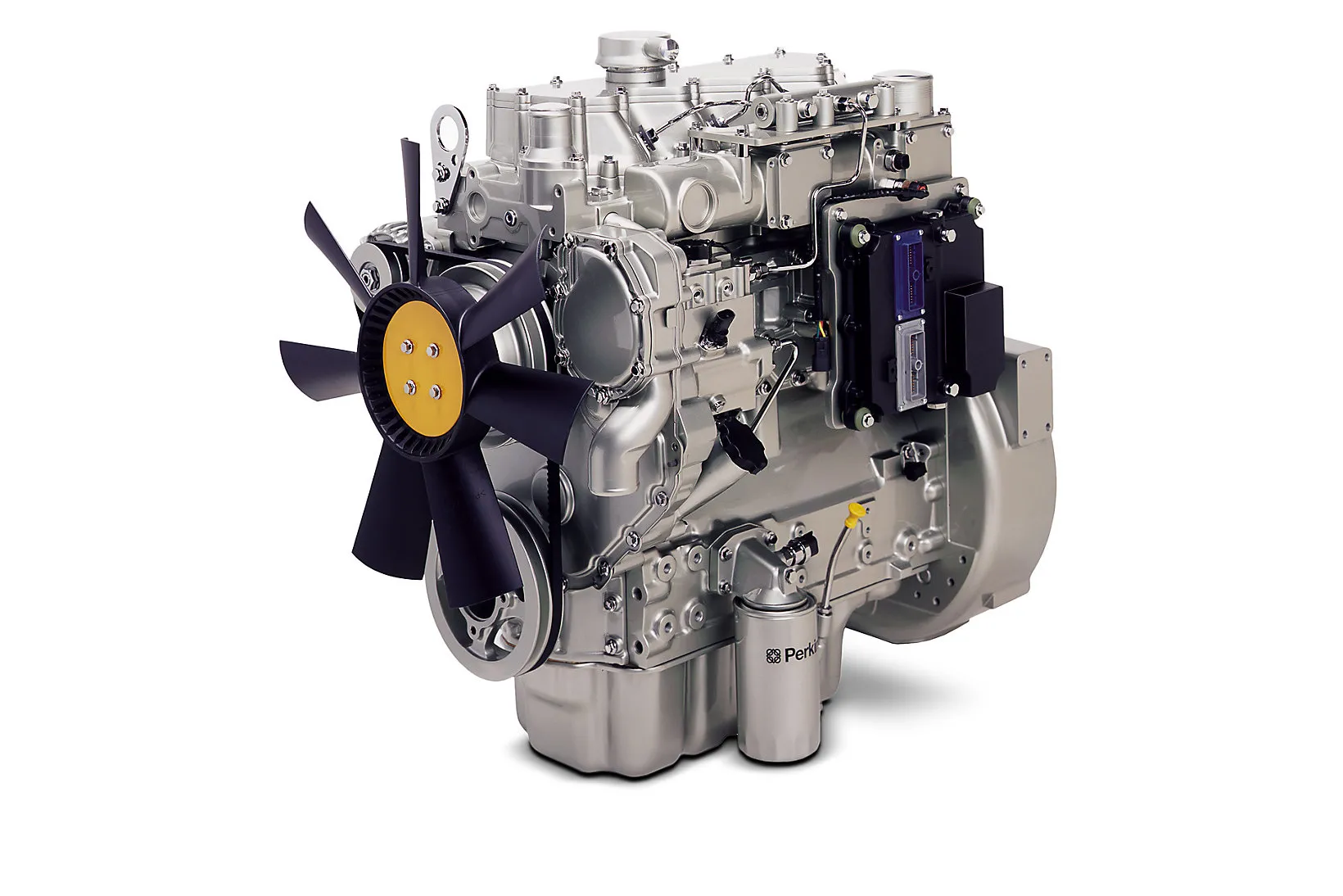
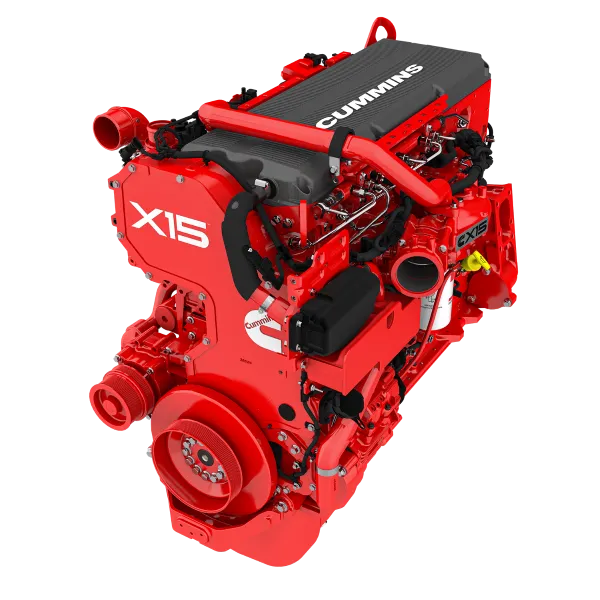
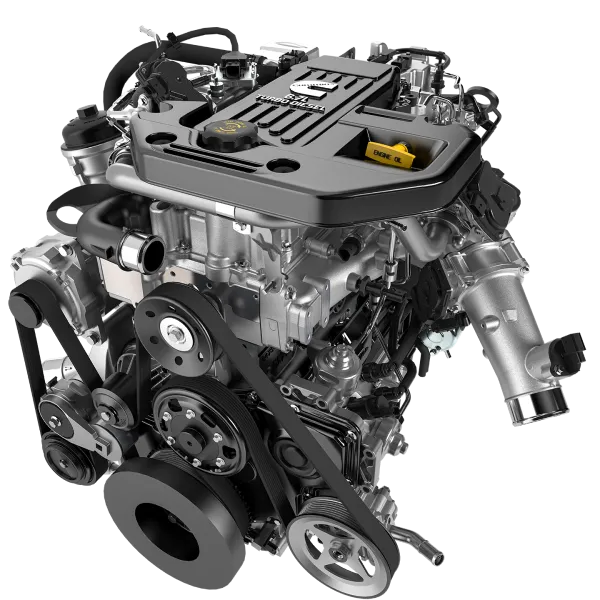
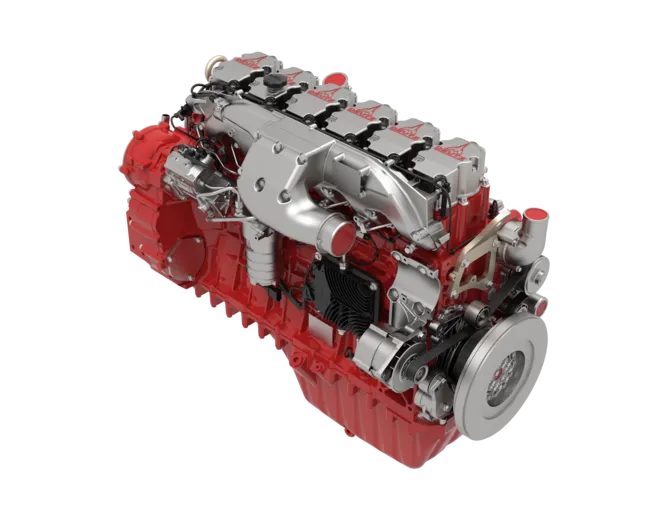
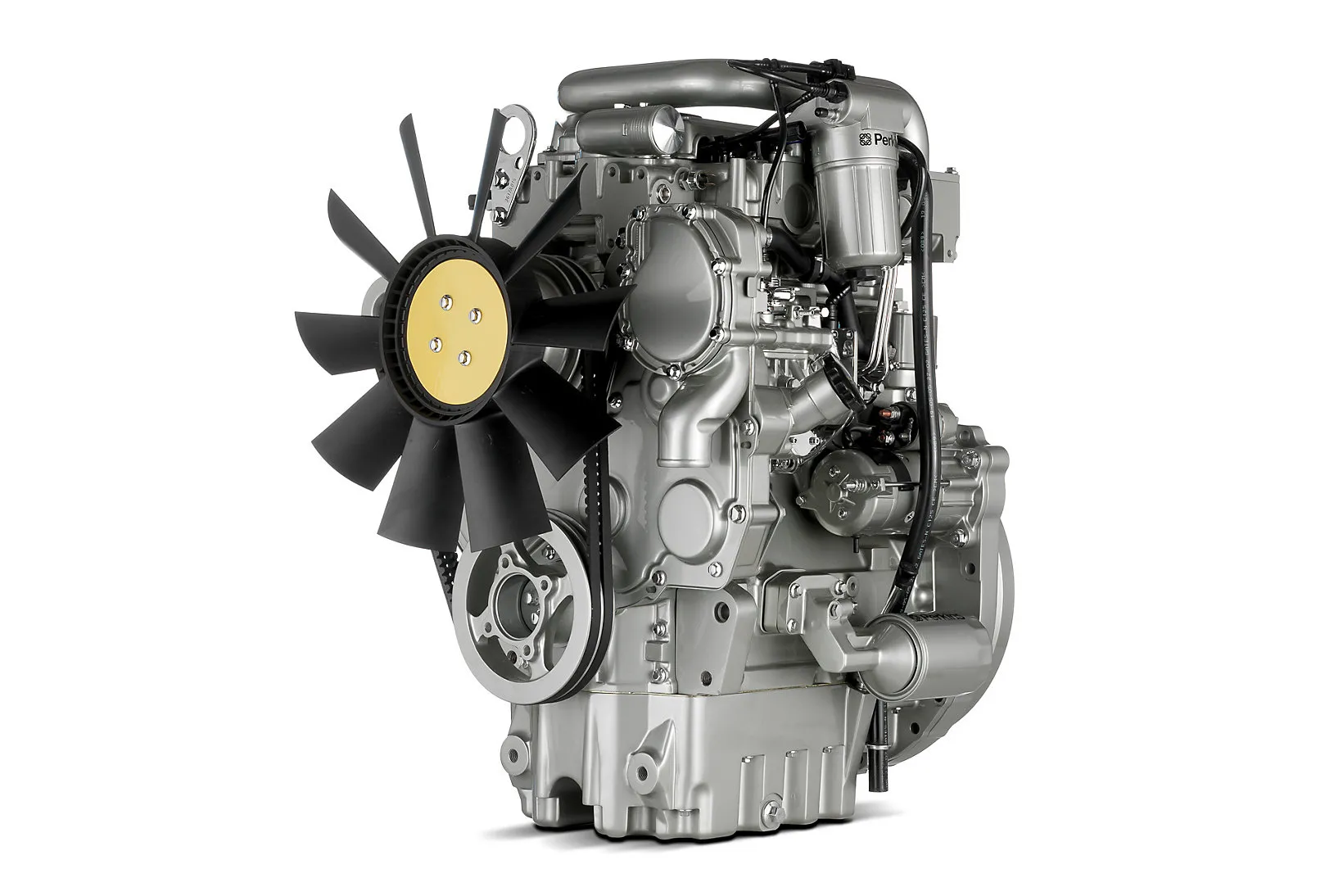
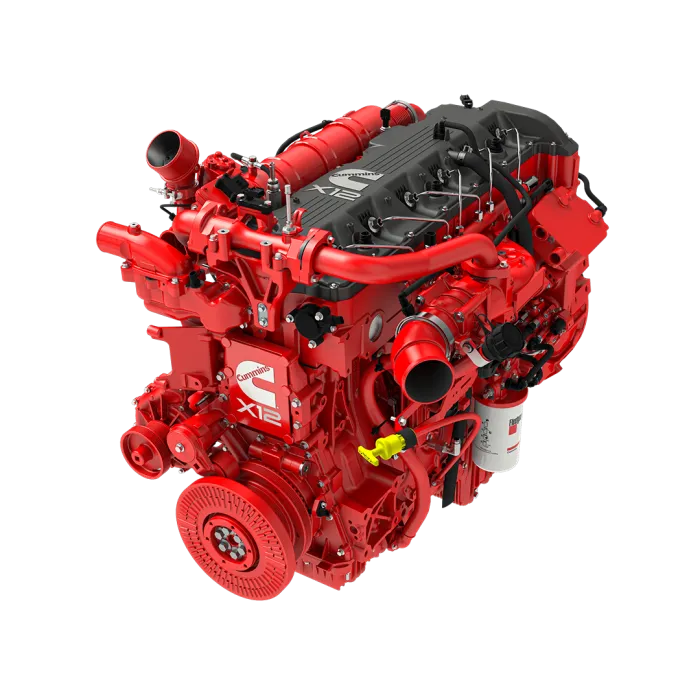
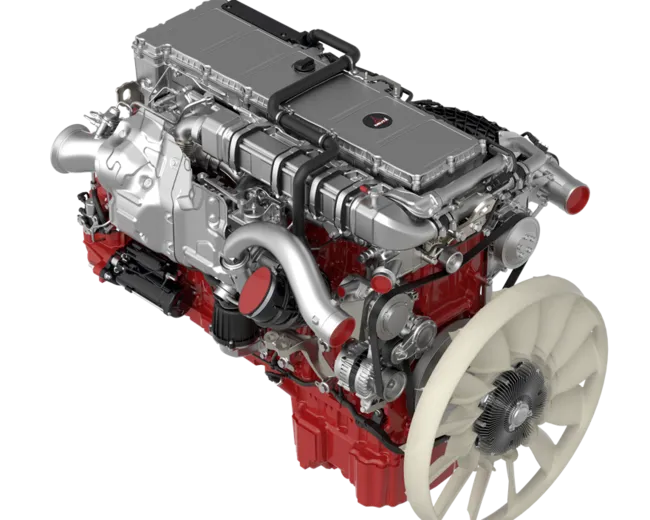
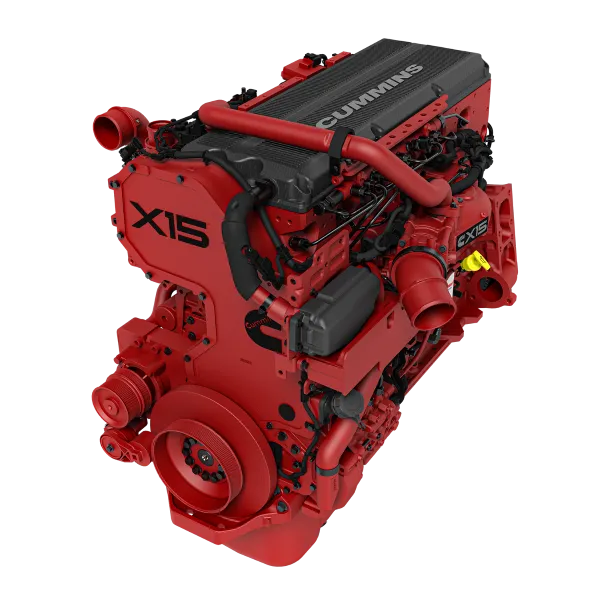
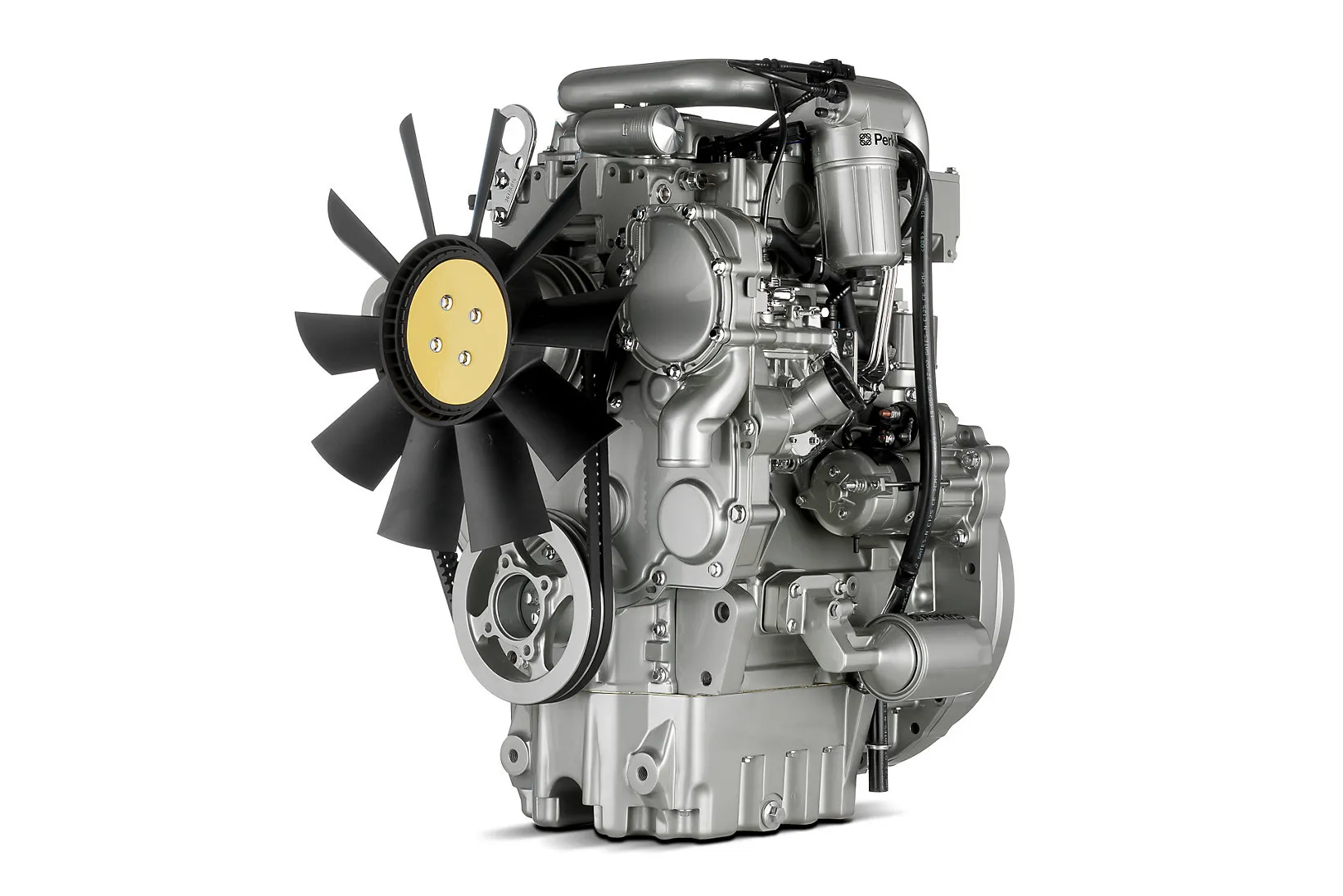
Since different engine manufacturers such as Perkins, Deutz, and Cummins have different engine models, a single maintenance interval is not applicable to all engines.
Should the Engine Be Operated If Oil Pressure Is Low?
If a serious drop in oil pressure is suspected, continuing to operate the engine may lead to greater mechanical damage.
Especially if symptoms such as oil pressure warning, unusual engine noise, or noticeable performance changes are observed together, the engine should be inspected by an authorized service.
The Importance of Professional Engine Service
When a problem related to engine oil pressure is observed, simply adding oil may not always be sufficient.
To determine the source of the problem:
- Engine oil level
- Oil filter
- Oil pump
- Lubrication channels
- Engine mechanical components
must be evaluated together.
Accurate diagnosis can help prevent unnecessary parts replacement while also helping to prevent major engine damage.
Professional Engine Service with Fermot
Fermot Motorlu Araçlar provides service, original spare parts, and overhaul solutions for Perkins, Deutz, and Cummins industrial engines.
Evaluation of problems occurring in the engine lubrication system by an expert technical team is important for determining the correct maintenance and repair process.
Conclusion: Oil Pressure Is One of the Important Indicators of Engine Health
Engine oil pressure is one of the important values to be monitored for the healthy operation of industrial diesel engines.
Low oil level, incorrect oil usage, filter problems, oil pump failures, or mechanical wear inside the engine can cause a drop in oil pressure.
Thanks to regular maintenance and proper technical inspections, lubrication system problems can be detected at an early stage.
As Fermot, we support the reliable operation of your Perkins, Deutz, and Cummins engines with expert service, spare parts, and overhaul solutions.
Frequently Asked Questions
Why does engine oil pressure drop?
Low oil level, incorrect oil usage, clogged filter, oil pump problems, or mechanical wear inside the engine can cause oil pressure to drop.
Does low oil pressure damage the engine?
Yes. Insufficient oil pressure can lead to inadequate lubrication of engine parts and, in the long term, serious mechanical damage.
Does the oil filter affect oil pressure?
A clogged or unsuitable oil filter can negatively affect the operating conditions of the lubrication system.
Can the engine be operated while oil pressure is low?
If a serious oil pressure problem is suspected, it is safer to have the engine inspected by an authorized service rather than continuing to run it.
Can the same engine oil be used for every diesel engine?
No. Engine oil selection should be made according to the technical specifications of the engine model and the requirements determined by the manufacturer.