The efficient, balanced, and safe operation of industrial diesel engines depends not only on the condition of their mechanical components. Today, electronic control systems also play an important role in managing engine performance in many engines. At the center of these systems is the ECU (Electronic Control Unit), which continuously monitors engine operating conditions and ensures that different components work in harmony.
Electronic engine management systems, particularly those used in construction machinery, generators, and heavy-duty industrial equipment, help control various parameters such as fuel injection, engine speed, temperature, and operating load.
What Is an ECU in Industrial Engines?
ECU is an abbreviation for Electronic Control Unit. The ECU used in engines is an electronic control unit that monitors engine operating conditions, evaluates data received from sensors, and manages the relevant systems according to predefined operating strategies.
In modern industrial diesel engines, the ECU is one of the fundamental components of the engine\'s electronic management system. By evaluating information received from sensors on the engine, it helps control parameters such as fuel injection timing, injection quantity, and engine speed.
For example, when the engine temperature rises or the operating load changes, the ECU analyzes data received from the relevant sensors. It then implements control decisions that help keep the engine within its designed operating limits.
The primary purpose of the ECU is not simply to ensure that the engine runs. It also helps establish an appropriate balance between performance, fuel efficiency, emission levels, and operating safety.
What Does an ECU Do in Industrial Engines?
In industrial engines, the ECU brings together data from different systems to electronically manage engine operating conditions. This allows the engine to be controlled in accordance with changing operating conditions.
The main functions of an ECU include:
- Managing fuel injection: Controls the amount and timing of fuel injection according to the engine\'s operating conditions.
- Controlling engine speed: Evaluates data such as throttle demand and engine load to help maintain the target engine speed.
- Monitoring temperature values: Tracks parameters such as coolant temperature and intake air temperature.
- Evaluating engine load: Enables the implementation of control strategies suited to changes in the load experienced by the engine.
- Managing fault records: Can evaluate abnormal data received from sensors or electronic systems and generate fault codes.
- Controlling emission systems: Depending on the engine design, manages the operation of emission control systems such as EGR and SCR.
Through these functions, the ECU contributes to more controlled and balanced engine operation under different operating conditions.
How Does an Engine Management System Work?
An engine management system is an integrated system consisting of sensors, an electronic control unit, and actuators. In this system, the ECU evaluates data received from sensors to determine the engine\'s current condition and sends the necessary control commands to the relevant components.
The operating process generally takes place in three stages:
- Receiving data from sensors
Sensors located on the engine measure information such as engine speed, temperature, air pressure, fuel pressure, and throttle demand. This data is transmitted to the ECU, providing information about the engine\'s real-time operating conditions.
- Evaluation of data by the ECU
The ECU evaluates the information received from sensors according to predefined control strategies and operating maps. Necessary control calculations are performed by taking variables such as the engine\'s current load, temperature, and speed into account.
- Sending control commands to actuators
Based on the evaluation, the ECU sends commands to fuel injectors or other electronically controlled components. This ensures that the engine responds appropriately to its operating conditions.
This process is repeated continuously while the engine is running. For example, when a construction machine climbs a slope or a generator suddenly experiences a change in load, the engine\'s operating conditions change. The ECU evaluates sensor data and helps the engine respond appropriately to these changes.
Which Sensors and Components Does the ECU Control?
The sensors and control components used in industrial engines may vary depending on the engine\'s brand, model, and electronic equipment. However, many modern diesel engines feature similar basic sensor groups.
Crankshaft position sensor: Determines the rotational speed and position of the crankshaft. The ECU uses this information to calculate engine speed and manage injection timing.
Camshaft position sensor: Monitors the position of the camshaft and helps determine the engine\'s operating cycle.
Coolant temperature sensor: Measures the temperature of the engine coolant. The ECU uses this data in control strategies suited to the engine\'s temperature conditions.
Intake manifold pressure sensor (MAP): Measures air pressure in the intake system and contributes to the evaluation of engine air intake and load conditions.
Mass air flow sensor (MAF): In engine designs where it is installed, measures the mass of air entering the engine.
Fuel pressure sensor: Monitors the pressure in the fuel system. It is particularly important for fuel pressure management in electronically controlled common rail systems.
Data received from these sensors enables the ECU to evaluate the engine\'s operating condition. If a sensor sends incorrect data or a problem occurs with its connection, the engine\'s operating characteristics and performance may be affected.
How Can ECU Failure in Industrial Engines Be Identified?
Problems related to the ECU and engine management system can manifest themselves through various symptoms in the engine\'s operation. However, not all of these symptoms necessarily indicate an ECU failure. Problems originating from sensors, wiring connections, power supply, or actuators can also lead to similar results.
Some possible symptoms include:
- Illumination of the engine warning light or display of warning messages
- Unusual engine operation and irregular changes in engine speed
- A decrease in engine performance
- Unexpected increases in fuel consumption
- Difficulty starting the engine or the engine stalling while running
- The engine entering protection mode and limiting its power
When these symptoms occur, focusing solely on replacing the ECU is not the right approach. First, fault codes should be read, sensor data should be checked, electrical connections should be inspected, and the necessary system tests should be performed.
Accurate diagnosis helps identify the actual cause of the engine\'s operating problem while preventing unnecessary component replacements.
Differences Between Mechanical and Electronic Engine Management Systems
In diesel engines, fuel and speed control was largely performed by mechanical systems in the past, whereas electronic control systems are widely used in modern engines.
In mechanical fuel injection systems, fuel quantity and injection timing are controlled through the fuel pump, mechanical governor, and other mechanical components. These systems can operate without requiring electronic ECU control.
In electronic engine management systems, data received from sensors is evaluated by the ECU. Fuel injection and other electronically controlled engine functions are managed according to the engine\'s operating conditions.
Electronic systems can offer advantages such as more precise control, monitoring of fault records, and advanced engine protection strategies. However, the sensors, wiring harness, and control unit must be in good condition for these systems to operate correctly.
Another important point is that not every industrial diesel engine uses an ECU. Some engines still operate with mechanical fuel injection systems. Therefore, the engine\'s brand and model should be taken into account when evaluating its technical specifications.
The Importance of ECU Inspection and Maintenance in Industrial Engines
The proper operation of an ECU depends on the engine management system receiving accurate data. For this reason, not only the electronic control unit itself but also all systems connected to it must be inspected regularly.
Problems with components such as sensor connections, electrical wiring, connectors, the battery, and the charging system can affect electronic engine management. Evaluating engine warnings promptly and interpreting fault codes correctly help prevent more serious problems.
During maintenance and inspection processes, it is important to comply with the technical requirements specified by the engine manufacturer. In addition, using diagnostic equipment compatible with the relevant engine model is essential for accurate fault detection.
Fermot Assurance in Industrial Engine Solutions
Maintaining performance in industrial engines requires the proper evaluation of electronic control systems as well as mechanical components. Compatibility between the ECU, sensors, and fuel injection system is among the factors that directly affect engine operating efficiency.
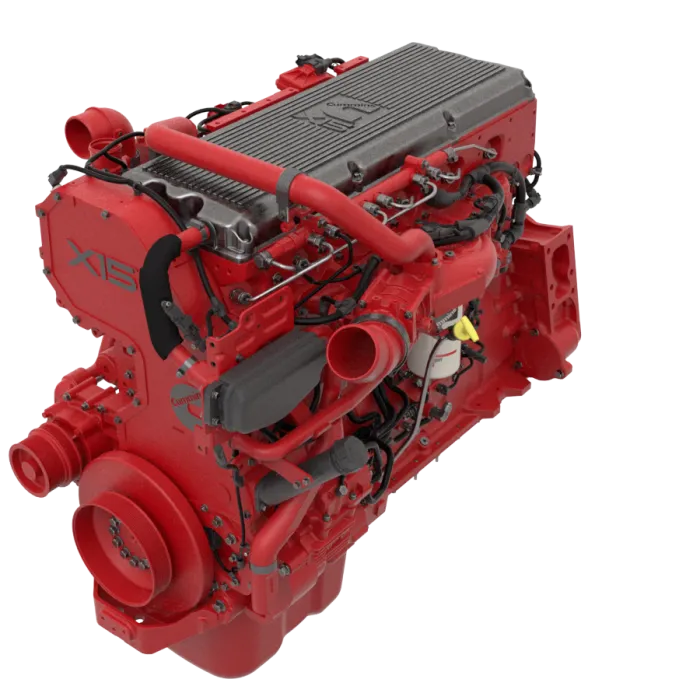
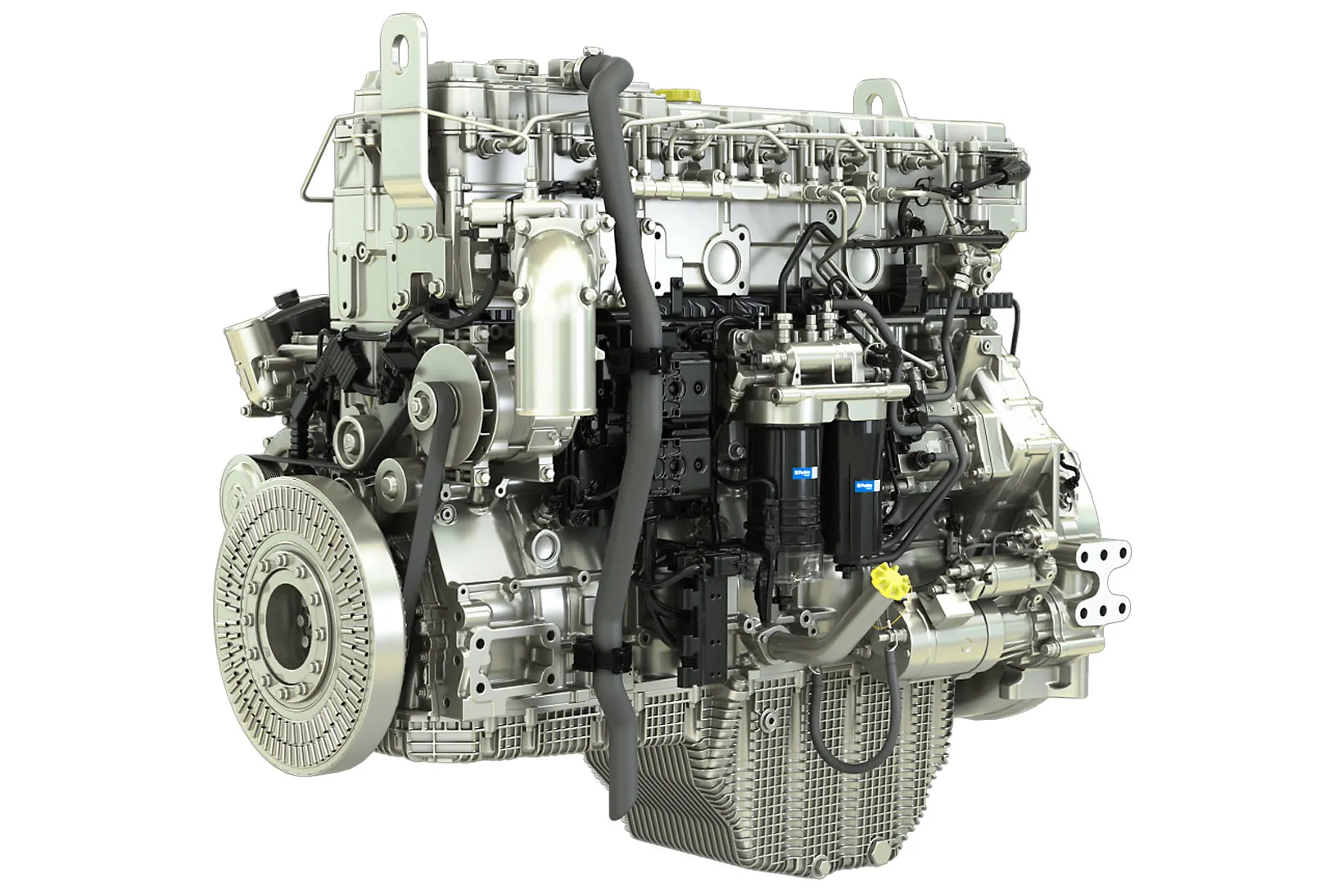
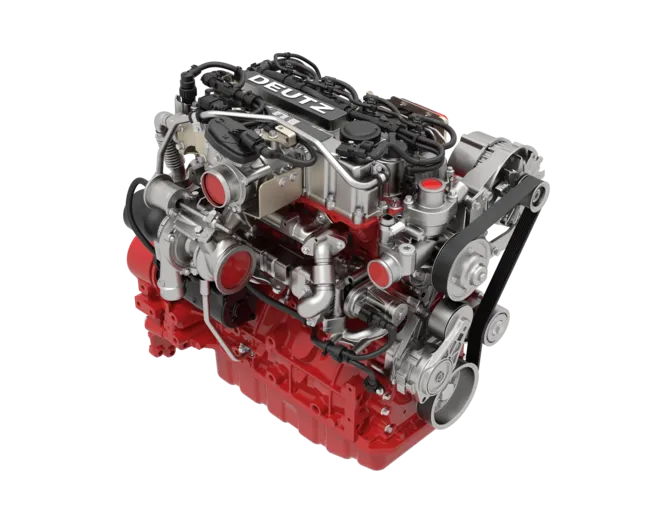
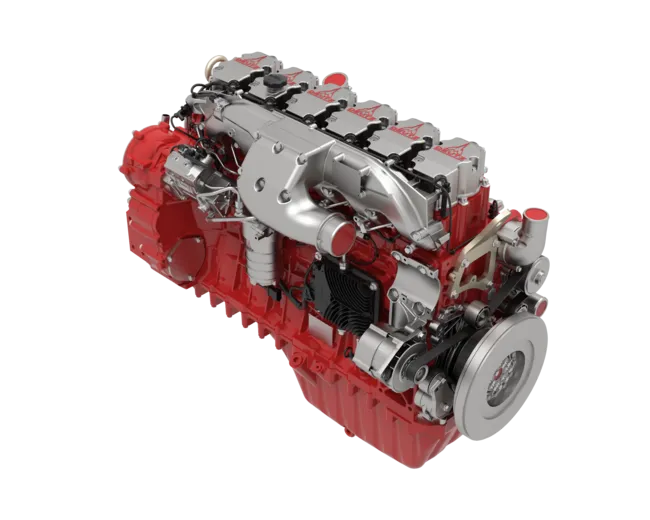
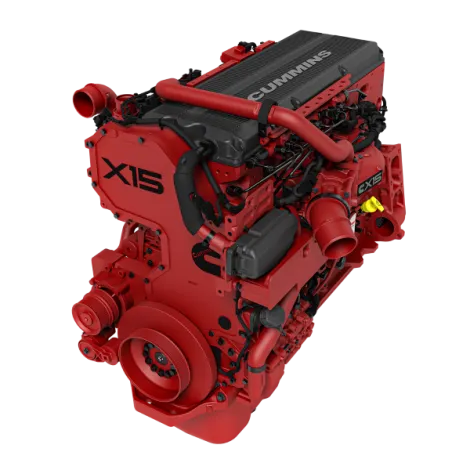
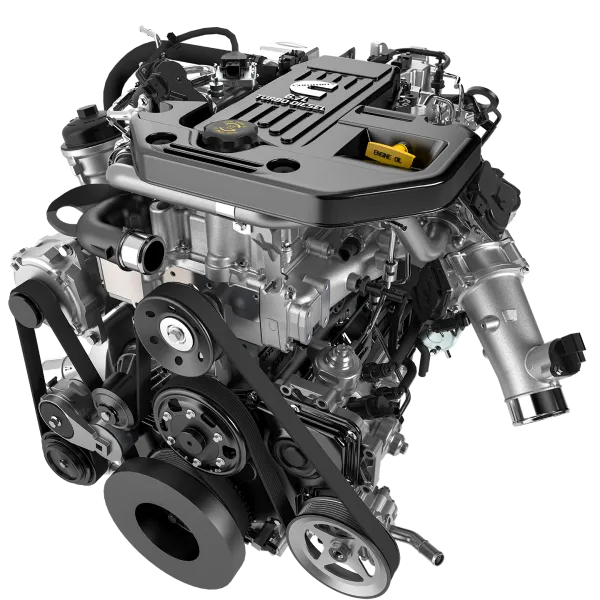
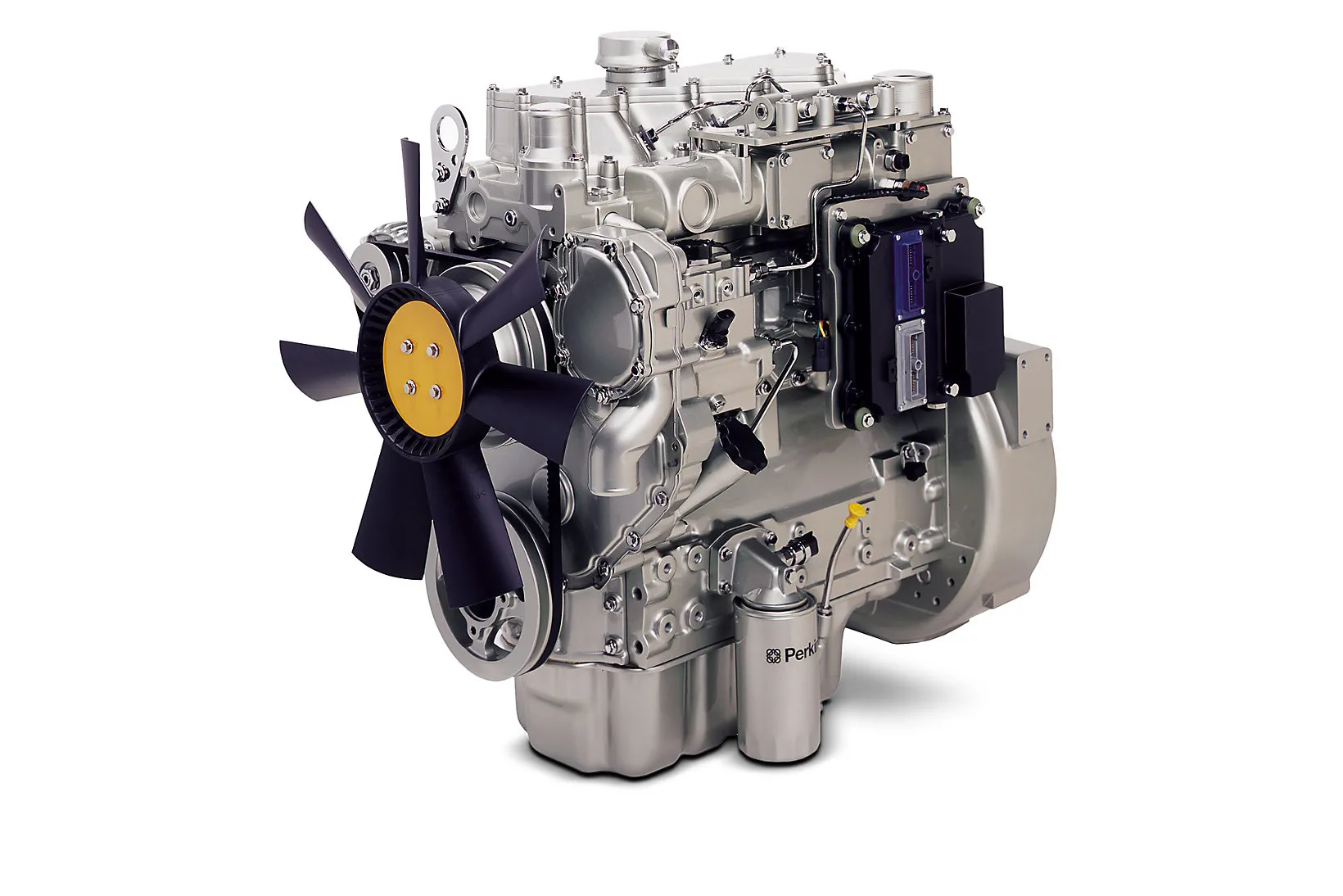
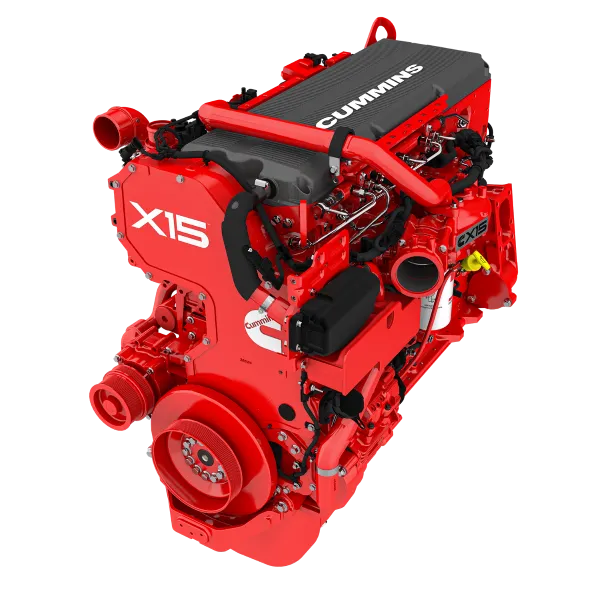
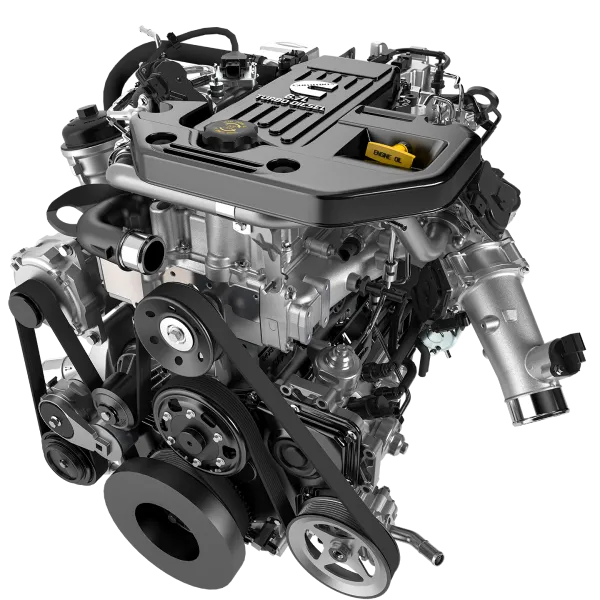
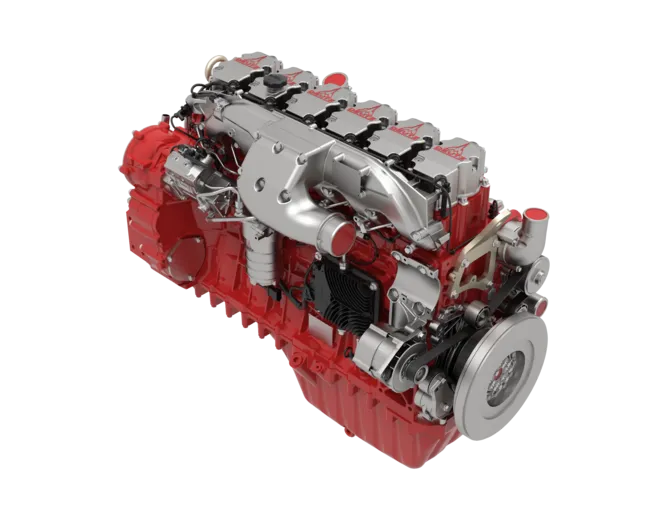
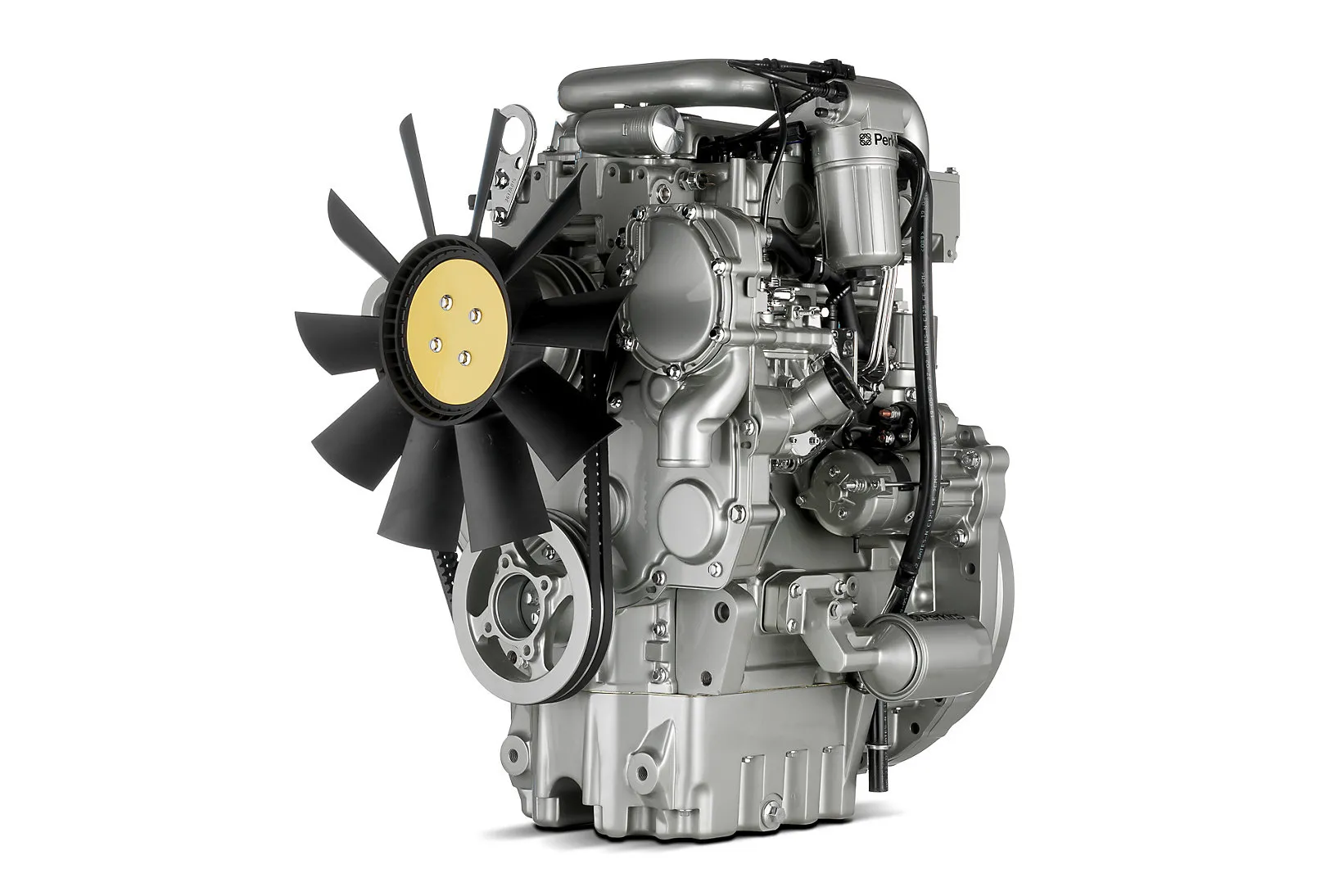
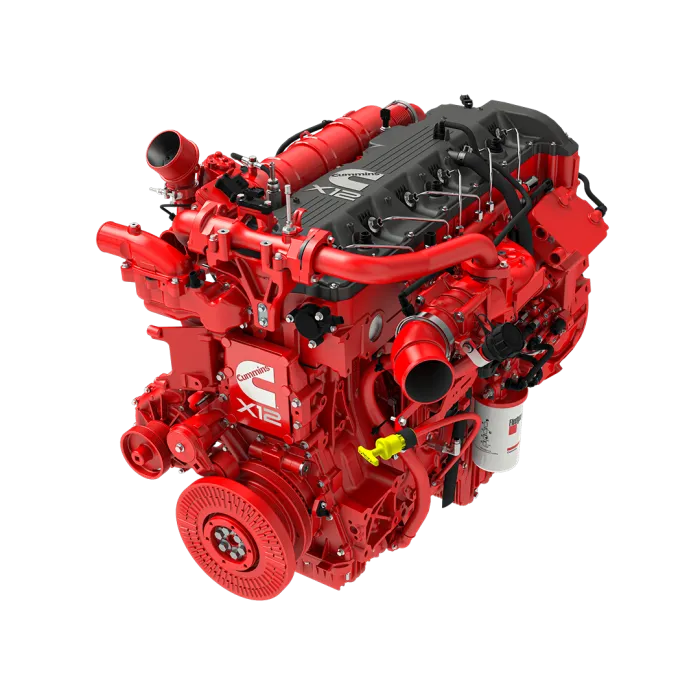
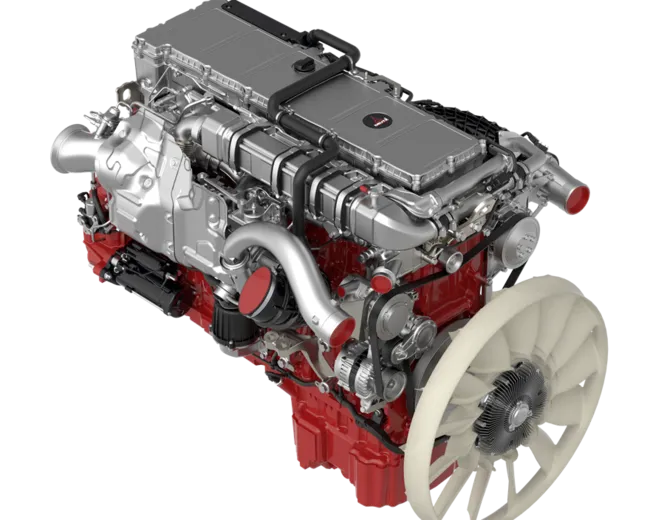
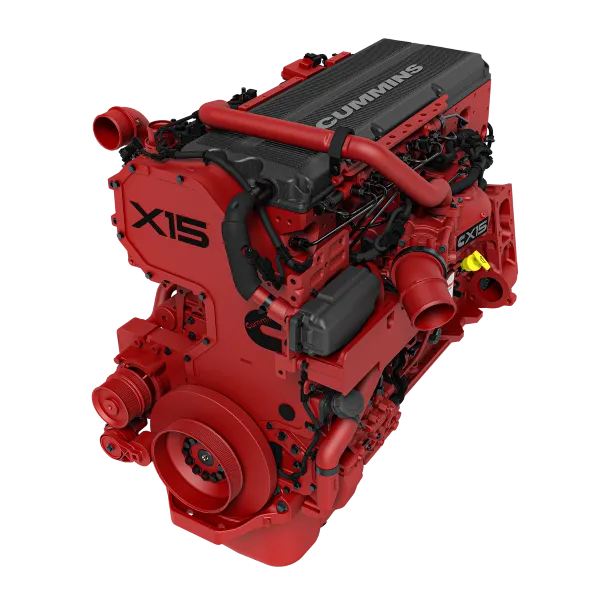
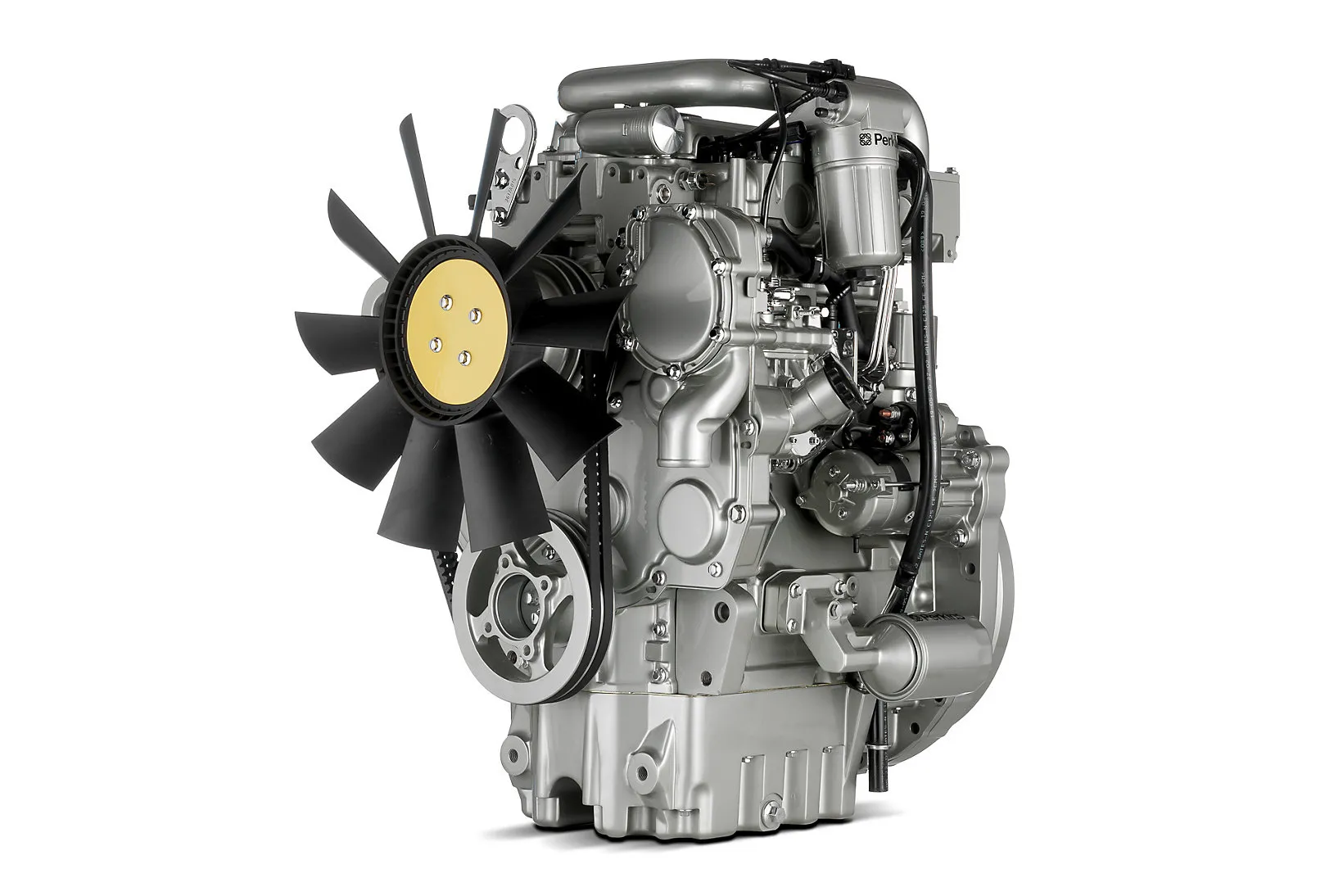
For industrial engine brands such as Perkins, Deutz, and Cummins, selecting the right parts, ensuring technical compatibility, and following maintenance procedures in accordance with manufacturer standards are of great importance.
With its products and services in the field of industrial engines and spare parts solutions, Fermot helps customers access the technical support their engines require. When evaluating suitable spare parts solutions for your engine, considering technical information such as the brand, model, and engine serial number makes it easier to make the right choice.
You can contact Fermot to explore parts and solutions suited to the needs of your industrial engine.