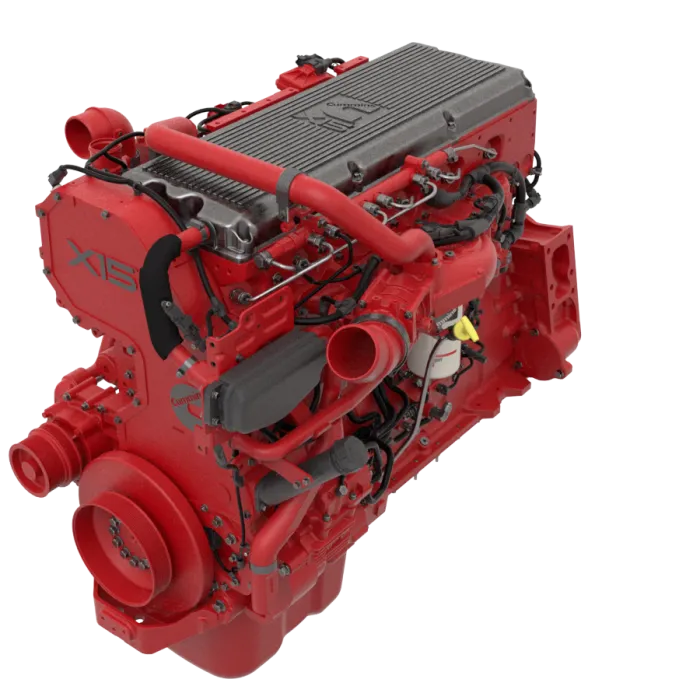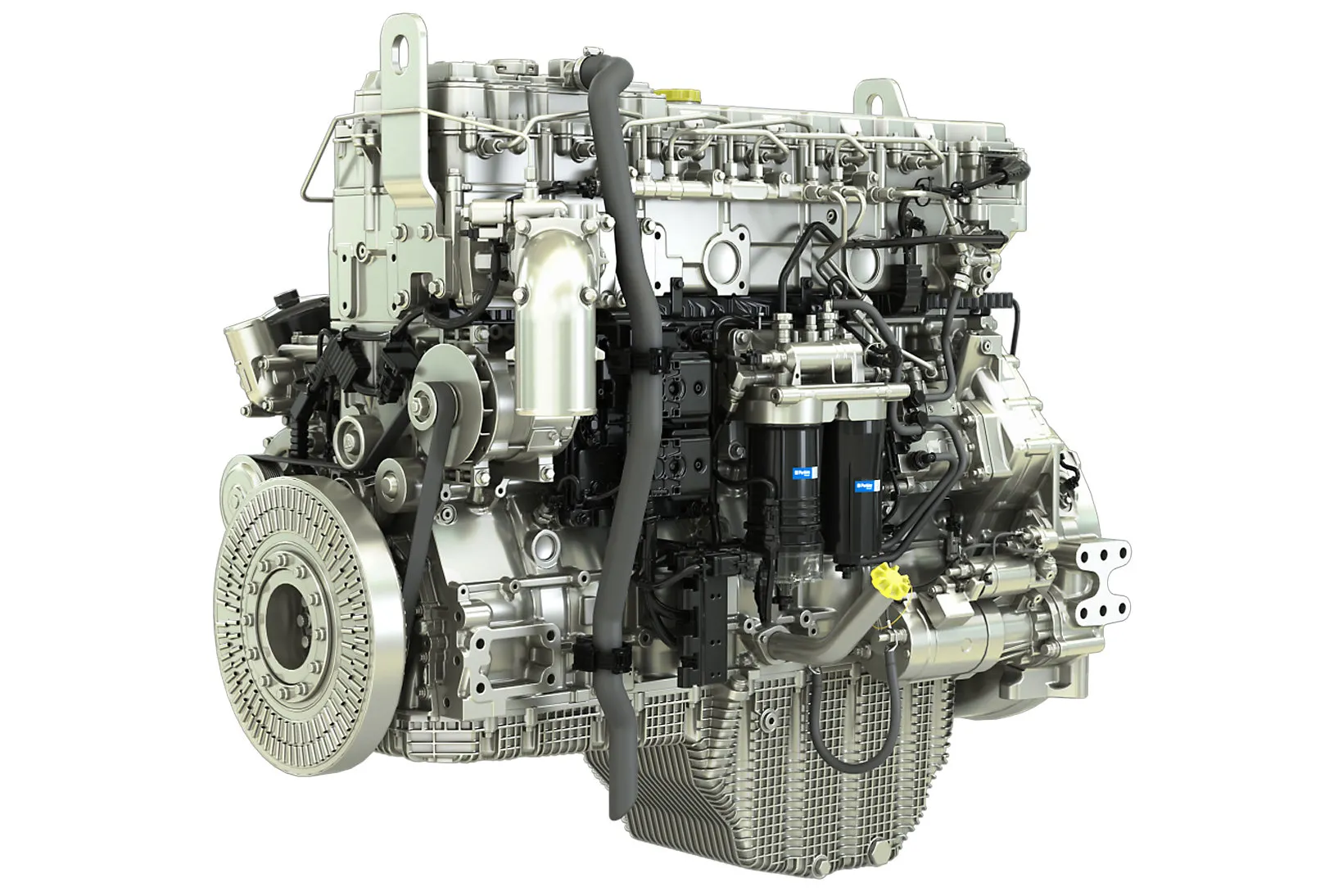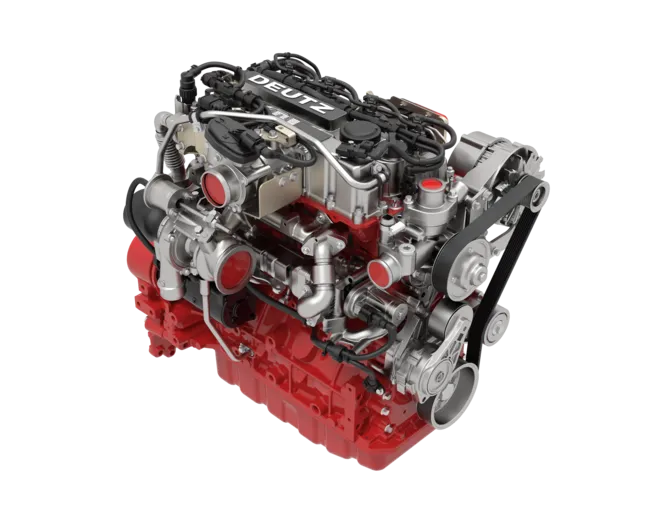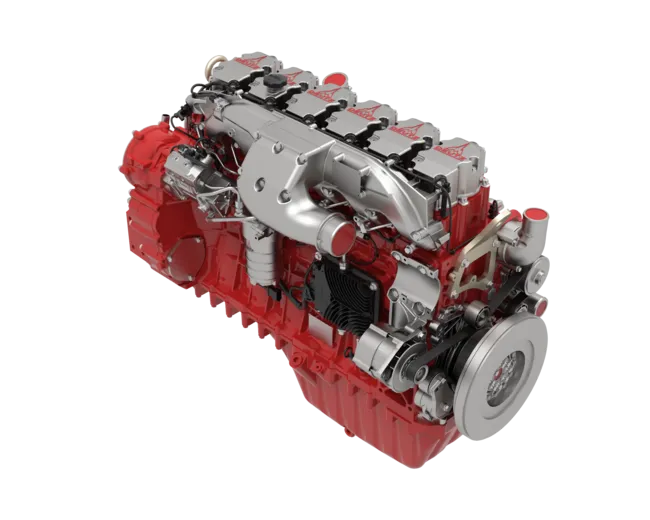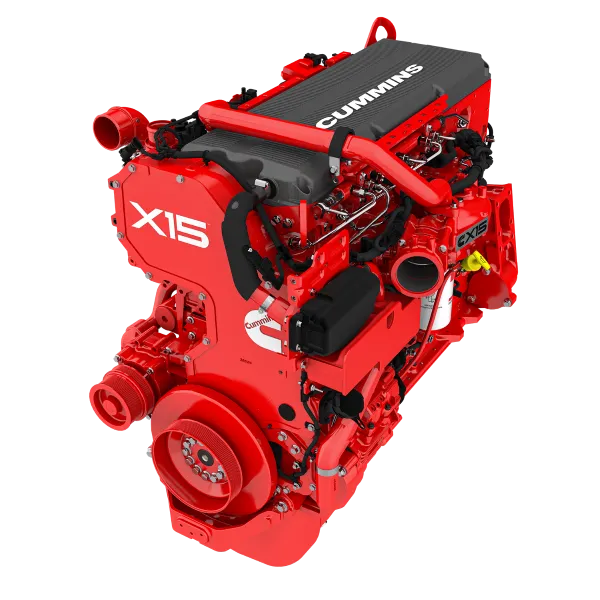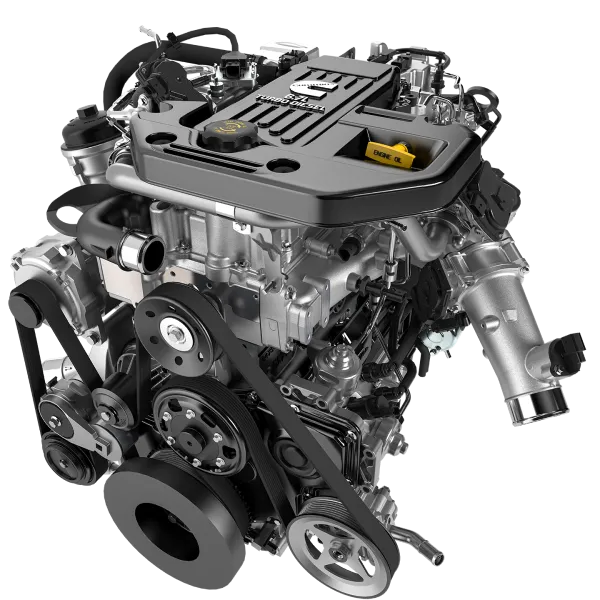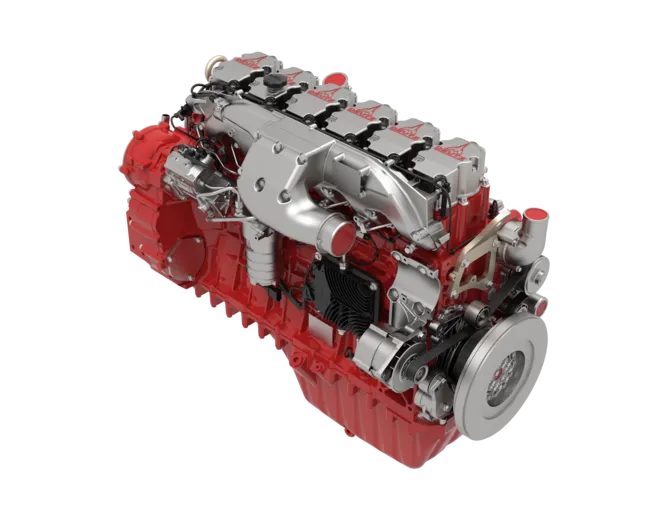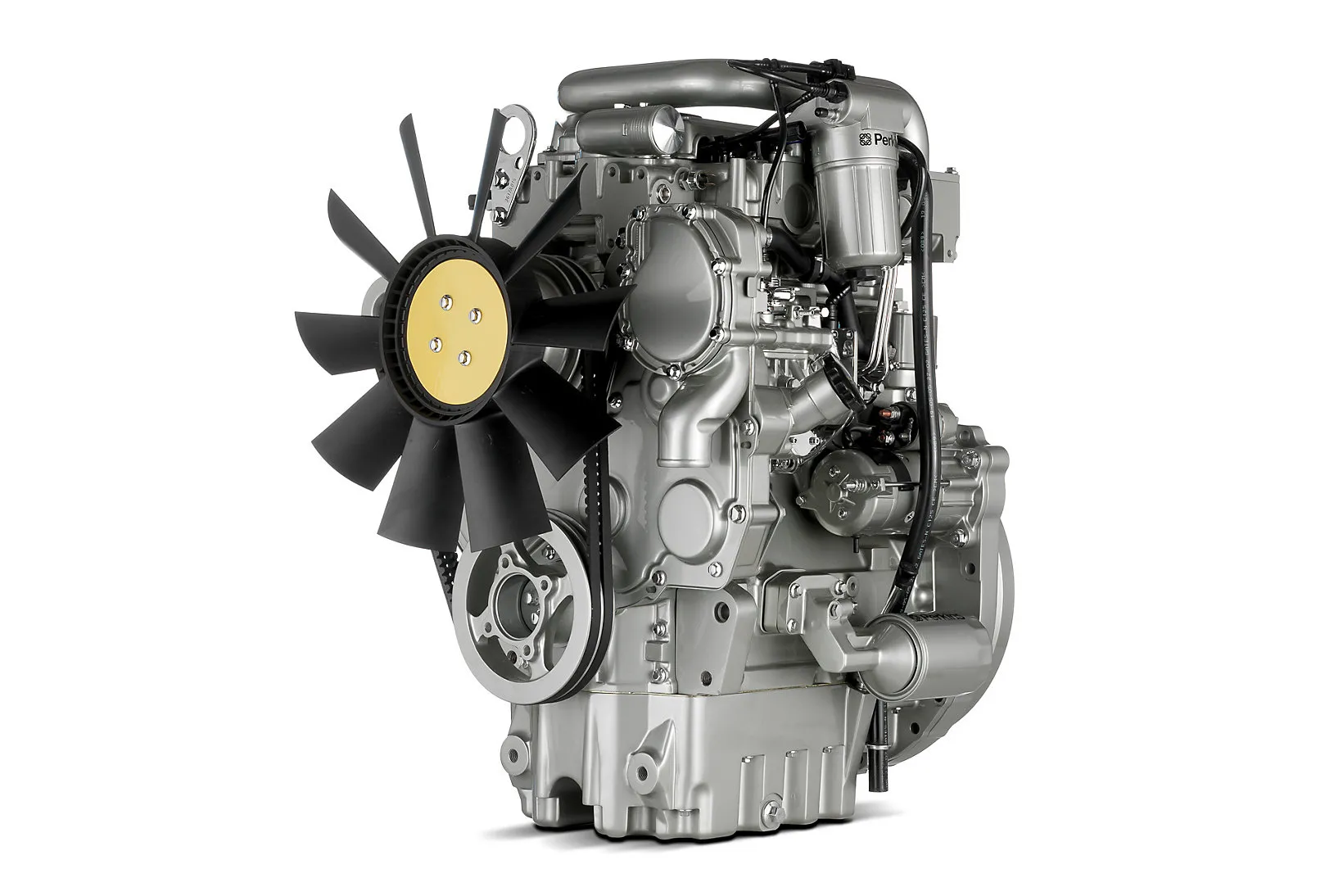
Periodic Maintenance Checklist for Deutz, Perkins, and Cummins Engines
Although industrial engines are designed to operate at high performance, regular maintenance is essential for long-lasting and efficient use. Periodic maintenance not only helps prevent failures but also optimizes fuel consumption, preserves engine performance, and reduces the risk of unexpected downtime.
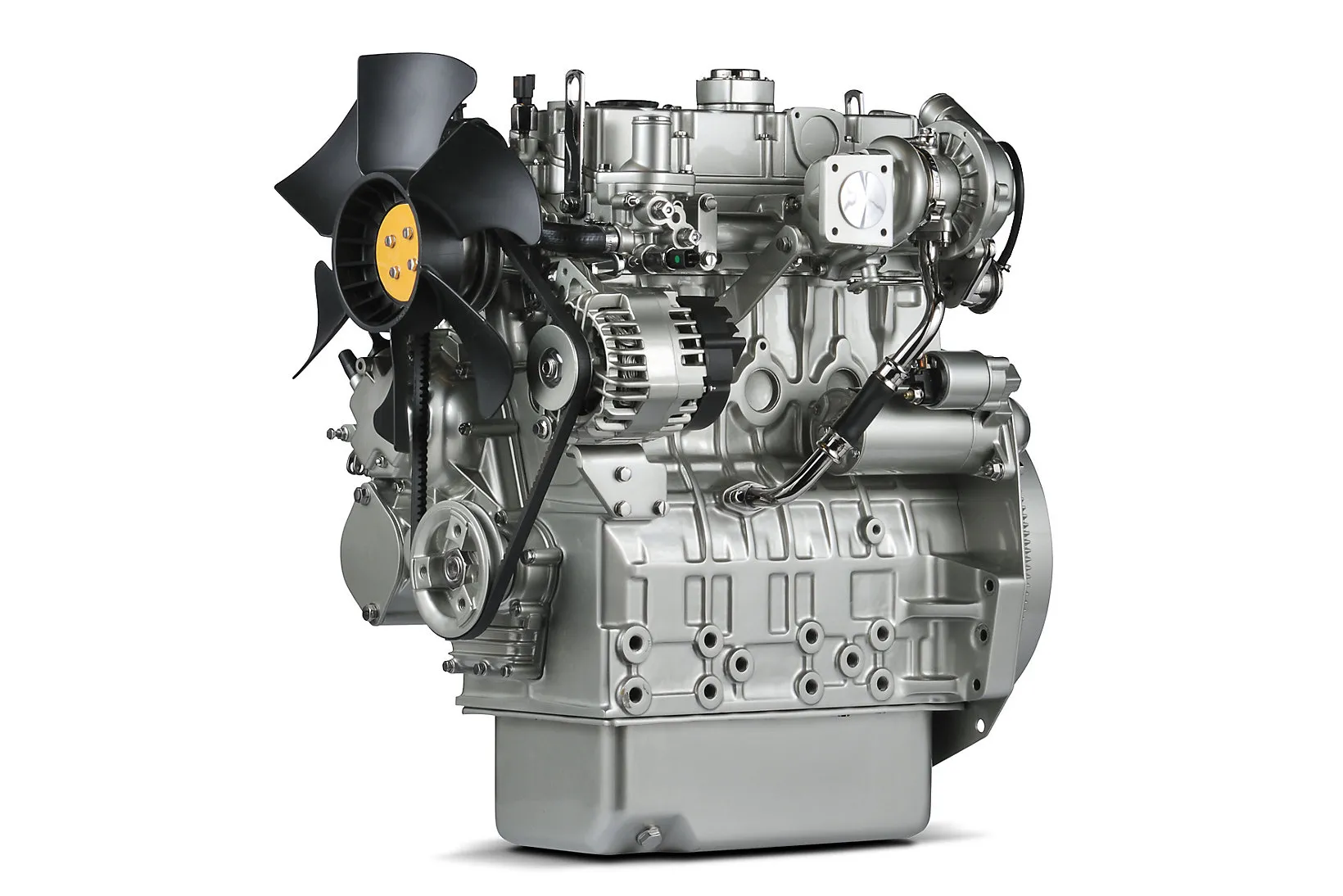
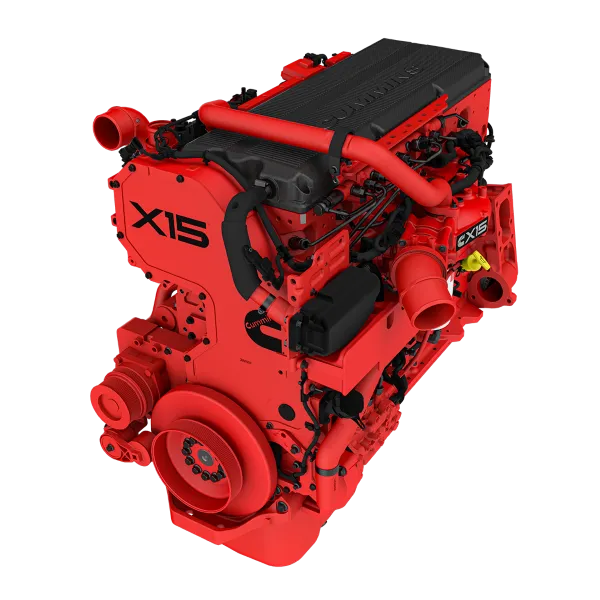
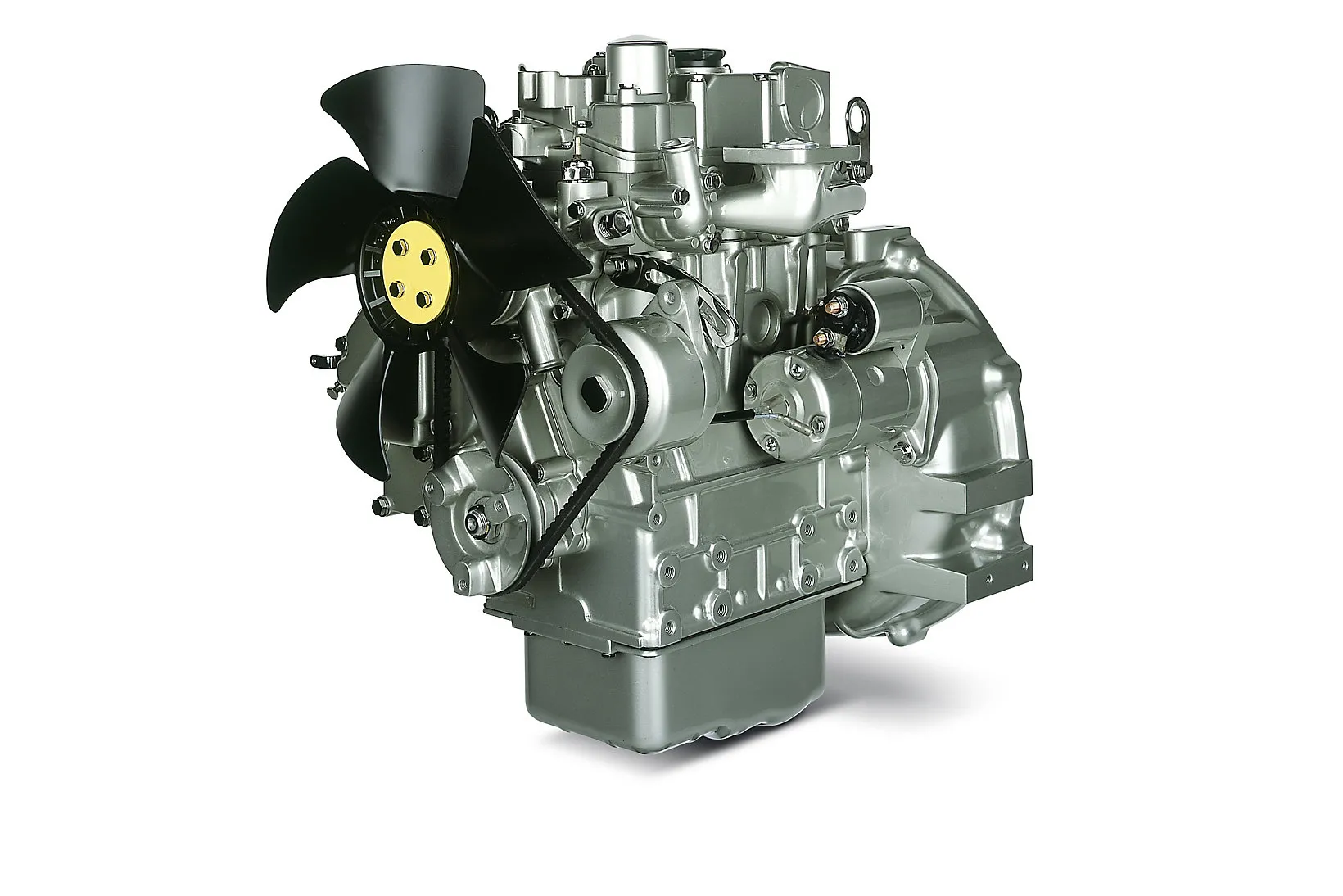
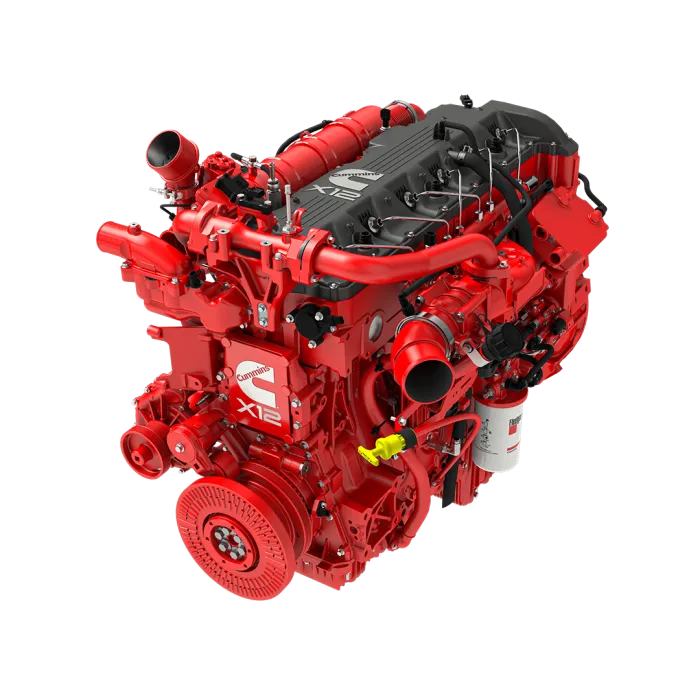
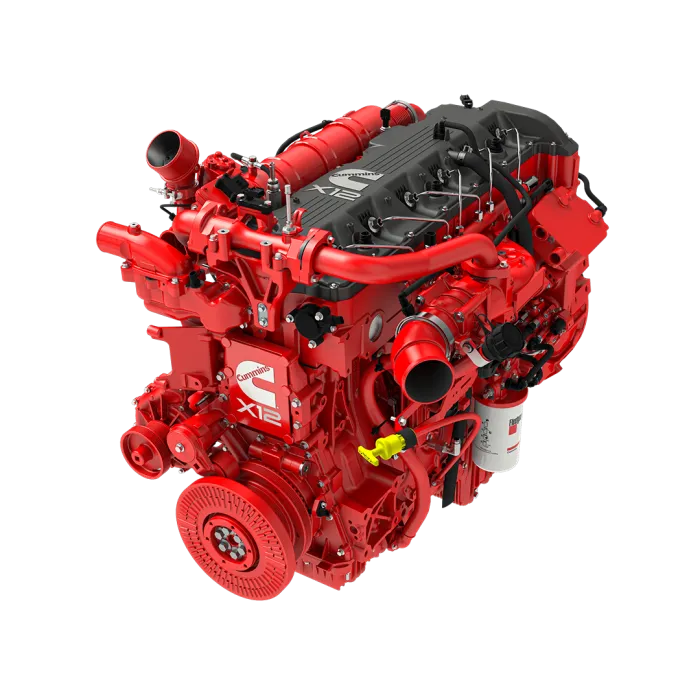
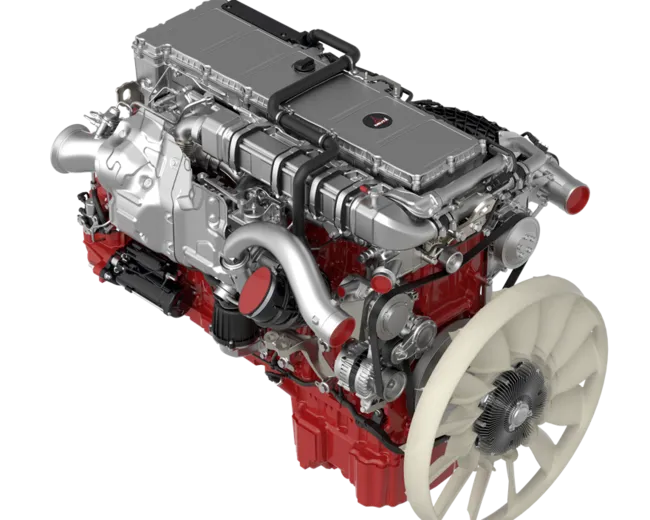
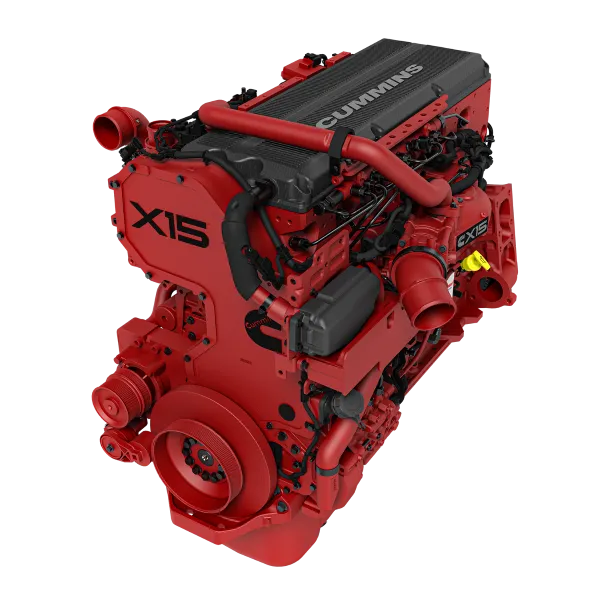
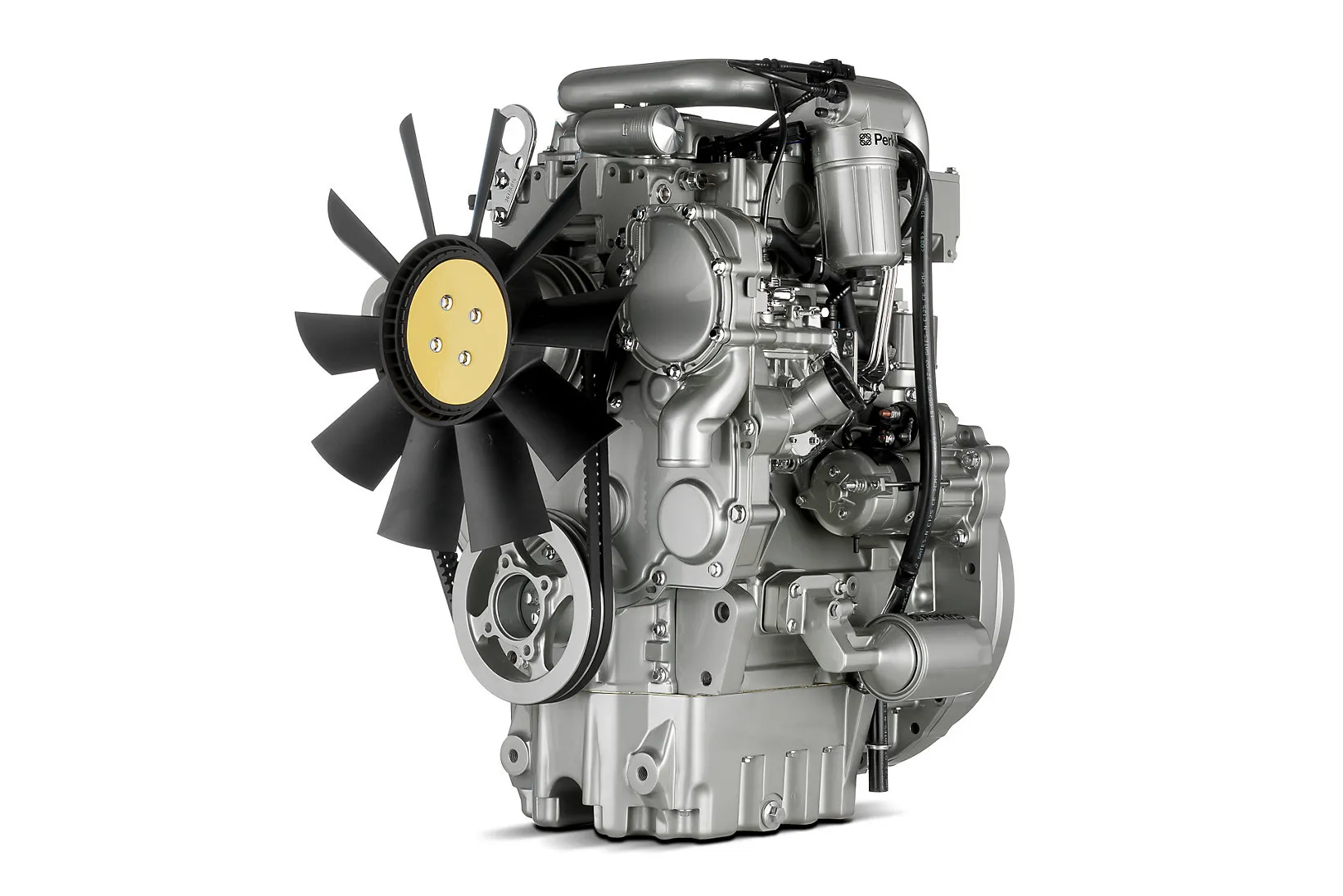
Especially for Deutz, Perkins, and Cummins engines, following the maintenance intervals recommended by manufacturers is one of the most important factors in ensuring reliable operation. Manufacturers recommend implementing detailed maintenance schedules ranging from daily inspections to hour-based servicing.
-
Check Engine Oil and Oil Level
Engine oil reduces friction between moving parts and prevents wear.
During periodic maintenance, the following should always be checked:
- oil level,
- oil condition and color,
- oil change interval.
Oil that has lost its quality can reduce engine performance and accelerate mechanical wear.
-
Do Not Neglect Fuel and Air Filters
Clean filters are one of the key requirements for efficient engine operation.
The following components should be inspected:
- Fuel filter
- Air filter
- Water separator filter
Dirty filters can increase fuel consumption and cause irregular engine operation. In Perkins and Deutz maintenance guides, filter inspections are listed among the fundamental steps of both daily and periodic maintenance.
-
Inspect the Cooling System
Overheating is one of the most common problems encountered in industrial engines.
Therefore, the following should be checked regularly:
- coolant level,
- radiator,
- hoses,
- cooling fan system.
A properly functioning cooling system contributes to safer and more efficient engine operation.
-
Inspect Belts and Hoses
Belts and hoses that wear over time can lead to unexpected failures.
During maintenance, the following should be checked and replaced when necessary:
- cracks,
- looseness,
- leaks.
-
Pay Attention to Unusual Noises and Vibrations
Changes in the engine's operating characteristics are often early signs of a potential malfunction.
Technical service inspection should not be delayed, especially when the following symptoms are observed:
- increased vibration,
- metallic noises,
- loss of power,
- irregular operation.
- Follow the Manufacturer’s Maintenance Schedule
Each engine has different maintenance intervals depending on its operating conditions and working hours.
For Deutz, Perkins, and Cummins engines in particular, maintenance intervals are determined according to operating hours and usage conditions. For heavily used engines, maintenance planning should be based not only on calendar periods but also on engine operating hours.
Reliable Periodic Maintenance Support with Fermot
Fermot provides periodic maintenance, technical service, overhaul, and genuine spare parts services for Deutz, Perkins, and Cummins engines.
With its expert technical team, maintenance plans are tailored to your engine’s operating conditions, all required inspections are carried out thoroughly, and potential failures are identified before they become major issues.
Regular maintenance not only extends the lifespan of your engine but also helps ensure uninterrupted production processes and reduces overall operating costs.