What Should You Consider When Choosing a Perkins Industrial Engine?
When choosing an industrial engine, looking only at the power rating is often not enough. The machine in which the engine will be used, operating hours, load type, fuel consumption, and operating conditions should also be taken into consideration.
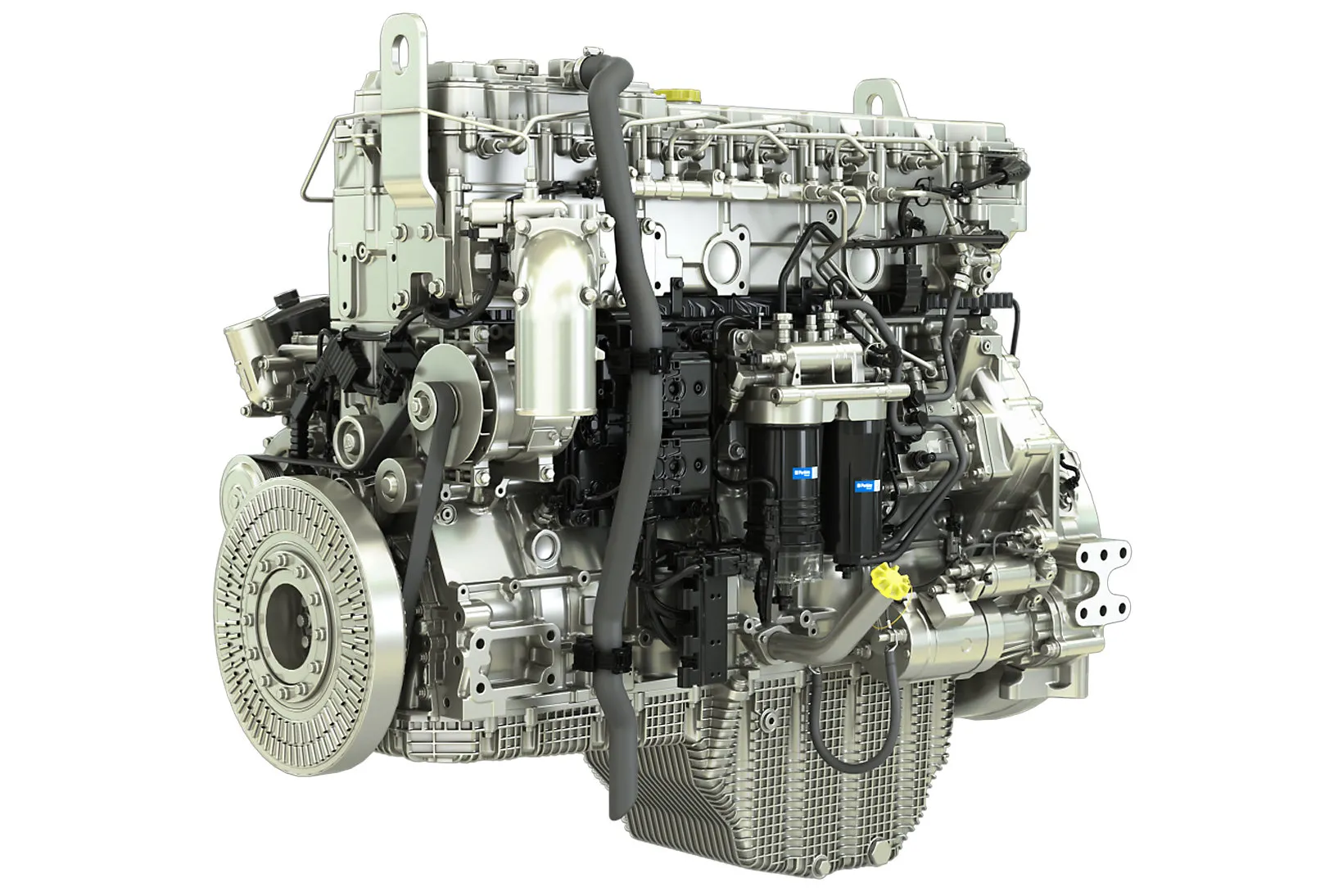
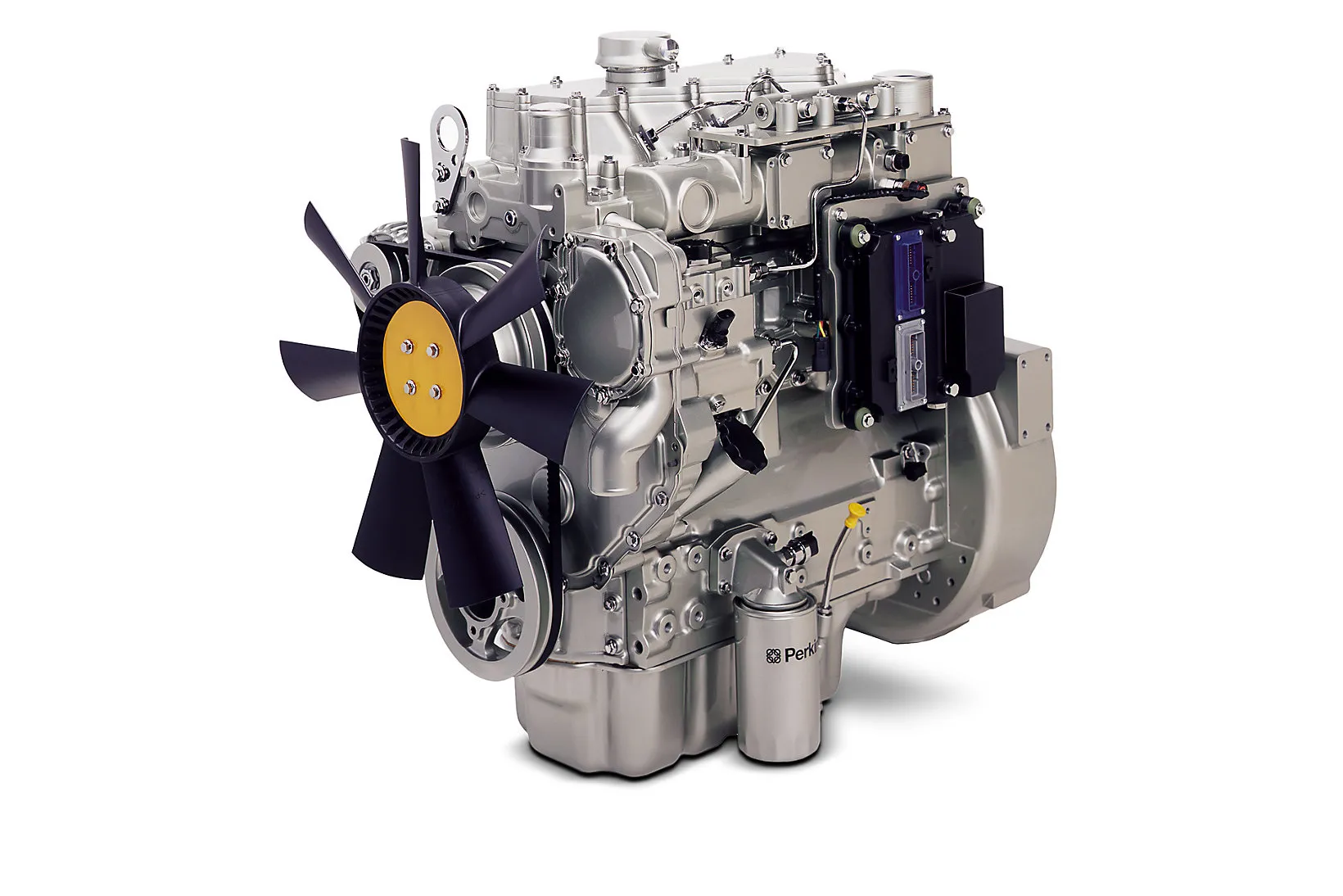
Perkins industrial engines serve a wide range of applications, from agricultural machinery and construction equipment to generators and various industrial equipment, with different power and displacement options. The product range includes series designed for the 400, 904, 1100, 1200, and higher power classes.
Engine Power Should Match the Application
One of the first values to consider is the engine's power capacity; however, higher power does not always mean a better choice.
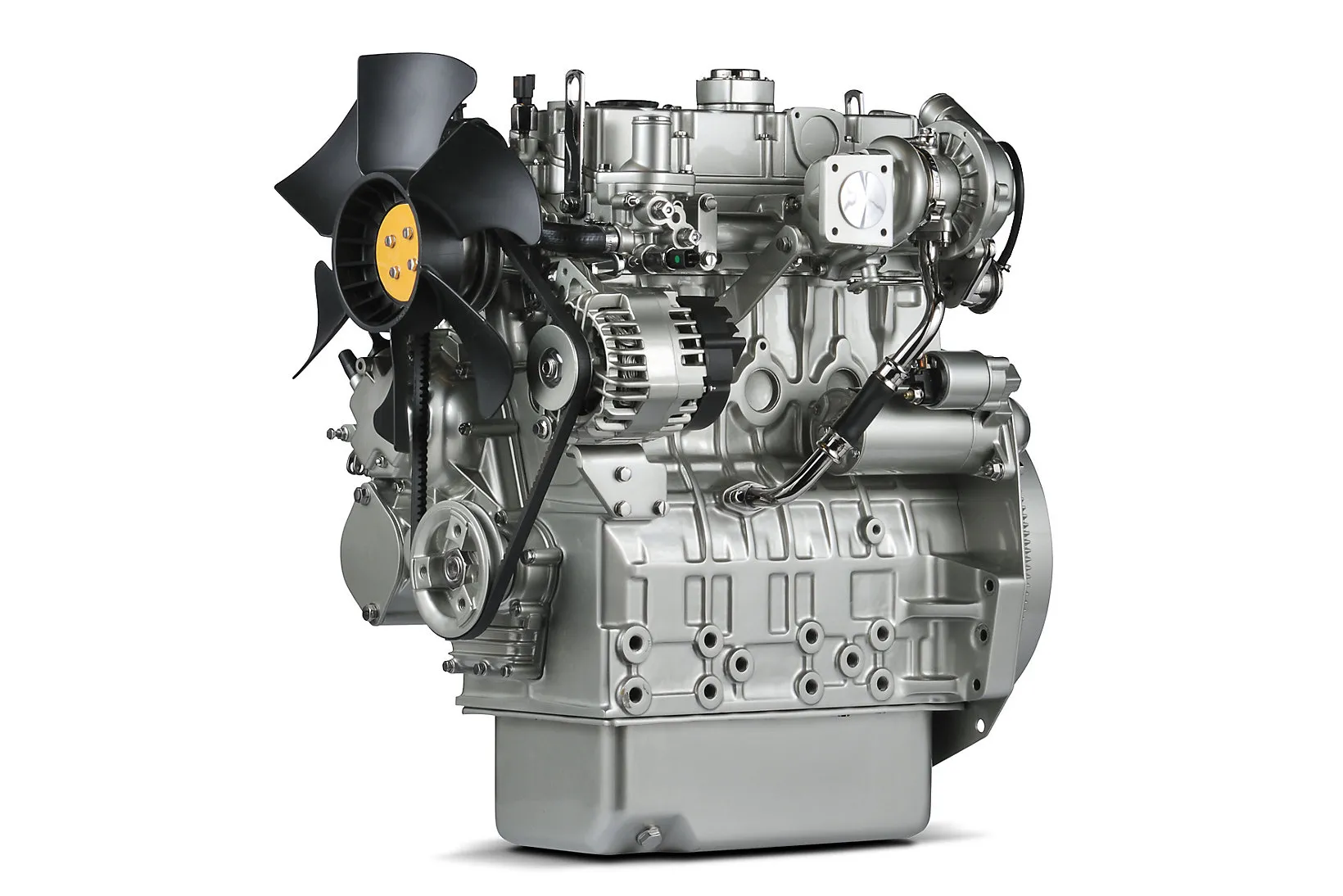
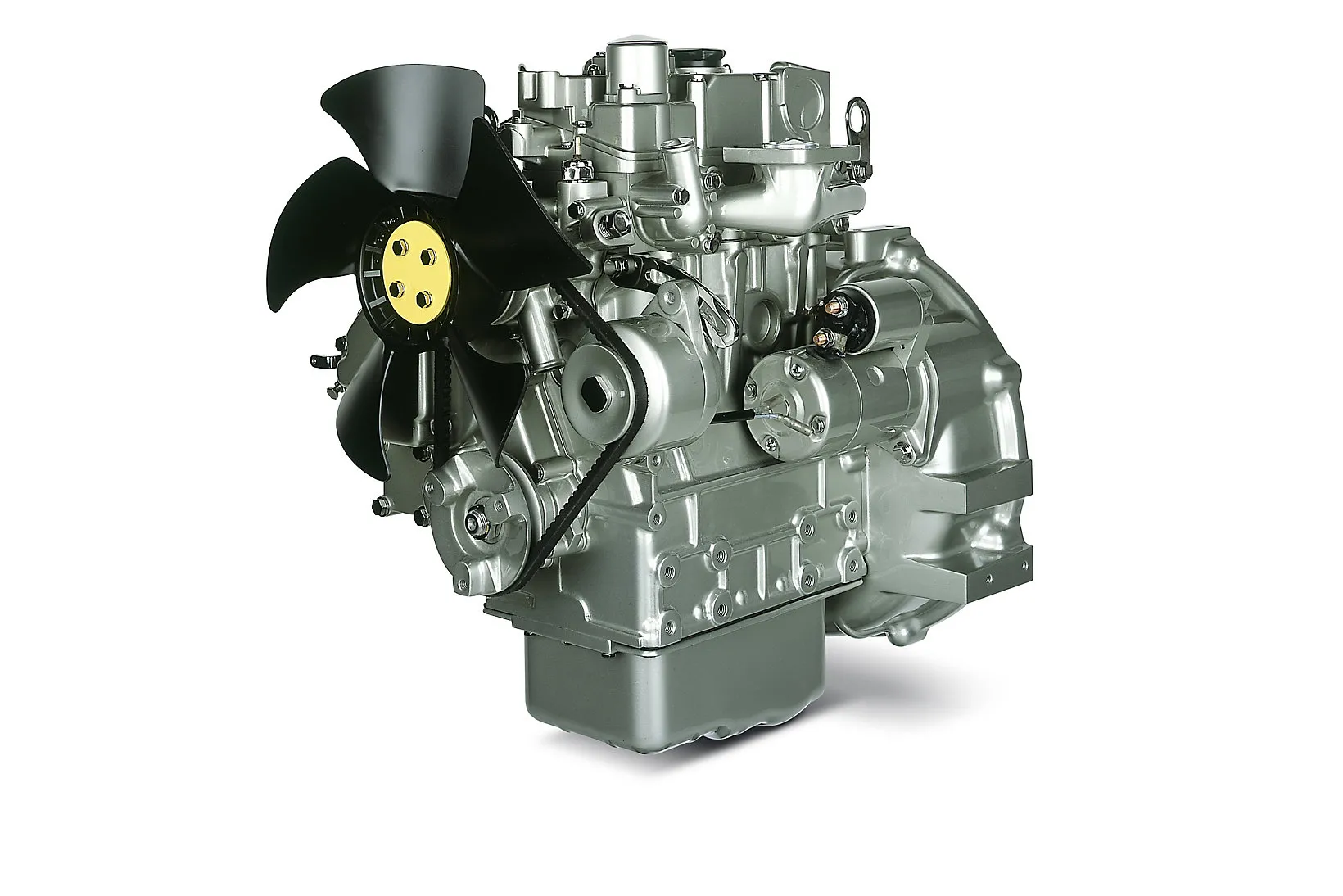
While compact industrial equipment may be adequately powered by smaller-displacement engines such as the Perkins 400 Series, the 1100 or 1200 Series can be considered for heavy-duty applications requiring higher power. The Perkins 400 Series offers engines ranging from 0.5–2.2 liters, while the 1100 Series provides options ranging from 3.3–7.1 liters.
Operating Conditions Affect Engine Selection
How many kW an engine produces is important, but the conditions under which it produces that power are equally significant. Daily operating hours, average and maximum load, operating speed, ambient temperature, dusty or harsh conditions, fuel consumption, and emissions requirements are among the key factors that should be evaluated together when selecting an engine.
Especially for equipment operating for long periods, low operating costs and reliability become just as important as the initial purchase price.
Perkins 400 Series for Compact Applications
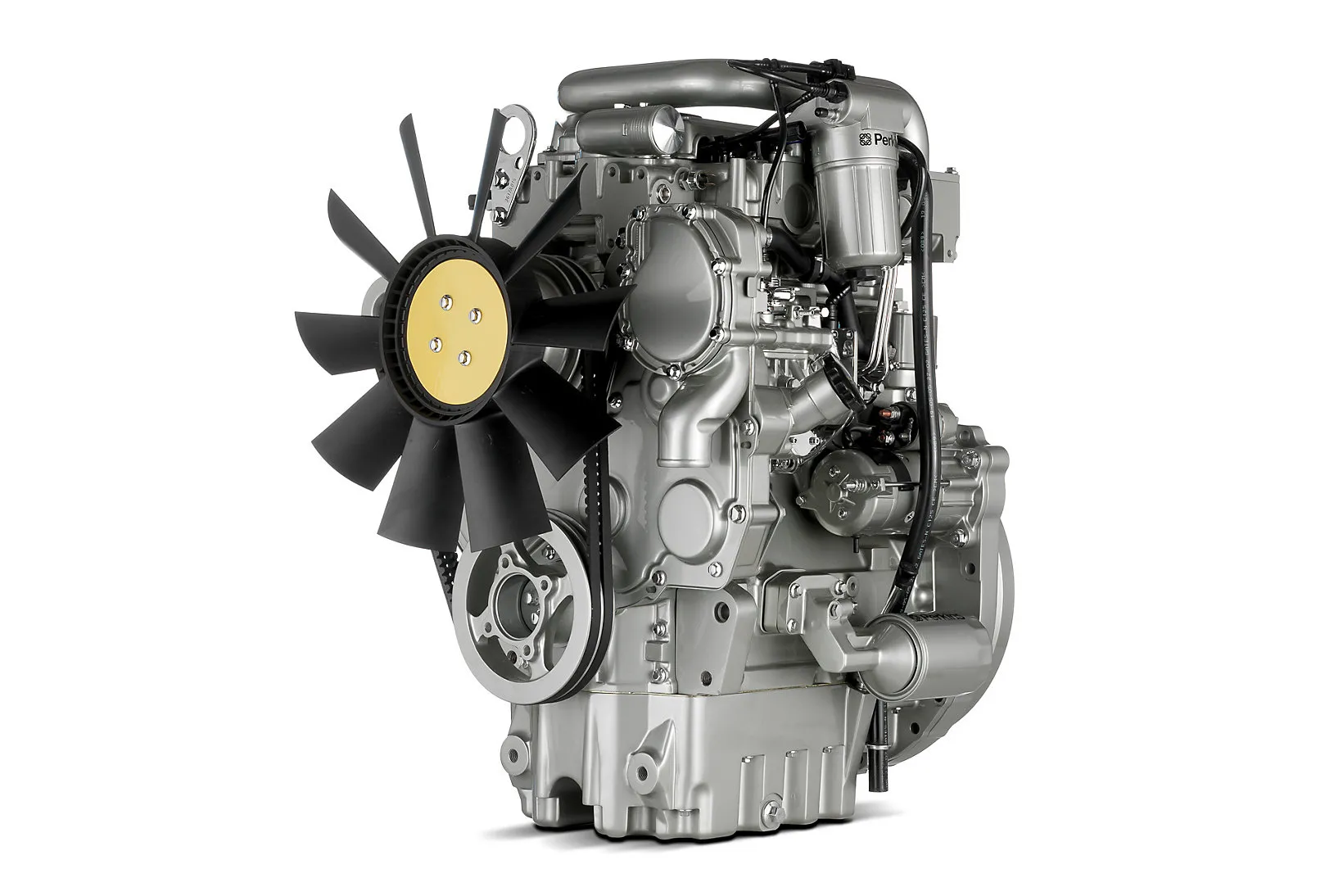
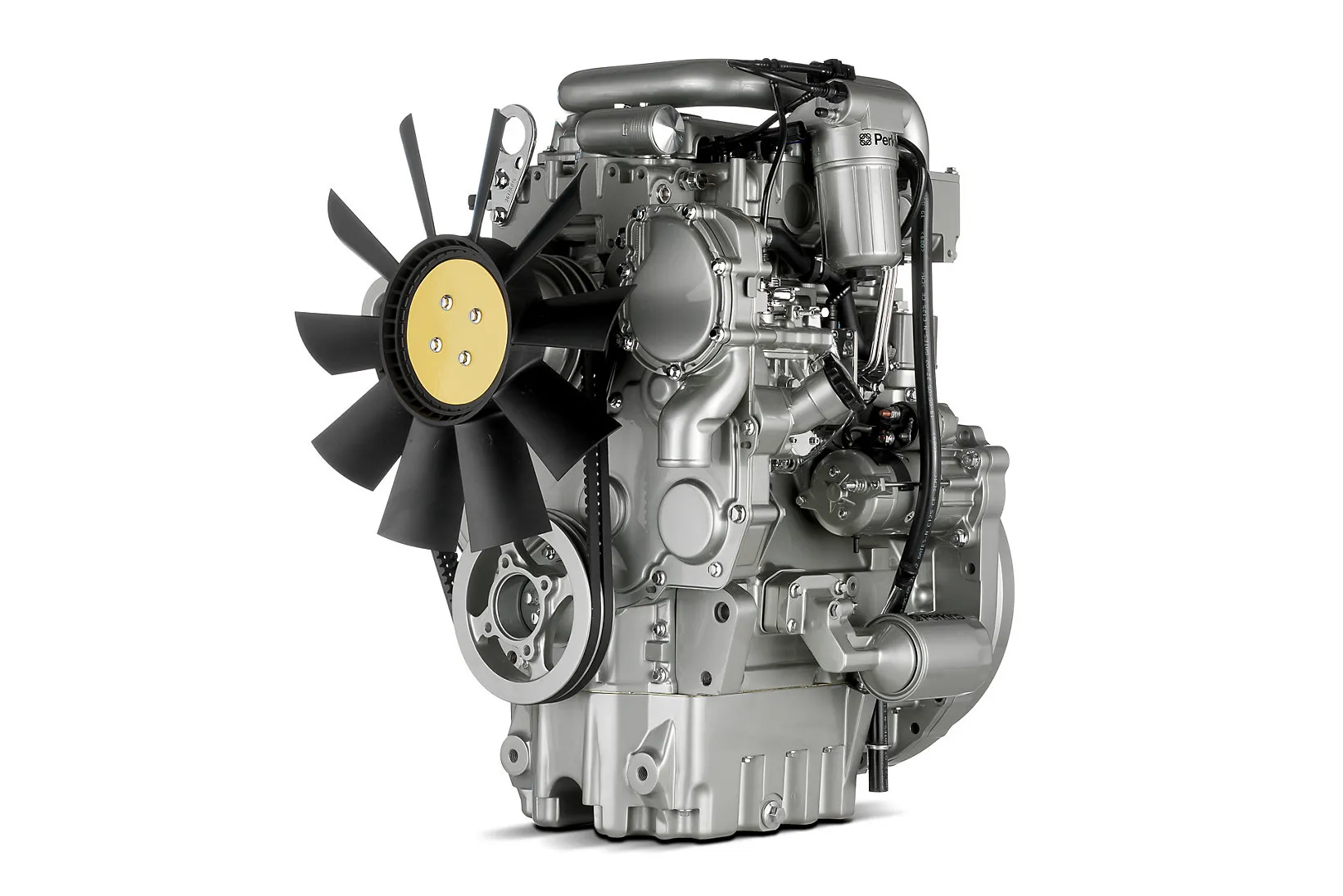
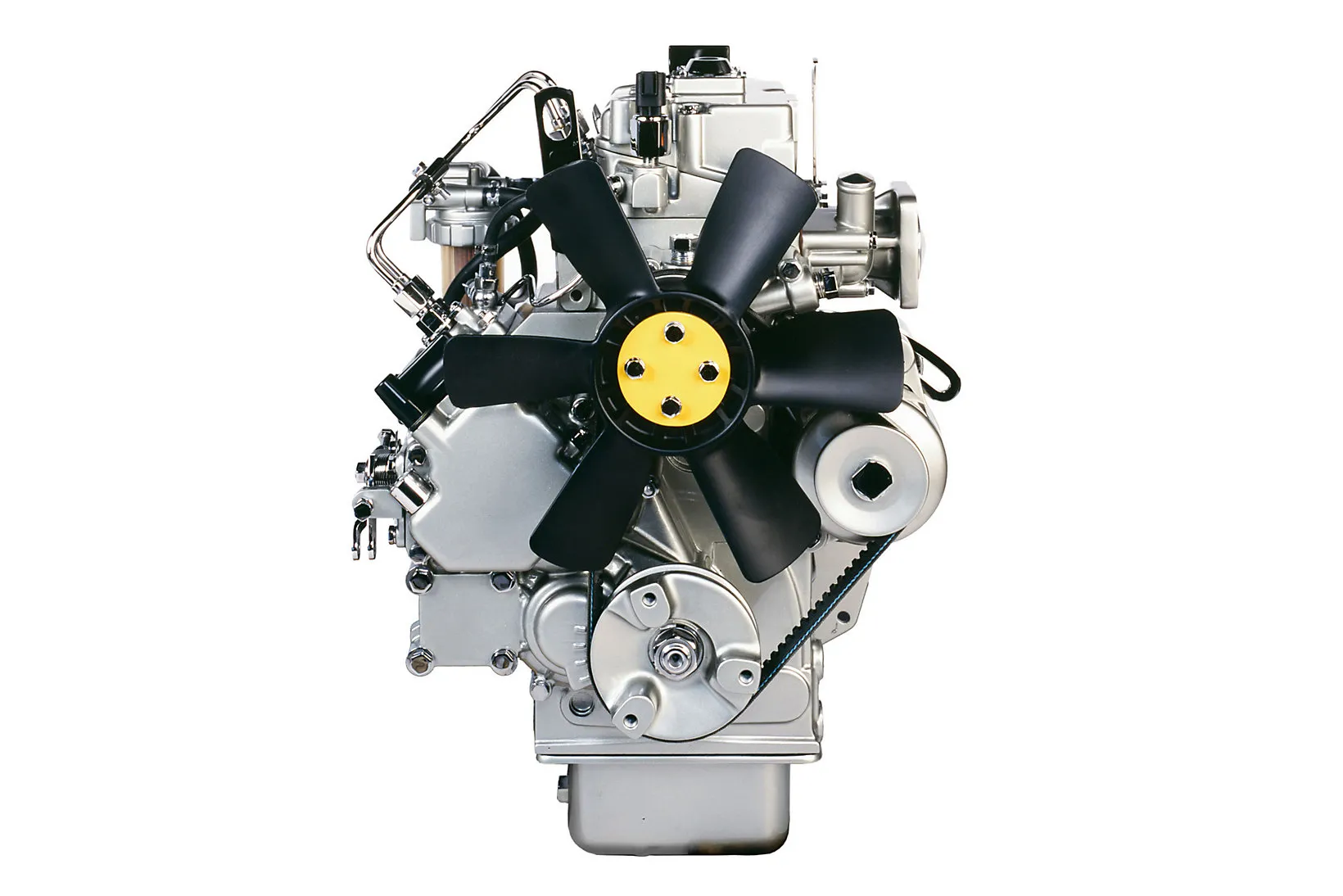
In small-displacement industrial equipment, a compact engine design can provide a significant advantage. The Perkins 400 Series offers options ranging from 0.5–2.2 liters. The 402 model in the series, with its two-cylinder design, is intended for small industrial applications, while the 403 models are positioned for applications requiring a compact design and ease of maintenance.
Fermot's Perkins product range includes different models such as the 402D-05, 403D-07, 403D-11, 403F-11, 403J-11, and 404J-E22TA, making it easier to identify alternatives based on the application.
Which Perkins Engine for Applications Requiring Higher Power?
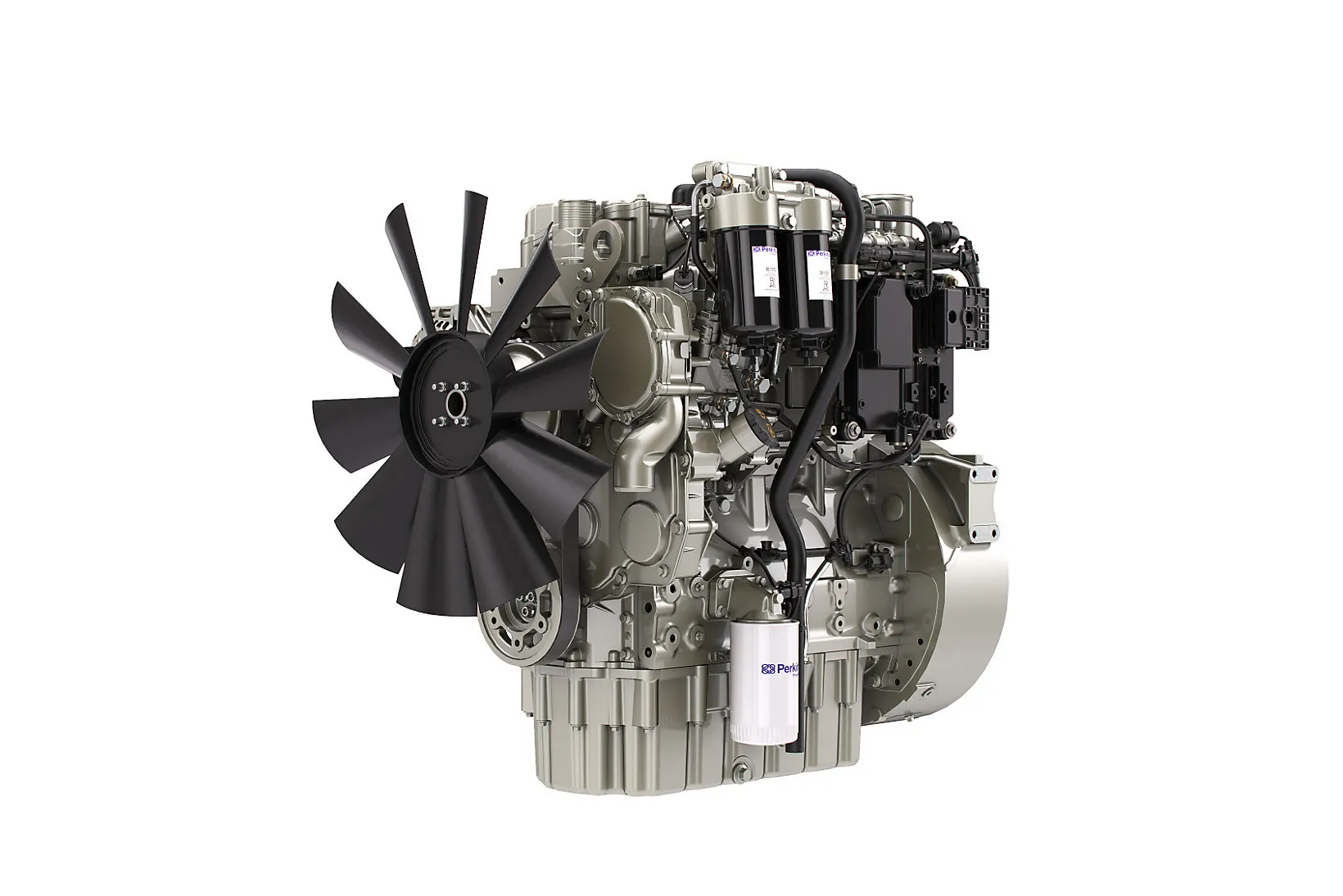
The 1100 and 1200 Series stand out in applications requiring higher power. The Perkins 1100 Series offers options ranging from 3.3–7.1 liters in displacement and 36–205 kW in power, and can be used in agriculture, construction, power generation, and various industrial equipment.
The 1200 Series, with engines ranging from 4.4–7.01 liters in displacement and 70–239 kW in power, is designed for industrial, agricultural, and power generation applications requiring higher power.
Don't Overlook Service and Spare Parts Support When Choosing a Perkins Engine
After-sales support is just as important as technical specifications when making a purchasing decision. The ability to carry out engine maintenance on time, access the correct spare parts, and receive technical service when necessary directly affects the total operating cost of the business.
The engine serial number also plays a critical role in identifying the correct model. Perkins specifically emphasizes that the serial number on the engine can be used to identify the correct parts.
Find the Right Perkins Engine Solution with Fermot
Fermot offers solutions for different power and application requirements with its extensive range of Perkins industrial engines. Through spare parts, technical service, maintenance, and overhaul services, Fermot helps support the engine not only at the purchasing stage but throughout its entire service life.
When choosing an engine, look beyond its power rating and consider your equipment's operating conditions and long-term service requirements. Choosing the right engine can make a significant difference not only in performance but also in operating costs.