Although vibrations in industrial engines are often overlooked, if not addressed in time, they can lead to serious failures and high maintenance costs. While a certain level of vibration during normal operation is considered natural, an increase in vibration usually indicates that the engine has a problem.
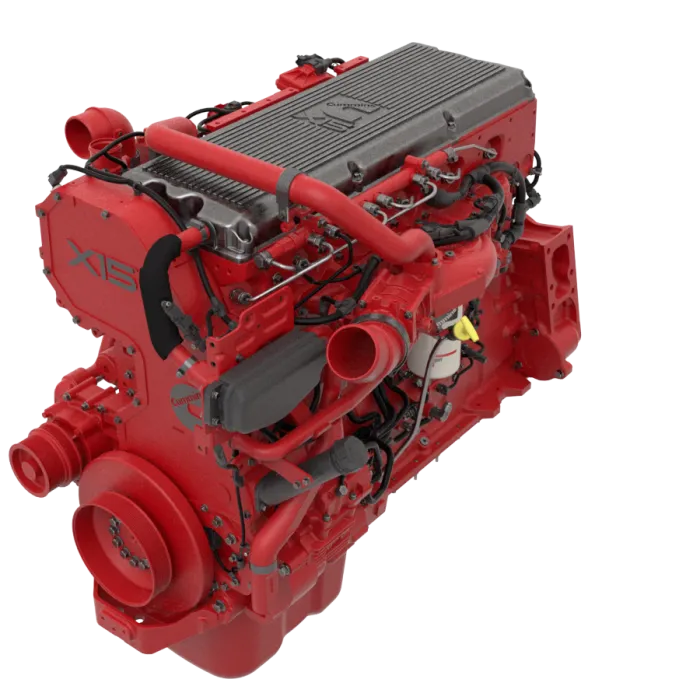
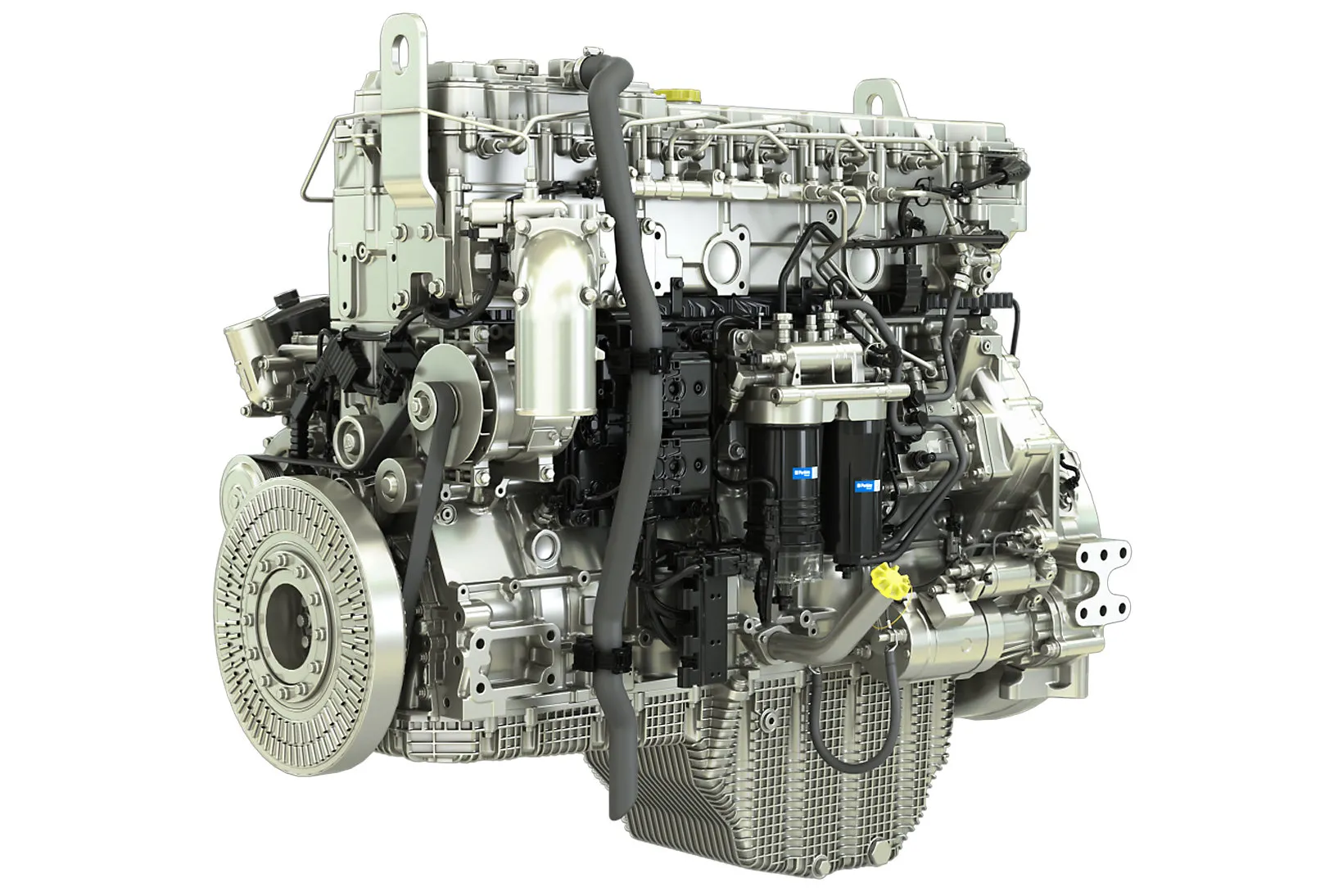
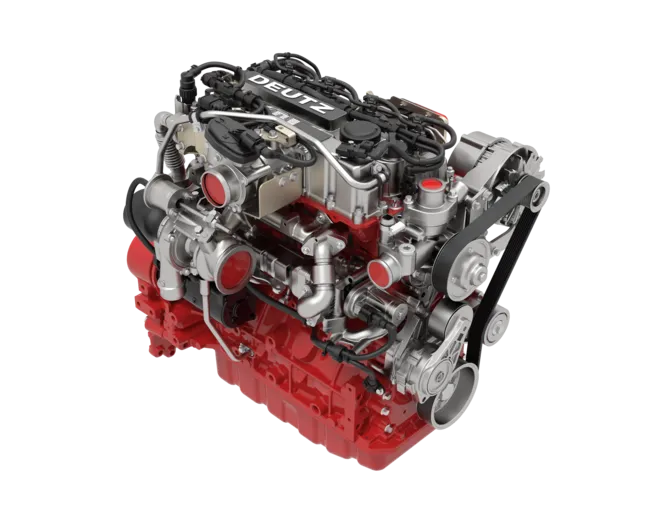
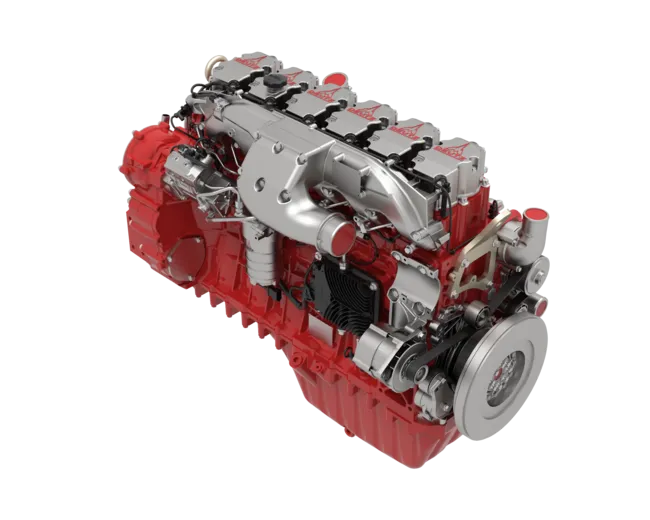
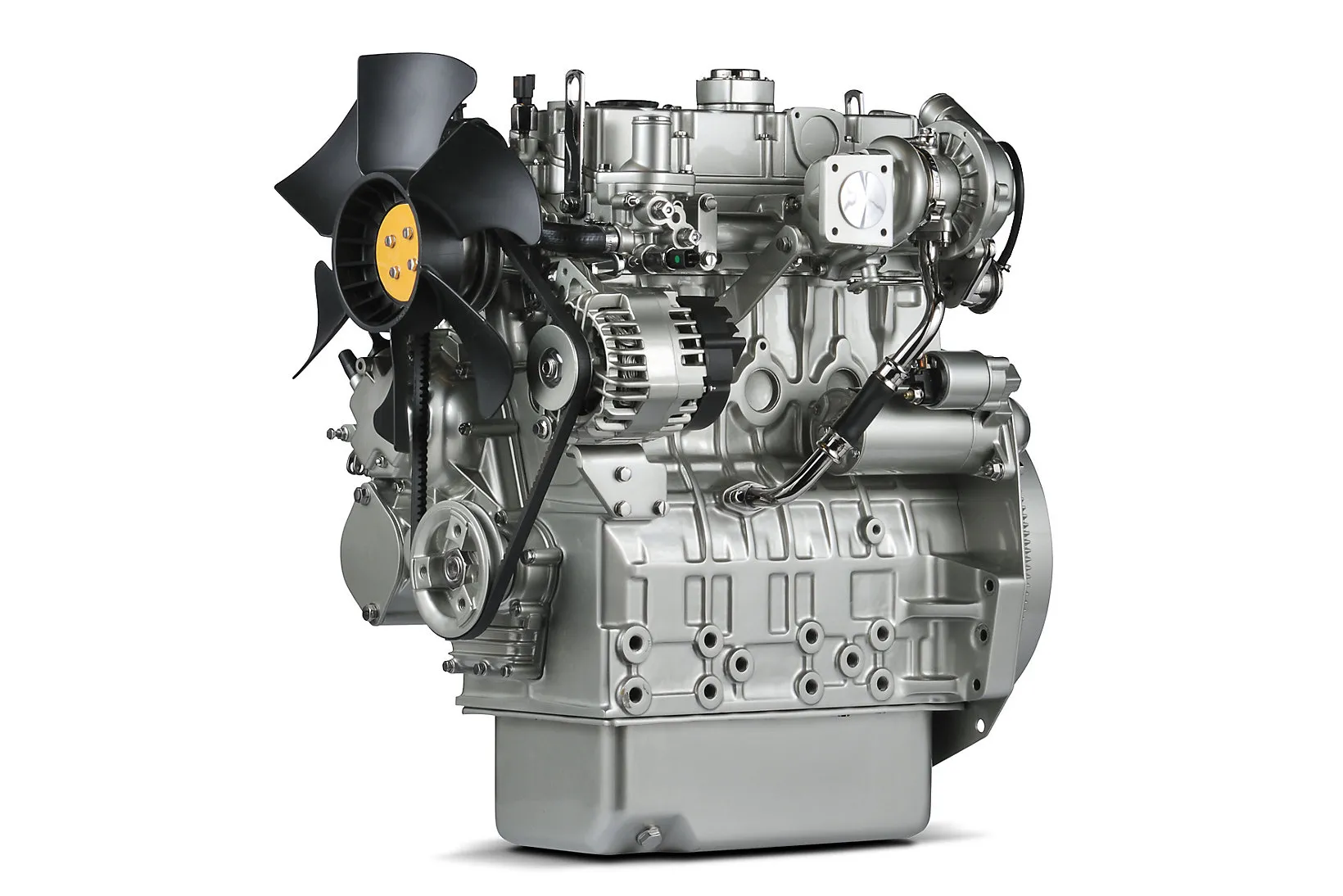
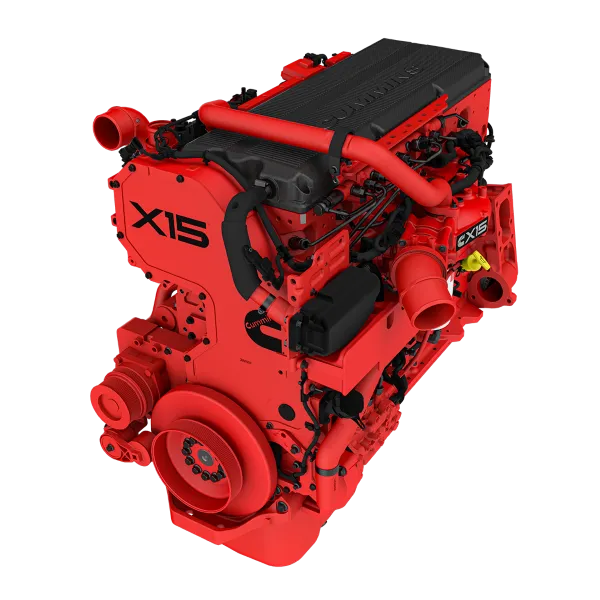
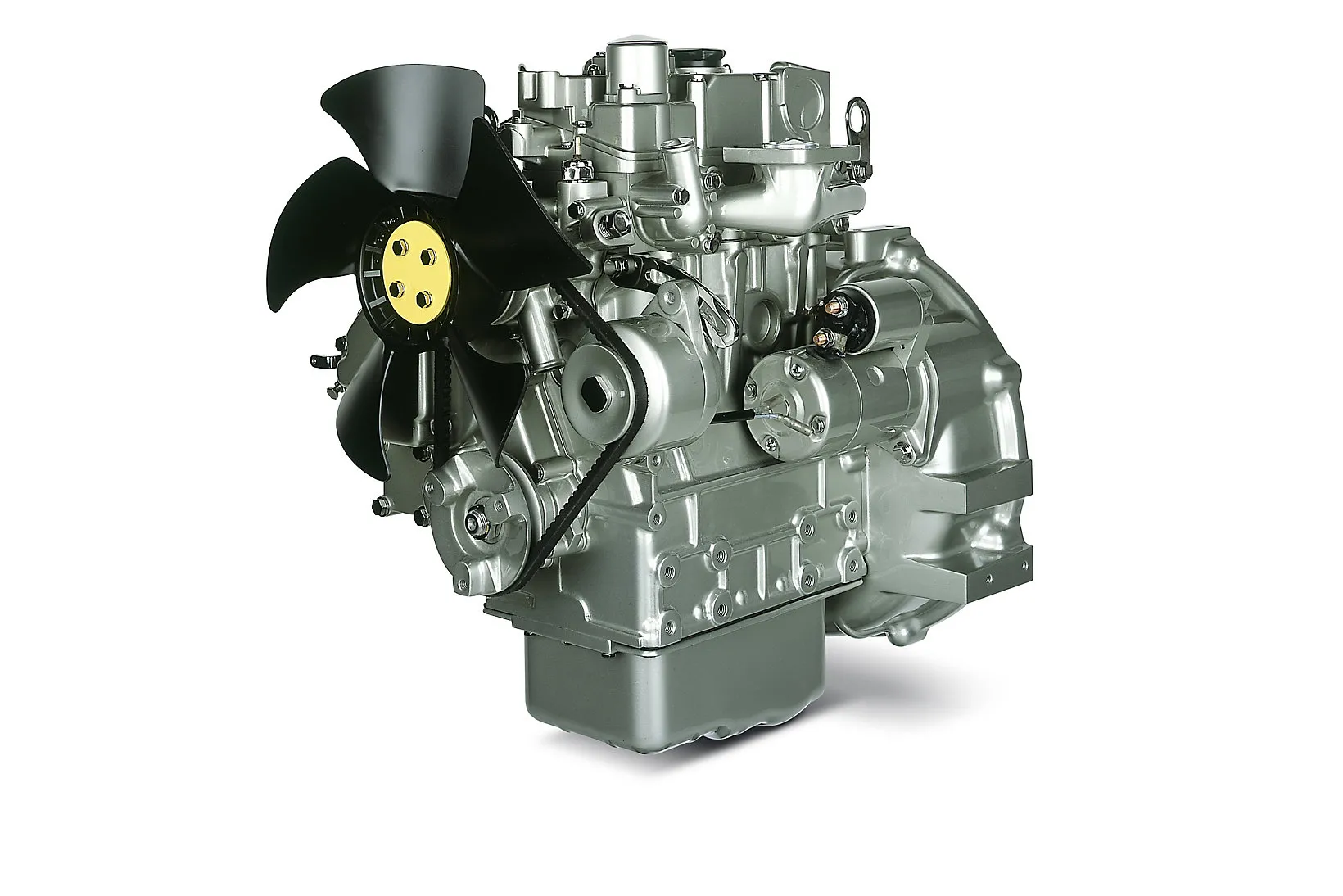
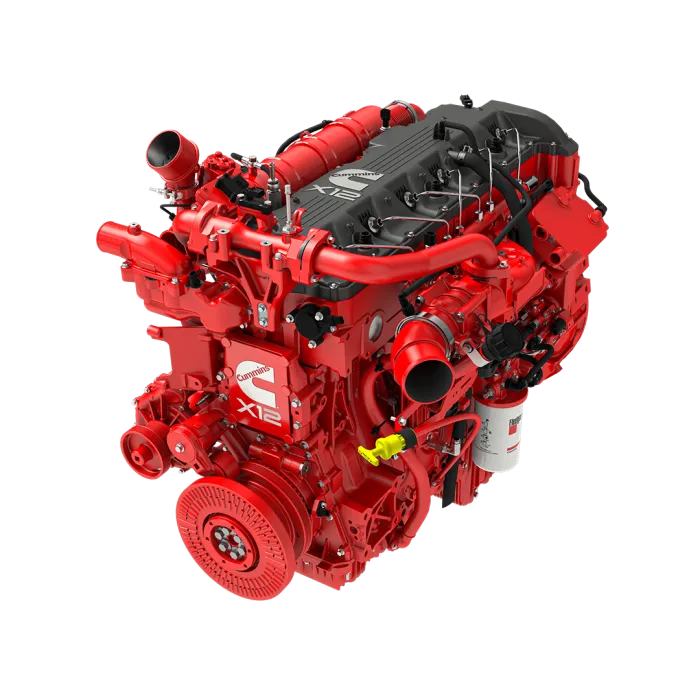
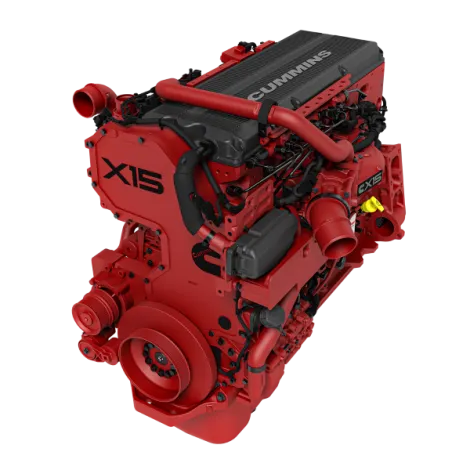
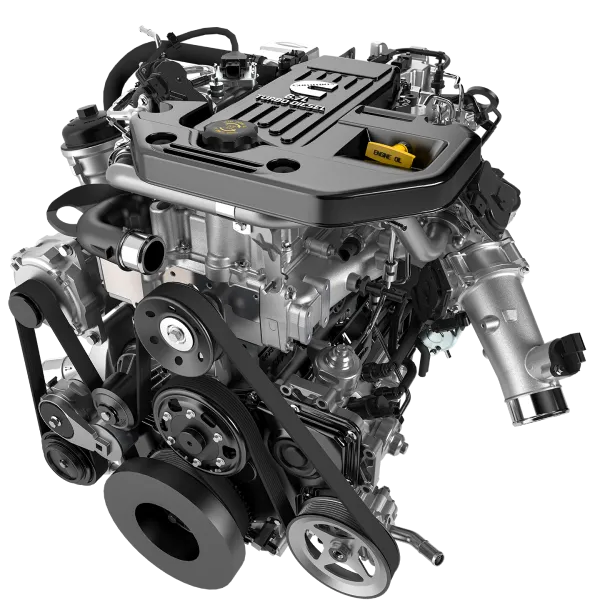
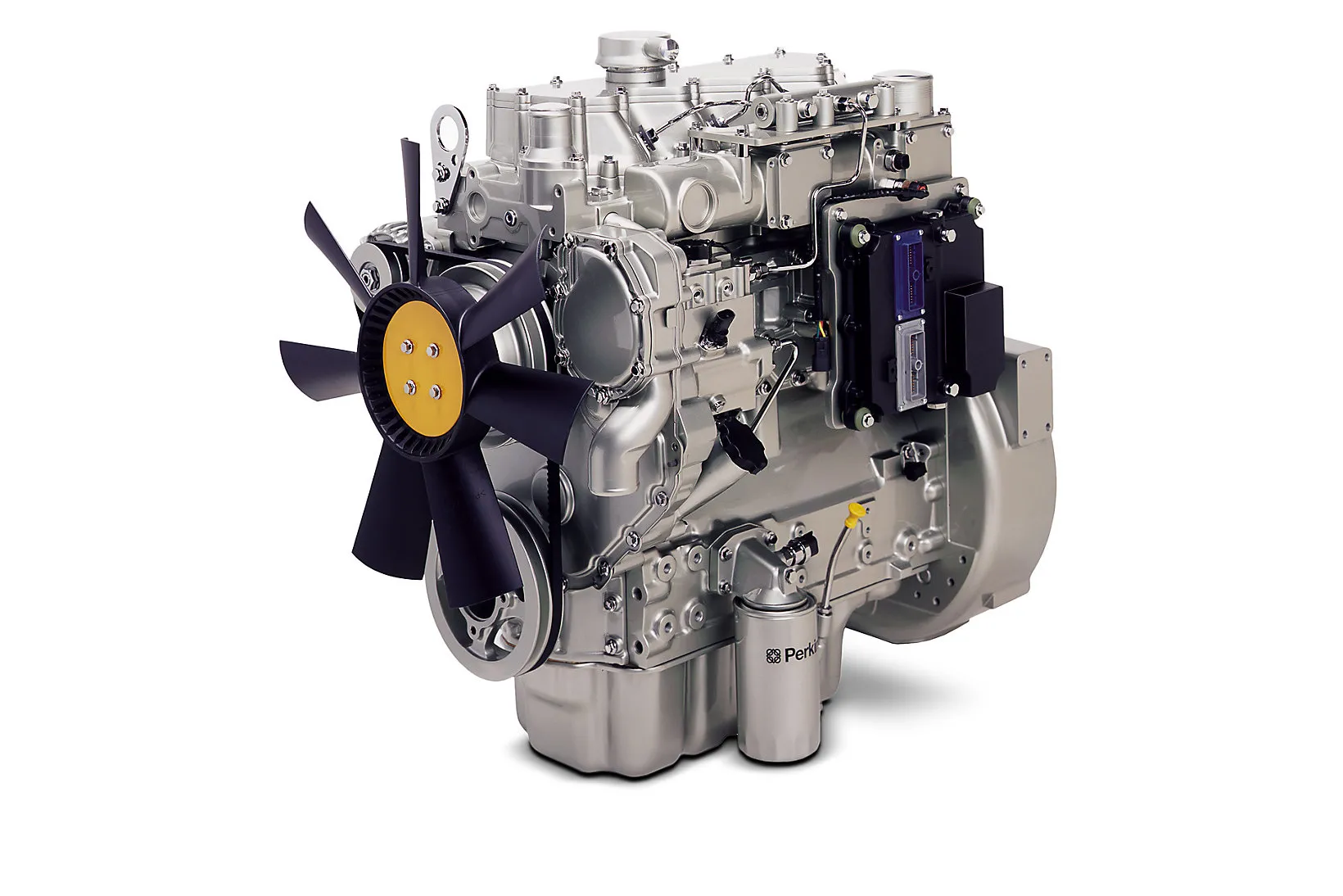
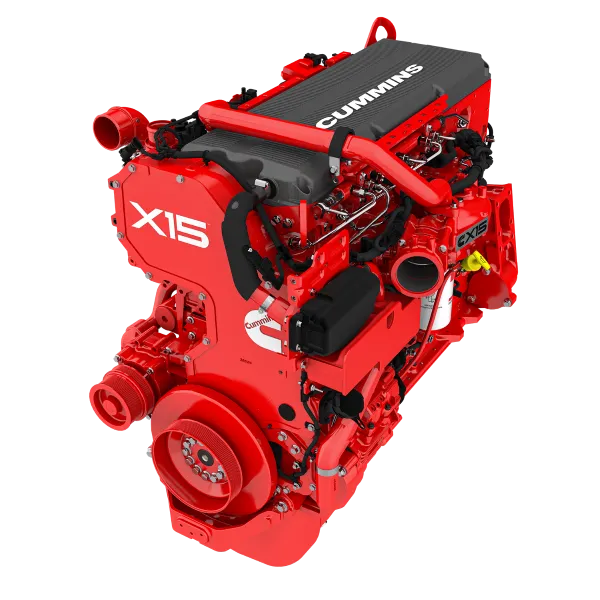
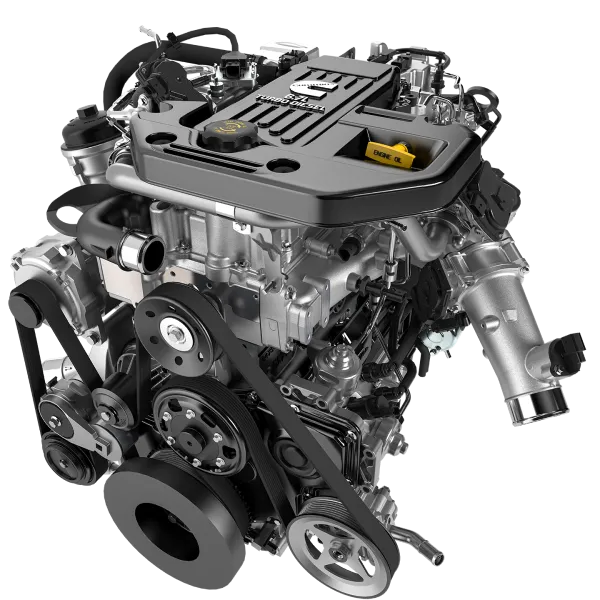
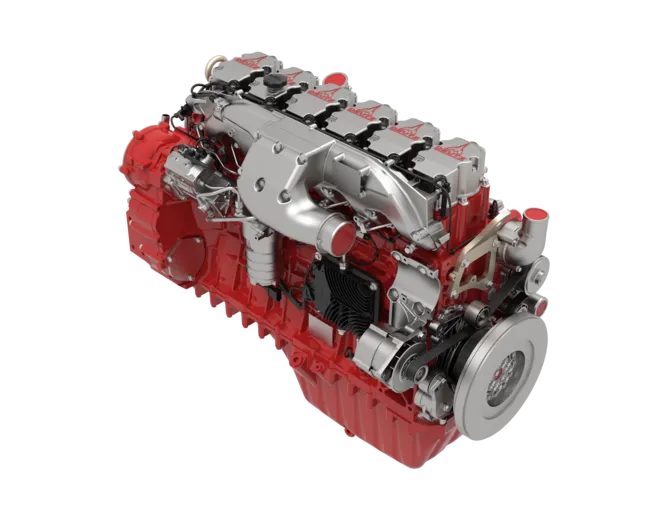
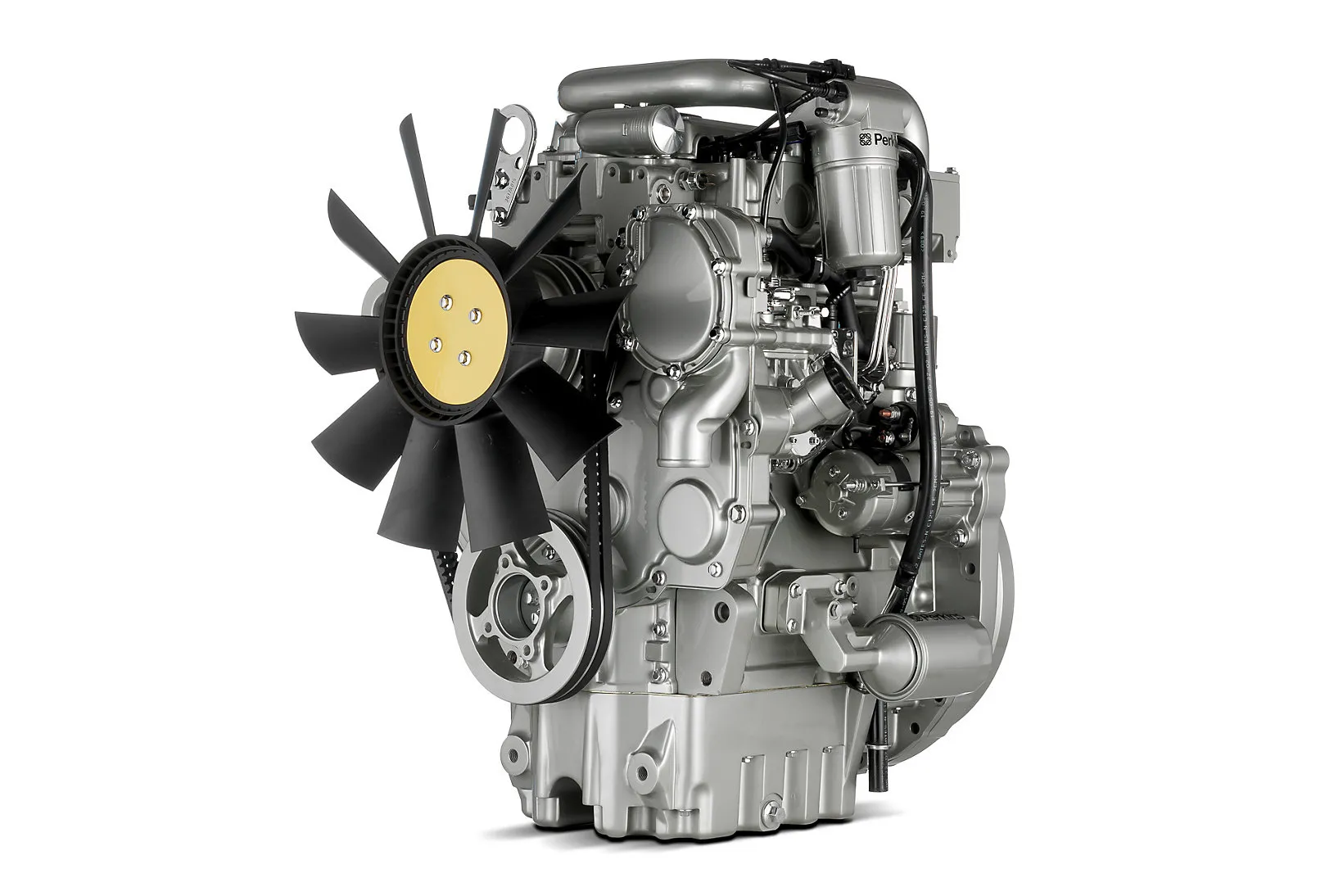
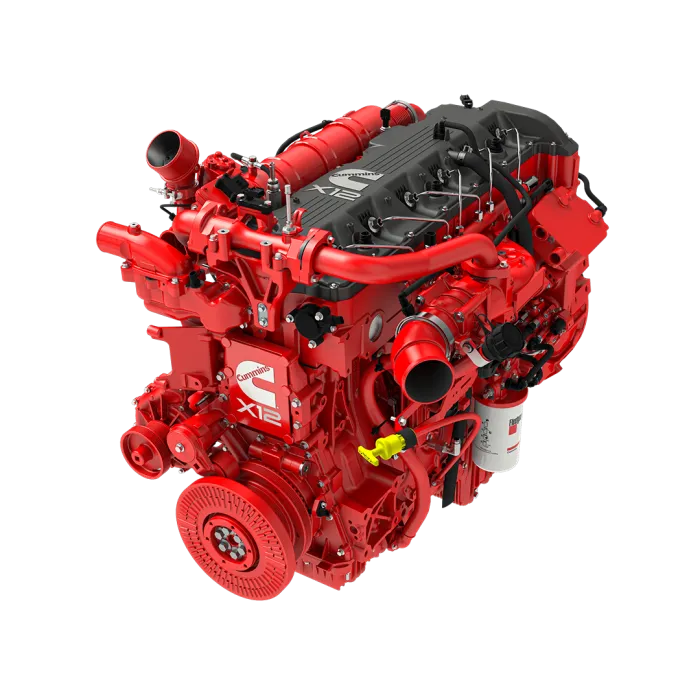
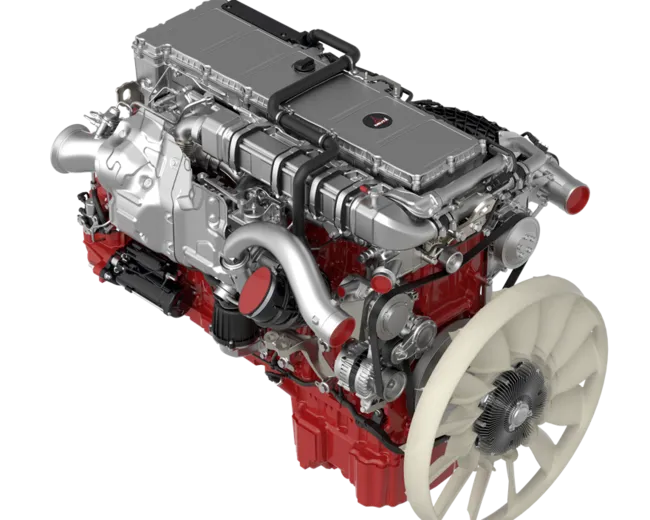
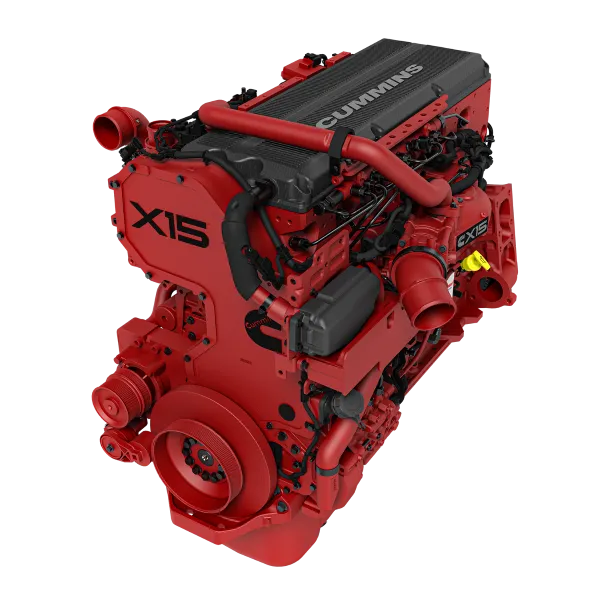
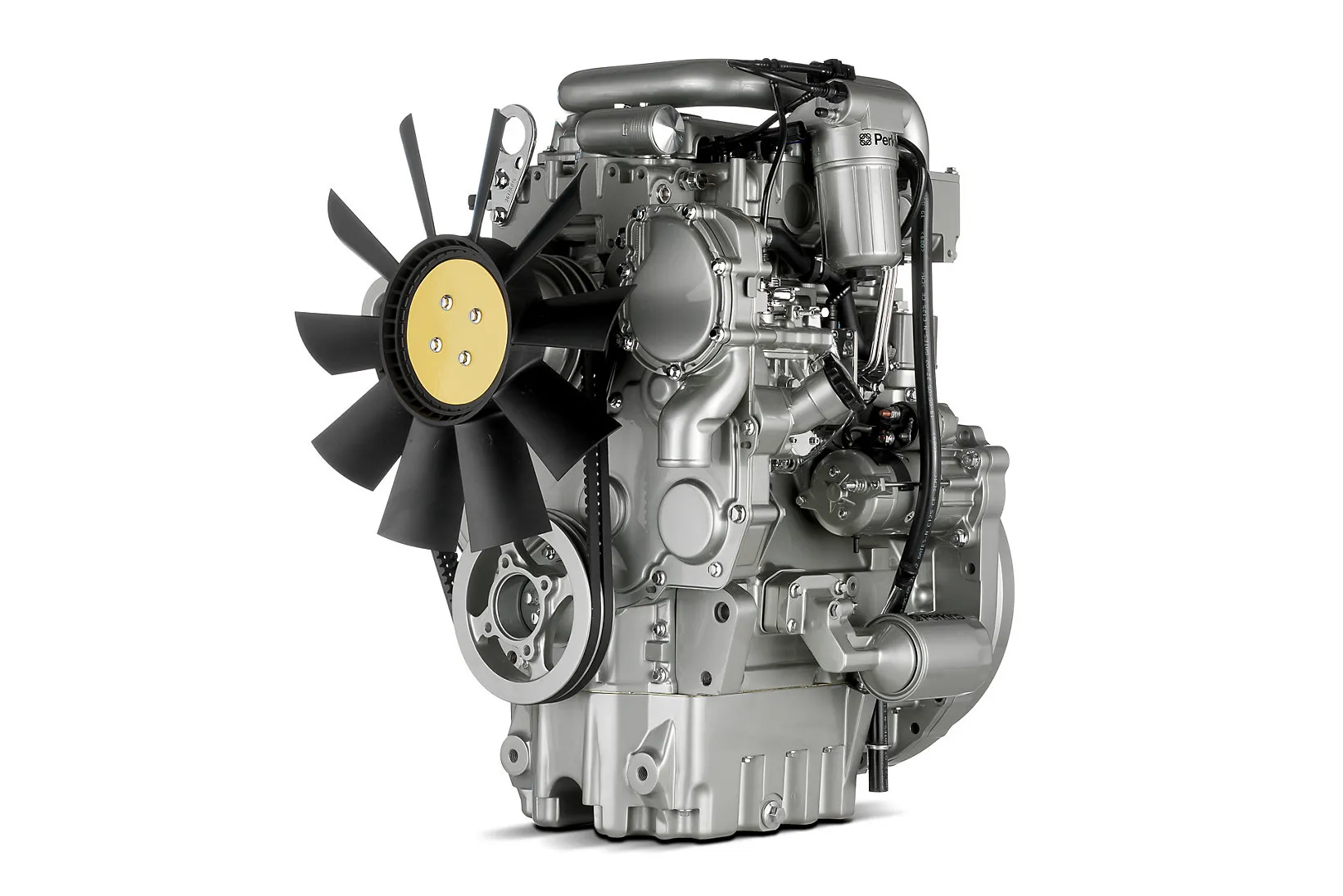
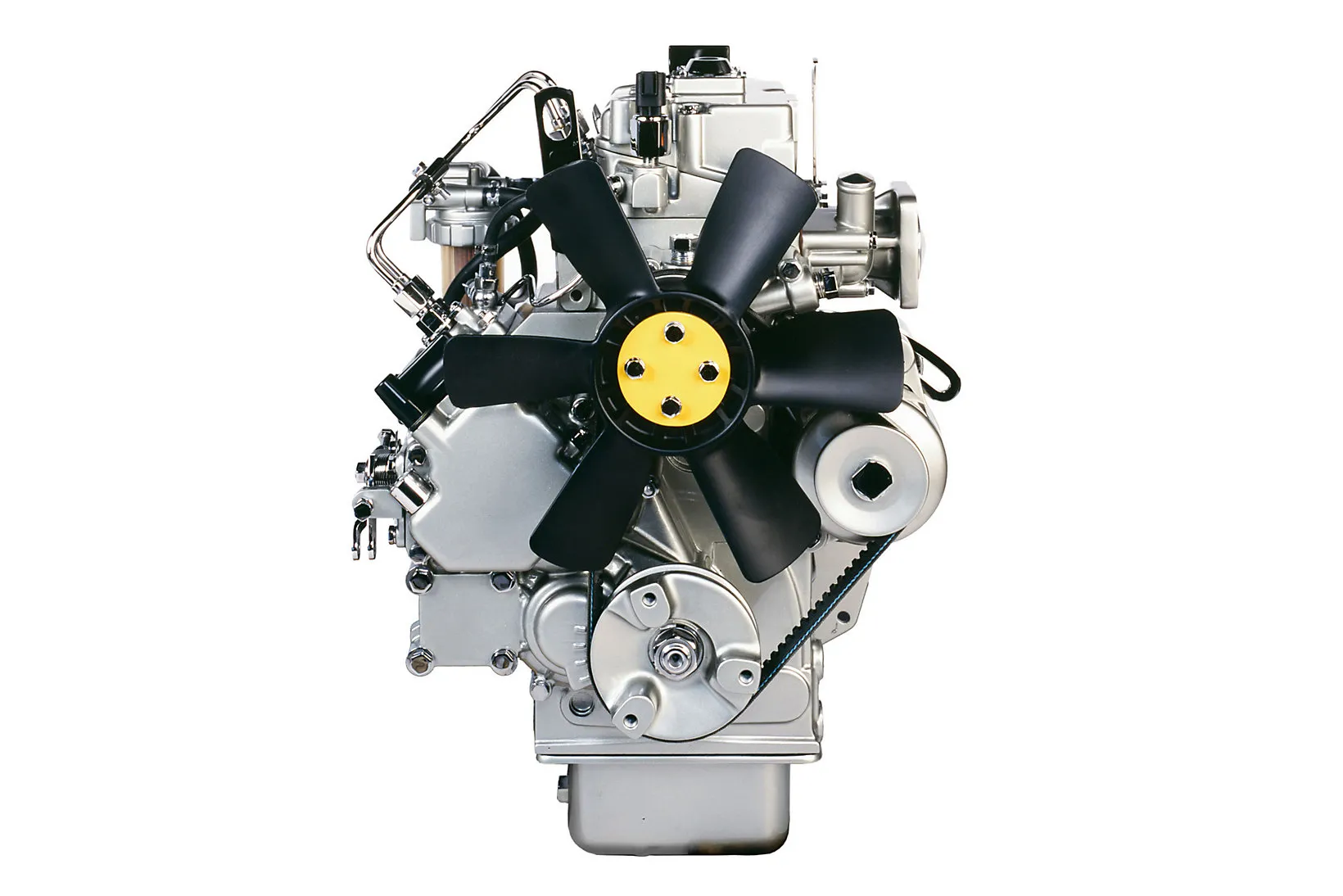
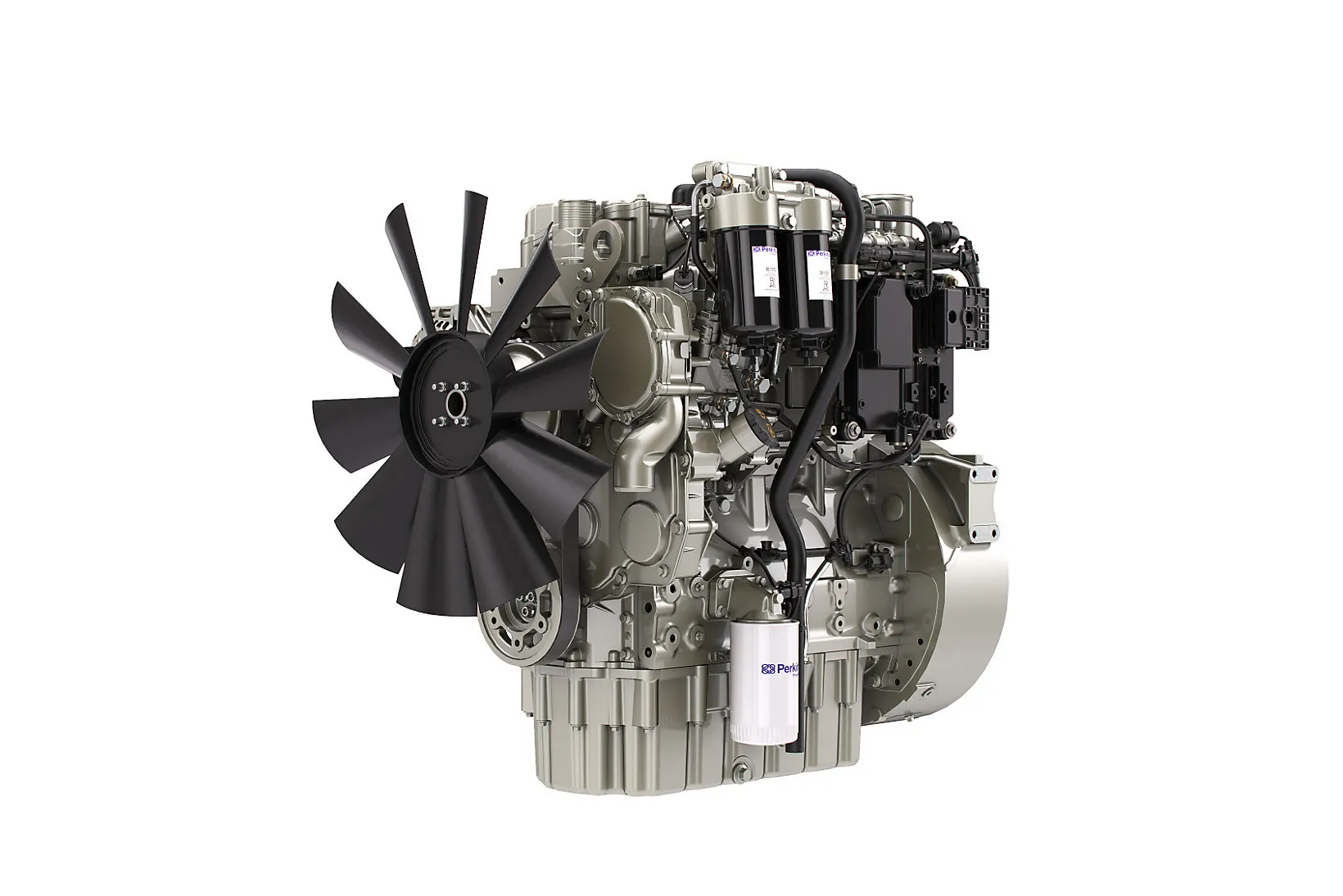
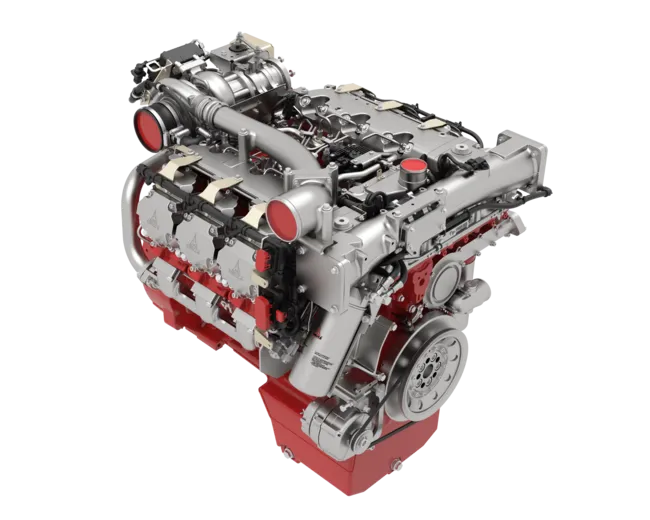
Especially in engines manufactured to high-quality standards, such as Deutz, Perkins, and Cummins, vibration-related failures occur less frequently when proper maintenance is performed. However, even the most durable engines can develop vibration issues over time due to heavy use, insufficient maintenance, or improper operating conditions.
What Causes Engine Vibration?
Engine vibration can occur for many different reasons. The most common causes include:
- engine imbalance,
- worn bearings,
- coupling misalignment,
- loose fastening components,
- shaft deformation,
- operation under excessive load.
If these issues are not detected early, they can negatively affect engine performance.
Why Is Engine Balancing Important?
Engine balancing refers to the smooth and balanced operation of rotating components.
When an imbalance occurs:
- vibration levels increase,
- bearing lifespan is reduced,
- mechanical components wear out more quickly,
- energy efficiency may decrease.
For this reason, balance checks are especially important after an engine overhaul.
What Failures Can Diesel Engine Vibration Indicate?
Excessive diesel engine vibration is often one of the earliest signs of various mechanical problems.
If vibration is accompanied by the following symptoms, a technical inspection is recommended:
- loss of power,
- abnormal engine noises,
- increased fuel consumption,
- irregular engine operation,
- loose connection points.
Vibration analysis is one of the most widely used predictive maintenance methods for the early detection of bearing, alignment, and balancing problems in rotating machinery.
How Can Vibration Problems Be Prevented?
Although it is not possible to eliminate engine vibration completely, it can be significantly reduced through regular maintenance.
To achieve this:
- perform periodic maintenance,
- inspect bearings regularly,
- measure engine balance on a routine basis,
- check coupling alignment,
- tighten loose fasteners promptly.
These inspections not only help the engine operate more quietly but also extend its service life.
Is the Risk of Vibration Lower in Deutz, Perkins, and Cummins Engines?
Properly designed and regularly maintained Deutz, Perkins, and Cummins engines are highly resistant to vibration-related problems thanks to their robust engineering, high-quality materials, and superior manufacturing standards.
However, this does not mean these engines are maintenance-free. With regular servicing and the use of genuine spare parts, engines from these brands can operate at high performance for many years while significantly reducing the risk of vibration-related failures.
Protect Your Engine Performance with Fermot
Fermot provides maintenance, overhaul, technical service, and genuine spare parts for Deutz, Perkins, and Cummins engines.
Accurately identifying the cause of engine vibration and performing the necessary maintenance procedures on time helps prevent major failures while reducing operating costs. Regular technical inspections help maintain engine performance and minimize the risk of unplanned downtime.