For a diesel engine to start reliably, it requires not only functional fuel and air intake systems but also sufficient electrical energy. The battery and starting system play an indispensable role during the initial engine cranking phase.
Especially in industrial diesel engines, extended downtime, freezing temperatures, loose electrical connections, or an undercharged battery can lead to severe starting issues. When an engine experiences hard starting or the starter fails to engage properly, inspecting the entire starting circuit is far more effective than simply swapping out the battery.
What Is the Function of the Battery in Diesel Engines?
The battery serves as the primary reservoir of electrical power before the engine turns over. It supplies the massive electrical surge required by the starting system to crank the heavy rotating assembly.
Once combustion occurs and the engine runs, the electrical load shifts to the alternator and charging system. Consequently, there is a continuous, interdependent relationship between the battery and the alternator.
An insufficient battery charge level prevents the starter motor from drawing the required amperage, resulting in weak or sluggish cranking.
What Does the Starter Motor Do?
The starter motor is a heavy-duty electric motor designed to rotate the engine\'s crankshaft to initiate combustion.
When the ignition key or start command is triggered, high-amperage electrical current flows from the battery to the starting system. As the starter motor delivers the necessary mechanical torque to spin the flywheel, the internal combustion cycle takes over.
Because of this, an operational starter motor is critical to getting the engine through the initial cranking phase.
Why Does a Diesel Engine Experience Hard Starting?
Hard starting or delayed cranking in a diesel engine can stem from several underlying faults. A degraded battery or a starter motor unable to achieve target cranking RPM are primary culprits.
Furthermore, poor wiring integrity, corroded battery terminals, or a malfunctioning charging system prevent the battery from maintaining proper state of charge (SoC).
In cases of hard starting, the following checkpoints should be inspected:
- Battery charge status and open-circuit voltage,
- Battery cable terminals and ground integrity,
- Corrosion or oxidation on battery posts,
- Starter motor solenoid and internal brush condition,
- Heavy-gauge wiring harnesses,
- Alternator output and overall charging system performance.
A structured inspection quickly reveals whether the failure is rooted in the electrical circuit or within other mechanical engine subsystems.
What Does \"Engine Cranks but Won\'t Start\" Mean?
A starter motor turning the engine over does not guarantee that combustion will occur. If the starter spins the flywheel at normal speeds but the engine fails to catch, the underlying issue typically lies elsewhere.
In such scenarios, fuel delivery, air intake filtration, glow plugs, and compression health must be evaluated. Therefore, a \"crank, no-start\" condition should not automatically be blamed on a dead battery or a failed starter motor.
Why Does the Starter Only Make a Clicking Sound?
Hearing a single or rapid clicking sound when attempting to start usually points to electrical or mechanical bottlenecks. Insufficient battery amperage, high circuit resistance, or a damaged starter solenoid are common causes.
Loose clamps or oxidized battery posts drastically restrict the heavy current needed to pull the starter solenoid in.
When clicking occurs, inspect the battery voltage under load and clean all primary power terminals before concluding that the starter motor itself requires replacement.
Why Does a Diesel Engine Battery Keep Draining?
Repeated battery drainage occurs for multiple reasons: extended periods of engine inactivity, parasitic electrical draws in the harness, or an alternator failing to output rated charging current.
If a battery repeatedly discharges over short intervals, simply recharging it will not resolve the root problem.
To avoid recurring failures, evaluate the battery\'s state of health (SoH), verify alternator voltage regulation, and perform parasitic draw testing across the electrical system.
Why Are Battery Terminals and Connections Critical?
For clean current transmission from the battery into the electrical system, contact points must maintain zero resistance.
Corrosion, oxidation, or loose connections choke the massive current flow required by the starter motor. This bottleneck becomes especially prominent during cold-weather startups when cranking demand peaks.
Regular maintenance must always involve cleaning battery posts, torquing terminal clamps to specification, and applying anti-corrosion protection.
Starting System Maintenance in Industrial Diesel Engines
Industrial engines operate in demanding environments involving severe vibration, extreme ambient temperatures, dust, and continuous duty cycles. Engine electrical circuits must be inspected in proportion to these operating conditions.
Periodic maintenance routines should consistently include:
- General battery health and specific gravity / voltage testing,
- Battery cable integrity and torque specs on clamps,
- Cleaning of terminal posts and ground straps,
- Starter motor engagement, mounting bolts, and electrical connections,
- Inspecting wiring harnesses for chafing, heat damage, or oxidation,
- Charging system testing under varied engine loads.
During periods of seasonal storage or prolonged standby, battery maintainers should be deployed to prevent deep discharge.
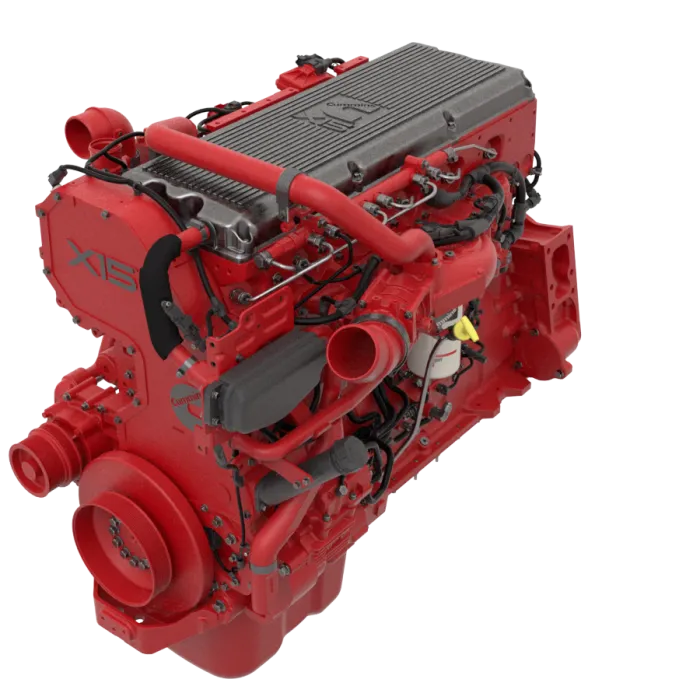
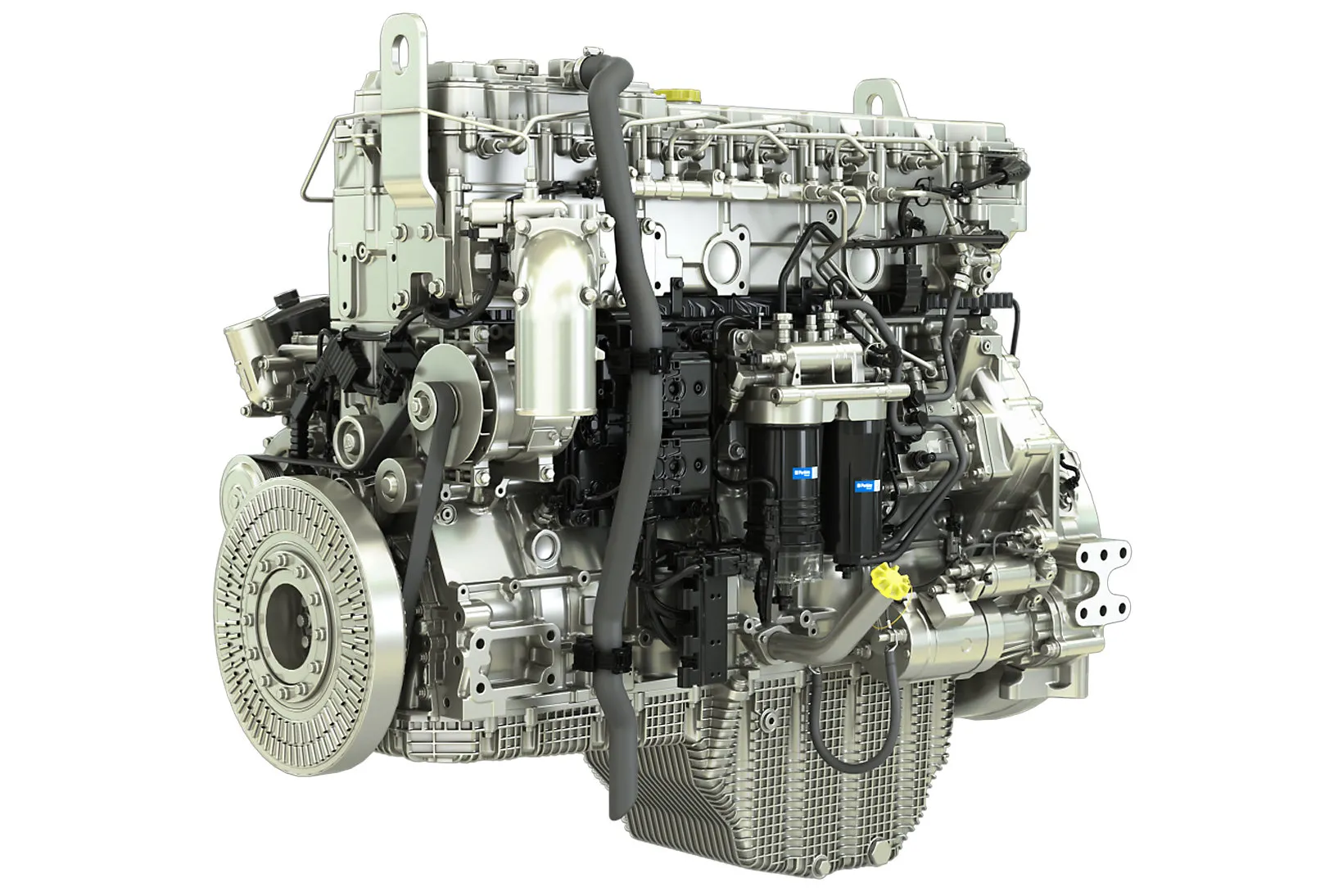
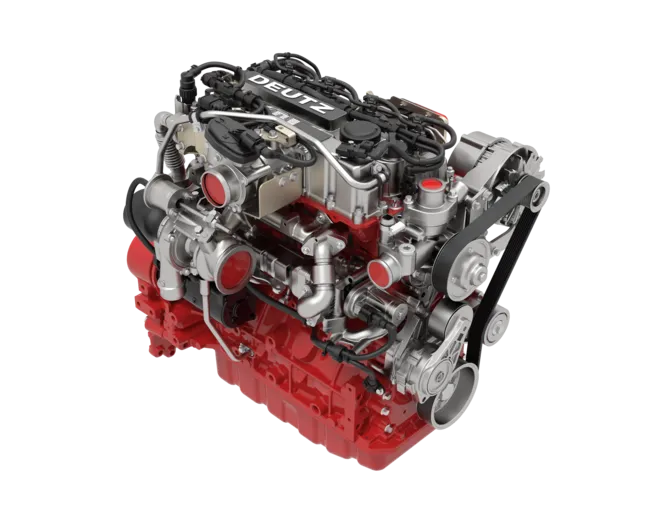
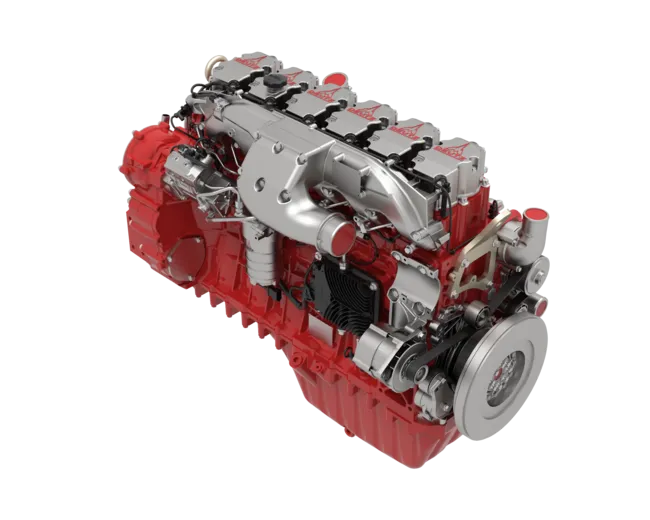
Starting Systems in Perkins, Deutz, and Cummins Engines
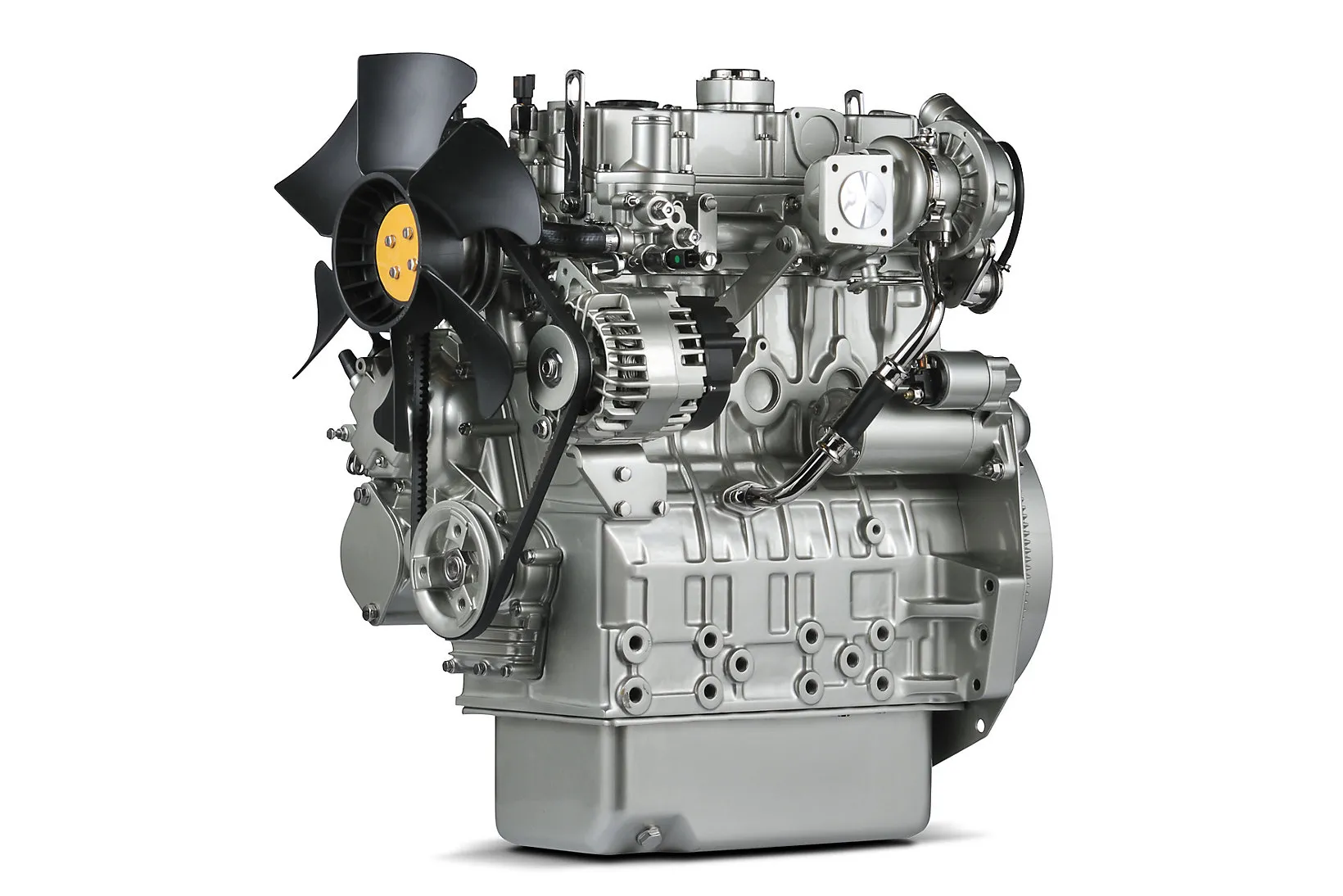
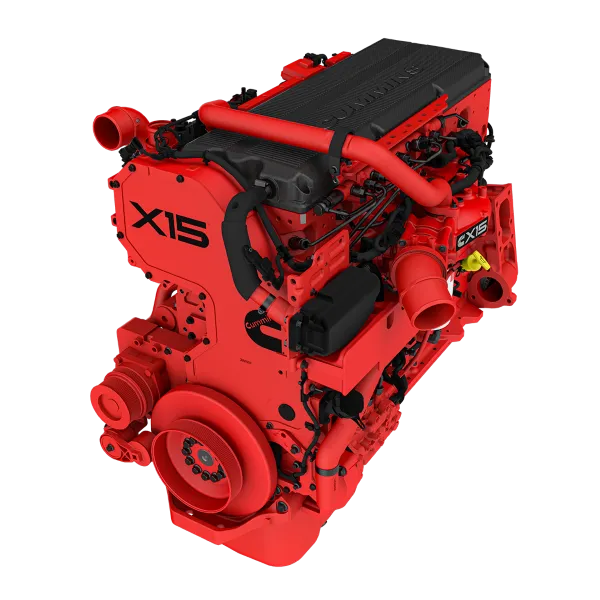
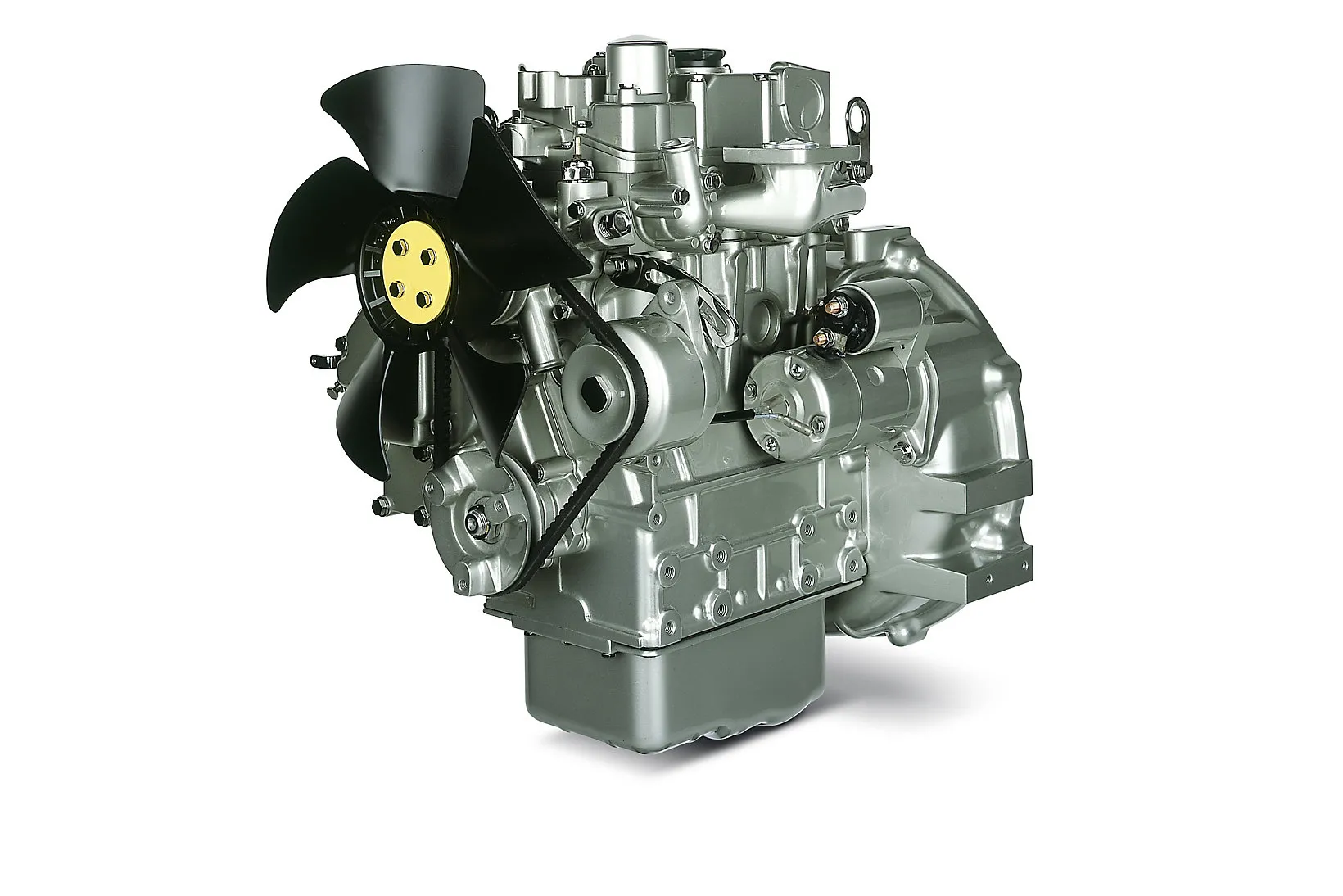
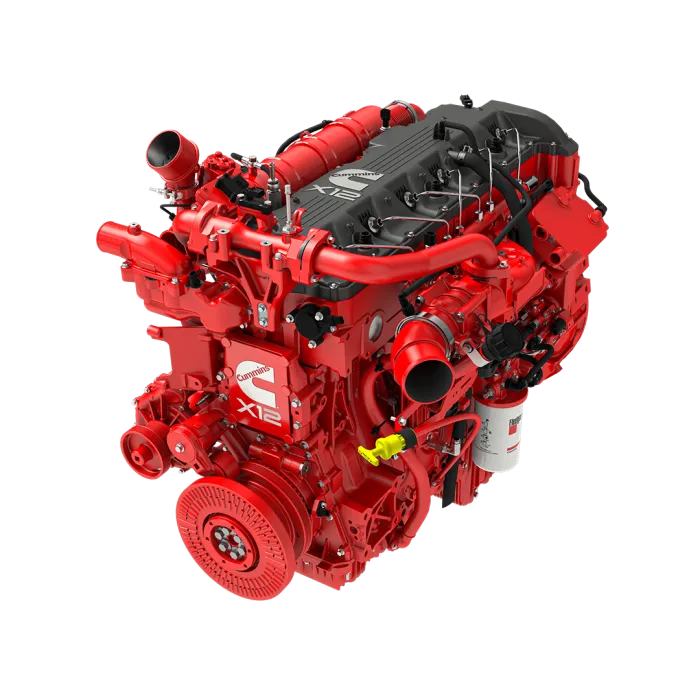
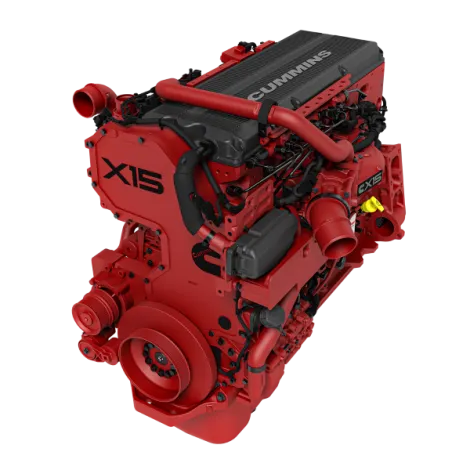
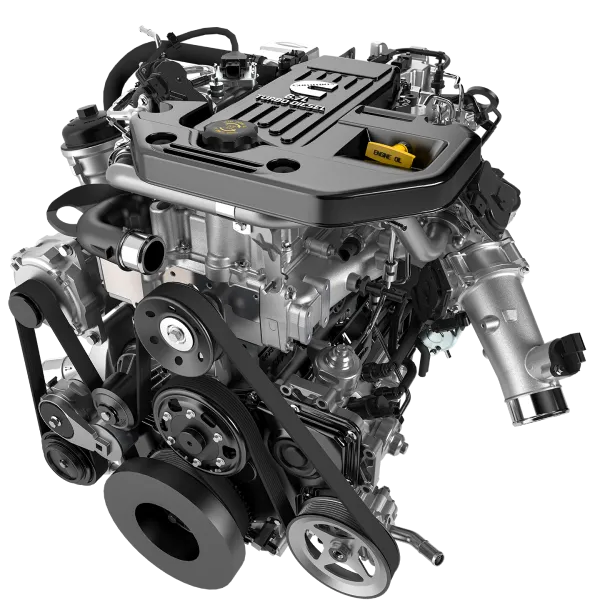
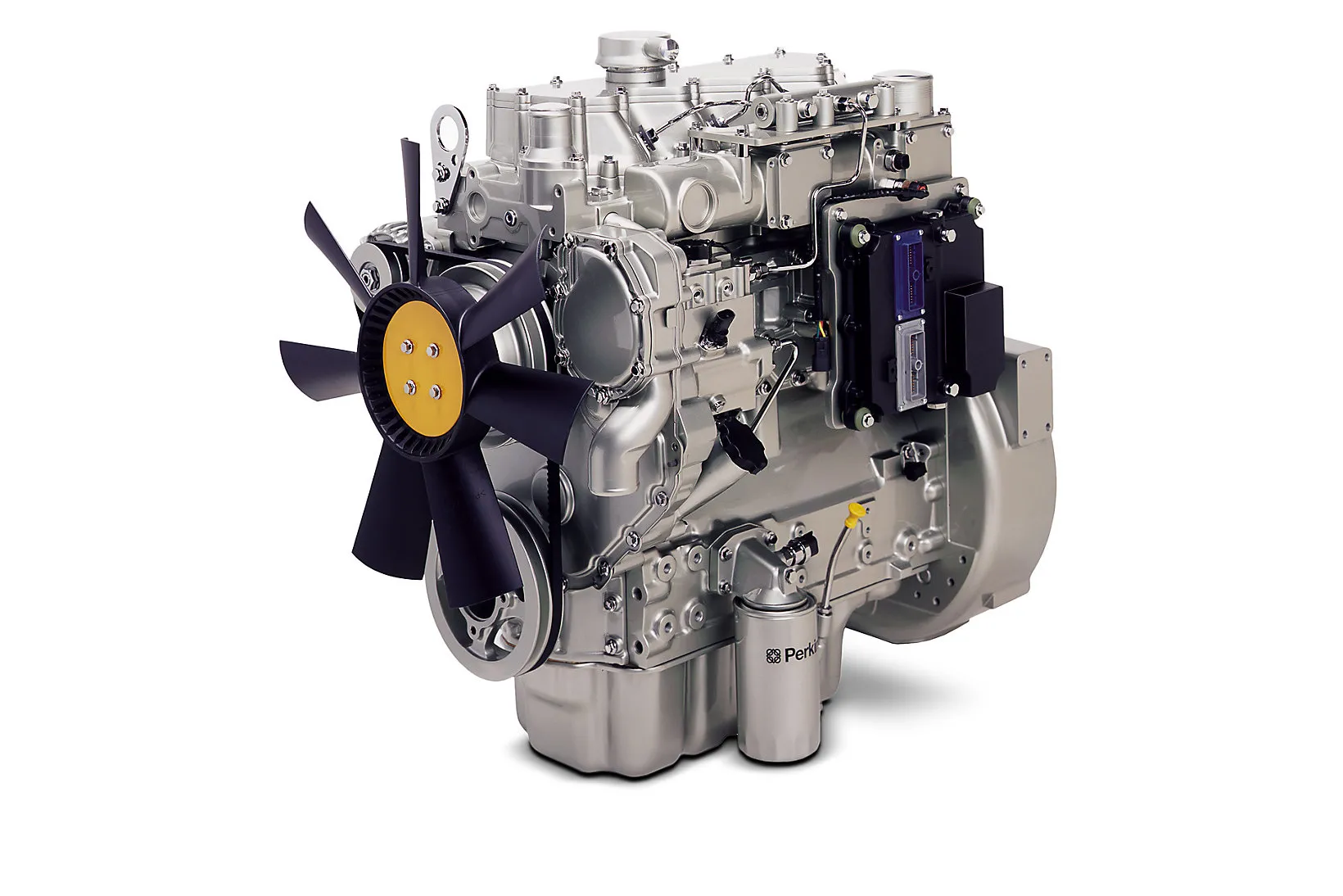
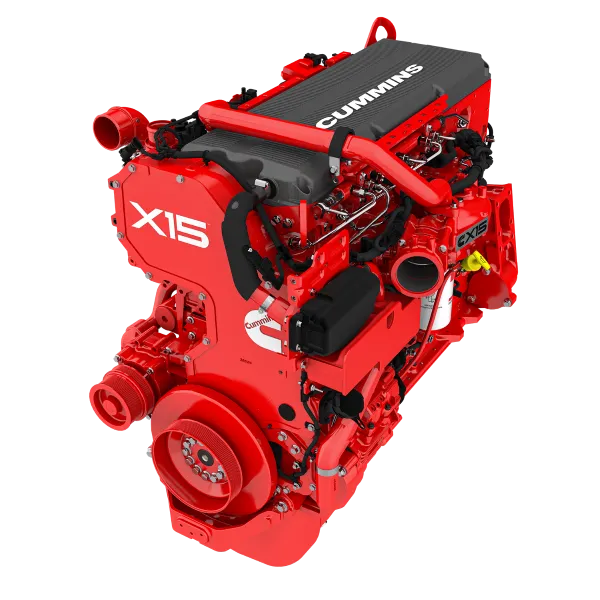
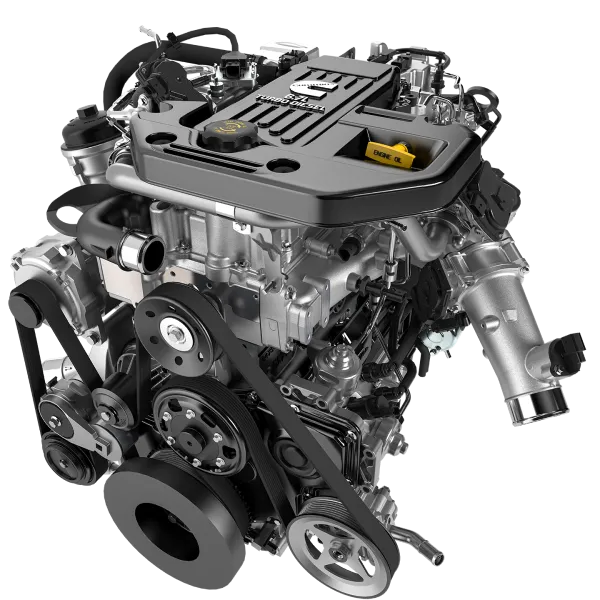
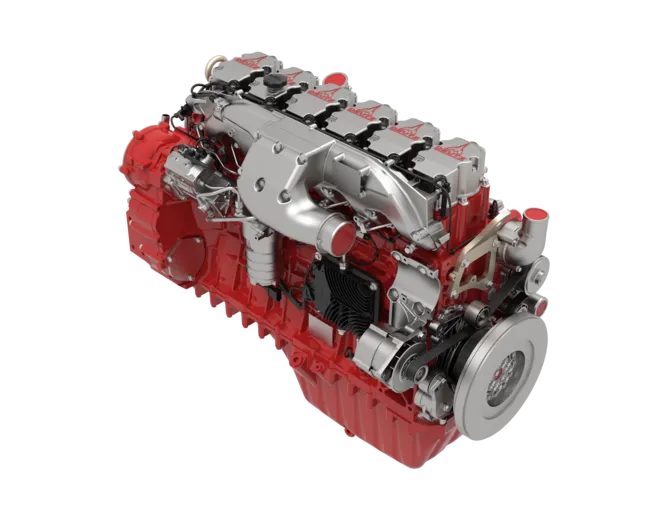
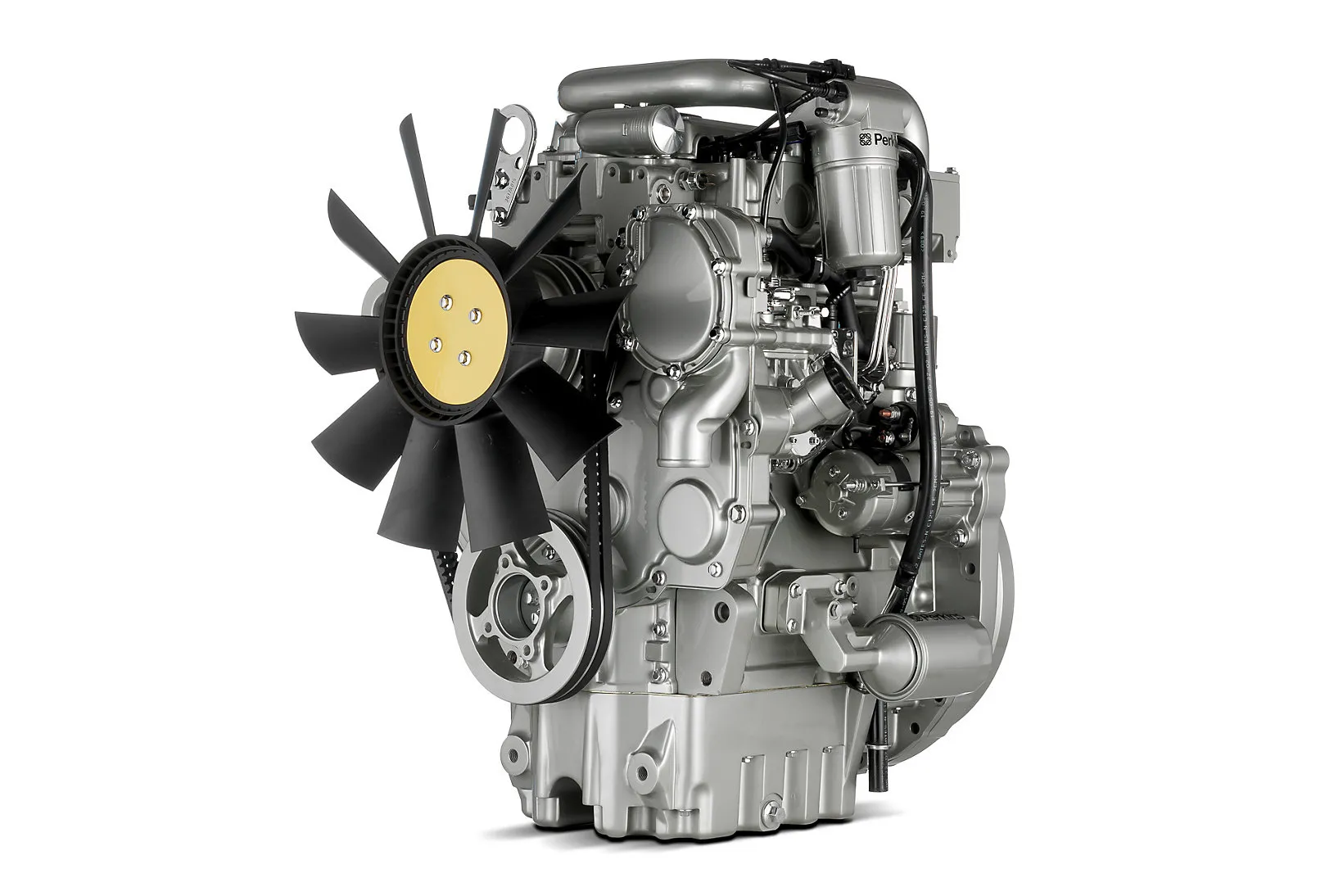
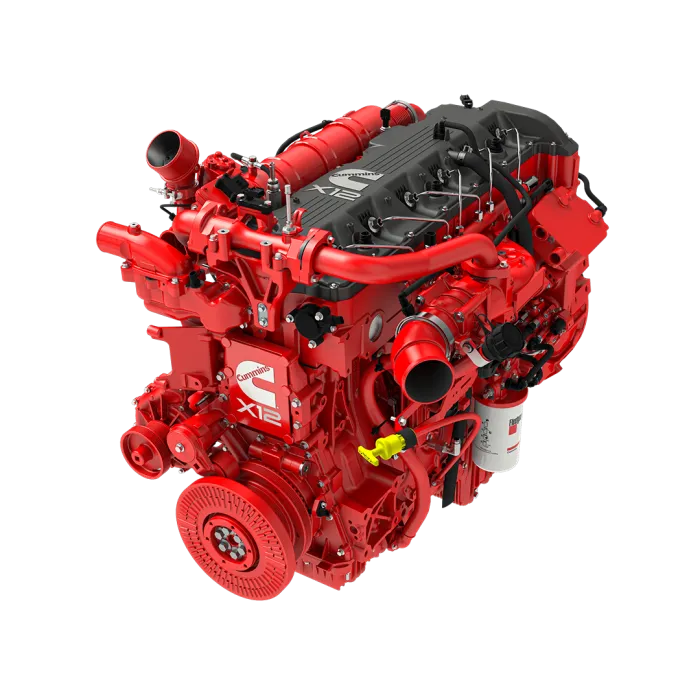
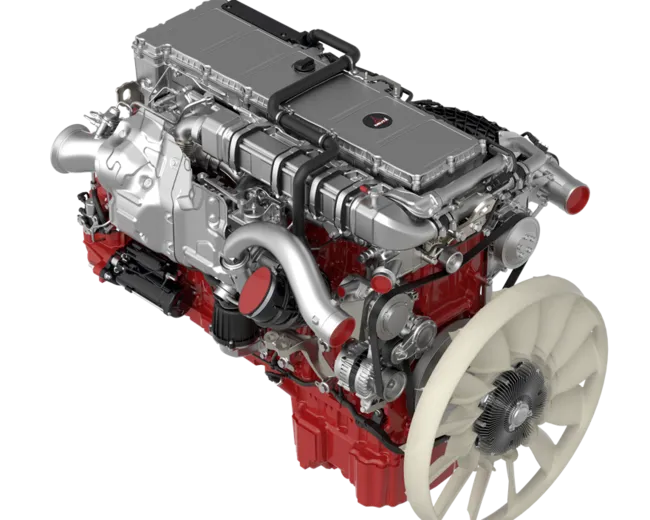
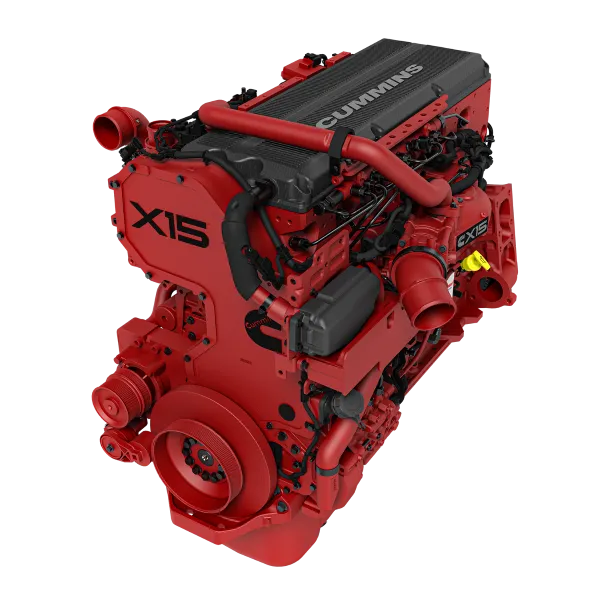
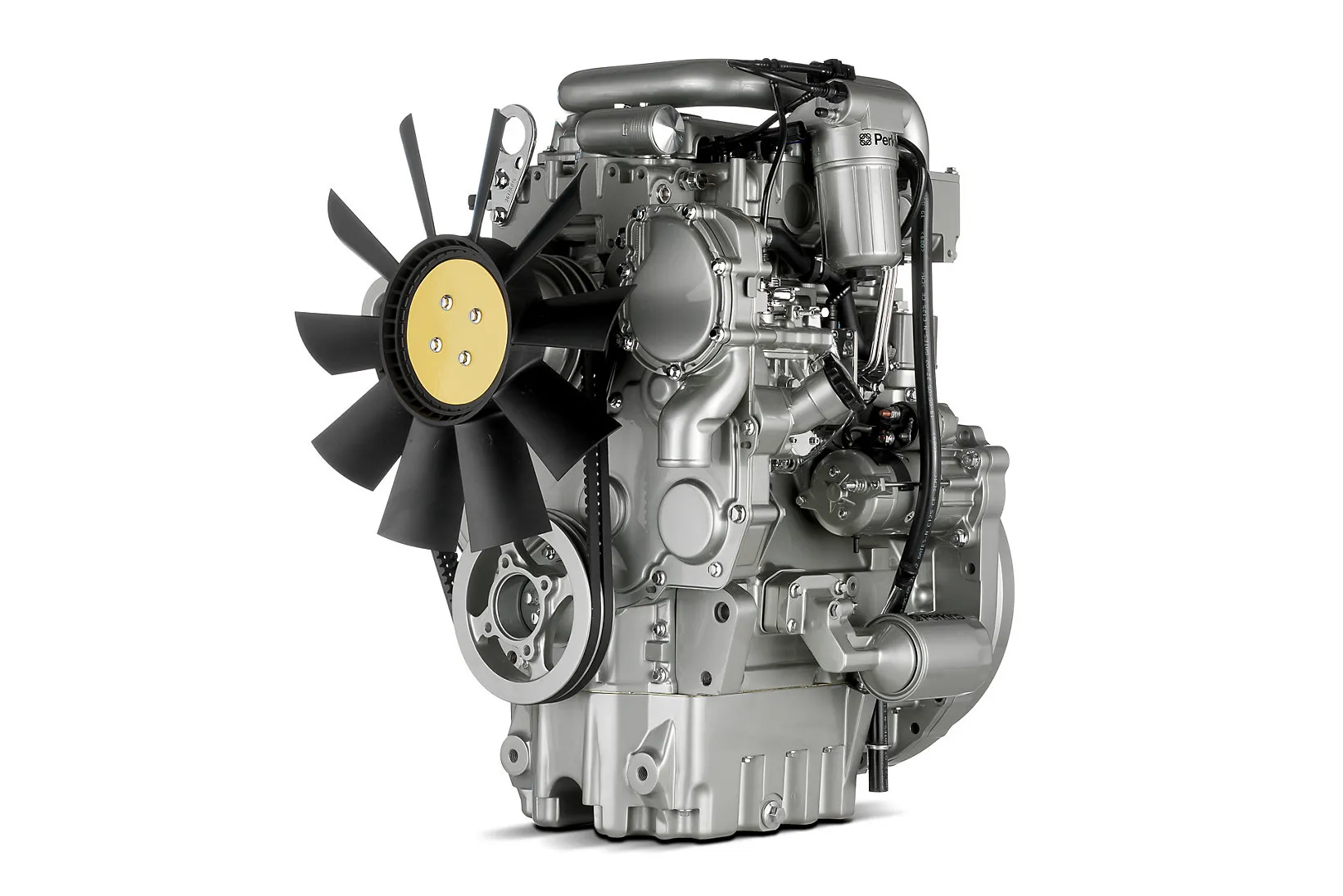
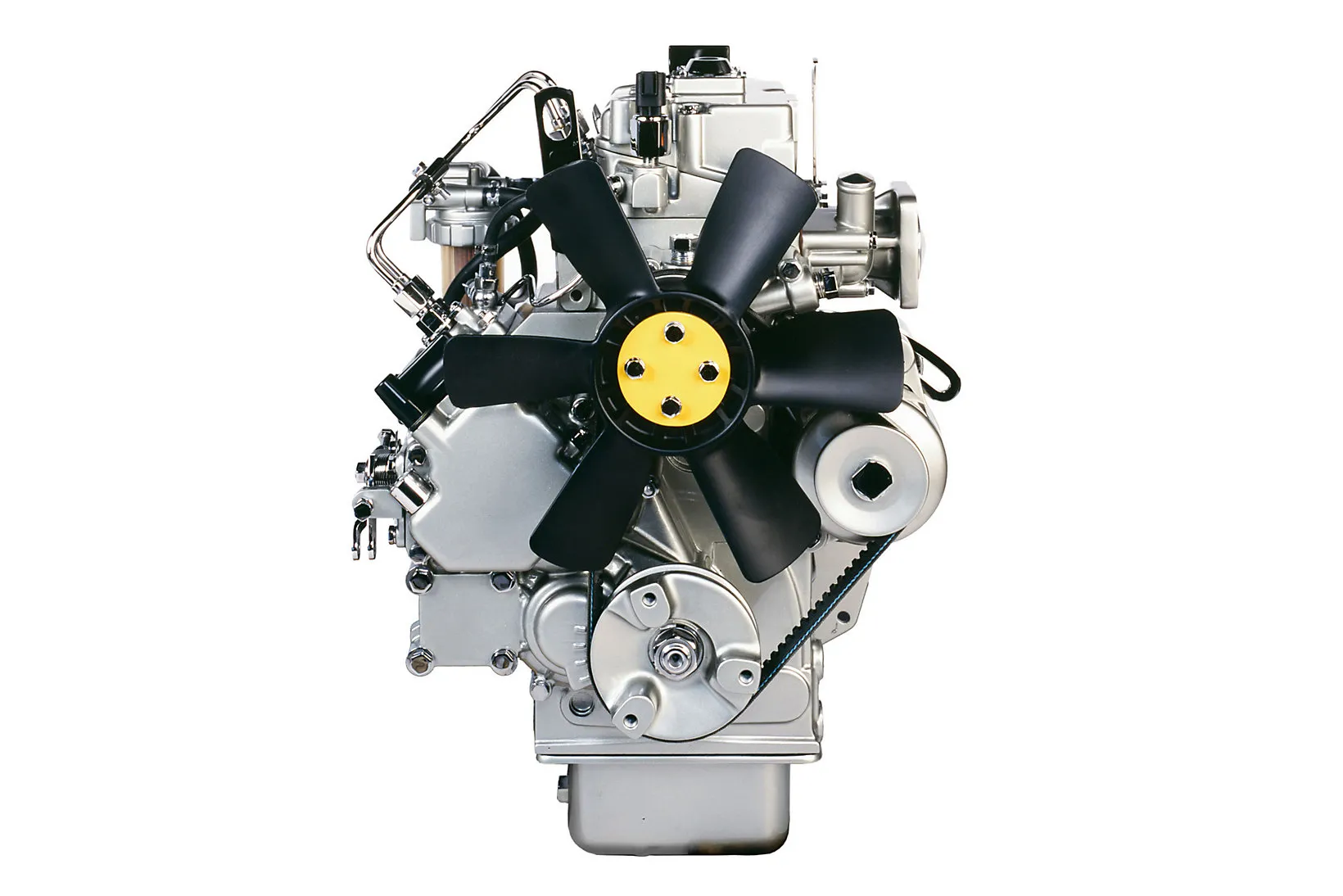
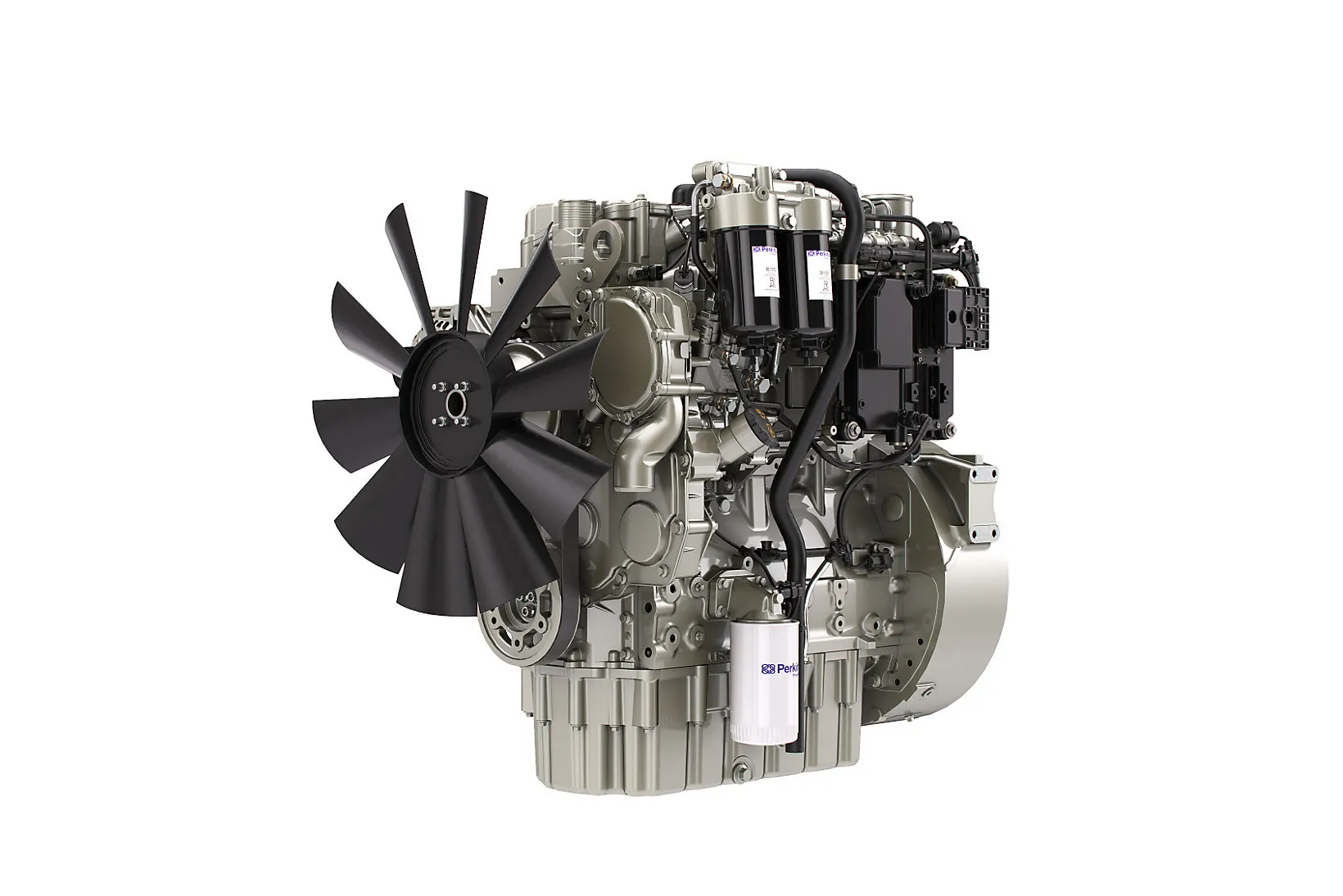
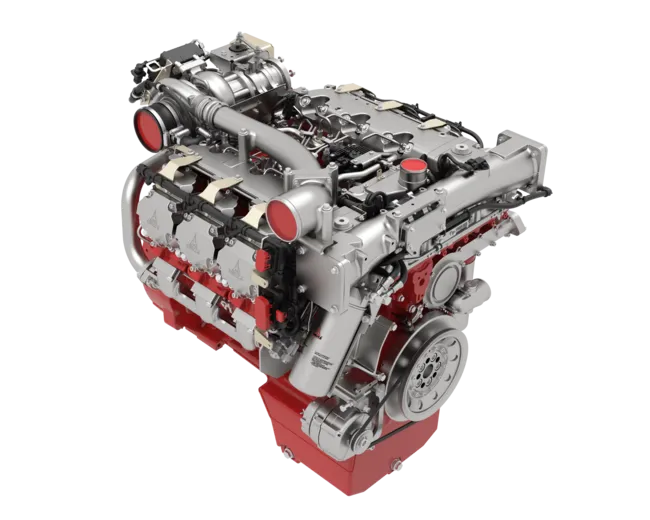
Leading industrial engine manufacturers like Perkins, Deutz, and Cummins engineer specific starter motors, solenoids, and electrical configurations matched to the displacement and compression ratios of each engine model.
When diagnosing, maintaining, or replacing starting components on these platforms, always consult OEM technical documentation and adhere to correct part references.
Precise diagnostic steps and correct OEM-spec components are vital to maintaining machine uptime in heavy-duty industrial installations.
Professional Diagnostics for Engine Starting Issues
Pinning down hard starting or a no-start condition to a single component without testing leads to unnecessary part replacements. The battery, starter motor, alternator, grounding circuits, and auxiliary systems must be evaluated as a single, interdependent network.
Accurate root-cause analysis saves downtime, lowers maintenance costs, and ensures the correct repair procedure is executed the first time.
Conclusion
The battery and starting system are the foundation of a diesel engine\'s operating cycle. A degrading battery, oxidized terminals, internal starter wear, or an underperforming charging circuit can quickly leave equipment stranded.
Pay close attention to early warning signs such as sluggish cranking, clicking solenoids, or frequent discharge, and troubleshoot the circuit methodically. Routine maintenance and diligent electrical checks guarantee the cold-cranking reliability demanded by industrial diesel applications.
Frequently Asked Questions
Why does a diesel engine experience hard starting?
A depleted battery, high-resistance wiring, a worn starter motor failing to turn the engine fast enough, or auxiliary issues like low fuel rail pressure and cold glow plugs can cause hard starting.
Will the starter motor work if the battery is weak?
A weak battery often fails to supply the high inrush current required. The starter may crank sluggishly, click, or fail to spin the flywheel entirely.
Why does the starter motor only click when trying to start?
A single or rapid click is usually caused by low battery voltage under load, severely corroded terminal connections, or a faulty starter solenoid contactor.
Why does a diesel engine battery drain repeatedly?
Frequent battery drainage typically points to parasitic current leaks in the electrical harness, prolonged engine downtime without a trickle charger, or a failing alternator.
If the engine cranks but won\'t start, does it mean the battery is dead?
Not necessarily. If the starter spins the crankshaft at normal operating speed, the battery and starter are functioning; the failure is more likely linked to fuel delivery, air restriction, or sensor faults.
How often should the battery and starting system be inspected?
Inspection intervals vary by engine model and operational duty cycles. It is best practice to verify battery health, terminal torque, and starter connections during every scheduled periodic maintenance service.