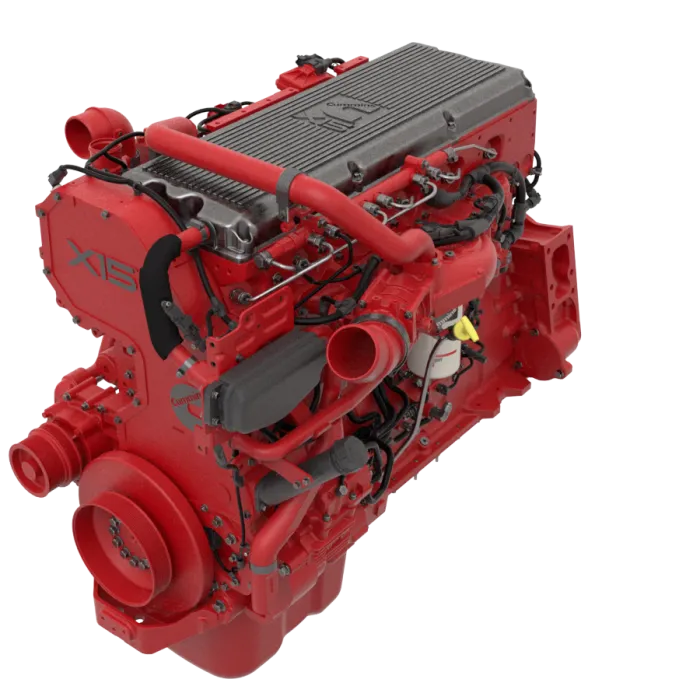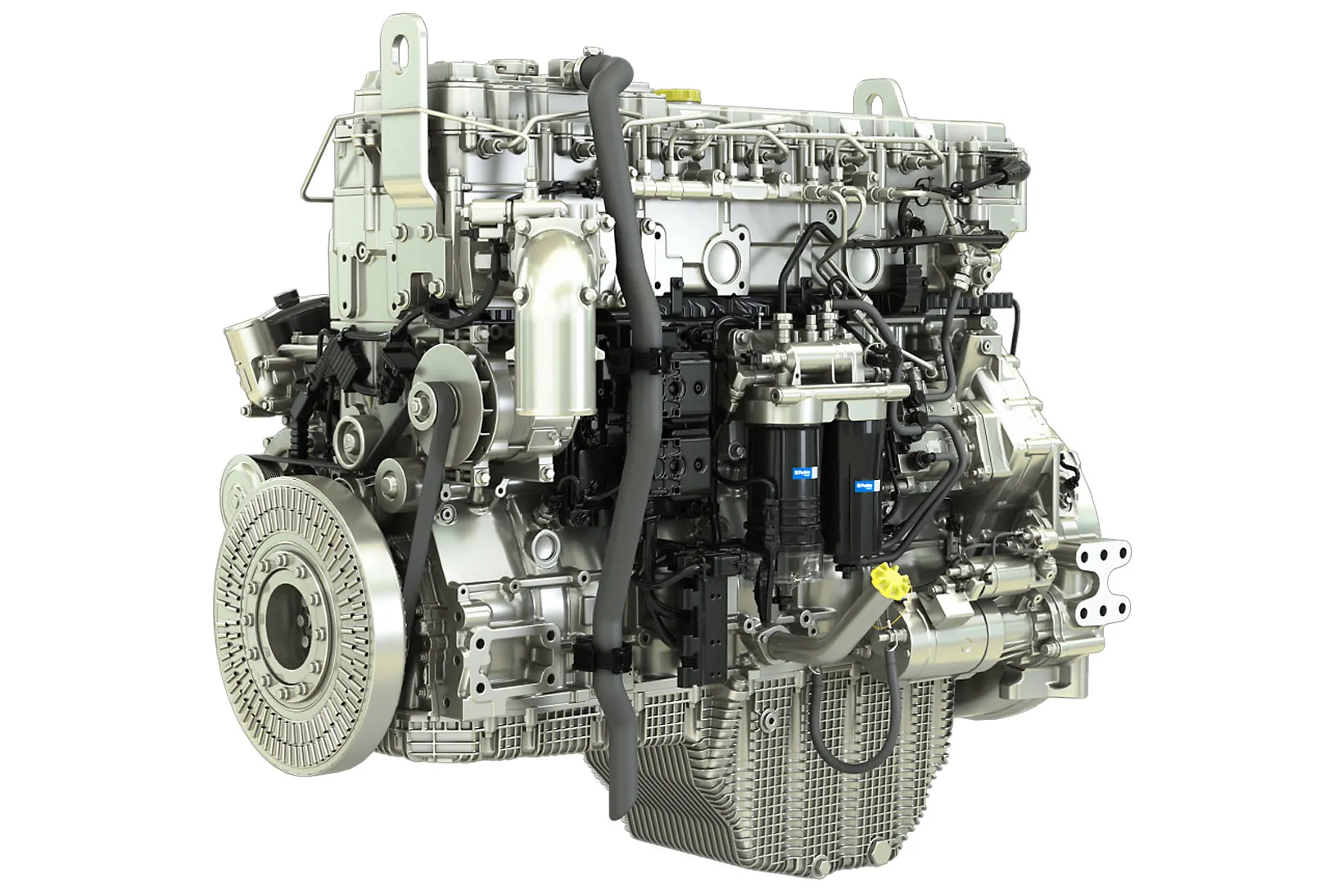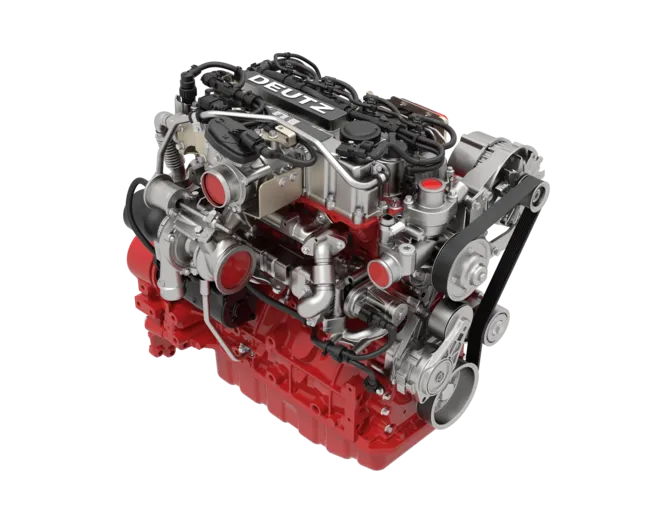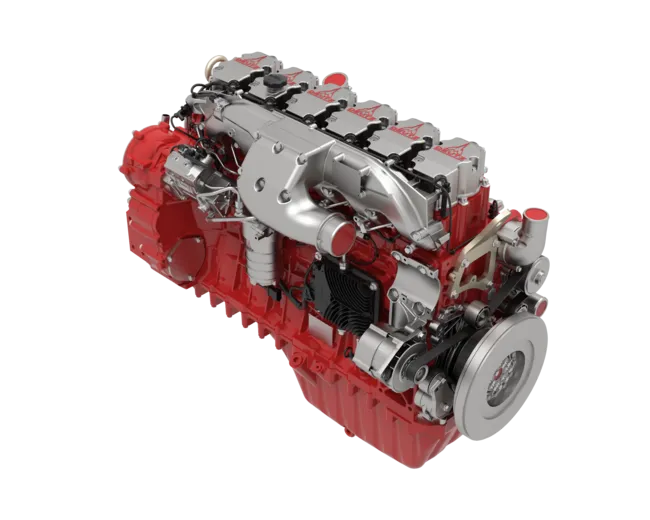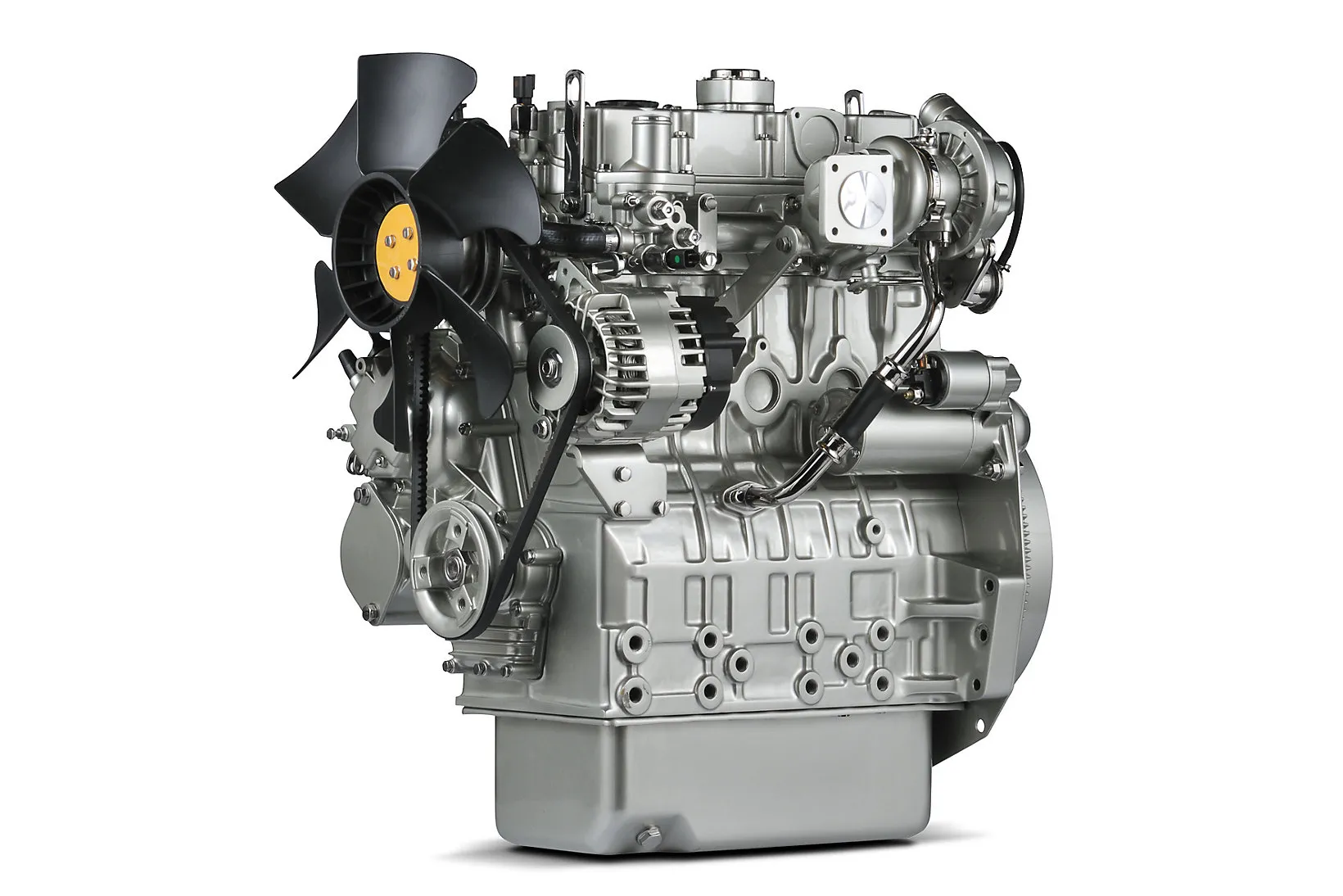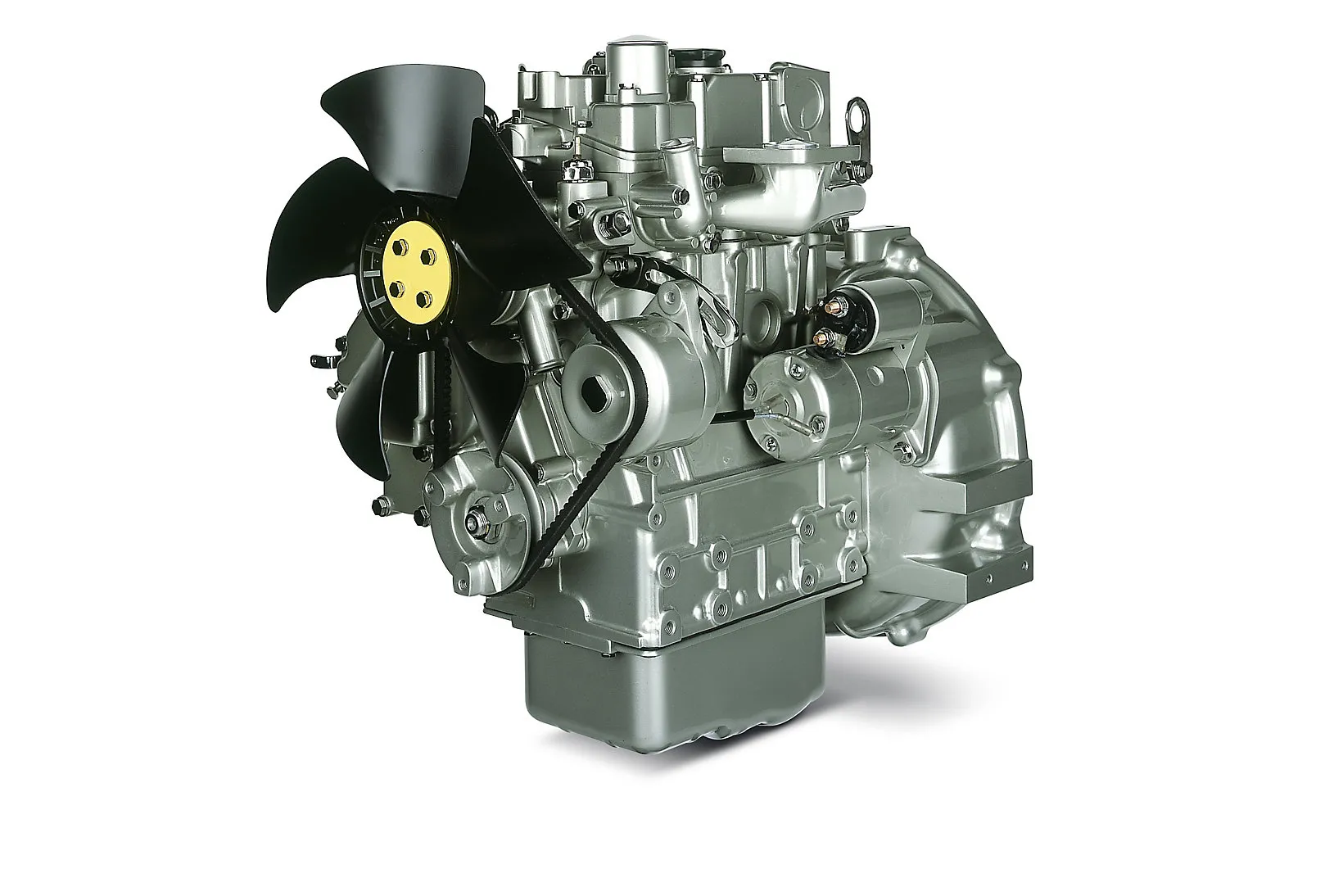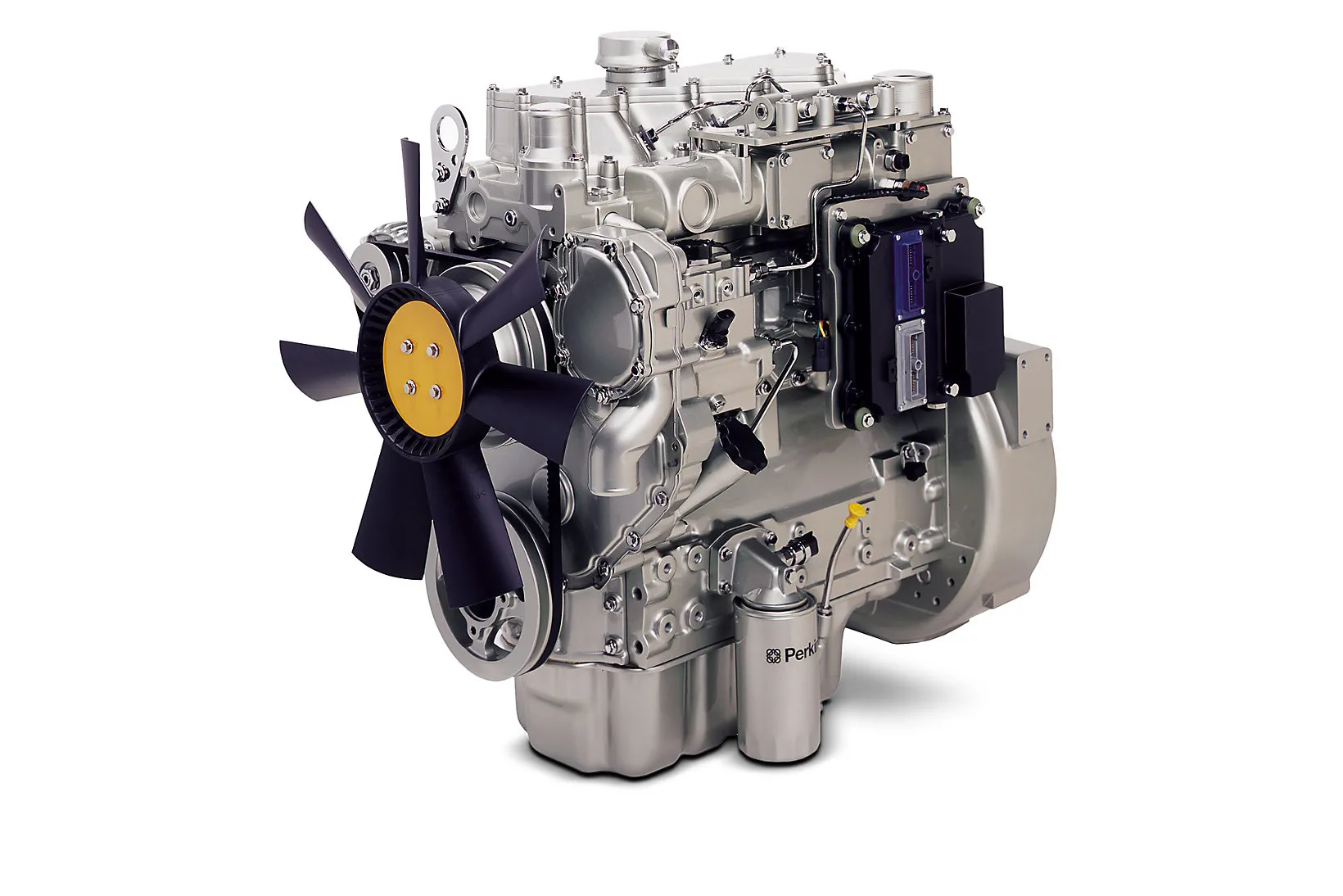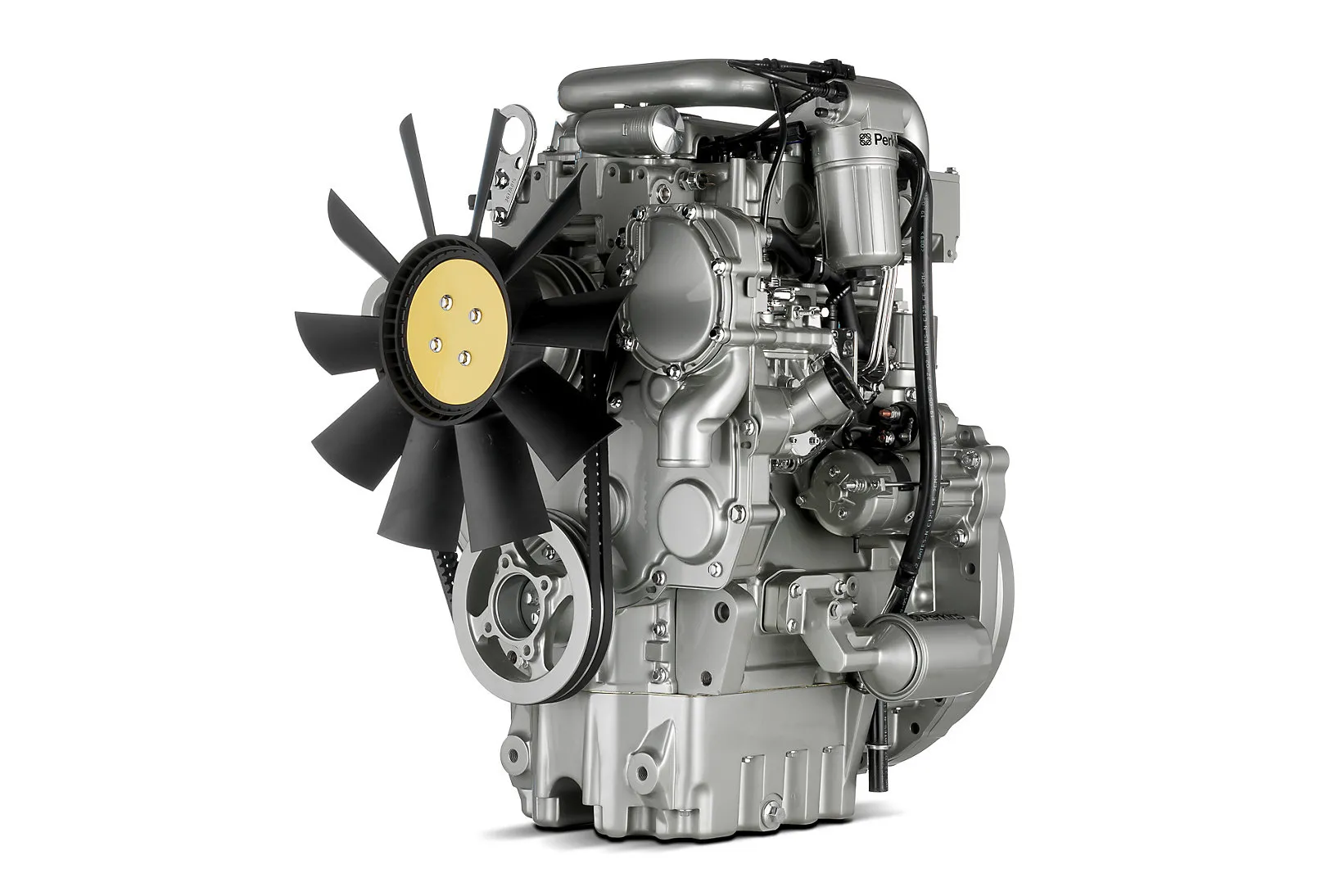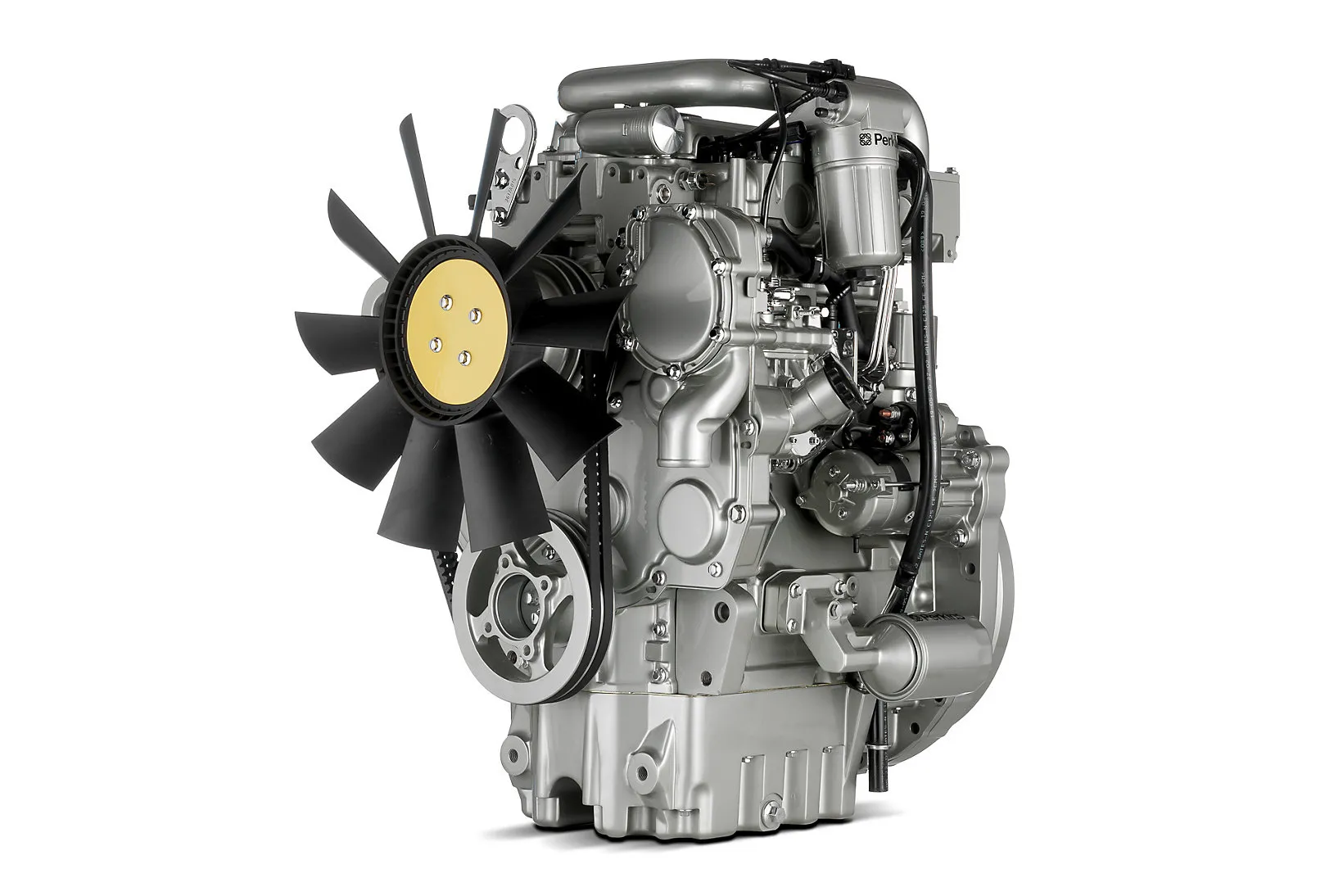
Perkins engines are diesel engines used in many different applications, from industrial machinery to generators, from agricultural equipment to work machines. Regular maintenance is of great importance for these engines to operate with a long service life, efficiently and reliably. However, one of the most important issues to consider during the maintenance process is the correct determination of maintenance intervals.
Maintenance intervals in Perkins engines should not be evaluated based on a specific time period alone. The engine\'s operating hours, usage intensity, ambient temperature, load condition, fuel quality, and operating conditions are the fundamental factors that influence the creation of the maintenance plan. Incorrectly determined maintenance intervals can lead to decreased engine performance, unexpected failures, and increased operating costs.
Why Is Periodic Maintenance Important in Perkins Engines?
Diesel engines operate under high temperature, pressure, and mechanical load during operation. Since the various components of the engine are in constant motion, wear, contamination, and performance loss can occur over time.
Performing regular maintenance on Perkins engines helps keep these effects under control. In particular, the fuel system, lubrication system, cooling system, and air intake system play an important role in the efficient operation of the engine.
The main advantages of periodic maintenance are as follows:
- It enables monitoring of the wear and tear condition of engine parts.
- It helps the lubrication system operate healthily.
- It supports keeping fuel consumption under control.
- It reduces the risk of unexpected failures and machine downtime.
- It contributes to preserving the engine\'s operating performance.
- It facilitates the early detection of the need for major repair and overhaul.
- It helps businesses better plan their maintenance and operating costs.
Especially in equipment that operates for long periods, such as generators and heavy-duty work machines, delaying maintenance can cause a small problem to turn into a more extensive failure.
How Are Maintenance Intervals Determined in Perkins Engines?
When determining maintenance intervals in Perkins engines, the engine model and the maintenance schedule specified by the manufacturer should first be examined. Because not every Perkins engine has the same technical specifications and operating requirements.
The engine\'s series, production year, purpose of use, and operating conditions can cause maintenance periods to vary.
The criteria that stand out in determining maintenance intervals are as follows:
- Engine Operating Hours
One of the fundamental criteria of maintenance planning in industrial diesel engines is operating hours.
How long an engine has been running has a direct effect on the oil\'s service life, the contamination status of filters, and the wear level of mechanical components.
For example, the maintenance needs of an industrial engine running 10-12 hours a day and a generator that only comes into operation in emergencies may not be the same.
Therefore, operating hours must be tracked regularly and maintenance records must be kept. In Perkins engines, the operating-hour-based maintenance schedule specified by the manufacturer should be taken as the basis.
- Engine Operating Conditions
The environment and load under which the engine operates is one of the important factors affecting maintenance frequency. In engines used in dusty, humid, hot, or dirty environments, some filter and cooling system checks may need to be performed more frequently.
In particular, Perkins engines operating in quarries, mining sites, construction sites, and agricultural areas may be exposed to heavy dust and variable environmental conditions.
In such applications, air filter, radiator, and cooling system checks gain greater importance.
- Engine Load Condition
Continuous operation of the engine under high load causes components to work more intensively.
In generators, operating with high power demand for long periods, or in work machines, performing heavy operations can increase the thermal and mechanical load on the engine. Therefore, when determining maintenance intervals, not only the total operating hours but also how intensively the engine is used should be taken into account.
- Fuel and Oil Quality
The quality of diesel fuel has a direct effect on the engine\'s fuel system and combustion performance. The use of unsuitable fuel can cause problems in injectors, the fuel pump, and filters.
Similarly, the use of oils that do not meet the technical specifications recommended by the engine manufacturer can negatively affect the engine\'s lubrication performance. In Perkins engines, the use of correct fuel, suitable engine oil, and high-quality filters is an important part of the maintenance plan.
- Engine Age and Maintenance History
The maintenance needs of a new engine and an engine that has been in use for a long time may differ.
In engines with high operating hours, wear, loss of sealing, and changes in mechanical performance should be monitored more closely. In addition, past maintenance records help create the next maintenance plan by showing which parts were replaced when and in which systems problems were experienced before.
Which Parts Should Be Checked Regularly in Perkins Engines?
In the maintenance of Perkins engines, focusing only on engine oil changes is not sufficient. For the engine to operate efficiently and safely, different systems must be evaluated as a whole.
Engine Oil and Oil Filter
Engine oil reduces friction and wear by providing lubrication between moving parts. It also helps transport heat within the engine and control contaminants.
Over time, engine oil can lose its properties and become contaminated. Therefore, the engine oil and oil filter should be changed at the intervals specified in the maintenance schedule of the relevant Perkins engine model. Oil level, oil condition, and possible leaks should also be checked regularly.
Fuel Filter
The fuel filter prevents dirt and particles in the diesel fuel from reaching the engine\'s sensitive components. A clogged filter can restrict fuel flow. This can cause the engine to start late, lose power, and run irregularly.
The fuel filter change time should be determined according to the engine model, fuel quality, and operating conditions.
Air Filter
The air filter, which provides the clean air the engine needs, is of great importance, especially in machines operating in dusty environments.
A contaminated air filter can negatively affect engine performance by restricting airflow.
The air filter should be checked regularly and cleaned or replaced in accordance with the manufacturer\'s instructions. Improper compressed air applications should be avoided during the maintenance of filter elements.
Cooling System
The cooling system ensures that the engine\'s operating temperature is kept within the appropriate range.
The radiator, coolant, hoses, thermostat, and water pump are important components of this system.
The coolant level, leaks, and contamination on the radiator surface should be checked regularly. The type of coolant and the change interval should also be determined according to the engine manufacturer\'s recommendations.
Belts and Hoses
Belts and hoses used inside the engine can wear out, crack, or lose their flexibility over time.
In particular, the tension and physical condition of the belts that drive the alternator and other auxiliary systems should be checked. Loosening and leaks in hose connections can also affect the performance of the cooling or fuel system.
How Should a Maintenance Schedule Be Created for Perkins Engines?
When preparing a maintenance schedule for Perkins engines, the engine\'s user manual and the manufacturer\'s maintenance chart should be taken as the basis. Maintenance operations can be planned as daily checks, periodic maintenance applications, and more comprehensive technical inspections. There is an important detail here: there is no single maintenance hour valid for all models in Perkins engines. For example, oil and filter change intervals may vary across different engine series. Therefore, when creating the exact maintenance schedule, the engine\'s model and serial information must be taken into account.
The Importance of Seasonal Maintenance in Perkins Engines
The temperature of the environment in which the engine operates can affect maintenance needs. Therefore, it is important to perform seasonal checks, especially in Perkins engines used outdoors.
In winter months, battery performance, antifreeze protection of the coolant, engine oil viscosity, and the flow properties of fuel at low temperatures should be checked. Fuel and oil suitable for the ambient temperature in which the engine will be used should be preferred.
In summer months, the cooling system gains greater importance. The cleanliness of the radiator surface, coolant level, hose connections, and the condition of the fan system should be checked.
In spring and autumn, performing general engine checks depending on seasonal transitions helps detect potential problems early.
Seasonal maintenance does not replace the periodic maintenance schedule determined by the manufacturer. These checks should be considered as additional applications that support the existing maintenance schedule.
What Problems Can Delaying Maintenance in Perkins Engines Cause?
Failure to perform maintenance on time in Perkins engines can cause problems that initially appear small to grow larger.
For example, a clogged fuel filter can negatively affect the engine\'s fuel supply. Contaminated engine oil, on the other hand, can lead to moving parts not being sufficiently protected and accelerated wear.
The main problems that may be encountered due to delayed maintenance are as follows:
- Decrease in engine performance
- Increase in fuel consumption
- Overheating and cooling system problems
- Failures in the fuel injection system
- Decrease in lubrication performance
- Unexpected engine shutdowns
- Need for more extensive repair and overhaul
Especially in industrial businesses, engine failures do not only create repair costs. The halt of production or machine activities can also cause significant losses for businesses. Therefore, regular maintenance is important not only to protect the engine but also to ensure business continuity.
Correct Spare Part Selection in Perkins Engine Maintenance
The spare parts used in the maintenance of Perkins engines must be compatible with the engine model. The fact that the engine oil filter, fuel filter, air filter, and other maintenance parts meet the correct technical specifications ensures that maintenance is completed efficiently.
In spare part selection, it is not sufficient for the part to physically fit the engine. The part number, engine serial information, and the technical requirements specified by the manufacturer must also be checked.
The use of incorrect or incompatible parts can cause performance problems after maintenance and failures in different systems.
Professional Service and Maintenance Support for Perkins Engines with Fermot
For Perkins engines to operate with a long service life and efficiently, regular maintenance as well as correct technical evaluation and the use of suitable spare parts are required.
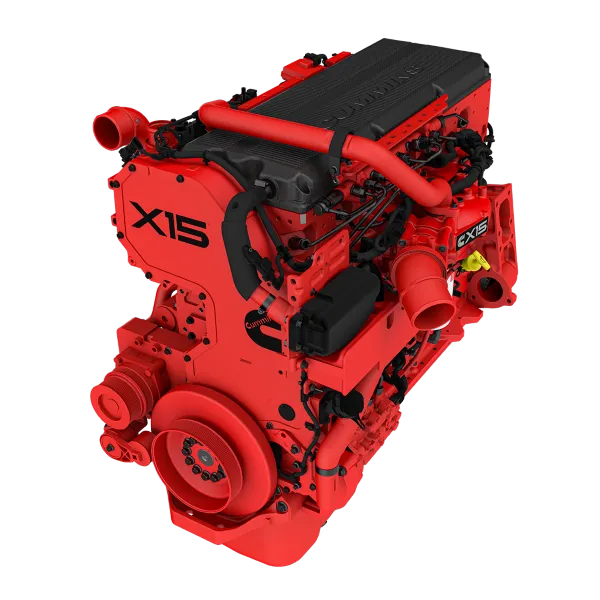
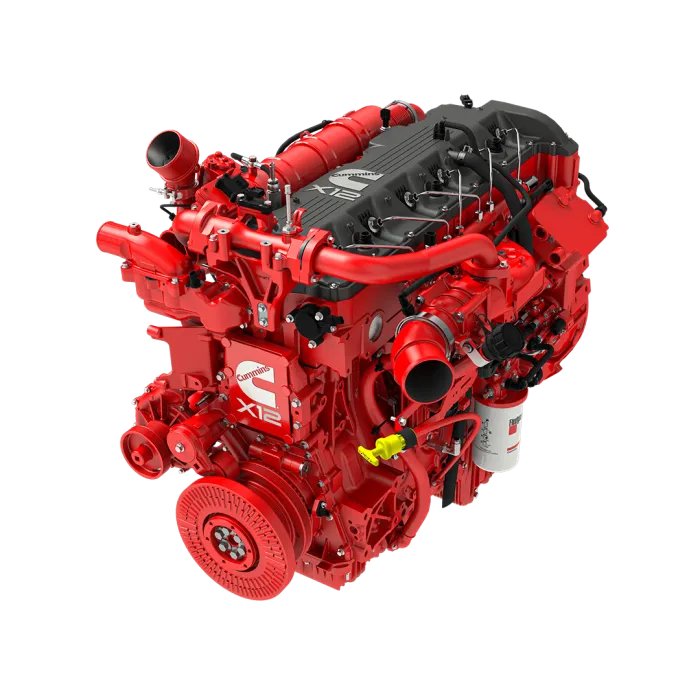
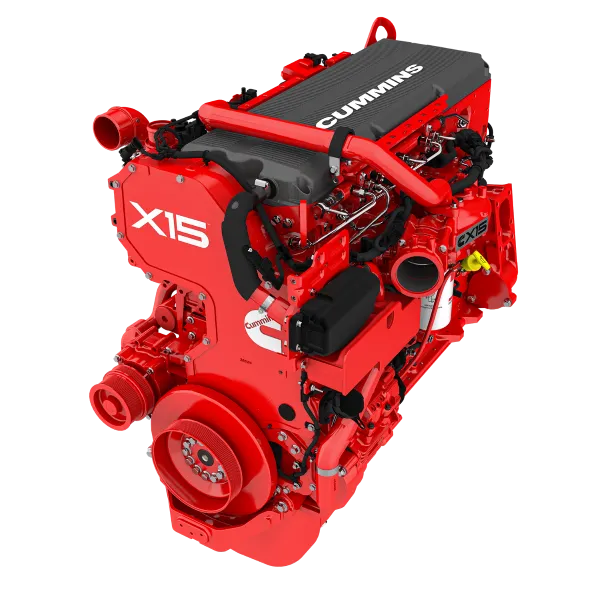
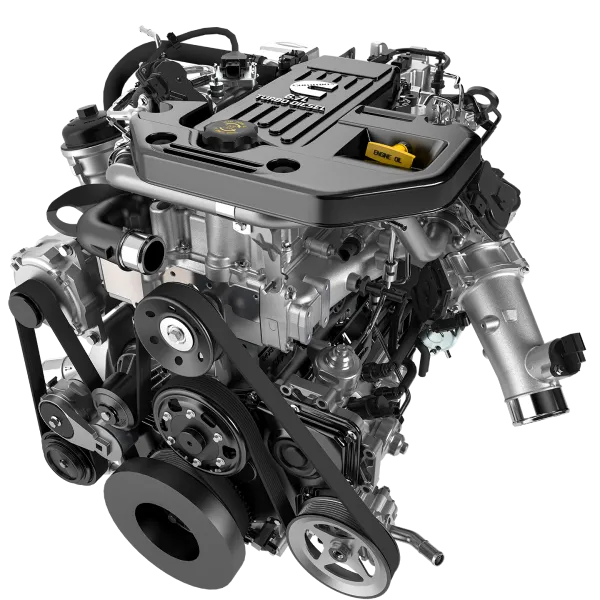
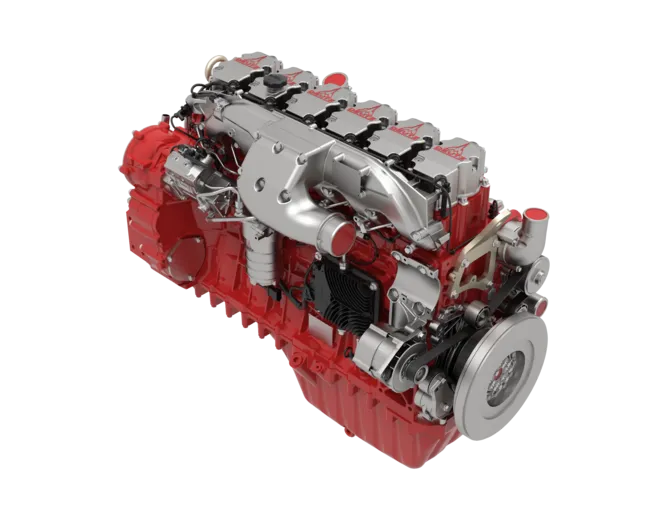
As Fermot, we provide support for the maintenance and repair needs of industrial engines with our service and spare part solutions for Perkins engines in particular, as well as Deutz and Cummins engines.
We offer professional solutions for evaluating maintenance processes suitable for your engine\'s model and operating conditions, early detection of potential failures, and choosing the correct spare parts.
To protect the performance of your Perkins engine, reduce the risk of unplanned downtime, and support your business\'s operational continuity, you can choose the correct maintenance practices.