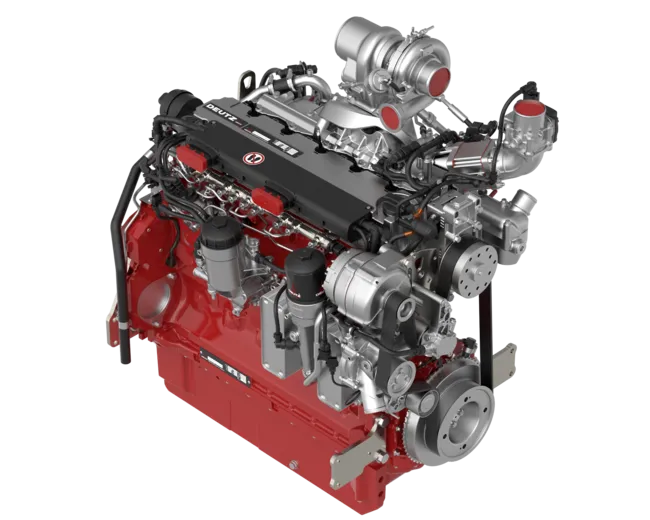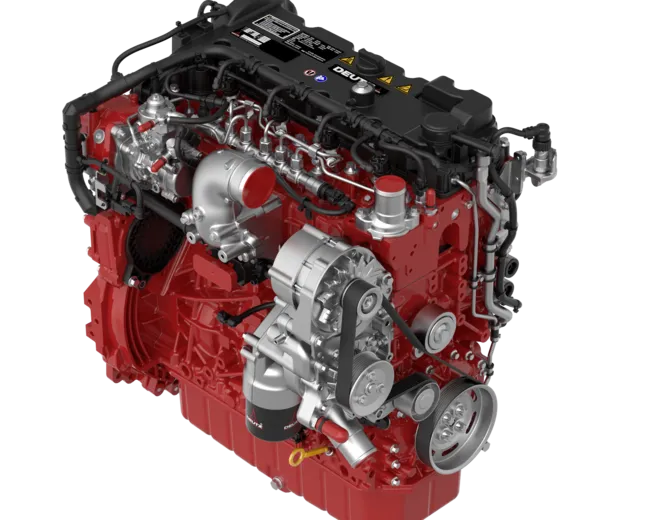
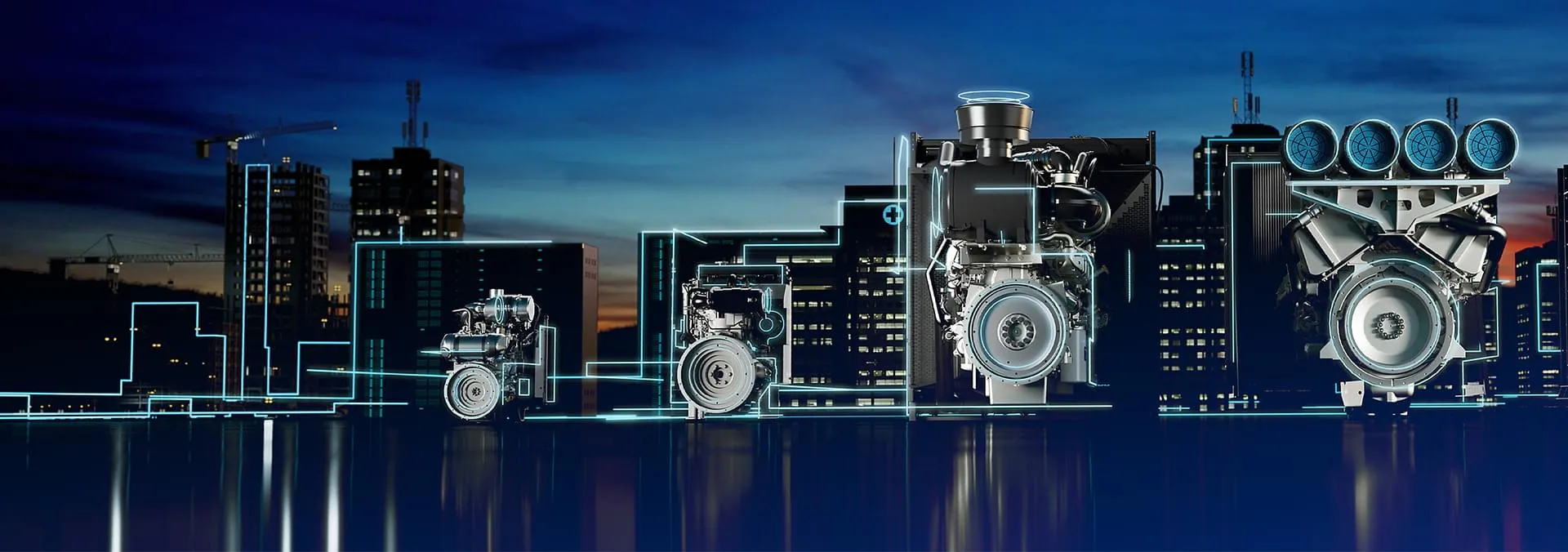
The performance of diesel engines used in industrial machinery depends on many factors, including power output, fuel efficiency, durability, and adaptability to operating conditions. DEUTZ, a leading manufacturer known for its engine technologies, offers various engine series designed to meet the needs of different industries. Among these series, TCD engines stand out for the technologies they incorporate, particularly in construction machinery, agricultural equipment, and industrial applications.
Deutz TCD engine technology brings together various systems, including turbocharging, advanced fuel injection systems, electronic engine control, and emissions management.
What Is a Deutz TCD Engine?
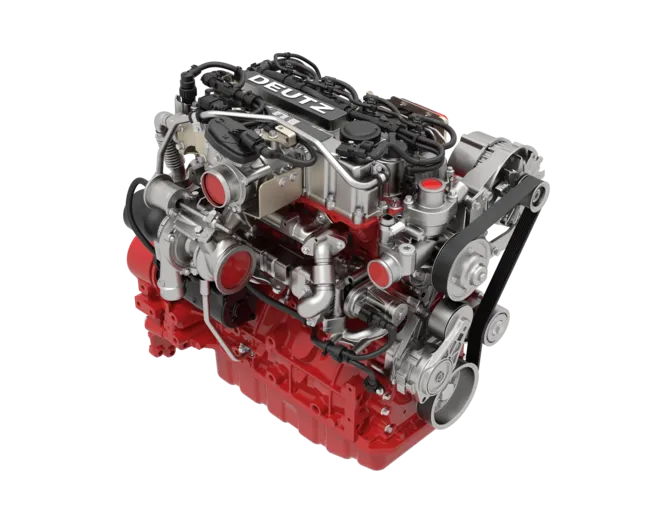
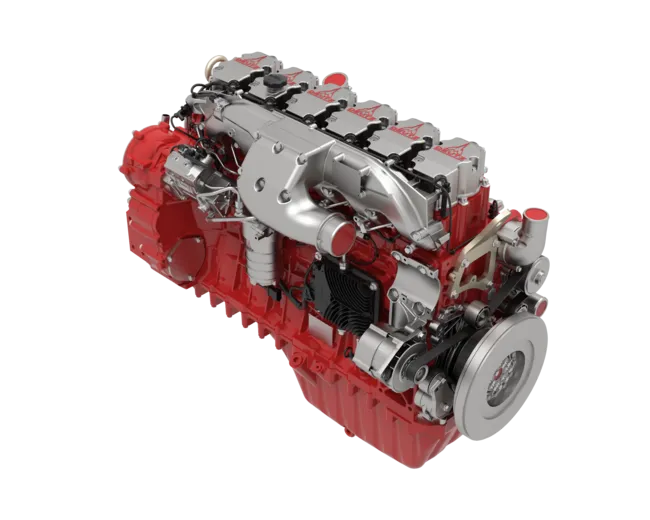
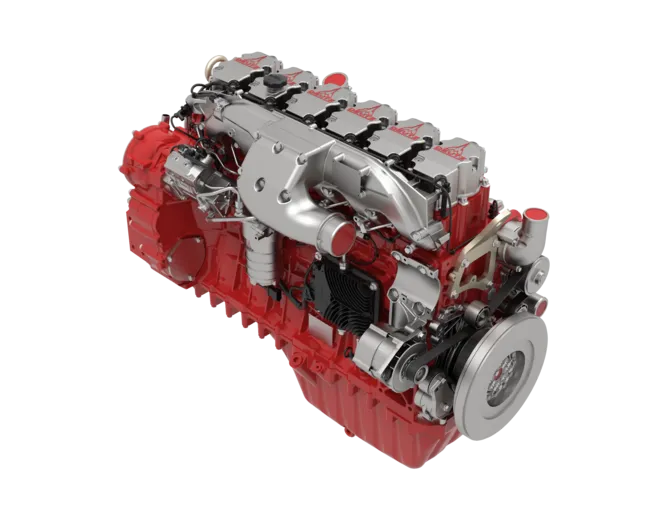
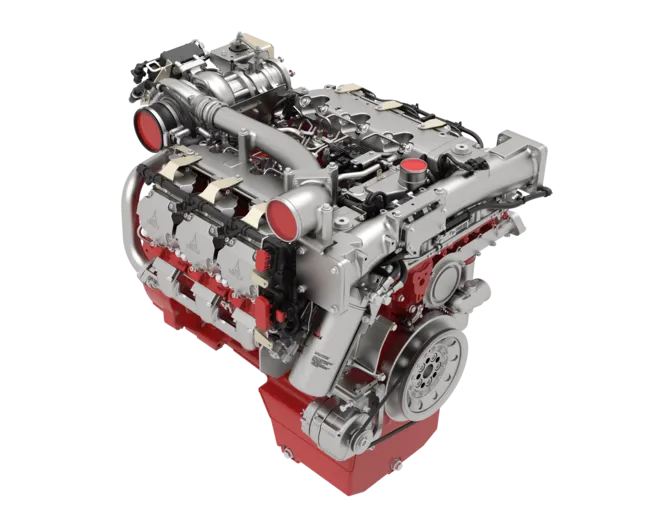
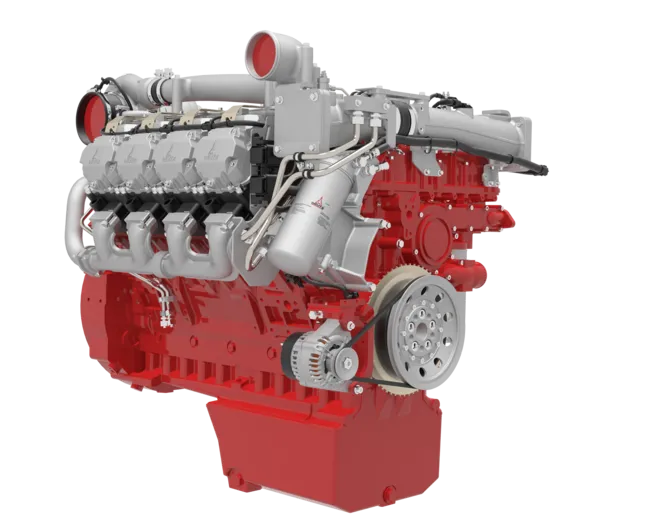
DEUTZ TCD is a designation used for the brand\'s turbocharged diesel engine series, developed in different power ratings and engine displacements. The TCD series covers a range of engine models designed to meet the requirements of different machines and equipment.
These engines can be used in construction machinery, agricultural machinery, generators, and other industrial equipment. Depending on the model, their technical specifications, such as cylinder count, engine displacement, power capacity, cooling system, and electronic equipment, may vary.
One of the key features of Deutz TCD engines is the integration of technologies designed to enhance engine performance. Turbocharging and charge air cooling systems, electronically controlled fuel injection, and engine management systems are among the leading technologies used.
One important detail to consider is that not all TCD engines have the same technical equipment. For example, models such as the TCD 3.6, TCD 4.0, TCD 6.1, and TCD 7.8 differ in terms of power ratings, engine displacement, and emissions systems.
Key Technical Features of Deutz TCD Engines
The technical specifications of the Deutz TCD series are determined by the engine model and its intended application. However, many engines in the series share certain technological approaches.
Turbocharging system: The turbocharger uses energy from exhaust gases to compress the air supplied to the engine. This helps deliver more air into the cylinders. Combined with appropriate fuel injection and engine design, it can enable higher power output.
Charge air cooling: Air compressed by the turbocharger heats up. The charge air cooler lowers the temperature of this air, helping deliver denser air to the engine. This system is important for combustion efficiency and engine performance.
Electronic fuel injection: Many modern TCD models use the Deutz Common Rail (DCR) fuel injection system. This technology delivers fuel to the injectors through a common rail at high pressure and enables electronic control of the injection process.
Electronic engine control: The electronic engine management system, known as EMR, evaluates data received from sensors and manages fuel injection and other engine control functions.
Emissions control technologies: Depending on the engine\'s production generation and the applicable emissions standard, different exhaust aftertreatment technologies such as EGR, DOC, DPF, and SCR may be used.
How Does Turbocharging Technology Work in Deutz TCD Engines?
The turbocharging system used in Deutz TCD engines plays an important role in engine power generation. In conventional naturally aspirated engines, air enters the cylinders largely through atmospheric pressure, whereas in turbocharged engines, the air is pressurized before being delivered to the cylinders.
The operating principle of the system is as follows:
- Exhaust gases produced during the engine\'s combustion process rotate the turbocharger turbine.
- The compressor, mounted on the same shaft as the turbine, compresses the air drawn in from outside.
- The compressed air passes through the charge air cooler incorporated into the engine design.
- The cooled air is delivered to the cylinders through the intake manifold.
- Combustion takes place when the appropriate amount of fuel is injected, generating engine power.
This system allows more oxygen to be delivered to the engine cylinders. As a result, higher power ratings can be achieved without increasing engine displacement.
Turbocharging technology is one of the key systems supporting the power output required by heavy-duty construction machinery, particularly under high-load operating conditions.
Deutz Common Rail Fuel Injection System
One of the important technologies used in modern Deutz TCD engines is the Common Rail fuel injection system. In this system, fuel is delivered to a common rail by a high-pressure pump. The injectors are then controlled by the ECU to ensure that fuel is injected into the cylinders at the appropriate time and in the correct quantity.
The main advantage of the Common Rail system is that fuel injection can be precisely managed according to the engine\'s operating conditions.
For example, when the engine load increases, the ECU evaluates data received from sensors and adjusts the fuel injection parameters. This helps support the power output required by the engine.
Electronic fuel control also contributes to optimizing the combustion process, managing fuel consumption, and controlling emission levels. However, it should not be assumed that all Deutz TCD engines use the same fuel injection system. The fuel system must be evaluated according to the engine model and production version.
Emissions Control Systems in Deutz TCD Engines
Today, controlling exhaust emissions is just as important as performance in industrial diesel engines. Deutz uses various exhaust aftertreatment technologies in its TCD engines to comply with different emissions standards.
The main systems include:
EGR (Exhaust Gas Recirculation): Redirects a portion of the exhaust gas back into the intake system, helping reduce combustion temperature and nitrogen oxide (NOx) formation.
DOC (Diesel Oxidation Catalyst): Reduces components such as carbon monoxide and hydrocarbons in exhaust gases through oxidation.
DPF (Diesel Particulate Filter): Filters particles produced during diesel combustion, reducing the amount of particulate matter released into the atmosphere through the exhaust.
SCR (Selective Catalytic Reduction): In applicable systems, uses a urea solution known as AdBlue to reduce nitrogen oxide emissions.
Not all Deutz TCD engines have the same emissions equipment. The systems used may vary depending on the engine\'s production year, model, and emissions requirements in the target market.
Where Are Deutz TCD Engines Used?
Thanks to their different power ranges and technical configurations, the Deutz TCD series can be used in a variety of industrial applications.
The main applications include:
- Construction machinery: Used in excavators, loaders, telehandlers, and other heavy-duty machinery.
- Agricultural machinery: Provides engine power for tractors, combine harvesters, and various agricultural equipment.
- Industrial equipment: Can power machinery used in manufacturing facilities and various working environments.
- Generator systems: Suitable engine versions can be used for electricity generation.
- Special-purpose machinery: Can be used in industrial applications with different power and connection requirements.
Engine selection should not be based solely on horsepower. Maximum torque, operating speed, cooling system, connection dimensions, and the power characteristics required by the application should also be evaluated.
Maintenance and Spare Parts Selection for Deutz TCD Engines
To maintain the performance and service life of Deutz TCD engines, the maintenance intervals specified by the manufacturer must be followed. The engine\'s usage intensity, operating environment, and load conditions can directly affect its maintenance requirements.
Regular inspection of components such as the lubrication system, cooling system, air filter, fuel system, and turbocharger is particularly important.
When selecting spare parts, the exact engine model and serial number must be known. Different engine versions within the same TCD family may have differences in parts and technical equipment. Therefore, selecting parts based solely on the brand or engine series may not always produce the correct result.
Choosing the right spare parts helps ensure that components compatible with the engine\'s technical specifications are used, supporting more reliable maintenance and repair processes.
Fermot Assurance in Deutz Engine Solutions
Deutz TCD engine technology brings together various technologies, including turbocharging, electronic fuel injection, and advanced engine management systems, to deliver solutions for industrial applications. Maintaining the performance of these engines requires not only proper maintenance practices but also the use of spare parts that meet their technical specifications.
Fermot meets a range of engine requirements through its spare parts solutions for industrial engine brands, particularly Deutz, Perkins, and Cummins. When researching parts for your engine, using the correct model and serial number makes it easier to identify compatible products.
You can contact Fermot to explore the spare parts solutions you need for your Deutz engine and receive information about available product options.
Discover the right spare parts solutions for your industrial engines with Fermot.