What Is a Turbocharger? Signs of Turbocharger Failure in Industrial Diesel Engines
Keywords: turbocharger, diesel engine turbo, turbocharger failure, industrial diesel engine, turbocharger maintenance
Long-Tail Keywords:
- signs of diesel engine turbocharger failure
- industrial engine turbocharger maintenance
- why does a turbocharger fail
- diesel engine performance loss
- Perkins turbo service
- Deutz turbo service
What Is a Turbocharger?
A turbocharger is a system that enables more air to be delivered to the engine’s combustion chamber. Powered by the energy of exhaust gases, a turbocharger helps the engine take in more air. This supports a more efficient combustion process with an appropriate amount of fuel and helps increase engine power output.
How Does a Turbocharger Work?
Exhaust gases rotate the turbine.
The turbine drives the compressor.
The compressor compresses the air.
Denser air is delivered to the engine.
More efficient combustion of the fuel-air mixture is supported.
What Are the Signs of Turbocharger Failure?
A decrease in engine performance, increased fuel consumption, changes in exhaust smoke, unusual noises coming from the turbocharger area, and increased oil consumption or oil leaks may indicate that the turbocharger system needs to be inspected. Since each of these symptoms can also be caused by different engine problems, a technical inspection is required for an accurate diagnosis.
Decreased Engine Performance
If the turbocharger system cannot supply sufficient air to the engine, it may cause power loss, especially in engines operating under load. If a noticeable change in engine performance occurs, the turbocharger and air intake system should be evaluated together.
Increased Fuel Consumption
An imbalance in the engine’s air-fuel ratio can affect operating efficiency. In some cases, inefficient turbocharger operation may lead to increased fuel consumption; however, a comprehensive engine inspection is required to determine the exact cause.
Changes in Exhaust Smoke
Problems in the combustion process can change the appearance of exhaust gases. If excessive or unusually colored smoke is observed, the fuel system and air intake system should also be inspected along with the turbocharger.
Unusual Noises Coming from the Turbocharger Area
A turbocharger is a sensitive mechanism operating at high speeds. The occurrence of whistling, rubbing, or metallic noises that differ from normal operating sounds may indicate that the system needs to be inspected.
Main Causes of Turbocharger Failures
Insufficient or incorrect lubrication
Dirty air filter
Problems in the lubrication system
Foreign objects entering the turbocharger system
Excessive operating temperature
Mechanical wear in turbocharger components
Neglected engine maintenance
Why Is the Air Filter Important for the Turbocharger?
The air required by the engine must reach the system cleanly. A clogged or excessively dirty air filter can reduce airflow and negatively affect the operating conditions of the turbocharger. Therefore, the air filter should be inspected at intervals appropriate to the operating conditions and the manufacturer’s maintenance recommendations.
What Should Be Considered During Turbocharger Maintenance?
For the turbocharger to operate reliably over a long service life, the engine’s overall maintenance schedule must be followed regularly. Engine oil and oil filters, air filters, the fuel system, cooling system, air intake system, and exhaust system should be inspected regularly.
The Importance of Professional Turbocharger and Engine Service
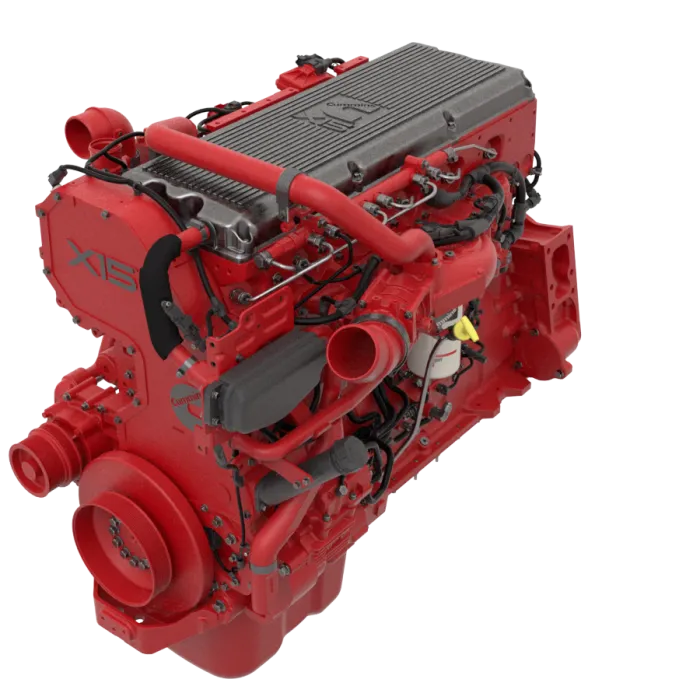
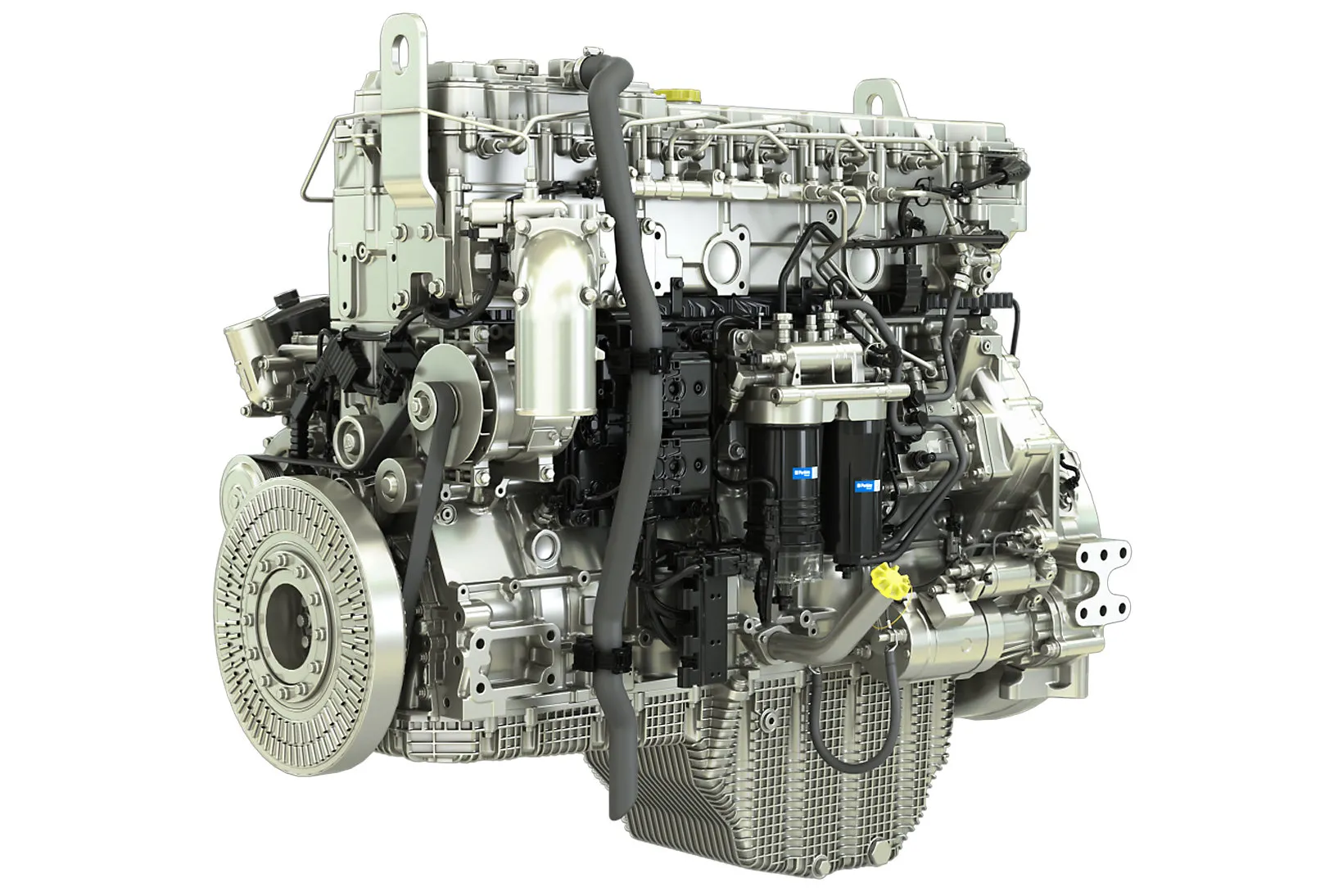
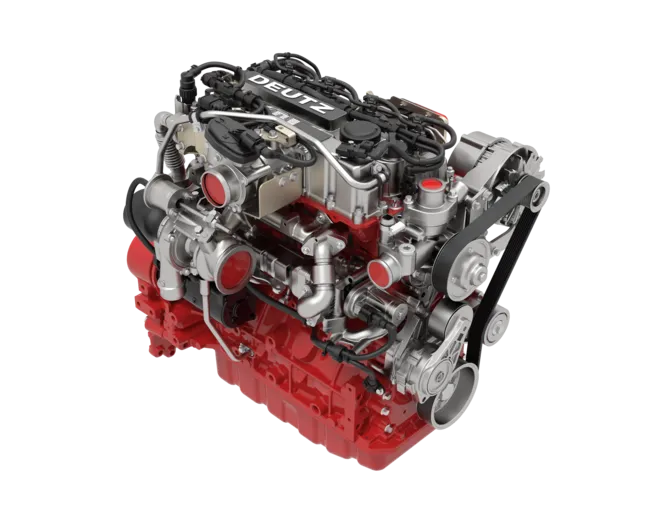
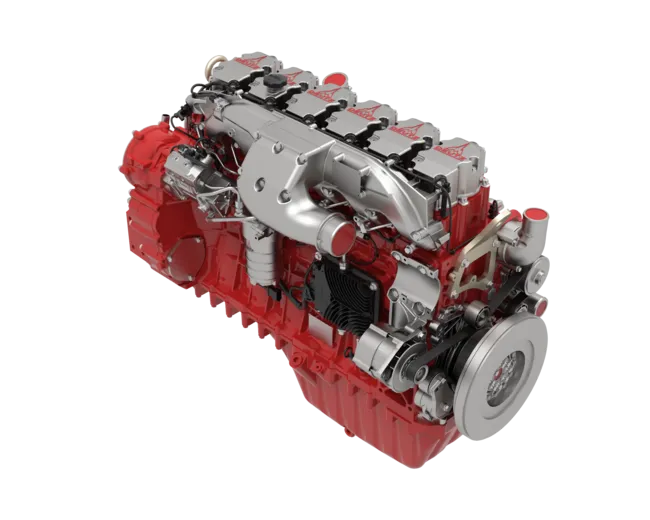
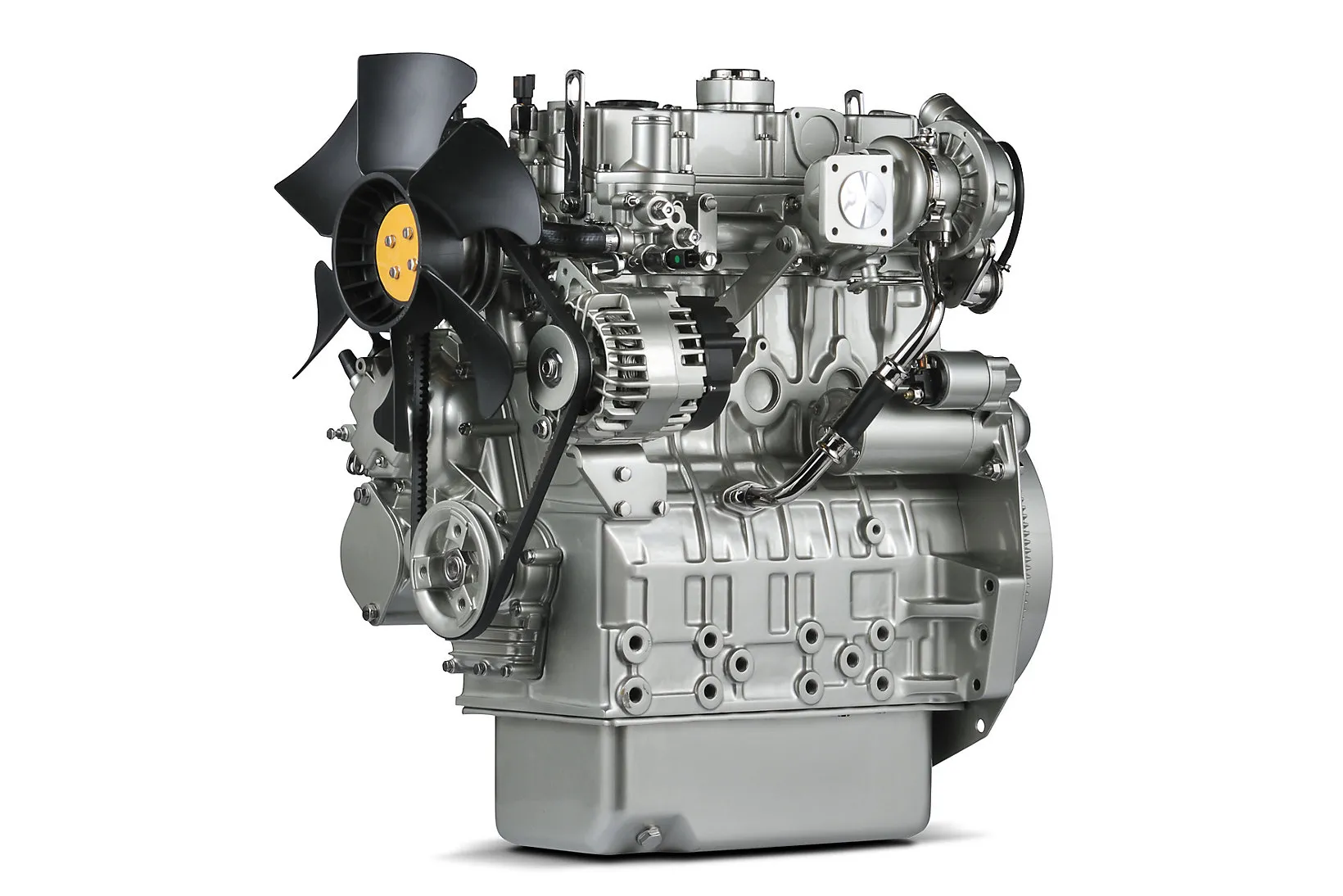
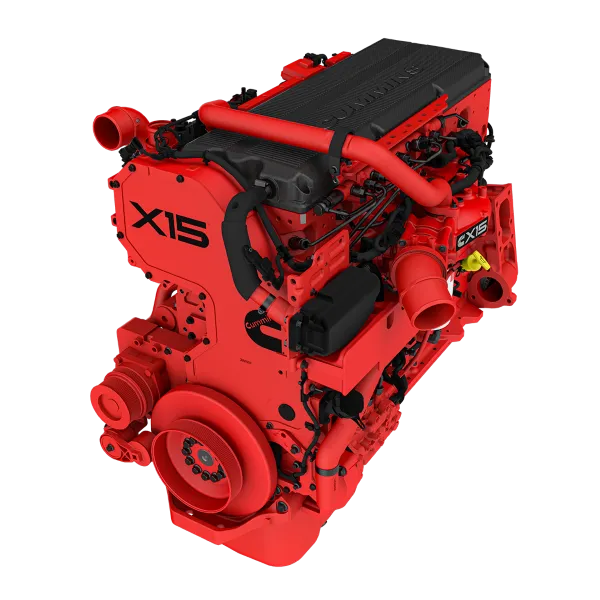
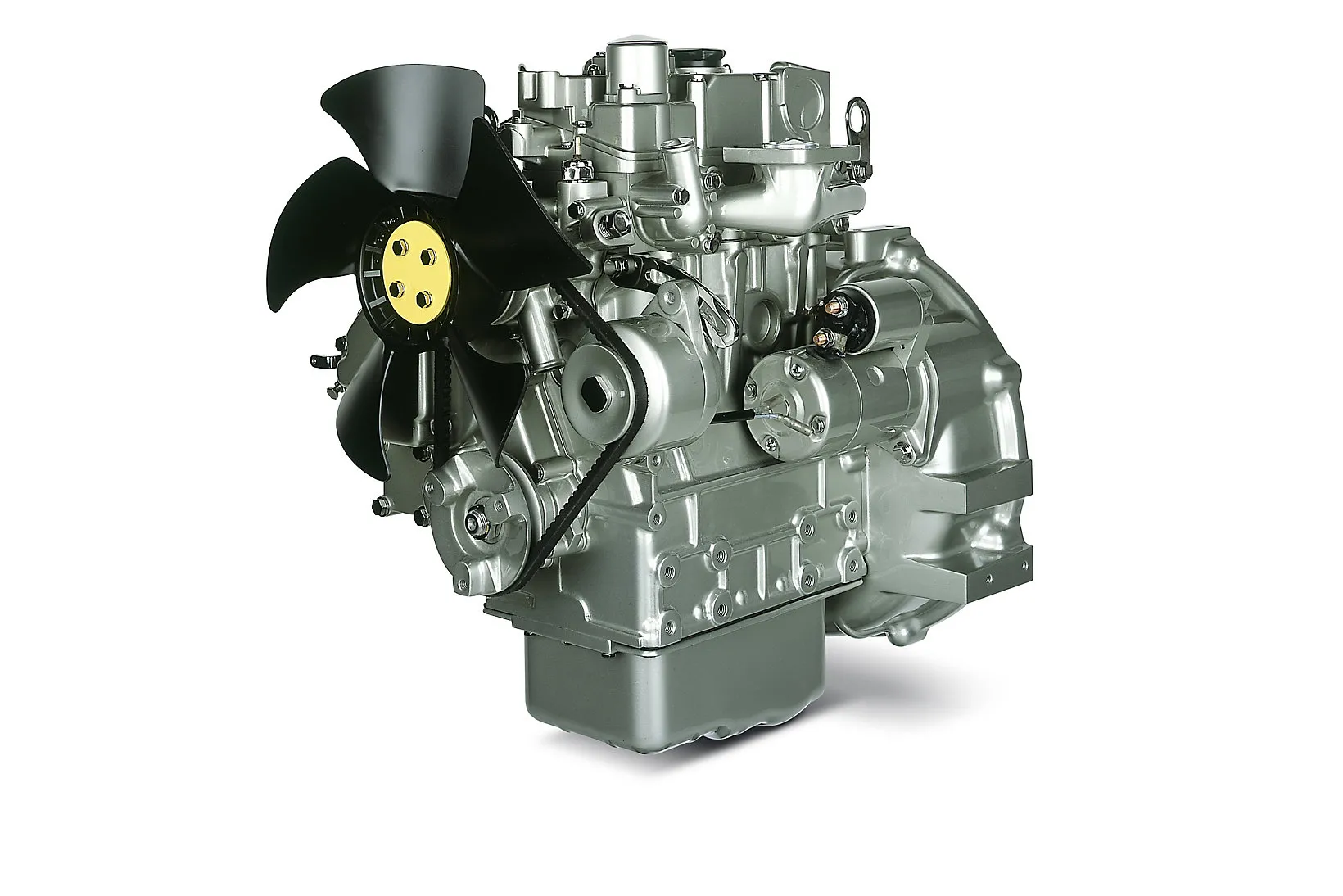
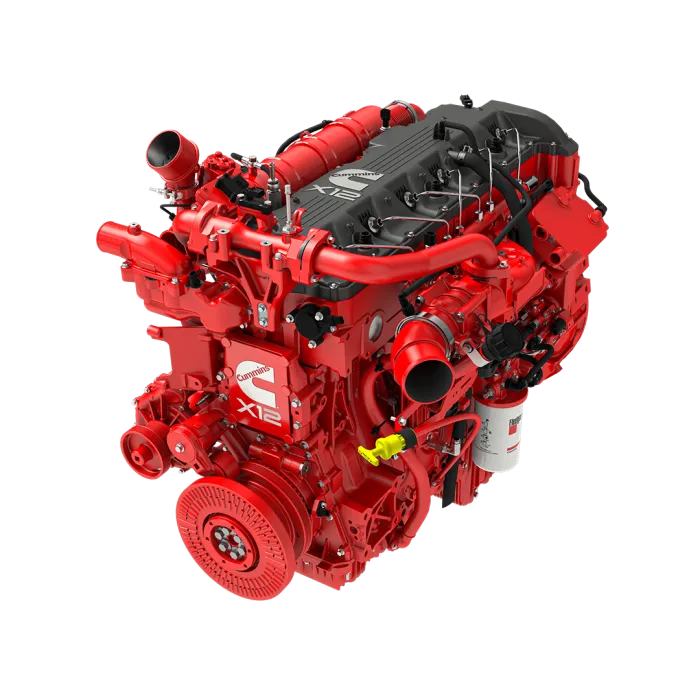
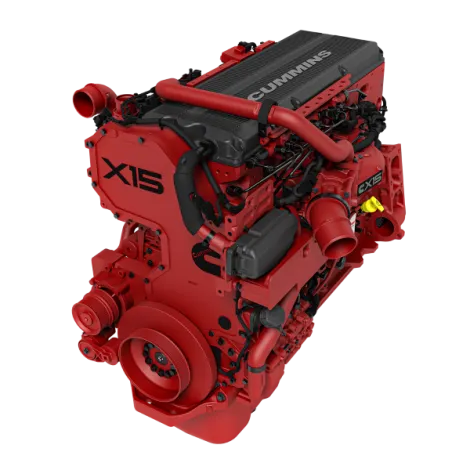
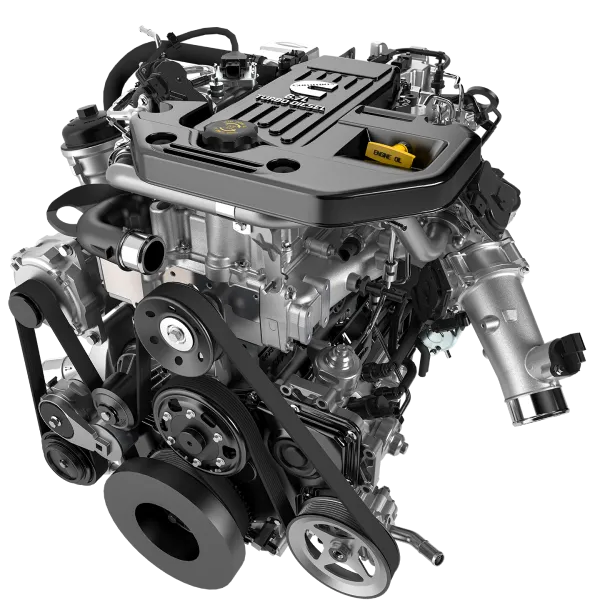
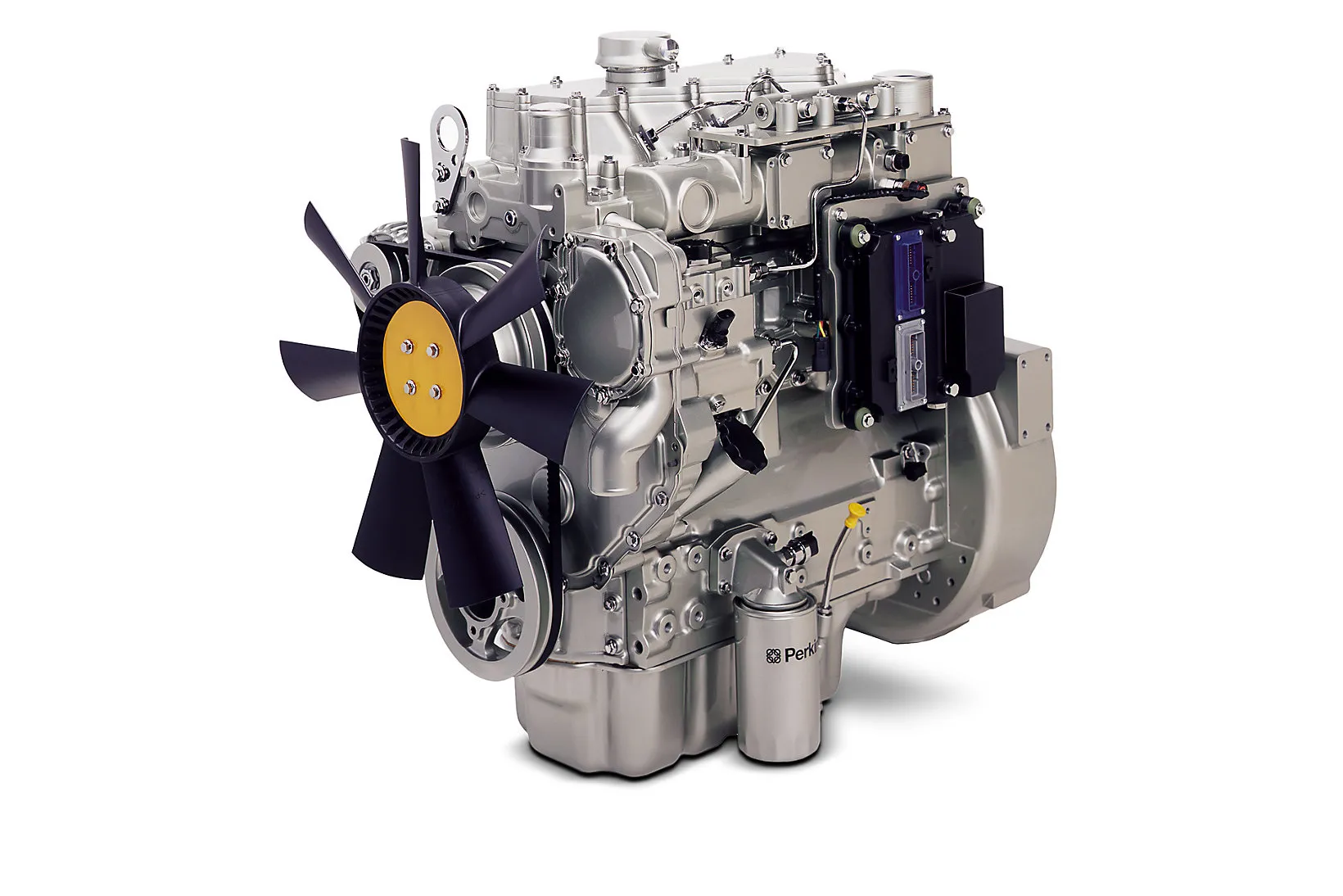
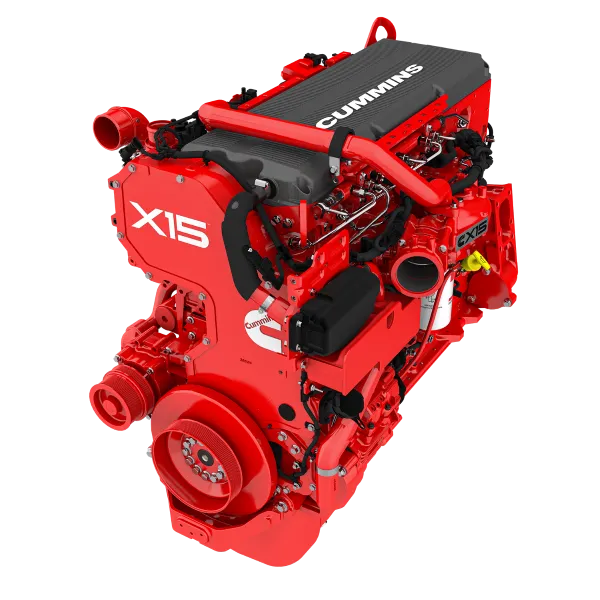
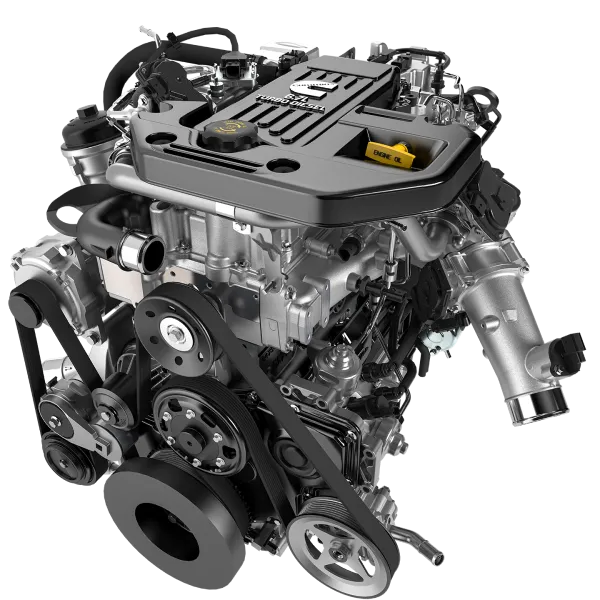
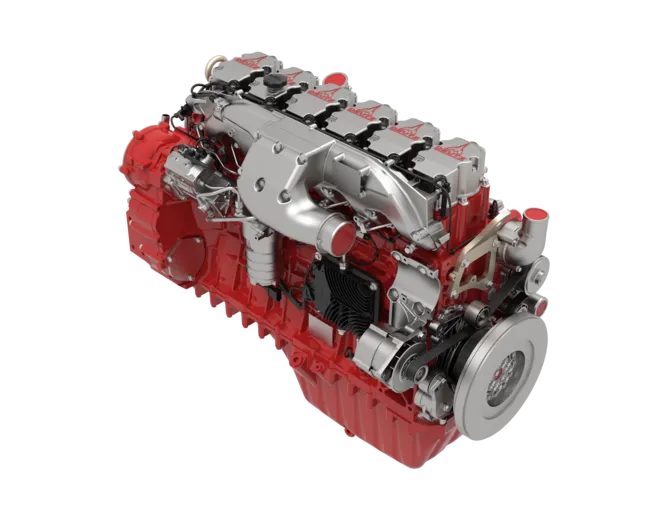
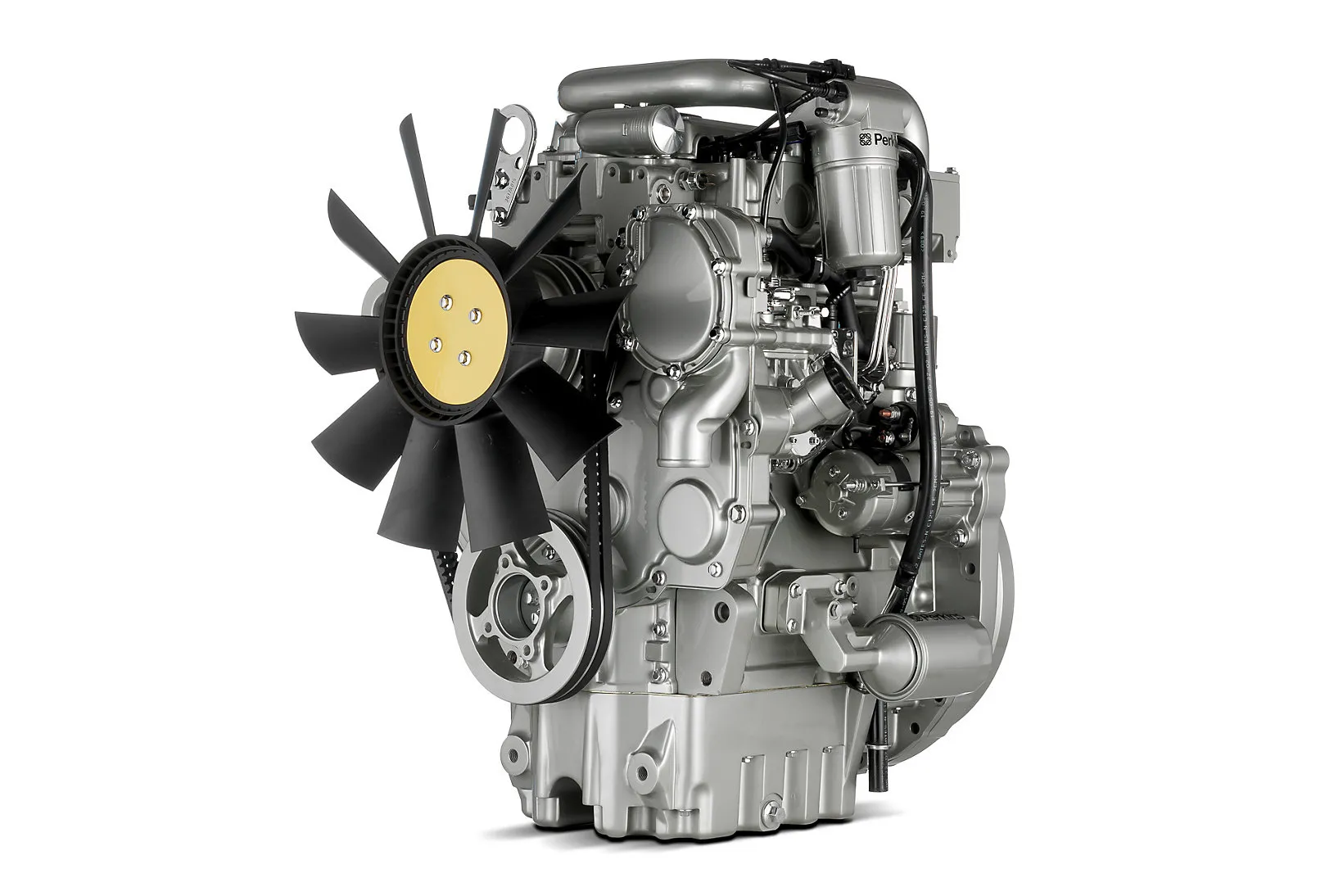
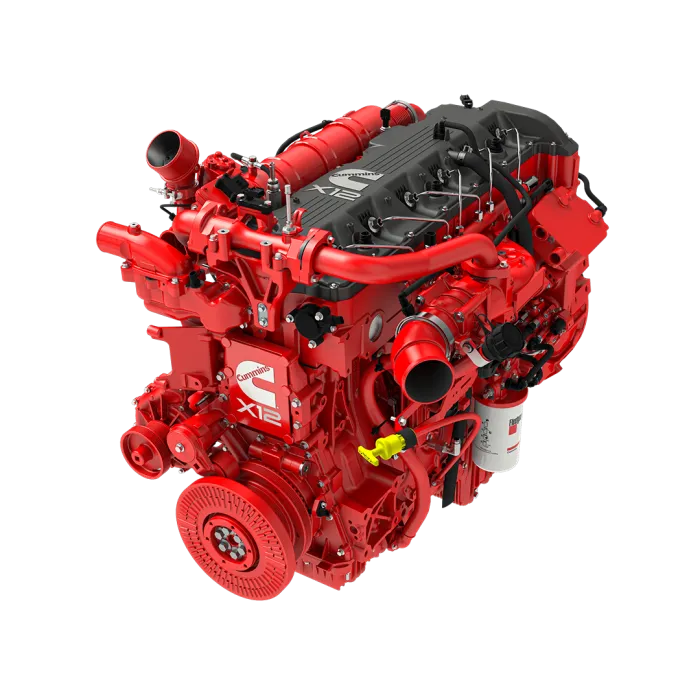
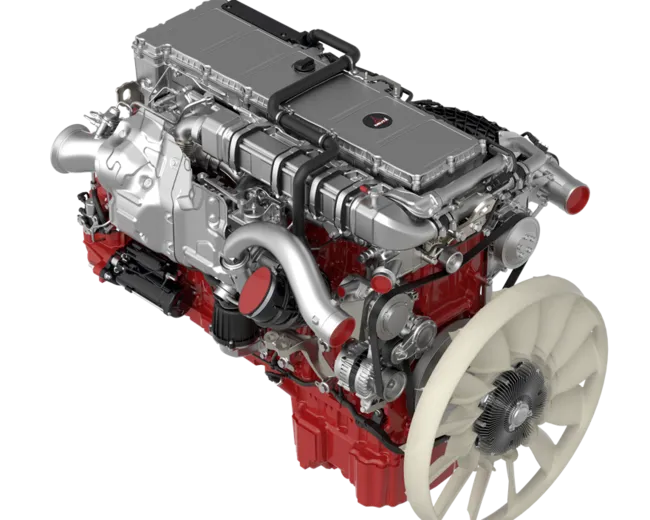
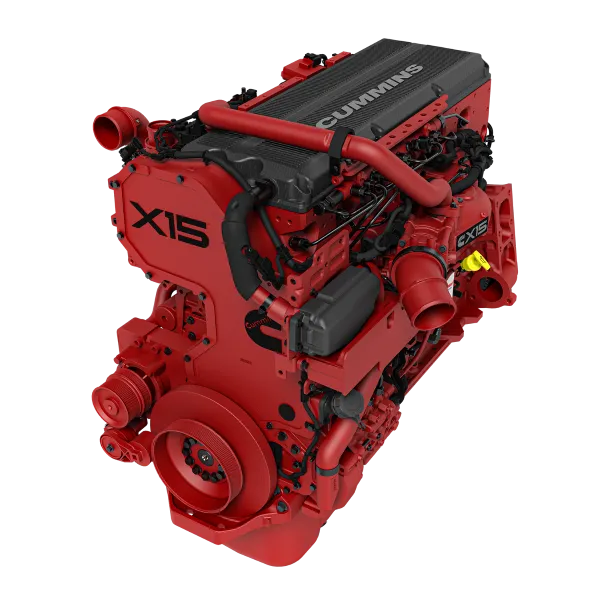
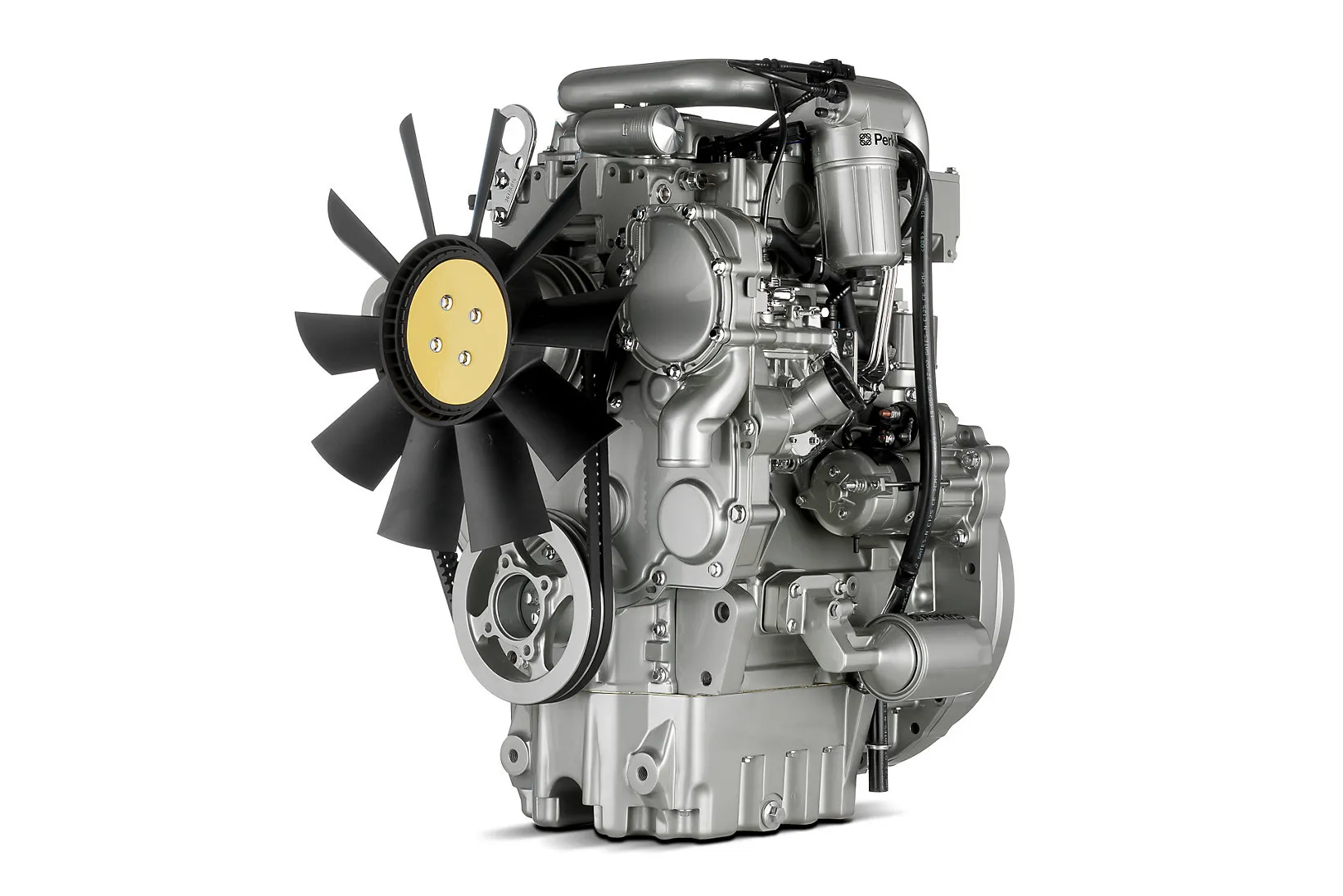
Industrial diesel engines are systems in which many components operate together. Therefore, a problem with the turbocharger should be evaluated together with the other engine components. Fermot Motorlu Araçlar provides service, spare parts, and overhaul solutions for Perkins, Deutz, and Cummins industrial engines.
Conclusion
The turbocharger is one of the important systems in industrial diesel engines in terms of power and efficiency. Essential processes such as regular maintenance, proper lubrication, and clean airflow should not be neglected. When performance loss, unusual turbocharger noises, changes in exhaust smoke, or increased fuel consumption are observed, seeking professional technical support can help prevent more serious problems.
Frequently Asked Questions
What does a turbocharger do?
A turbocharger is a system that supports engine power and efficiency by delivering more air to the engine’s combustion process.
Does turbocharger failure reduce engine power?
A malfunctioning turbocharger system can affect the amount of air reaching the engine and may cause performance loss, particularly under load.
Why does a turbocharger make noise?
Unusual noises may be associated with mechanical wear, lubrication problems, air intake issues, or other system failures.
When should turbocharger maintenance be performed?
It should be planned as part of the engine’s overall maintenance schedule, according to the operating hours and usage conditions specified by the manufacturer.