
Why Are Engine Mounts and Vibration Isolation Important in Industrial Diesel Engines?
Diesel engines naturally generate mechanical vibrations during operation. These vibrations, caused by the rotating and moving components of the engine, need to be transferred to the equipment in a controlled manner as much as possible.
Engine mounts and vibration isolation components play an important role in this regard. While helping secure the engine properly to the chassis or the equipment to which it is connected, they also help reduce the transmission of vibrations to the equipment.
It is particularly important to regularly inspect the condition of mounting components in engines used in generators, construction machinery, agricultural machinery, and various industrial applications.
What Is an Engine Mount?
An engine mount is one of the mounting components that helps connect the engine to the equipment or chassis and keeps engine movement under control.
The structure of engine mounts may vary depending on the engine and application. Designs containing rubber or other vibration-damping materials can help control the movements and vibrations generated while the engine is operating.
Securely mounting the engine and managing the vibrations generated during operation are among the important functions of the engine mounting system.
What Do Engine Mounts Do?
One of the primary functions of engine mounts is to securely connect the engine to the structure in which it is installed. In addition, they can help control movements generated during engine operation and reduce the transmission of vibrations to the equipment.
Engine mounts in good condition can contribute to:
- Securing the engine,
- Controlling vibrations,
- Protecting mounting points,
- Supporting the operating comfort of the equipment
Deterioration of engine mounts, on the other hand, can cause the engine to move more than normal during operation or cause more vibrations to be transmitted to the equipment.
What Are the Symptoms of an Engine Mount Failure?
Problems with engine mounts can be identified through various symptoms. One of them is excessive movement or vibration of the engine during operation.
Possible symptoms may include:
- Excessive engine movement during operation,
- Increased vibration,
- Abnormal noises at mounting points,
- Cracks or deformation on the mount,
- Loose mounting components,
- Changes in the position between the engine and chassis
However, each of these symptoms does not necessarily indicate an engine mount failure. The engine\'s own mechanical systems or other mounting components can also cause similar symptoms.
Is Excessive Engine Vibration Always Caused by a Faulty Mount?
No. Engine vibration can have many different causes. The engine\'s operating conditions, mechanical components, connections, or mounting condition can affect the vibration level.
Therefore, when vibration is detected, simply replacing the engine mounts is not always the correct approach.
First, the source of the vibration should be identified, and the engine\'s operating conditions and mounting system should be evaluated together.
Why Do Engine Mounts Wear Out?
Engine mounts can wear over time due to prolonged use, continuous vibration, high temperatures, environmental conditions, and mechanical loads.
Especially when industrial engines are used under demanding operating conditions, mounting components can be subjected to continuous mechanical loads.
Cracking, hardening, or deformation of rubber or vibration-damping materials can affect the mount\'s ability to provide vibration isolation.
What Should Be Checked When Inspecting Engine Mounts?
When inspecting the engine mounting system, both the physical condition of the mounts and the overall condition of the mounting points should be evaluated.
During the inspection, the following can be checked:
- Cracks or deformation on the mounts,
- Looseness at mounting points,
- Condition of bolts and mounting components,
- Engine position,
- Signs of wear on the mounts,
- Engine movement during operation
Inspection methods may vary depending on the engine model and the equipment being used.
Why Is Vibration Isolation Important?
Direct and uncontrolled transmission of vibrations generated by the engine to the equipment can negatively affect operating conditions. Vibration isolation helps control these movements, allowing the mechanical interaction between the engine and equipment to be managed more appropriately.
This is particularly important for industrial equipment operating for long periods. Maintaining the engine mounting system in good condition can contribute to preserving the equipment\'s operating conditions.
When Should Engine Mounts Be Replaced?
The replacement time for engine mounts is not determined solely by a specific period of use. The engine\'s operating conditions, the physical condition of the mount, and the maintenance requirements specified by the manufacturer should be taken into consideration.
When cracking, deformation, excessive hardening, or another problem that could affect mounting safety is detected, a technical assessment should be carried out.
When replacement is required, a part suitable for the engine model and application should be used.
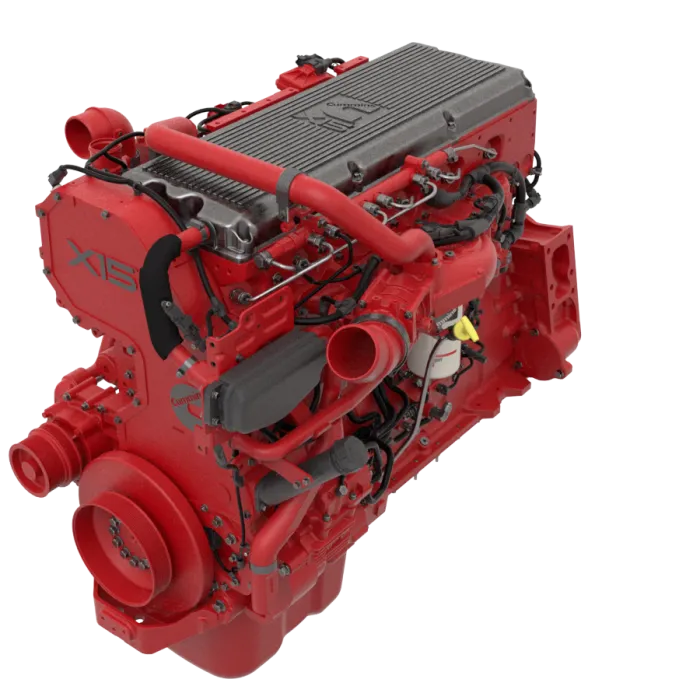
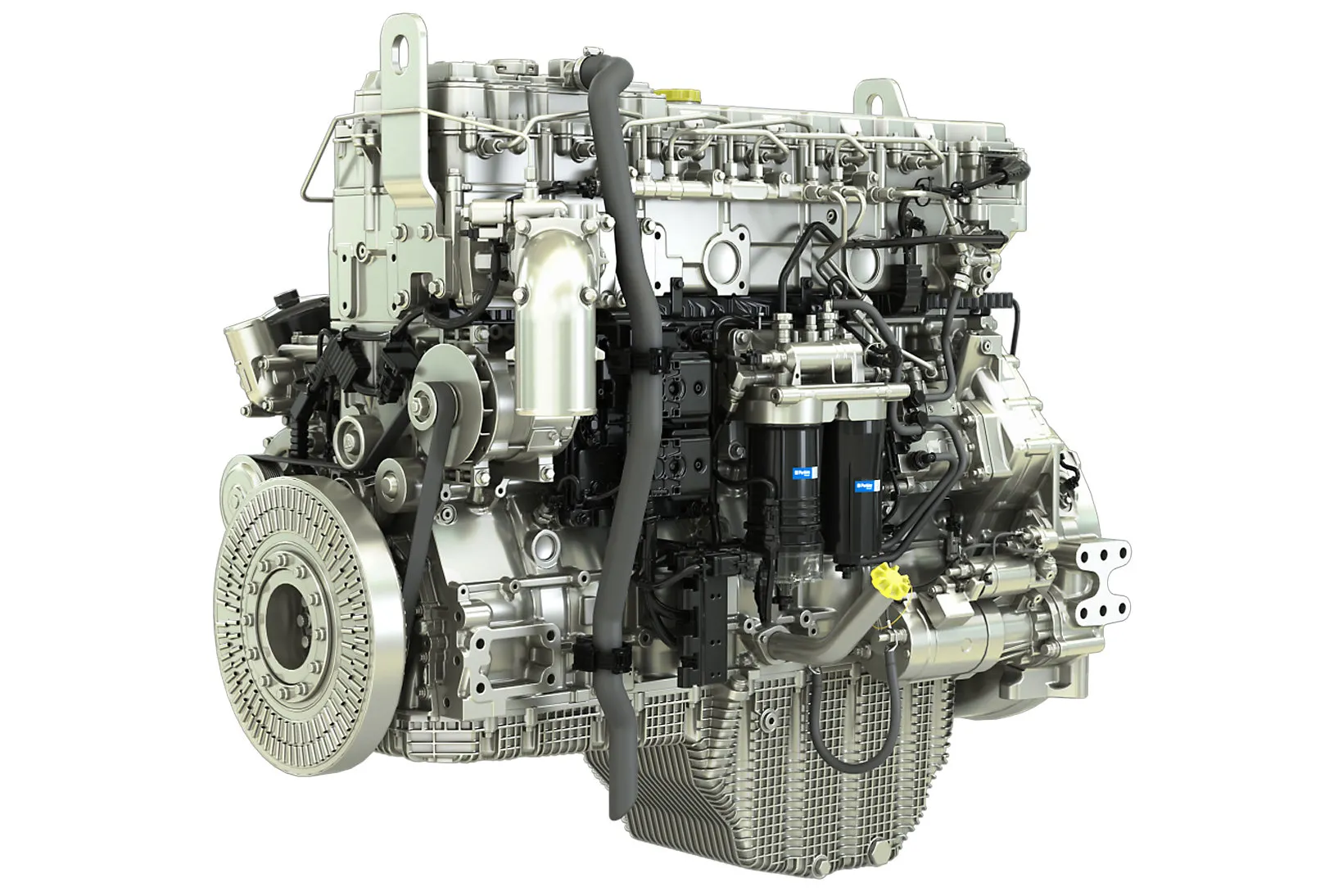
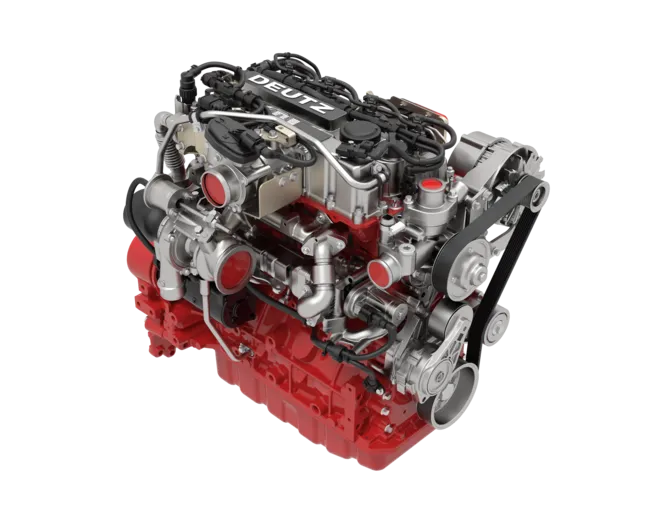
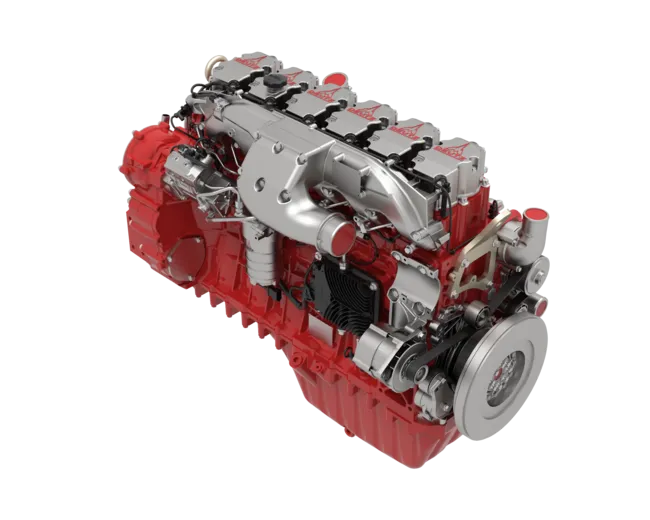
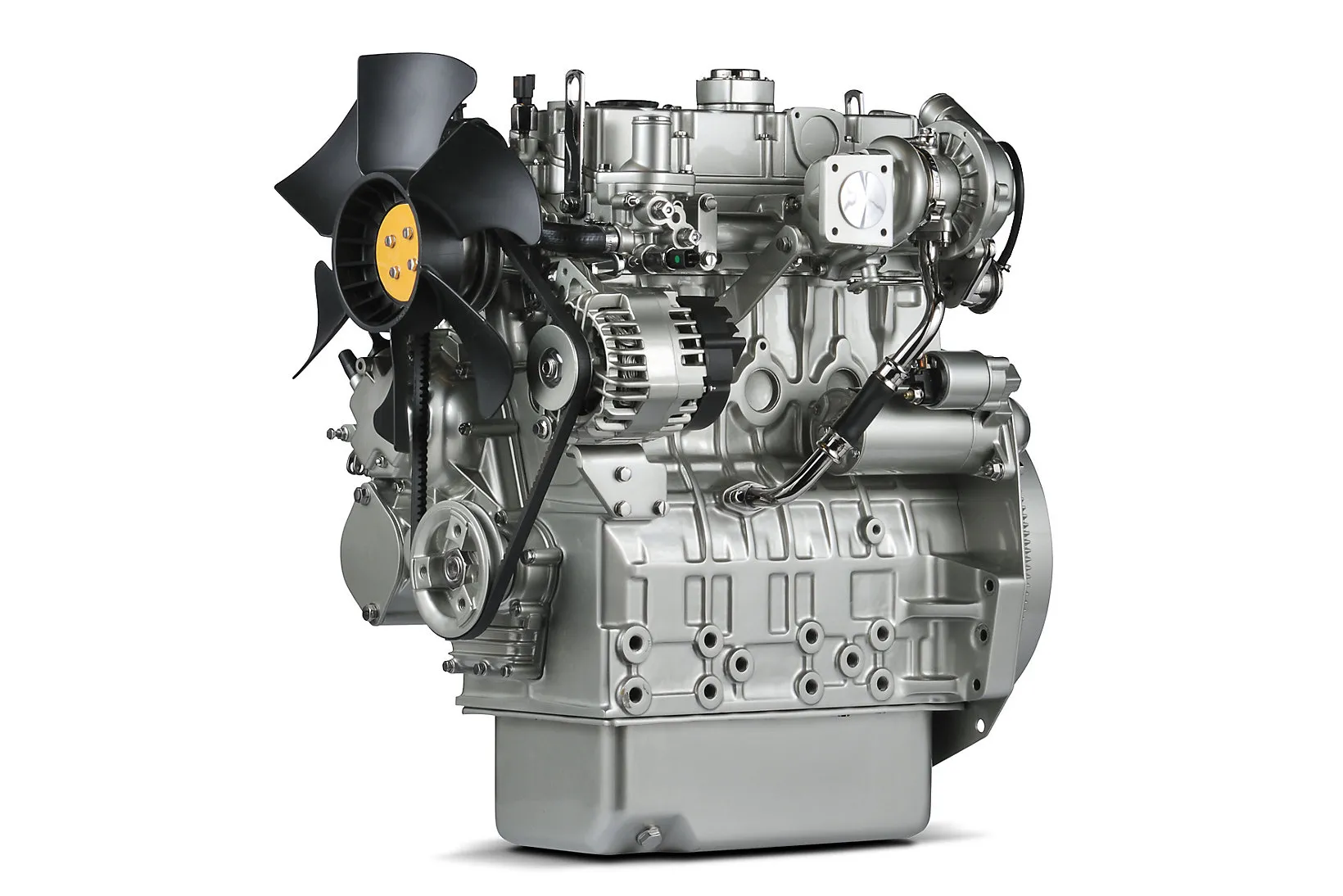
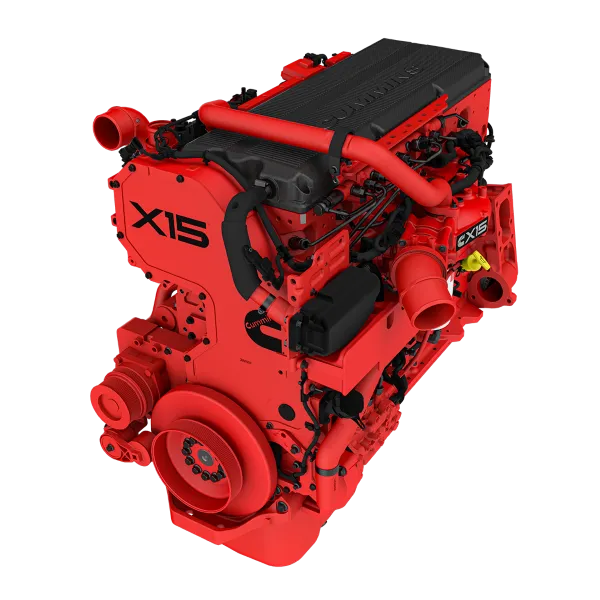
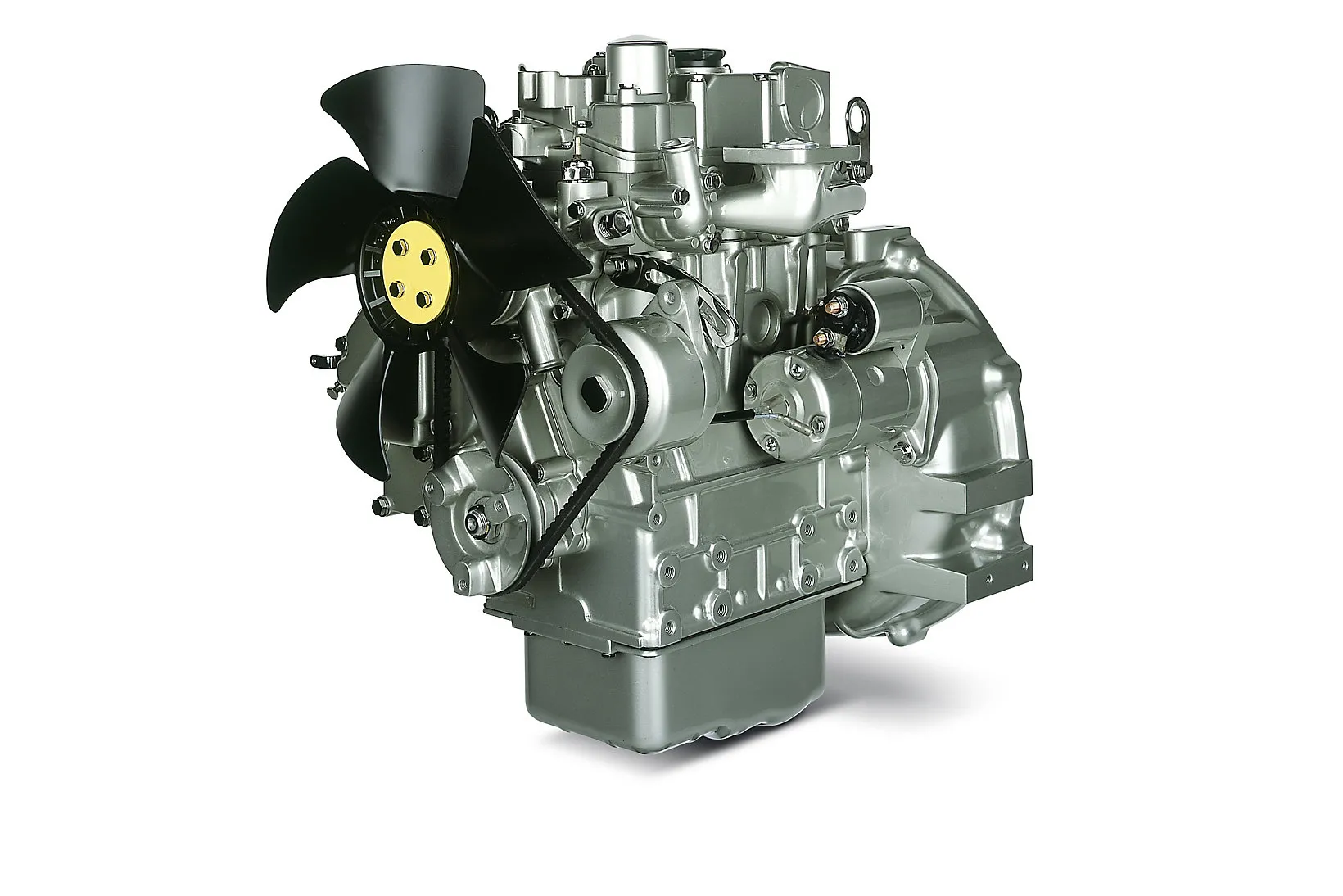
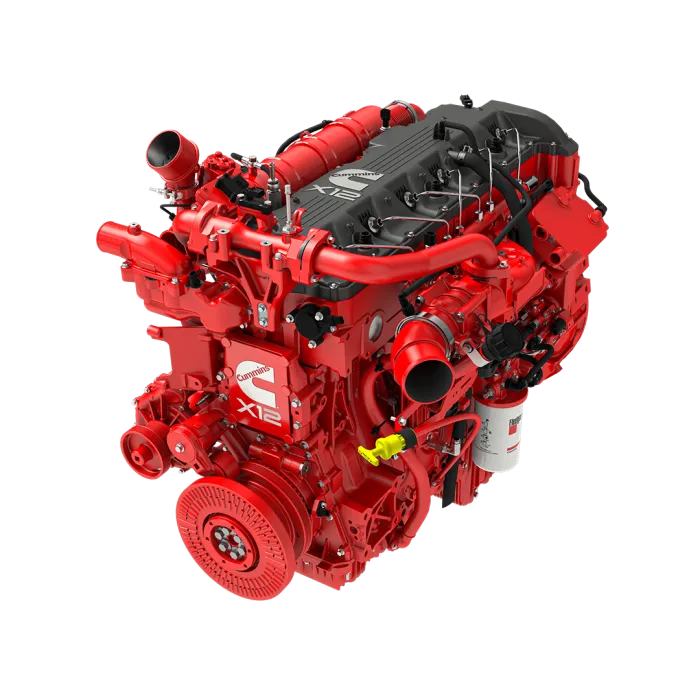
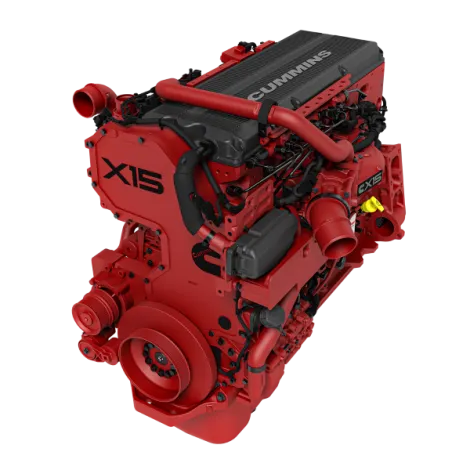
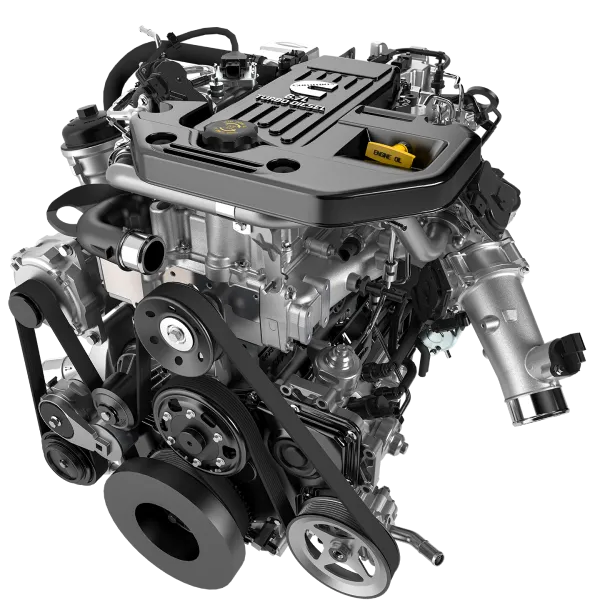
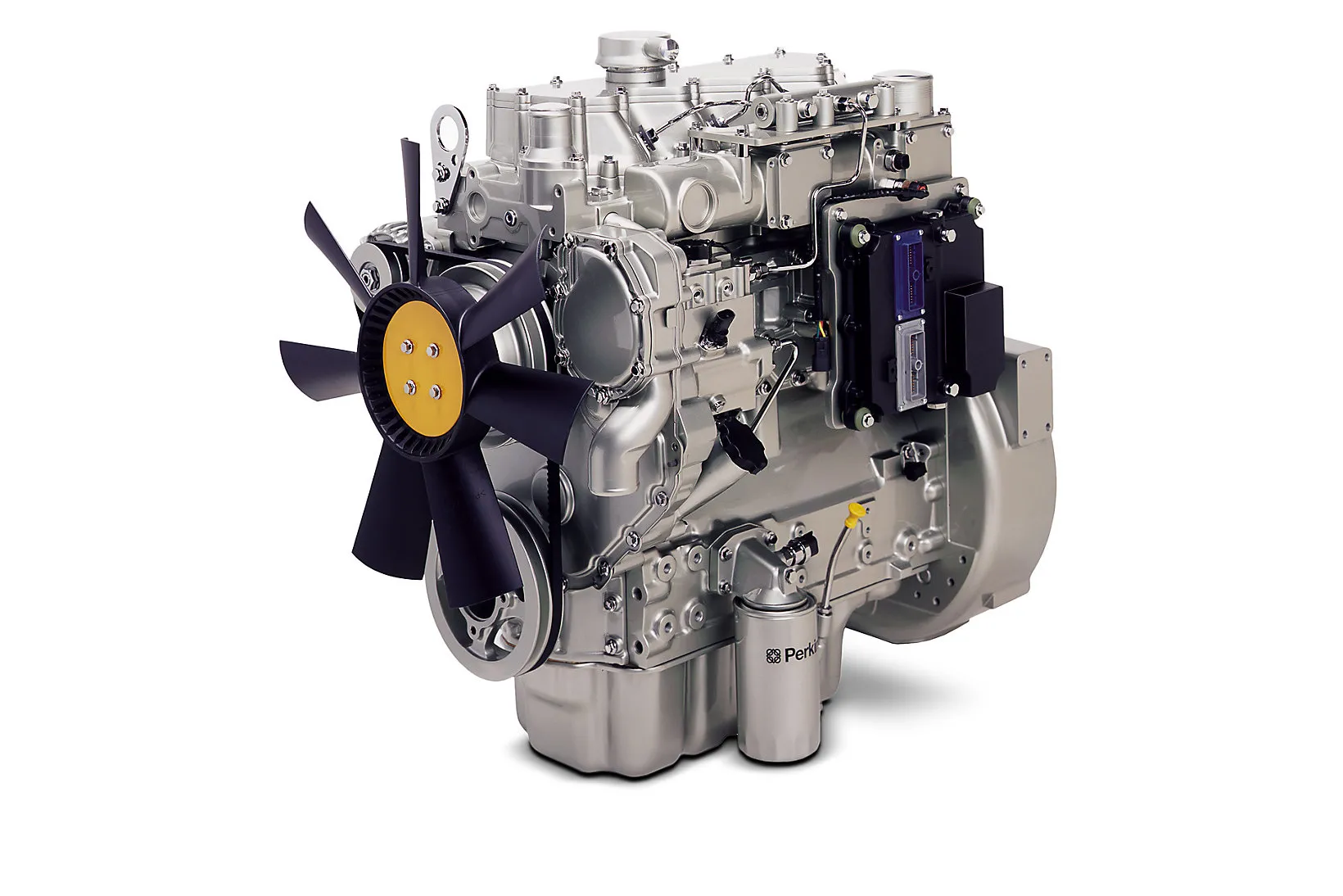
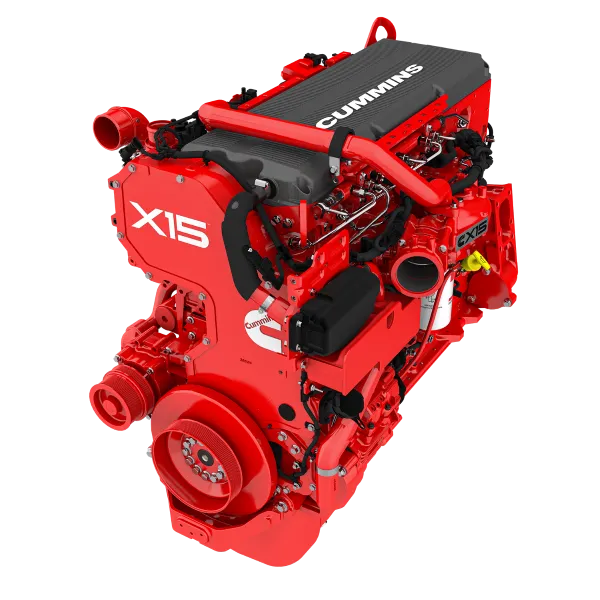
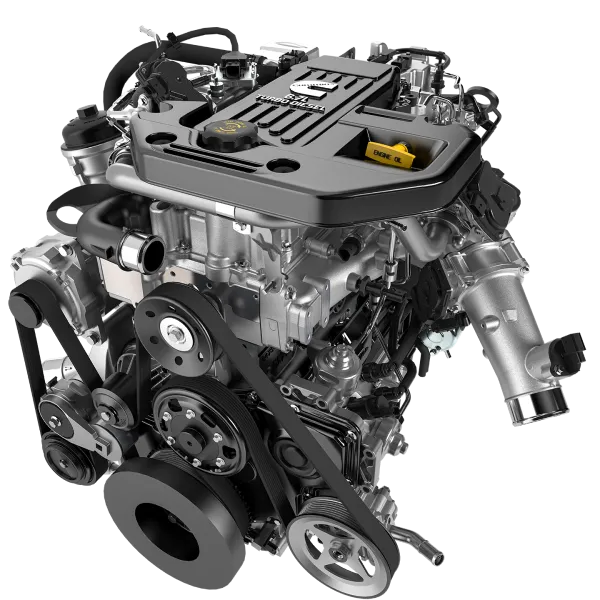
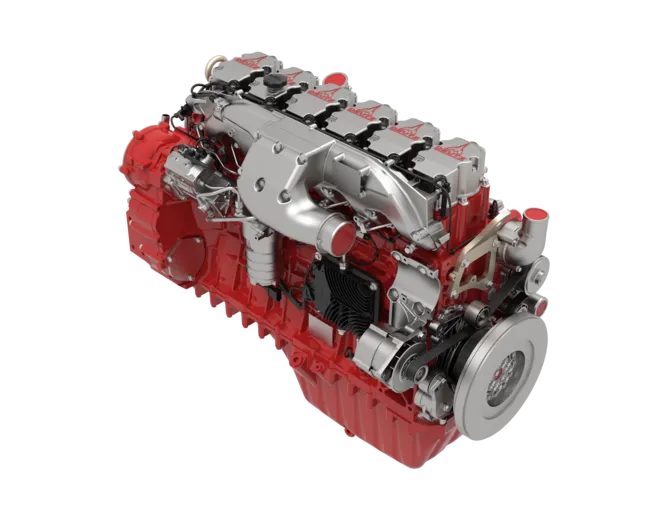
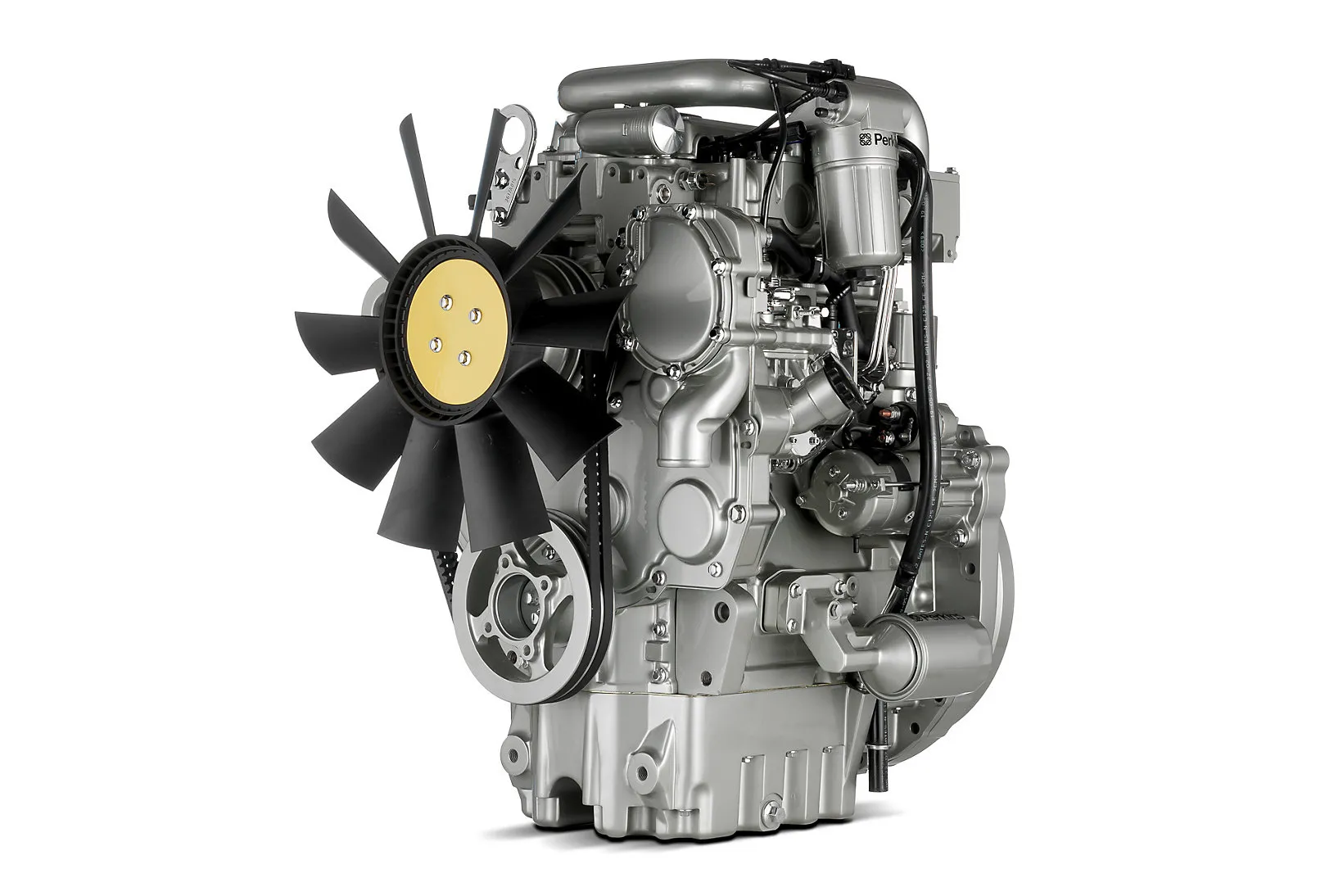
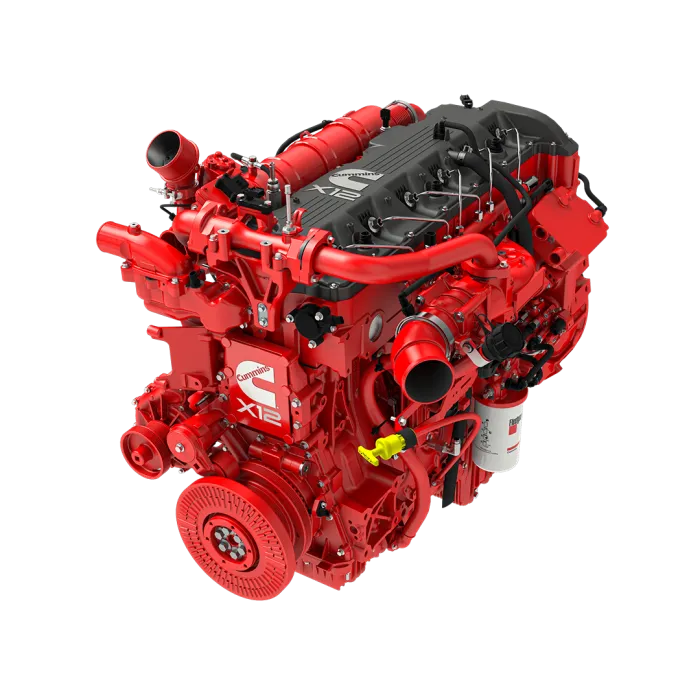
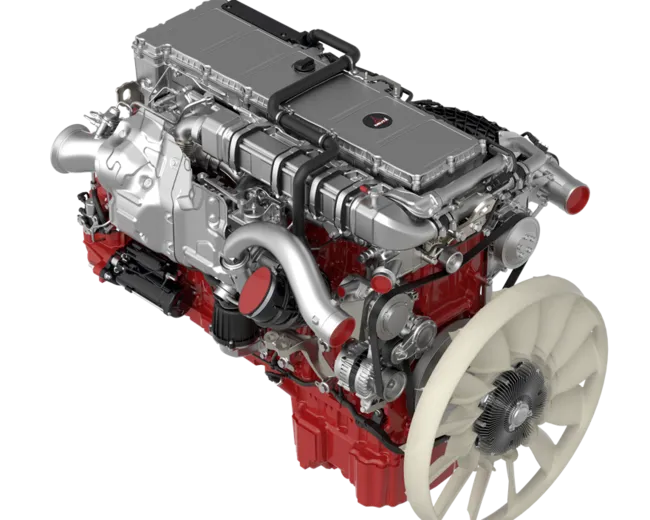
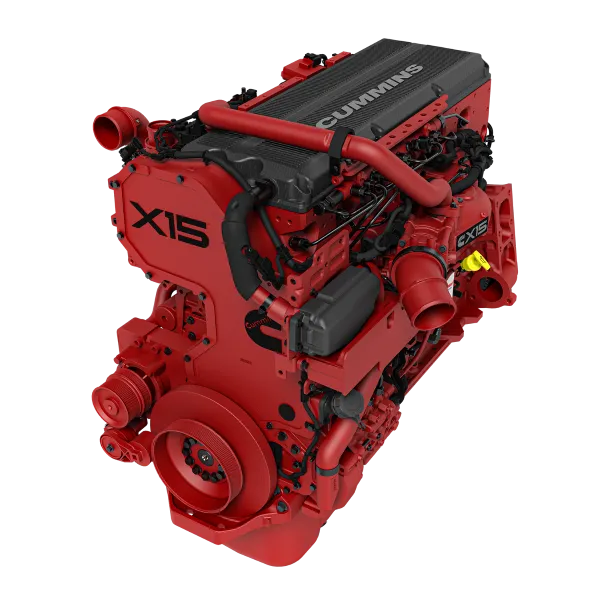
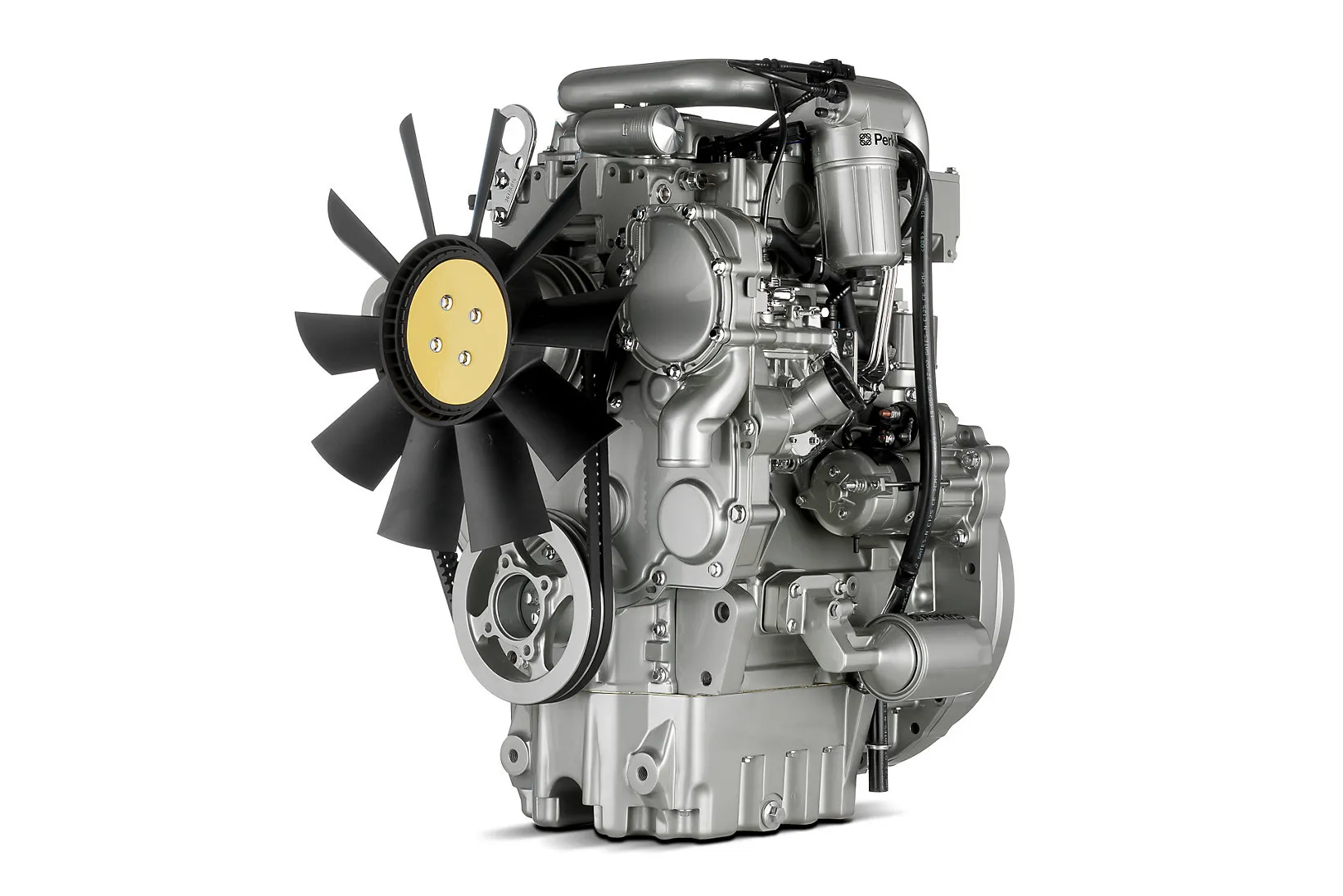
Engine Mounting Systems in Perkins, Deutz, and Cummins Engines
The structure of engine mounting systems and the components used may vary among different engine models from manufacturers such as Perkins, Deutz, and Cummins.
Therefore, it is important to correctly identify the engine model when replacing an engine mount or mounting component.
Since using an unsuitable mounting component can affect the engine\'s position and vibration isolation, component selection must comply with the relevant technical requirements.
Regular Mounting Inspections in Industrial Engines
Industrial diesel engines can generate continuous mechanical movement and vibration during long-term operation. Therefore, it is beneficial to inspect engine mounting points during periodic maintenance.
Especially when changes in the engine\'s operating behavior, excessive vibration, or abnormal noises at mounting points are noticed, inspection should not be delayed.
Early detection of mounting problems can help ensure that necessary maintenance procedures are planned in a timely manner.
Conclusion
Engine mounts and vibration isolation components help securely connect industrial diesel engines to equipment and control the movements generated during operation.
Cracks, deformation, or wear in the mounts can affect the transmission of vibrations to the equipment. However, not every vibration problem observed in an engine should be assumed to originate directly from the mounts.
For accurate diagnosis, the engine\'s operating conditions, mounting system, and relevant mechanical components should be evaluated together. Regular inspections and the use of spare parts suitable for the engine model can contribute to maintaining the reliability of the mounting system.
Frequently Asked Questions
What does an engine mount do?
An engine mount helps secure the engine to the equipment or chassis and contributes to controlling the movement and vibrations generated while the engine is operating.
What happens if an engine mount fails?
Symptoms such as excessive engine movement during operation, increased vibration, or abnormal noises at mounting points may occur.
Why does a diesel engine vibrate excessively?
There can be many causes of vibration. The engine\'s mechanical operating condition, connections, mounting system, and engine mounts can all affect vibration.
When should engine mounts be replaced?
A technical assessment should be carried out when cracks, deformation, wear, or a problem affecting mounting safety is observed. The replacement time is determined according to the engine\'s operating conditions.
Is every vibration problem caused by the engine mount?
No. Vibration can result from various mechanical or mounting-related problems. Therefore, parts should not be replaced before the source of the problem has been identified.
What should be considered when selecting an engine mount?
The engine model, equipment being used, mounting structure, and the manufacturer\'s technical requirements should be taken into consideration.