7 Essential Checks Before Starting an Industrial Engine
Most industrial engine failures can be prevented by performing a few simple inspections before startup. These checks not only ensure safe engine operation but also help prevent unexpected downtime, costly maintenance, and unforeseen breakdowns.
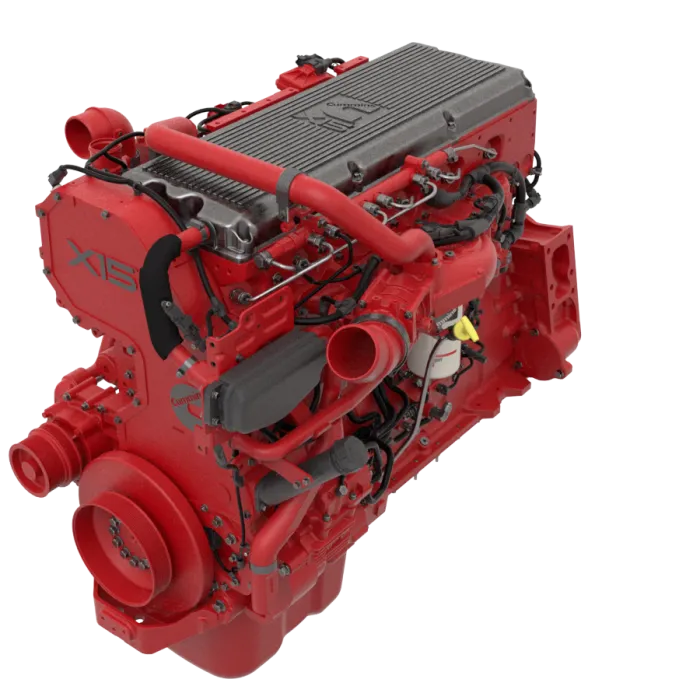
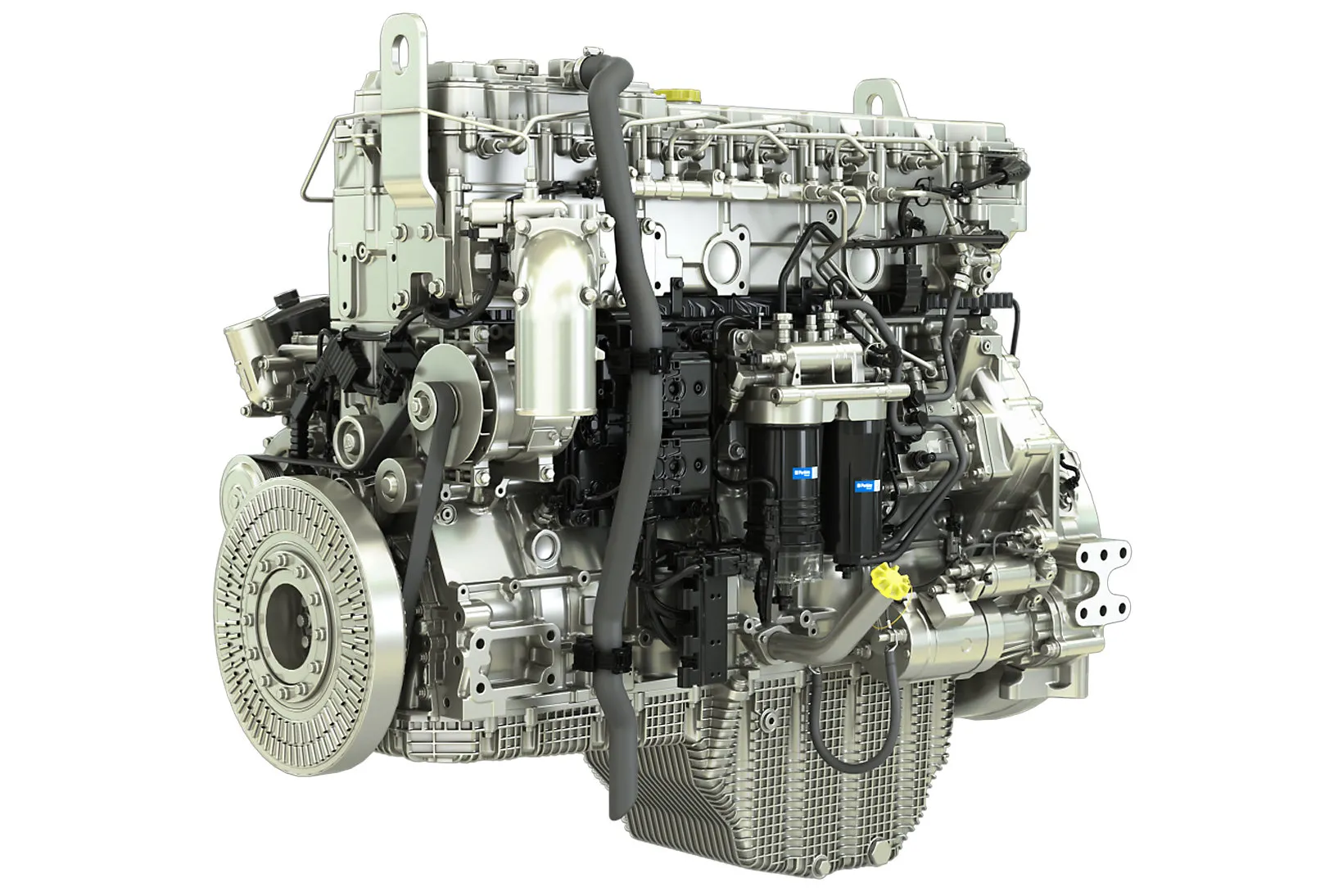
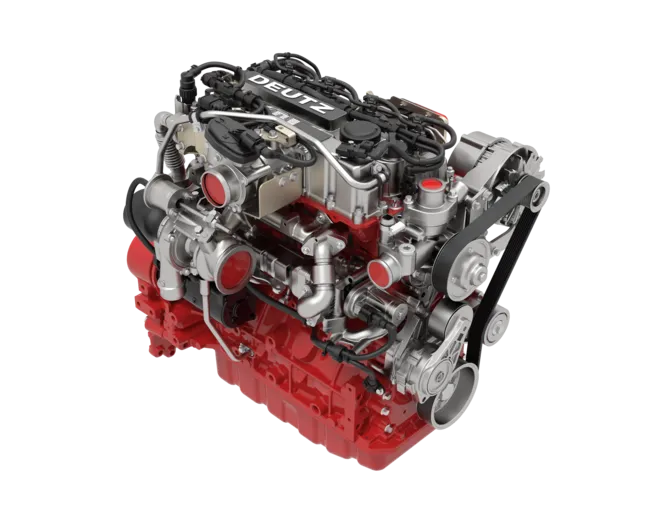
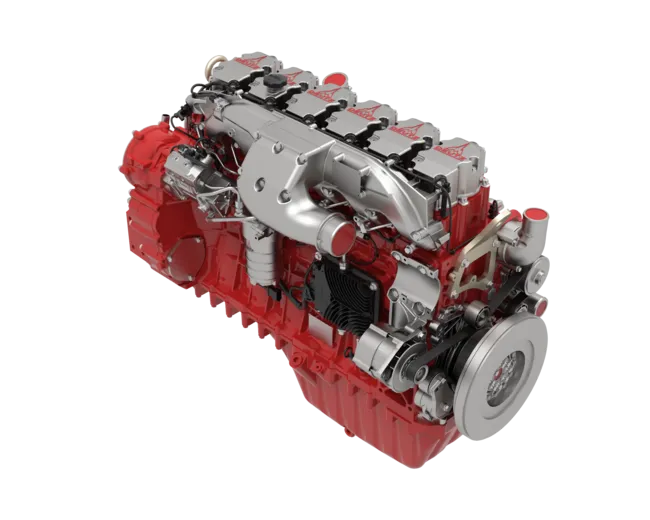
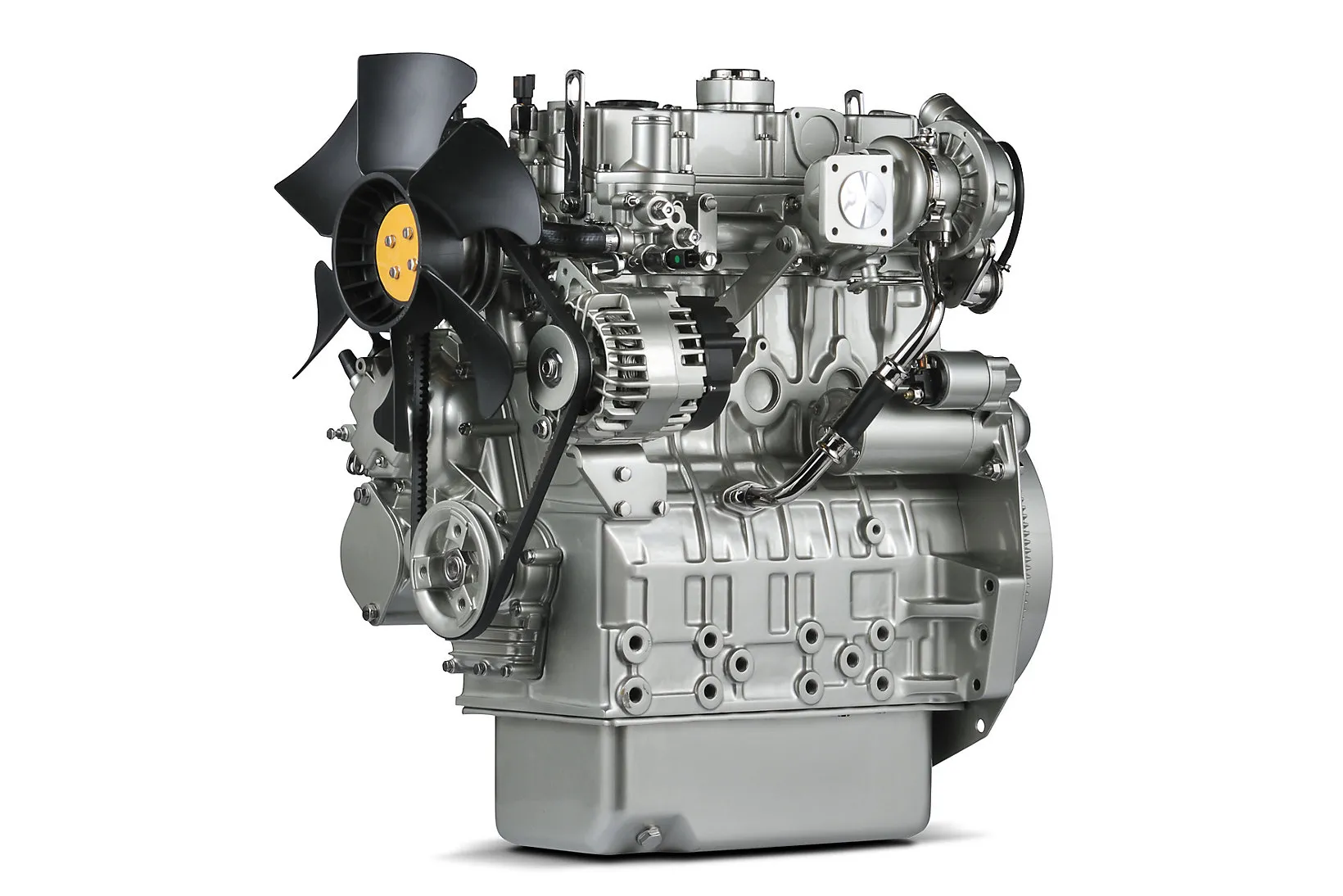
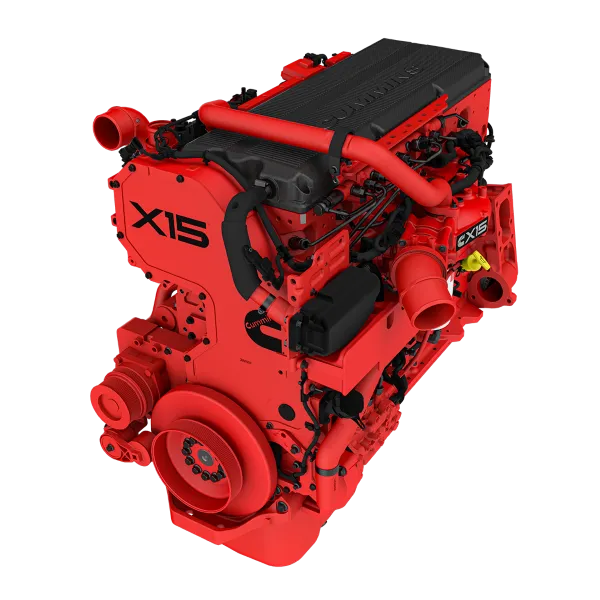
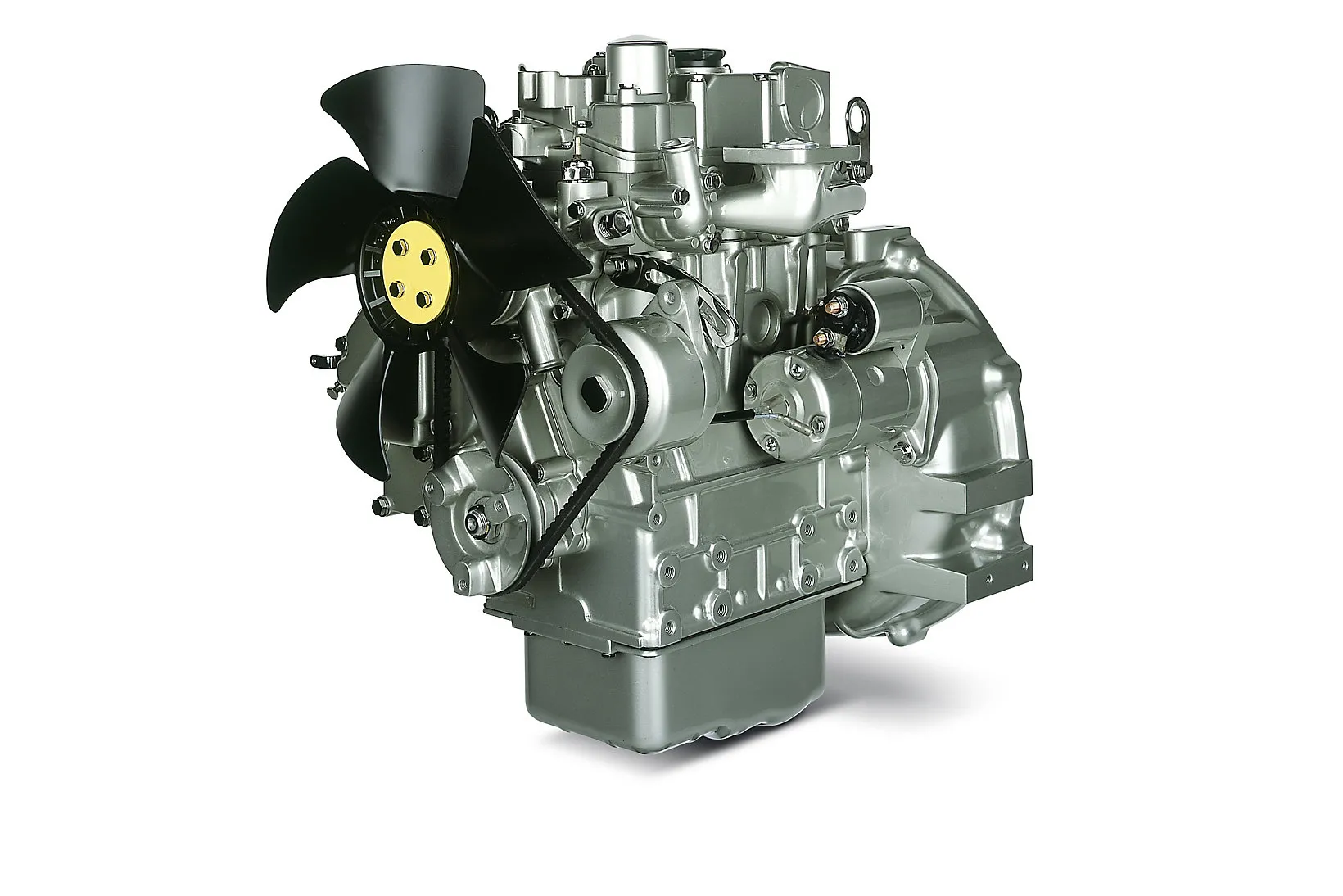
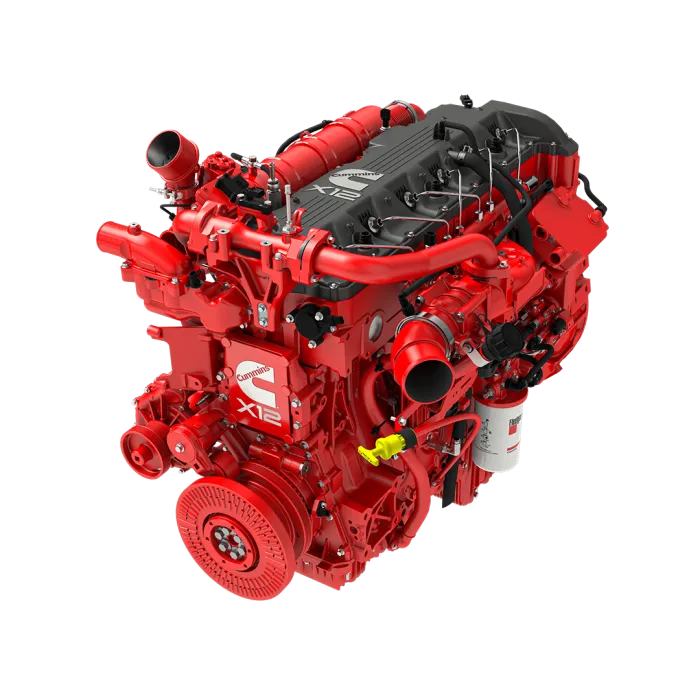
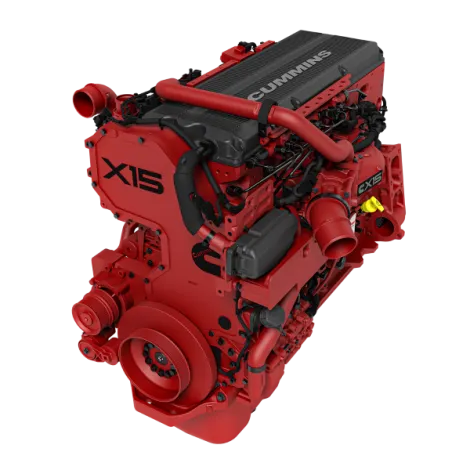
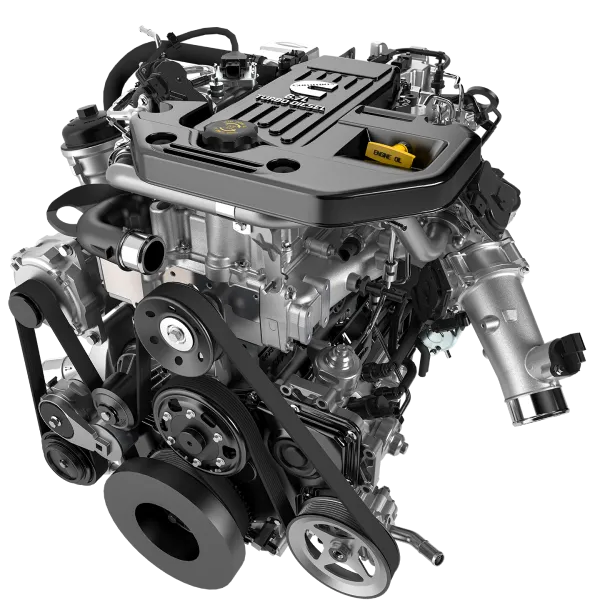
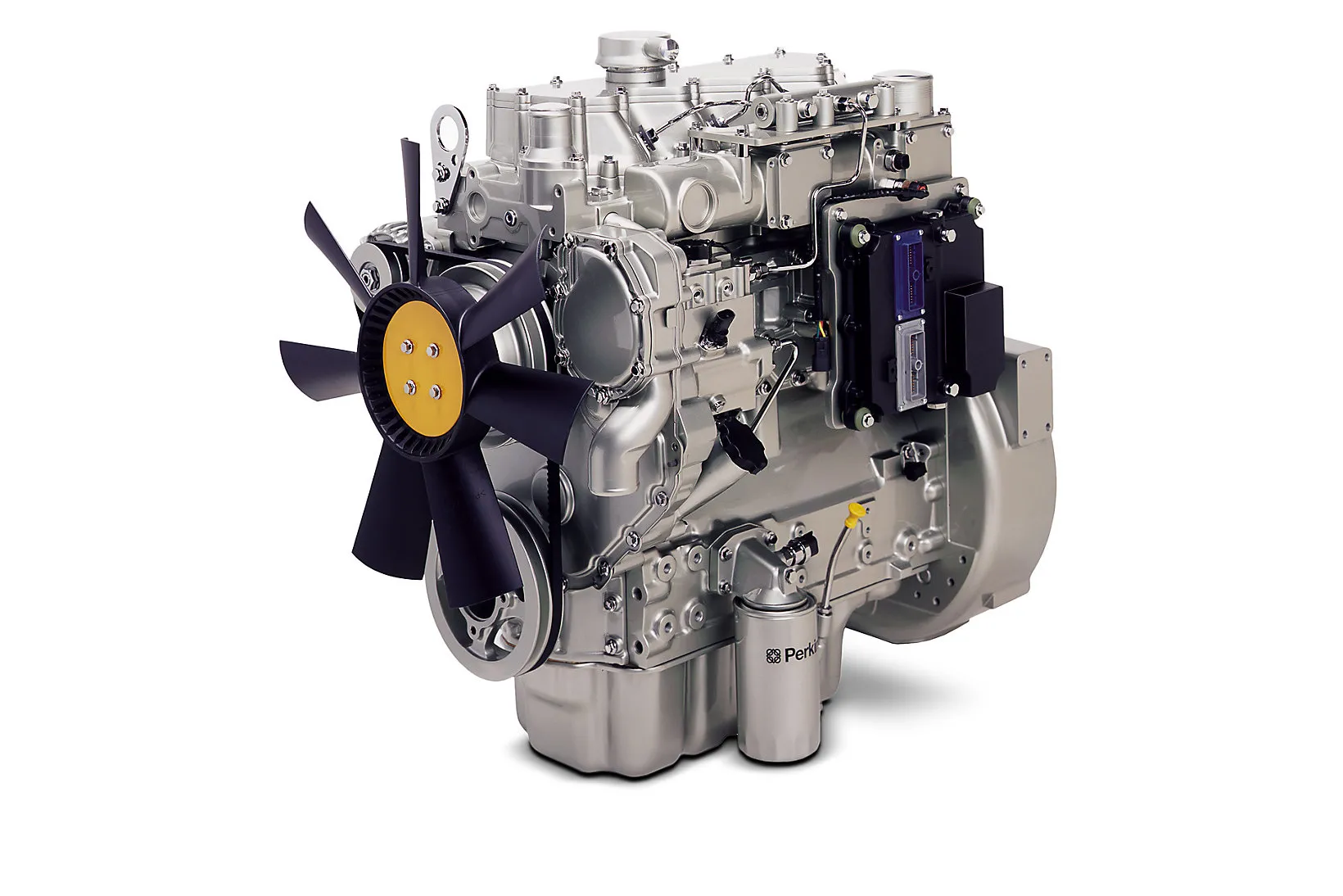
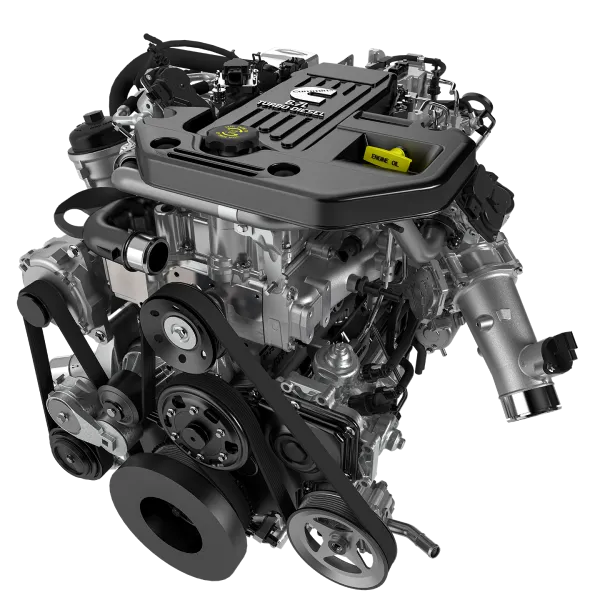
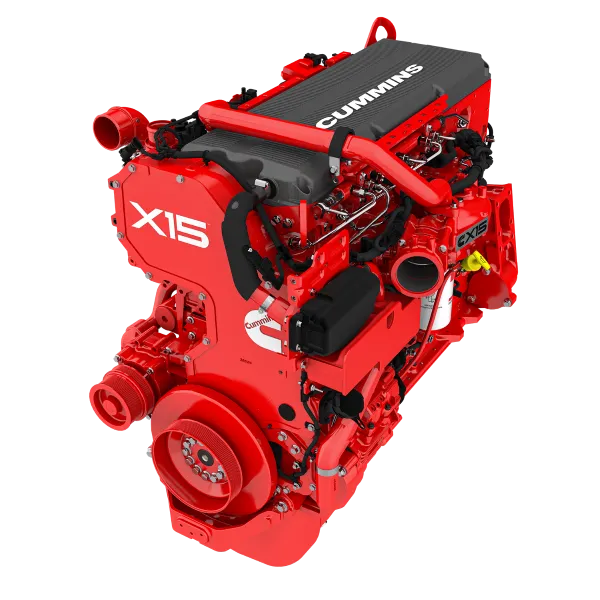
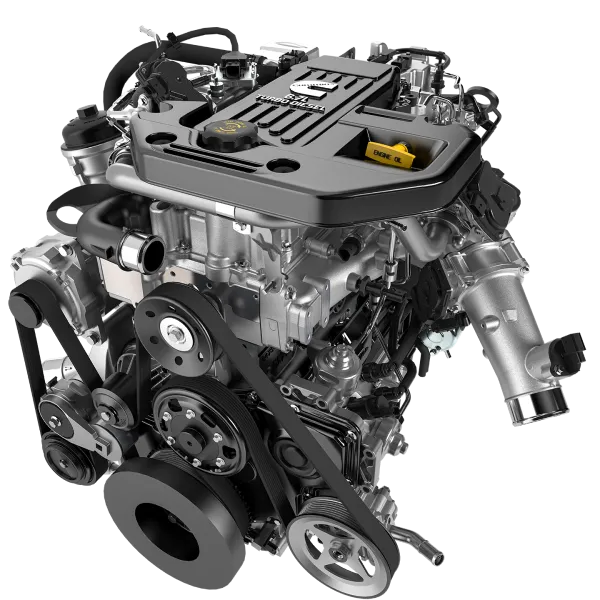
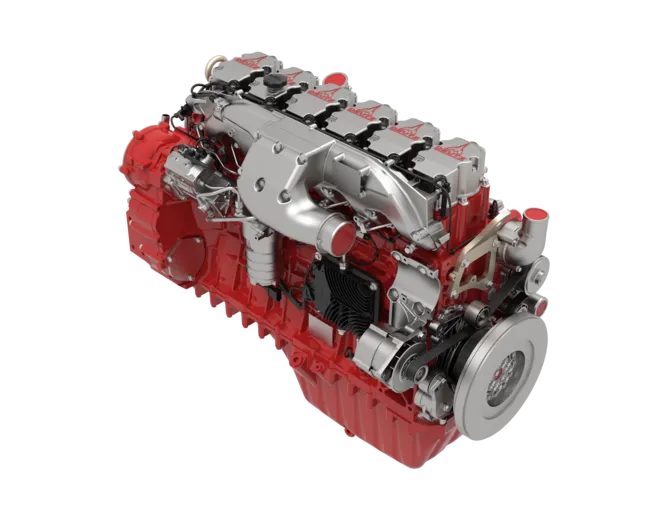
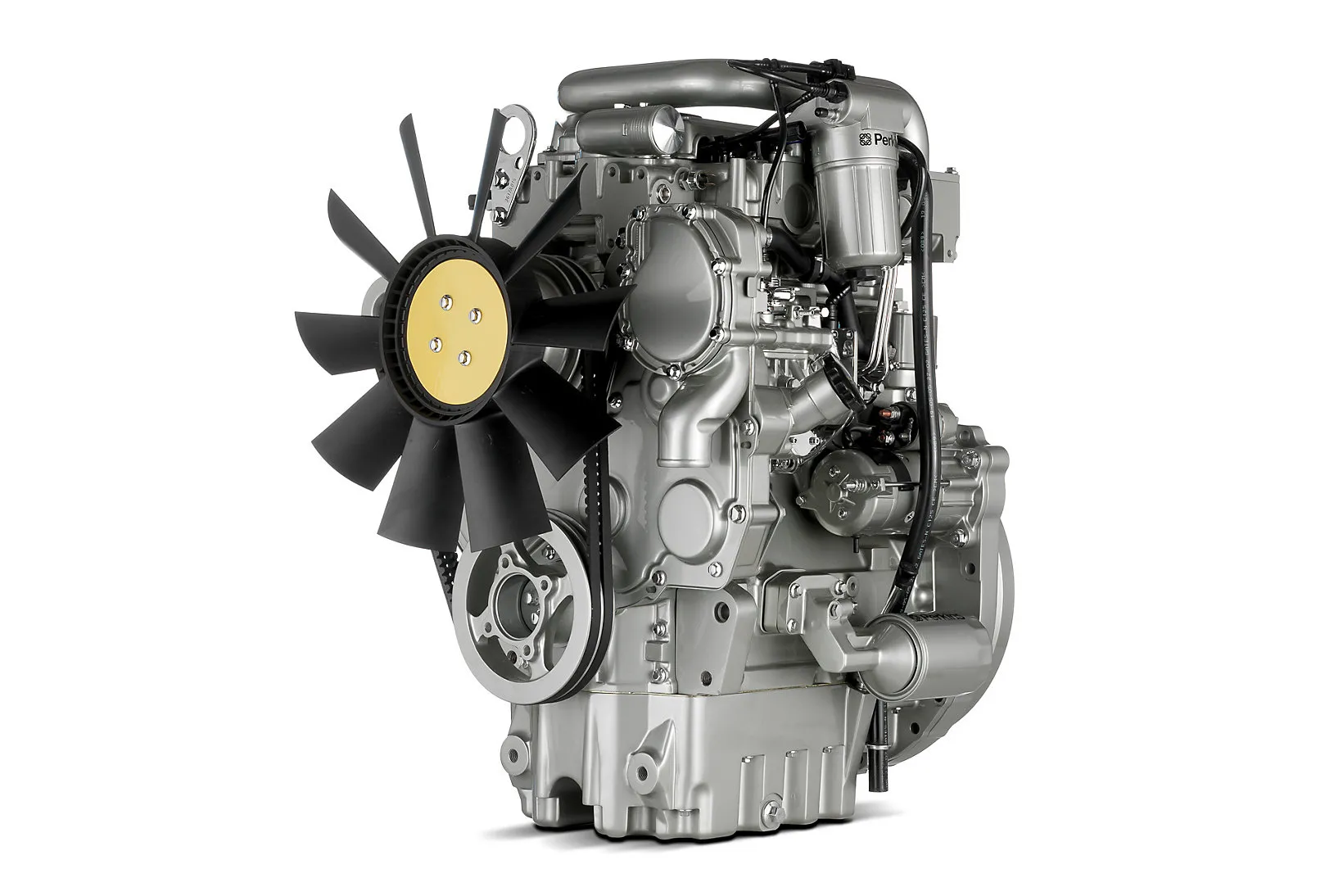
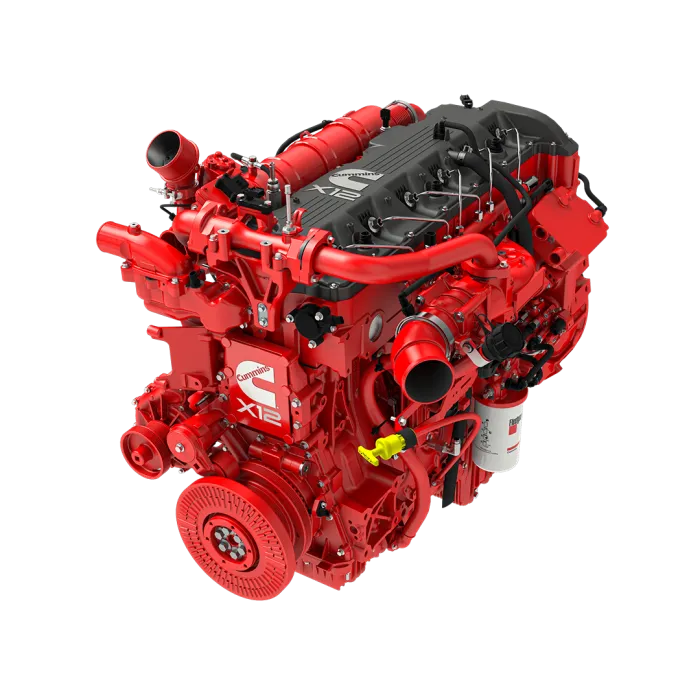
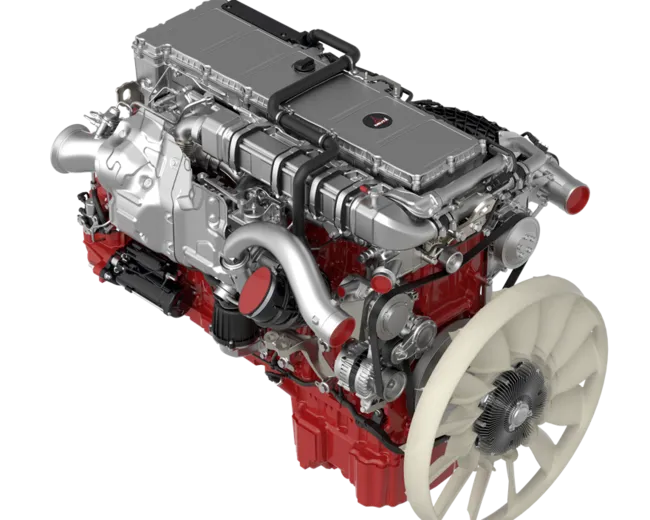
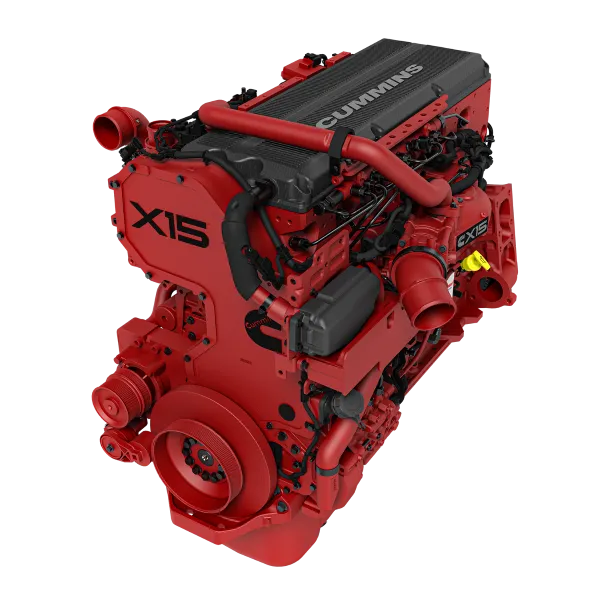
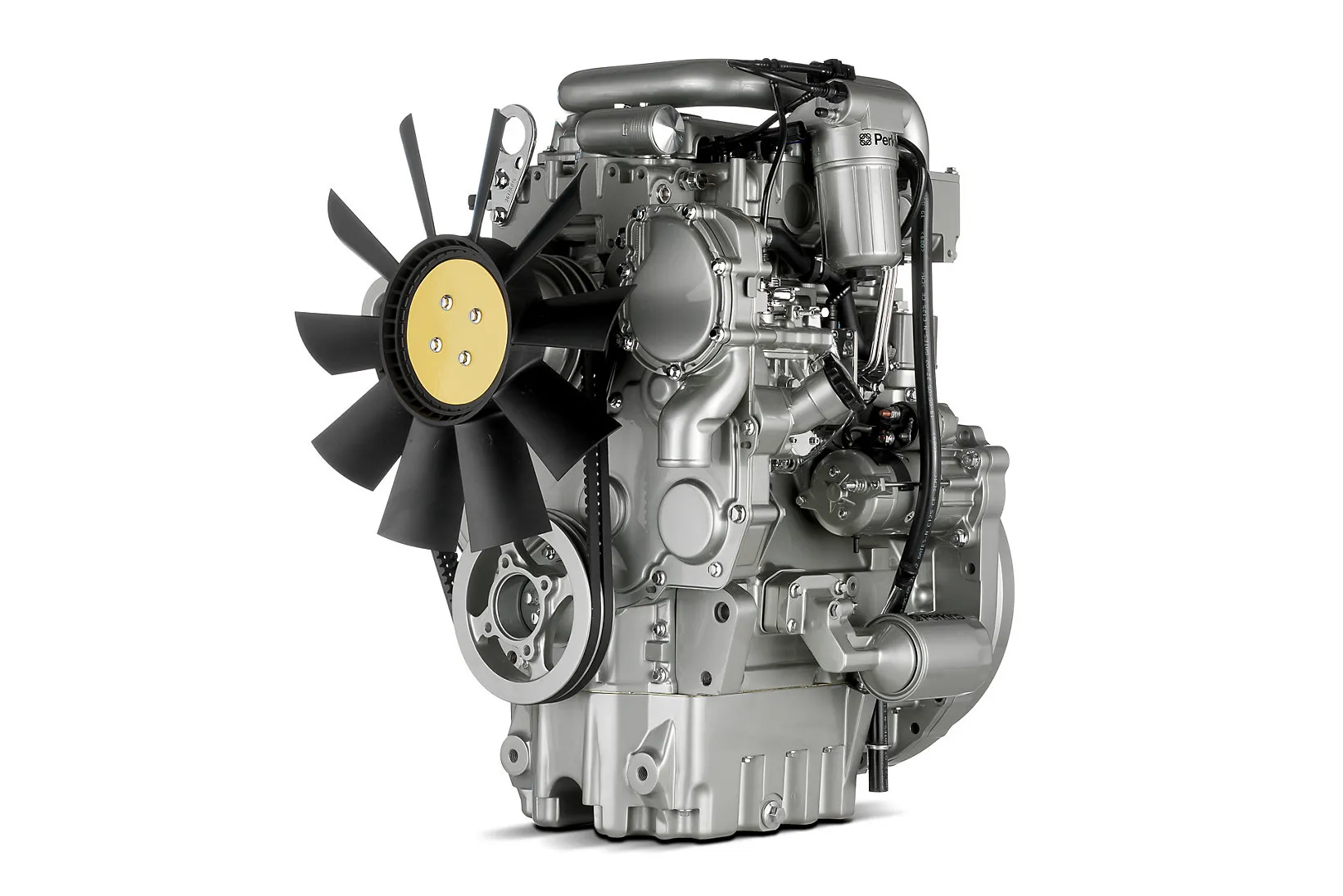
Deutz, Perkins and Cummins, manufacturers of high-performance engines, recommend that operators complete these essential inspections before every engine startup.
1. Check the Engine Oil Level
Engine oil reduces friction between moving parts and plays a vital role in maintaining engine performance. Before starting the engine, check the oil level and inspect its color and consistency. If you notice an unusual decrease or any abnormalities, do not ignore them. Low engine oil can result in severe and irreversible engine damage.
2. Inspect the Fuel and Coolant Levels
Checking the coolant is just as important as checking the fuel level. Inspect the coolant level in the radiator or expansion tank and look for any signs of leakage. Operating an engine with insufficient coolant can quickly lead to overheating and permanent engine damage.
3. Check for Oil, Fuel, and Coolant Leaks
Small leaks around the engine can gradually develop into major failures. During your visual inspection, look carefully for oil leaks, fuel leaks, and traces of coolant. If you detect any irregularities, do not start the engine until the issue has been reported to the technical service team.
4. Inspect Belts and Hoses
Check belts for cracks, looseness, or signs of excessive wear. Also inspect hoses and their connections for deformation or leaks. Even minor damage can eventually cause the engine to stop unexpectedly.
5. Check the Battery and Electrical Connections
Loose or corroded battery terminals can cause serious starting problems. Make sure all cable connections are secure and check the instrument panel for any illuminated warning indicators.
6. Watch for Unusual Noise and Vibration
When the engine starts, listen for metallic noises, excessive vibration, or unstable idling. If any of these symptoms occur, stop the engine without placing it under load and have it inspected. Maintenance professionals who share their field experience on technical forums also emphasize that these pre-shift inspections help identify many problems before they become major failures.
7. Check the Instrument Panel and Operating Hours
After the engine has started, confirm that the oil pressure, coolant temperature, and charging system indicators are within their normal operating ranges. Monitor the engine operating hours regularly so that upcoming maintenance intervals can be planned in advance. Timely maintenance is one of the most effective ways to maximize engine service life.
Start Your Engines with Confidence with Fermot
Fermot provides scheduled maintenance, technical service, engine overhauls, and genuine spare parts for Deutz, Perkins and Cummins engines.
Daily operator inspections are not a replacement for professional maintenance, but they play a critical role in identifying potential problems at an early stage. Combined with regular technical service and timely maintenance, they help maintain engine performance, minimize unplanned downtime, and keep operating costs under control.
Spending just a few minutes on inspections before every startup can save you significant time and maintenance costs in the long run.