Why Does the Temperature Rise in Industrial Diesel Engines?
Maintaining the appropriate operating temperature is essential for diesel engines to operate reliably and efficiently. The heat generated while the engine is running is controlled by the cooling system. If the cooling system does not operate adequately or the engine generates more heat than normal, the engine temperature may begin to rise.
Excessive temperature, commonly referred to as overheating, is a condition that requires attention, especially in industrial diesel engines operating for long periods and under high loads. The cause of an abnormal increase in engine temperature should be identified and the necessary checks should be performed in a timely manner.
What Are the Main Causes of Overheating in Diesel Engines?
Many different systems or operating conditions can cause an engine to overheat. Some of the most common causes include insufficient coolant level, a dirty radiator, thermostat problems, and circulation issues in the cooling system.
In addition, the engine load, ambient temperature, and maintenance condition can also affect engine temperature.
Possible causes of overheating include;
- Low coolant level,
- A dirty or clogged radiator,
- Thermostat failure,
- Water pump problems,
- Problems with the cooling fan,
- Leaks in the cooling system,
- Unsuitable operating conditions,
- Operating the engine under excessive load
may be among the causes.
Can Low Coolant Cause Overheating?
One of the functions of the cooling system is to help control the heat generated inside the engine. When there is not enough coolant in the system, heat transfer and circulation may not occur properly.
If the coolant level continues to decrease, simply adding more coolant may not be sufficient. The system should be checked for leaks and the cause of the coolant loss should be identified.
In particular, connection points, hoses, the radiator, and related components should be inspected to determine the source of the problem.
The Effect of the Radiator on Engine Temperature
The radiator is one of the important components of the engine cooling system. If the radiator surface cannot receive sufficient airflow due to dirt, dust, or other external factors, heat transfer may be negatively affected.
Since industrial engines may operate in environments with high levels of dust and dirt, the cleanliness and general condition of the radiator should be checked regularly.
Blockages in the radiator or reduced airflow may contribute to an increase in engine temperature.
How Does a Thermostat Failure Cause Overheating?
The thermostat is an important component that helps regulate the engine\'s operating temperature. It controls the circulation of coolant according to the engine\'s operating temperature.
If the thermostat does not operate properly, coolant circulation may be affected. This can cause the engine operating temperature to rise above the normal level.
If recurring increases in engine temperature are observed, the thermostat and other components of the cooling system should be technically inspected.
Water Pump and Cooling System
For the cooling system to operate properly, coolant must circulate appropriately throughout the system. Problems with the water pump can affect this circulation.
Problems with the pump\'s operation can reduce the efficiency of the cooling system and contribute to an increase in engine temperature.
Therefore, an overheating problem should not be evaluated solely in terms of the radiator or coolant; the cooling system as a whole should be taken into consideration.
Does Operating the Engine Under Excessive Load Increase Overheating?
The engine\'s operating load can affect the amount of heat it generates. Operating the engine under high load for extended periods in a manner that is not suitable for its capacity or operating conditions may cause the temperature to rise.
Therefore, it is important that the engine\'s operating conditions comply with the technical requirements specified by the manufacturer.
Especially in industrial applications, when the engine operates continuously under high load, maintaining the cooling system and monitoring the engine\'s operating values become even more important.
What Are the Signs of Overheating in Diesel Engines?
Engine overheating can manifest itself through various symptoms. One of the most basic signs is the temperature gauge rising above the normal operating level.
In addition;
- A decrease in coolant level,
- Steam or signs of excessive heat,
- Changes in engine performance,
- Warnings related to the cooling system,
- Abnormal operating conditions
may also be observed.
When one or more of these symptoms occur, the engine\'s operating conditions should be evaluated.
What Should Be Done When a Diesel Engine Overheats?
When it is noticed that the engine temperature has risen above the normal level, the necessary safety procedures should be followed according to the engine\'s operating conditions. Continuing to operate the engine at a high temperature may cause the existing problem to become more serious.
After the engine has been safely stopped, the cooling system, coolant level, radiator, fan, thermostat, and related components should be checked.
Since actions such as opening the cooling system cap while the engine is hot can pose a serious risk of injury, the system should be allowed to reach a safe temperature first.
Why Is Maintenance Important for Preventing Overheating Problems?
Regular maintenance helps detect potential problems in the cooling system at an early stage. Radiator cleaning, coolant checks, inspection of hoses and connections, and evaluation of the operating condition of relevant components are important for the reliable operation of the engine.
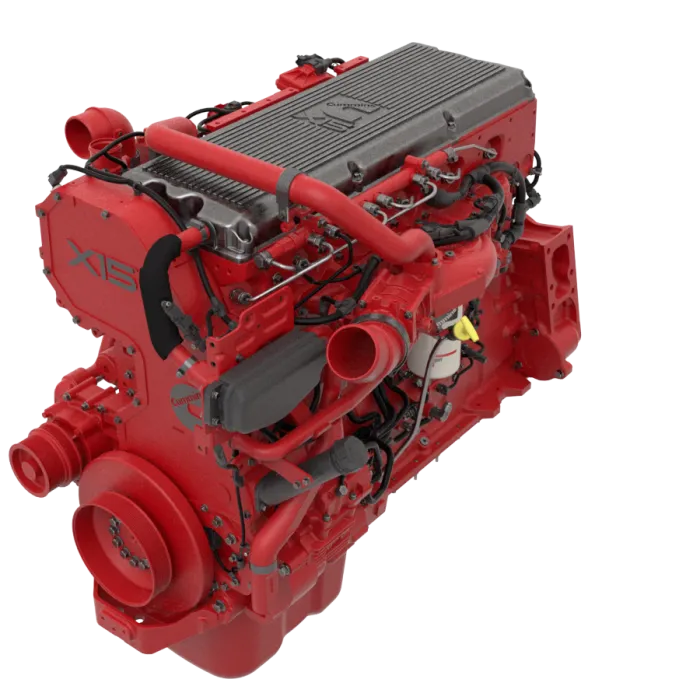
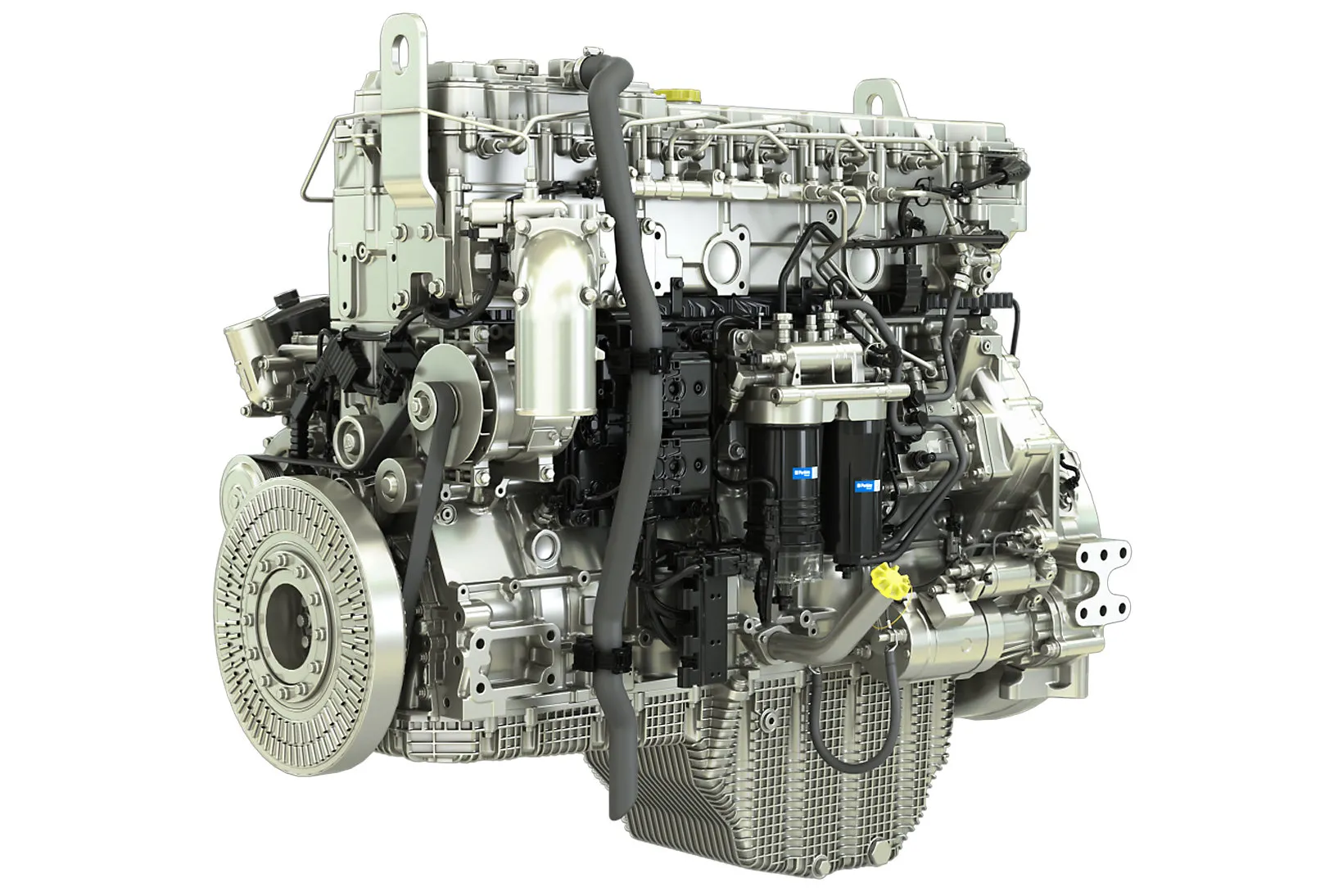
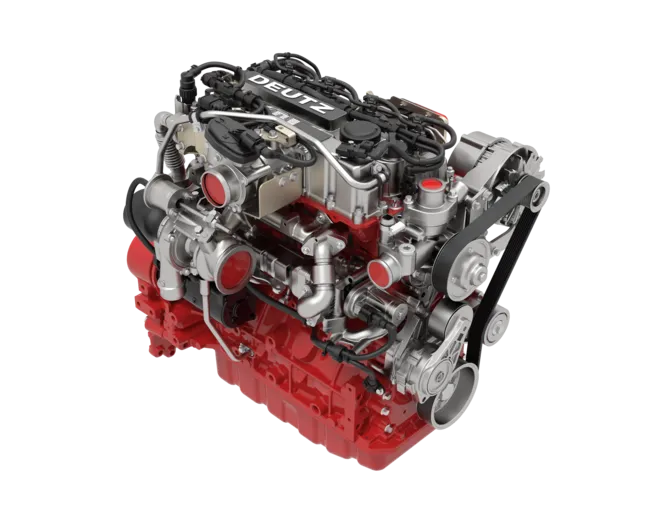
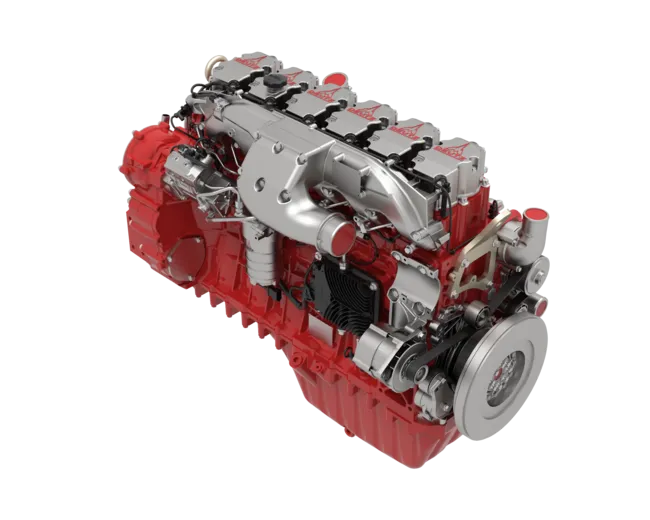
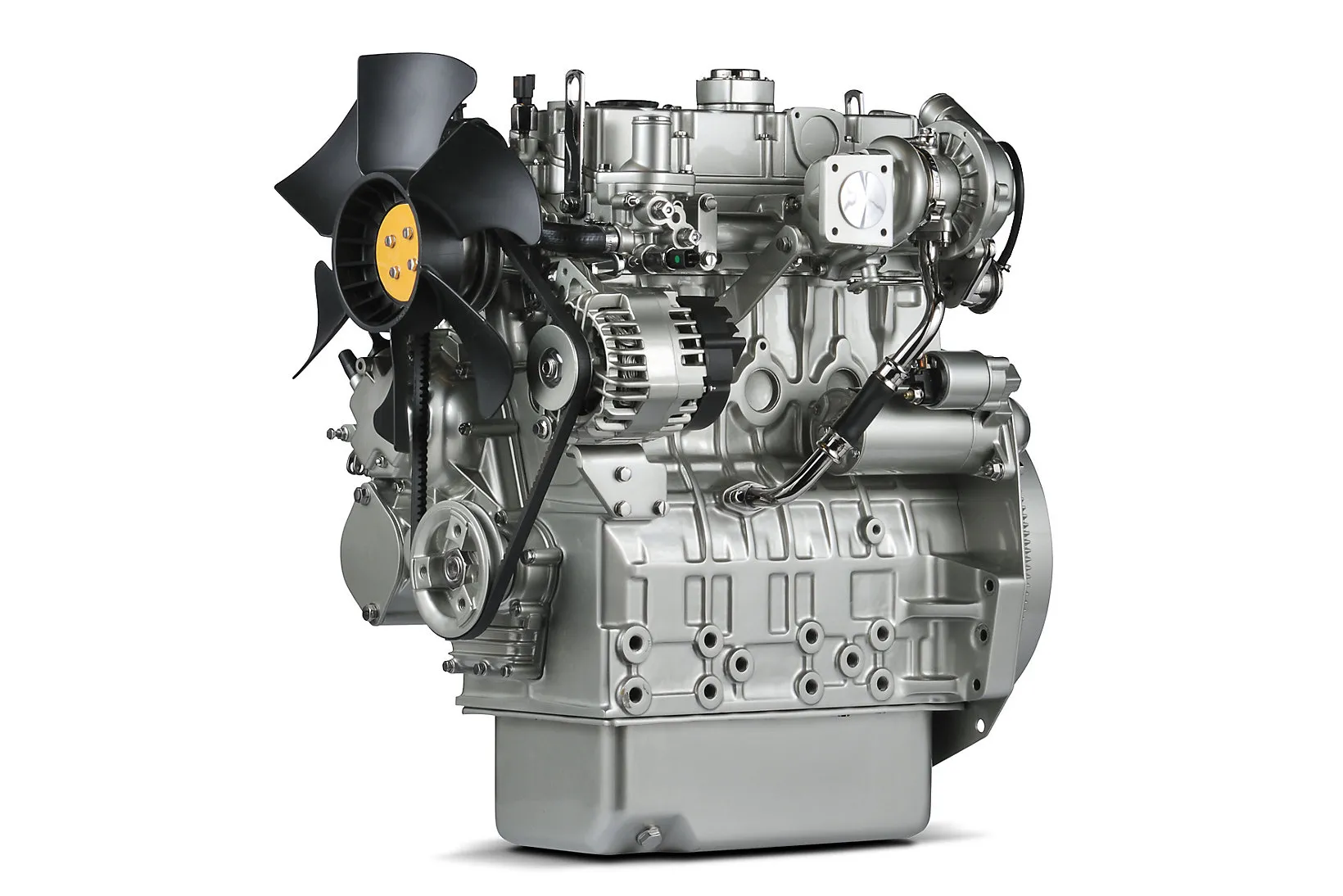
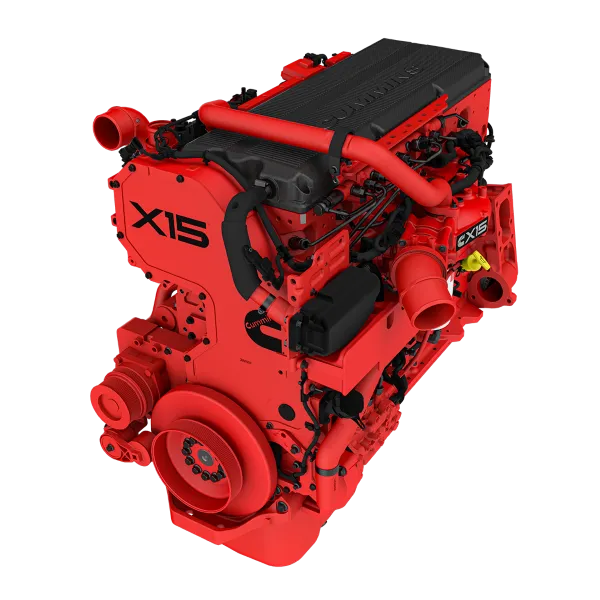
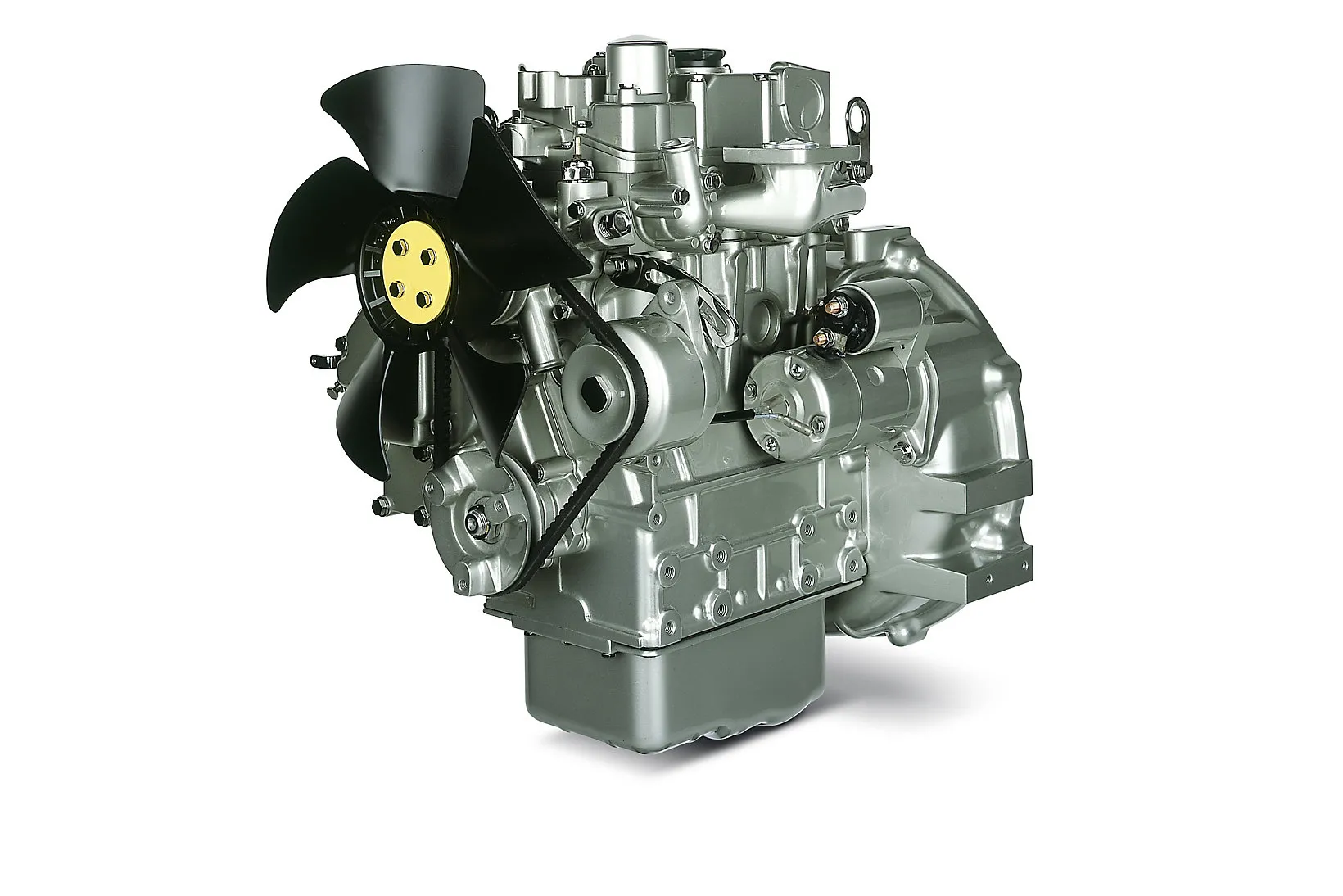
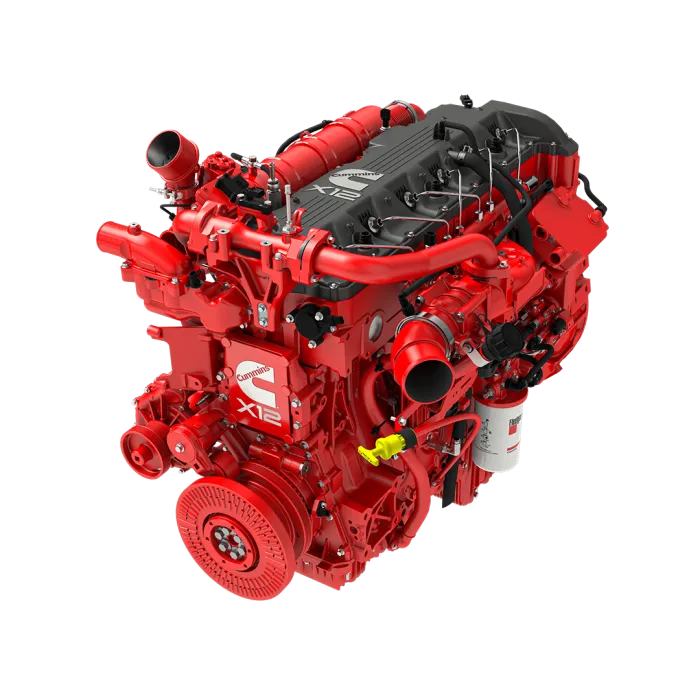
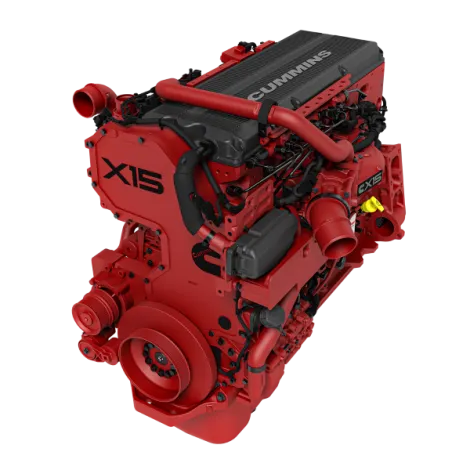
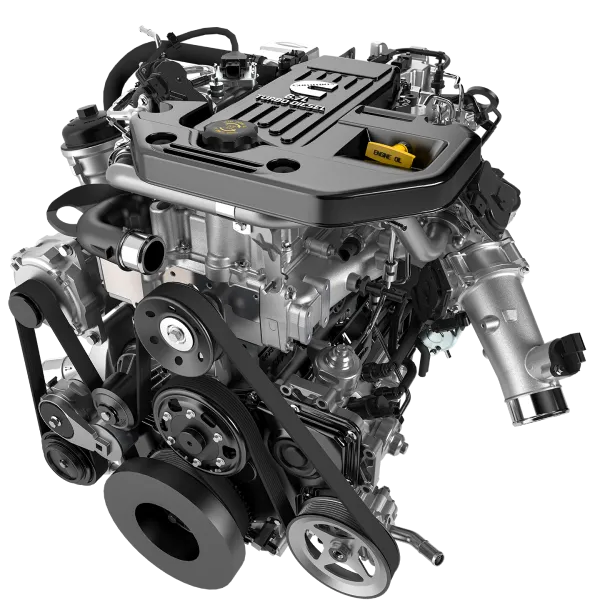
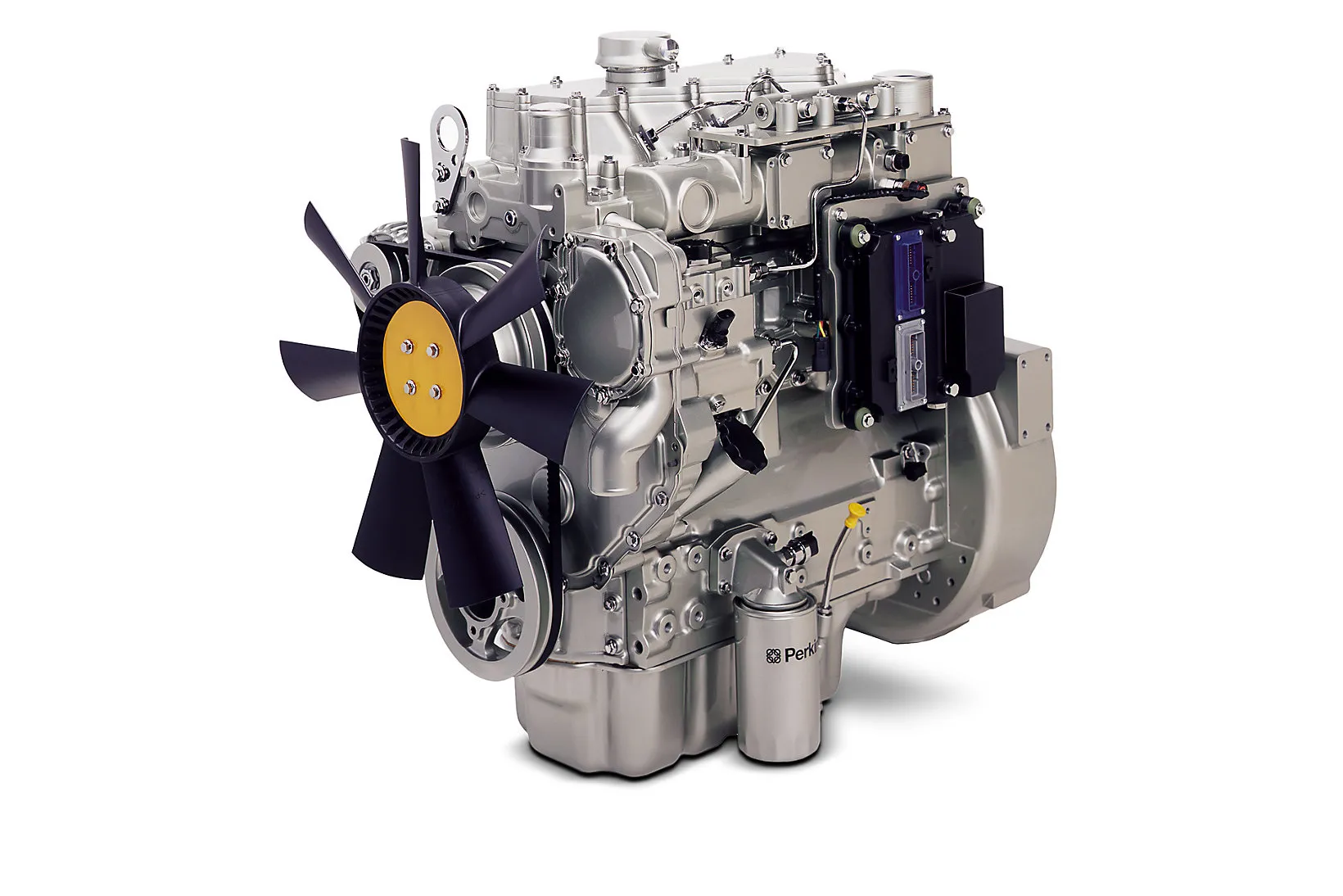
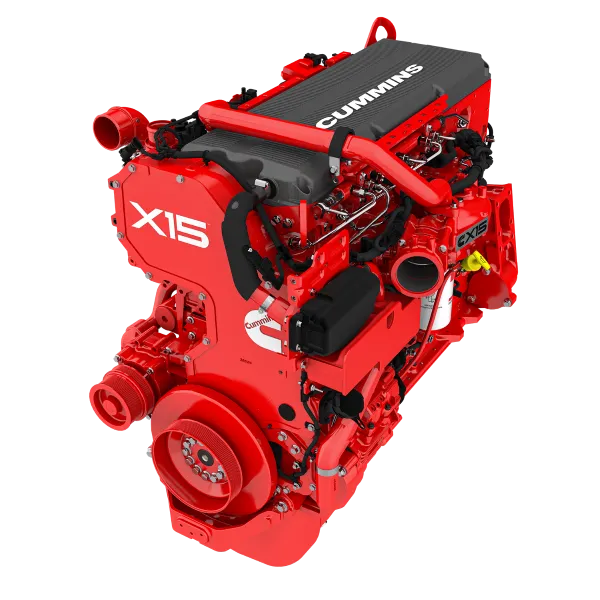
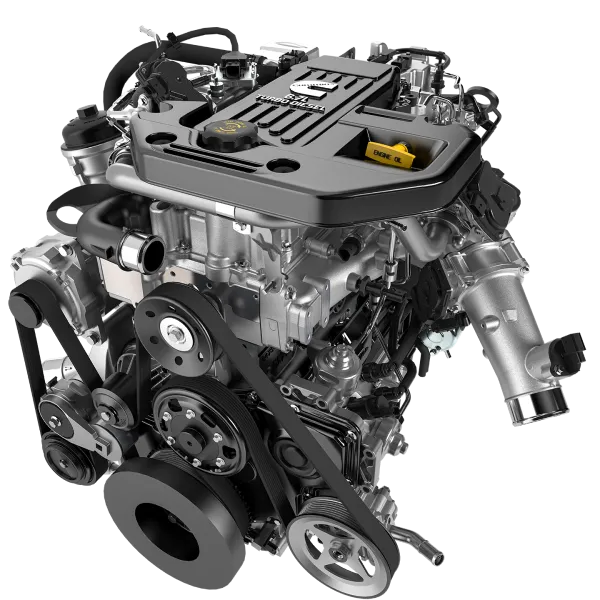
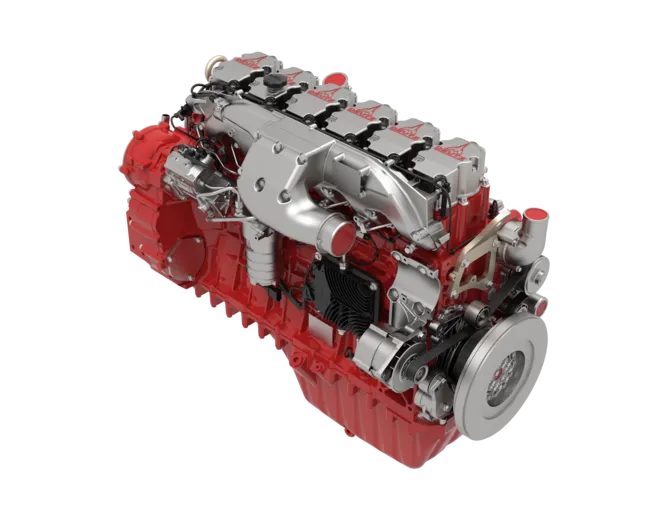
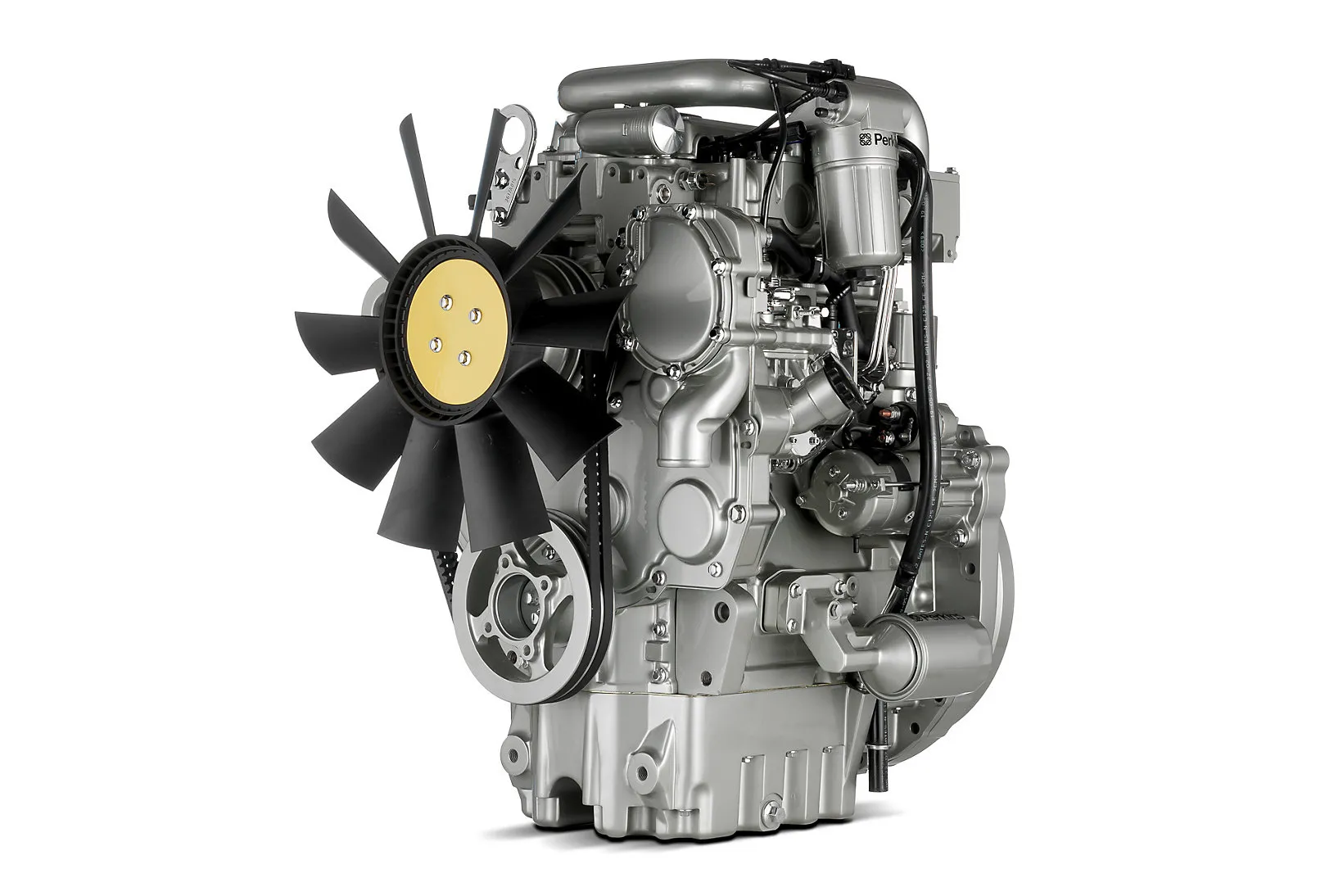
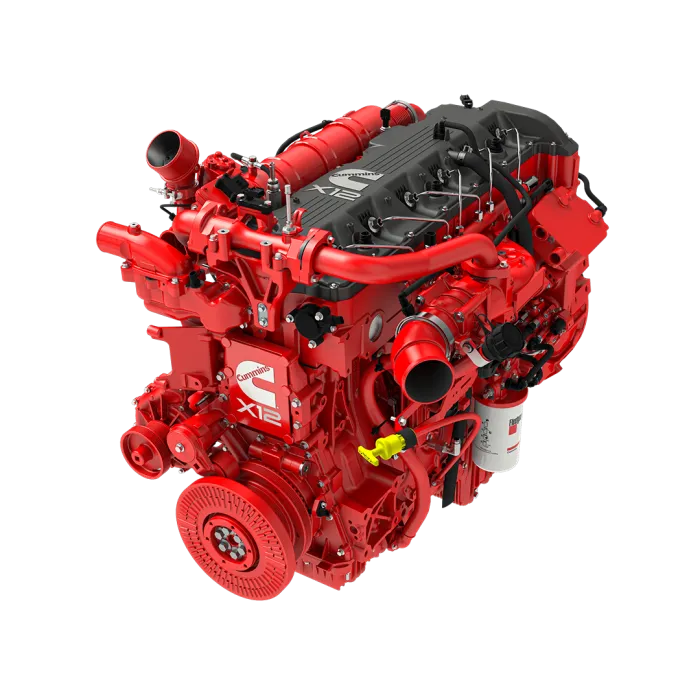
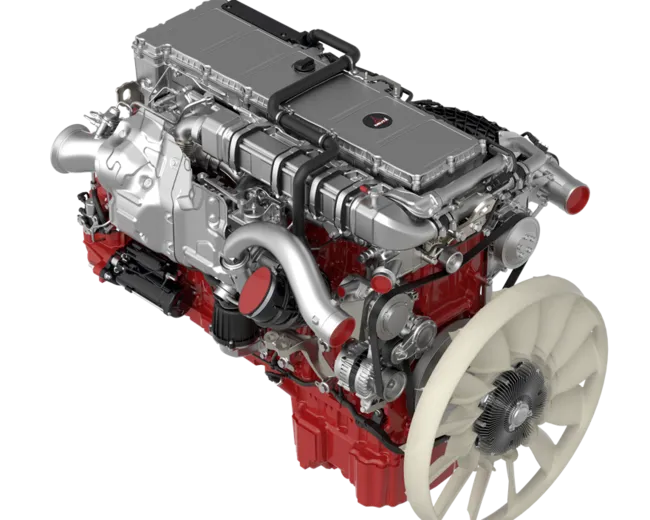
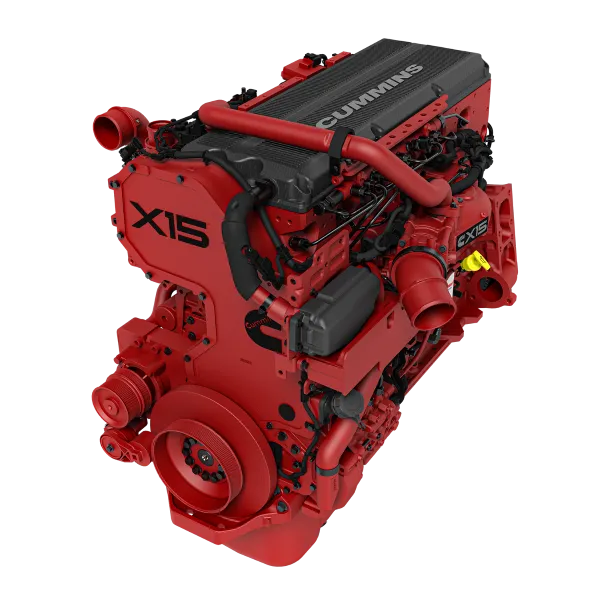
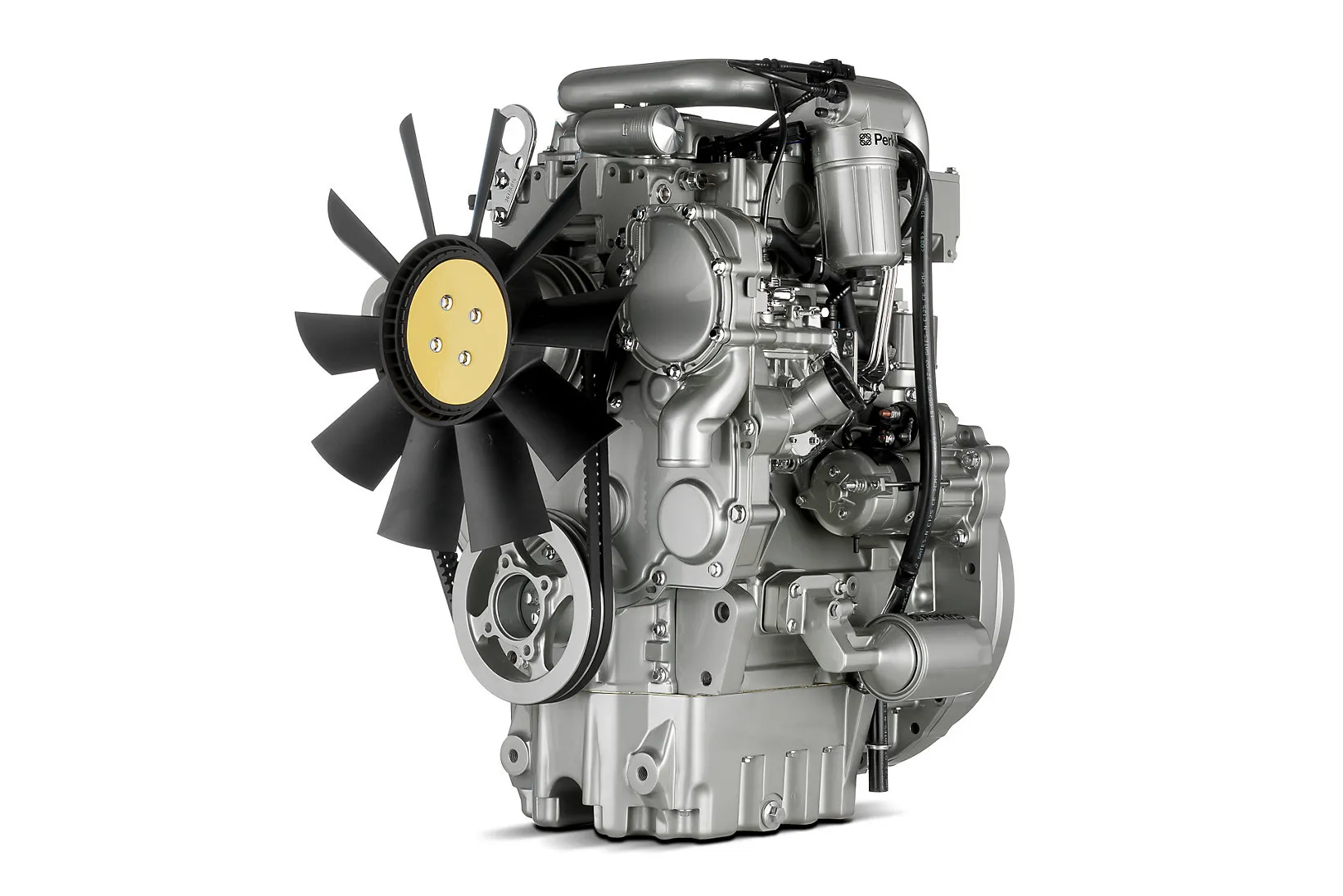
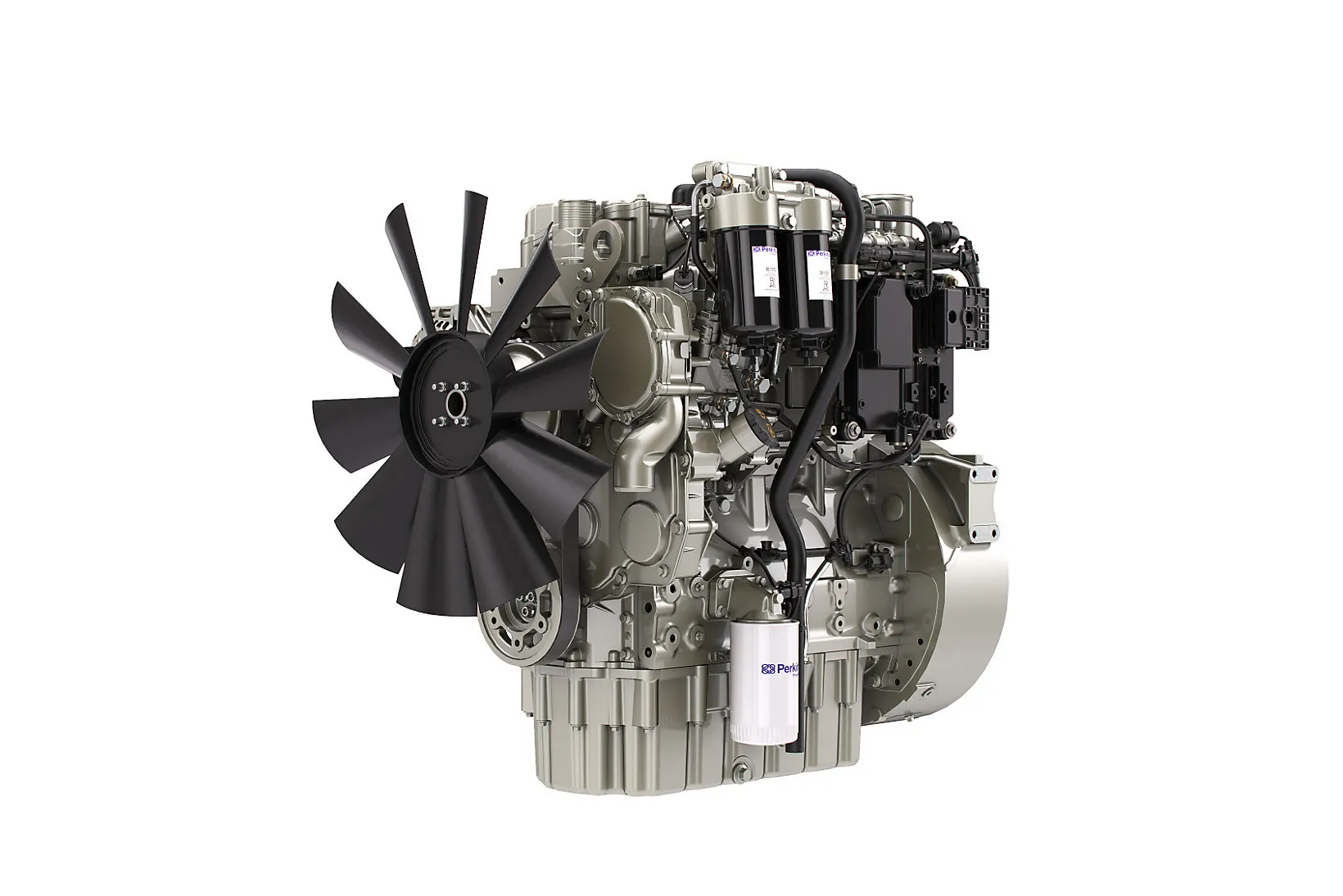
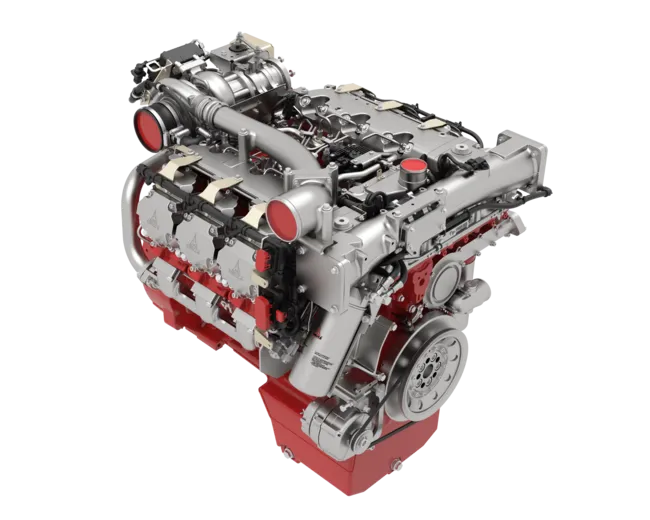
The maintenance requirements of different engines such as Perkins, Deutz, and Cummins may vary depending on the model and application. Therefore, the engine\'s technical specifications and manufacturer requirements should be taken into consideration during maintenance procedures.
Conclusion
Overheating in industrial diesel engines can result from many different causes, such as insufficient coolant, radiator problems, thermostat or water pump failures, and unsuitable operating conditions.
Abnormal increases in engine temperature should not be ignored, and the source of the problem should be identified as early as possible. Regular maintenance and technical inspections contribute to the efficient operation of the cooling system and help maintain engine operating reliability.
Frequently Asked Questions
Why does a diesel engine overheat?
Low coolant level, radiator problems, thermostat or water pump failures, leaks in the cooling system, and operating under excessive load are among the possible causes of overheating.
Can a dirty radiator cause an engine to overheat?
If the radiator cannot receive sufficient airflow due to dirt or dust, heat transfer may be negatively affected and this may contribute to an increase in engine temperature.
Why does the coolant level continuously decrease?
Continuous coolant loss may indicate a leak or another problem in the cooling system. Instead of simply adding coolant, the cause of the loss should be investigated.
Can an overheating engine continue to operate?
If the engine temperature has risen above the normal level, it is not appropriate to continue operating the engine at a high temperature. The engine should be safely stopped and the necessary technical checks should be performed.
How can overheating be prevented?
Regular maintenance, checking the coolant level, radiator cleaning, inspecting hoses and connections, and operating the engine under appropriate conditions can help reduce the risk of overheating.