How Do the SCR and AdBlue Systems Work in Industrial Diesel Engines?
Today, industrial diesel engines are evaluated not only by their power, torque, and fuel efficiency but also by their ability to control exhaust emissions. In particular, the SCR system and AdBlue, found in many modern engines, play a critical role in reducing nitrogen oxide (NOx) emissions produced by diesel engines.
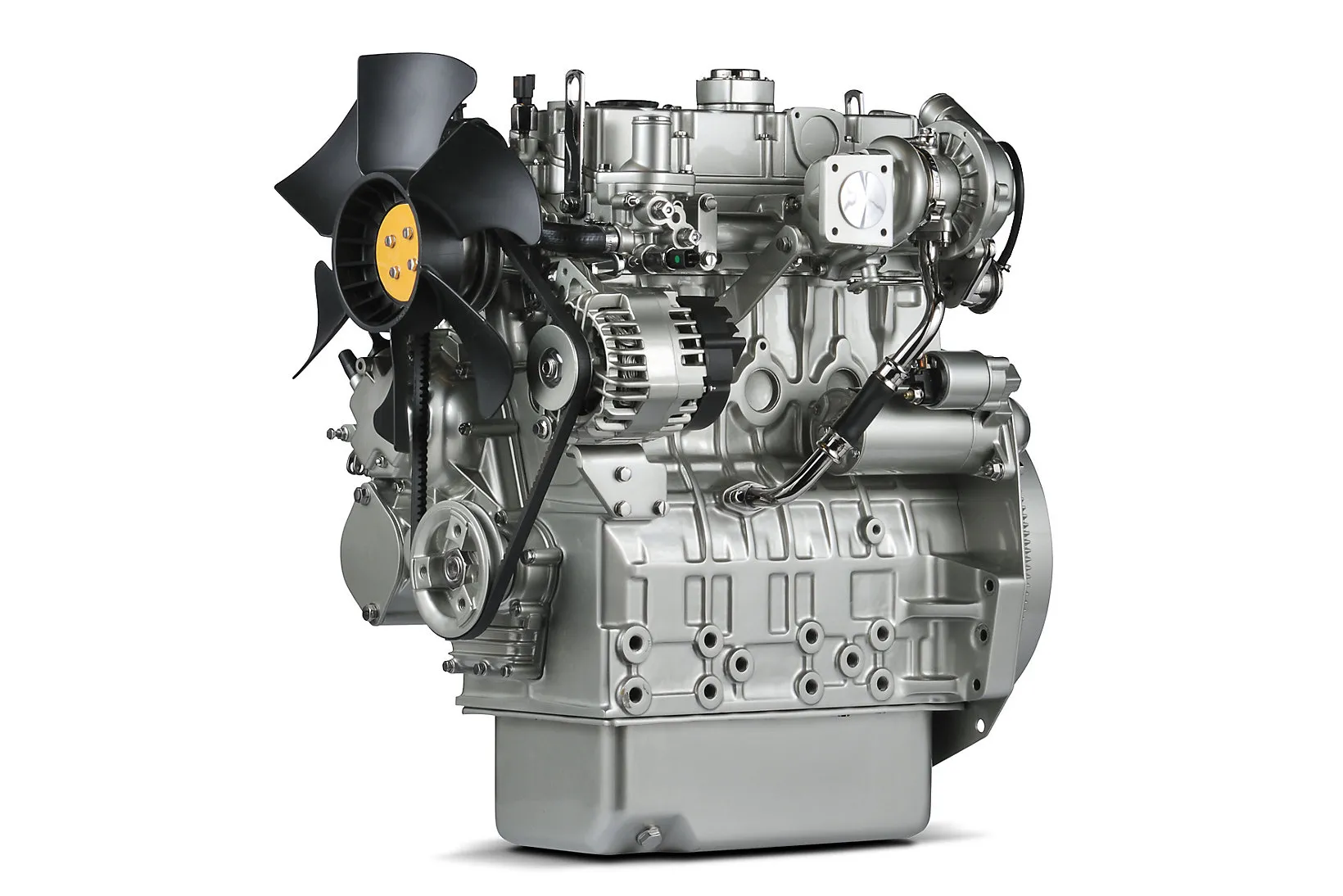
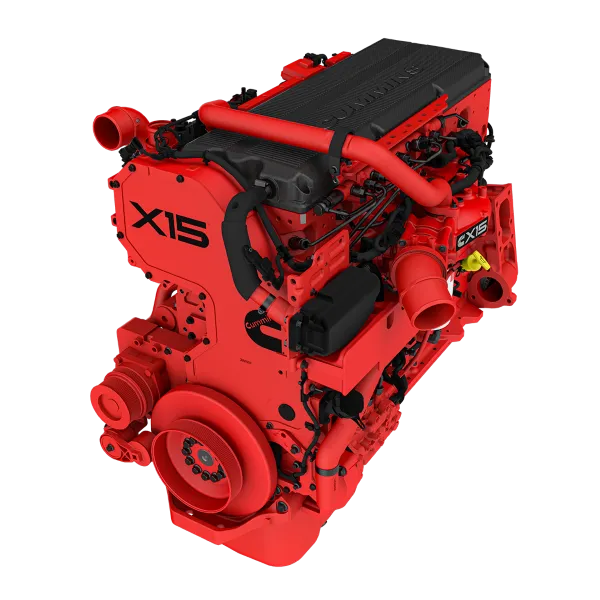
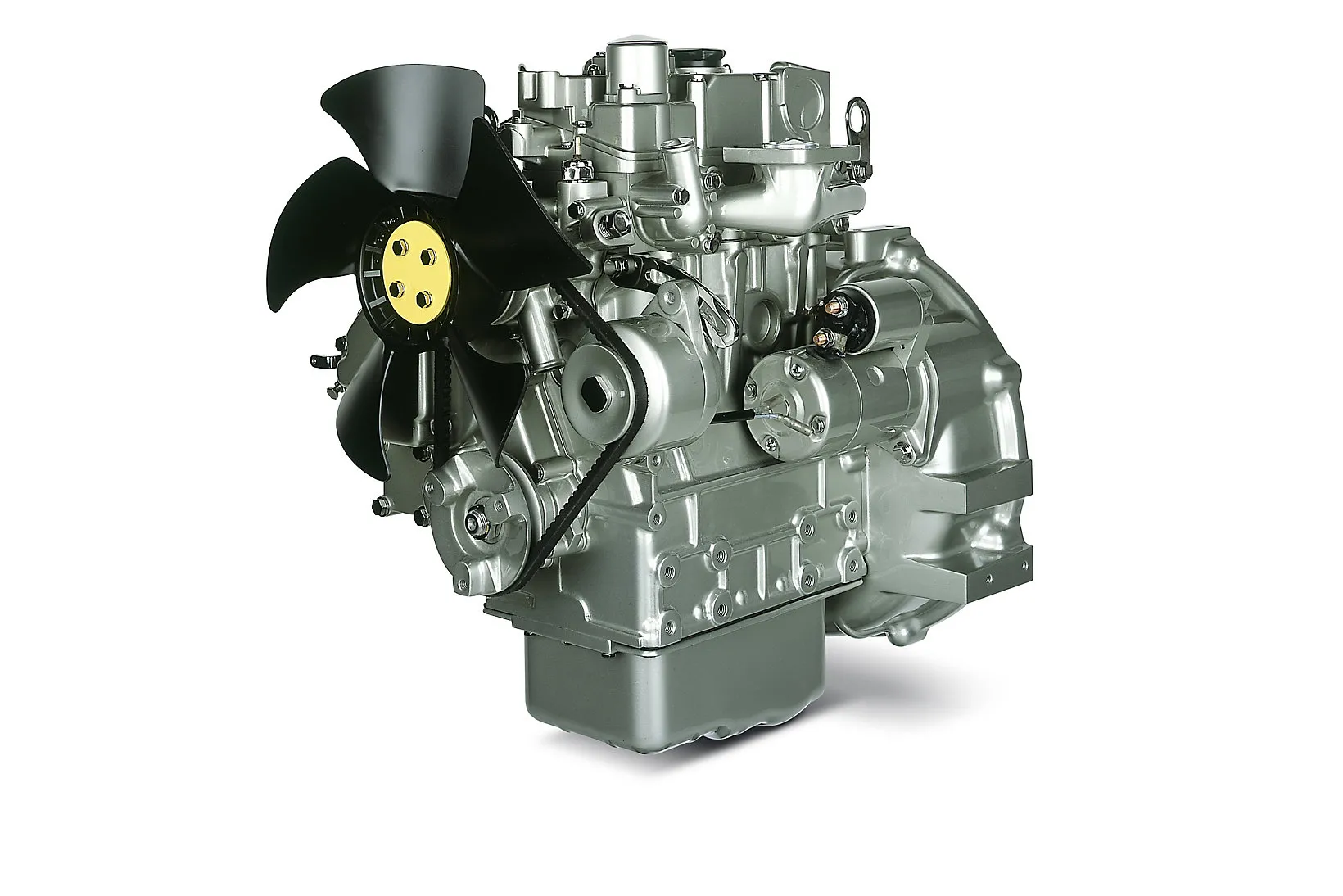
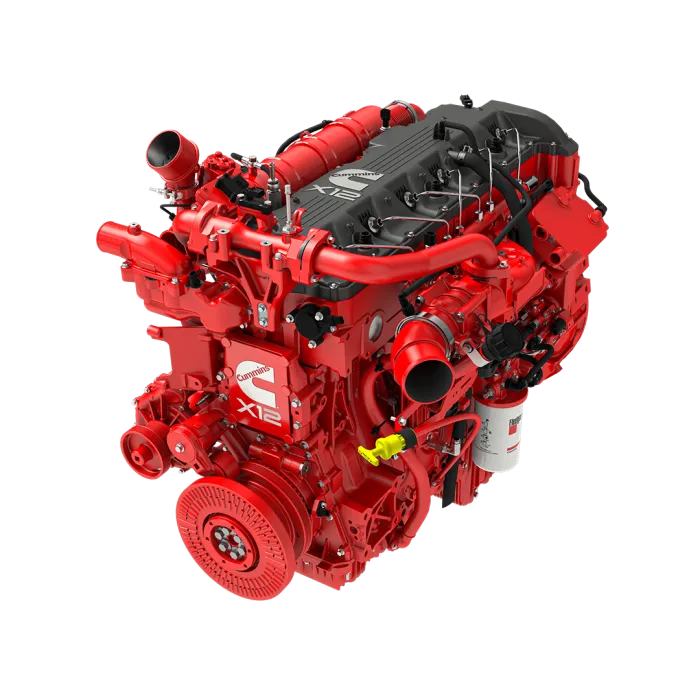
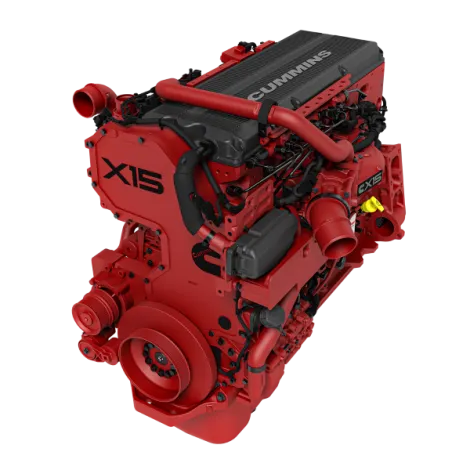
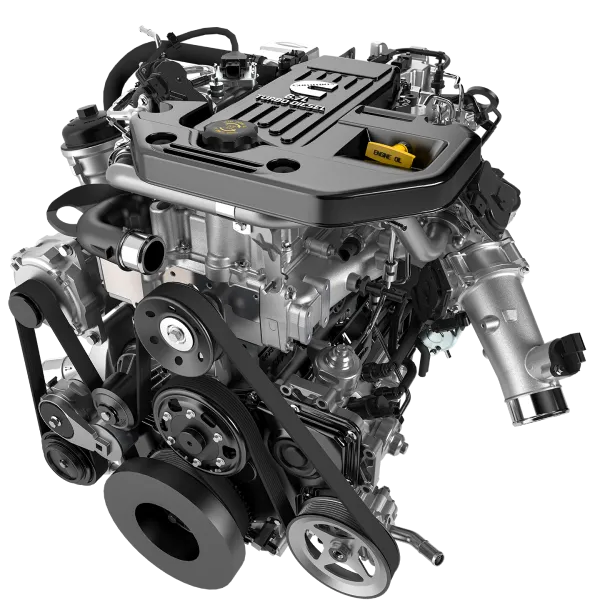
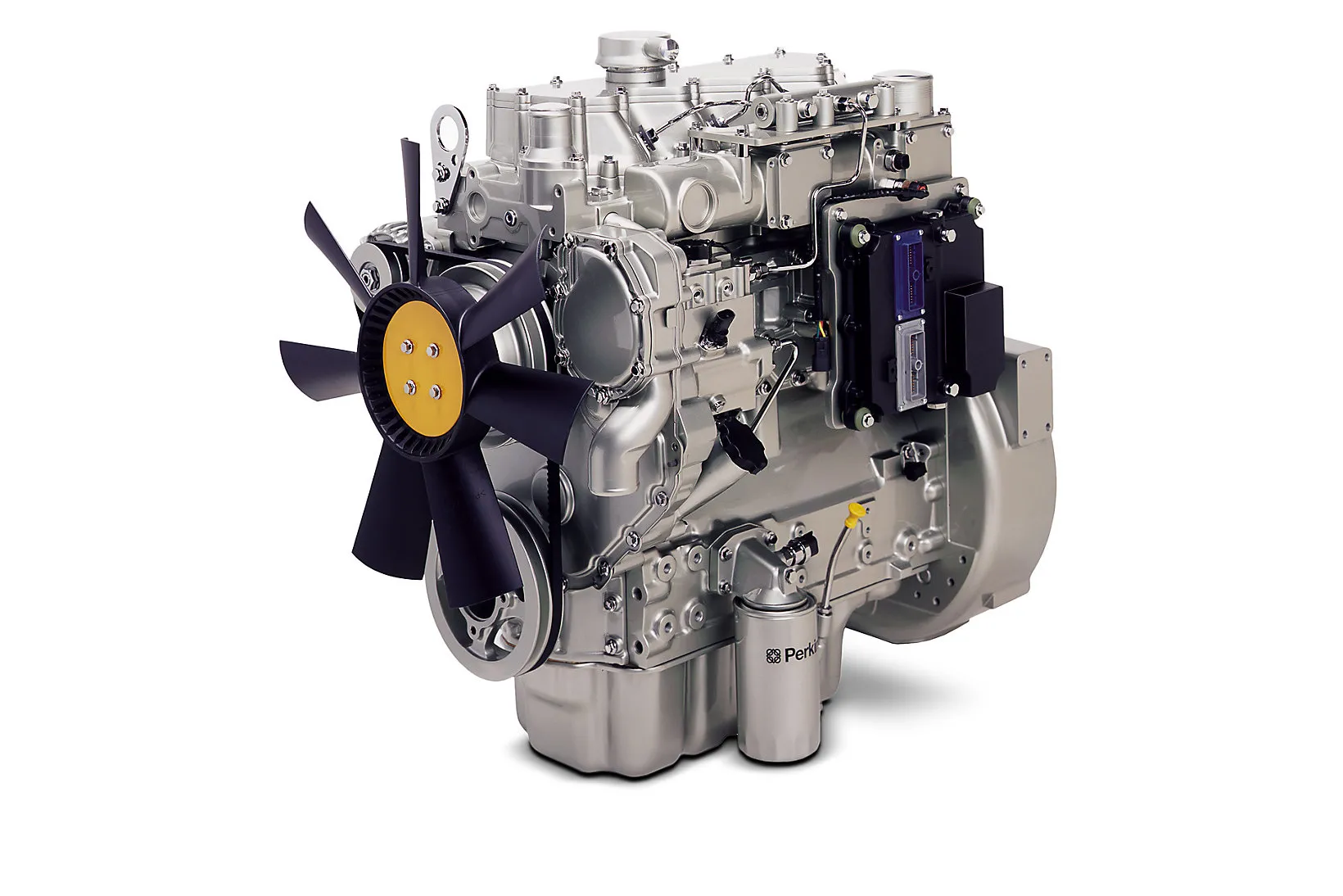
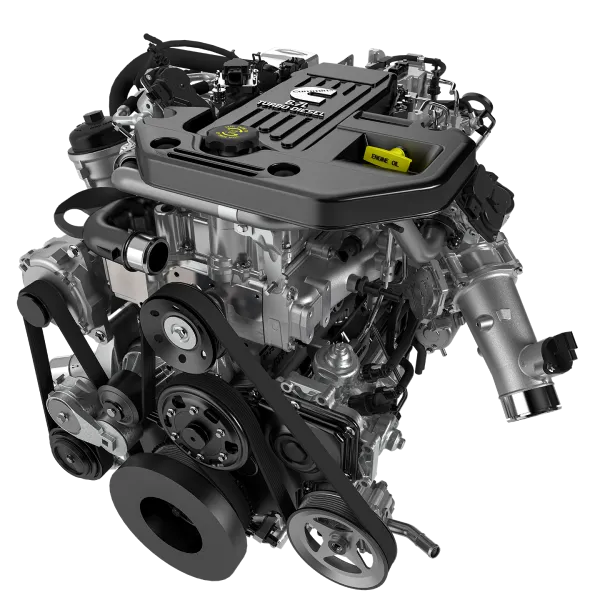
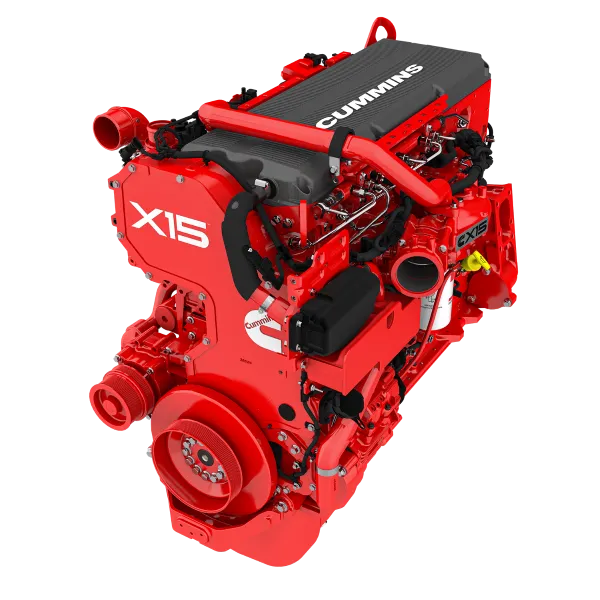
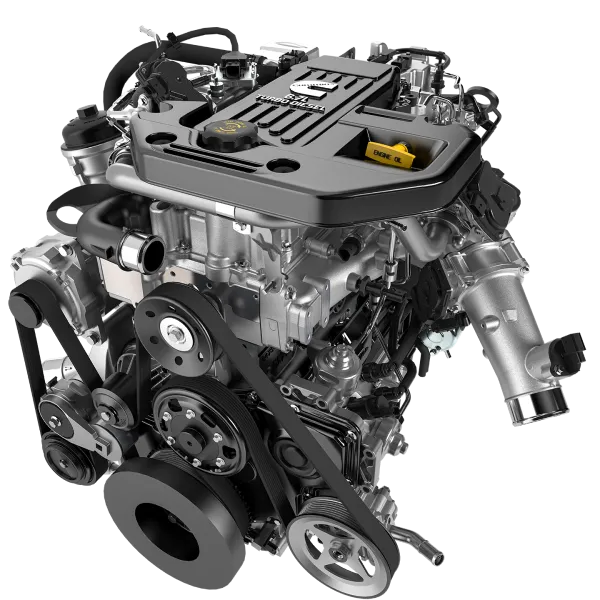
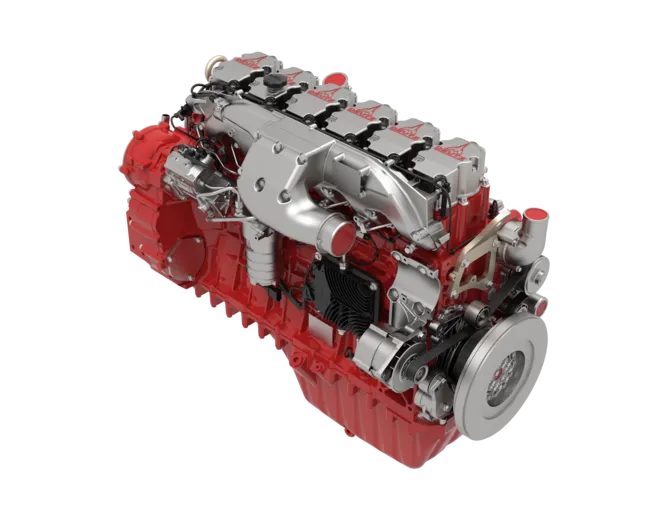
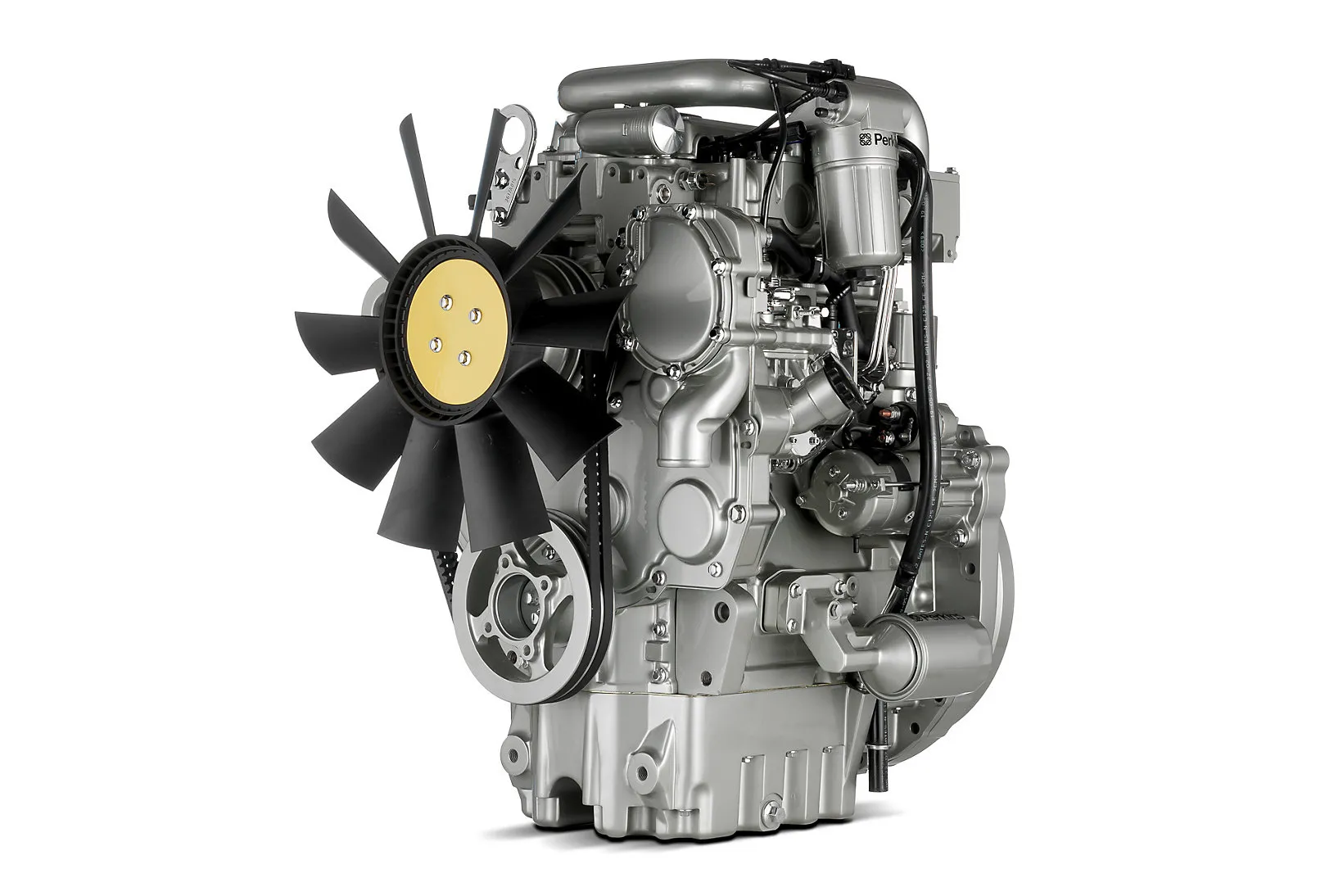
Used in a variety of industrial engines manufactured by Deutz, Perkins, and Cummins, this technology treats exhaust gases after they leave the engine rather than directly affecting the combustion process. So, how does the SCR system work, and what role does AdBlue play?
What Is an SCR System?
SCR (Selective Catalytic Reduction) is an exhaust aftertreatment technology designed to reduce NOx emissions in diesel engine exhaust gases.
The system operates by injecting a controlled amount of AdBlue into the exhaust stream, where the resulting chemical reactions take place inside the SCR catalyst. Its primary purpose is to convert harmful NOx compounds into nitrogen and water vapor, significantly reducing exhaust emissions.
What Is AdBlue and What Does It Do?
AdBlue is not a fuel additive. It is stored in a separate tank on the vehicle or machine and is used exclusively by the SCR system. Standard AdBlue solution consists of approximately 32.5% high-purity urea and 67.5% deionized water.
While the engine is operating, the system injects the required amount of AdBlue into the hot exhaust gases. The resulting ammonia reacts with NOx inside the SCR catalyst, converting harmful emissions into much less harmful compounds such as nitrogen and water. For this reason, it is important to emphasize that AdBlue should never be added to the fuel tank.
How Do the SCR and AdBlue Systems Work Step by Step?
The process can be summarized in four main stages:
- Combustion inside the engine produces exhaust gases.
- The dosing unit injects the appropriate amount of AdBlue into the exhaust system.
- The heat converts AdBlue into ammonia, which is required for the SCR reaction.
- Inside the SCR catalyst, NOx is largely converted into nitrogen and water before being released through the exhaust.
The system continuously monitors engine operating conditions and exhaust values through sensors, automatically adjusting the AdBlue dosage as needed.
Are SCR, DPF, and EGR the Same?
No. Although all of these technologies help reduce emissions, they serve different purposes.
EGR (Exhaust Gas Recirculation) redirects a portion of the exhaust gases back into the combustion process to reduce the formation of NOx. DPF (Diesel Particulate Filter) captures soot and particulate matter from the exhaust. SCR, on the other hand, is specifically designed to reduce NOx emissions. In modern industrial diesel engines, several of these technologies may be integrated into the same exhaust aftertreatment system.
Why Is SCR System Maintenance Important?
The SCR system is a complex assembly in which multiple components operate together. The AdBlue tank, dosing unit, injector, sensors, piping, and SCR catalyst all work collectively to ensure proper system performance.
Using unsuitable fluids, contamination, or AdBlue crystallization can directly affect the system's efficiency. Therefore, following the manufacturer's maintenance procedures and using AdBlue that meets the required standards are essential. If an SCR system warning appears, simply refilling the AdBlue tank may not solve the issue; identifying the root cause through proper technical diagnosis is the recommended approach.
SCR Technology in Deutz, Perkins, and Cummins Engines
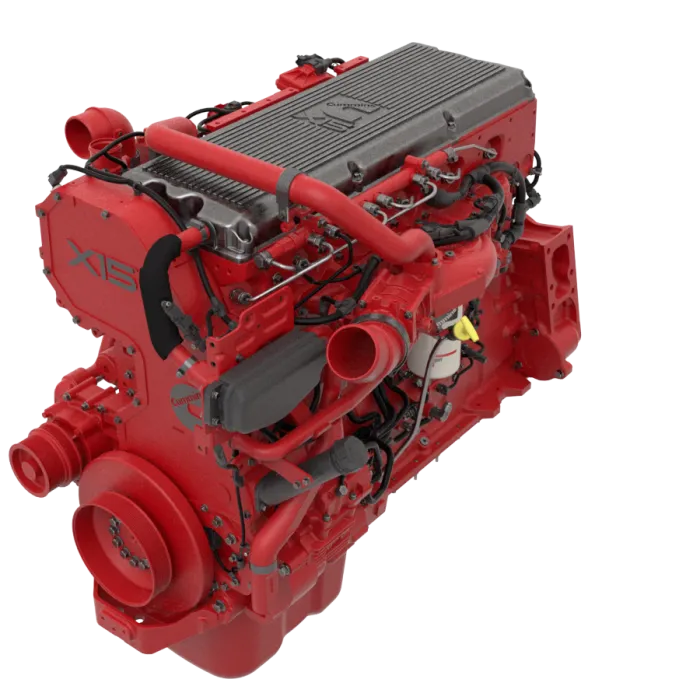
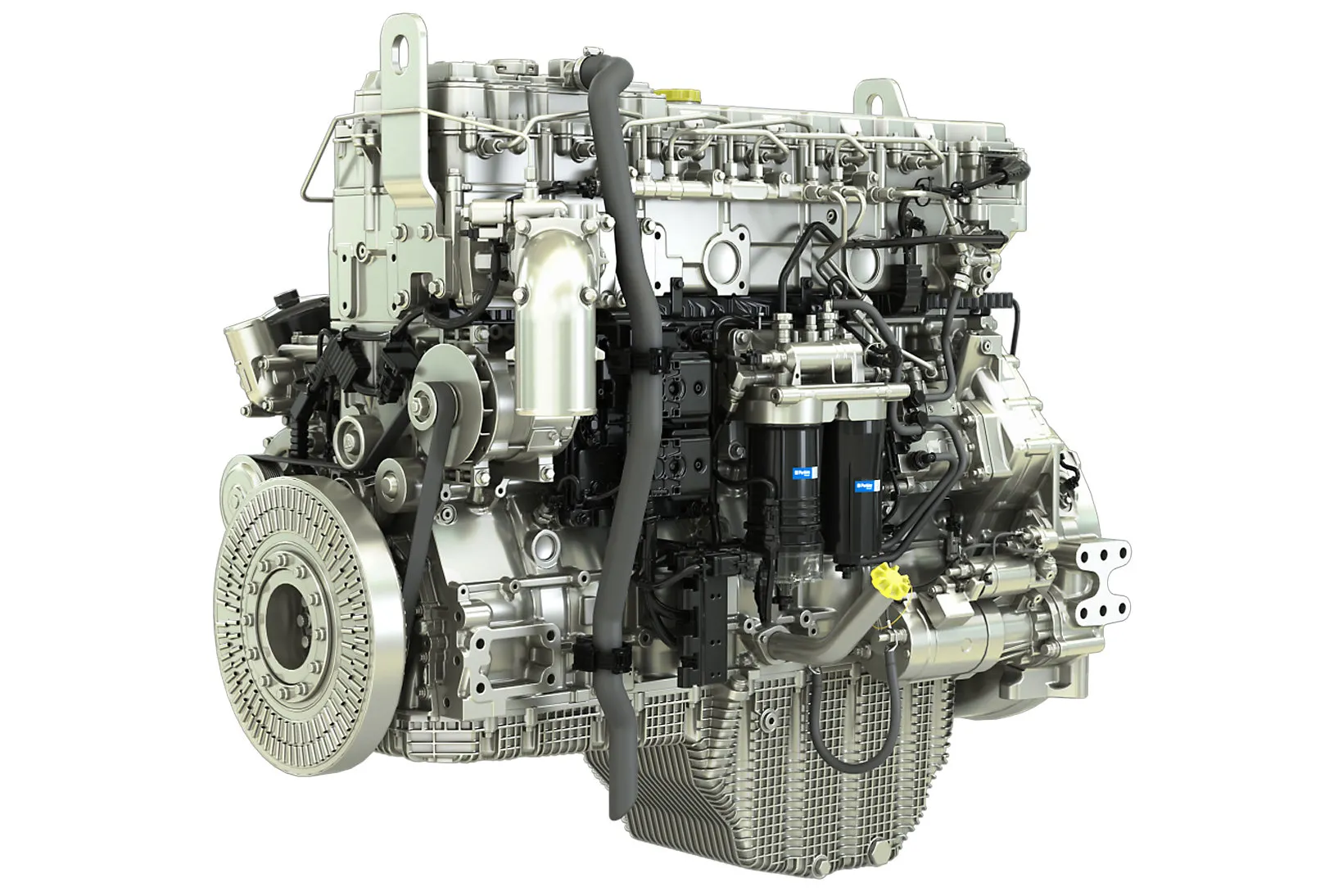
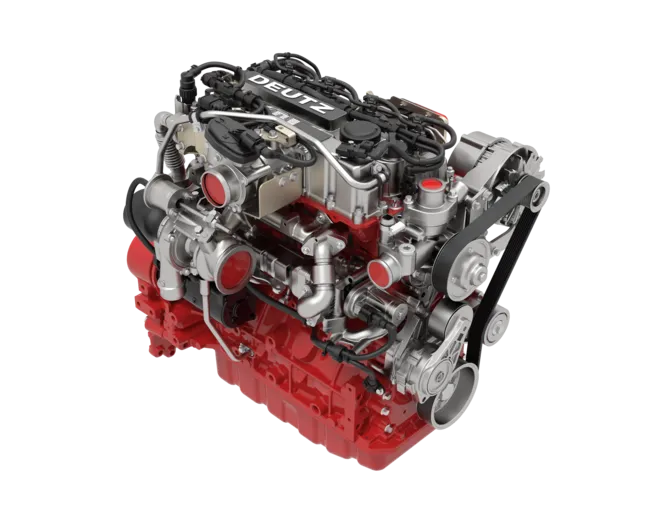
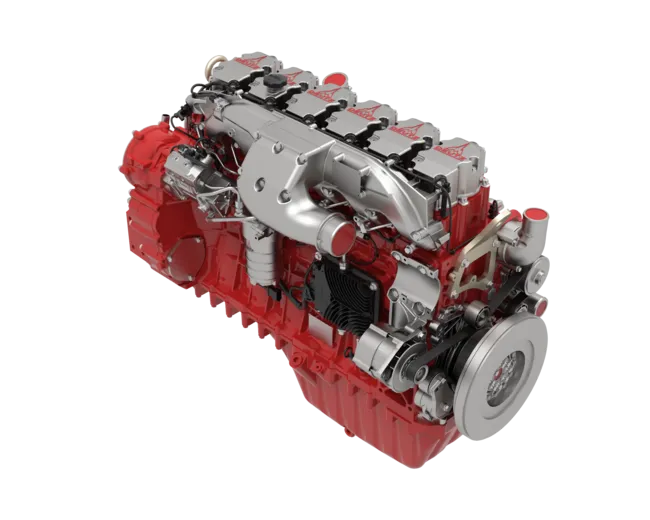
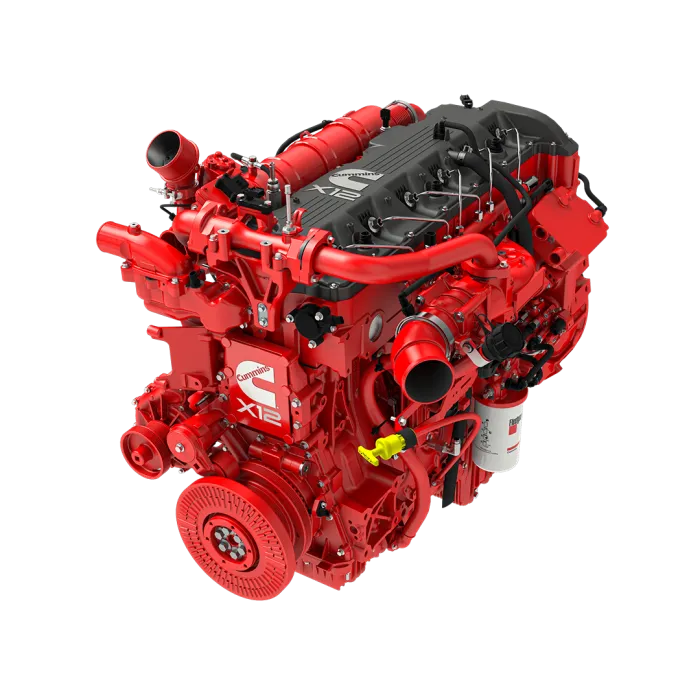
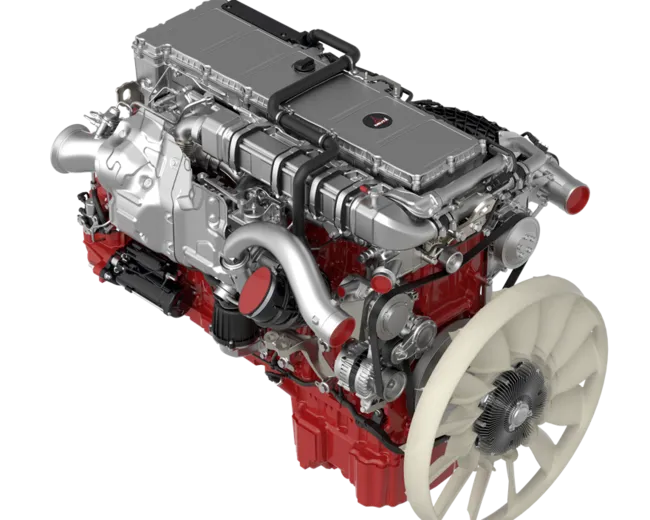
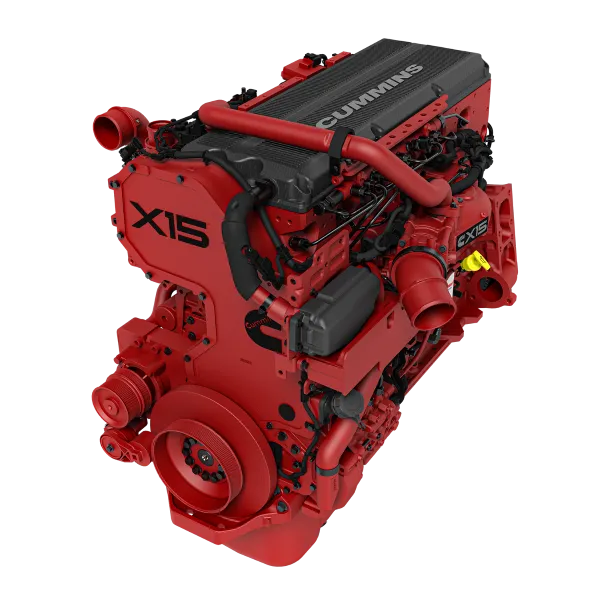
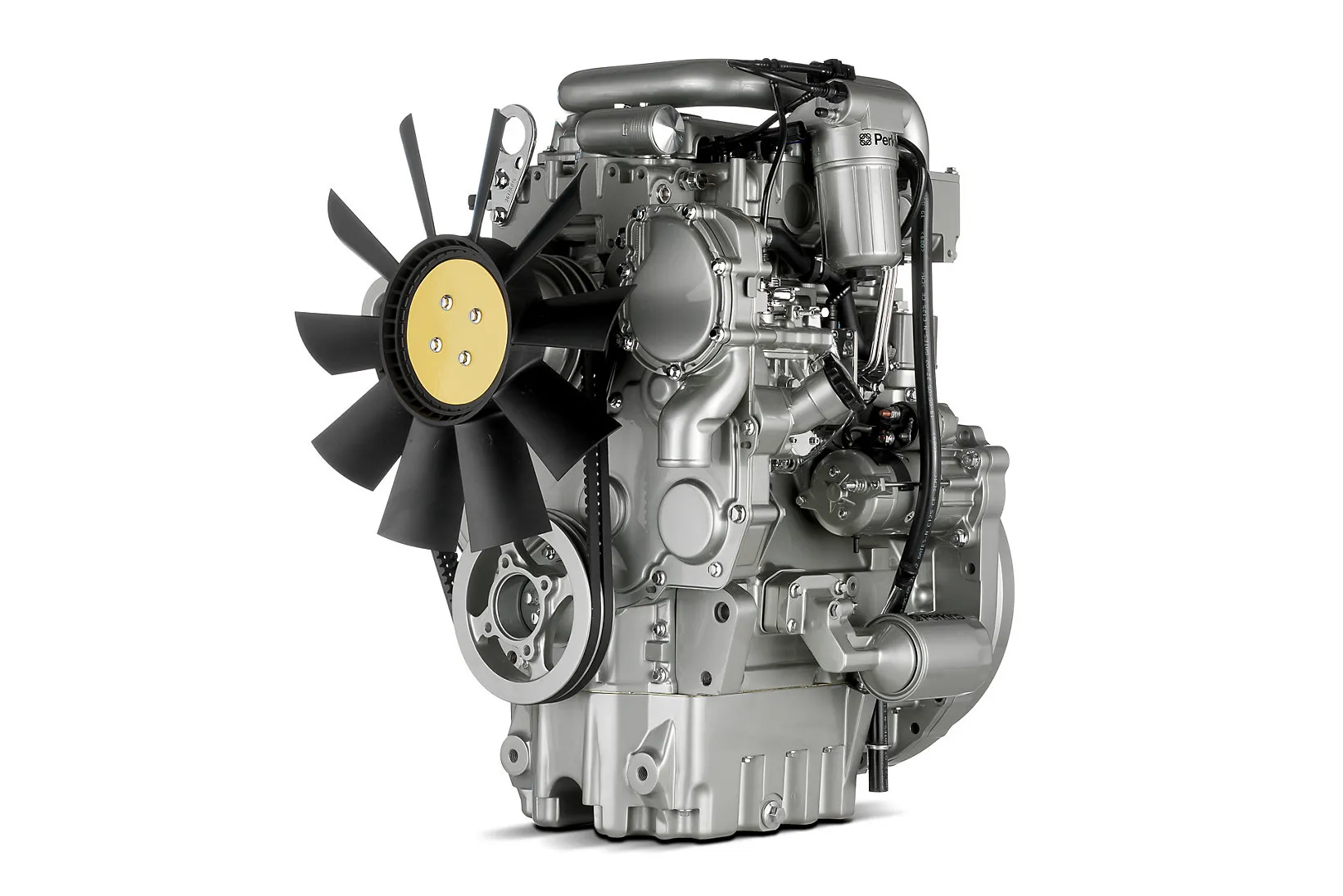
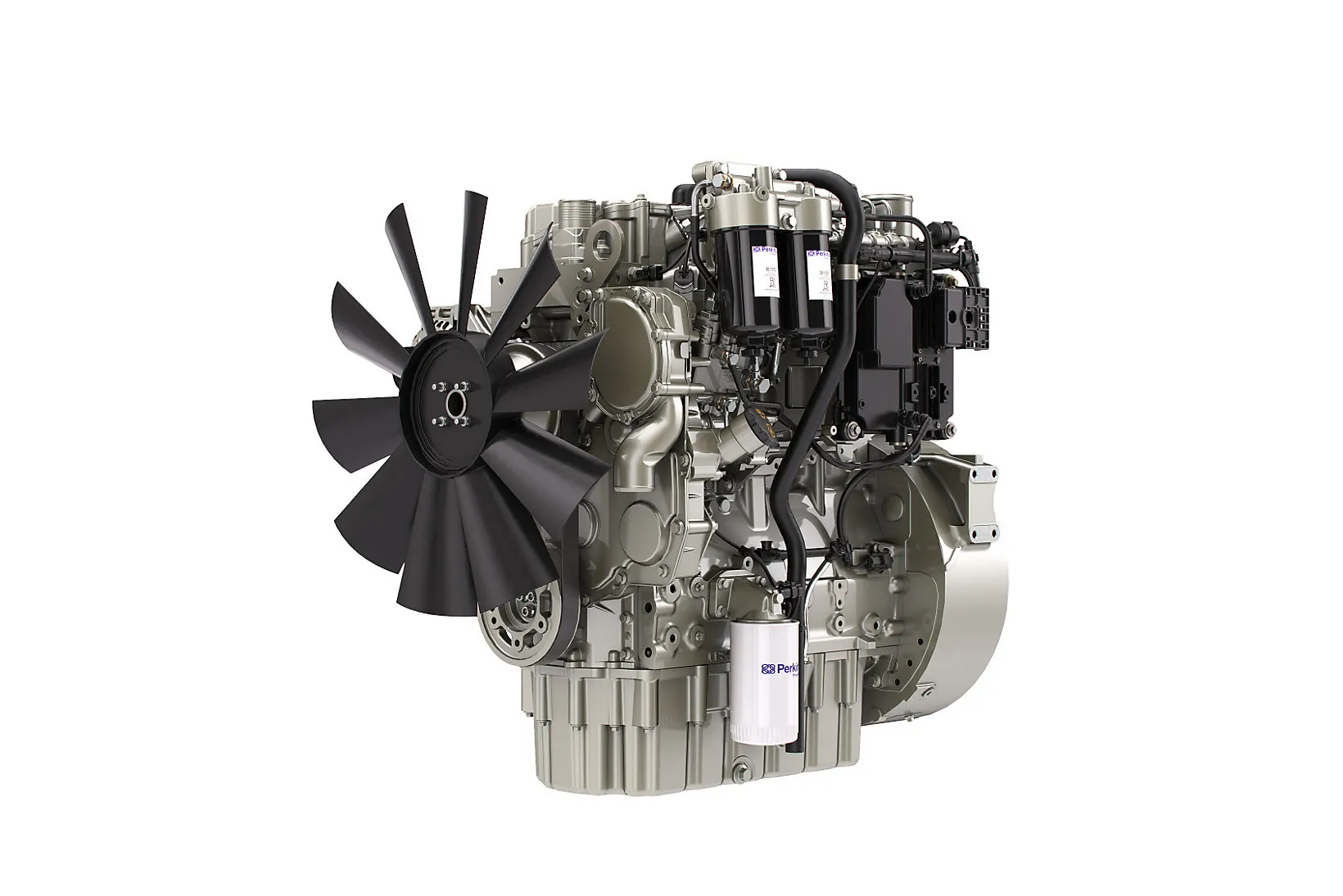
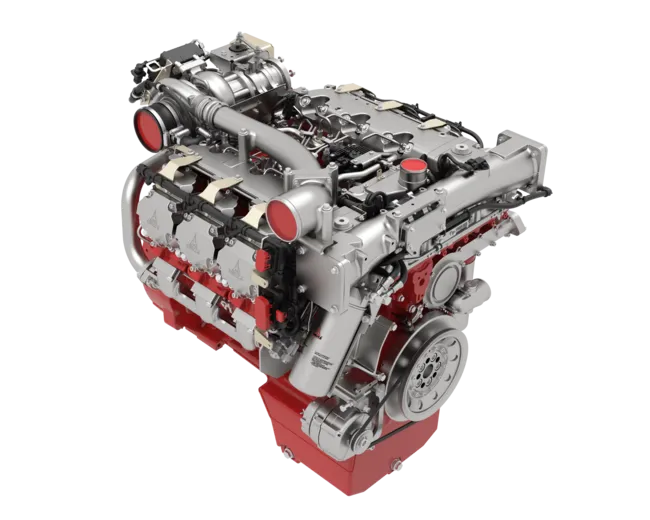
SCR technology is available across many current industrial engine models from Deutz, Perkins, and Cummins, depending on emission regulations and application requirements. In some engines, Deutz integrates the SCR system, DPF, and dosing unit into a compact exhaust aftertreatment solution. Perkins combines SCR with other emission control technologies in its latest-generation engines. Cummins integrates SCR systems with engine management systems and other exhaust aftertreatment components.
For this reason, when selecting an engine, it is important to consider not only power and torque ratings but also the emission standards applicable in the operating region and the engine's exhaust aftertreatment technologies.
Professional Service Support Is Essential for SCR Systems
Diagnosing modern industrial diesel engines is no longer limited to inspecting mechanical components. Since the SCR system, DPF, sensors, and electronic engine management are all interconnected, accurate diagnostics are more critical than ever.
Fermot provides spare parts, maintenance, and technical service solutions for Deutz, Perkins, and Cummins industrial engines. If your engine displays an SCR or exhaust aftertreatment system warning, experiences performance issues, or requires maintenance, having the system professionally inspected can help prevent more serious failures and unnecessary component replacements.
```