The reliable operation of industrial diesel engines does not depend solely on the condition of mechanical components. The engine\'s electrical system must also function properly under demanding operating conditions. Within this system, the alternator and charging system play a critical role, particularly in meeting the engine\'s electrical power demands and maintaining battery charge.
Diesel engines used in generators, construction machinery, agricultural equipment, and various industrial applications can power diverse electrical loads during operation. Therefore, issues in the alternator and charging system affect not only the electrical components but also the overall operational reliability of the equipment.
What Is an Alternator and What Does It Do?
An alternator is a component that converts mechanical energy into electrical energy while the engine is running. The generated electrical power supports the active electrical consumers across the system while continuously recharging the battery.
Once a diesel engine starts, the electrical system no longer relies solely on the battery. As the engine runs, the alternator engages to produce electrical energy, supporting the battery and satisfying continuous electrical demands.
Consequently, the proper operation of the alternator is vital for maintaining the electrical reliability of the equipment powered by the engine.
How Does the Charging System Work in Diesel Engines?
The charging system fundamentally consists of the alternator, battery, wiring harnesses, and related electrical control components. While the engine runs, the alternator generates electrical power and distributes it to the electrical system.
For the system to function correctly, the alternator must rotate at the specified speed, electrical connections must remain intact, and charge regulation must operate accurately.
A malfunction in the charging system can lead to battery undercharging, eventually depleting the electrical energy required for subsequent engine starts.
What Are the Symptoms of Alternator Failure?
Issues within the alternator or charging system manifest through several warning signs, primarily abnormal voltage levels and erratic electrical behavior.
Common symptoms include:
- Insufficient battery charging or recurring low voltage,
- Illuminated battery or charging system warning light while running,
- Erratic performance or malfunctions in electrical components,
- Rapid battery drain or premature battery degradation,
- Abnormal mechanical noises originating from the alternator assembly,
- Overheating or corrosion across electrical terminals and connectors,
- Noticeable electrical performance drops after starting the engine.
Because these symptoms can stem from either the alternator itself or supporting charging components, component replacement should not be carried out without comprehensive diagnostics.
Why Does an Alternator Stop Charging?
An alternator may fail to generate sufficient electrical output due to several factors. Internal mechanical or electrical faults within the unit itself are common causes.
Additionally, the condition of the drive belt that mechanically couples the engine to the alternator is critical. A loose, worn, or misaligned drive belt prevents the alternator from achieving the rotational speed required for target output.
Loose wiring, oxidized connections, or harness damage can also significantly impede the charging system\'s efficiency.
When charging issues arise, the alternator, drive belt, wiring harnesses, and related system components must be evaluated collectively.
Why Should the Alternator Belt Be Inspected?
Maintaining solid mechanical power transmission between the engine crankshaft and the alternator is essential. Excessive wear, glazing, or insufficient tension directly degrades alternator performance.
Routine maintenance should always include inspecting the belt\'s general condition, tension, and signs of structural wear.
If belt squeal, abnormal noises, or visible cracks are detected, immediate technical inspection and belt replacement are recommended.
How Does Low Charging Output Affect the Engine?
Insufficient charging output primarily impacts battery capacity. A continuously undercharged battery cannot supply the peak cranking current needed by the starter motor during the next startup sequence.
Prolonged undercharging can also destabilize control modules and sensitive electrical components. Identifying and resolving charging system faults early prevents costly unexpected downtime.
Charging System Maintenance in Industrial Engines
Industrial diesel engines often operate in harsh environments over extended duty cycles. Exposure to dust, severe vibration, high ambient temperatures, and heavy loads accelerates the wear of electrical connections and mechanical parts.
Periodic maintenance routines must include inspections of:
- General alternator condition and bearing health,
- Charging system wiring and terminals,
- Cable integrity, ground connections, and corrosion points,
- Alternator drive belt condition and automatic/manual tensioners,
- Battery terminal tightness and electrolyte/voltage status,
- Charging system instrumentation and dashboard warning circuits.
All service procedures must adhere strictly to the engine model\'s technical specifications and manufacturer guidelines.
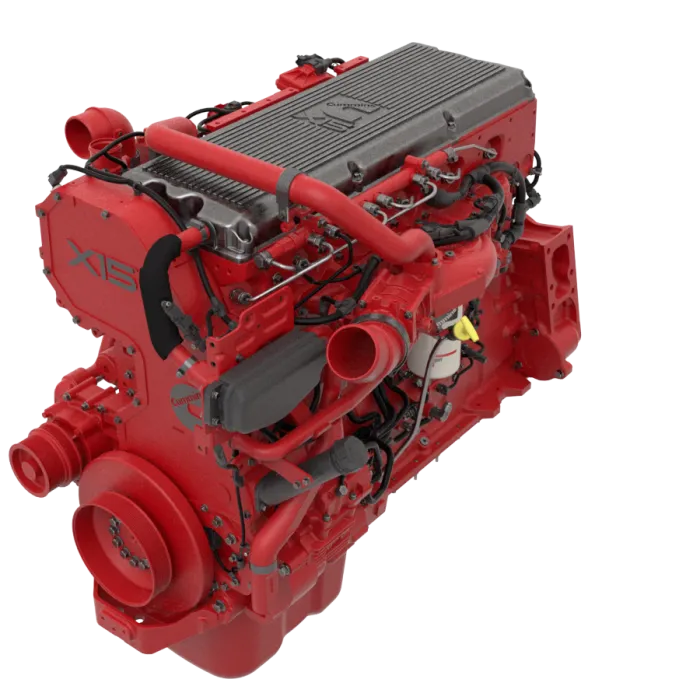
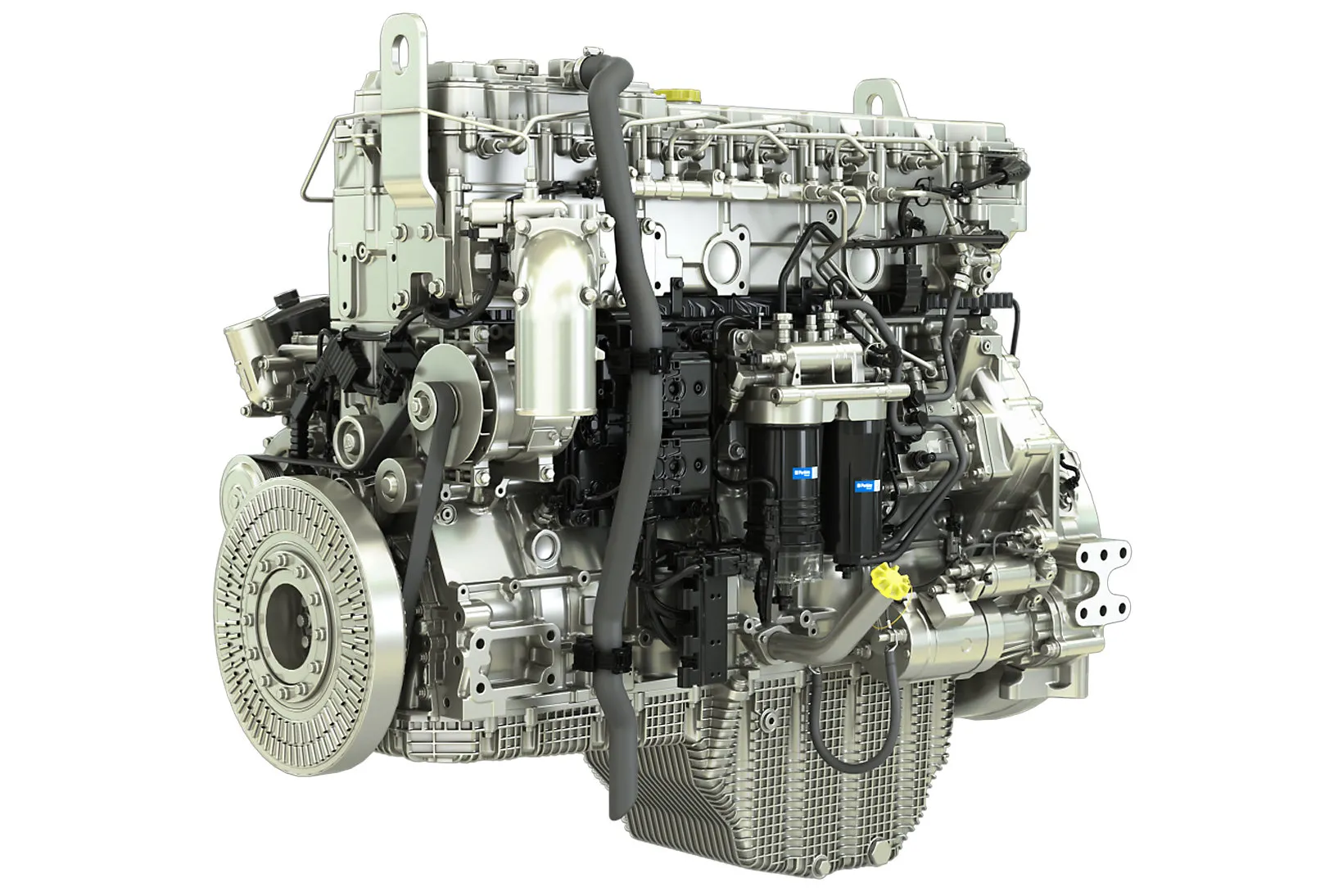
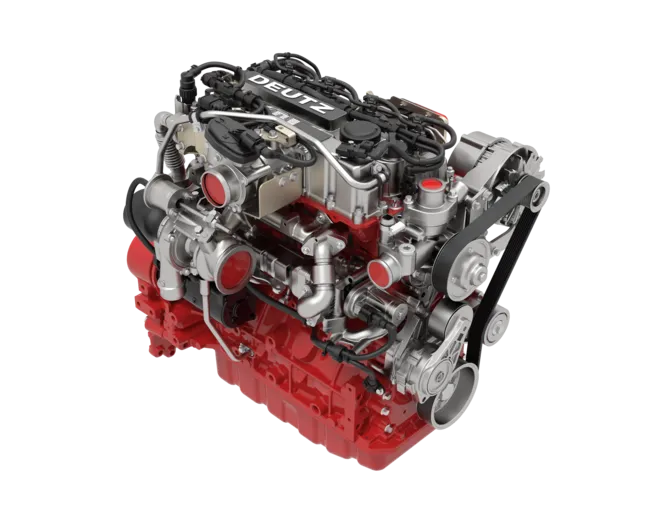
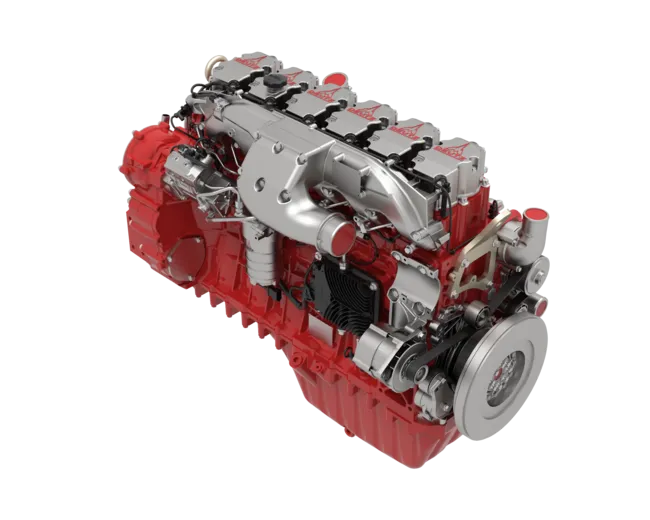
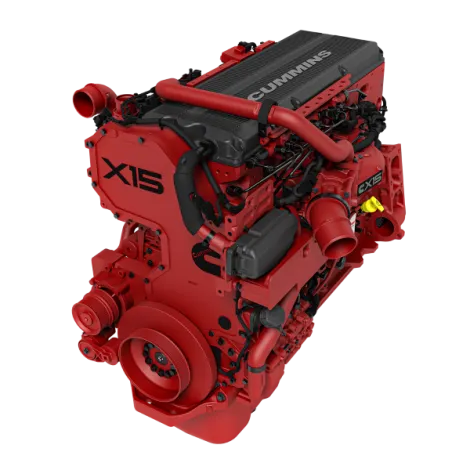
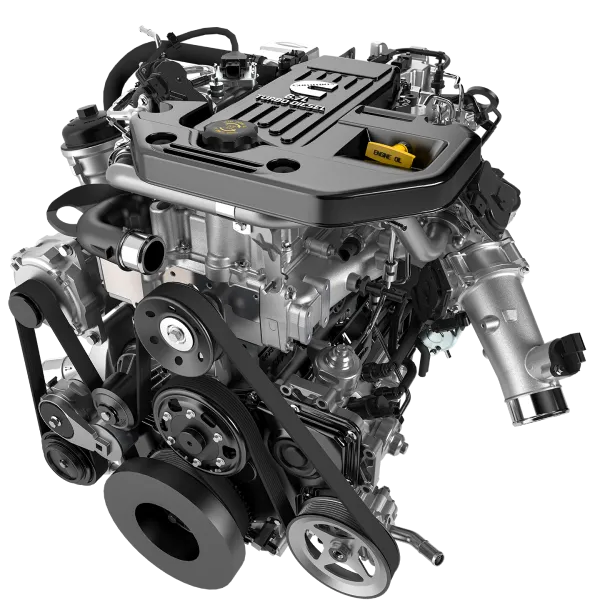
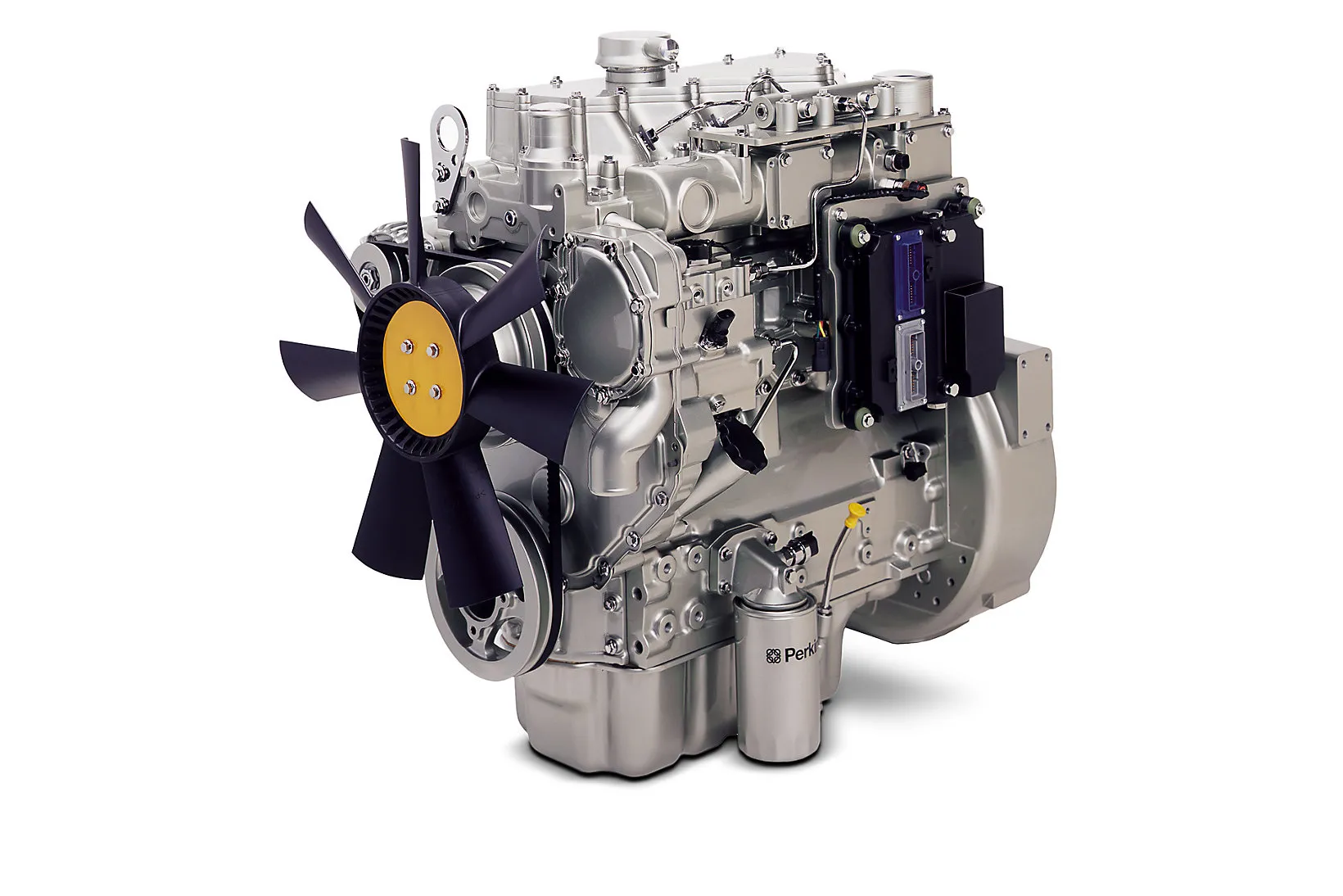
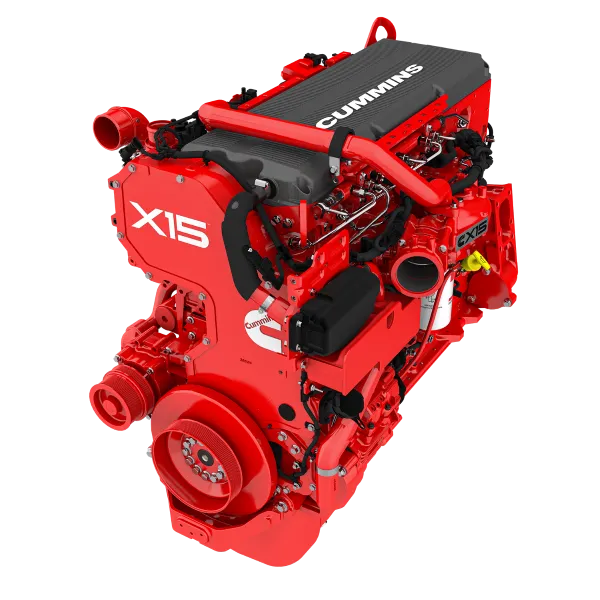
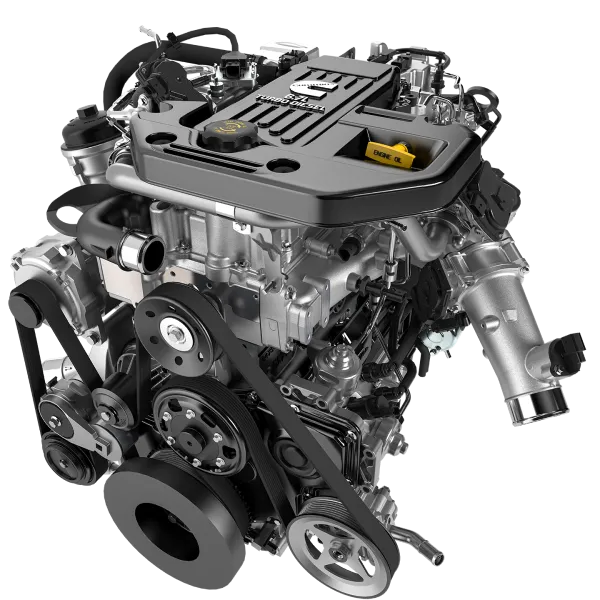
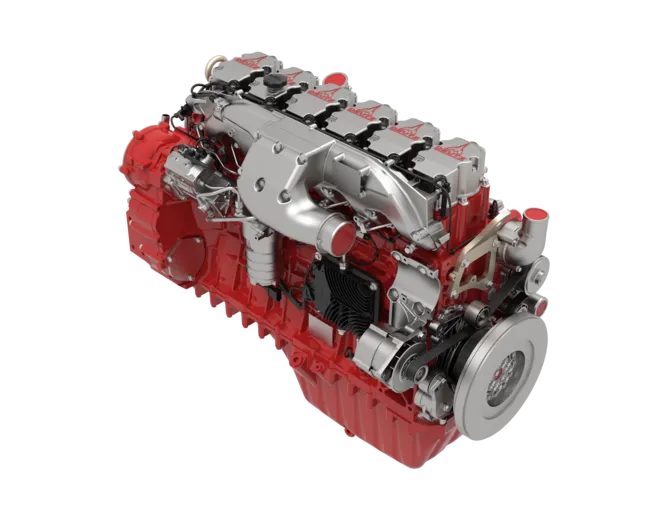
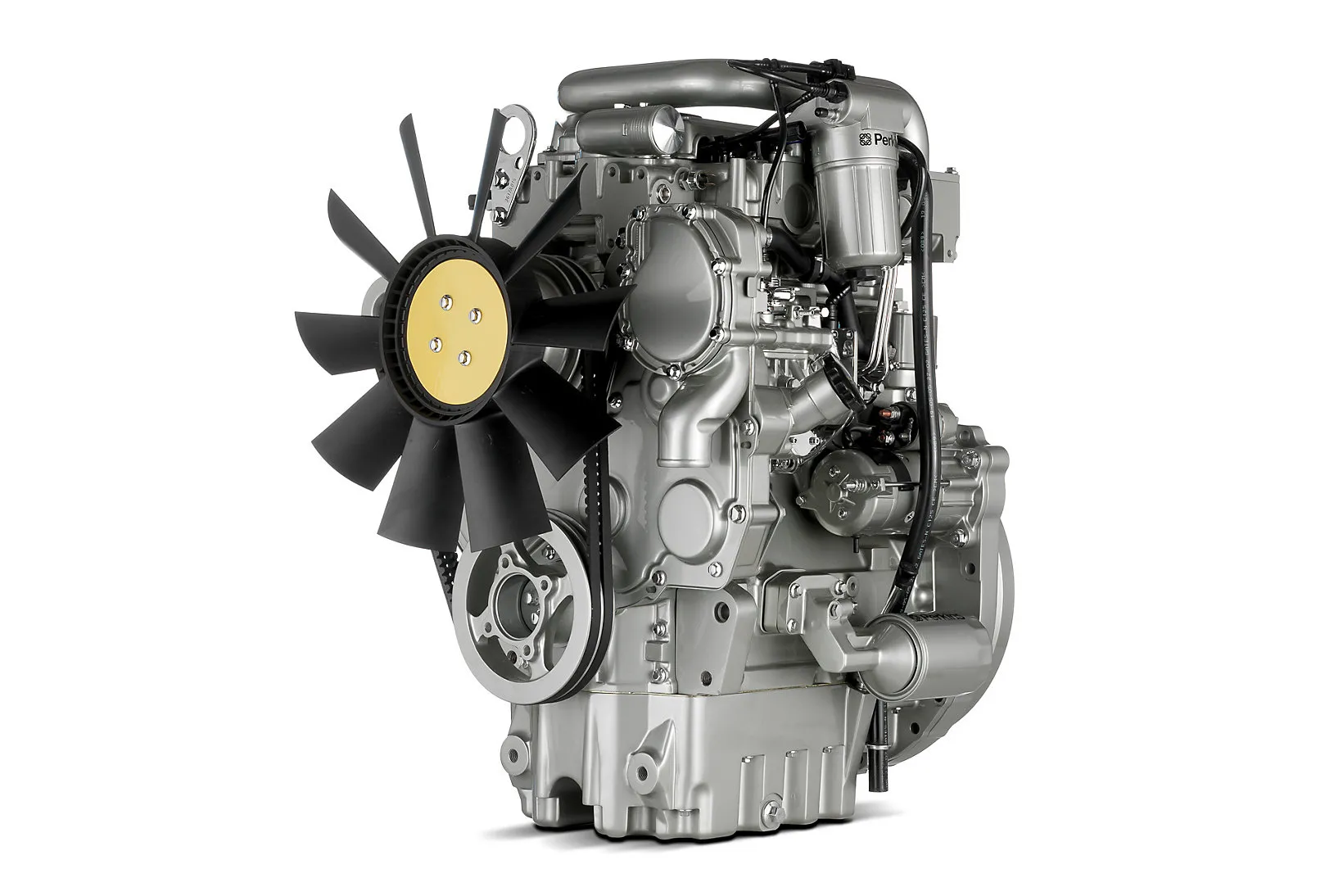
Charging Systems in Perkins, Deutz, and Cummins Engines
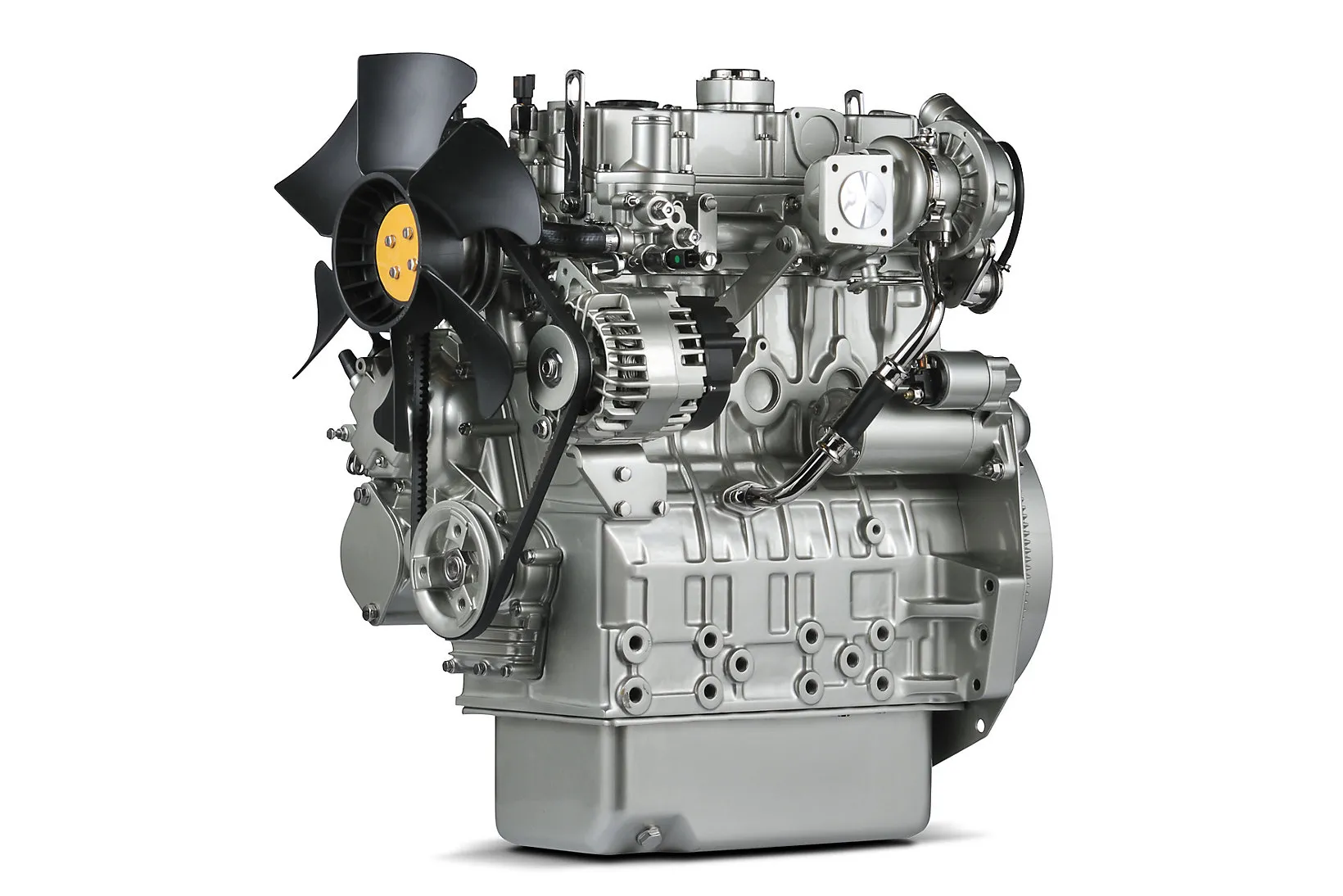
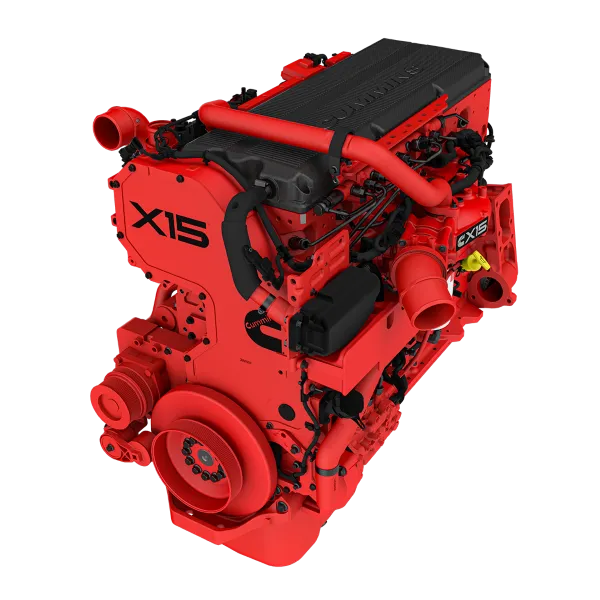
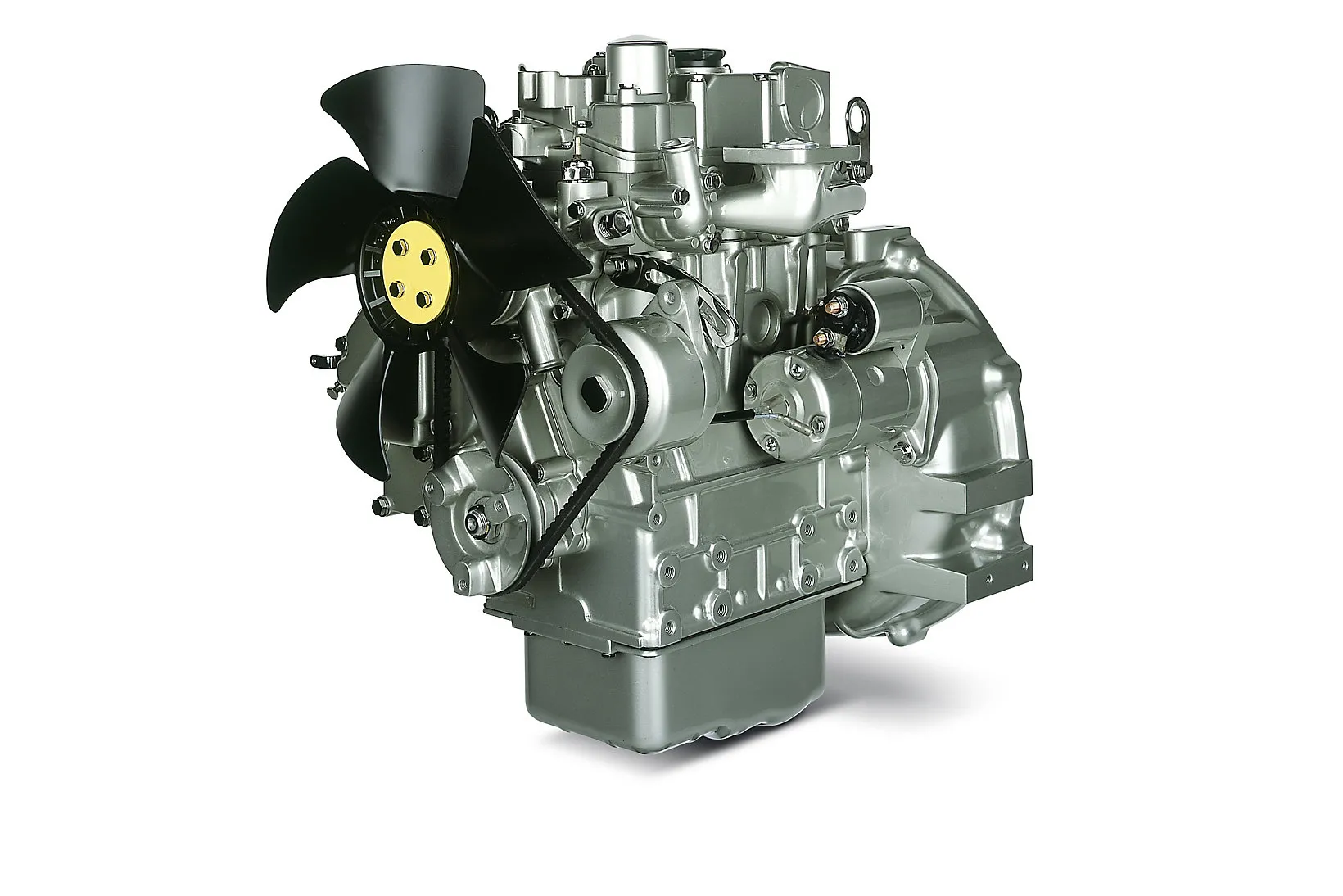
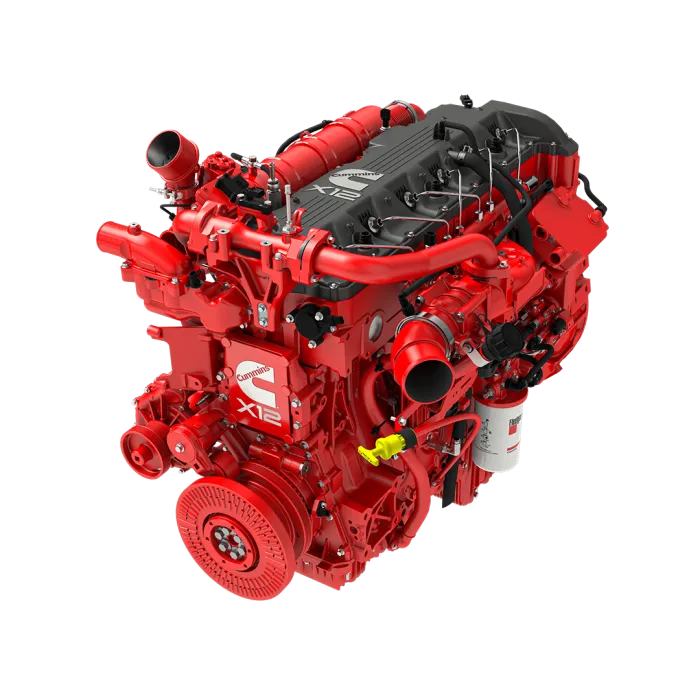
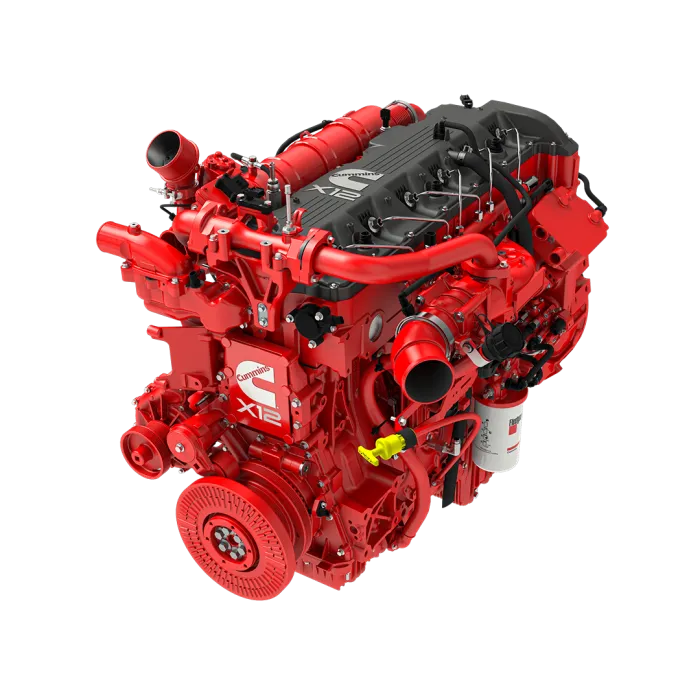
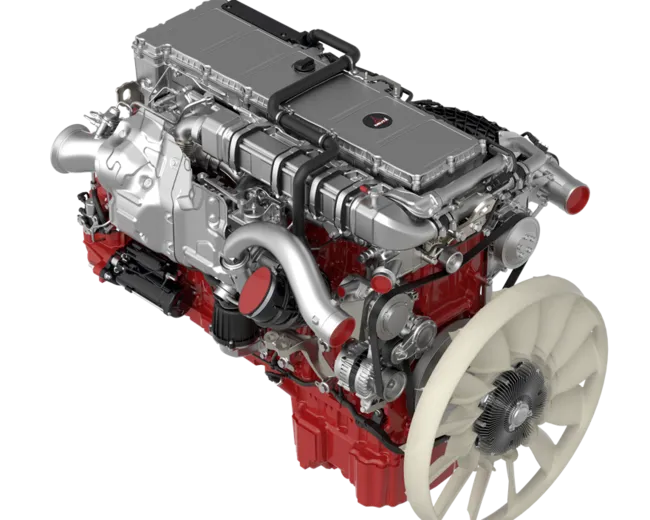
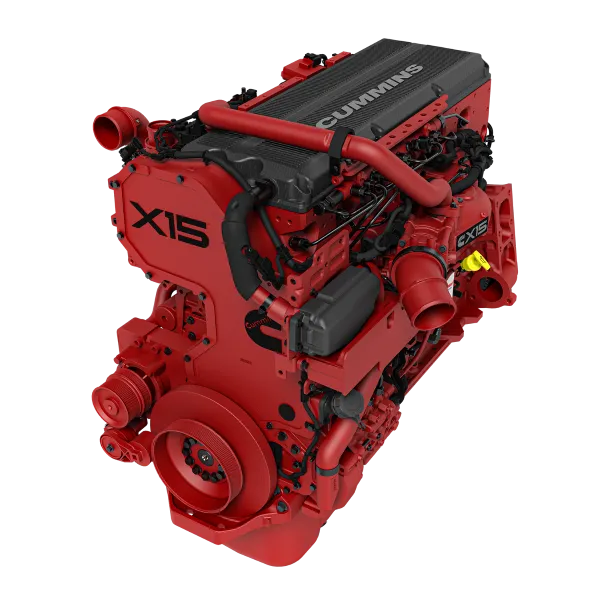
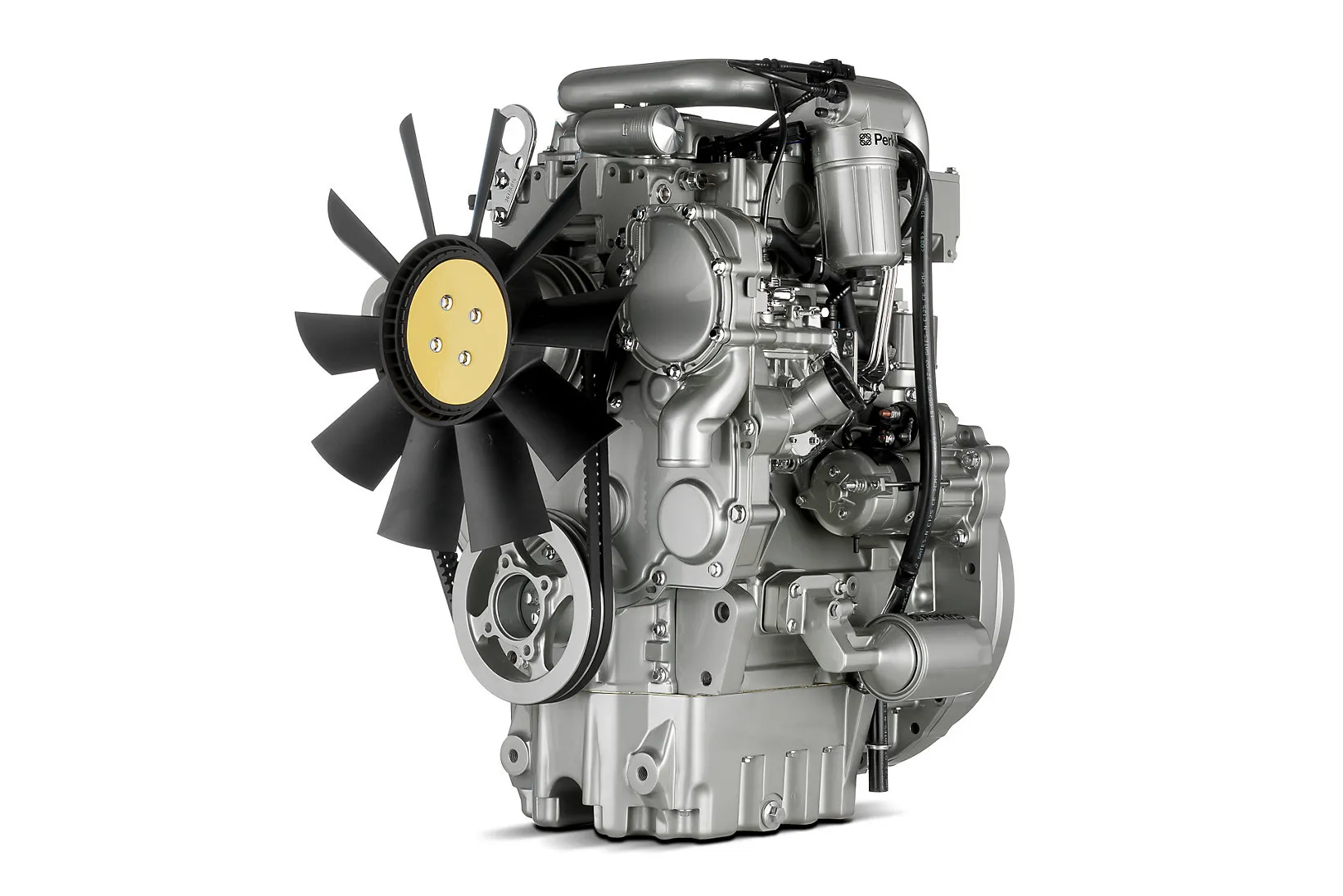
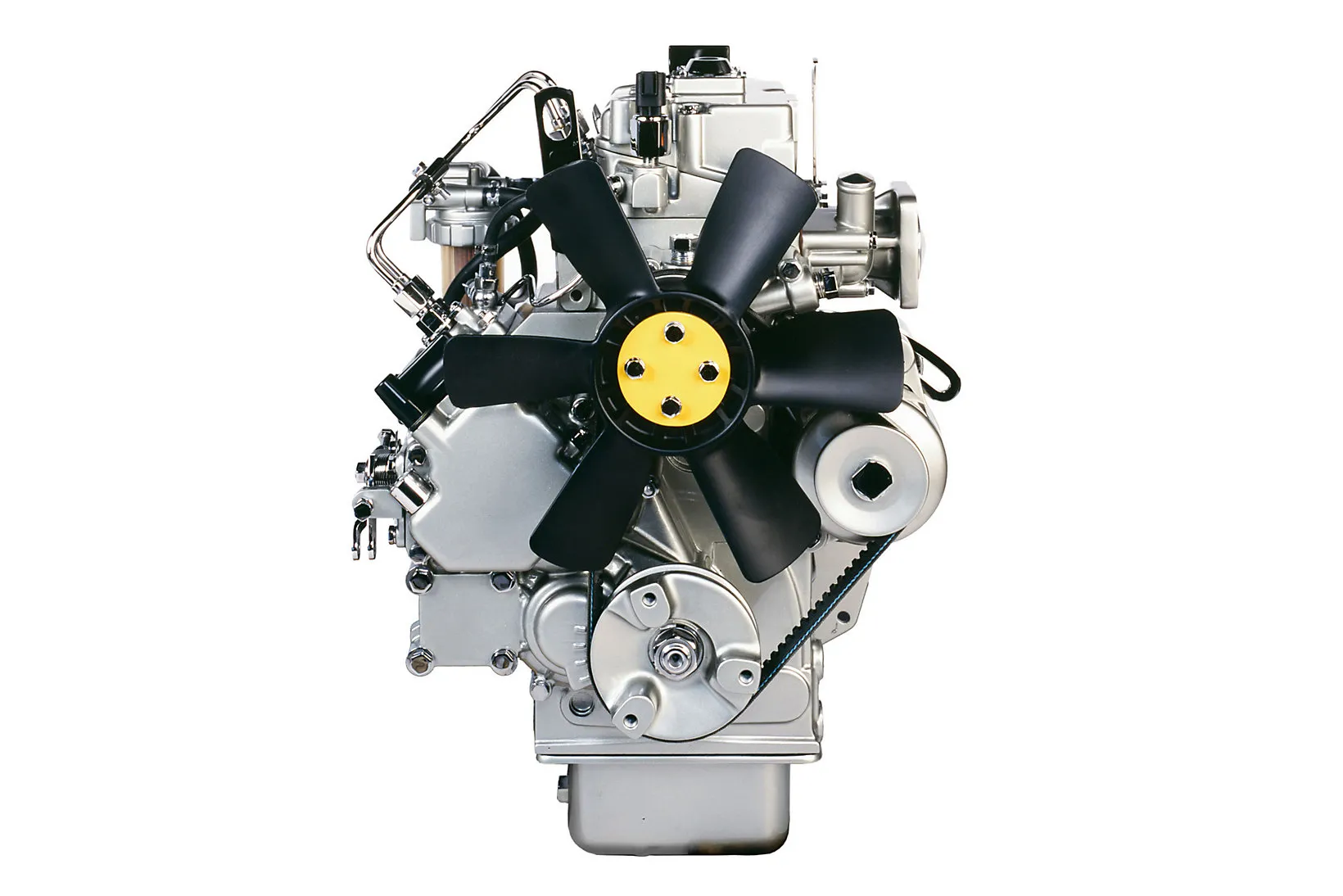
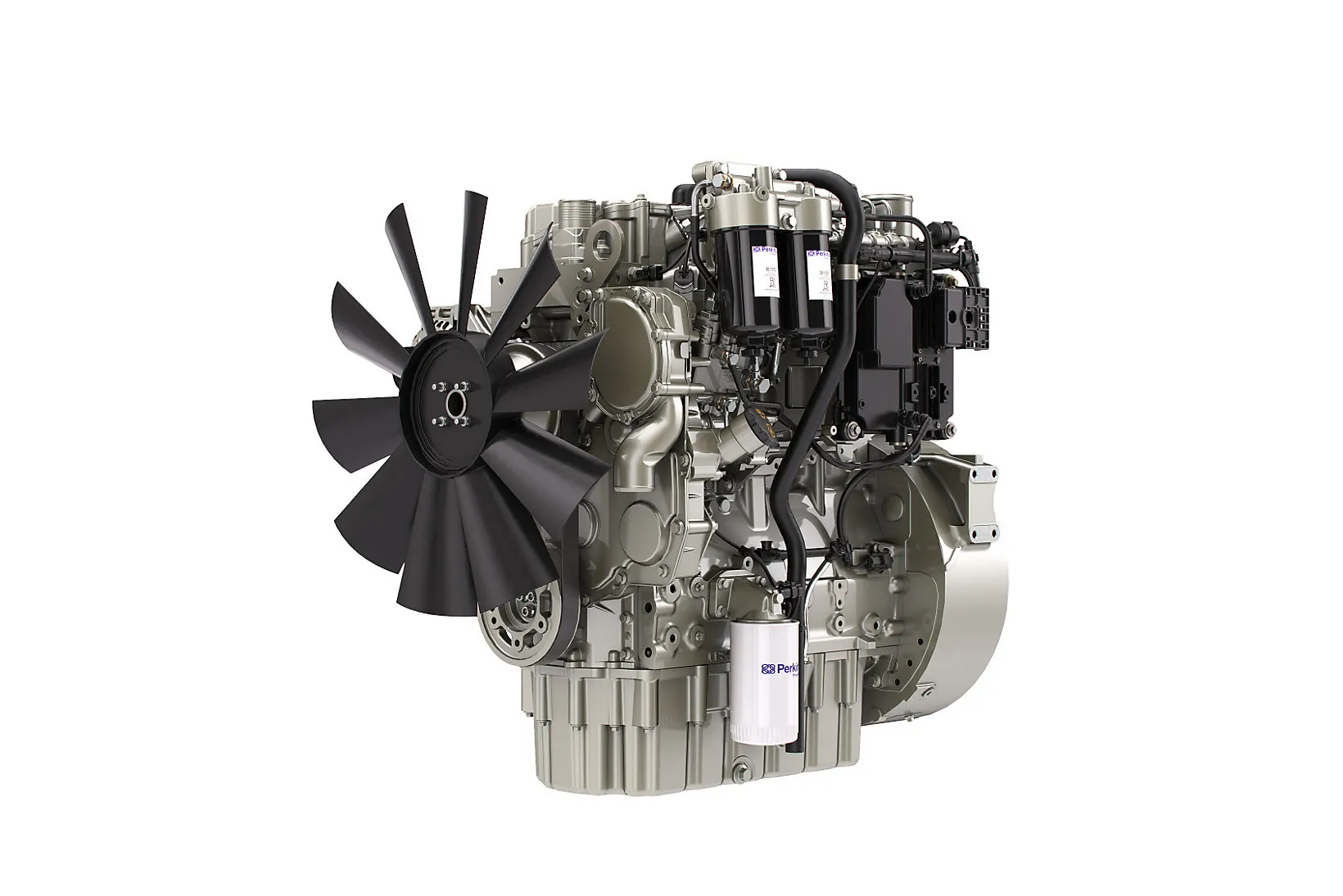
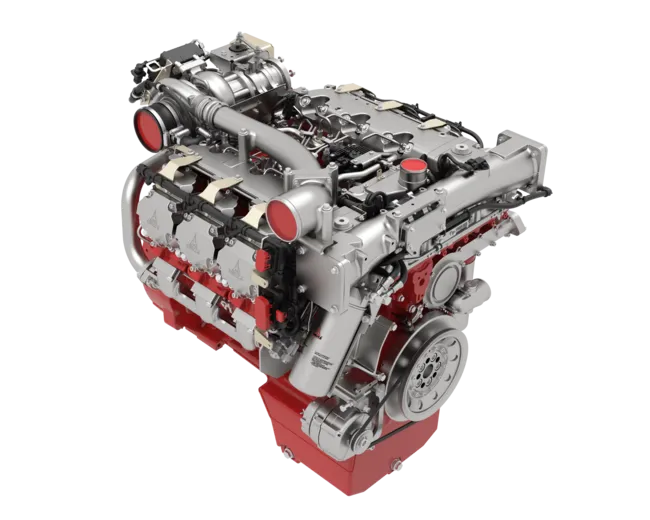
Leading industrial engine manufacturers such as Perkins, Deutz, and Cummins utilize charging and electrical systems engineered to distinct technical parameters across their model lineups.
Servicing, diagnosing, or repairing charging systems on these engines requires reference to the specific model\'s technical data sheets and wiring schematics.
Identifying the exact OEM or equivalent part numbers and following accurate testing procedures ensures long-term system reliability.
Conclusion
The alternator and charging system are core pillars of an industrial diesel engine\'s electrical reliability. Serving to produce electrical power, replenish the battery, and sustain electrical loads, any performance drop in this system must be addressed promptly.
When warning lights illuminate, batteries discharge prematurely, or abnormal sounds occur near the alternator, a comprehensive technical inspection is essential.
Regular maintenance and proper diagnostic protocols preserve operational readiness and prevent premature component failure.
Frequently Asked Questions
What does an alternator do in a diesel engine?
The alternator converts mechanical energy from the running engine into electrical energy, powering active electrical loads and continuously recharging the battery.
Why does an alternator fail to charge?
Alternator failure can result from internal electrical/mechanical wear, loose or worn drive belts, oxidized wiring terminals, or faulty charge regulators.
How can you tell if an alternator is failing?
Common signs include an uncharged battery, an illuminated charging warning light, fluctuating electrical components, and abnormal bearing noise coming from the unit.
Why is the alternator drive belt important?
The drive belt transfers mechanical rotation from the engine to the alternator; if it slips, stretches, or snaps, the alternator cannot generate electrical current.
How often should the charging system be inspected?
Inspection intervals depend on the engine model and operational demands. It is recommended to inspect the alternator, belt, and electrical connections during every scheduled periodic maintenance service.