7 Reasons for Power Loss in Industrial Diesel Engines
When an industrial diesel engine starts struggling to perform tasks it previously handled with ease, loses RPM under load, or fails to deliver the expected performance, this is a condition that should be taken seriously. Power loss may be caused by a single component or may indicate a more comprehensive problem related to the fuel, air, turbocharger, or the mechanical condition of the engine.
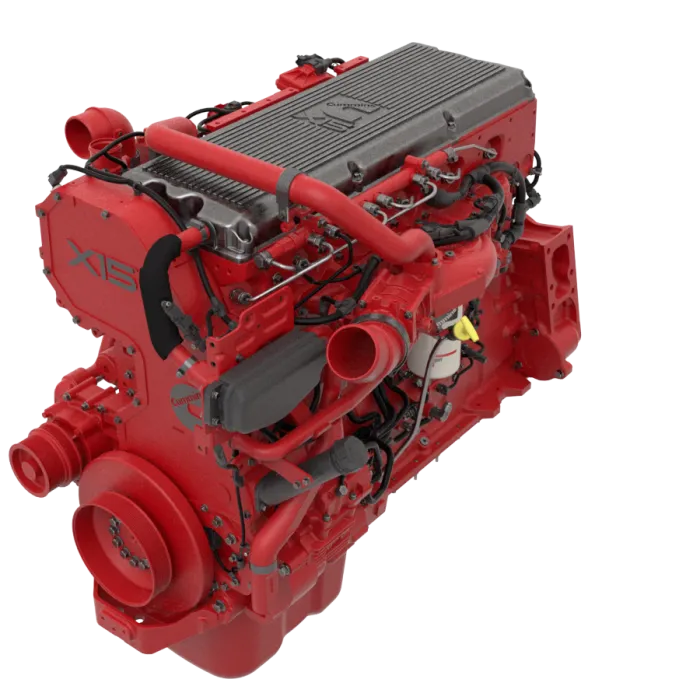
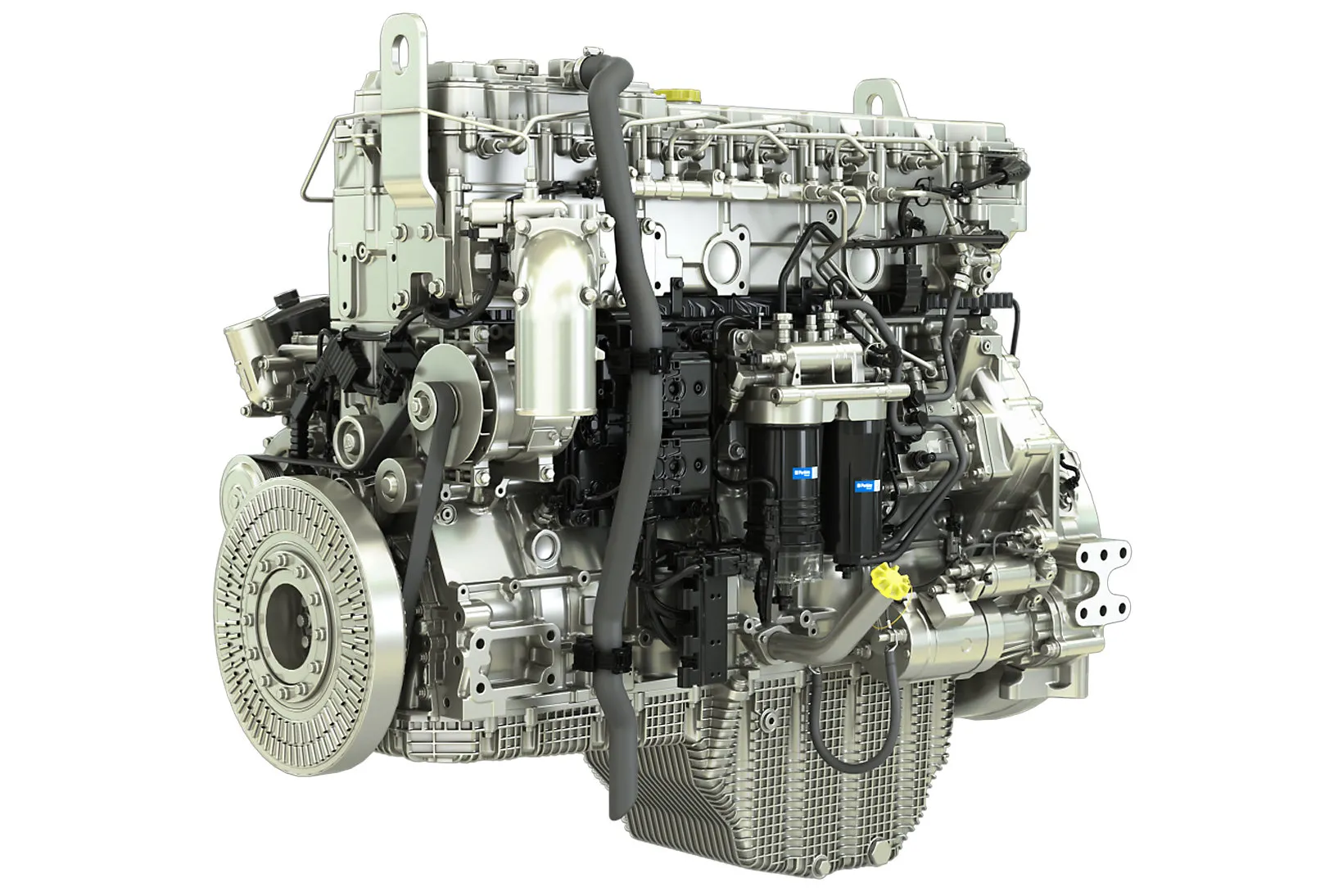
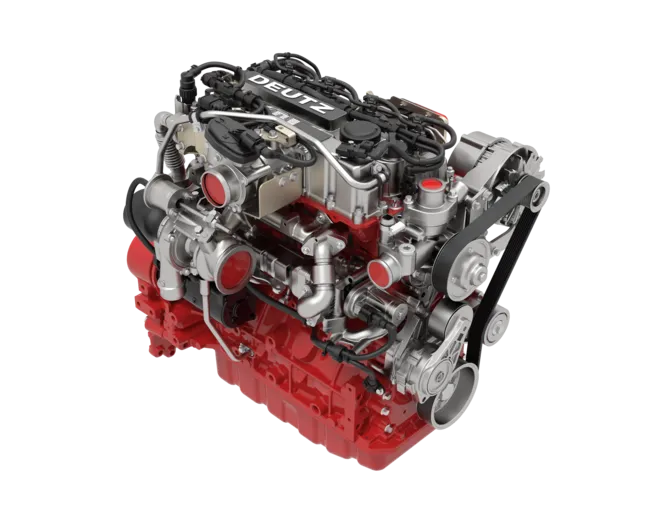
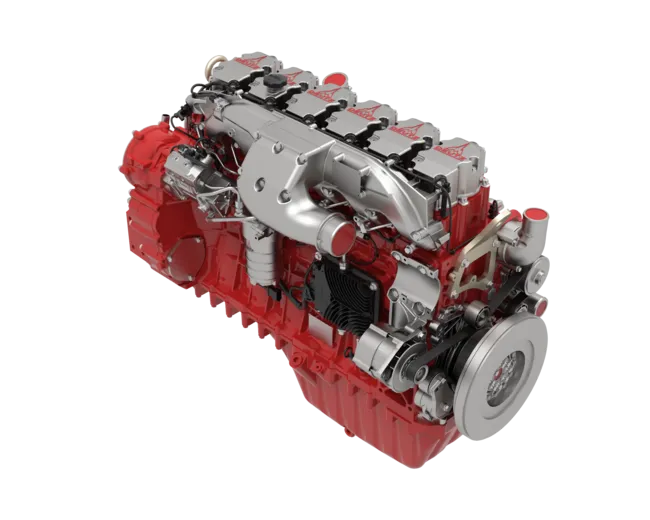
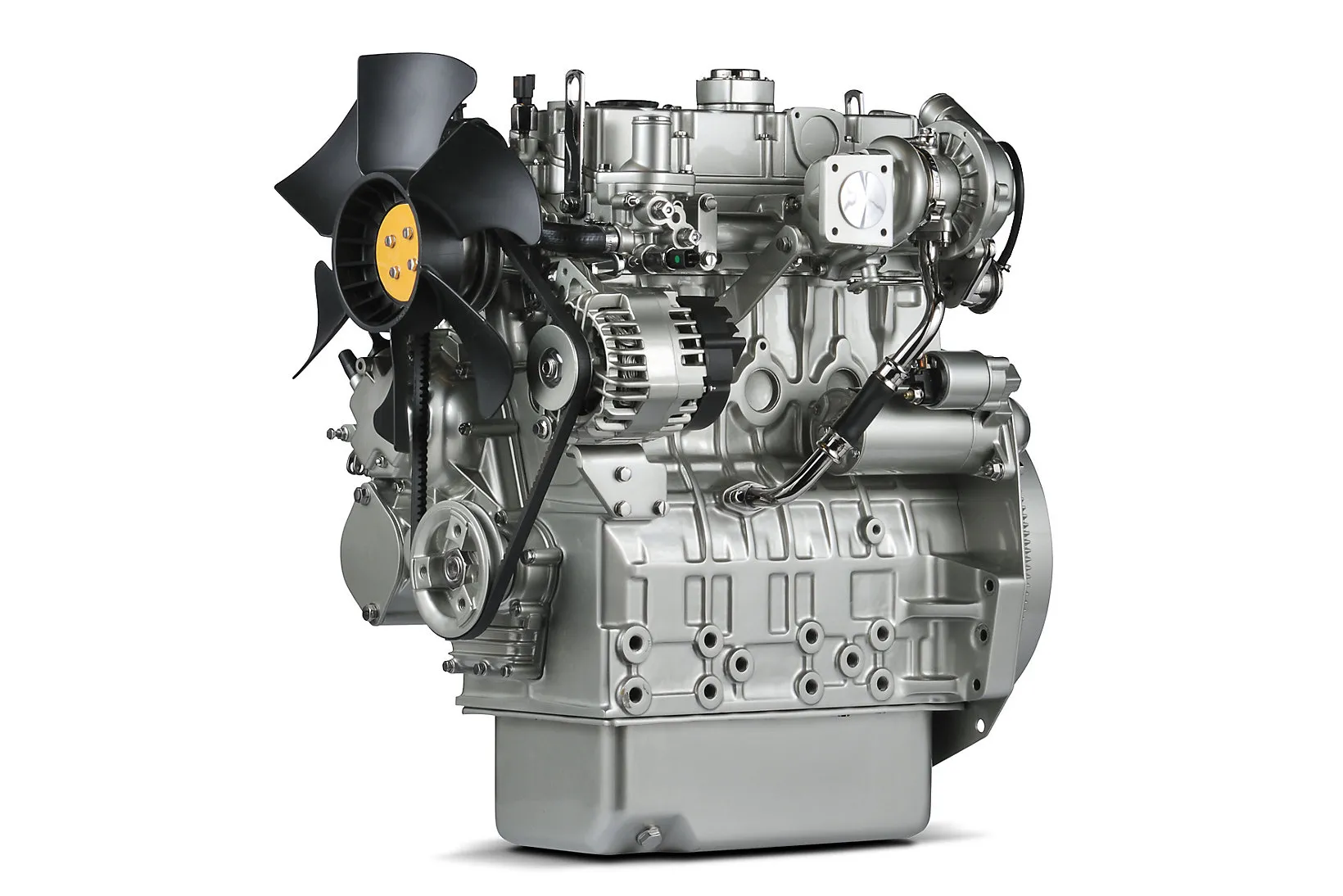
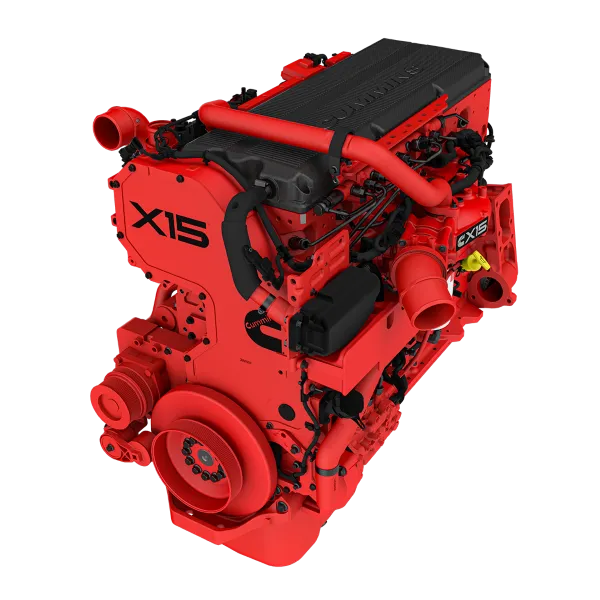
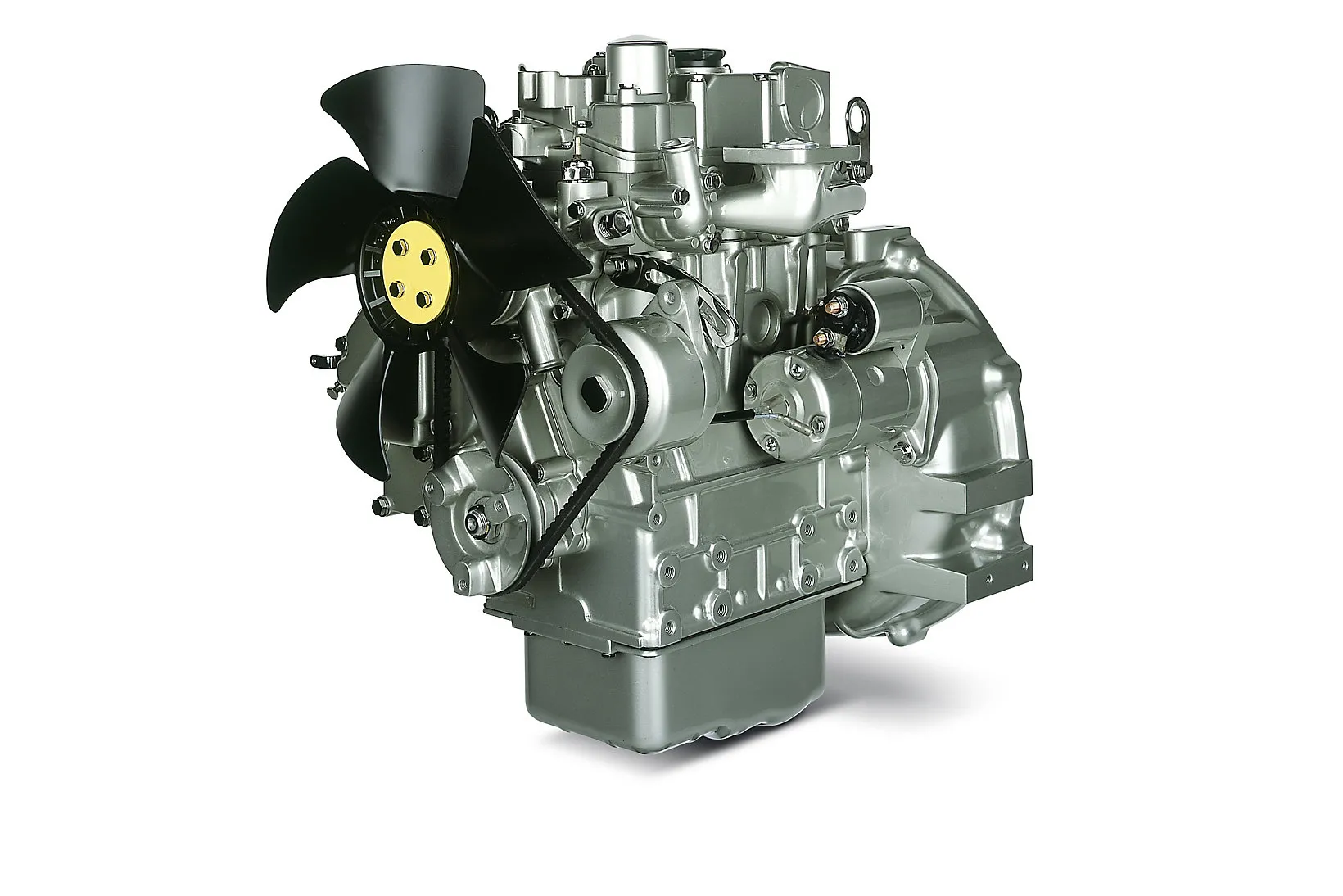
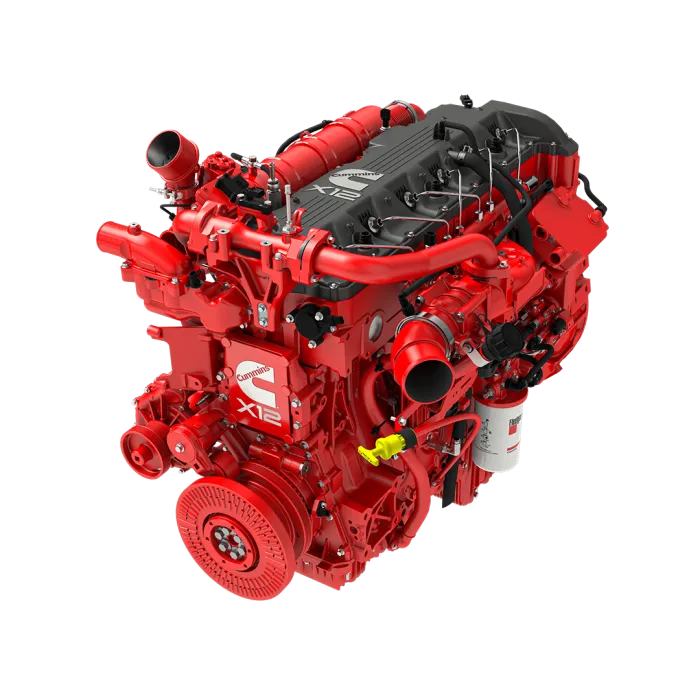
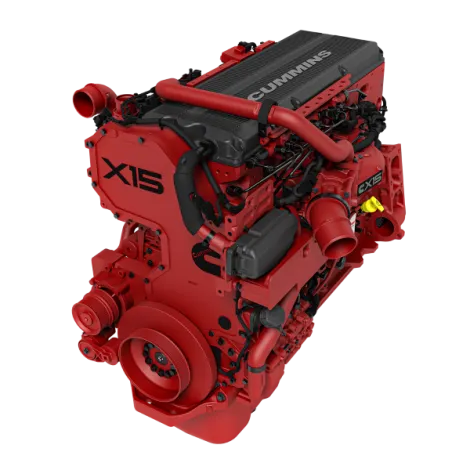
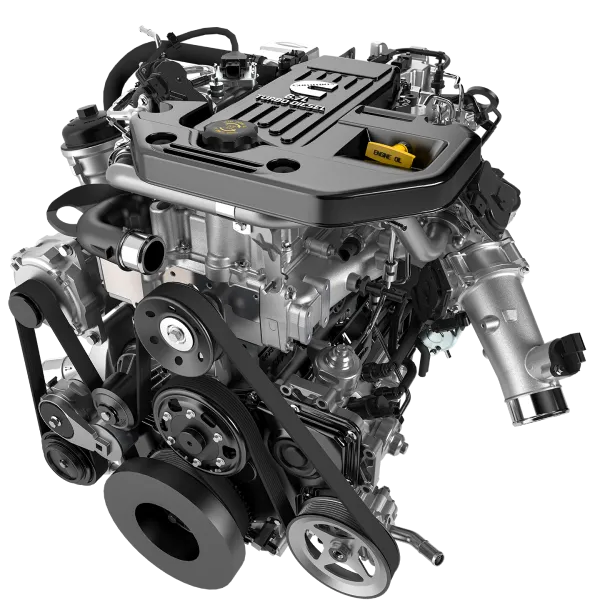
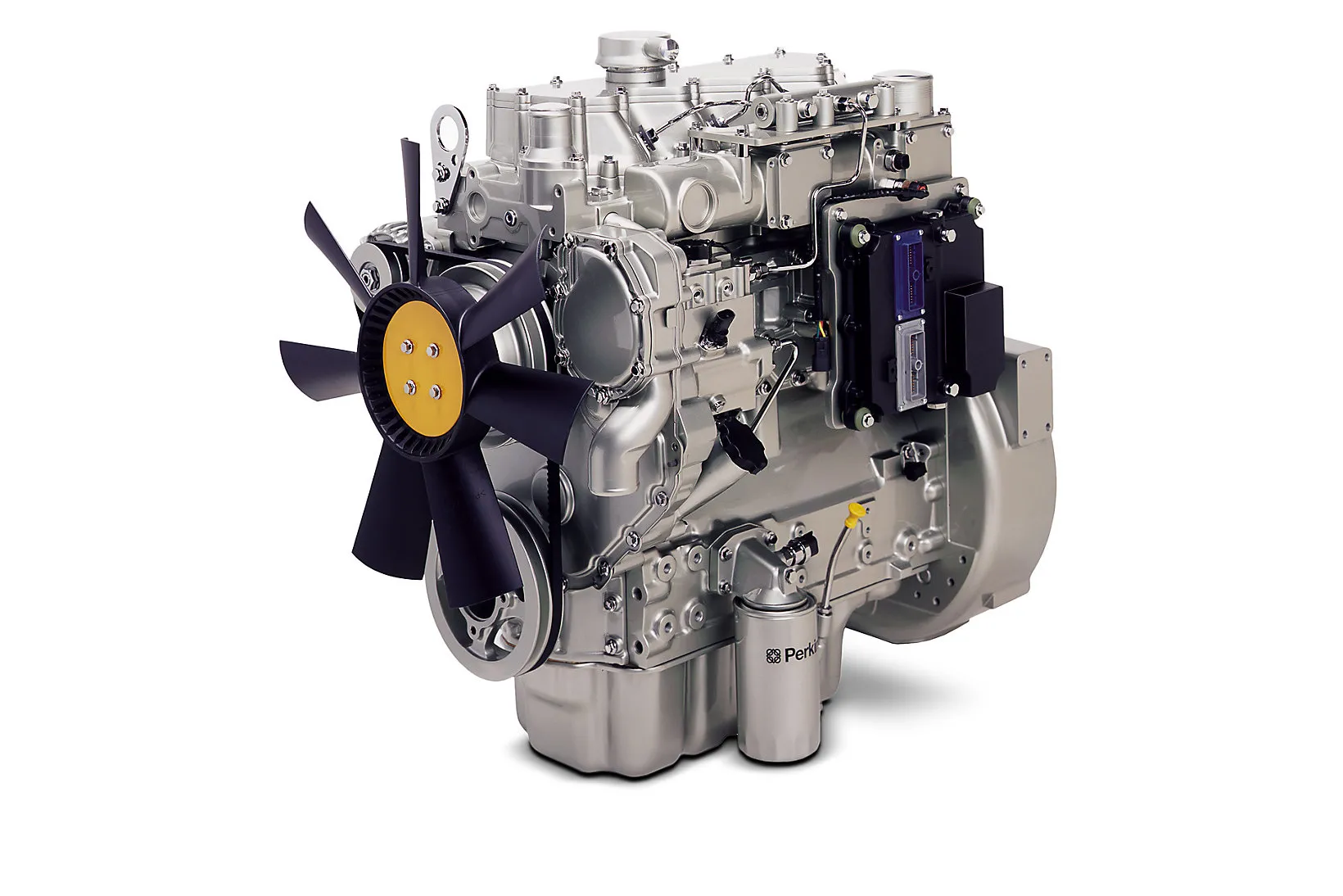
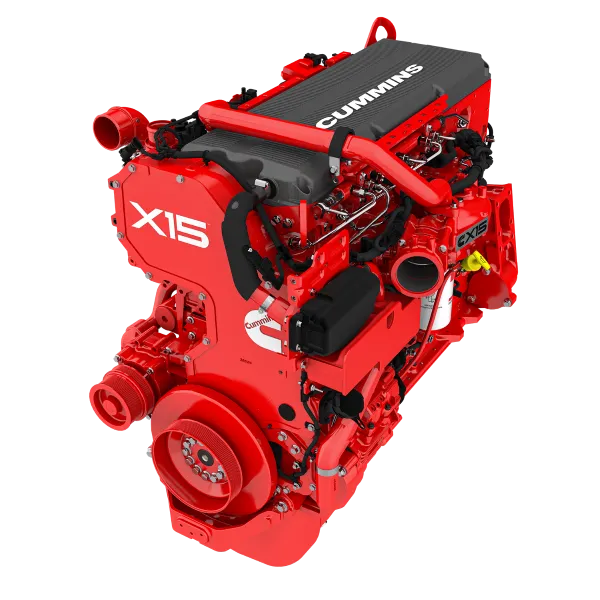
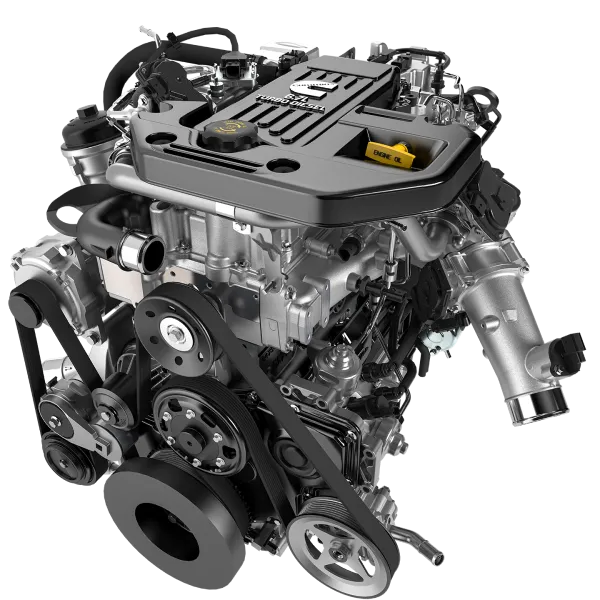
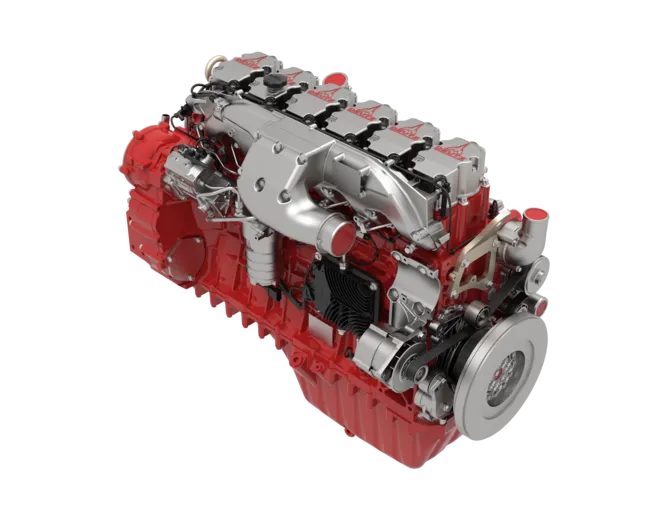
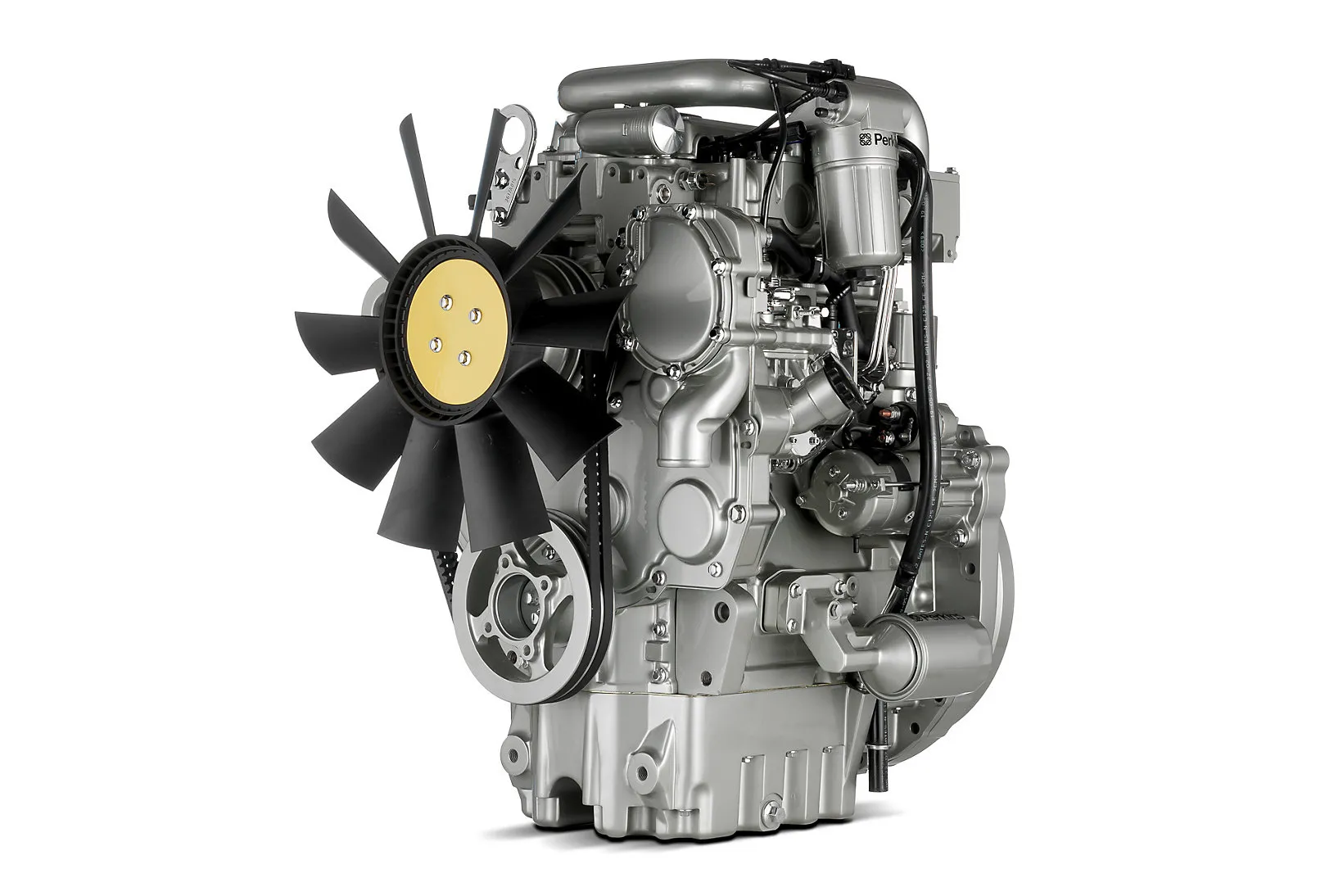
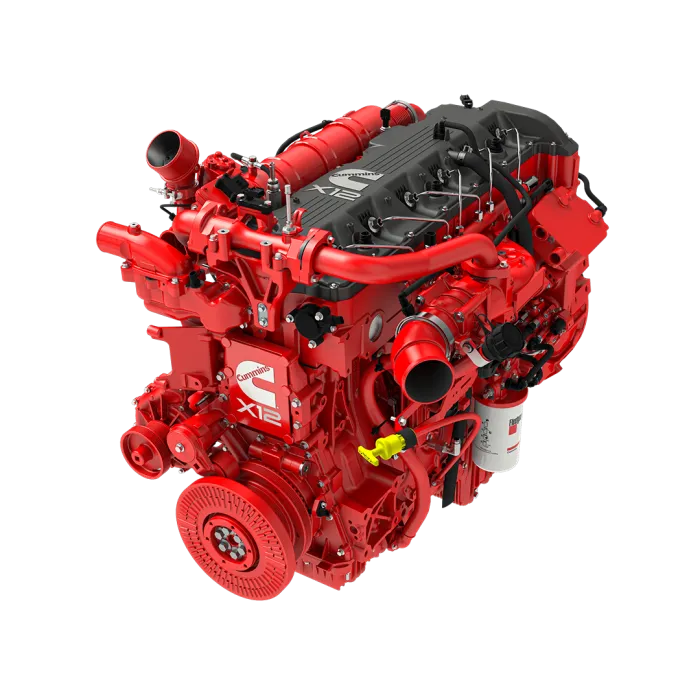
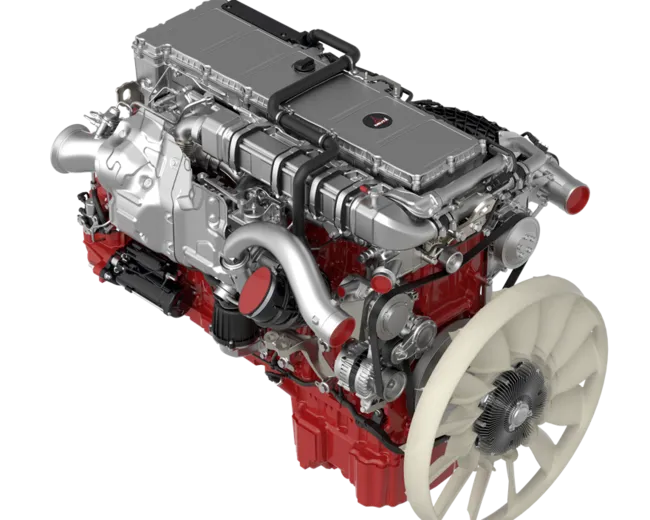
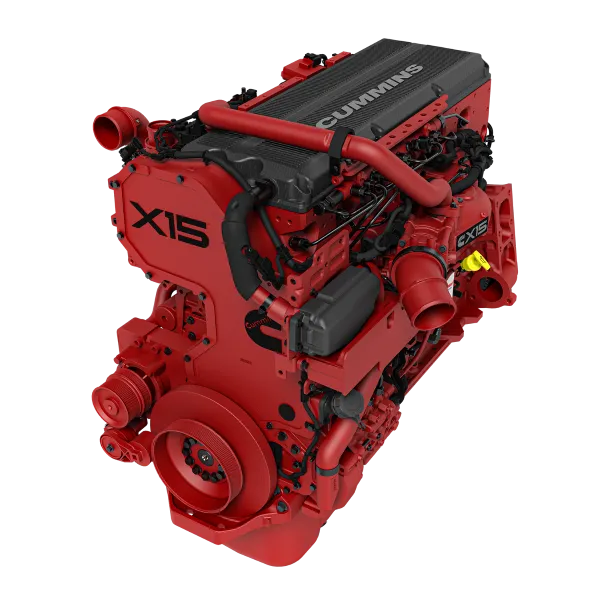
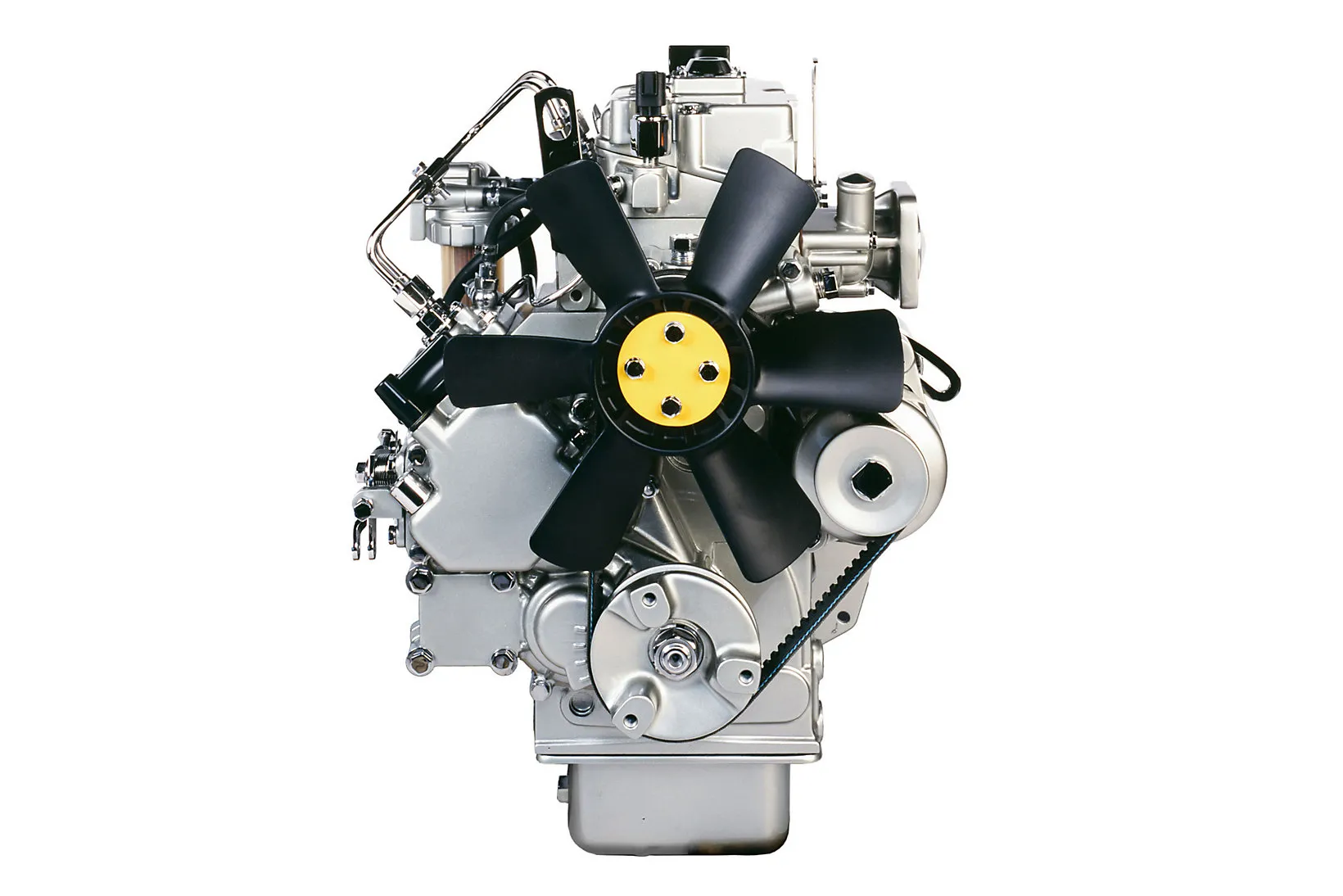
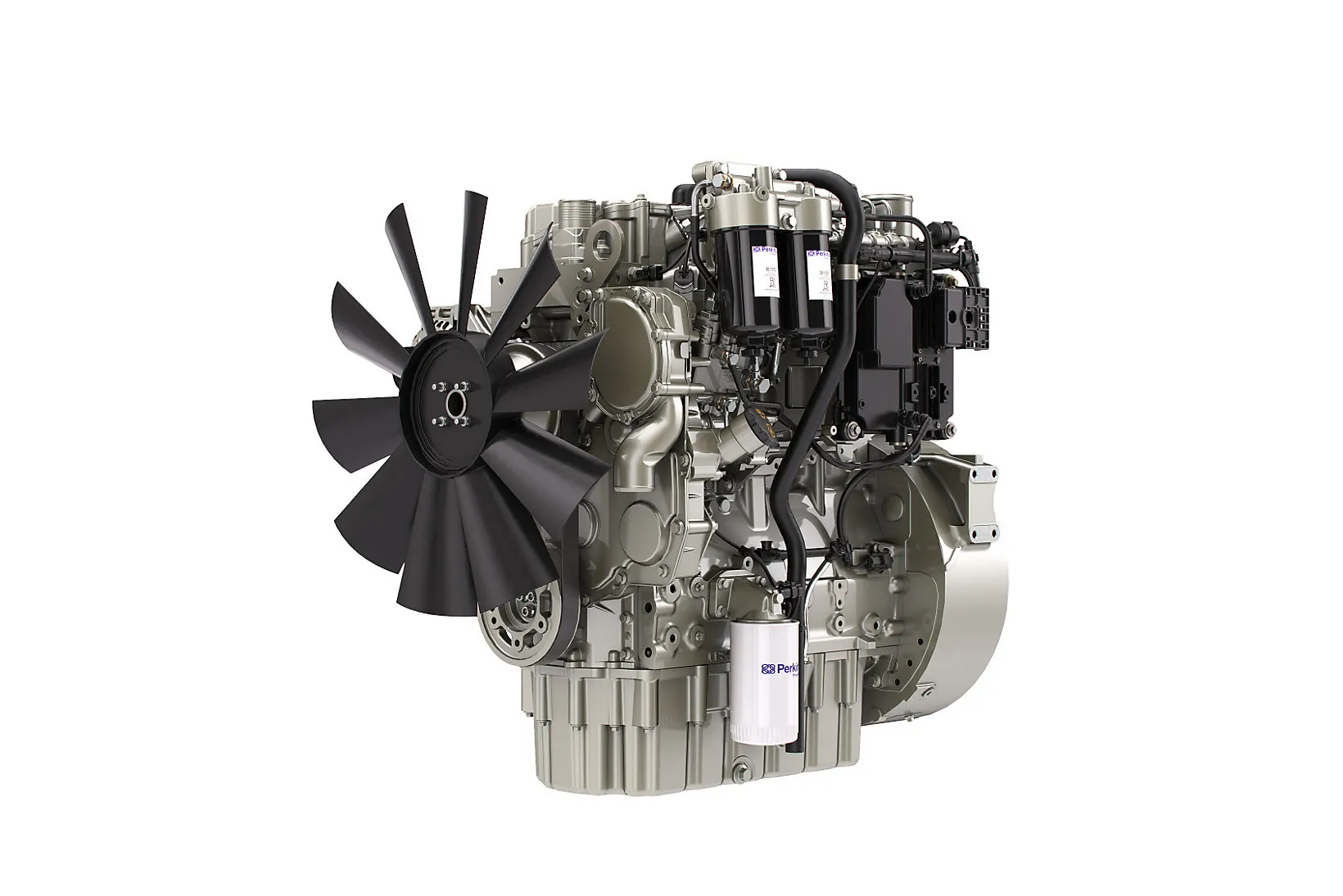
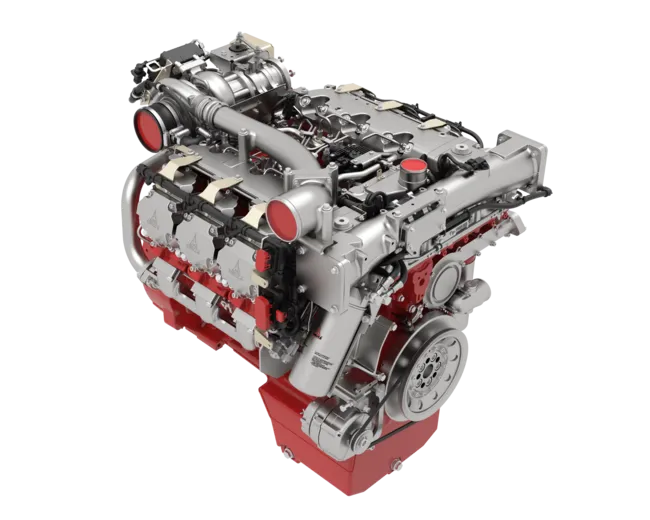
In Deutz, Perkins, and Cummins engines operating under heavy-duty conditions, identifying the source of power loss at an early stage is critical to preventing more serious failures and unplanned downtime. Common causes include filter restrictions, fuel supply problems, turbocharger issues, and injector failures.
- Clogged Fuel Filter
When the engine does not receive enough fuel, a noticeable loss of power can occur, especially under load. A clogged fuel filter can cause weak acceleration, difficulty operating under load, irregular engine operation, and insufficient fuel supply to the fuel system. Therefore, the fuel filter should be inspected at the intervals recommended by the manufacturer.
- Dirty Air Filter
A diesel engine requires a sufficient amount of clean air to operate efficiently. A dirty or clogged air filter can restrict airflow and directly reduce combustion efficiency. If black exhaust smoke accompanies the power loss, the air intake system and air filter should definitely be inspected.
- Turbocharger Problems
The turbocharger improves engine performance by supplying more air to the engine. If the turbocharger fails to reach the required boost pressure, it can cause significant power loss, especially under load. Reduced pulling power, black smoke, abnormal whistling or humming noises, and increased oil consumption are among the main signs of turbocharger-related problems. Turbo hoses, connections, the intercooler, and the turbocharger unit itself should be inspected at this stage.
- Injector Failures
Injectors must deliver the correct amount of fuel with the appropriate spray characteristics. Worn or contaminated injectors can prevent proper fuel atomization and reduce engine performance. If difficult starting, irregular idling, excessive smoke, or increased fuel consumption occurs along with power loss, the injectors may need to be tested.
- Poor Fuel Quality
Water, sediment, or foreign particles in the fuel can negatively affect the operation of the fuel system. Particularly in sensitive fuel injection systems, contaminated fuel can cause problems in filters, pumps, and injectors, reducing the engine's power output. Therefore, replacing only the fuel filter may not be sufficient; when necessary, the fuel tank and the entire fuel system should be inspected.
- Restrictions in the Exhaust or Air Intake System
If the engine cannot receive the air it needs or exhaust gases cannot be discharged properly, performance will inevitably decrease. Problems such as crushed air intake hoses, leaks in intercooler connections, or blockages in the exhaust system become particularly noticeable under load.
- Mechanical Wear of the Engine
If the power loss continues despite checking the filters, fuel, and turbocharger systems, the mechanical condition of the engine needs to be evaluated. Wear on cylinders, pistons, piston rings, valves, or other moving components directly affects the engine's compression and combustion efficiency. At this stage, rather than simply replacing individual parts, carrying out a comprehensive engine diagnosis is a much more reliable approach.
Do Not Overload the Engine If There Is Power Loss
Power loss can sometimes be resolved with a simple filter replacement, while in other cases it may indicate a much more serious problem involving the turbocharger, injectors, or the mechanical condition of the engine. Instead of ignoring the complaint that the "engine is not as powerful as it used to be" for an extended period, identifying the source of the problem at an early stage is both a more accurate and more economical approach. Systematic diagnosis helps prevent unnecessary part replacements and prolonged production losses.
Industrial Engine Service with Fermot
Fermot provides technical service, maintenance, overhaul, and spare parts solutions for Deutz, Perkins, and Cummins industrial engines.
If your engine is experiencing power loss, reduced performance, or difficulty operating under load, having the source of the problem professionally diagnosed can help prevent more serious failures. With Fermot's expert technical support, the current condition of your engine can be evaluated and the required maintenance, repair, or overhaul process can be determined.