Why Is Overspeed Protection Important in Diesel Engines?
Diesel engines are designed to operate within specific technical limits. When the engine operating speed exceeds the safe limits specified by the manufacturer, it can place significant loads on mechanical components.
Overspeed occurs when an engine rotates at a speed higher than its normal operating range. In such a situation, the engine\'s moving parts may be subjected to higher mechanical forces, increasing the risk of damage.
Overspeed protection systems are used in industrial diesel engines to help maintain the engine\'s safe operating limits.
What Is Overspeed in Engines?
Engine speed refers to the number of revolutions the crankshaft completes in one minute. Each engine has an operating range and a maximum permissible speed limit determined by its design.
Exceeding this limit is considered overspeed. Overspeed can cause the engine to operate outside its normal operating conditions.
This situation may arise particularly when the engine load suddenly decreases, problems occur in the control system, or certain mechanical failures develop. The way overspeed occurs varies depending on the engine\'s design and application.
Why Is Overspeed a Risk to the Engine?
As engine speed increases, the inertial forces acting on moving components also increase. If the engine\'s design limits are exceeded, this can place significant stress on mechanical components.
In an overspeed condition, the following may occur:
- Excessive stress on moving mechanical components,
- Uncontrolled acceleration of the engine,
- Increased risk of mechanical damage,
- Conditions requiring the engine to be shut down immediately
The extent of the damage depends on how long the engine operates at overspeed, the speed reached, and the engine\'s design.
How Does an Overspeed Protection System Work?
The operating principle of an overspeed protection system varies depending on the engine\'s design. Some systems use sensors that monitor engine speed, while others may incorporate mechanical or electronic control mechanisms.
In electronically controlled systems, engine speed can be compared against a predefined threshold. If the speed exceeds the permitted limit, the system can initiate an engine shutdown or activate an appropriate protective response.
The conditions under which the protection system activates and the method used to stop the engine depend on the design specified by the manufacturer.
Which Systems Are Associated with Overspeed Protection?
Overspeed protection can operate in conjunction with engine speed control and safety systems. Depending on the engine\'s design, sensors, the electronic control unit, the fuel control mechanism, and the shutdown system may play a role in this process.
However, it should not be assumed that all engines use the same components. Some engines may incorporate different protection architectures.
Therefore, the technical documentation for the relevant model should be consulted when evaluating an engine\'s overspeed protection system.
When Does Overspeed Protection Become Important?
Overspeed protection is particularly important in applications where keeping engine speed within safe limits is critical.
In generators, industrial equipment, and various mechanical systems, engine operating speed must be kept under control.
A malfunction in the engine control system or an unexpected operating condition can cause changes in engine speed. In such situations, the protection system helps prevent the engine from operating outside its safe limits.
How Is an Overspeed Protection System Checked?
The method used to check the protection system varies according to the engine model and the manufacturer\'s procedures. During inspection, the relevant system components, connections, fault records, and test methods specified by the manufacturer may be taken into account.
The activation threshold or operating settings of the protection system should not be changed arbitrarily. Incorrect settings may prevent the protection system from activating when required or cause it to operate under inappropriate conditions.
Testing should only be performed in accordance with appropriate procedures and safety precautions.
The Difference Between Overspeed Protection and Normal Speed Control
Normal speed control helps regulate engine speed according to specified operating conditions. Overspeed protection, on the other hand, serves as a safety function that can activate when the engine exceeds its safe operating limits.
Although these two systems are related, their functions are not the same. Normal speed control focuses on maintaining the desired operating speed, whereas overspeed protection aims to provide protection against dangerous speed conditions.
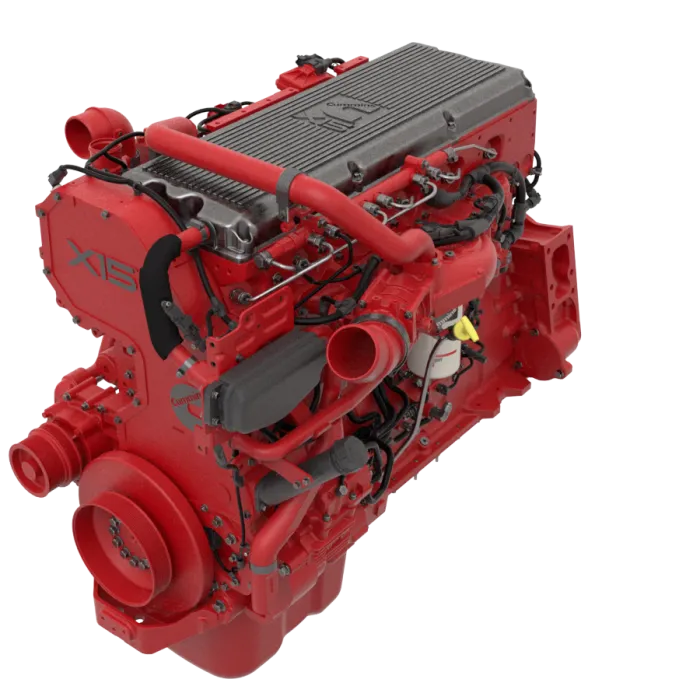
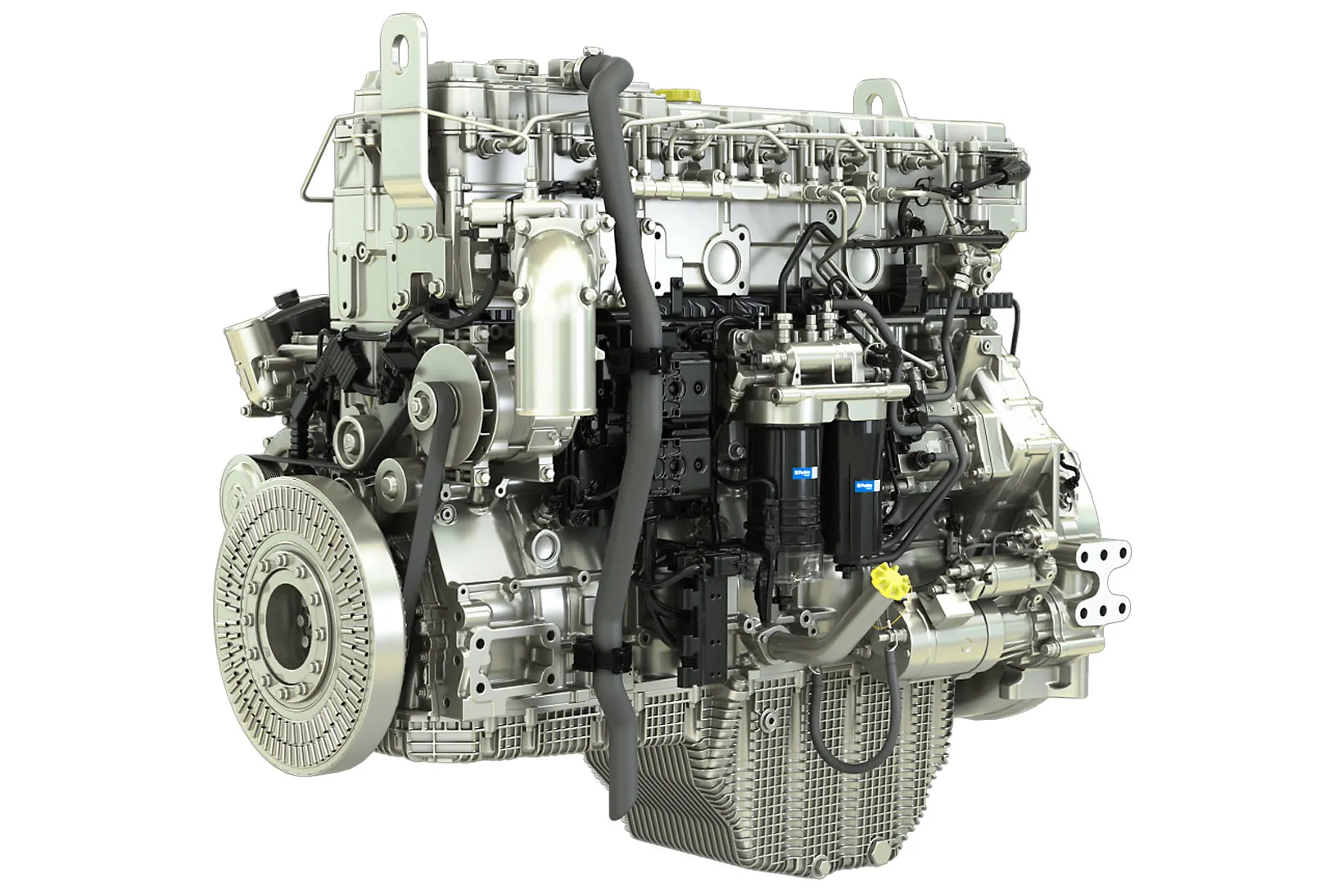
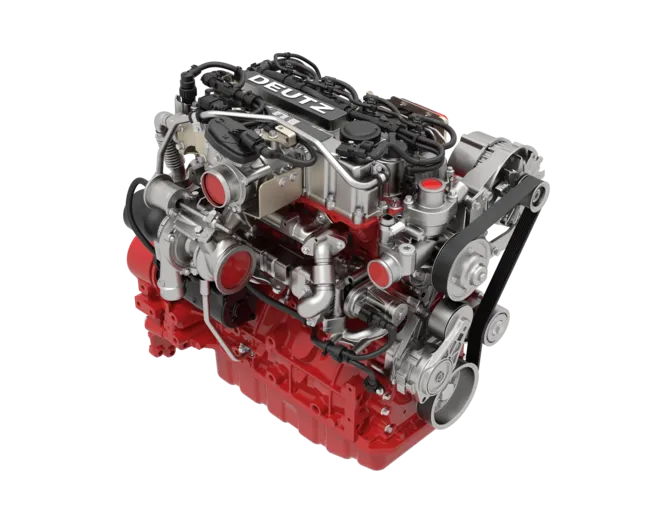
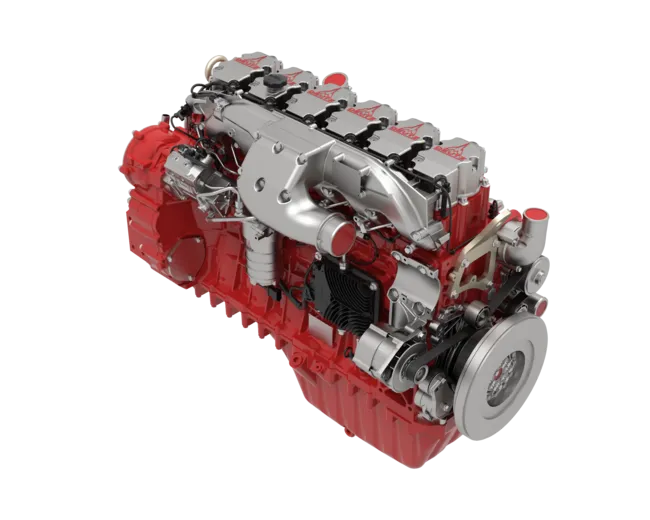
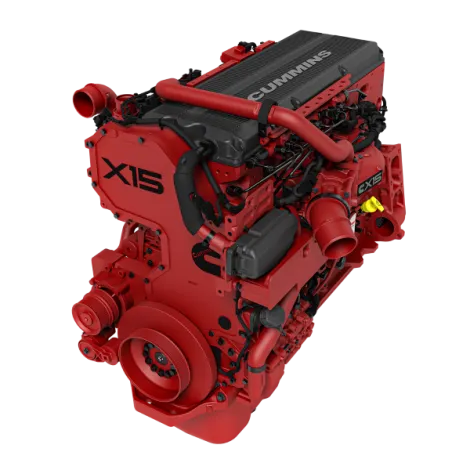
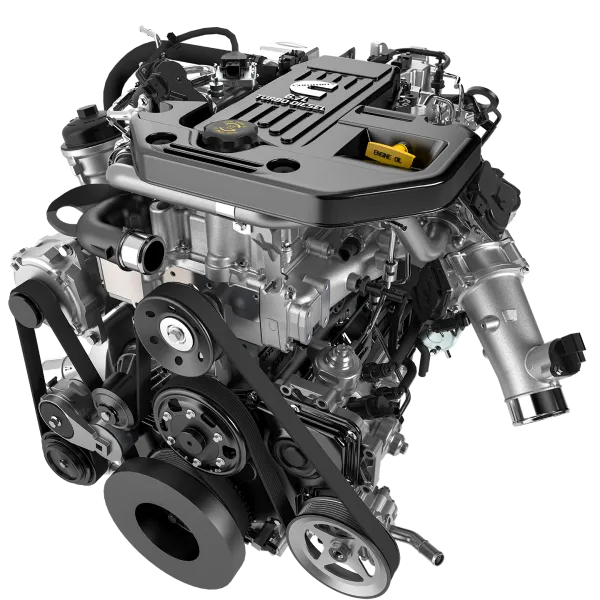
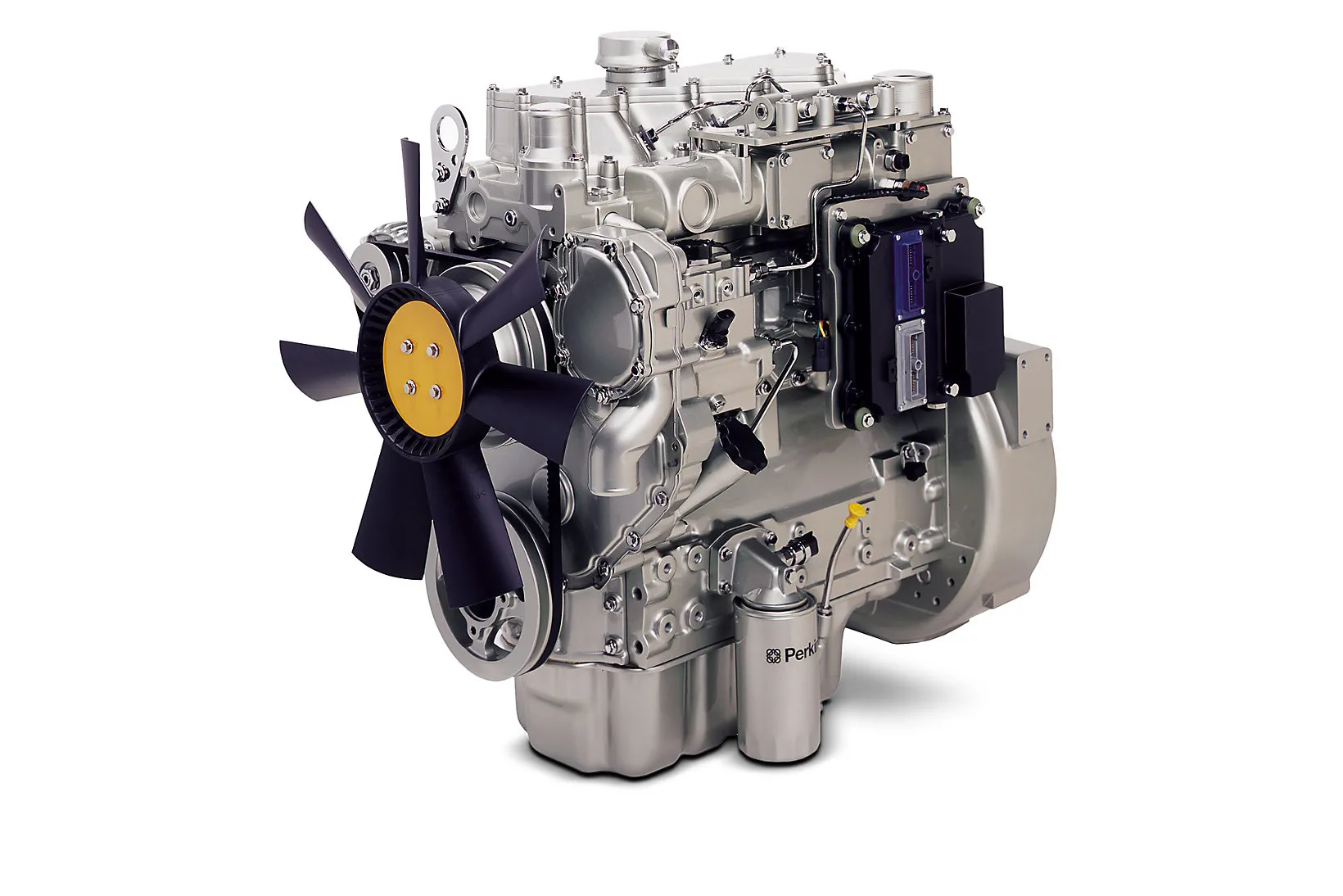
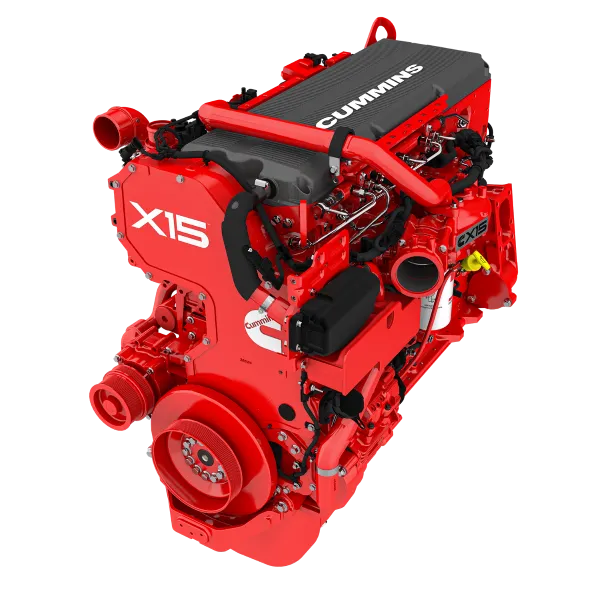
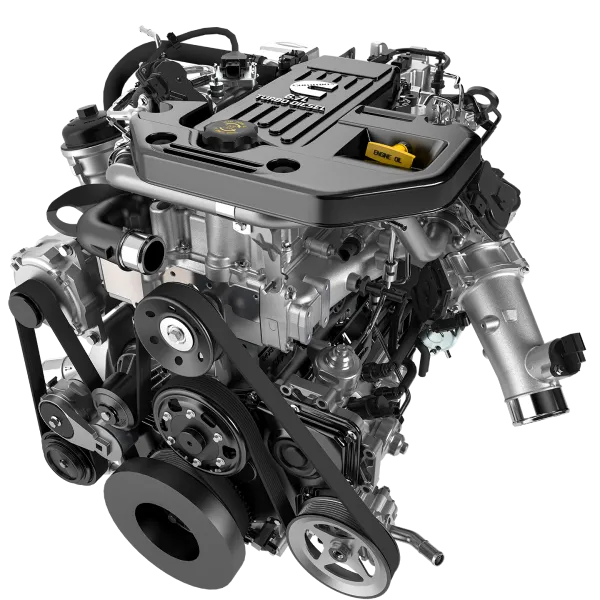
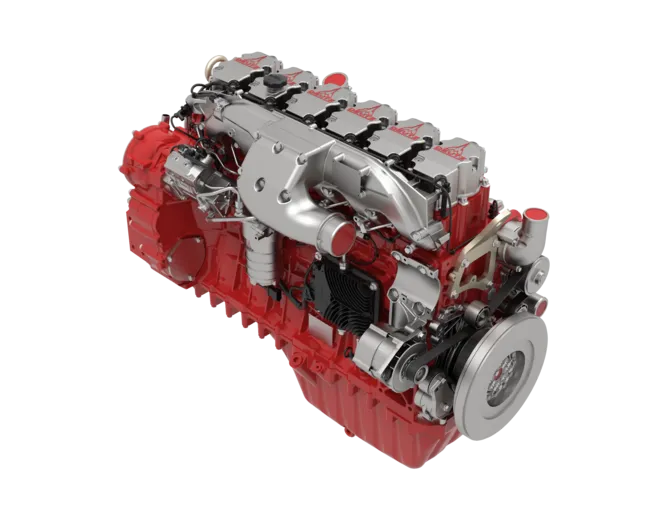
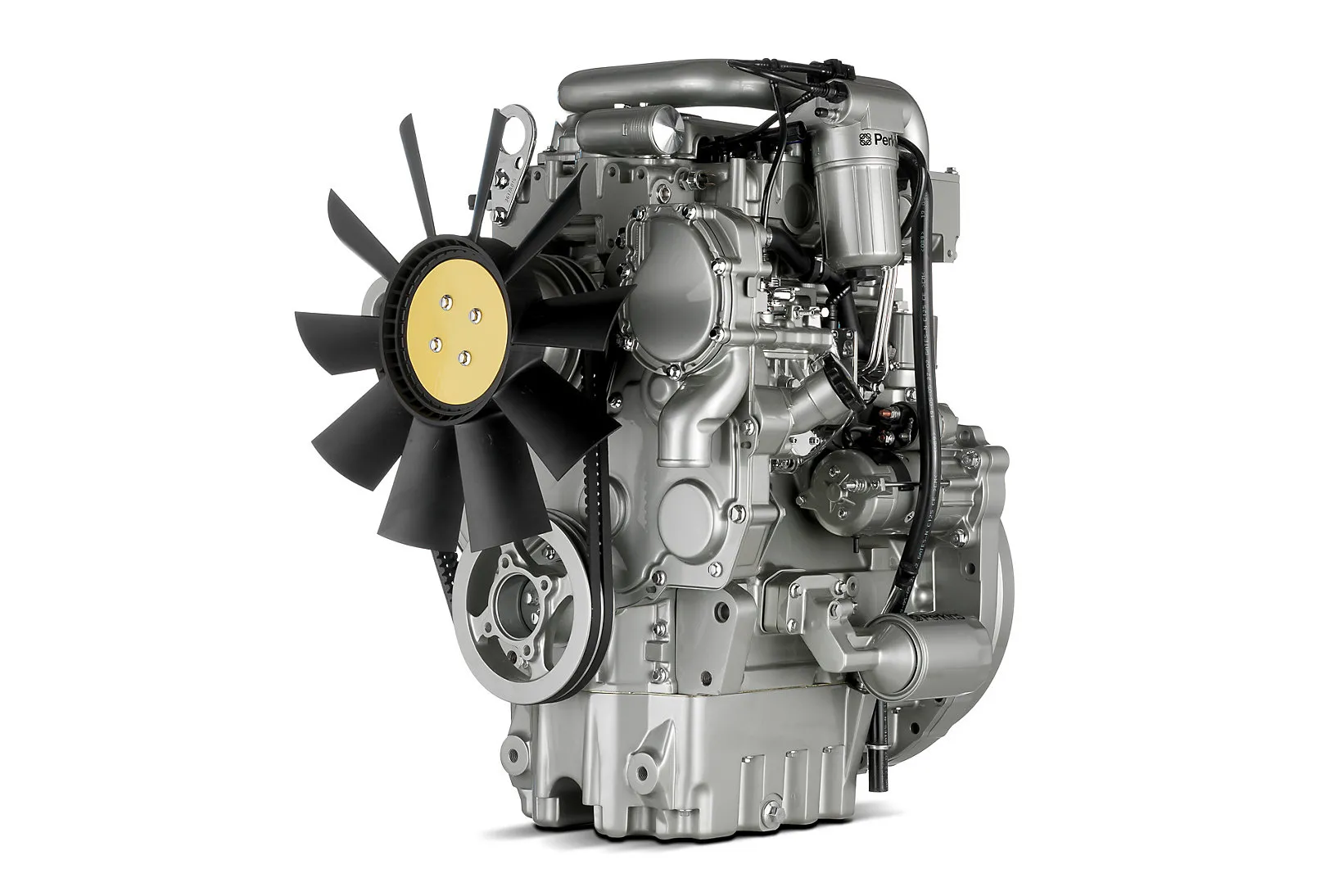
Overspeed Protection in Perkins, Deutz, and Cummins Engines
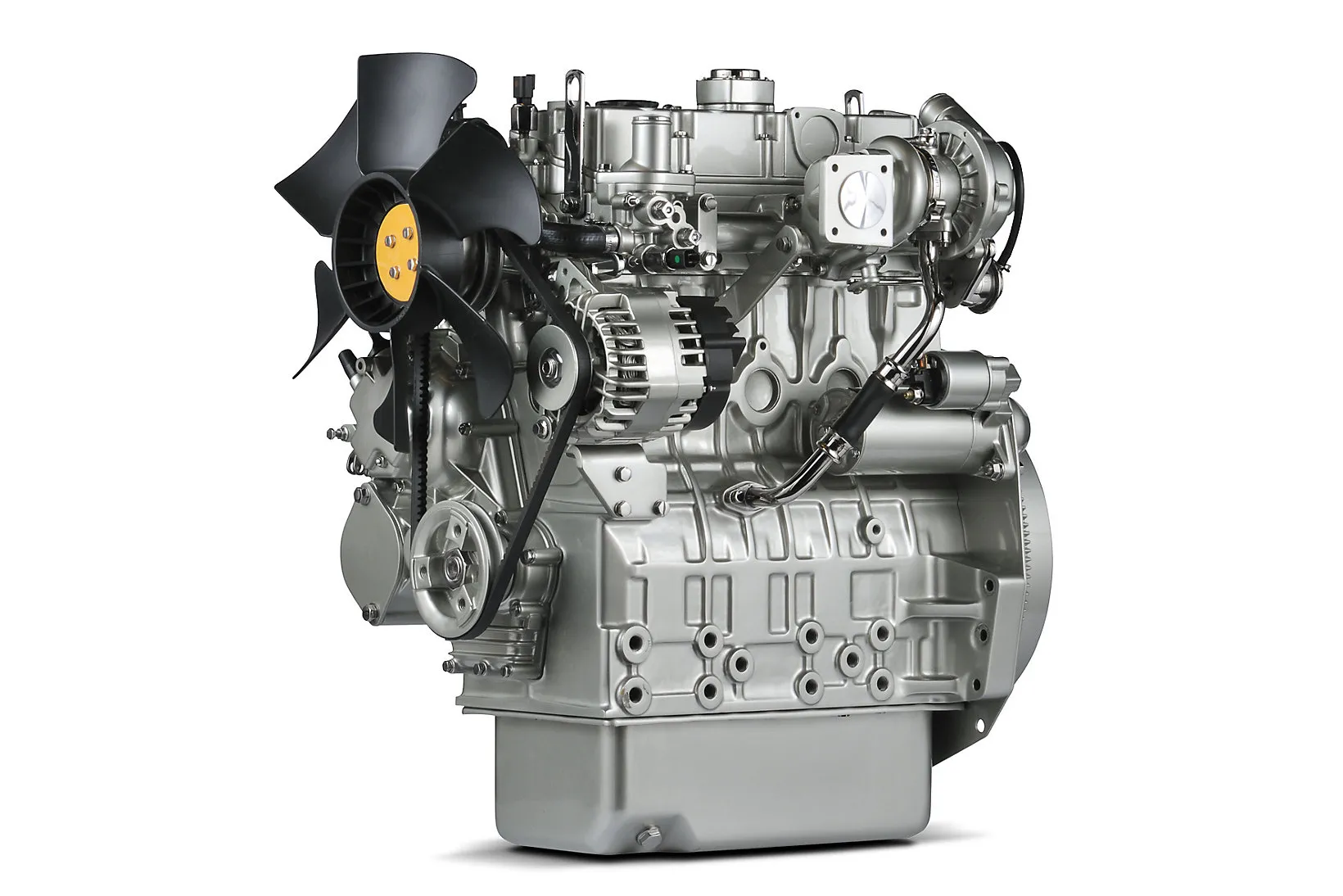
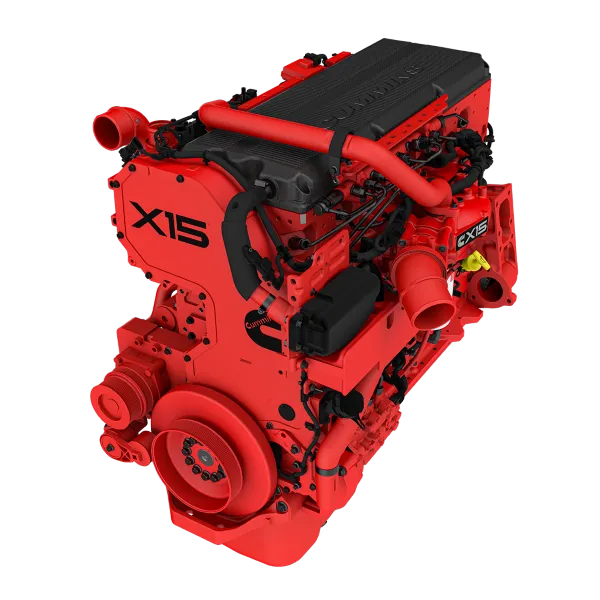
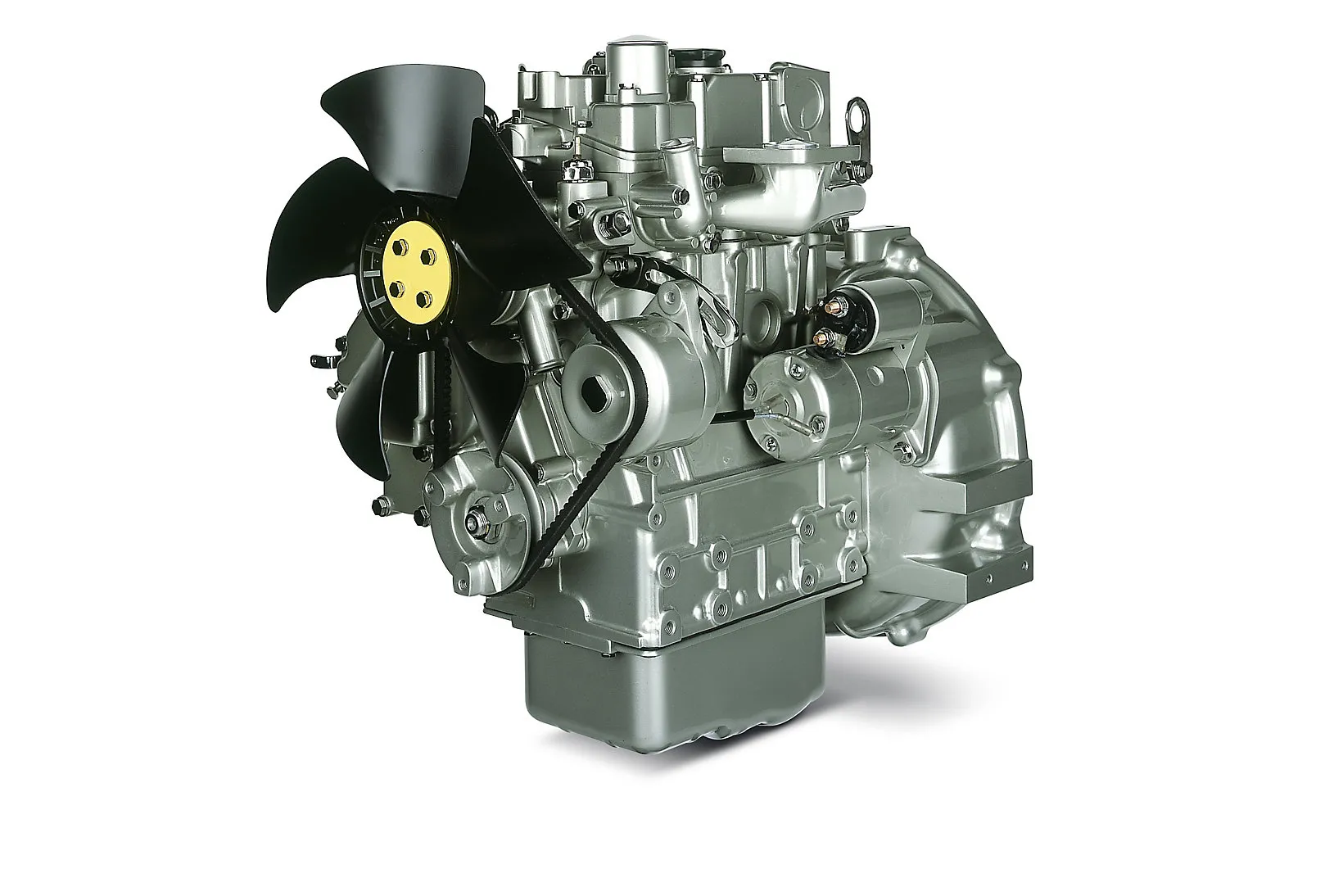
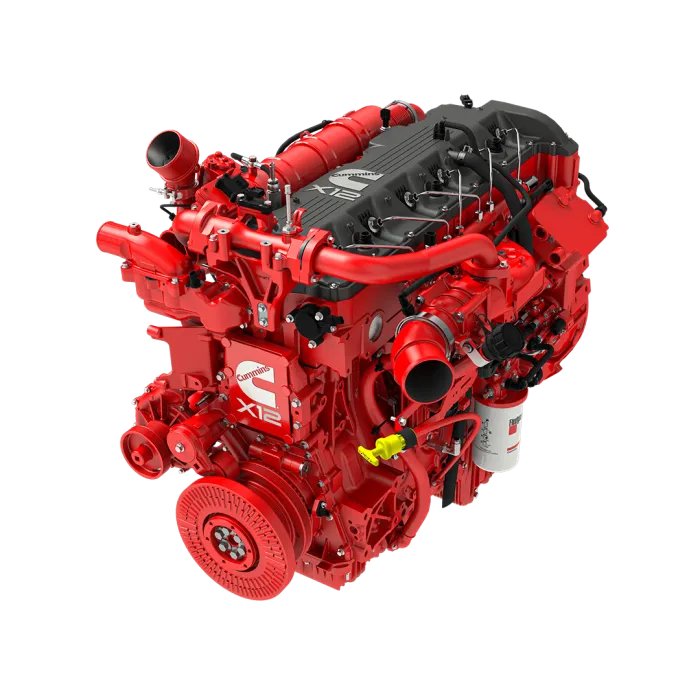
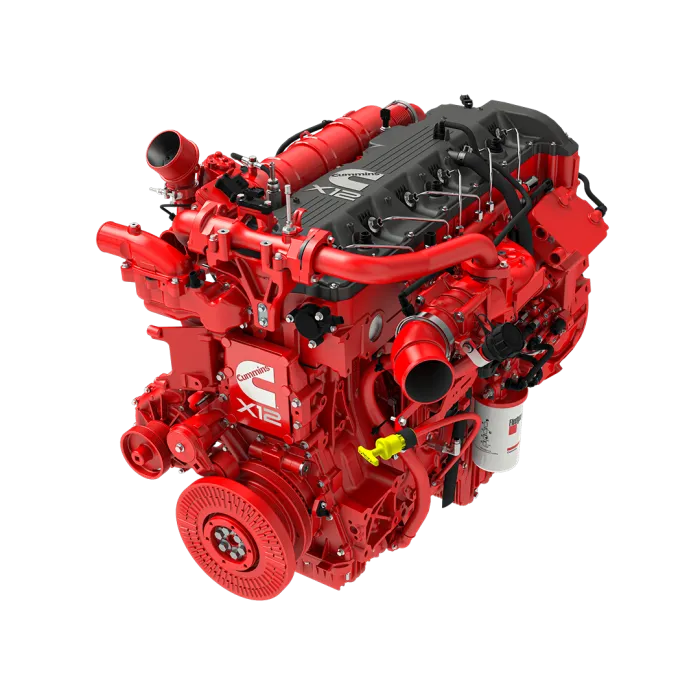
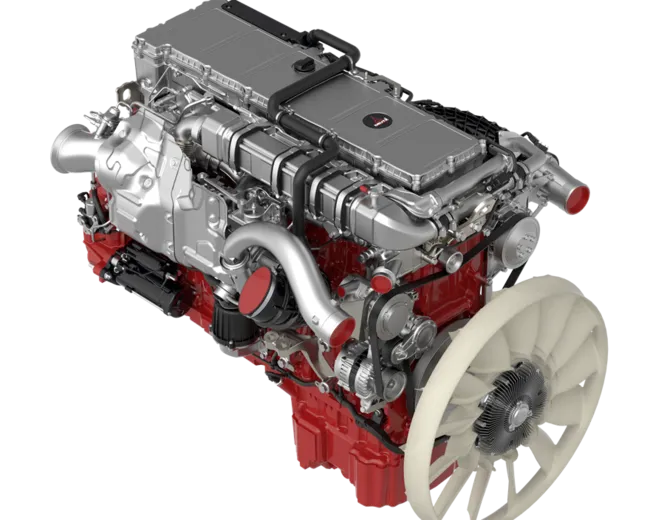
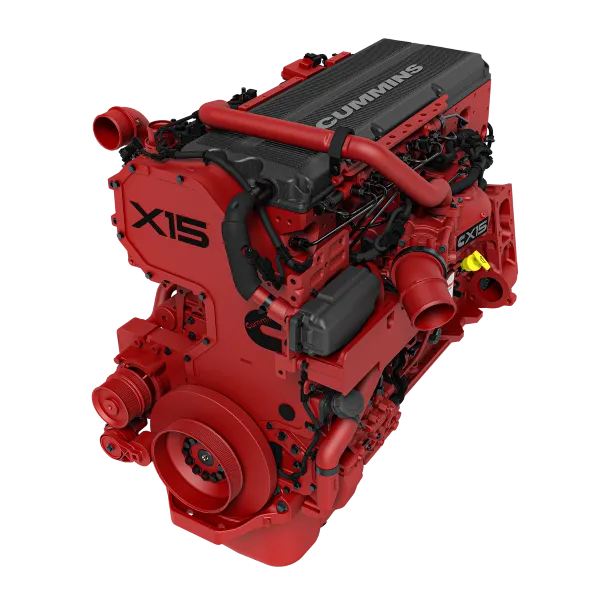
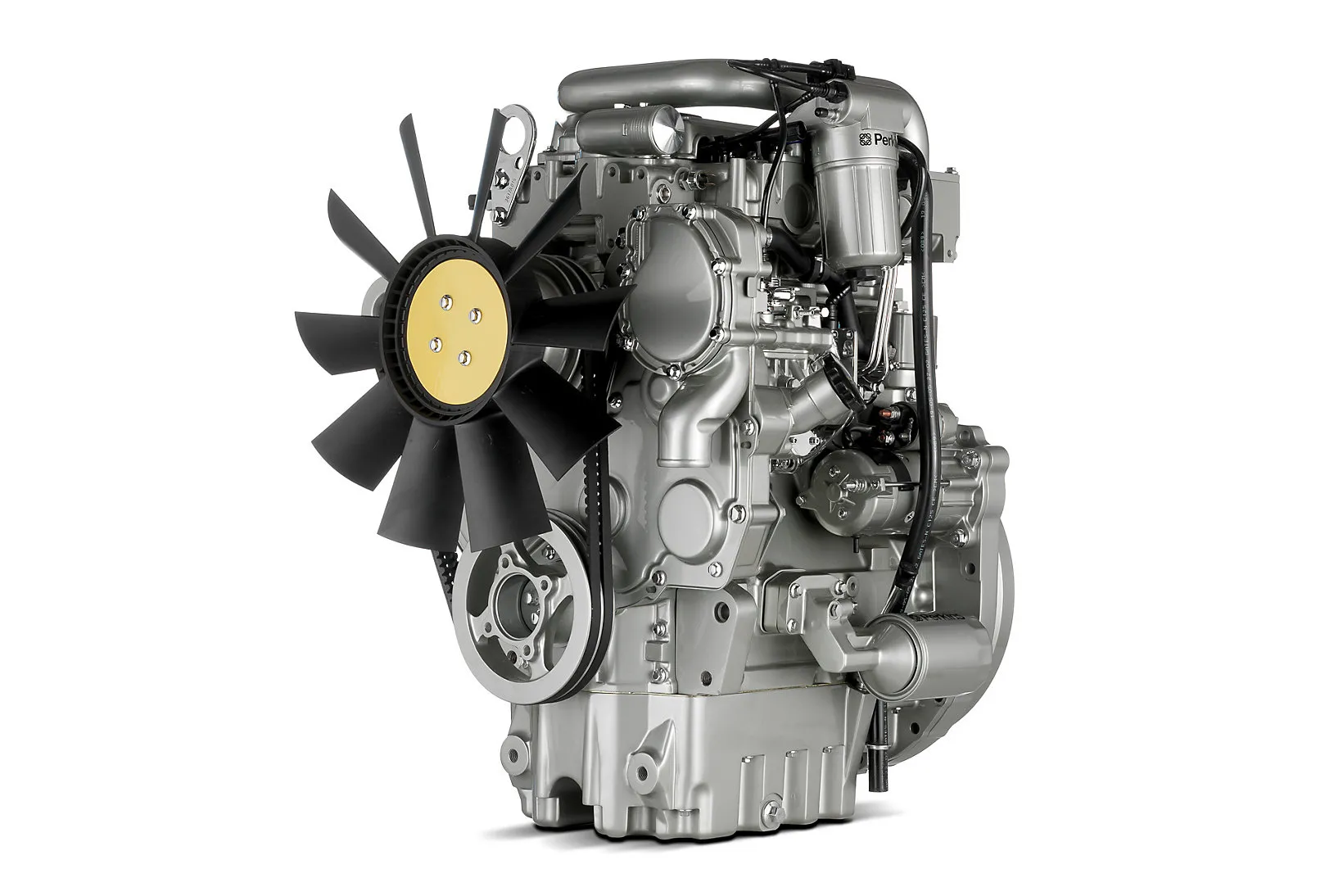
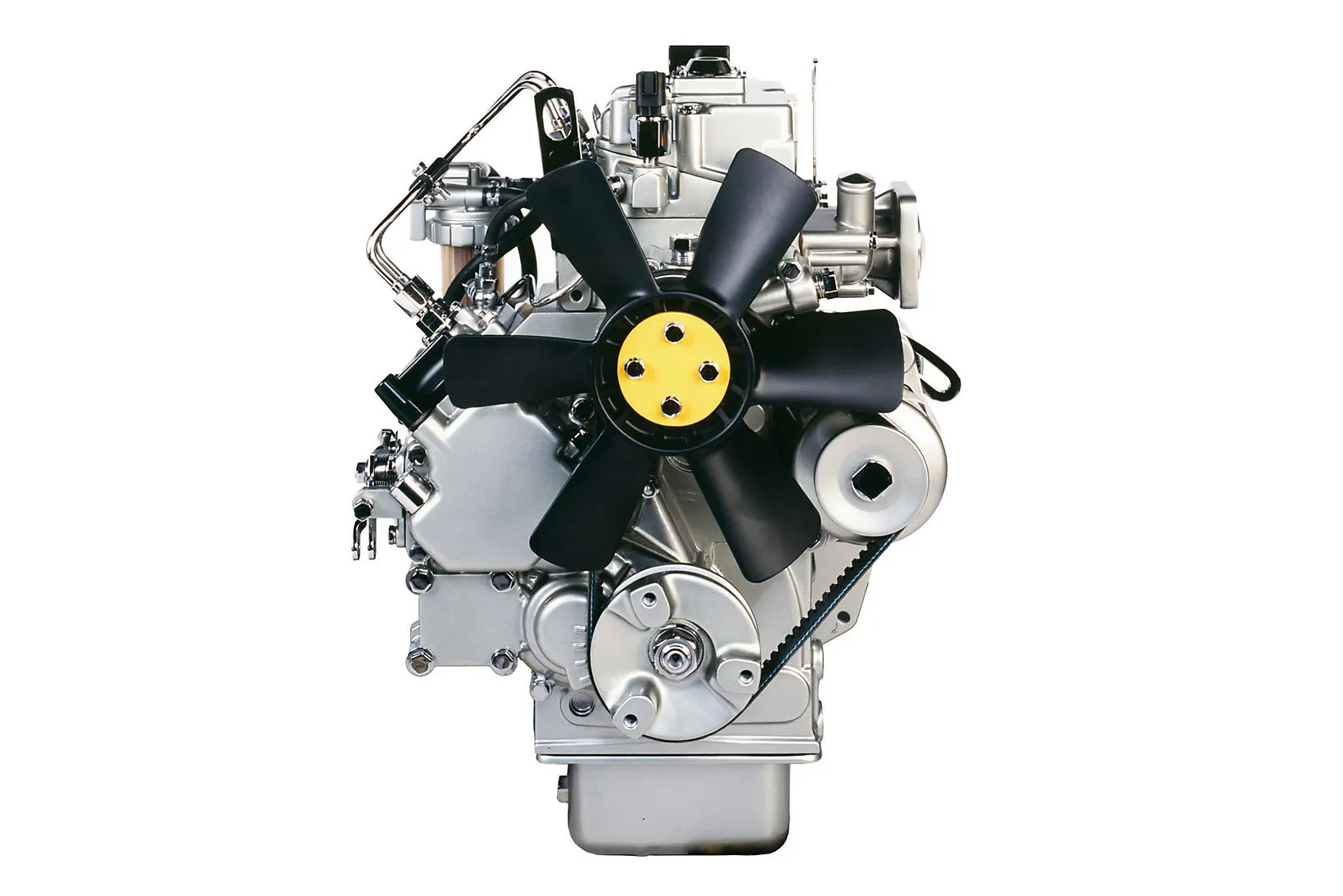
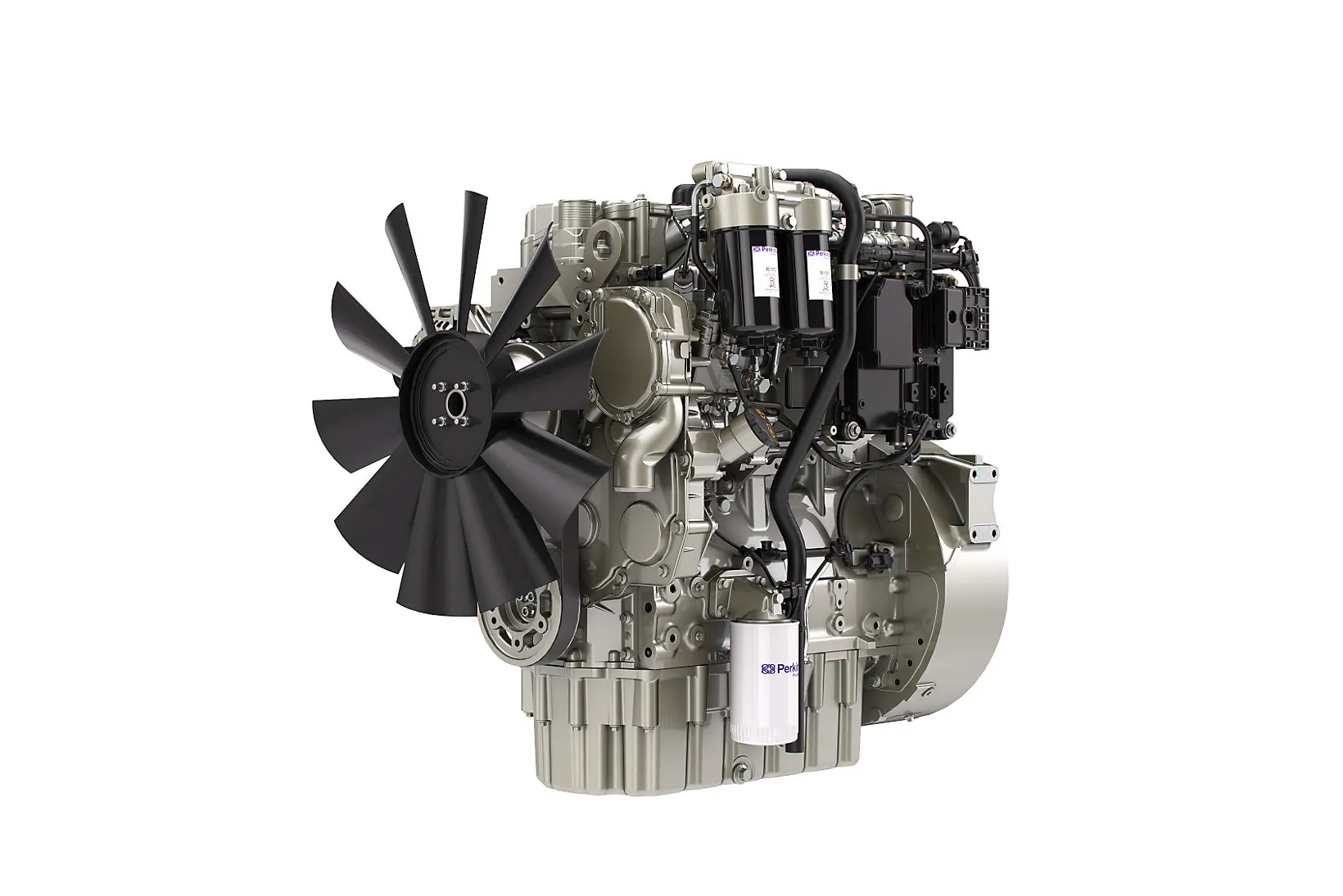
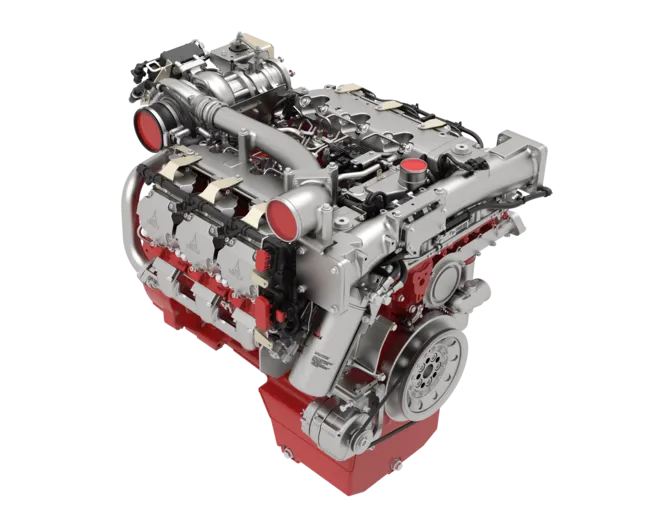
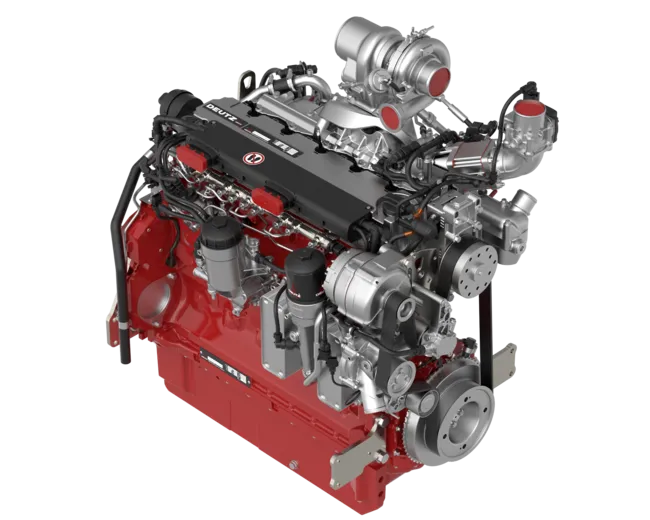
The speed monitoring and protection systems used in Perkins, Deutz, and Cummins engines may vary according to each model\'s technical specifications.
Therefore, when checking the protection system, diagnosing faults, or replacing parts, the exact engine model must be identified and the relevant technical documentation consulted.
The correct inspection method is important to ensure that the system performs its intended safety function.
Conclusion
Overspeed protection is an important safety function that helps maintain diesel engines within the safe operating limits specified by the manufacturer. Uncontrolled engine acceleration can cause significant mechanical stress on moving components.
For the protection system to operate correctly, its components and control mechanisms must be evaluated in accordance with the engine\'s technical requirements. Avoiding unauthorized changes to protection settings and performing tests according to the appropriate procedures are essential for engine safety.
Frequently Asked Questions
What does overspeed mean in a diesel engine?
It means that the engine exceeds the maximum permissible speed limit specified by the manufacturer.
Can overspeed damage an engine?
Yes. Exceeding the engine\'s design limits can place significant stress on moving mechanical components and cause damage.
What is the purpose of overspeed protection?
It helps activate an appropriate protective response when engine speed exceeds safe limits.
Is overspeed protection the same as a speed governor?
No. A speed governor helps control normal operating speed, whereas overspeed protection serves as a safety function against dangerous speed conditions.
How is overspeed protection tested?
The test method is determined by the engine\'s design and the manufacturer\'s procedures. Testing must be performed using appropriate equipment and safety precautions.