The Difference Between Torque and Power in Industrial Engines: How to Choose the Right Engine?
When selecting an industrial engine, the first specifications that usually attract attention in the technical datasheet are power (kW/HP) and torque (Nm). However, a higher power output or higher torque alone does not necessarily mean that an engine is the most suitable choice for a specific application.
From generators and construction equipment to agricultural machinery and pumping systems, every application demands different performance characteristics from an engine. Therefore, both power and torque values should be evaluated together to make the right industrial engine selection.
What Is Engine Torque?
Engine torque is the rotational force produced at the engine's crankshaft and is generally expressed in Newton meters (Nm).
Simply put, torque indicates how much rotational force an engine can generate under load. It becomes especially important in applications that require moving heavy loads or maintaining performance when engine speed decreases under load. For this reason, considering only the maximum power output is not sufficient when selecting an engine for construction equipment and other heavy-duty applications.
What Is Engine Power?
Engine power refers to the amount of work an engine can perform within a given period and is typically expressed in kilowatts (kW) for industrial engines.
Power and torque are not independent values; engine power is determined by evaluating both torque and engine speed (RPM). Therefore, two engines with the same maximum torque may deliver different performance in real-world applications if they produce that torque at different engine speed ranges.
What Is the Difference Between Torque and Power?
The practical differences between torque and power can be summarized as follows:
|
Criteria |
Torque |
Power |
|
What does it represent? |
Rotational force |
Rate of doing work |
|
Common unit |
Nm |
kW / HP |
|
Where is it most important? |
Heavy loads and varying load conditions |
Continuous operating capacity |
|
Relationship with engine speed |
The RPM at which it is produced is important |
Depends on both torque and engine speed |
|
In engine selection |
Indicates the engine's ability to handle the load |
Helps meet the application's power requirements |
The question, "Which is more important, torque or power?" does not have a single correct answer. The answer depends entirely on the equipment and operating conditions for which the engine will be used.
What Should You Consider When Choosing an Industrial Engine?
Comparing only the maximum kW rating in an engine catalog is not enough; the actual operating conditions of the engine must always be taken into account.
The requirements of a construction machine operating continuously under heavy loads differ significantly from those of a generator running at a constant speed. In addition to power and torque values, factors such as the torque curve, operating speed, load characteristics, fuel consumption, and application requirements should all be evaluated together. Particularly in applications with variable loads, torque values across different RPM ranges provide far more meaningful information than the maximum torque figure alone.
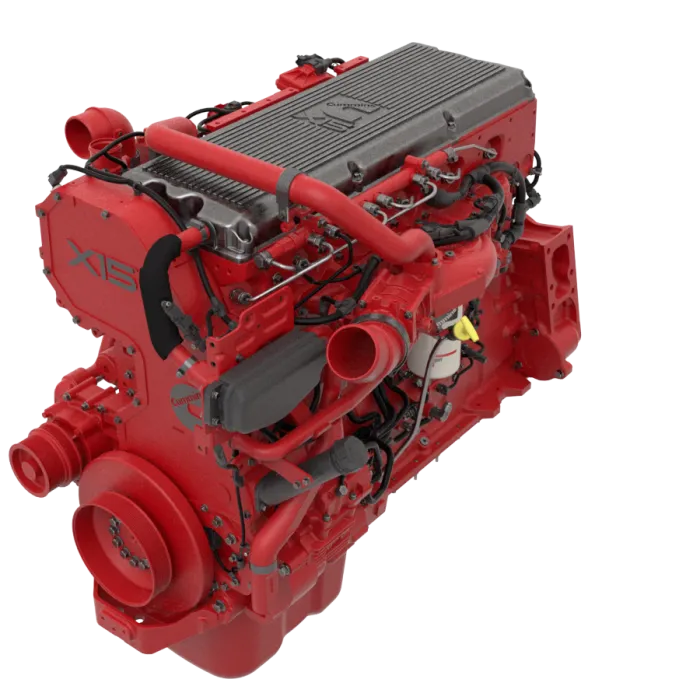
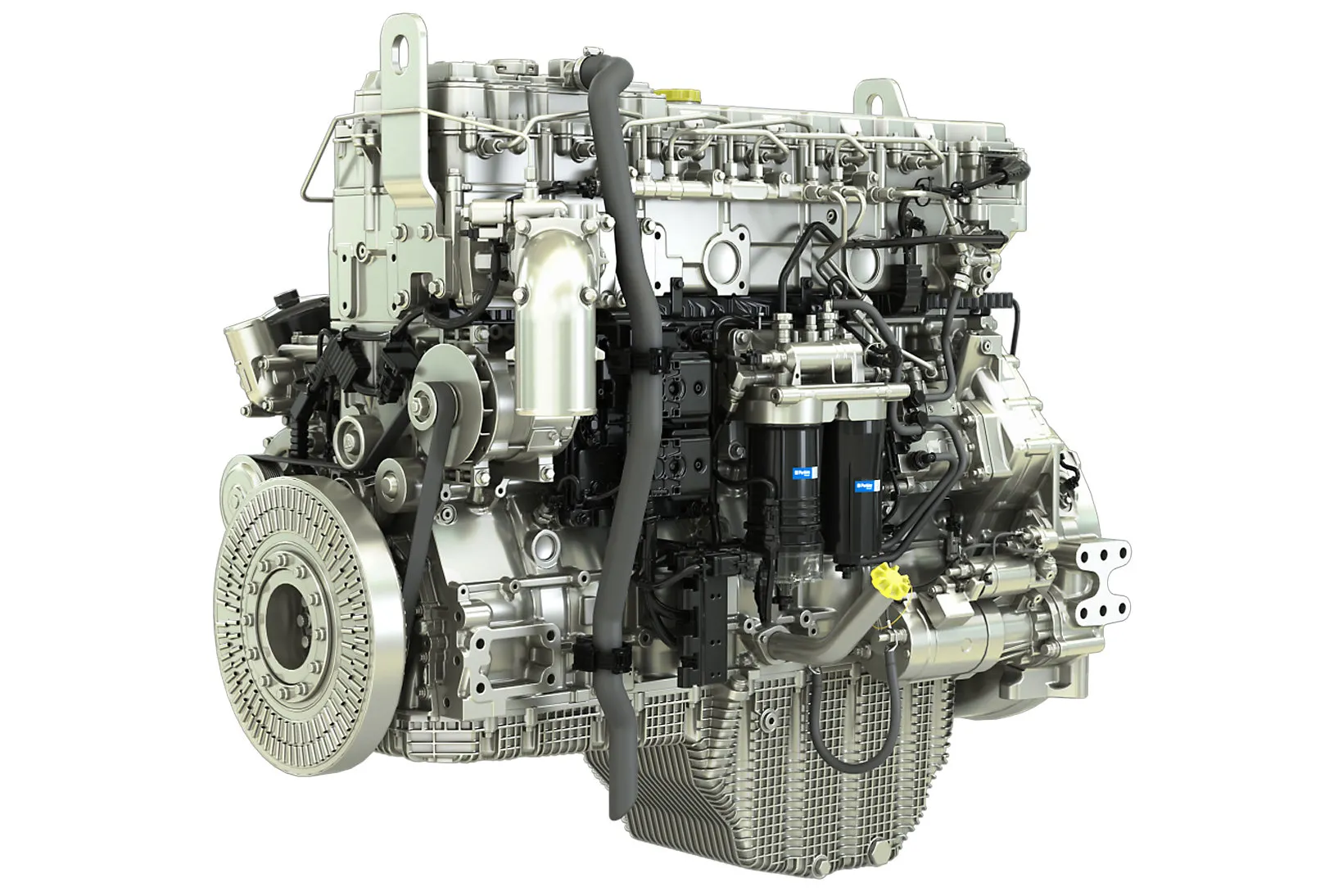
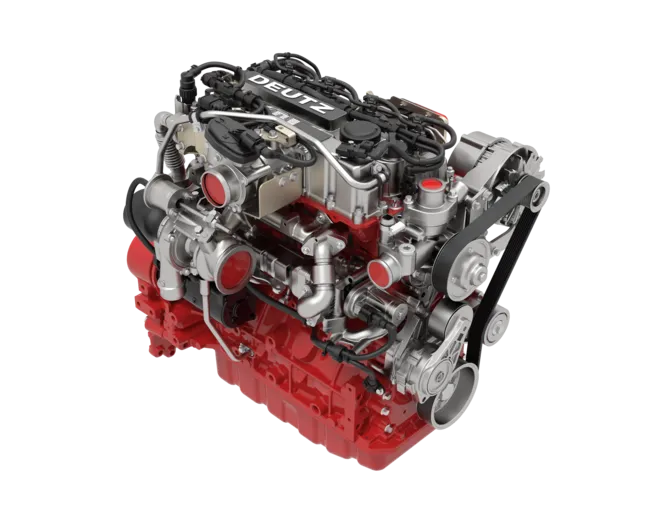
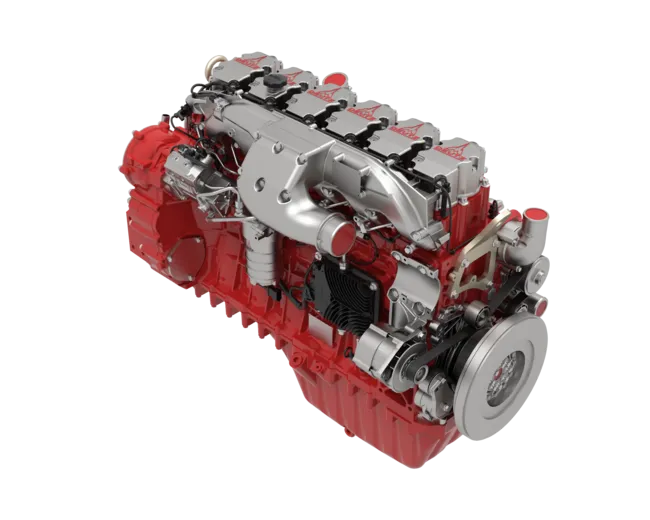
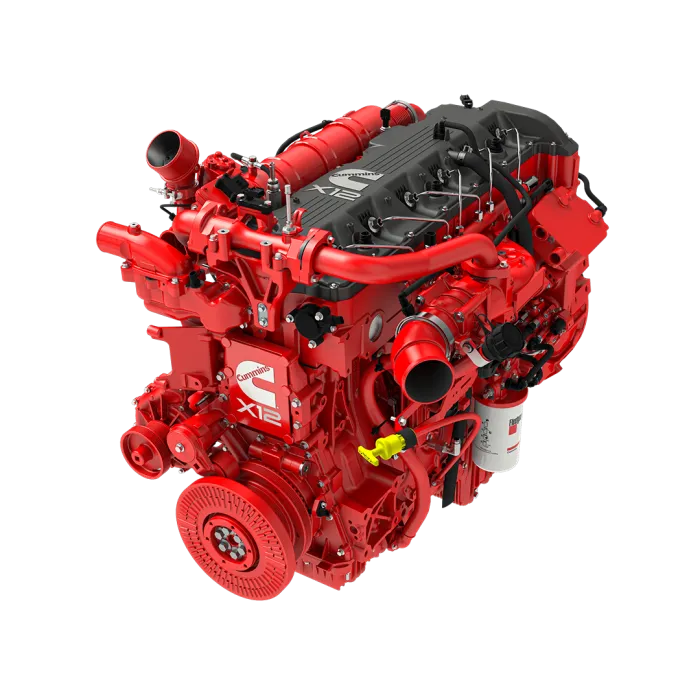
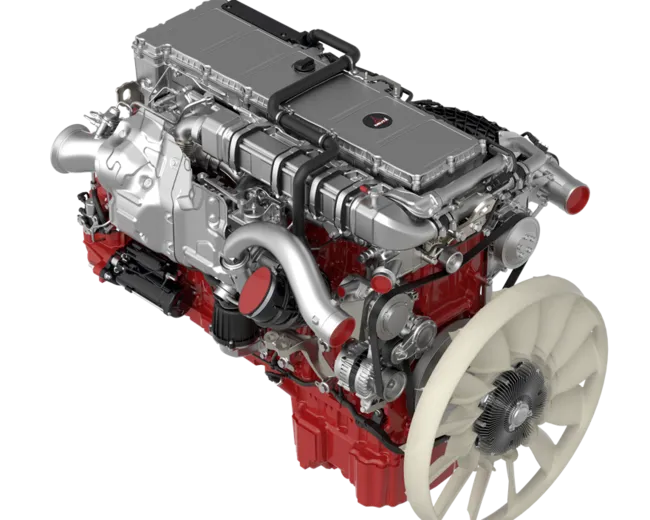
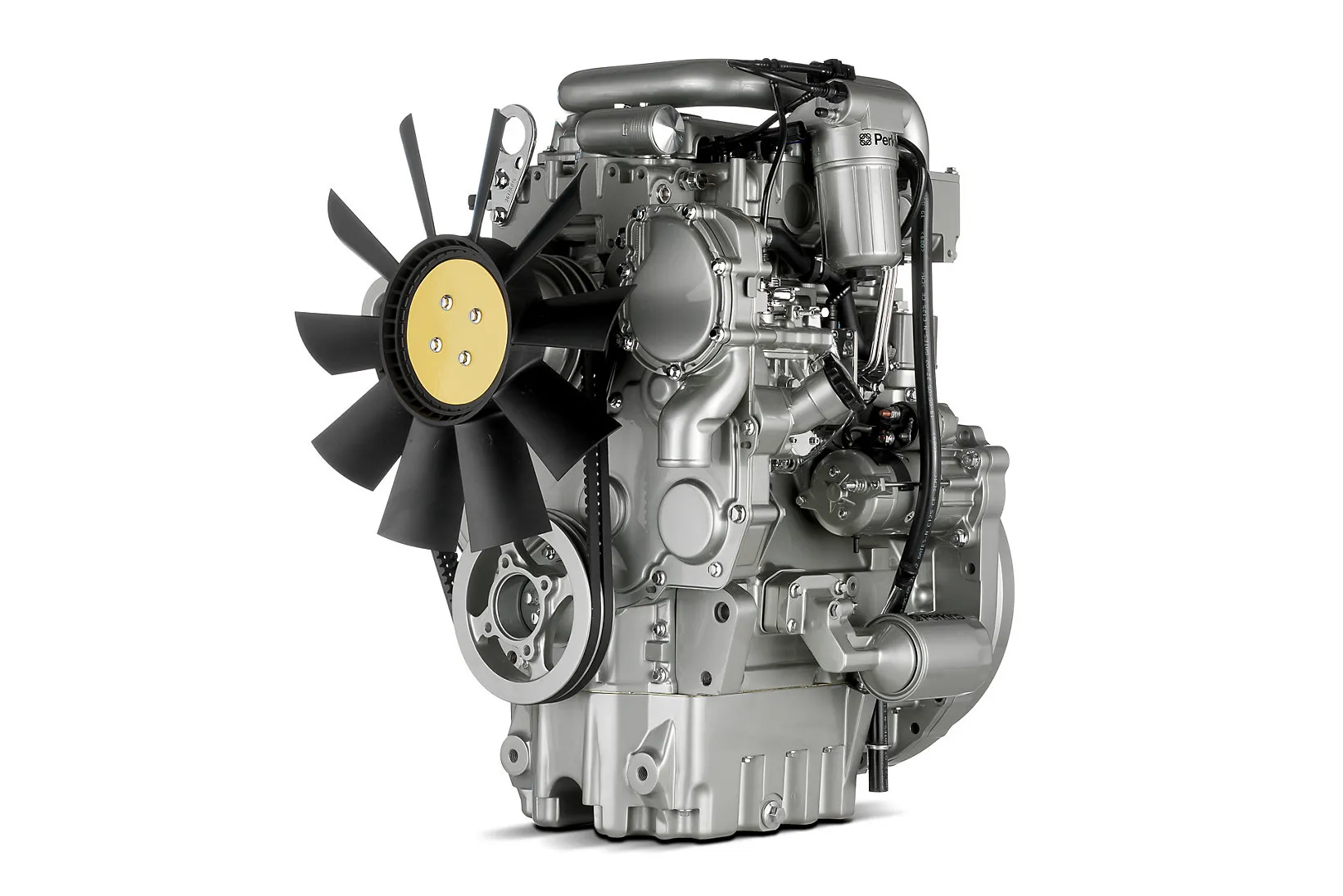
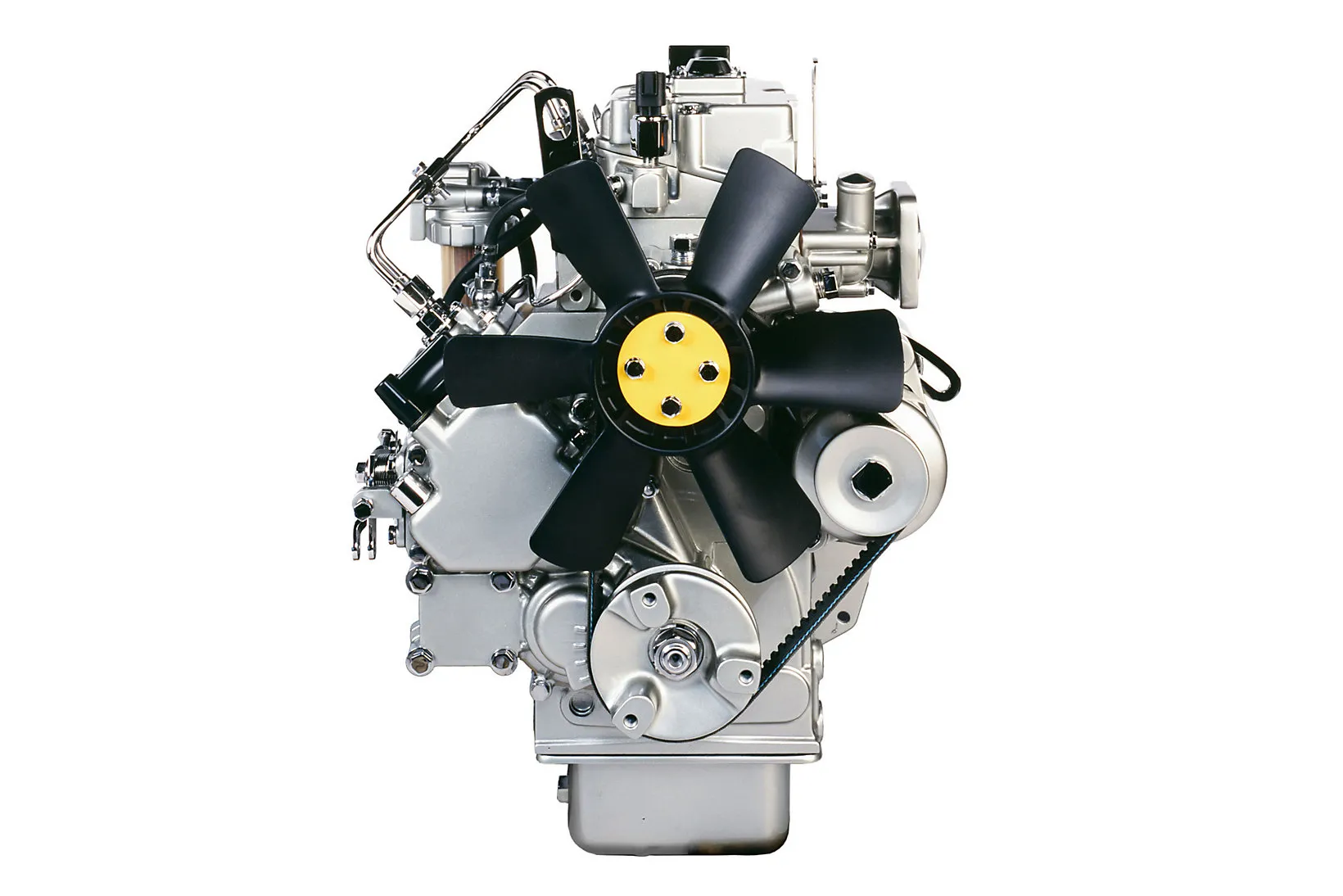
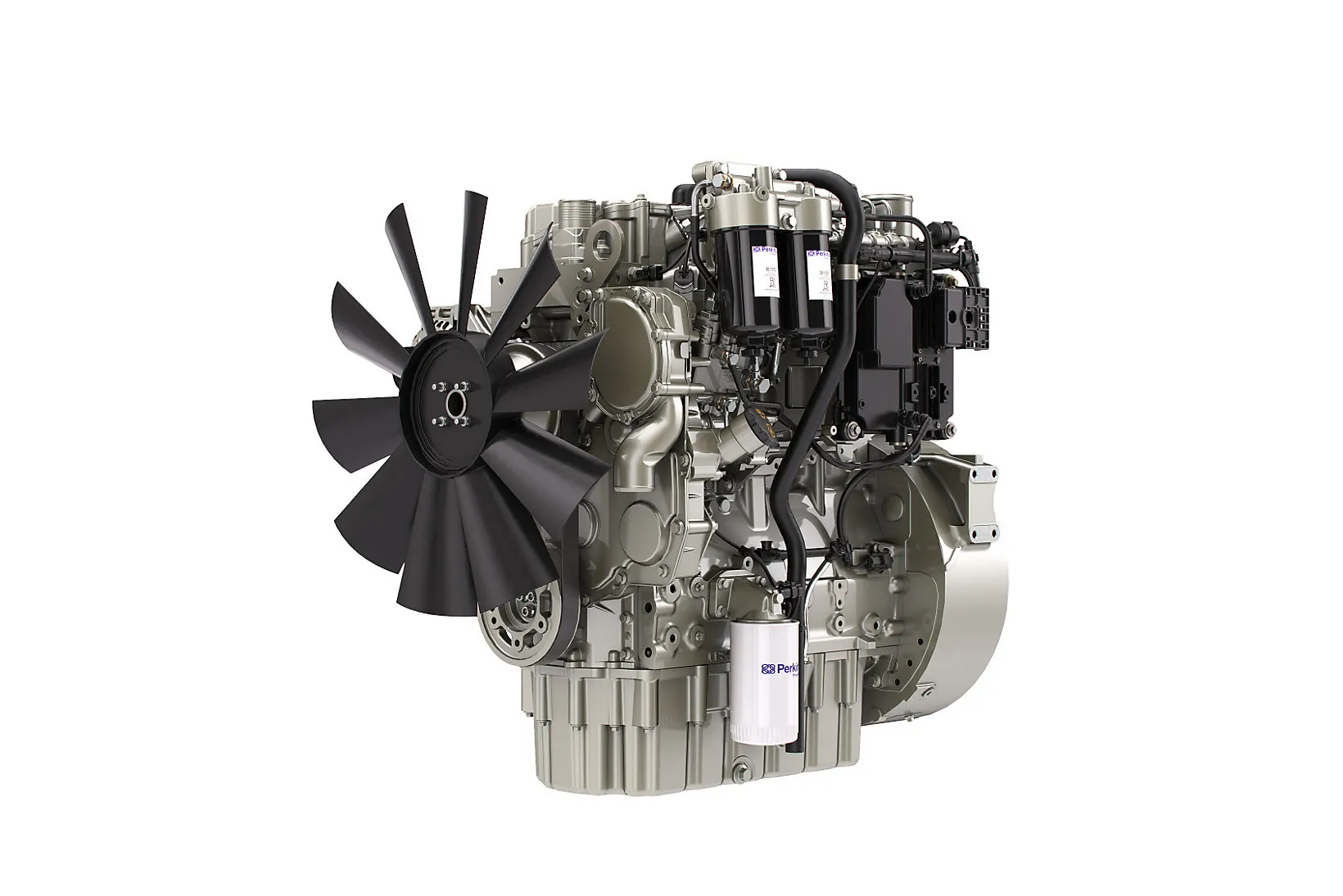
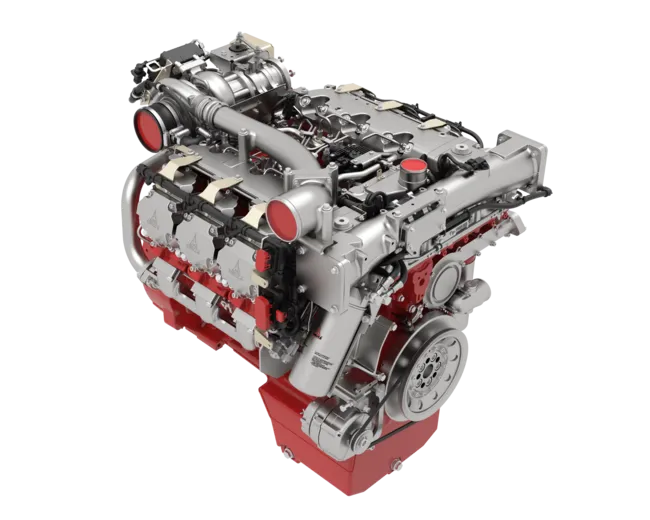
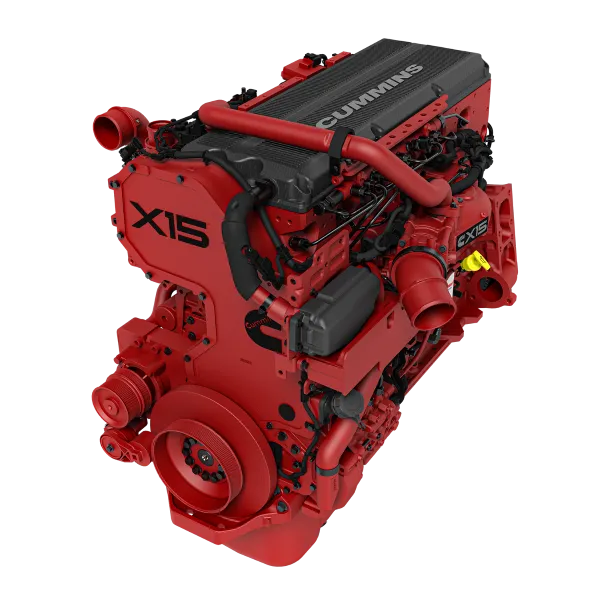
What Should Be Considered When Choosing Deutz, Perkins, and Cummins Engines?
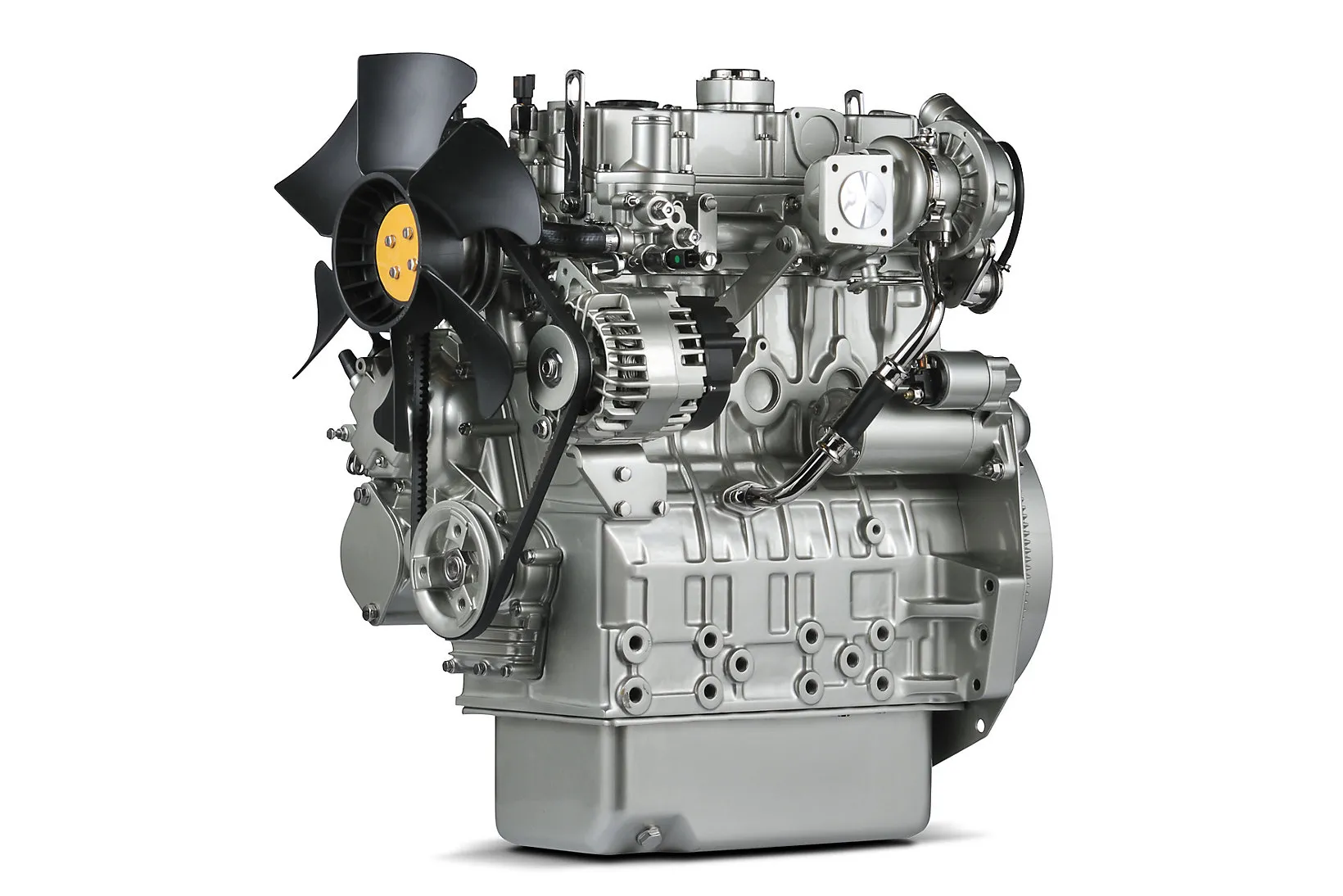
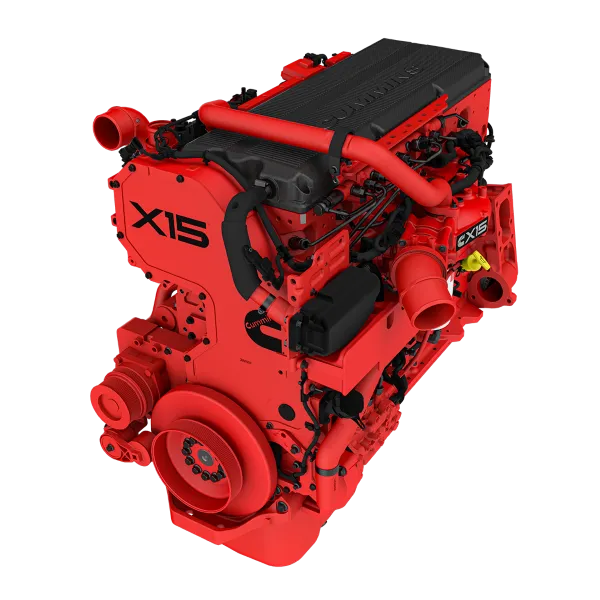
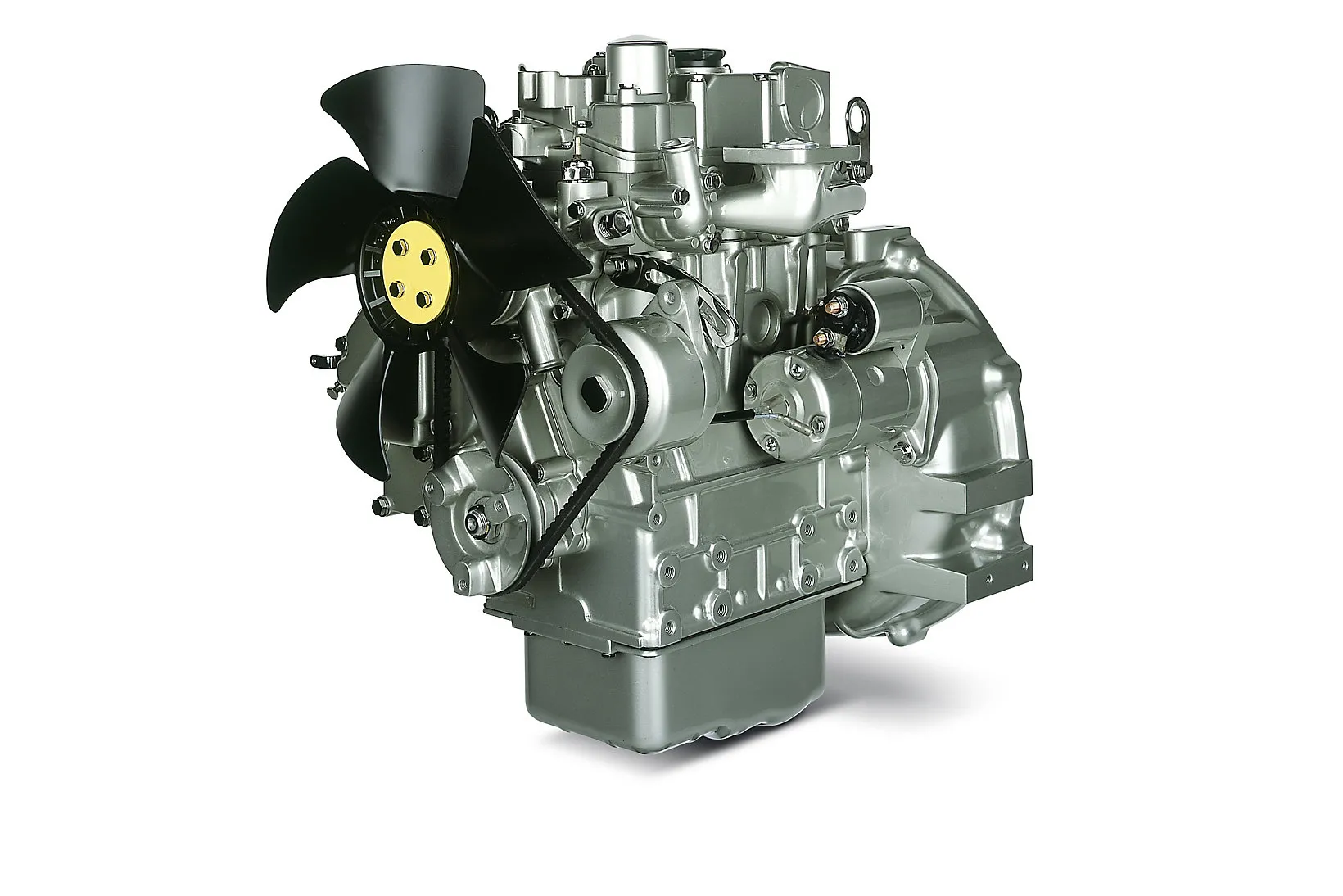
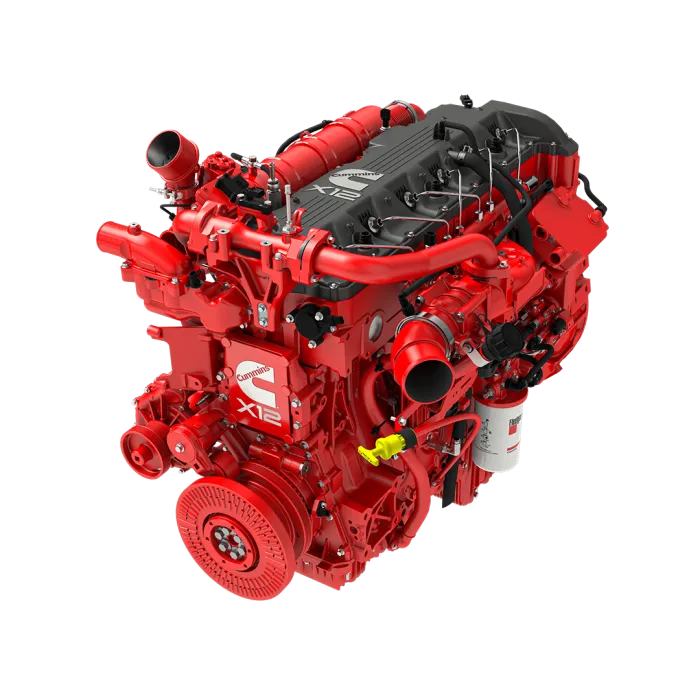
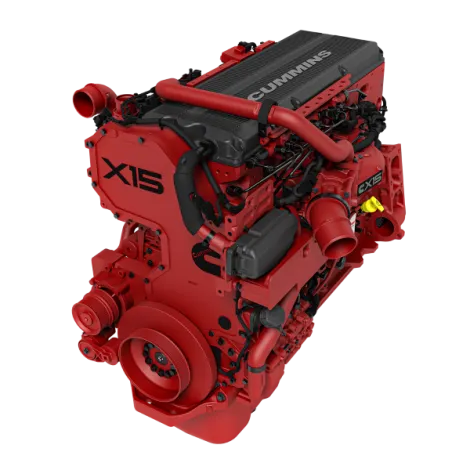
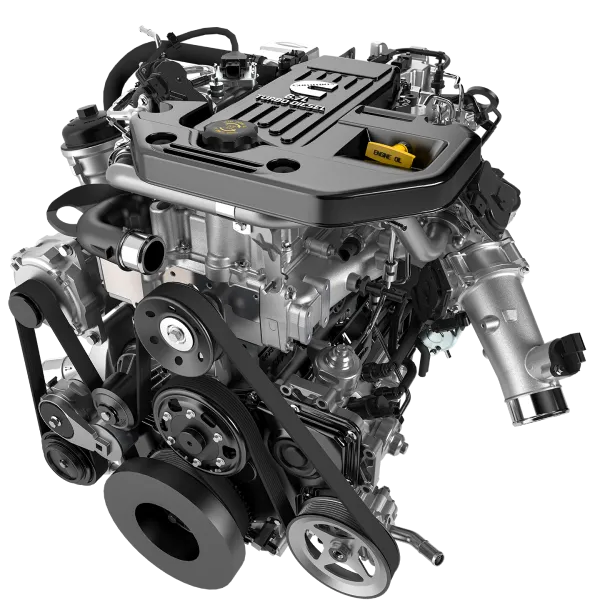
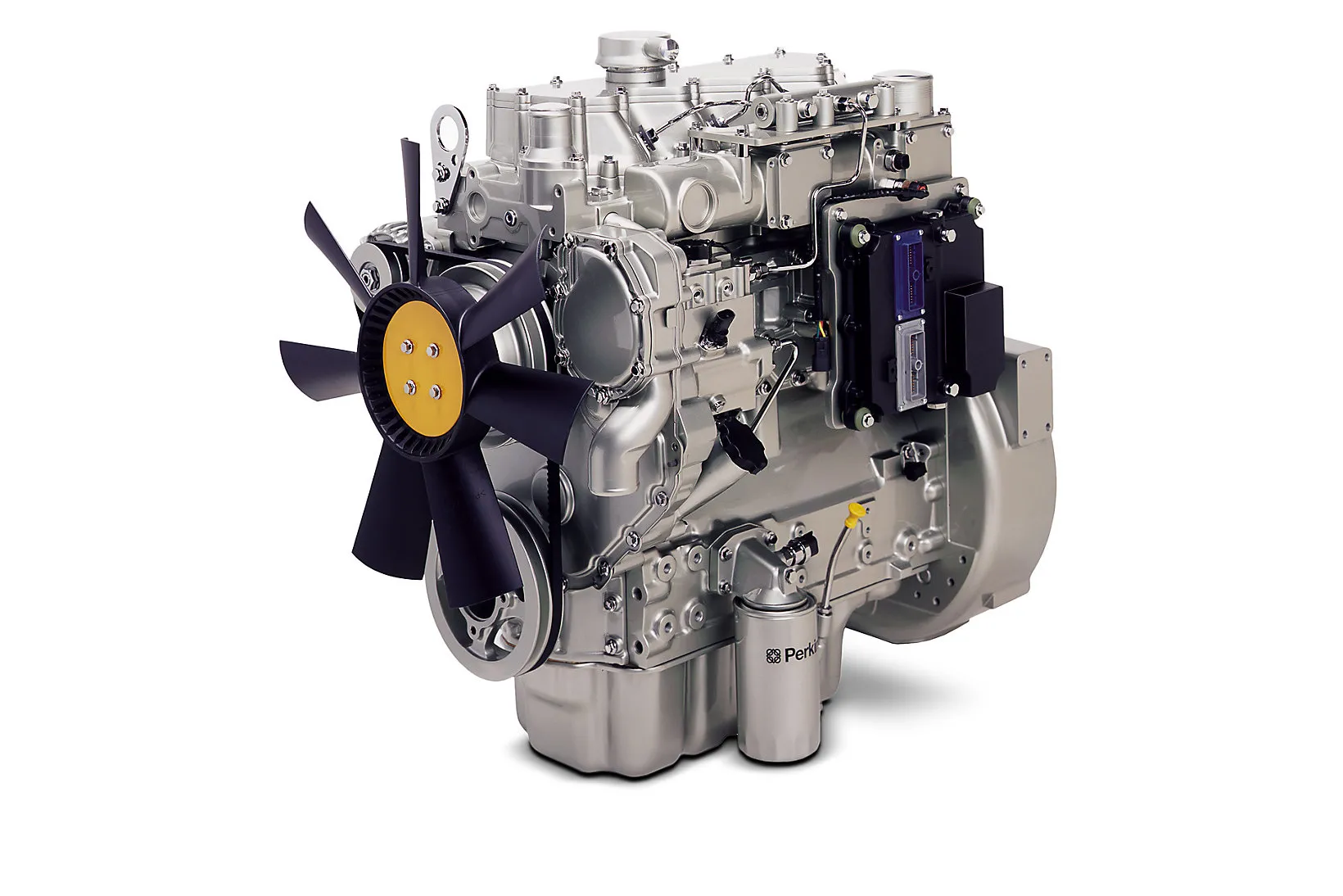
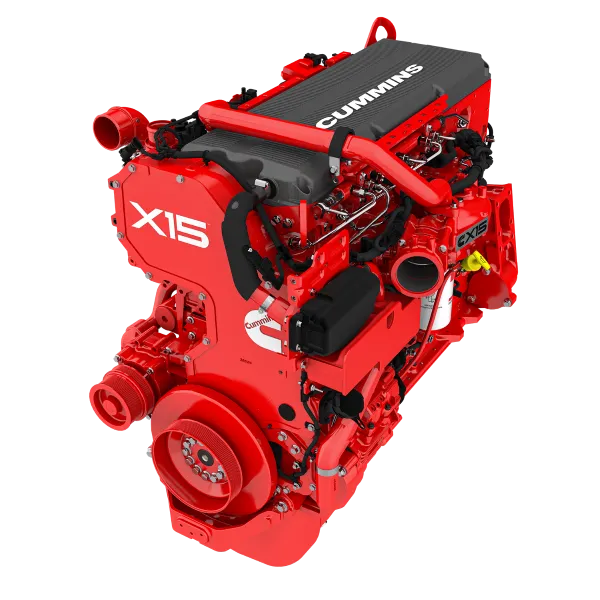
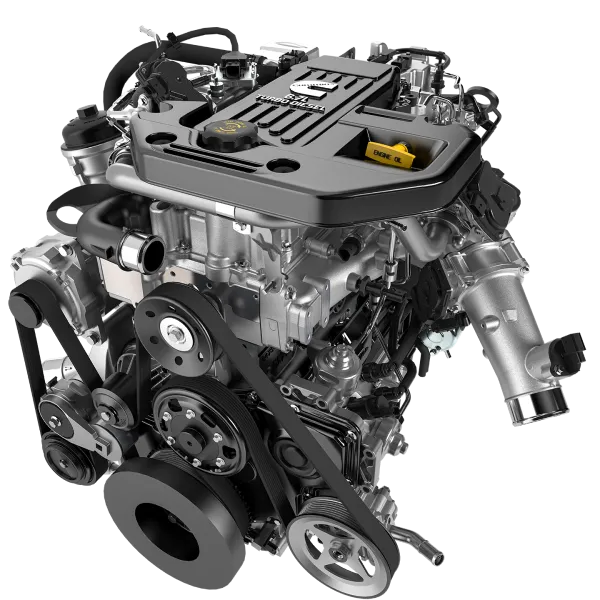
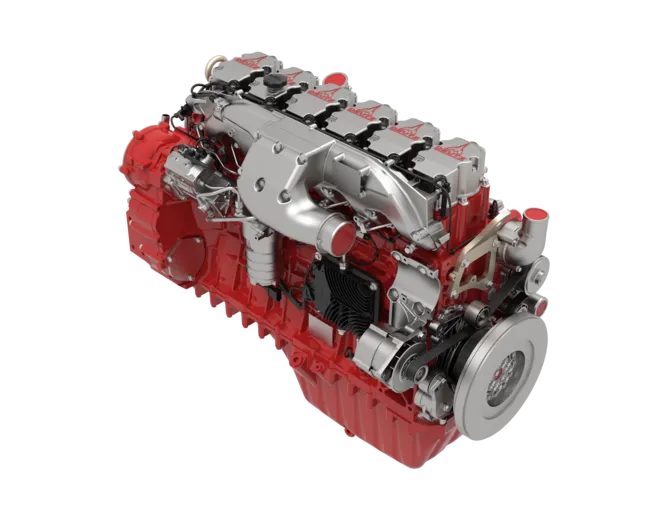
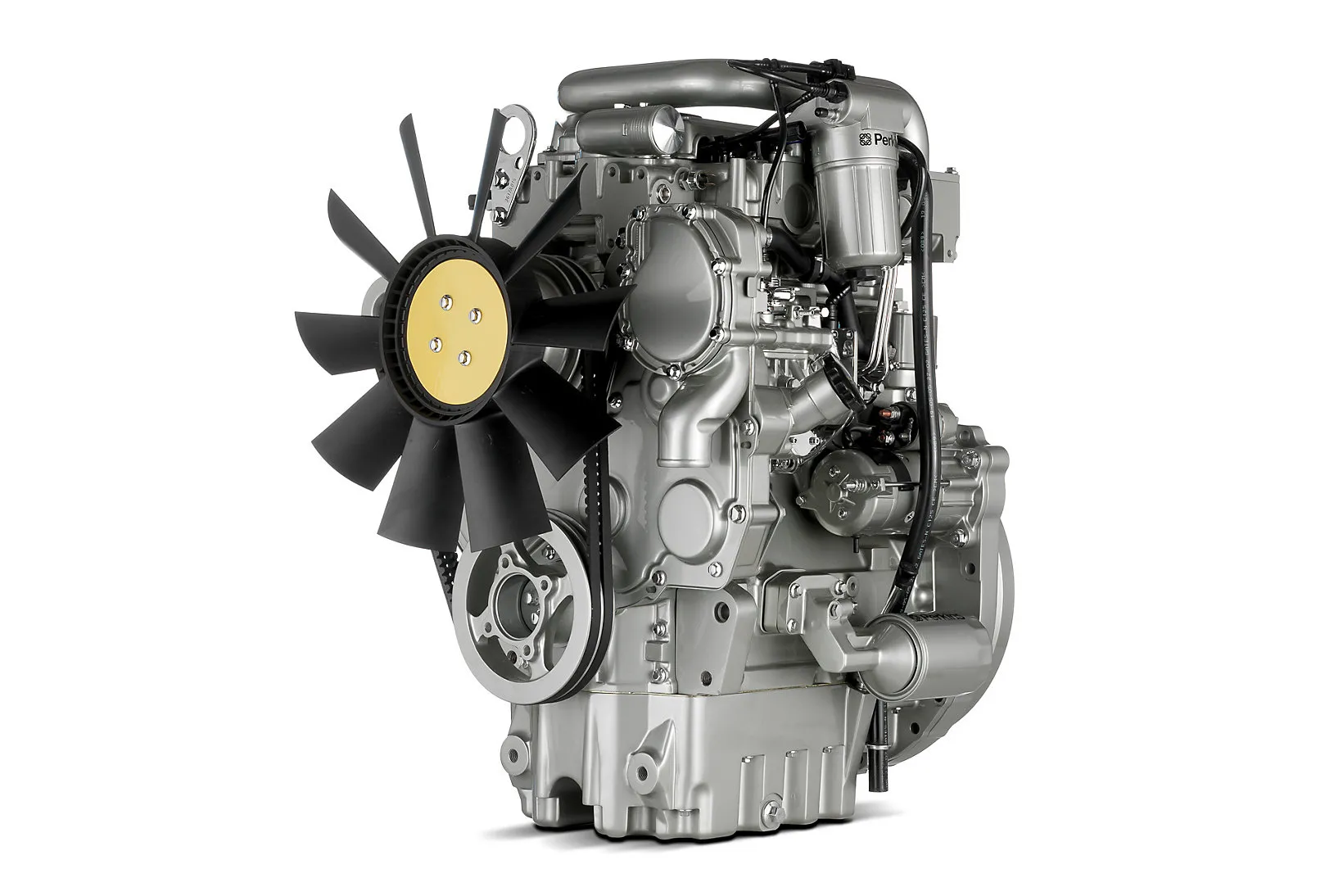
Deutz, Perkins, and Cummins offer a wide range of industrial engines designed for different power classes and applications. Therefore, before choosing a brand, it is more practical to clearly define the requirements of the equipment in which the engine will be used.
For equipment operating under heavy loads, strong torque characteristics may be the top priority, while in other applications, continuous power output or fuel efficiency may be more important. Rather than asking, "Which brand is more powerful?", the better question is, "Which engine is best suited to this specific application?"
Find the Right Engine for Your Application with Fermot
Choosing an industrial engine based solely on high power or high torque values may result in selecting an engine that is either oversized or undersized for your actual needs.
Fermot supports customers in evaluating industrial engine solutions from Deutz, Perkins, and Cummins to identify the most suitable option for different applications. By considering the equipment, operating conditions, and expected performance together, the right engine selection can be made.
The right engine is not simply the one that produces the highest power, but the one that delivers the required torque and power within the appropriate operating range.
```